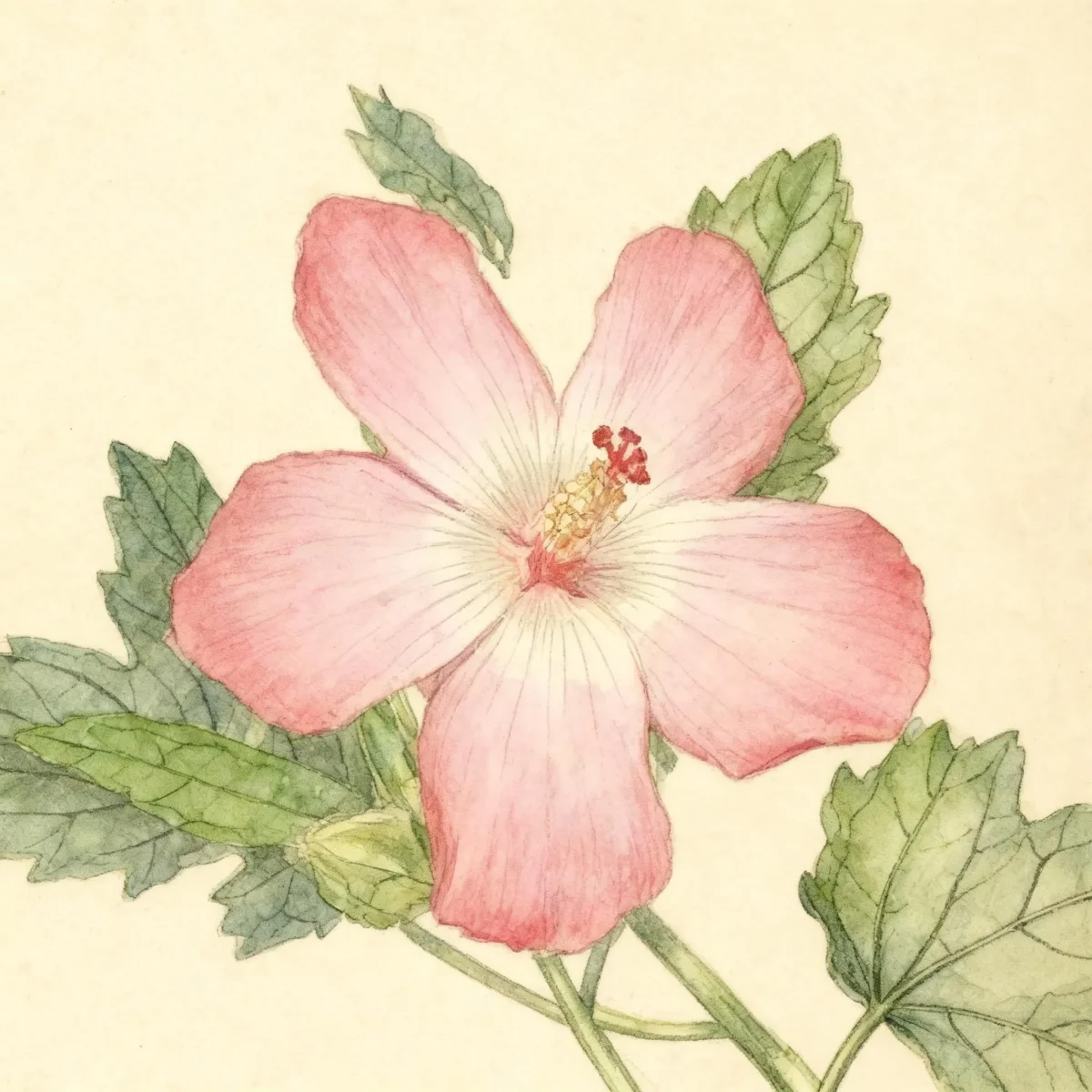
Norfolk Island hibiscus (Lagunaria patersonii)
Discover the Norfolk Island hibiscus (Lagunaria patersonii), a fast-growing Australian evergreen tree prized for its showy pink-to-white flowers and low maintenance needs.
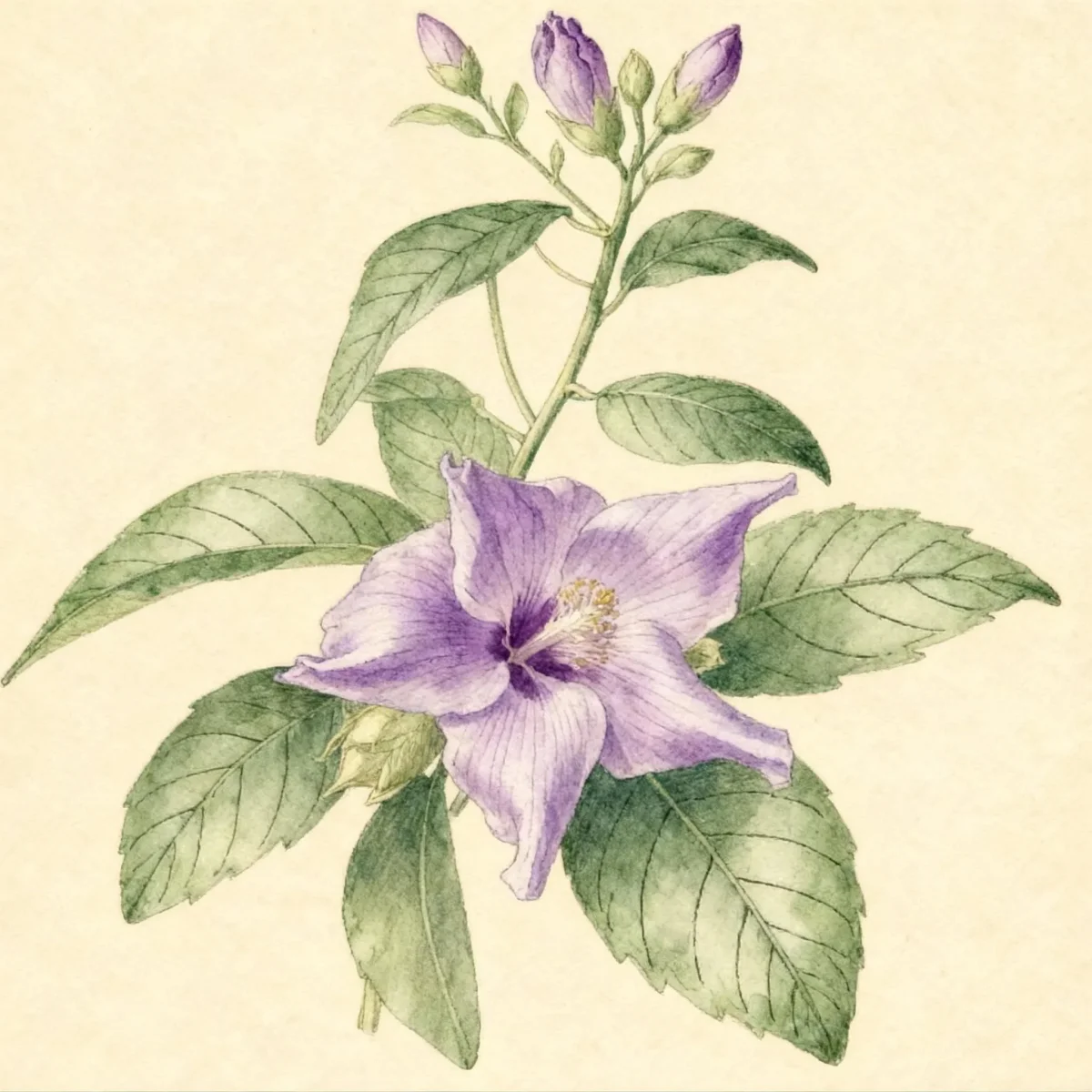

Bloom Boldly, No Matter the Season - Sweatshirt
Cozy organic cotton sweatshirt featuring our exclusive Purple Coneflower design. Perfect for gardeners who bloom year-round.
Inspired by the beautiful Norfolk Island hibiscus
Limited first batch (50) — join the waitlist for early access
Waitlist closes Feb 15, 2026.
Complete Plant Information
Field Guide Continues
Ready for care notes, companion picks, and planting tips?
The map is just the start. The full guide below covers growth habits, seasonal performance, and landscape uses.
Overview
The Norfolk Island hibiscus, scientifically known as Lagunaria patersonii, is a striking broadleaf evergreen native to Australian islands and coastal regions. It is highly valued in ornamental landscaping for its fast growth rate and slender, pyramidal habit, making it an excellent choice for vertical interest in suitable climates. This species is often utilized as a sturdy street tree in subtropical and tropical environments.
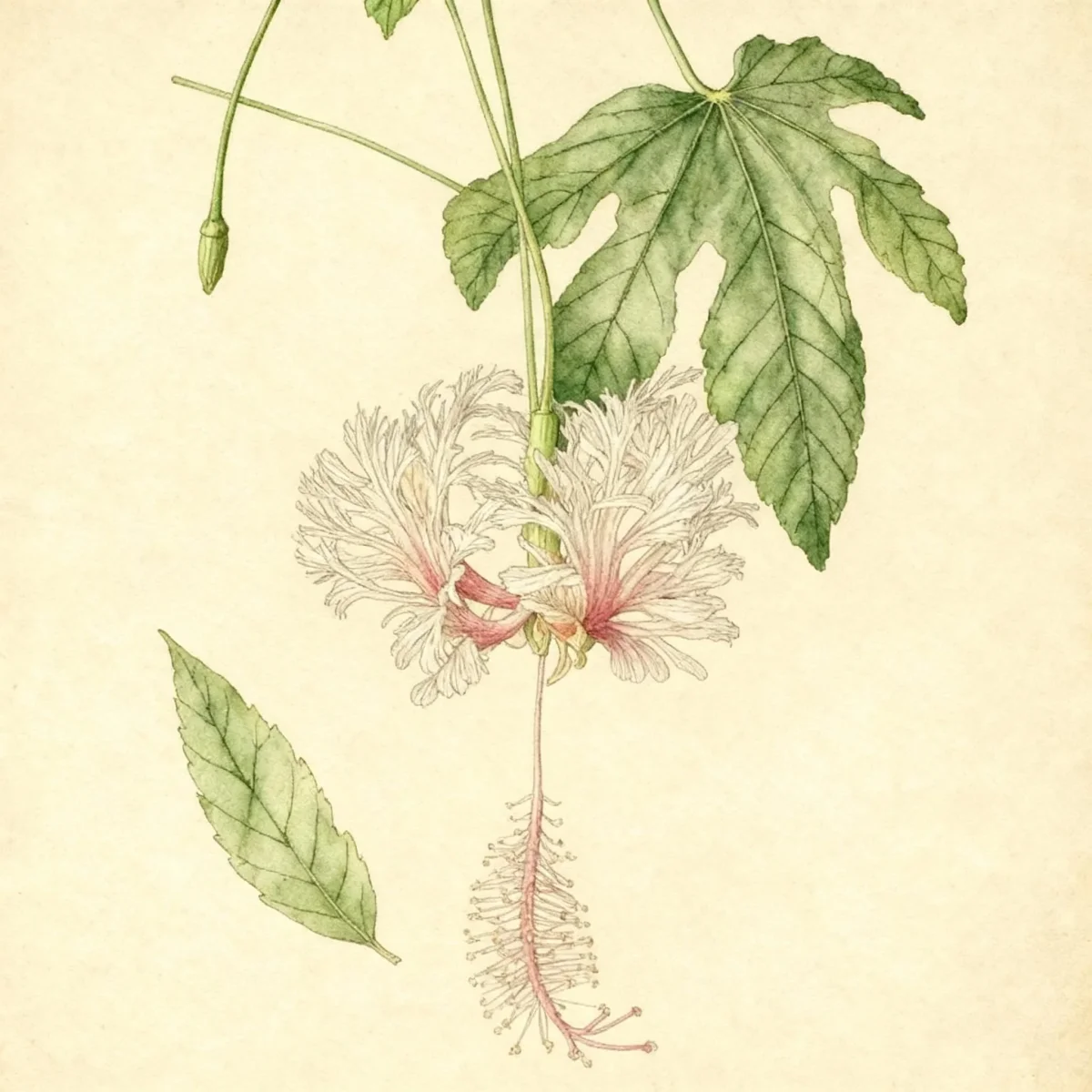
Distinctive hibiscus-like flowers emerge throughout the summer, offering delicate shades of pink that gracefully fade to white. A key feature for identification is the conspicuous central column of gold to orange anthers contrasting against the petals. While providing significant aesthetic value, gardeners should note that this species, sometimes called the cow itch tree, produces fuzzy seed capsules whose fine hairs can cause mild skin irritation.
Cultivation of Lagunaria patersonii thrives in full sun and only requires medium water once established, contributing to its appeal as a low-maintenance specimen tree. Successful growth centers around providing well-drained soil and protecting it from hard frosts, as its winter hardiness is limited to USDA Zones 9b through 11.
Fast Facts
- Plant Family: Malvaceae
- Plant Type: Broadleaf evergreen
- Native Range: Australia
- Hardiness Zones: USDA Zones 9-11
- Size at Maturity:
- Height: 20-30 ft
- Spread: 10-20 ft
- Bloom Time: June to September
- Bloom Description: Pink fading to white
- Sun Exposure: Full sun
- Water Needs: Medium
- Maintenance Level: Low
How to Grow
Planting the Norfolk Island hibiscus is best achieved when dormant or during the onset of the growing season, ensuring it establishes roots before extreme heat or cold arrives. It demands location in full sun, which promotes the best flowering and structural development. Success hinges on using average, well-drained soils; plants are intolerant of standing water which can quickly lead to root rot, the primary cultural concern.
Ongoing care for Lagunaria patersonii is minimal. Water requirements are medium, meaning consistent moisture is important, especially for younger trees, but mature specimens display notable drought tolerance once fully acclimatized. Fertilization is rarely necessary unless soil fertility is extremely poor. Pruning should focus mainly on removing crossing branches or lowering the canopy if heights exceed desired limits, maintaining its natural pyramidal appeal.
Protection from cold is paramount. While hardy to Zone 9b, best growth occurs where winter nights rarely dip below 45°F. Although surviving brief dips to 25°F might happen with some damage, consistent freezing must be avoided. Propagation methods include taking cuttings or starting from seed, though its use as a street tree in commercial settings often relies on known stock.
Landscape Uses
The Lagunaria patersonii, or Norfolk Island hibiscus, is explicitly recommended for use as a robust street tree due to its manageable size and evergreen nature. Its slender pyramidal habit creates a pleasing vertical accent along roadways or in large parks where space allows for its full 10-20 foot spread.
In formal landscape designs, use this tree to line avenues or anchor corners where high visibility is desired throughout the year. Since it is best suited for frost-free climates, consider pairing the Australian whitewood with other subtropical Mediterranean or Australian natives that appreciate similar full sun exposure and well-drained conditions. Avoid planting near pedestrian walkways where the fuzzy seed capsules might cause proximity irritation.
Standout Features
Flower Qualities
- Showy
Noteworthy Characteristics
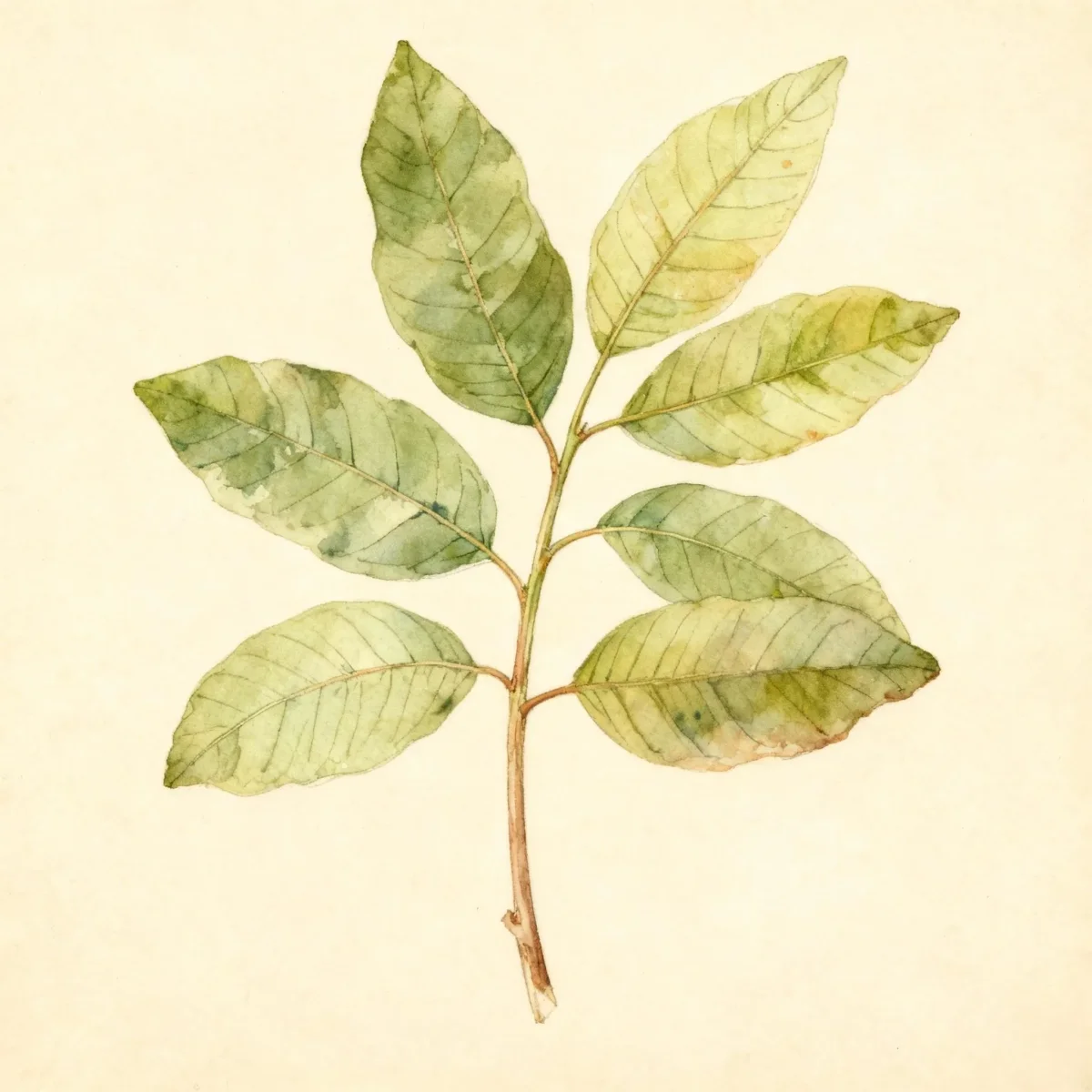
Lagunaria patersonii, known by a wide number of common names including Norfolk Island hibiscus, primrose tree and cow itch tree, is a fast-growing, evergreen tree with a slender pyramidal habit that typically grows to 20-30’ occasionally maturing to 50’ tall with a spread to 10-20’ wide. It is native to Australia, principally being found on Lord Howe Island, Norfolk Island, parts of coastal Queensland and parts of north eastern New South Wales. Leathery oval leaves are olive green above and gray-green beneath, contrasting nicely with the hibiscus-like flowers.
Tolerances
- Drought
Potential Problems
This species is generally robust, presenting no serious insect or disease problems under ideal growing conditions. The most significant cultural threat to the Norfolk Island hibiscus is fungal attack, specifically root rot, which occurs when soil drainage is inadequate or irrigation is excessive. Ensuring the planting site adheres to recommendations for well-drained soil in full sun mitigates this risk substantially.
Management involves proactive site selection rather than reactive chemical treatment. If problems arise, improve soil aeration or slightly amend the water schedule before attempting curative measures. Healthy, well-sited Lagunaria patersonii offers many years of excellent service.
Frequently Asked Questions
What hardiness zones is Norfolk Island hibiscus suitable for?
Lagunaria patersonii is best suited for cultivation across USDA Hardiness Zones 9 through 11, requiring protection from hard frosts.
How large does Lagunaria patersonii grow?
This tree typically reaches mature heights between 20 to 30 feet, often spreading out to 10 to 20 feet wide, though it can occasionally grow taller under ideal conditions.
What sun exposure does Norfolk Island hibiscus need?
The Norfolk Island hibiscus requires a location receiving full sun exposure for optimal health, robust flowering, and dense foliage.
When does Lagunaria patersonii bloom?
Blooming generally occurs from June through September, presenting flowers that start as pink and slowly fade to white.
Conclusion
The Lagunaria patersonii offers landscapers a reliable, low-maintenance, fast-growing evergreen with attractive flowers, making the Norfolk Island hibiscus a valuable addition to subtropical gardens and urban settings. By respecting its frost limitations and ensuring excellent soil drainage, gardeners can successfully cultivate this distinctive Australian native. Always verify your local USDA zone compatibility before planting this ornamental star.
Propagation Tips
Propagation of Lagunaria patersonii can be accomplished reliably through two primary methods: cuttings or seed, both mentioned in the cultivation notes. Starting plants from cuttings allows for cloning desirable mature specimens, ensuring the offspring share the exact characteristics of the parent tree, such as growth habit and flower quality.
Seeds, harvested from the fuzzy brown capsules, require scarification or careful processing to remove the irritating hairs before planting. While seed propagation is viable, it may introduce more variation in seedling performance compared to vegetative cutting propagation.
Companion Planting
When deciding what to place near your Lagunaria patersonii, focus on plants that share its needs for full, intense sun and exceptional drainage. Avoid moisture-loving species that could contribute to humidity or shaded conditions near the base of the tree, which exacerbates root rot risk for the Norfolk Island hibiscus.
Consider drought-tolerant companions that thrive in similar Mediterranean or dry subtropical garden settings. Robust succulents, certain lower-growing native Australian shrubs that handle dry heat, or resilient groundcovers that do not compete aggressively for water make excellent neighbors for this adaptable tree.