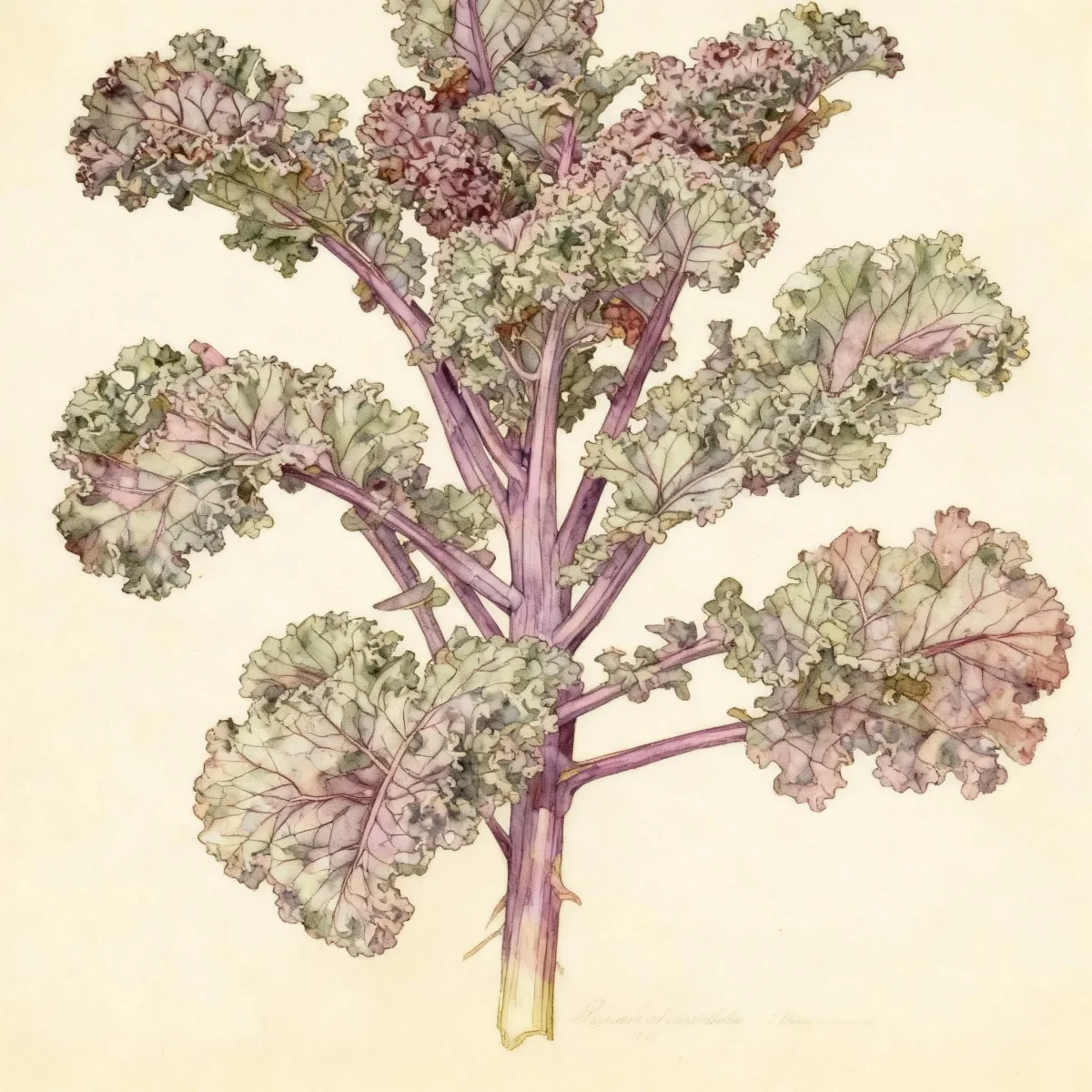
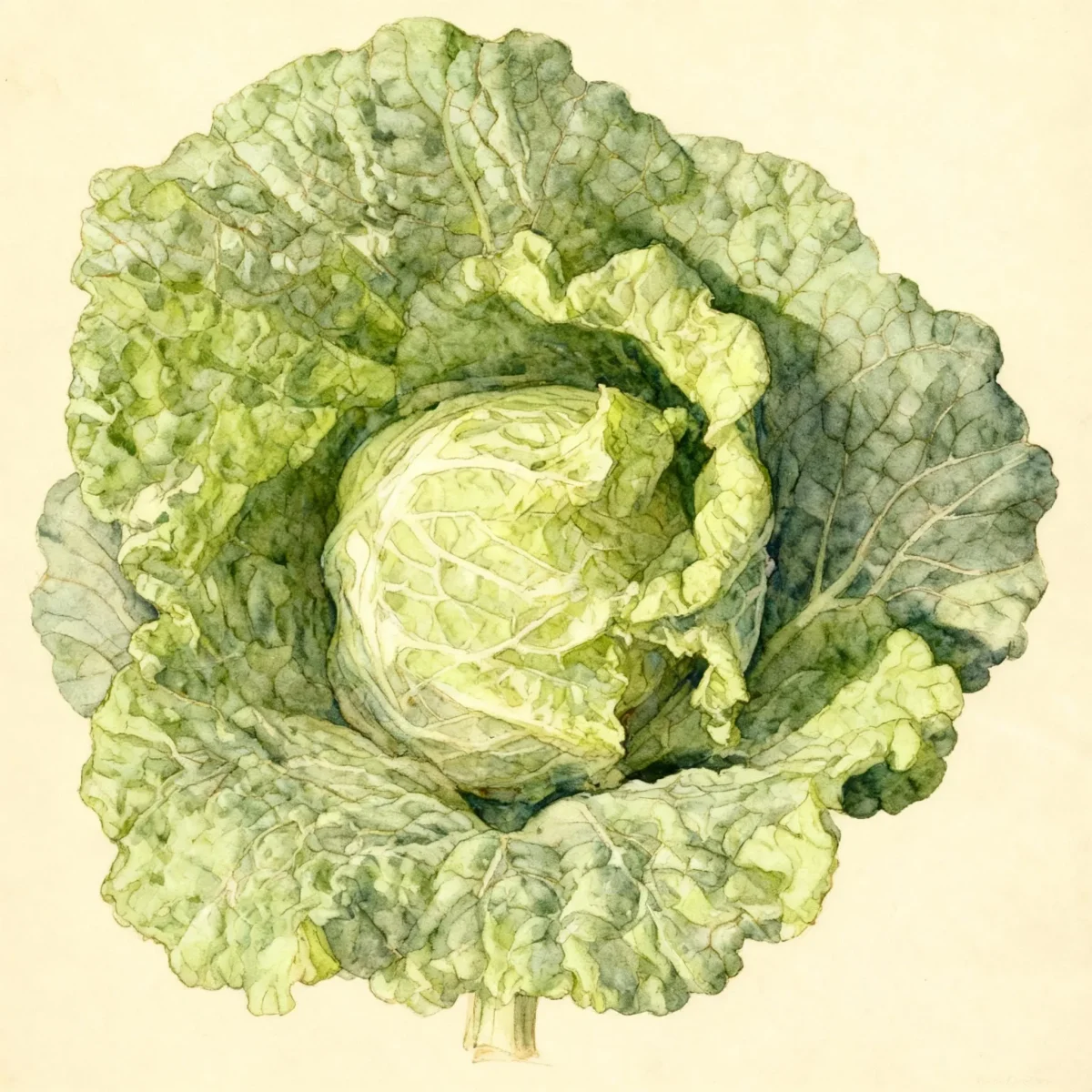
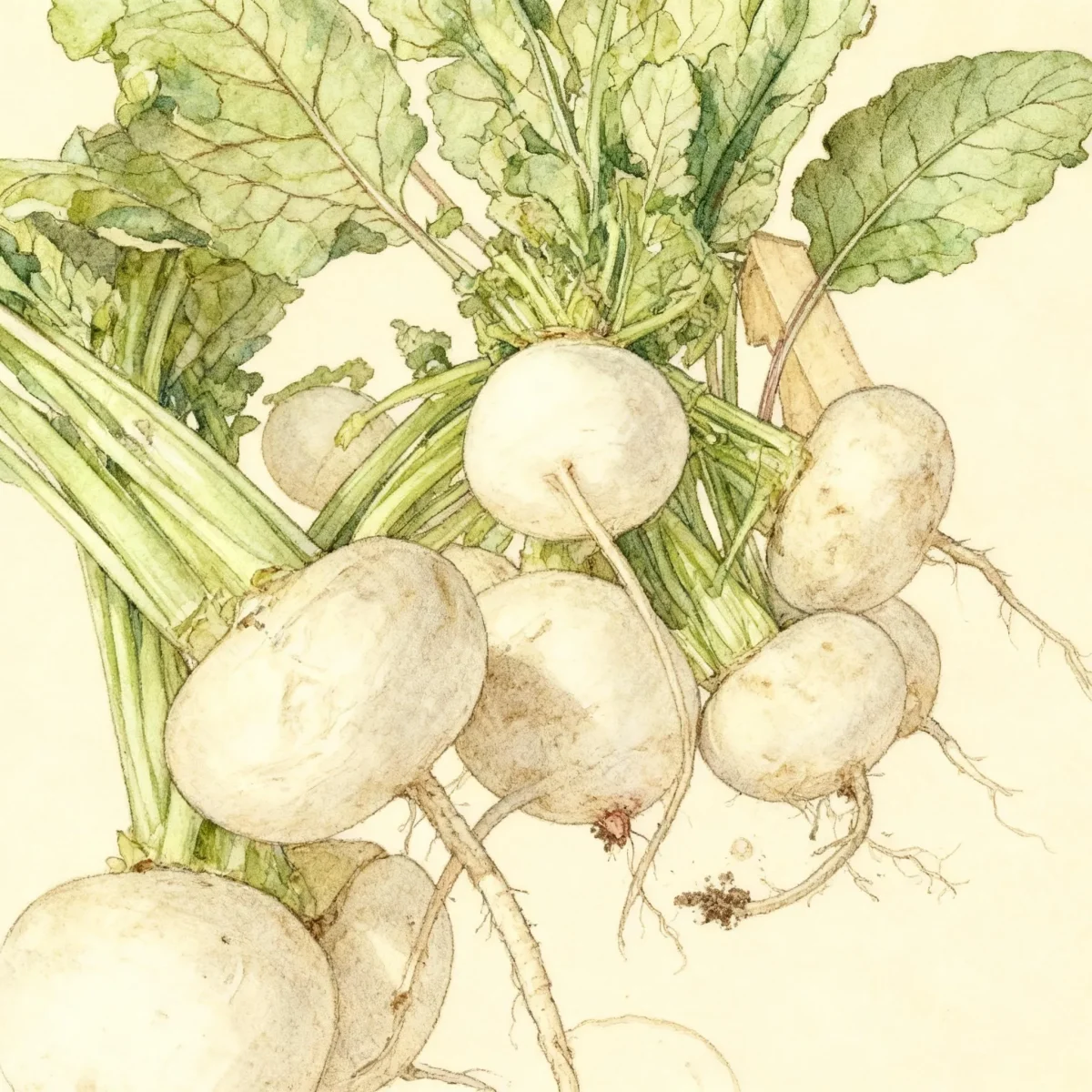
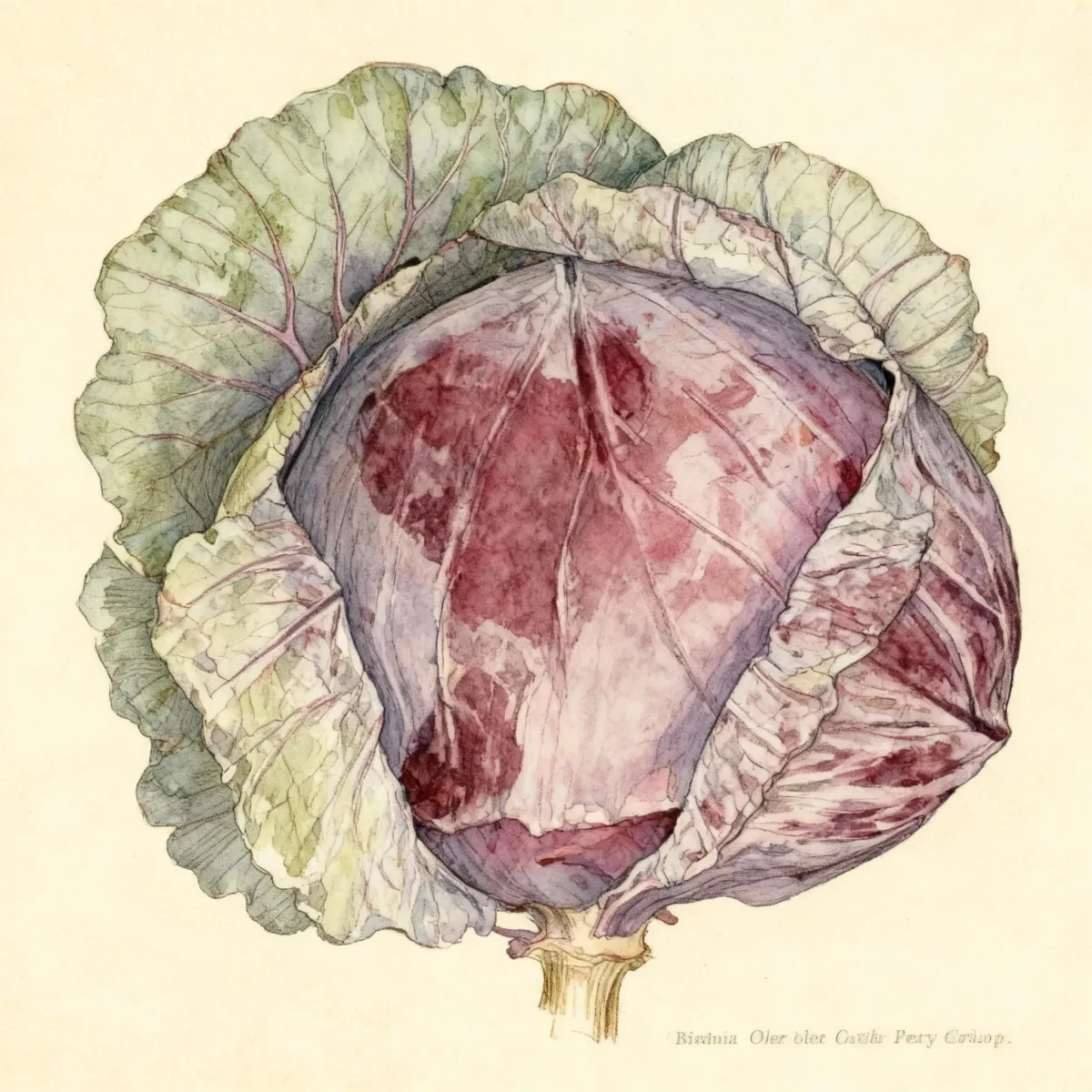
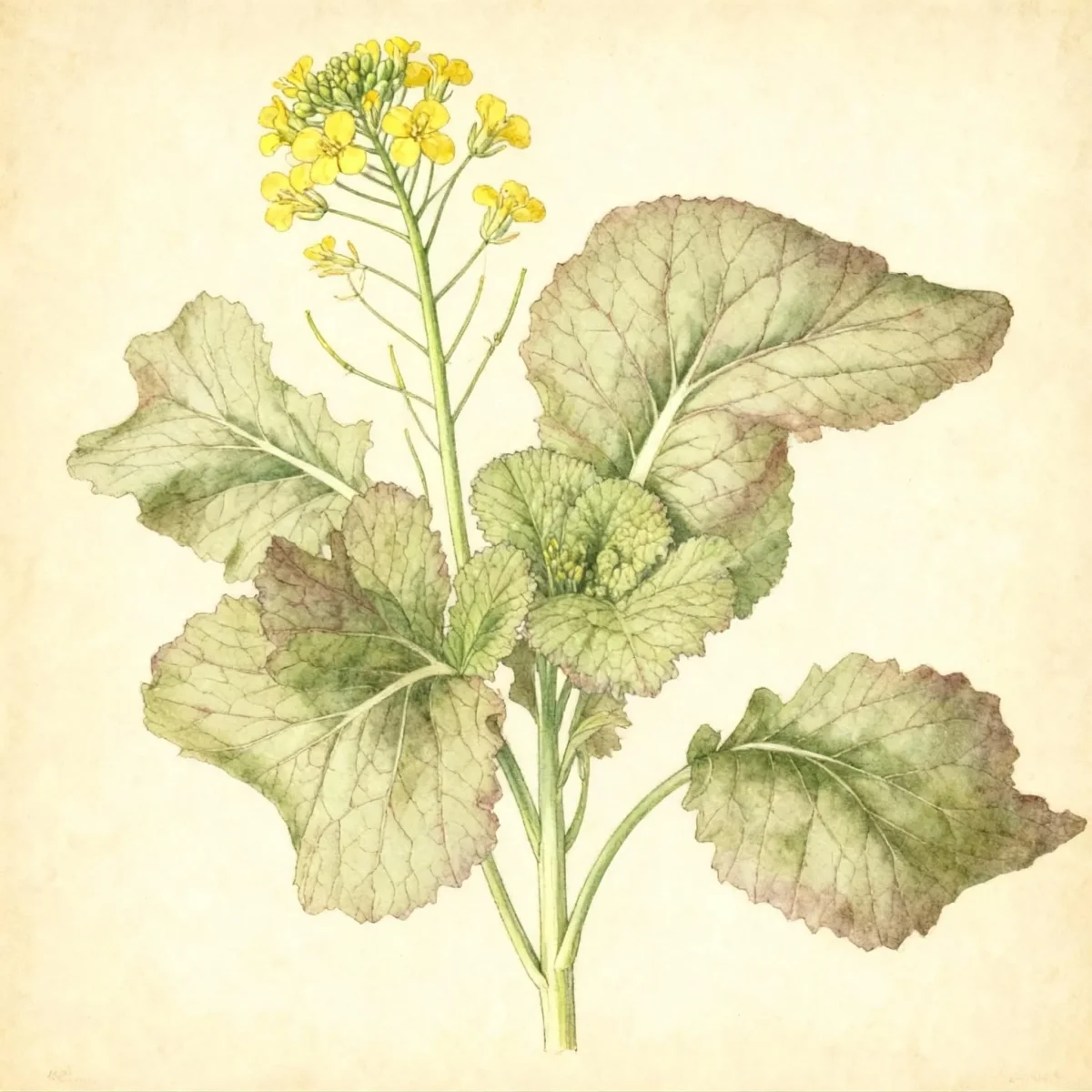
Chinese mustard (Brassica juncea)
Chinese mustard (Brassica juncea) is a versatile annual known for pungent greens, thriving in full sun with low maintenance.

Bloom Boldly, No Matter the Season - Sweatshirt
Cozy organic cotton sweatshirt featuring our exclusive Purple Coneflower design. Perfect for gardeners who bloom year-round.
Inspired by the beautiful Chinese mustard
Limited first batch (50) — join the waitlist for early access
Waitlist closes Feb 15, 2026.
Complete Plant Information
Field Guide Continues
Ready for care notes, companion picks, and planting tips?
The map is just the start. The full guide below covers growth habits, seasonal performance, and landscape uses.
Overview
Brassica juncea, widely recognized as Chinese mustard, is a highly valuable annual cultivated across Asia and increasingly in home gardens worldwide for its edible foliage and pungent seeds. This species provides a diverse range of leaf vegetables, from mild young salad greens to robust leaves suitable for cooking. Gardeners appreciate Brassica juncea for its rapid growth cycle and adaptability, offering culinary harvests quickly.
As an annual, this member of the Brassicaceae family is easily incorporated into cool-season vegetable rotations. It prefers consistent moisture and fertile soil to produce its characteristic leaves. Beyond its culinary uses, the plant develops yellow flowers when bolting, though these are not highly ornamental.
The flexibility of Chinese mustard makes it an essential addition for those seeking fresh, flavorful ingredients from their plots. Whether used raw in salads or cooked in stir-fries, Brassica juncea proves to be a low-maintenance, high-yield vegetable crop.
Fast Facts
- Plant Family: Brassicaceae
- Plant Type: Annual
- Native Range: Russia to central Asia
- Hardiness Zones: USDA Zones 2-11
- Size at Maturity:
- Height: 1-1.5 ft
- Spread: 1-1.5 ft
- Bloom Time: Flowers not showy
- Sun Exposure: Full sun
- Water Needs: Medium
- Maintenance Level: Low
How to Grow
Sow Brassica juncea seeds directly into the garden after the last spring frost, ensuring the soil is organically rich and well-drained. Plant seeds approximately 3/4” to 1” apart, leaving two feet between rows for easier access. Once seedlings establish, thin them to stand 4 to 6 inches apart to allow adequate space for leaf development. While full sun is ideal, Chinese mustard can tolerate light shade, especially as temperatures rise.
Maintain consistently moist soil conditions throughout the growing season; deep, infrequent watering is less effective than gentle, regular applications. Water early in the day so the foliage dries thoroughly before nightfall, which significantly reduces the risk of fungal diseases common in dense plantings. Floating row covers offer excellent protection against early-season pests.
Harvesting your Chinese mustard greens can begin relatively soon, as the crop is typically ready 40 to 50 days post-planting. For the mildest flavor, harvest smaller, younger leaves. If you allow the plant to mature or begin bolting, the leaves will develop a stronger, more pungent flavor profile due to increased concentrations of mustard oils.
Landscape Uses
While primarily grown as a vegetable, certain colorful-leaved varieties of Brassica juncea offer surprising ornamental value in the landscape. They function well as temporary cool-season border edgers, providing texture and color contrast before spring annuals take hold. Their upright growth structure also makes them excellent accents in containers, paired alongside trailing herbs or ornamental grasses.
When incorporating Chinese mustard into vegetable areas, consider its rapid deployment. Plant them where you need quick screening or fill-in foliage, as they mature quickly. They pair naturally with other robust, nutrient-hungry vegetables like cabbage or broccoli, requiring similar soil preparation.
The distinct structure of the leaves, which can be toothed or frilled depending on the cultivar, adds an interesting architectural element to kitchen gardens or mixed borders during the early season. Use them to frame pathways before summer heat causes them to bolt.
Standout Features
Noteworthy Characteristics
Brassica juncea, commonly known as Chinese mustard, brown mustard, Indian mustard, or leaf mustard, is an annual herb native to southern and eastern Asia that has been cultivated for centuries. It has resulted in a wide array of leaf vegetables popular in eastern Asia, including various Chinese mustard greens and Japanese mizuna. This plant is cultivated for its leaves, which can be added raw to salads or boiled when more mature, and its pungent seeds are used for flavoring and oil extraction.
Tolerances
- Tolerates light shade
Potential Problems
Flea beetles, caterpillars, aphids, snails, and slugs represent the most frequent pest challenges for Brassica juncea. These chewing and sucking insects can rapidly damage young, tender foliage.
To manage these issues, cultural practices are key. Hand-picking larger pests like caterpillars and slugs offers immediate control. Utilizing floating row covers immediately after sowing protects susceptible seedlings from flea beetles. Maintaining good airflow by ensuring proper thinning, as detailed in the growing instructions, also discourages many fungal problems that thrive in damp, stagnant conditions.
Frequently Asked Questions
What hardiness zones is Chinese mustard suitable for?
Brassica juncea is quite adaptable, being hardy in USDA Zones 2 through 11.
How large does Chinese mustard grow?
This plant typically reaches a height between 1 and 1.5 feet tall, with a similar spread of 1 to 1.5 feet at maturity.
What sun exposure does Brassica juncea need?
Brassica juncea requires full sun for optimal growth, though it can tolerate periods of light shade.
When does Chinese mustard bloom?
The flowers produced by Chinese mustard are not showy, and the plant produces them when it begins to bolt later in the season.
Conclusion
Chinese mustard (Brassica juncea) offers gardeners a highly versatile annual with excellent culinary rewards, ranging from mild salad additions to spicy cooking elements. Its low maintenance needs and fast maturation schedule make it perfect for sequential planting throughout the cool season. Before planting, confirm that your local climate falls within USDA Zones 2-11 and prepare fertile, moist soil to ensure a successful harvest of pungent, healthy greens.
Companion Planting
When planning your vegetable layout, consider companion planting to maximize the benefits of your Brassica juncea. Members of the mustard family often benefit from planting near strong-smelling herbs that naturally deter common pests. Dill and chamomile are excellent companions, as they can attract beneficial predatory insects that prey on aphids that might attack your Chinese mustard.
Conversely, avoid planting Brassica juncea near other members of the brassica family or nightshades that share similar pest susceptibilities or heavy nutrient demands. Staggering plantings of Brassica juncea with crops requiring similar medium water needs helps streamline your garden routine.
Seasonal Care Calendar
For success with Brassica juncea, synchronize your care with seasonal transitions. Early spring is critical for direct seeding, aiming for rapid establishment before summer heat causes bolting. Once established, focus on consistent early-day watering to manage moisture levels and promote drying before nightfall.
As the weather warms, inspect plants frequently for early signs of flea beetle activity; this is the time to deploy row covers if you did not do so at planting. If you wish to prevent bolting, maintain slightly cooler conditions or harvest leaves aggressively before flower stalks appear, ensuring the young leaves remain mild.
Container Growing Tips
Brassica juncea adapts exceptionally well to container gardening, especially given its relatively compact size (up to 1.5 feet tall and wide). Use pots that are at least 8-10 inches deep to accommodate the root structure and ensure ample space for leaf development. Growing Chinese mustard in containers allows precise control over soil quality, which is crucial for tender greens.
Ensure containers have excellent drainage, as this plant requires consistent moisture but absolutely cannot tolerate soggy soil, which leads to root rot. Use a high-quality potting mix amended with compost to provide the organically rich medium necessary for robust foliage production. Containers also offer flexibility, allowing you to easily move the Chinese mustard to the sunniest spot available or to a slightly shaded location during intense summer heat waves.
Harvesting Technique
The technique you use to harvest Brassica juncea directly impacts the remaining lifespan of the plant and the flavor of the leaves you collect. For a continuous supply of young, milder leaves, employ the “cut-and-come-again” method. Snip the outer, larger leaves near the base, leaving the central growing point intact.
If you harvest the entire head at once, you maximize the yield of mature leaves, which tend to be stronger-flavored and are excellent for steaming or stir-frying. Harvesting before the plant bolts ensures the best eating quality; once you notice the central stem elongating, the flavor rapidly intensifies as the plant dedicates energy to seed production.