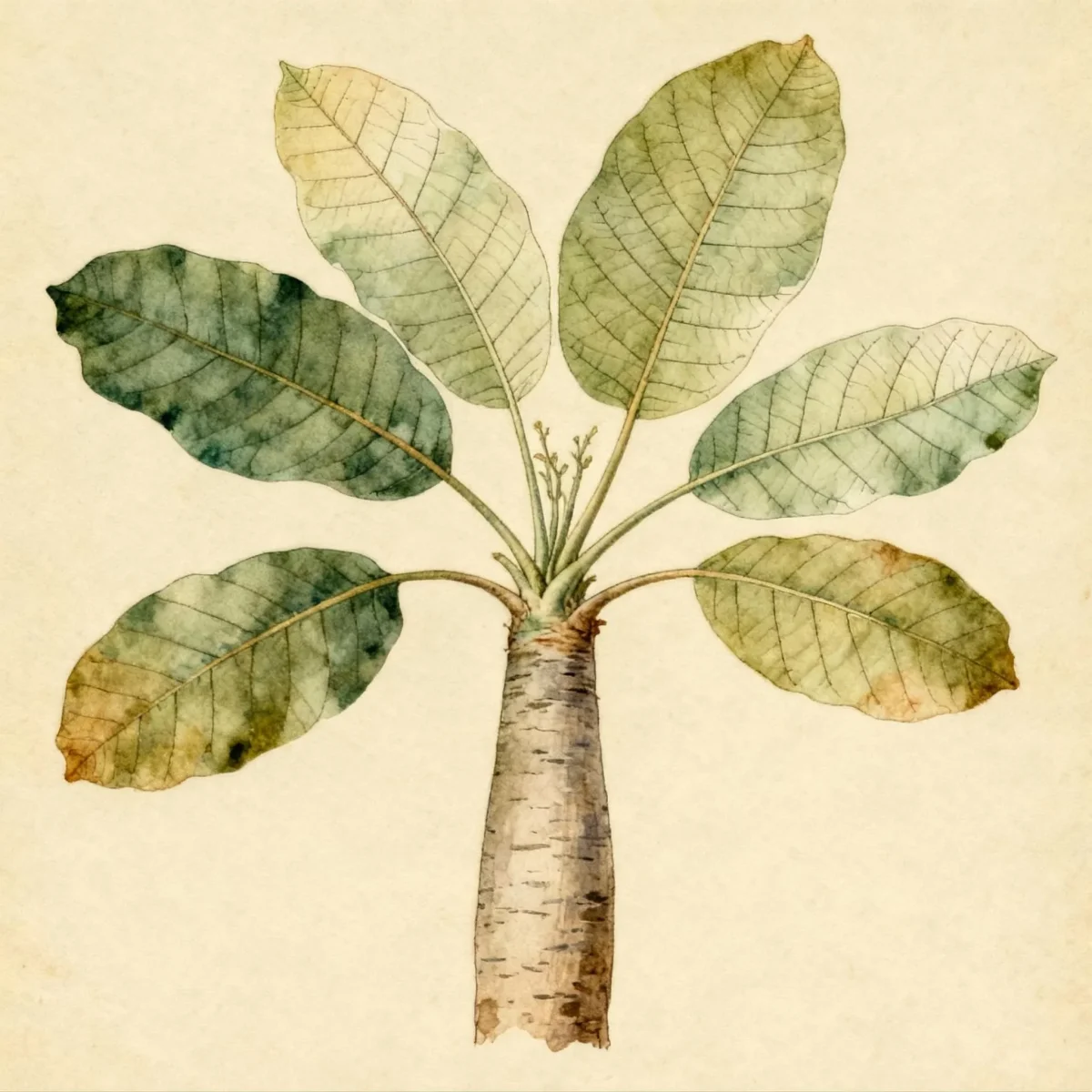
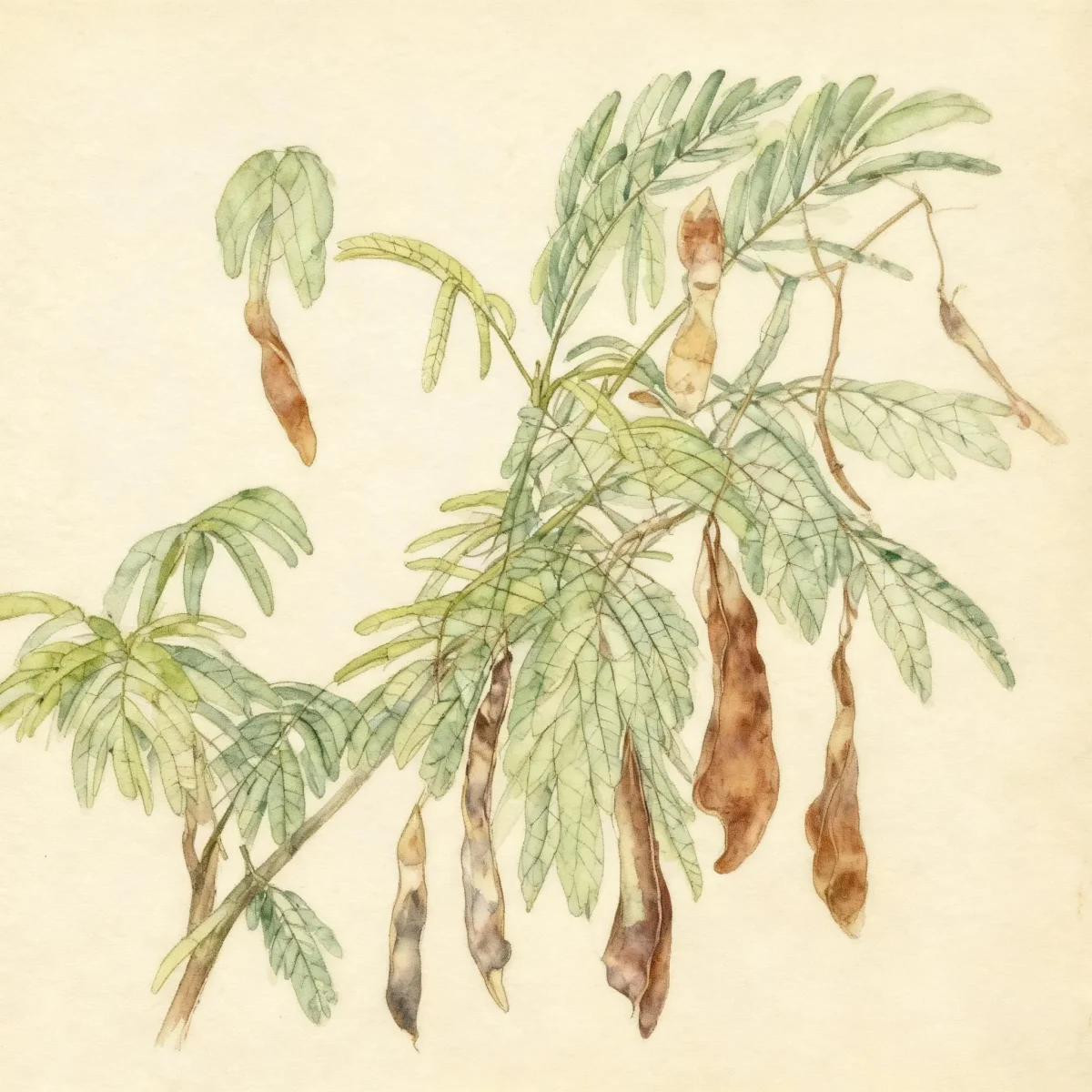
Gumbo-limbo (Bursera simaruba)
The Gumbo-limbo (Bursera simaruba) is a fast-growing, resinous tree perfect for xeriscapes providing excellent shade. Hardy in warm zones.

Bloom Boldly, No Matter the Season - Sweatshirt
Cozy organic cotton sweatshirt featuring our exclusive Purple Coneflower design. Perfect for gardeners who bloom year-round.
Inspired by the beautiful Gumbo-limbo
Limited first batch (50) — join the waitlist for early access
Waitlist closes Feb 15, 2026.
Complete Plant Information
Field Guide Continues
Ready for care notes, companion picks, and planting tips?
The map is just the start. The full guide below covers growth habits, seasonal performance, and landscape uses.
Overview
The Gumbo-limbo, or Bursera simaruba, is a distinctive, fast-growing evergreen/semi-evergreen tree celebrated for its striking exfoliating reddish-brown bark, earning it nicknames like the “tourist tree” in Florida. This resinous species thrives in tropical and subtropical environments, offering rapid establishment for large property shade or street plantings where low maintenance is desired. Its adaptability to poor soils and drought makes the Bursera simaruba an excellent choice for resilient landscaping in warmer climates.
A key feature of this tree is its incredible hardiness once established, handling significant moisture stress and poor soil conditions that often stunt other shade trees. While native to seasonally dry tropical forests, its presence adds architectural interest year-round, often shedding its leaves only briefly in the driest periods or early spring. The open canopy provides dappled shade, making the Gumbo-limbo a functional yet visually unique addition to the landscape.
Beyond its ornamental value, the Gumbo-limbo supports local ecosystems by hosting specialized bees that utilize its resin for propolis production, and it serves as a vital larval host for certain butterflies. Its tolerance for wind and salt spray further cements its utility in challenging coastal or open areas where broad, low-maintenance shade is a priority.
Fast Facts
- Plant Family: Burseraceae
- Plant Type: Tree
- Native Range: Southern Florida, West Indies, Central America
- Hardiness Zones: USDA Zones 10-12
- Size at Maturity:
- Height: 25-40 ft
- Spread: 25-30 ft
- Bloom Time: Seasonal bloomer
- Bloom Description: Creamy white to pale green
- Sun Exposure: Full sun
- Water Needs: Dry to medium
- Maintenance Level: Low
How to Grow
The ideal culture for Bursera simaruba involves planting in full sun exposure, which encourages the best growth habit and bark development. This tree performs best when situated in evenly moist to dry, well-draining, sandy loams; however, it is remarkably adaptable to clay and shallow, rocky soils. Crucially, avoid locations where soil remains consistently moist or soggy, as the roots must drain well to prevent issues.
Watering requirements are minimal once the Gumbo-limbo is established, making it highly drought-tolerant. During initial establishment, provide deep, infrequent watering to encourage strong root development. Fertilization is generally unnecessary due to its low maintenance profile and adaptation to poor soils, though testing soil pH may be wise if growth seems stunted.
Pruning is most important early in the tree’s life, especially if it is intended for street use or placement near walkways. The lowest branches of mature specimens often sweep close to the ground and require lifting to maintain clearance for pedestrians or mowing equipment. While the wood is fast-growing, pruning structural issues early ensures long-term branch integrity. Propagation can be achieved via seed or small branch cuttings, though larger branch cuttings may yield trees with poorer structure.
Landscape Uses
As a highly versatile species, the Gumbo-limbo is widely employed throughout its hardiness range as a statement accent specimen, providing an immediate tropical aesthetic. It excels as a dependable shade tree for lawns or parking lot islands, offering substantial canopy coverage quickly due to its fast growth rate. Furthermore, its excellent tolerance for air pollution and road proximity makes Bursera simaruba a superior choice for tough roadside plantings and medians where other trees fail.
Historically, the resin and fragrant essential oil derived from this tree have practical applications in varnish, glue, incense, and traditional medicine, showcasing its utilitarian value beyond mere aesthetics. For property delineation or informal borders, the unique ability of Gumbo-limbo cuttings to root directly in the ground offers a fascinating, sustainable alternative to traditional fencing materials, creating a living boundary.
When designing with this feature tree, ensure adequate space for its full 25 to 30-foot spread. Because the lowest limbs can impede access, plan plantings away from high-traffic pedestrian areas or begin structural pruning immediately to lift the canopy height clear of pathways.
Standout Features
Flower Qualities
- Insignificant
Noteworthy Characteristics
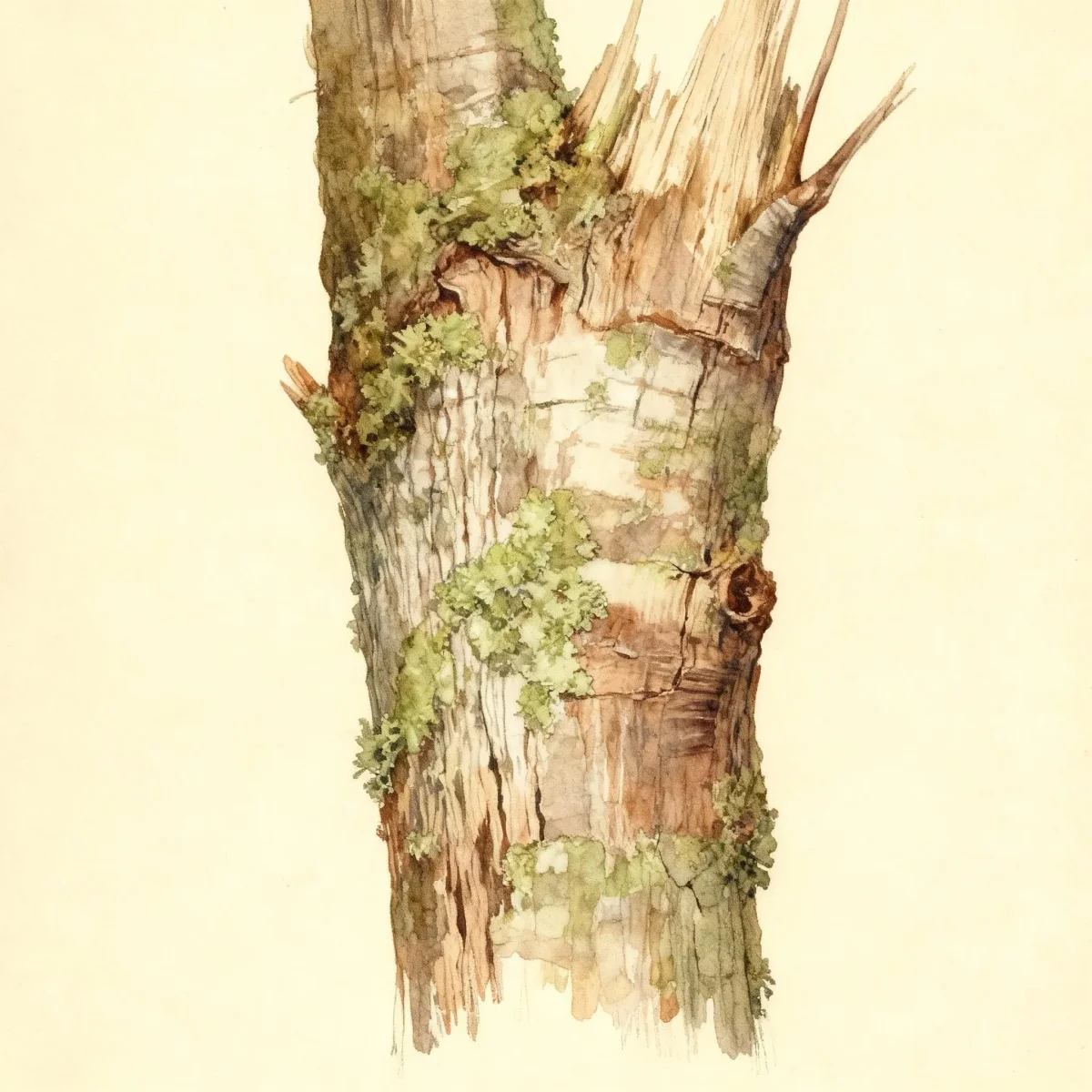
The Bursera simaruba is instantly recognizable for its reddish-brown, thin bark that peels away in flakes, providing year-round visual interest. It is a fast-growing, resinous tree native to subtropical hardwood hammocks, typically reaching 25 to 40 feet tall in cultivation. This tree provides crucial habitat, serving as a larval host plant and bearing fruits consumed by numerous bird and mammal species.
Tolerances
- Drought
- Clay Soil
- Shallow-Rocky Soil
- Air Pollution
Potential Problems
The primary maintenance concern with the Gumbo-limbo involves its physical structure near pathways. Surface roots can aggressively develop, potentially causing issues with sidewalk heaving or complicating maintenance like mowing. Additionally, the lower branches on unpruned specimens tend to hang low, sweeping the ground.
To mitigate these issues, consistent early pruning is highly recommended. Regularly lift the canopy by removing the lowest limbs while the tree is young. This preventative measure ensures adequate overhead clearance for site use later in maturity. Although prone to surface rooting, the main limbs of the Bursera simaruba exhibit good resistance to wind damage.
Frequently Asked Questions
What hardiness zones is Gumbo-limbo suitable for?
The Gumbo-limbo (Bursera simaruba) is hardy in USDA Zones 10 through 12.
How large does Gumbo-limbo grow?
In cultivation, this tree typically achieves a height between 25 and 40 feet, with a spread between 25 and 30 feet wide.
What sun exposure does Gumbo-limbo need?
This species requires full sun for optimal growth and is best suited for open, bright locations.
When does Gumbo-limbo bloom?
It blooms seasonally, typically in late winter or spring, producing small clusters of creamy white to pale green flowers.
Conclusion
The Gumbo-limbo (Bursera simaruba) stands out as a low-maintenance, drought-tolerant pillar for warm-climate landscaping, offering unique bark texture and significant wildlife support. Its rapid growth and high adaptability make it a resilient shade solution where other species might struggle. Before planting, ensure your site falls within USDA Zones 10–12 to guarantee success for your new Bursera simaruba.
Propagation Tips
Growing a new Gumbo-limbo is remarkably straightforward, often relying on vegetative propagation which guarantees the mature tree’s characteristics. The easiest method involves taking small branch cuttings—these can often be simply stuck directly into the ground in a suitable location.
While smaller branches root reliably, be cautious when using very large limbs for propagation. Although they will establish roots, the resulting trees may exhibit reduced structural integrity compared to those grown from seed or smaller, more judiciously sized cuttings. This ease of propagation makes the tree an excellent subject for creating rustic, fast-growing living fences along property lines.
Wildlife Benefits
The flowering cycle of the Bursera simaruba is particularly beneficial for local pollinator populations. Its small, nectar-rich blossoms attract various bees, including native orchid bees and honeybees, providing them with essential resources during the late winter or spring bloom time.
Furthermore, resin collected by eusocial bees from this tree is a vital component for making propolis, the natural sealant used to maintain hive integrity. In autumn, the maturing fruits offer food for migratory birds like the red-eyed and white-eyed vireos, supplementing their diet as they pass through or overwinter in the region.