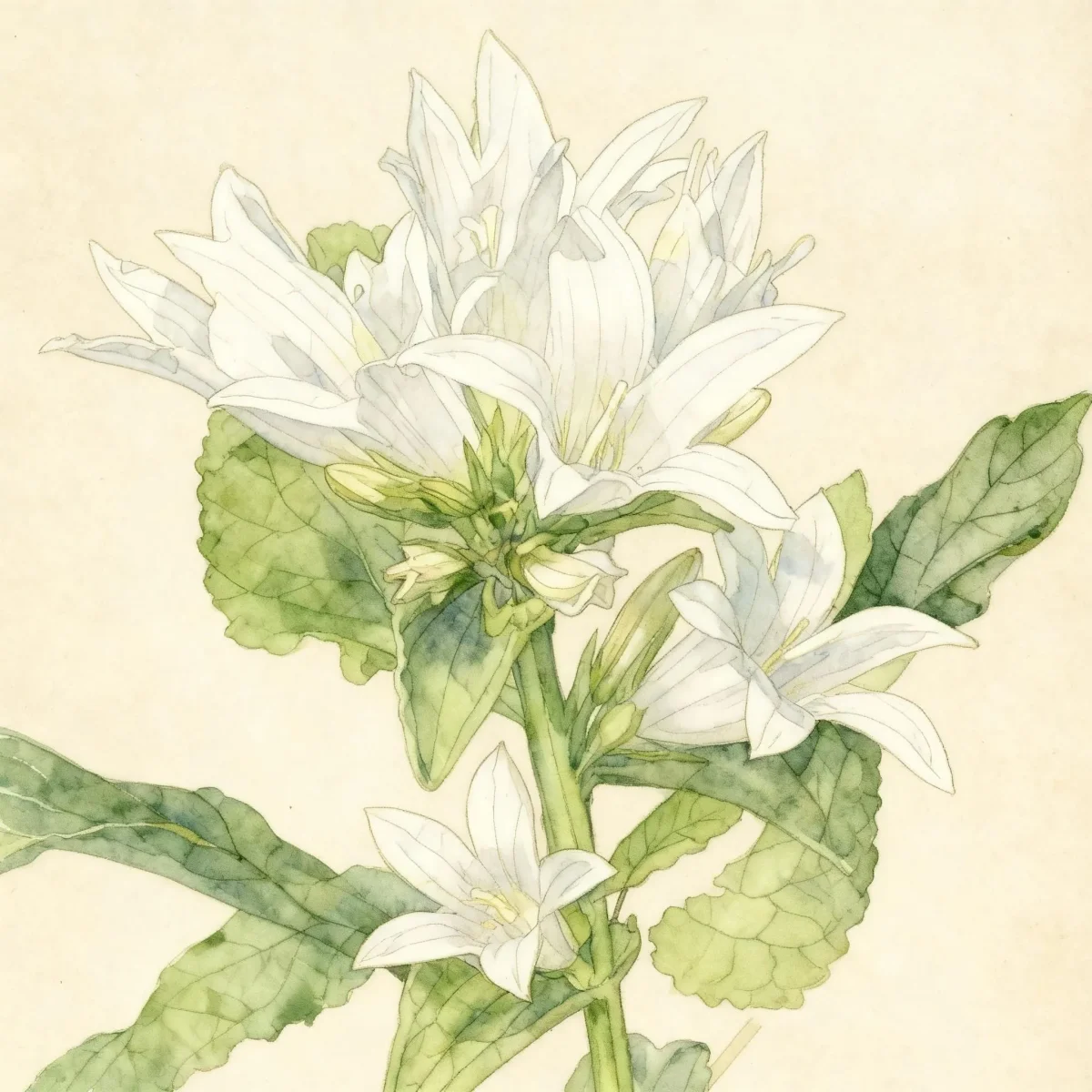
Willow bell (Campanula persicifolia)
Grow the elegant Willow bell (Campanula persicifolia), a low-maintenance perennial with striking blue or white bell flowers from June to July.
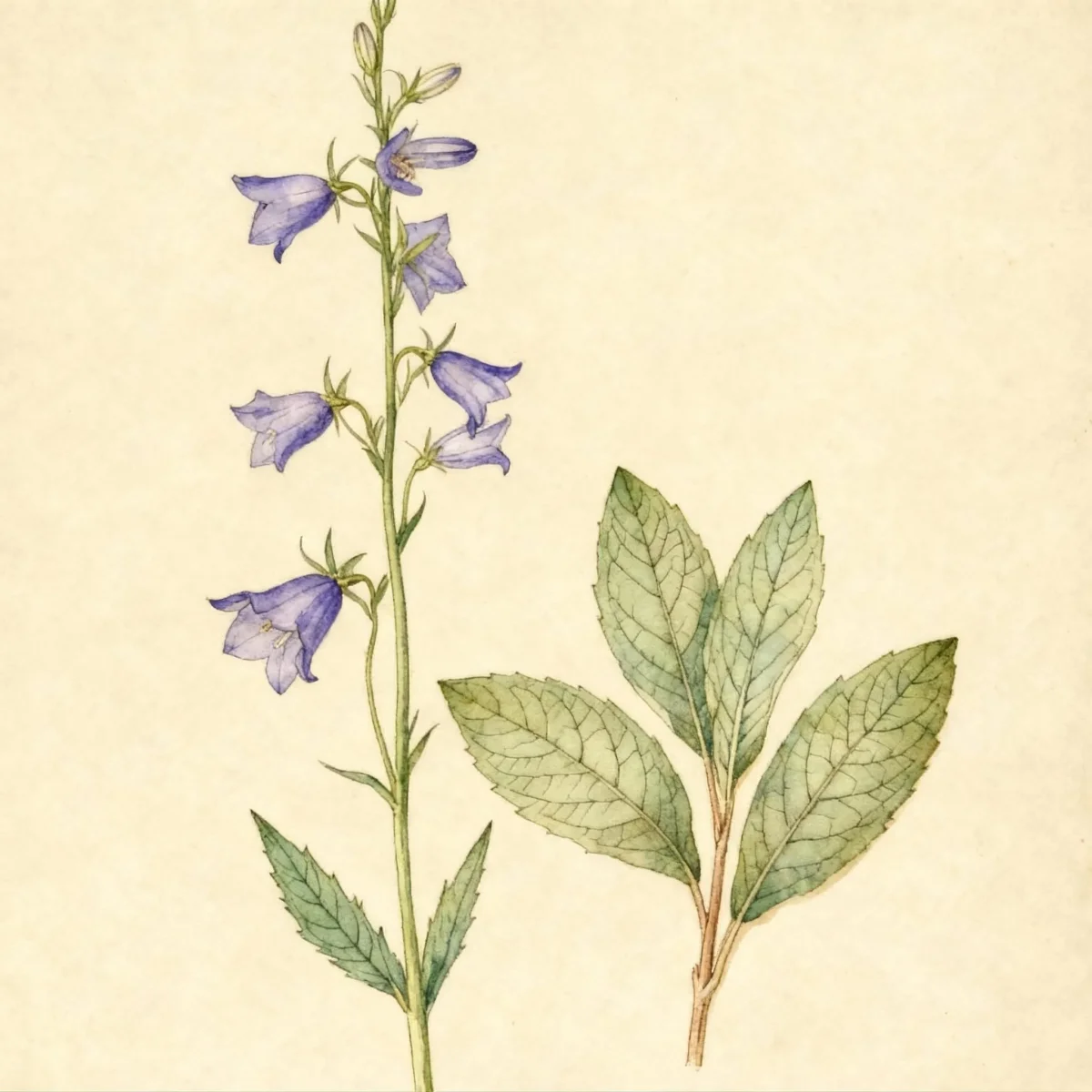

Bloom Boldly, No Matter the Season - Sweatshirt
Cozy organic cotton sweatshirt featuring our exclusive Purple Coneflower design. Perfect for gardeners who bloom year-round.
Inspired by the beautiful Willow bell
Limited first batch (50) — join the waitlist for early access
Waitlist closes Feb 15, 2026.
Complete Plant Information
Field Guide Continues
Ready for care notes, companion picks, and planting tips?
The map is just the start. The full guide below covers growth habits, seasonal performance, and landscape uses.
Overview
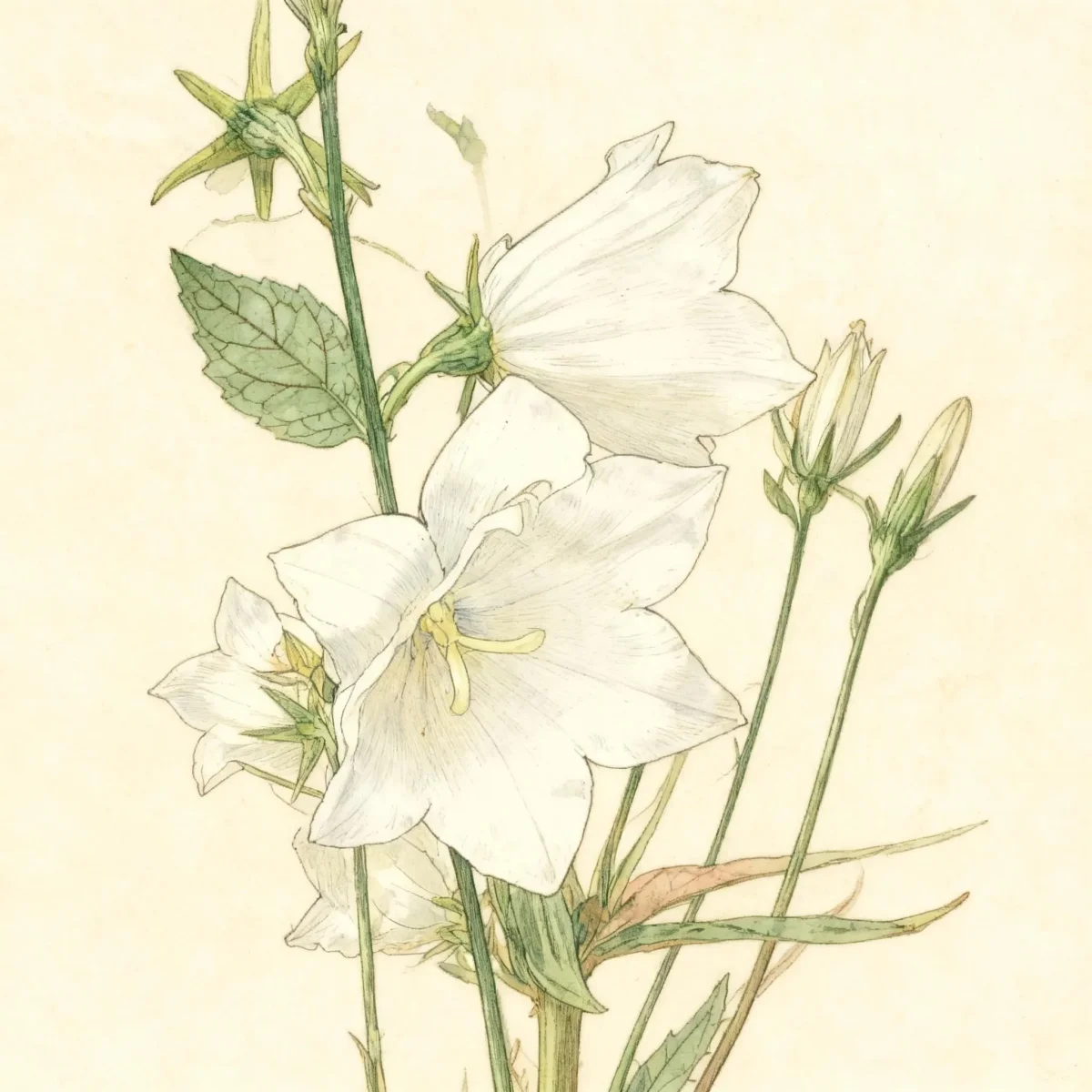
The Willow bell, scientifically known as Campanula persicifolia, offers grace and structure to the perennial border. This herbaceous perennial distinguishes itself with its upright, sturdy habit, showcasing large, outward-facing, bell-shaped flowers in shades of blue or white, typically peaking in early summer. It is a valuable addition for gardeners seeking vertical interest without demanding high upkeep.
Native to open woods and meadows across Europe and Asia, Campanula persicifolia adapts well to various garden settings, provided the climate isn’t excessively hot. Its basal rosettes of narrow, leathery leaves persist to offer some evergreen color in warmer regions, maintaining structure even when not in bloom.
Gardeners appreciate the low maintenance level associated with the Willow bell. With proper placement, this plant thrives, spreading gently by seed or offsets, making it excellent for naturalizing drifts or filling in cottage garden scenes where cool summer conditions prevail.
Fast Facts
- Plant Family: Campanulaceae
- Plant Type: Herbaceous perennial
- Native Range: Central and western Asia, Europe
- Hardiness Zones: USDA Zones 3-7
- Size at Maturity:
- Height: 1.5-3 ft
- Spread: 1-1.5 ft
- Bloom Time: June to July
- Bloom Description: White to blue
- Sun Exposure: Full sun to part shade
- Water Needs: Medium
- Maintenance Level: Low
How to Grow
Plant Campanula persicifolia in the spring or fall whenever the soil is workable. The ideal location provides full sun, though part afternoon shade is highly recommended in very hot summer climates to prevent stress. These plants establish best in average, well-drained soils that retain medium moisture consistently.
Watering should be regular, ensuring the soil never dries out entirely, especially during the heat of summer blooming. Fertilization is rarely necessary if the soil quality is sufficient. Deadheading spent flowers slightly encourages repeat blooming and helps control unwanted self-seeding.
As flowering concludes and stem leaves begin to fade, cut the stems back down to the basal rosettes. In optimum conditions, the Willow bell can spread via offsets, so be prepared to divide clumps every three to four years to maintain vigor. Propagation is also possible from seed sown in late spring for blooms the following year.
Landscape Uses
The upright structure and cascading bells make the Willow bell an excellent choice for adding vertical accents to borders. Its ability to naturalize means it looks spectacular when planted in large groups or masses, mimicking its native meadow environment. Consider using Campanula persicifolia in cottage gardens where its classic form blends beautifully with softer plantings.
This plant also performs well in lightly shaded woodland areas, offering bright color where many shade perennials struggle to bloom freely. For a striking visual, pair the deep blues of some Campanula persicifolia cultivars with silver foliage or warmer-toned perennials that bloom concurrently in early summer.
Standout Features
Flower Qualities
- Showy
Noteworthy Characteristics
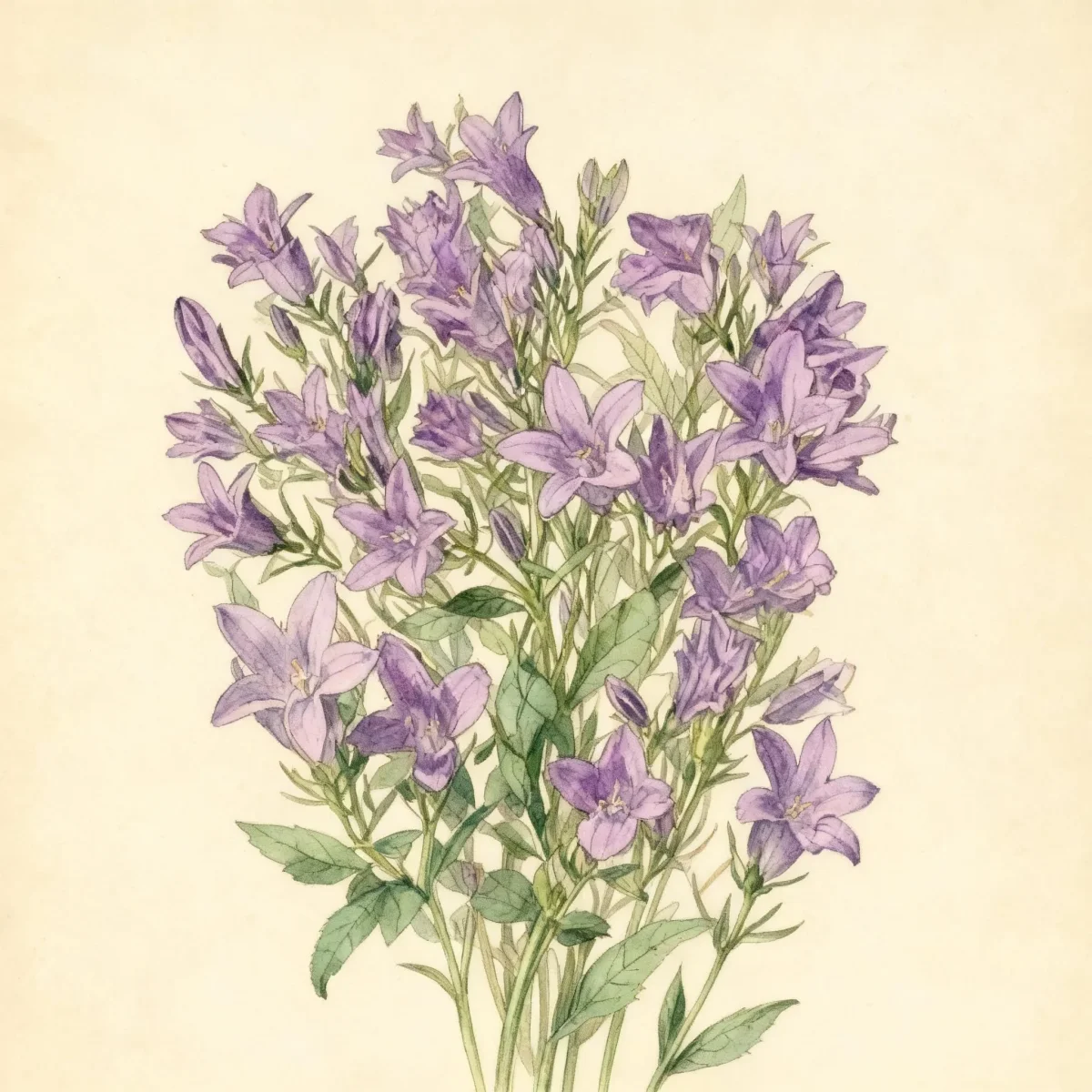
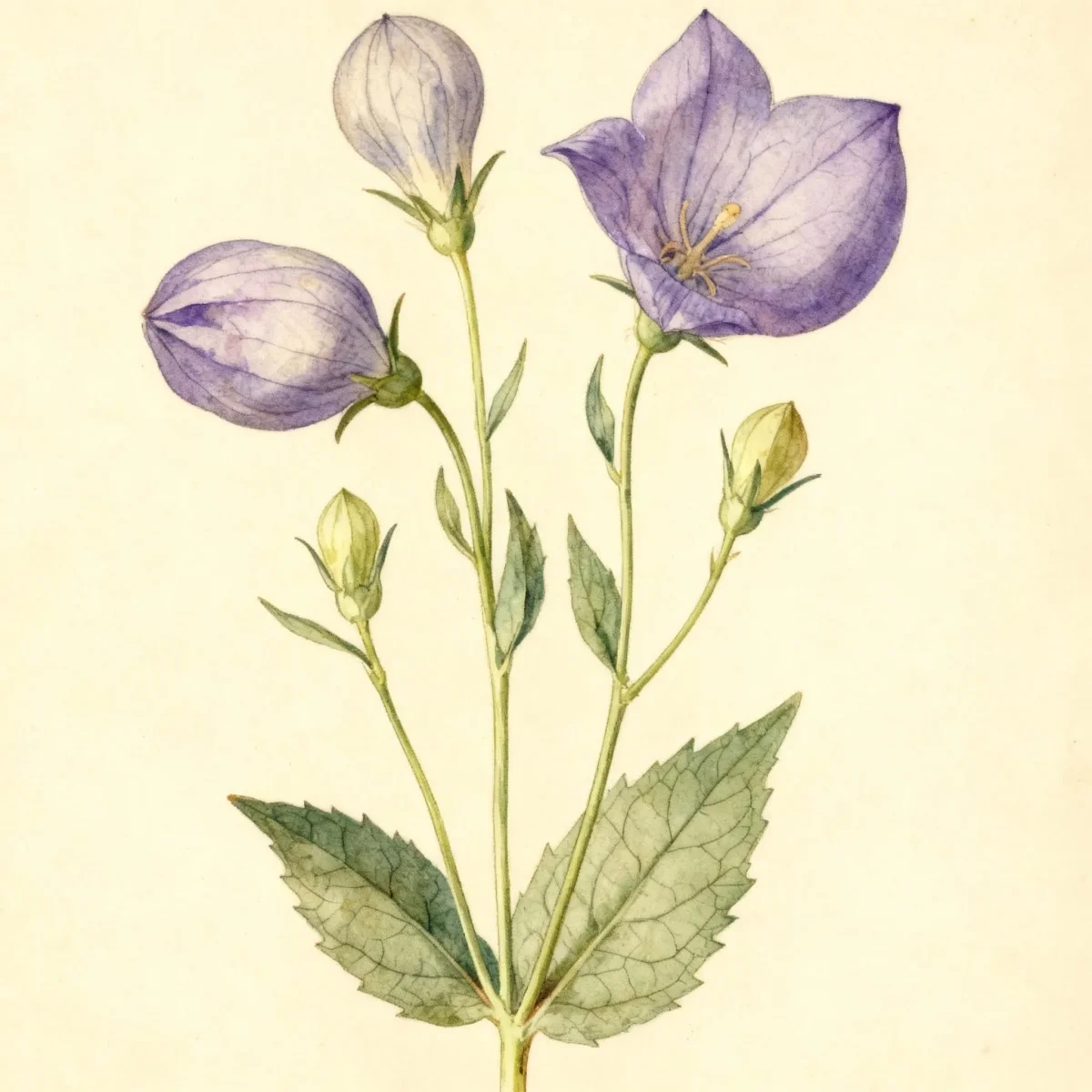
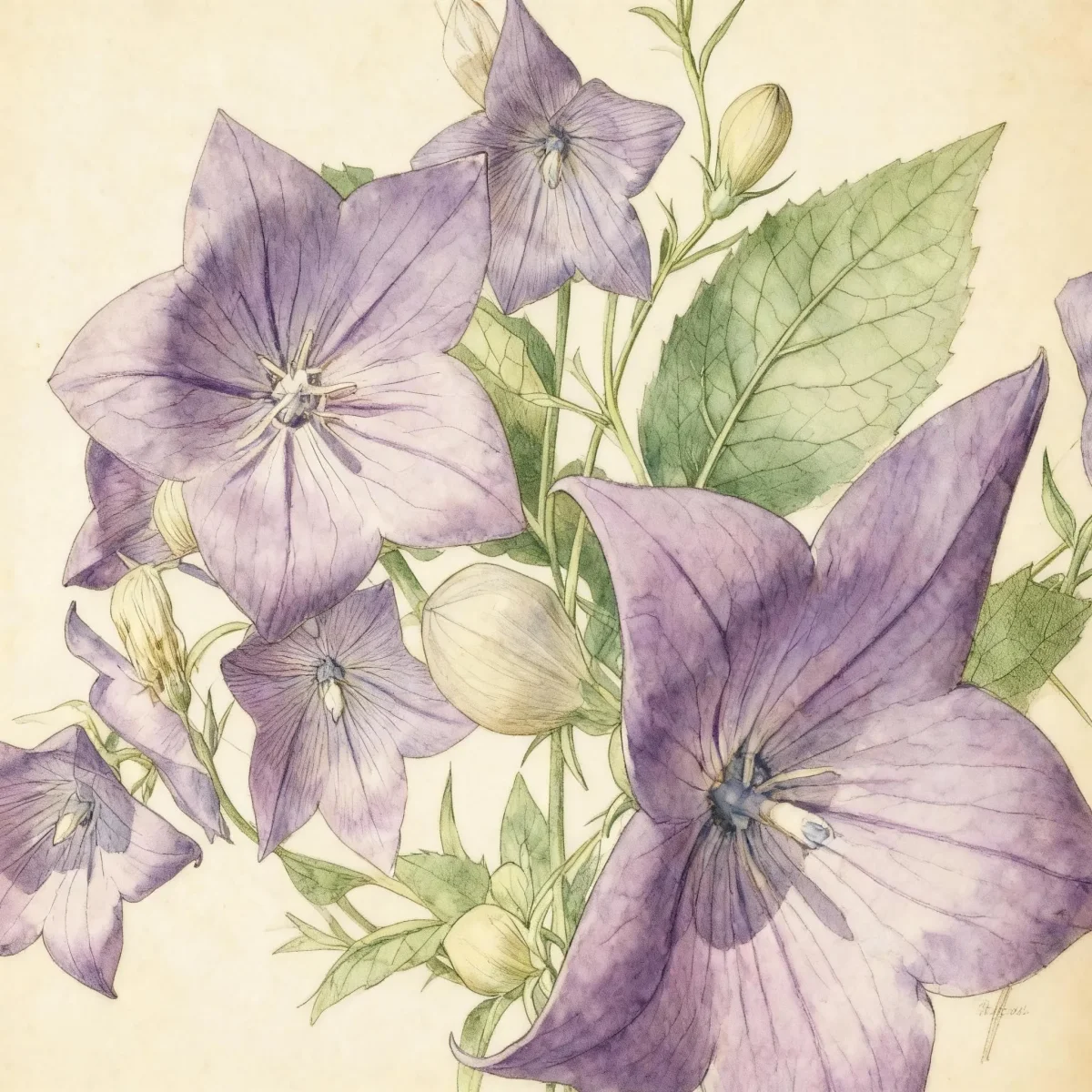
Campanula persicifolia, commonly called peach-leaved bellflower, is a rosette-forming, upright, glabrous perennial that typically grows on stiff sturdy stems to 1 1/2 - 3’ tall. It is native to open woods, shrubby slopes and mountain meadows in Europe and Asia. Plants in this species have escaped gardens and naturalized over time in a number of areas in North America including the northeastern U.S. And eastern Canada. Large, outward facing, broad bell-shaped flowers (to 1.5”) in shades of white to blue bloom in open, slender, terminal racemes atop erect, unbranched, nearly leafless stems in late spring to early summer. Genus name comes from the Latin campana meaning bell in reference to the bell-shaped flowers. A large number of cultivars are available in commerce including ‘Chettle Charm’, ‘Kelly’s Gold’ and ‘Telham Beauty’.
Tolerances
- Deer
Potential Problems
Campanula persicifolia generally remains free from serious insect or disease issues, making it a reliable garden performer. Garden pests like slugs and snails are occasional visitors and may feed on the foliage, especially in damp conditions. Aphids can sometimes be observed clustered on new growth. Management usually involves handpicking visible pests or applying appropriate slug bait if infestation becomes prominent.
Frequently Asked Questions
What hardiness zones is Willow bell suitable for?
The Willow bell (Campanula persicifolia) is reliably hardy across USDA Zones 3 through 7.
How large does Campanula persicifolia grow?
This plant typically reaches a mature height between 1.5 and 3 feet tall, with a spread ranging from 1 to 1.5 feet wide.
When does Willow bell bloom?
Campanula persicifolia generally produces its characteristic blue to white bell flowers from June into July.
What sun exposure does Campanula persicifolia need?
It thrives best in conditions ranging from full sun to partial shade, appreciating afternoon shade in hotter climates.
Conclusion
The elegant form and reliable, low-maintenance nature make the Willow bell an essential component for summer interest in traditional and naturalized plantings. Ensure your growing location avoids the extreme heat of the deep South, as Campanula persicifolia performs best north of Zone 7. Plan your planting for spring or fall to give this stately bellflower the best start in your garden landscape.
Propagation Tips
Since Campanula persicifolia can spread by both self-seeding and offsets, propagation offers gardeners several accessible routes. Dividing established clumps is the easiest method for asexual reproduction; plan to lift and separate the basal rosettes every three to four years just as new growth begins in the spring.
For starting new plants from scratch, seeds collected from spent seed heads can be direct sown in the garden in late spring. Be aware that plants grown from seed will typically require a full growing season to establish before flowering the following year. Using cuttings is also a viable propagation technique if you wish to maintain the exact characteristics of a favored cultivar.
Design Ideas
The upright stems of the Willow bell lend themselves perfectly to structured planting designs where repetition creates rhythm. Use these plants liberally in drifts along pathways or at the middle-to-rear of mixed borders to contrast with lower-growing groundcovers or mounding perennials. Their vertical line works beautifully when juxtaposed against the horizontal texture of ornamental grasses or broad-leaved hostas in partially shaded areas.
When selecting companions, prioritize plants that enjoy similar medium moisture needs and do not aggressively crowd out the Campanula persicifolia. Good partners include hardy Geraniums, medium-sized Hostas that tolerate sun, or various Alliums that offer contrasting flower shapes before the Willow bell reaches its peak bloom.