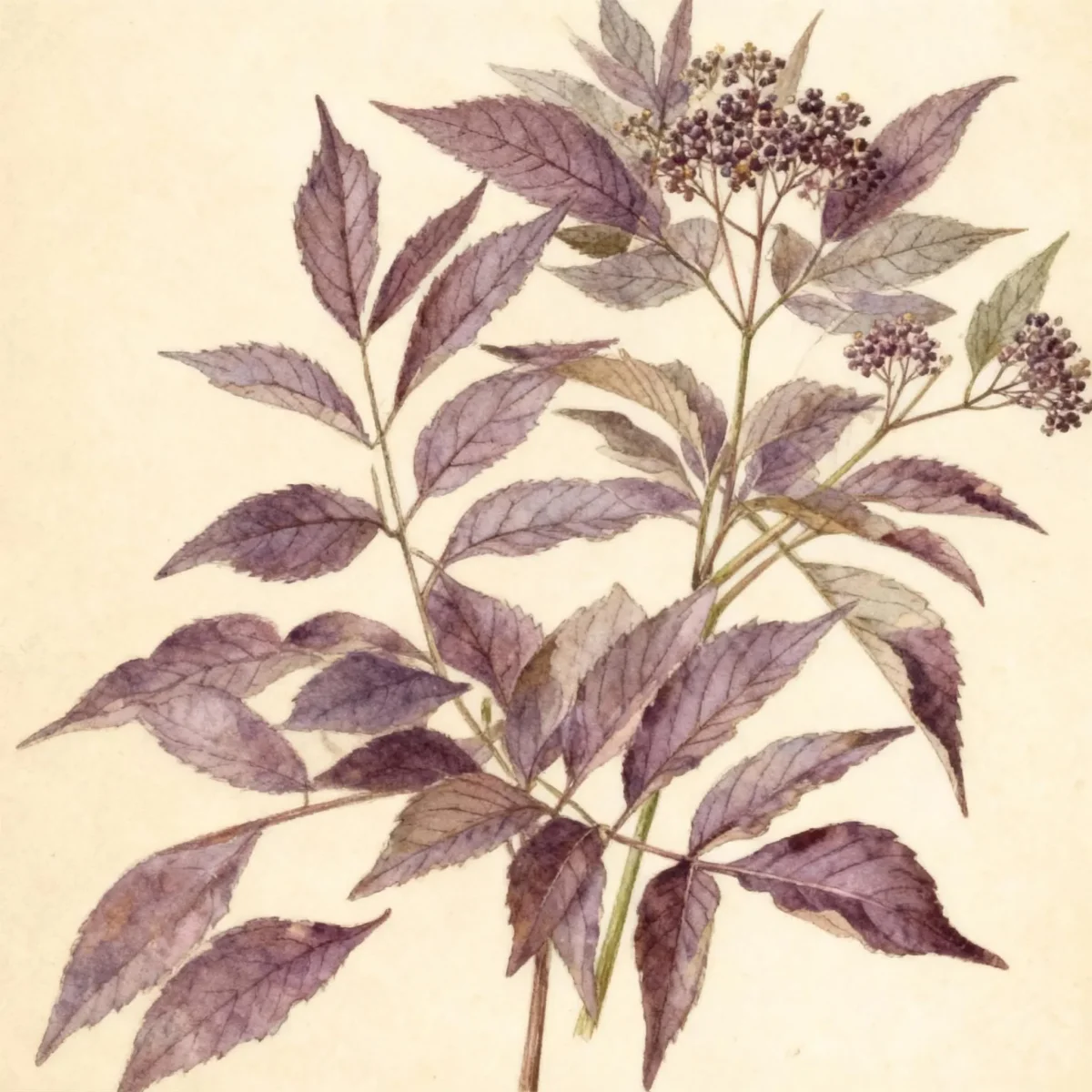
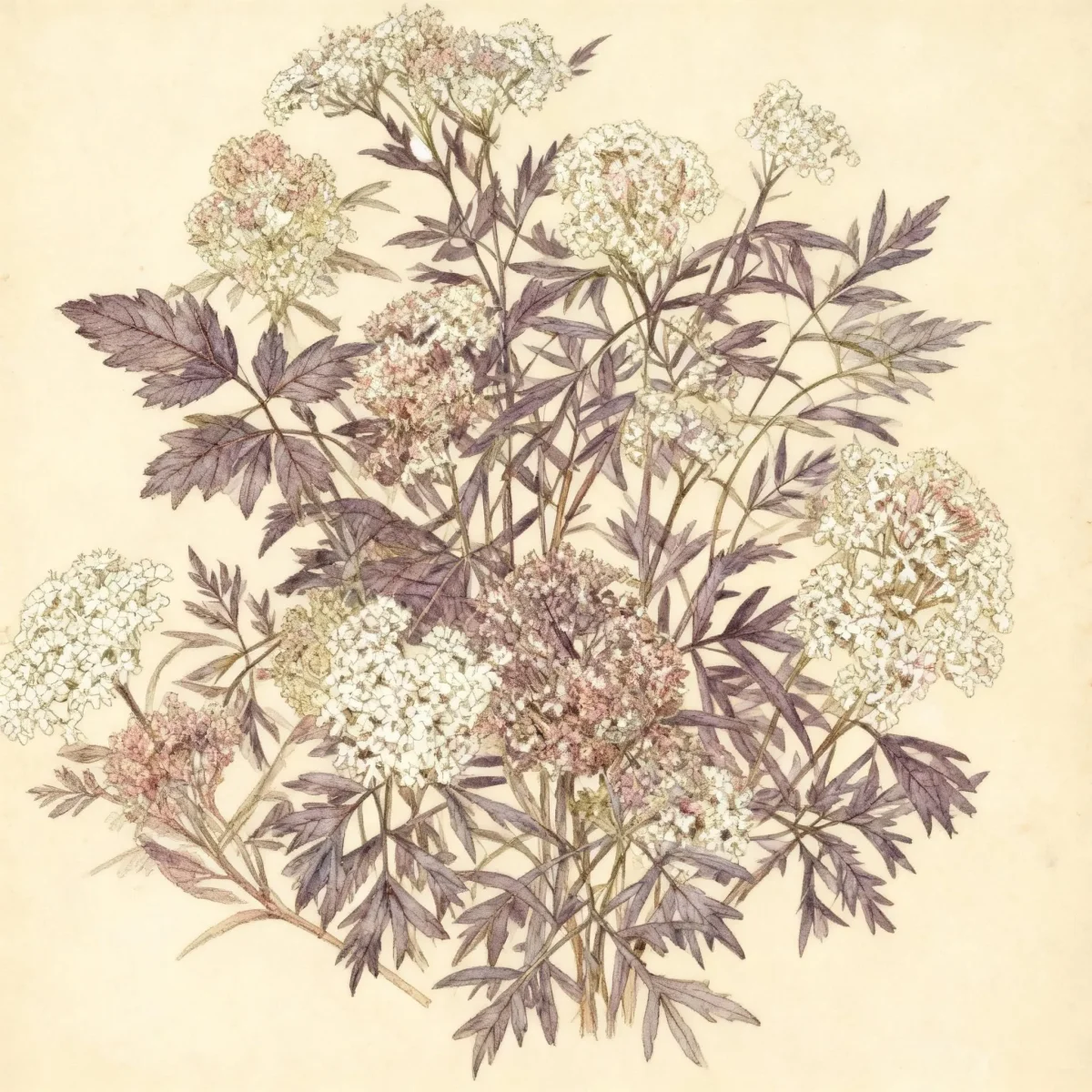
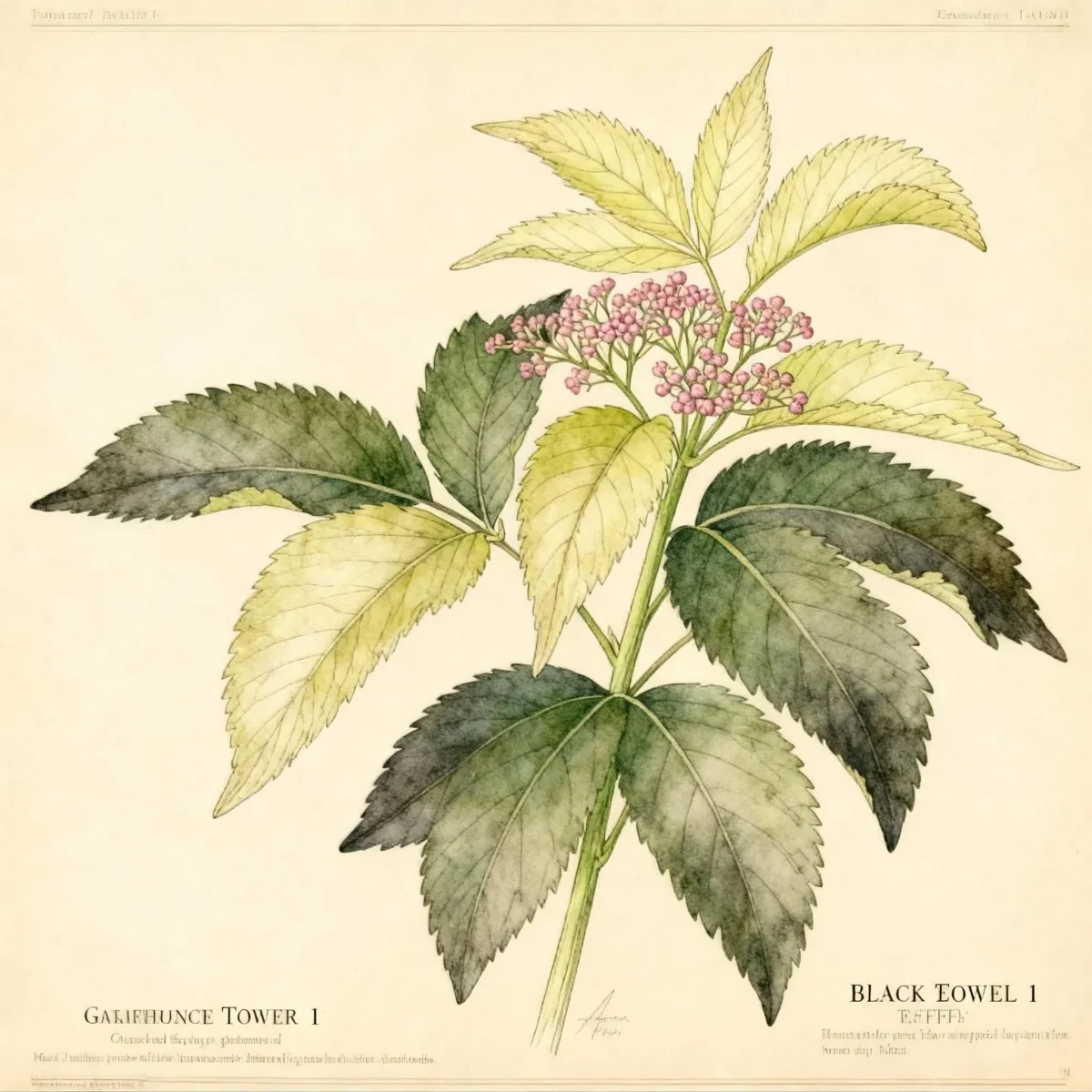
Black elder (Sambucus nigra)
Explore Sambucus nigra, the Black elder, a high-maintenance deciduous shrub noted for fragrant white flowers and edible fruit.

Bloom Boldly, No Matter the Season - Sweatshirt
Cozy organic cotton sweatshirt featuring our exclusive Purple Coneflower design. Perfect for gardeners who bloom year-round.
Inspired by the beautiful Black elder
Limited first batch (50) — join the waitlist for early access
Waitlist closes Feb 15, 2026.
Complete Plant Information
Field Guide Continues
Ready for care notes, companion picks, and planting tips?
The map is just the start. The full guide below covers growth habits, seasonal performance, and landscape uses.
Overview
The Black elder (Sambucus nigra) is a fast-growing, multi-stemmed deciduous shrub valued for its aromatic spring and summer blossoms and its subsequent edible berries. Native across Europe and parts of Asia, this elderberry species adds significant texture and seasonal interest to informal landscapes. Gardeners appreciate its vigor, though this same energy necessitates consistent attention.
Sambucus nigra thrives when given ample moisture, though it is adaptable to various soil types, including heavier clay. This rapid growth means the Black elder can quickly establish itself as a background screen or a naturalized feature, attracting wildlife with its fruit display.
While the upright, somewhat sprawling habit of Sambucus nigra offers substantial screening potential, its high maintenance level is tied directly to its aggressive spreading nature via root suckers and self-seeding. Strategic pruning is essential to maintain an attractive form and manage its spread.
Fast Facts
- Plant Family: Adoxaceae
- Plant Type: Deciduous shrub
- Native Range: Europe, northern Africa, southwestern Asia
- Hardiness Zones: USDA Zones 5-8
- Size at Maturity:
- Height: 8-20 ft
- Spread: 8-20 ft
- Bloom Time: May to June
- Bloom Description: White
- Sun Exposure: Full sun to part shade
- Water Needs: Medium to wet
- Maintenance Level: High
How to Grow
For optimal establishment, plant Sambucus nigra during the dormant season—late fall or early spring—in a location receiving full sun to partial shade. While this shrub tolerates a variety of soil conditions, it performs best in moist, humus-rich, well-drained medium. Ensure the site allows for its substantial mature spread, as it can reach 20 feet wide.
Watering needs are medium to wet, especially when establishing or during dry summer periods. Due to its vigorous nature, Sambucus nigra requires regular management. Plants spread readily via root suckers; actively prune these suckers throughout the growing season unless the goal is to allow the plant to naturalize and form large colonies.
Pruning is critical for maintaining the health and aesthetics of the Black elder. Every late winter or early spring, assess the plant for renewal options. These include removing any dead or weak stems, shortening one-year-old stems for better shaping, or choosing a hard rejuvenation by cutting the entire plant back to the ground. Unpruned specimens often look straggly and weedy by mid-summer.
Landscape Uses
The robust structure and seasonal highlights of Sambucus nigra make it ideal for informal settings where its size can be appreciated. Due to its tendency to spread, it excels when allowed to naturalize in larger woodland edges or when utilized in rain gardens where consistently moist soil is available. It functions admirably as a large background shrub, providing a dense screen that softens harsh property lines.
Its use as a hedge is viable, provided the gardener is committed to the high maintenance required to keep the formal shape intact against its natural desire to sucker. In these structured plantings, consider companions that appreciate similar moist conditions but offer contrasting foliage textures or colors to enhance the natural look of the flowers and eventual black elderberry fruit.
For a more rugged, natural look, allow the Sambucus nigra to spread in an informal border. Its tolerance for clay soil further enhances its value in challenging landscape locations where other ornamental shrubs might fail to thrive near water sources or in heavier soils.
Standout Features
Flower Qualities
- Showy
- Fragrant
Fruit Qualities
- Showy
- Edible
Noteworthy Characteristics
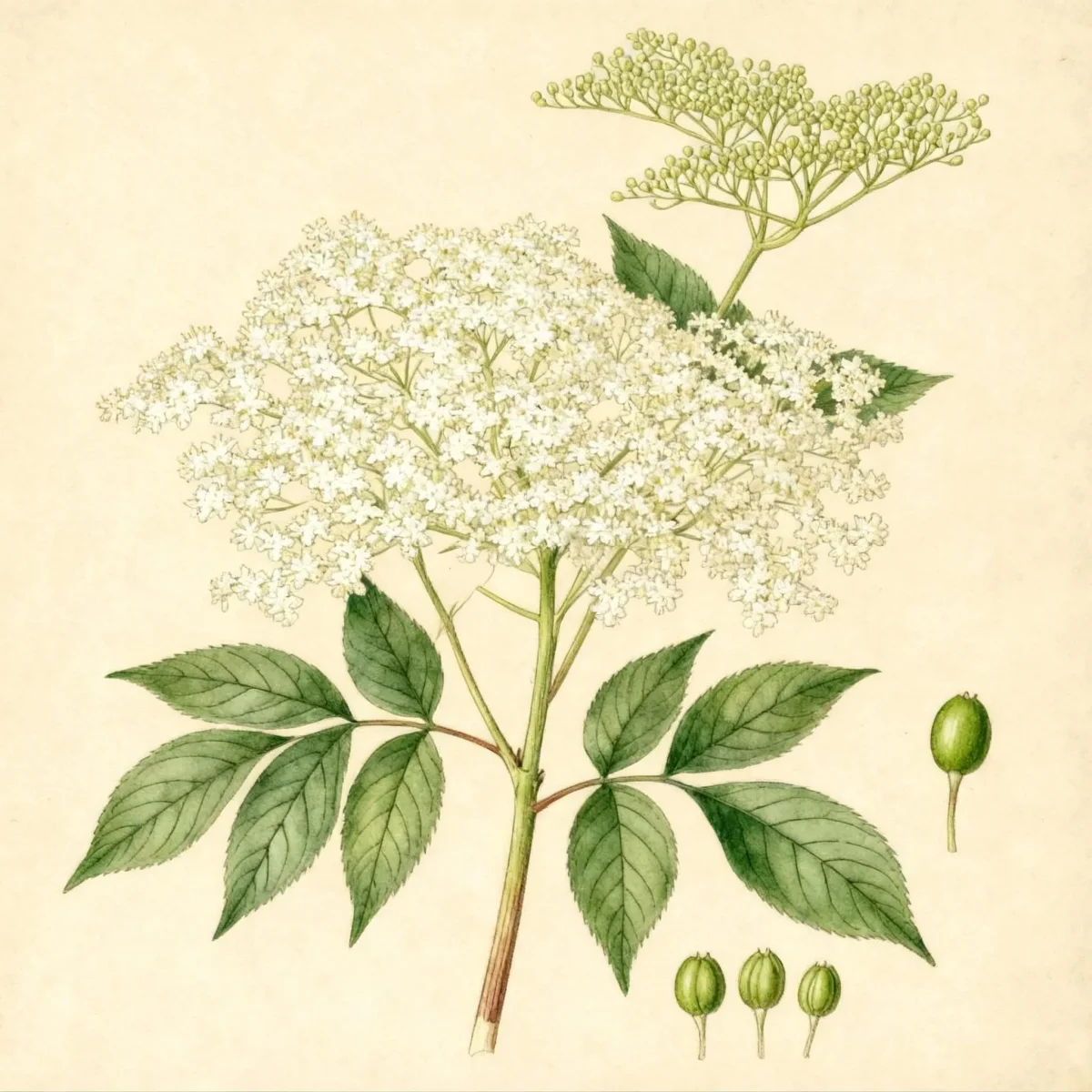
Sambucus nigra, commonly called European elder, is a deciduous, somewhat sprawling, multi-stemmed shrub (occasionally a small tree) that is native to Europe, southwestern Asia and northern Africa. It typically grows to 8-20’ (less frequently to 30’) tall and is particularly noted for its aromatic late spring flowers and its edible fruits (elderberries). The tiny white flowers appear in large flattened umbel-like cymes, giving way to clusters of glossy black elderberry fruits attractive to birds and wildlife in late summer.
Tolerances
- Clay Soil
Potential Problems
Plants can spread somewhat aggressively in optimum conditions, requiring consistent removal of root suckers to maintain boundaries. Sambucus nigra also shows some susceptibility to various pests and diseases, including canker, powdery mildew, and leaf spot. Additionally, its wood can be brittle; branches are susceptible to damage from high winds or from heavy snow and ice accumulation during the winter months, emphasizing the need for yearly structural pruning.
Frequently Asked Questions
What hardiness zones is Black elder suitable for?
The adaptable Sambucus nigra thrives in USDA Zones 5 through 8.
How large does Black elder grow?
This vigorous shrub typically reaches heights and spreads between 8 to 20 feet at maturity.
What sun exposure does Sambucus nigra need?
For best performance, aim for full sun exposure; however, it will tolerate several hours of part shade.
When does Black elder bloom?
The fragrant white flowers of Sambucus nigra usually appear from May into June.
Conclusion
The Black elder (Sambucus nigra) provides significant visual impact through its large, fragrant flower clusters and persistent dark fruit, making it a valuable addition to informal, high-moisture garden spaces. While its maintenance level is high due to its aggressive spreading habit, strategic pruning ensures a beautiful, manageable specimen. Before planting, confirm that your USDA hardiness zone falls between 5 and 8, and prepare for its high water needs.
Companion Planting
When designing an area where Sambucus nigra will flourish, consider companion plants that share its requirement for medium to wet soil conditions. Hydrangeas, particularly those that prefer consistent moisture, make excellent partners, offering varied bloom structure and foliage texture near the elder’s large leaves. Astilbes are another superb choice, thriving in the same moist soils and providing fine, fern-like foliage that contrasts nicely with the coarser habit of the Black elder.
For rain gardens or wetter borders, moisture-loving natives like Joe-Pye weed (Eutrochium spp.) offer vertical contrast in late summer when the elder’s blooming period has passed. Ensure these companions are selected for sun tolerance matching your planting site, whether it leans toward full exposure or dappled shade under the Sambucus nigra canopy.
Wildlife Benefits
The value of Sambucus nigra often extends beyond its horticultural features through its significant support for local fauna. The clusters of small white flowers produced in late spring are noted for their musky fragrance and are highly attractive to various beneficial insects, including pollinators like bees and flies. These blooms are essential early-season nectar and pollen sources.
Following flowering, the shrub produces masses of deep black elderberries. These ornamental yet edible fruits are highly sought after by numerous bird species, including robins, cedar waxwings, and mockingbirds, especially as they move toward autumn migration. Planting the Black elder ensures a reliable food source is available deep into the season.