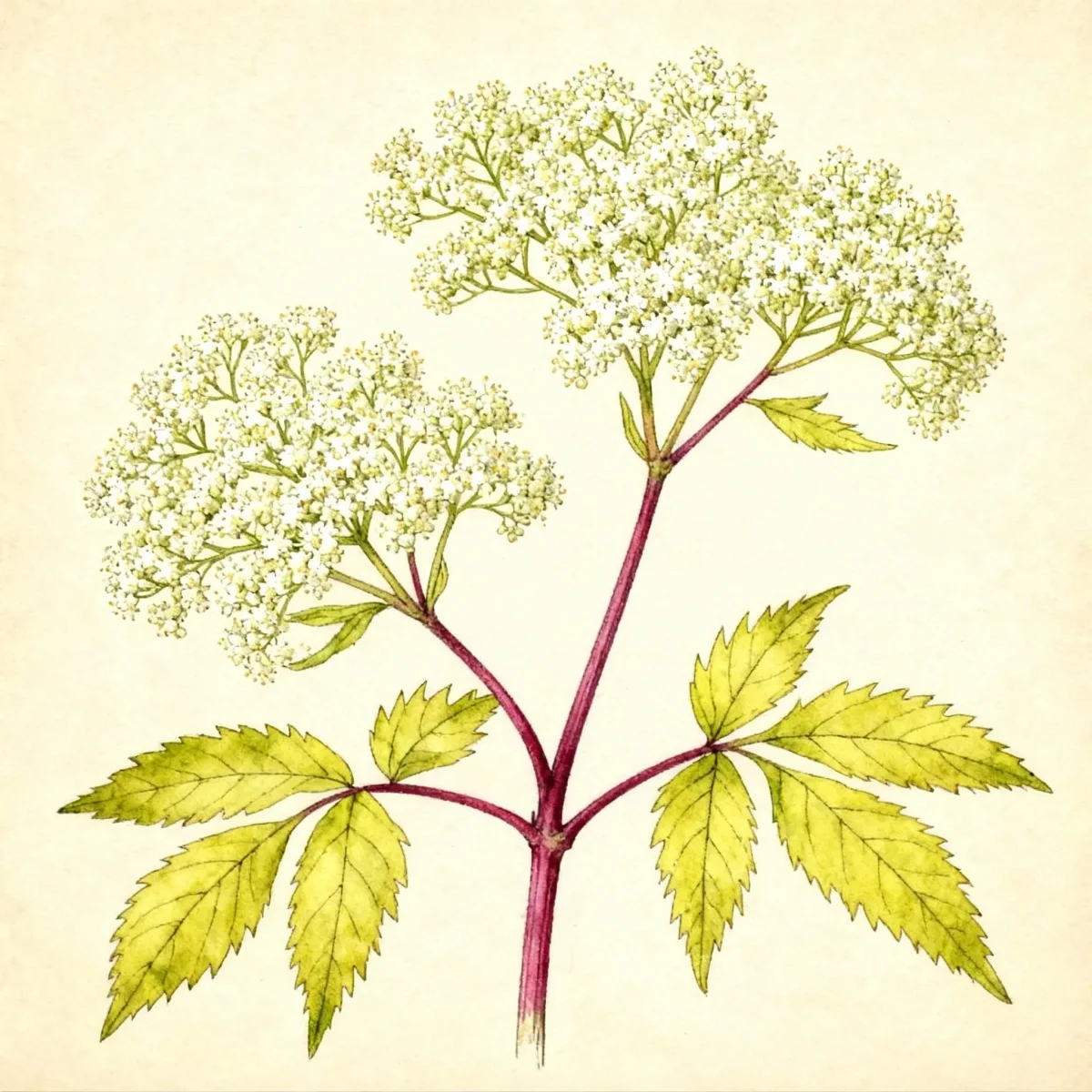
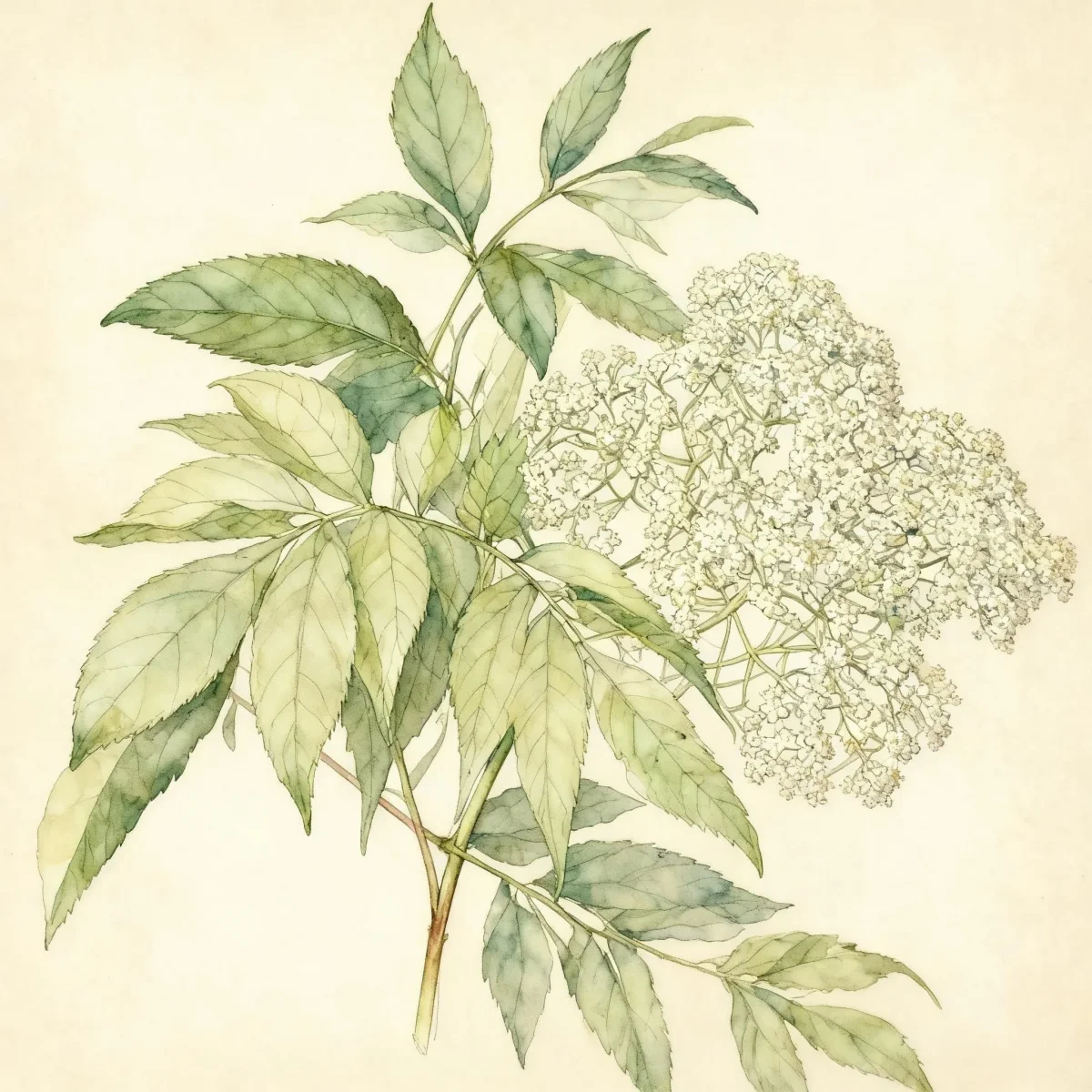
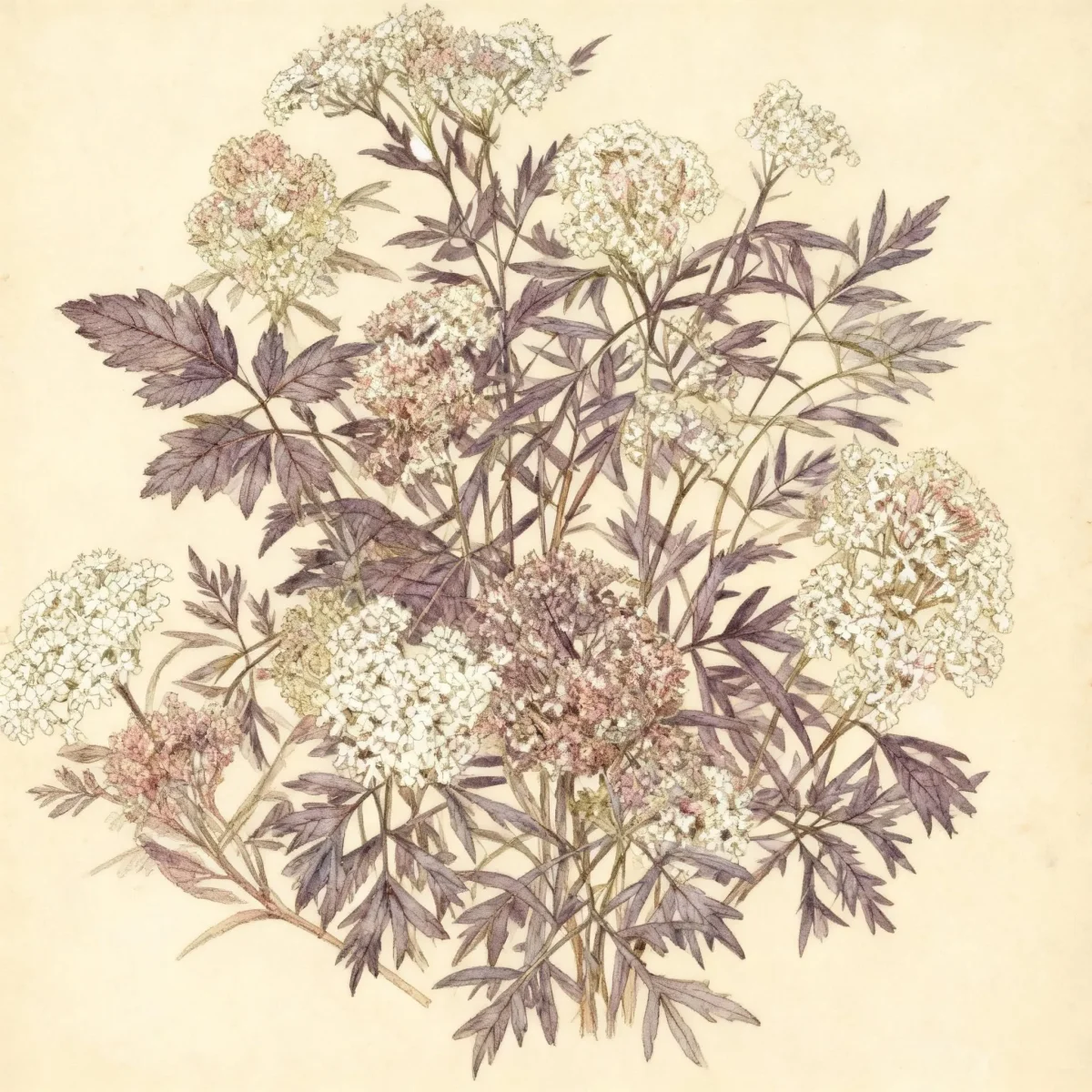
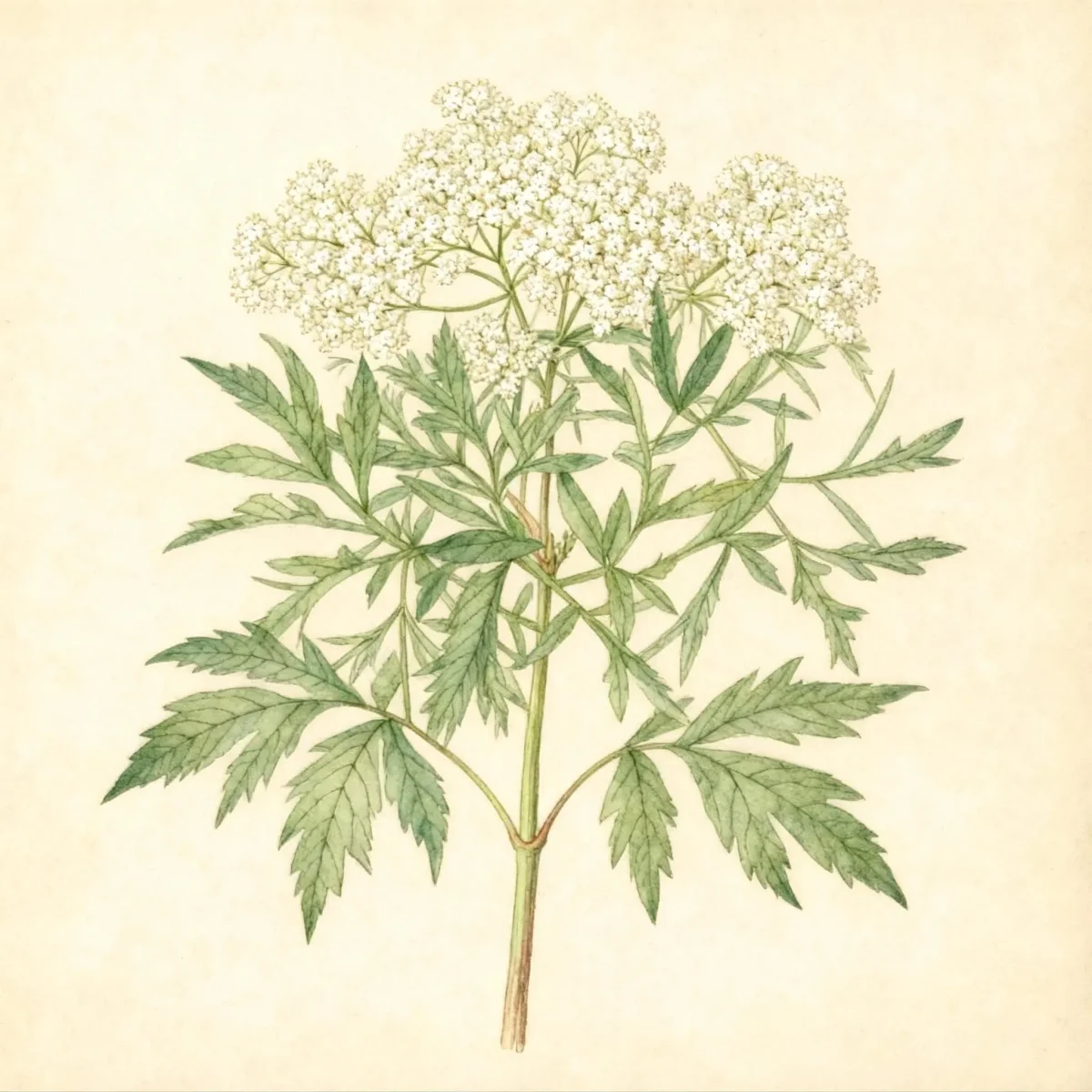
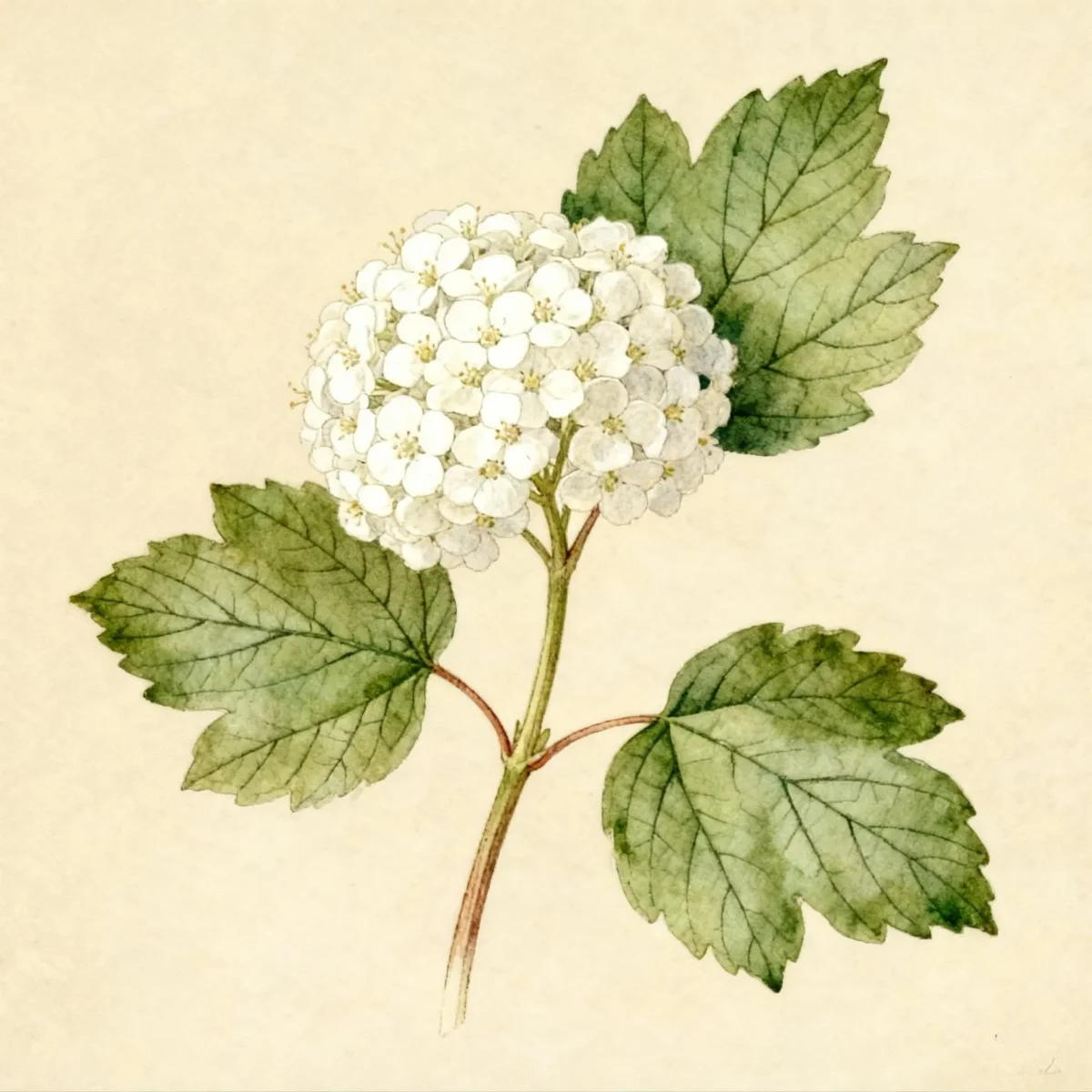
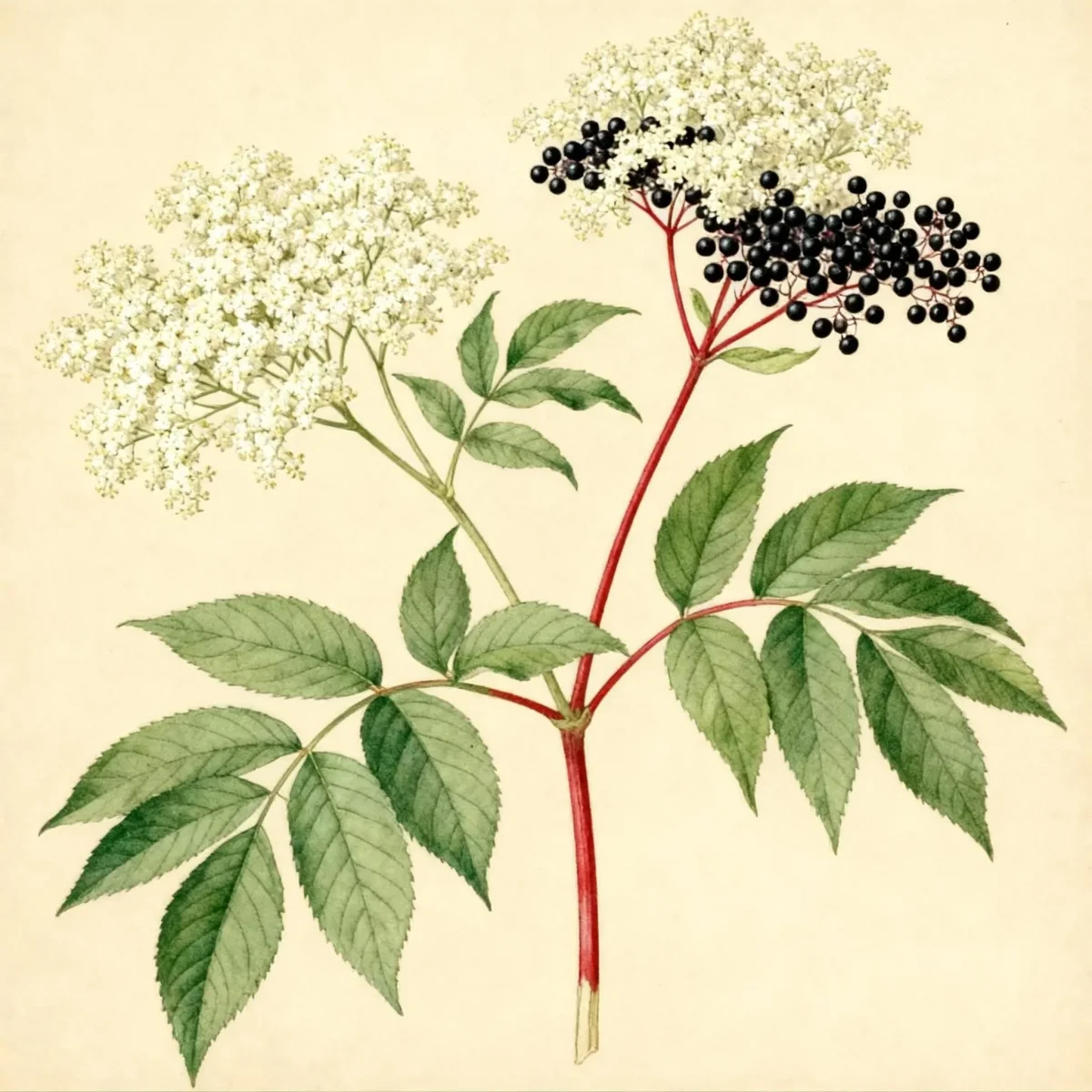
Red elderberry (Sambucus racemosa)
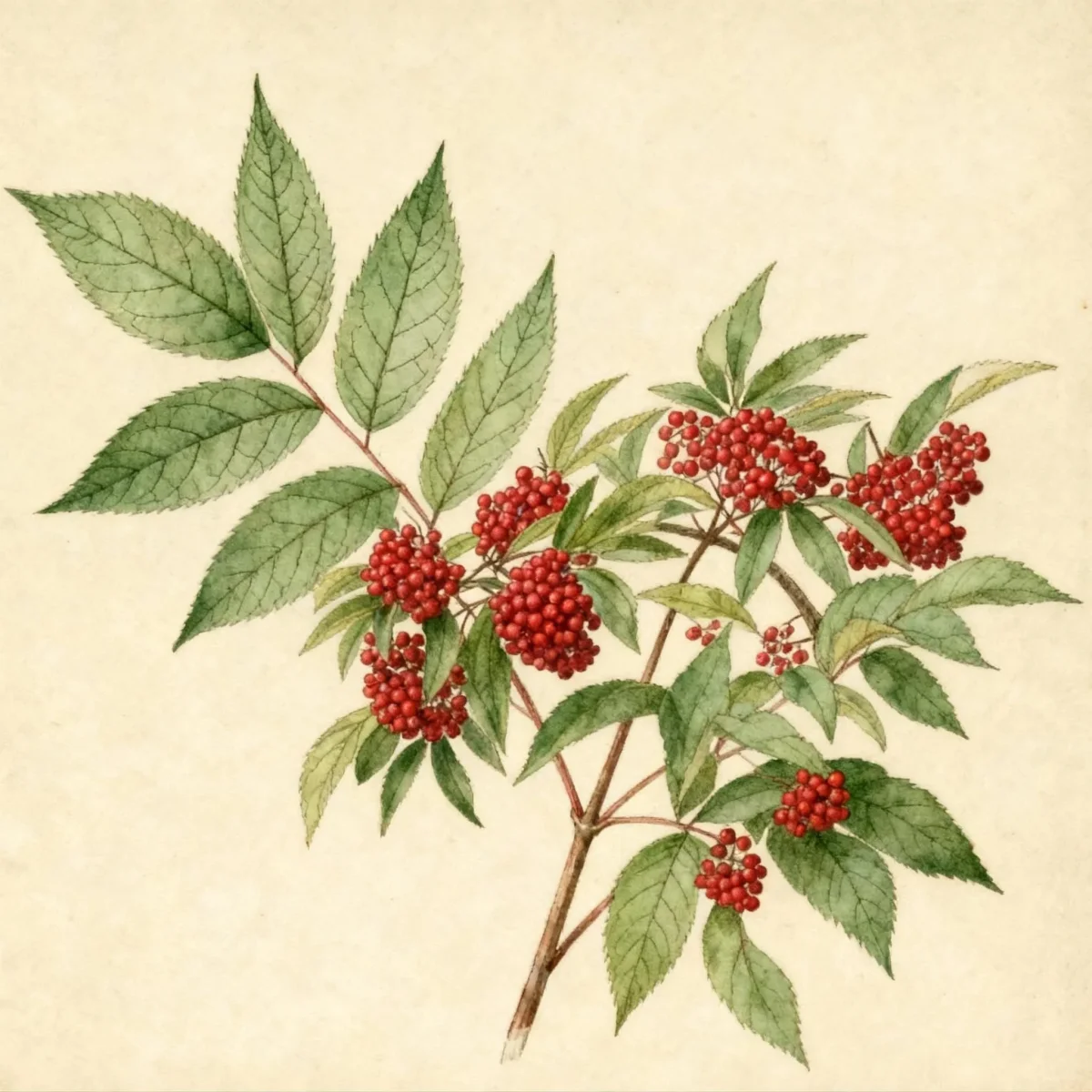
Sambucus racemosa, the Red elderberry, is a deciduous shrub offering showy white flowers and red summer fruit. Hardy in Zones 3-7.

Bloom Boldly, No Matter the Season - Sweatshirt
Cozy organic cotton sweatshirt featuring our exclusive Purple Coneflower design. Perfect for gardeners who bloom year-round.
Inspired by the beautiful Red elderberry
Limited first batch (50) — join the waitlist for early access
Waitlist closes Feb 15, 2026.
Complete Plant Information
Field Guide Continues
Ready for care notes, companion picks, and planting tips?
The map is just the start. The full guide below covers growth habits, seasonal performance, and landscape uses.
Overview
The Red elderberry, scientifically known as Sambucus racemosa, is a vigorous deciduous shrub prized for its dramatic seasonal display. Gardeners value it for the combination of fragrant white flowers appearing in late spring followed by clusters of bright red summer fruit, which are highly attractive to local wildlife. This species provides excellent screening or naturalized cover due to its relatively large size and tendency to spread.
Though often found naturally along stream banks and in moist woodlands, Sambucus racemosa establishes well across several hardiness zones. It is a fast-growing plant that readily forms colonies through underground root suckers. Proper placement is key, particularly if you wish to maintain a contained boundary, as this shrub thrives in consistently moist conditions.
From flowering shrubs to functional hedges, the Red elderberry brings texture and height to the landscape. While the fruits are edible after cooking, the plant’s primary benefits are ornamental and ecological, providing substantial structure and seasonal interest throughout the growing season.
Fast Facts
- Plant Family: Adoxaceae
- Plant Type: Deciduous shrub
- Native Range: North America, Eurasia
- Hardiness Zones: USDA Zones 3-7
- Size at Maturity:
- Height: 8-12 ft
- Spread: 8-15 ft
- Bloom Time: May to June
- Bloom Description: White
- Sun Exposure: Full sun to part shade
- Water Needs: Medium to wet
- Maintenance Level: Medium
How to Grow
Plant Sambucus racemosa during the dormant season—early spring or late fall—to allow roots to establish before summer heat. Select a location offering full sun for the best foliage color or light part shade. The soil should ideally be deep, humus-rich, and moist, preferring neutral to slightly acidic loam, though it tolerates a wide soil range provided it remains consistently moist.
This shrub requires medium maintenance. It prefers deep, regular watering, especially when young or during dry spells, as it thrives in medium to wet soils. Fertilization is rarely necessary if the site is naturally fertile; otherwise, an annual application of balanced fertilizer in early spring can be beneficial.
Pruning is essential for maintaining shape and vigor in Sambucus racemosa. If you want to control its spread, aggressively prune root suckers as they emerge. For rejuvenation or size reduction, late winter pruning is recommended. Options include removing dead or damaged stems, shortening one-year-old branches, or cutting several stems completely back to the ground. Many horticulturists perform a hard spring pruning to ensure the best overall habit and foliage appearance.
Landscape Uses
The aggressive, suckering habit of Sambucus racemosa makes it perfectly suited for naturalizing areas where spreading is encouraged, such as woodland borders or low spots where moisture collects. Use it in masses or groups to create an immediate, lush screen or backdrop due to its rapid growth to 8-12 feet tall.
When carefully managed, this shrub functions well as a sprawling hedge or screen along property lines, offering seasonal interest that a typical hedge lacks. Its deeply incised leaves and upright fruit clusters allow it to serve as an excellent accent specimen in informal borders near stream banks or pond peripheries. Consider companion planting it with shade-tolerant moisture-lovers that won’t compete with its root system.
Standout Features
Flower Qualities
- Showy
- Fragrant
Fruit Qualities
- Showy
- Edible
Noteworthy Characteristics
Sambucus racemosa, commonly known as red elder or red elderberry, is a deciduous suckering shrub which typically grows to 8-12’ tall with a somewhat sprawling habit. It features (1) opposite, pinnate-compound, green leaves (6-9” long) which have 5-7 leaflets (each to 4” long), (2) dome-shaped clusters (panicled cymes) of numerous, late spring to early summer, tiny, fragrant, white flowers and (3) dark red summer-to-fall elderberry fruits in upright clusters. This shrub is native across North America and Eurasia, typically found growing in moist woodlands, thickets, and stream banks where fruits are attractive to wildlife.
Tolerances
- Wet Soil
Potential Problems
Sambucus racemosa can exhibit some susceptibility to fungal diseases like canker and powdery mildew, as well as leaf spot. Pest issues may include borers, spider mites, and aphids, often targeting stressed plants. Additionally, the relatively brittle branches can suffer damage from heavy snow or ice loads, especially in high-wind locations. Manage root suckering by consistent pruning if you are not intending to naturalize a large area. Deer generally avoid browsing this shrub.
Frequently Asked Questions
What hardiness zones is Red elderberry suitable for?
The Red elderberry (Sambucus racemosa) is reliably hardy in USDA Zones 3 through 7.
How large does Sambucus racemosa grow?
This deciduous shrub achieves heights between 8 to 12 feet, with a spread ranging from 8 to 15 feet at maturity.
What sun exposure does Red elderberry need?
For optimal growth and best foliage color, Sambucus racemosa prefers full sun, though it will tolerate partial shade conditions.
When does Red elderberry bloom?
The showy, fragrant white flowers of the Red elderberry typically appear between May and June.
Conclusion
The Red elderberry provides excellent structural interest, vibrant summer fruit displays, and is a magnet for birds, making Sambucus racemosa a functional powerhouse for naturalized areas. While medium maintenance is required, especially regarding potential suckering and winter pruning, its adaptability to wet soils is a significant benefit for damp landscape sites. Check your local USDA zone compatibility before planting this season to best utilize the dramatic beauty of Sambucus racemosa.
Wildlife Benefits
The fruit produced by the Red elderberry is an essential late-season food source for many bird species. While the berries are sour and usually require cooking for human consumption, they offer significant caloric value to migrating and resident wildlife. Planting Sambucus racemosa in a slightly concealed or naturalized area promotes biodiversity right in your backyard.
Companion Planting
Due to its requirement for consistent moisture, Sambucus racemosa pairs well with other moisture-loving native shrubs and perennials. Consider planting it alongside moisture-tolerant dogwoods (Cornus species) or native hydrangeas for layered texture beneath the canopy. In open, sunny areas, companion planting with moisture-tolerant ferns or sedges works well to cover the ground where suckers are being managed.