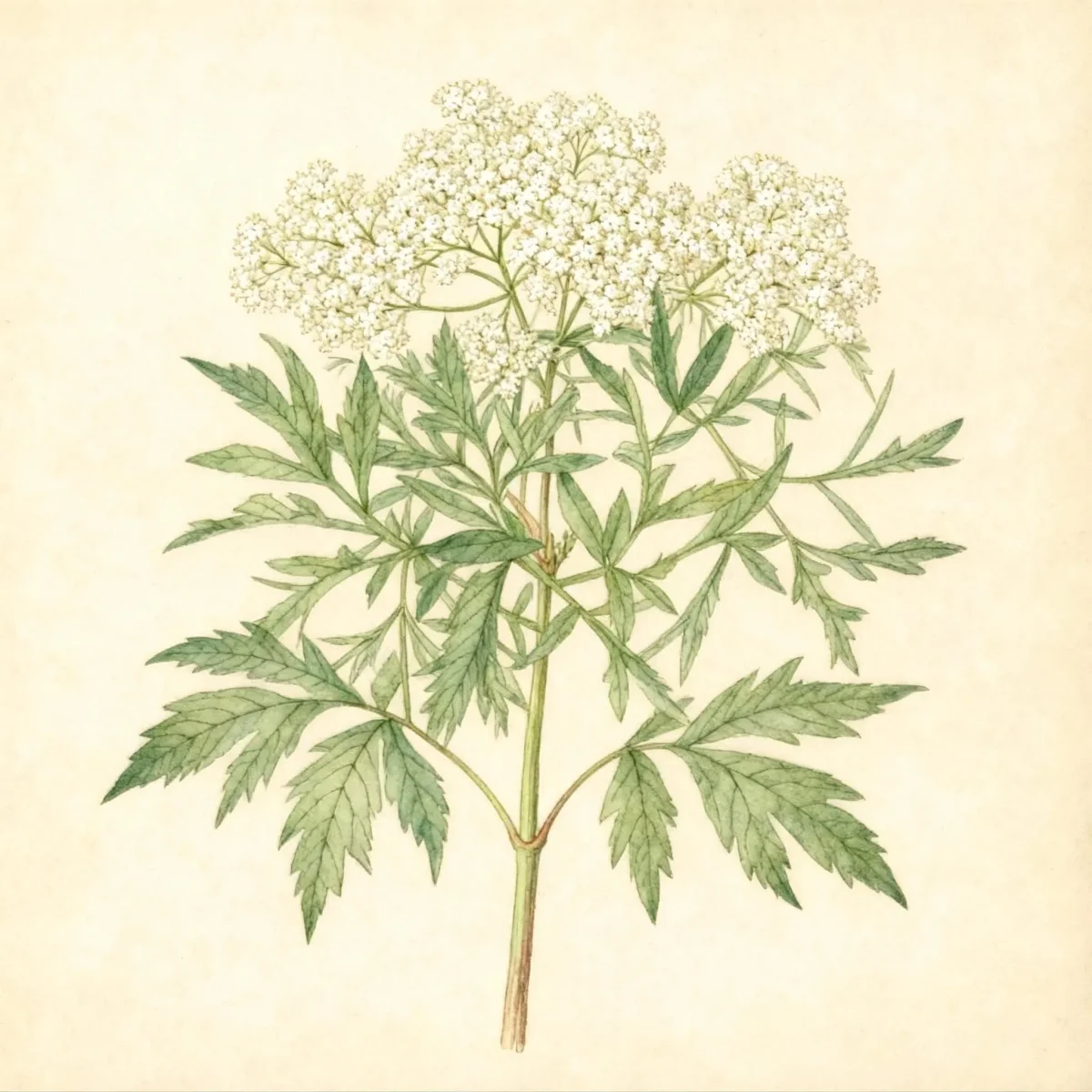
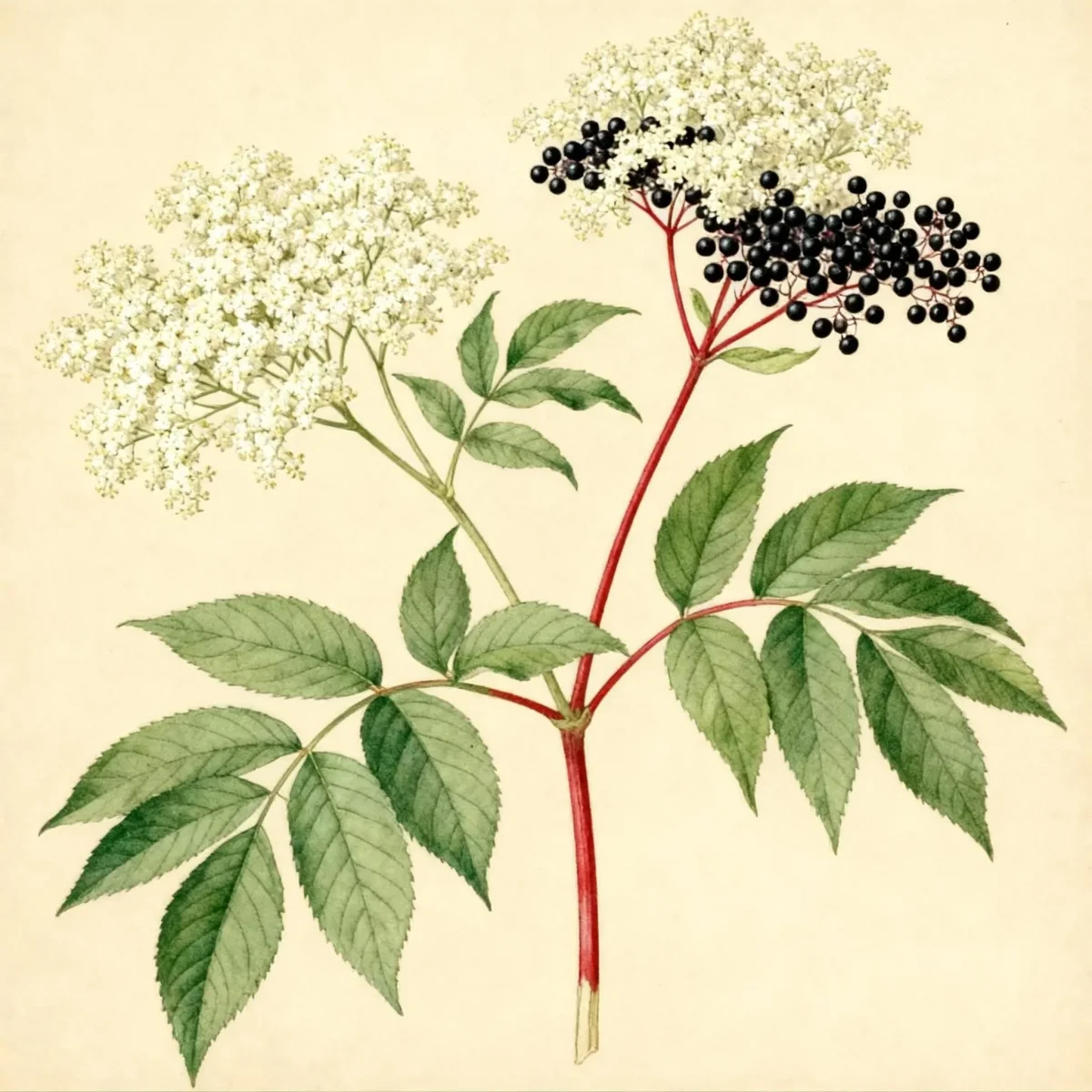
European cranberrybush (Viburnum opulus)
Discover European cranberrybush (Viburnum opulus), a low-maintenance deciduous shrub featuring showy white spring blooms and tart red fall berries.
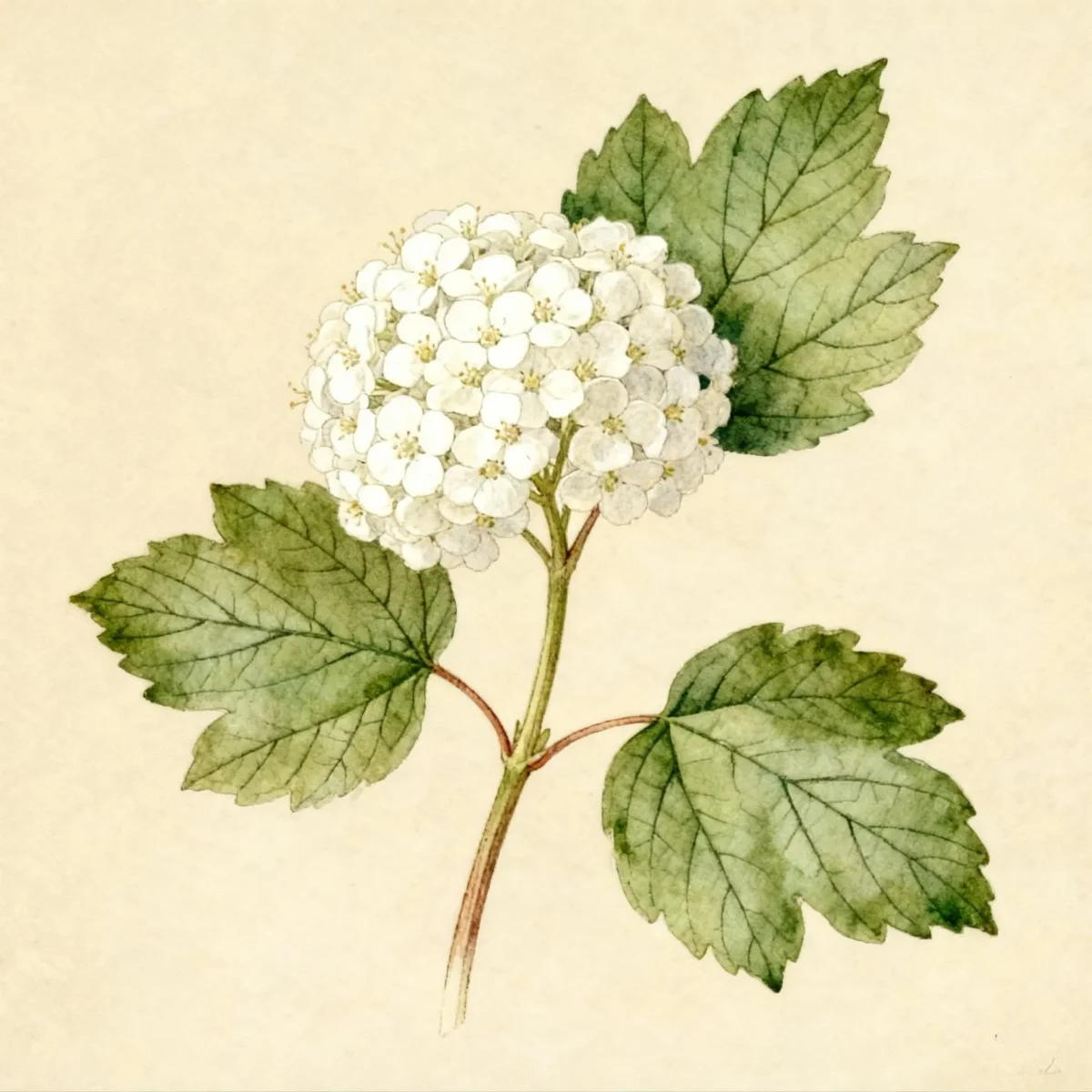

Bloom Boldly, No Matter the Season - Sweatshirt
Cozy organic cotton sweatshirt featuring our exclusive Purple Coneflower design. Perfect for gardeners who bloom year-round.
Inspired by the beautiful European cranberrybush
Limited first batch (50) — join the waitlist for early access
Waitlist closes Feb 15, 2026.
Complete Plant Information
Field Guide Continues
Ready for care notes, companion picks, and planting tips?
The map is just the start. The full guide below covers growth habits, seasonal performance, and landscape uses.
Overview
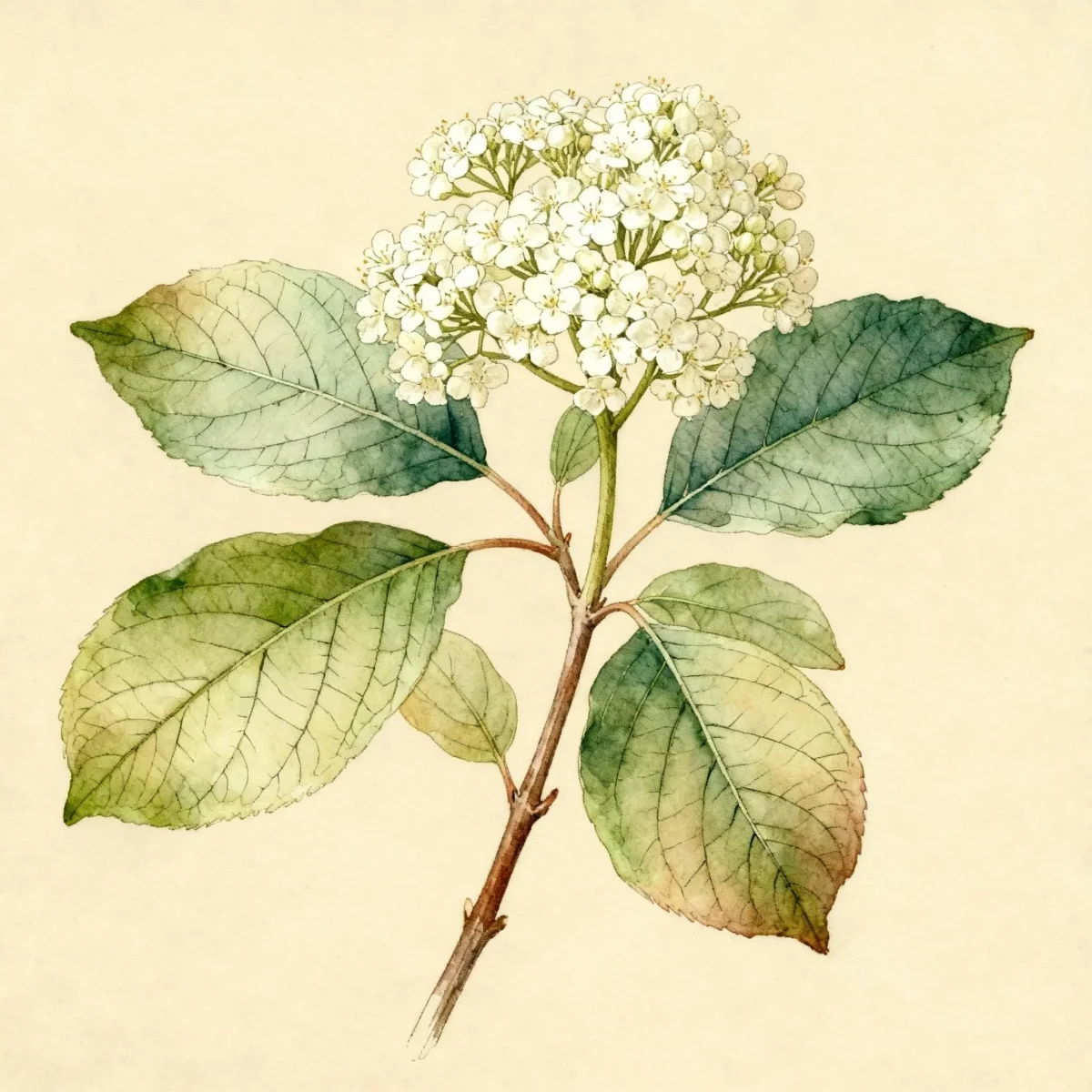
The European cranberrybush, or Viburnum opulus, is a highly adaptable deciduous shrub prized for its vigorous growth and seasonal interest. It provides striking white, lacecap-type flowers in late spring, followed by persistent, bright red berries that last well into winter. This species offers excellent structure, rapidly reaching heights of 8 to 15 feet with a broad, spreading habit.
This sturdy plant exhibits low maintenance requirements, thriving in a variety of soil types as long as moisture is consistent. Its tolerance for wet soils makes Viburnum opulus a reliable choice for mixed borders or screening purposes across USDA zones 3 through 8. Gardeners appreciate its resilience and the textural contrast between its maple-like foliage and brilliant fruit display.
Though the abundant fruit clusters are visually appealing and listed as edible, the berries of the classic Viburnum opulus are notably bitter and typically best left for wildlife. Whether used as a naturalized shrub or a foundation planting, the European cranberrybush remains a productive specimen in the landscape.
Fast Facts
- Plant Family: Adoxaceae
- Plant Type: Deciduous shrub
- Native Range: Europe, northwestern Africa, Asia Minor, Caucusus, central Asia
- Hardiness Zones: USDA Zones 3-8
- Size at Maturity:
- Height: 8-15 ft
- Spread: 10-15 ft
- Bloom Time: April to May
- Bloom Description: White
- Sun Exposure: Full sun to part shade
- Water Needs: Medium to wet
- Maintenance Level: Low
How to Grow
Plant the Viburnum opulus in the spring or fall for best establishment, selecting a location that receives full sun to partial shade. While it adapts well to average, well-drained soils, this shrub truly excels in loamy conditions that maintain consistent moisture. Species plants naturally inhabit wet areas, so do not shy away from heavier, wetter spots in your garden plot.
Watering should remain consistent, especially during the first few growing seasons, to help the shrub establish its root system. Although generally fertilizer application is unnecessary due to its easy-going nature, deep, infrequent watering during dry spells will ensure vigorous summer growth. Avoid heavy pruning during the dormant season.
Prune Viburnum opulus only as needed to control shape or remove deadwood, performing this maintenance immediately after the spring flowering concludes. Delaying pruning ensures you retain the best possible late-season flower and fruit display. Minimal attention is required from the gardener once established, living up to its low-maintenance classification.
Landscape Uses
The robust size and dense habit of the European cranberrybush make it an excellent vertical element in the landscape. Its primary recommended use is as an effective hedge or screen, providing a dense barrier with seasonal color. It also performs admirably when placed in shrub borders, softening the transition between lawn areas and taller structures like foundations.
Consider planting drifts of Viburnum opulus along woodland margins where the filtered light mimics its native habitat. While the flower clusters are attractive, they also serve as a magnet for pollinators in the spring. The resulting berries provide valuable late-season food sources for local birds.
To enhance its visual impact, pair the Viburnum opulus with later-blooming shrubs that flower in summer, creating sequential interest in the border. Its maple-like leaves offer good texture against finer-leaved evergreens, providing structure even after the striking red drupes have largely shriveled post-frost.
Standout Features
Flower Qualities
- Showy
Fruit Qualities
- Showy
- Edible
Noteworthy Characteristics
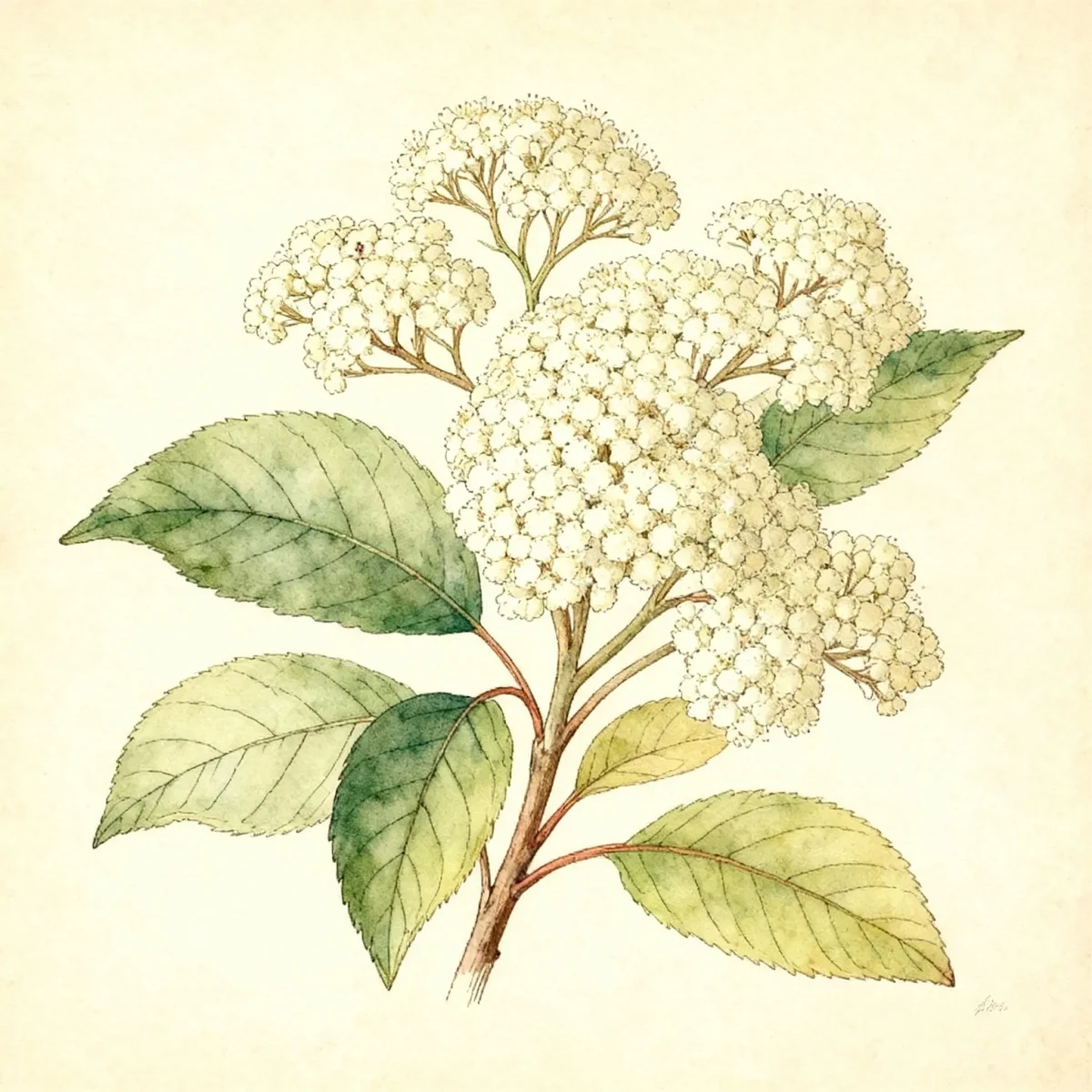
Viburnum opulus, commonly called European cranberry bush, is a highbush cranberry that is native to Europe, Asia and N. Africa. It is a deciduous shrub with a rounded spreading habit that typically grows to 10-15’ tall. It features lacecap-type white flowers in spring in flat-topped 3” wide cymes of tiny fertile florets surrounded by larger sterile florets, drooping clusters of cranberry-like red berries (drupes) in fall and three lobed, maple-like, dark green leaves. The berries (drupes) are technically edible, but are very bitter in taste and are not recommended for eating fresh off the shrub. Fruits tend to shrivel after frost. Foliage turns a sometimes attractive purplish red in fall.
Tolerances
- No specified tolerances listed.
Potential Problems
Fortunately, the European cranberrybush generally avoids major issues with pests and diseases, contributing to its low-maintenance appeal. The most common concern involves aphids, which can sometimes cluster on new growth in the spring. Monitoring new shoots during early spring allows for easy manual removal or directed treatment before populations explode.
In some cases, the Viburnum opulus may be susceptible to stem dieback caused by the Viburnum crown borer. Additionally, watch for signs of bacterial leaf spot, stem blight, or powdery mildew, especially in high-humidity or crowded conditions. Ensuring good air circulation during pruning can mitigate the spread of fungal issues.
Frequently Asked Questions
What hardiness zones is European cranberrybush suitable for?
This versatile shrub is suitable for a wide range across USDA Zones 3 through 8.
How large does European cranberrybush grow?
The mature size for Viburnum opulus generally ranges from 8 to 15 feet in height and spreads between 10 and 15 feet wide.
When does European cranberrybush bloom?
The shrub features its attractive white flowers, which appear in flat-topped clusters, typically from April to May.
What sun exposure does Viburnum opulus need?
Viburnum opulus performs best when situated in locations receiving full sun to light, part shade.
Conclusion
The Viburnum opulus offers year-round interest with minimal effort, making it an ideal choice for reliable screening or background plantings. As a well-loved European cranberrybush, it delivers celebrated spring flowers and vibrant fall fruit clusters. Before planting, ensure your site offers medium to wet soil conditions and check that your location falls within USDA Zones 3 to 8.
Companion Planting
When placing Viburnum opulus in a border, consider companions that offer contrasting leaf texture or different bloom times. Since this viburnum prefers medium to wet soil, reliable partners include native moisture-loving perennials such as Hostas or Astilbes, which also appreciate filtered light. For taller settings, serviceberry (Amelanchier) offers similar early spring bloom time and complementary fall color, creating a cohesive woodland margin effect.
Wildlife Benefits
Bird populations find the persistent fruit clusters of the European cranberrybush invaluable, especially as other food sources diminish late in the season. While human consumption is discouraged due to bitterness, this shrub serves as an important sustaining element for winter fauna. Furthermore, the early spring flowers, composed of both fertile and sterile blooms, are excellent early nectar sources for emerging bees and other beneficial insects.