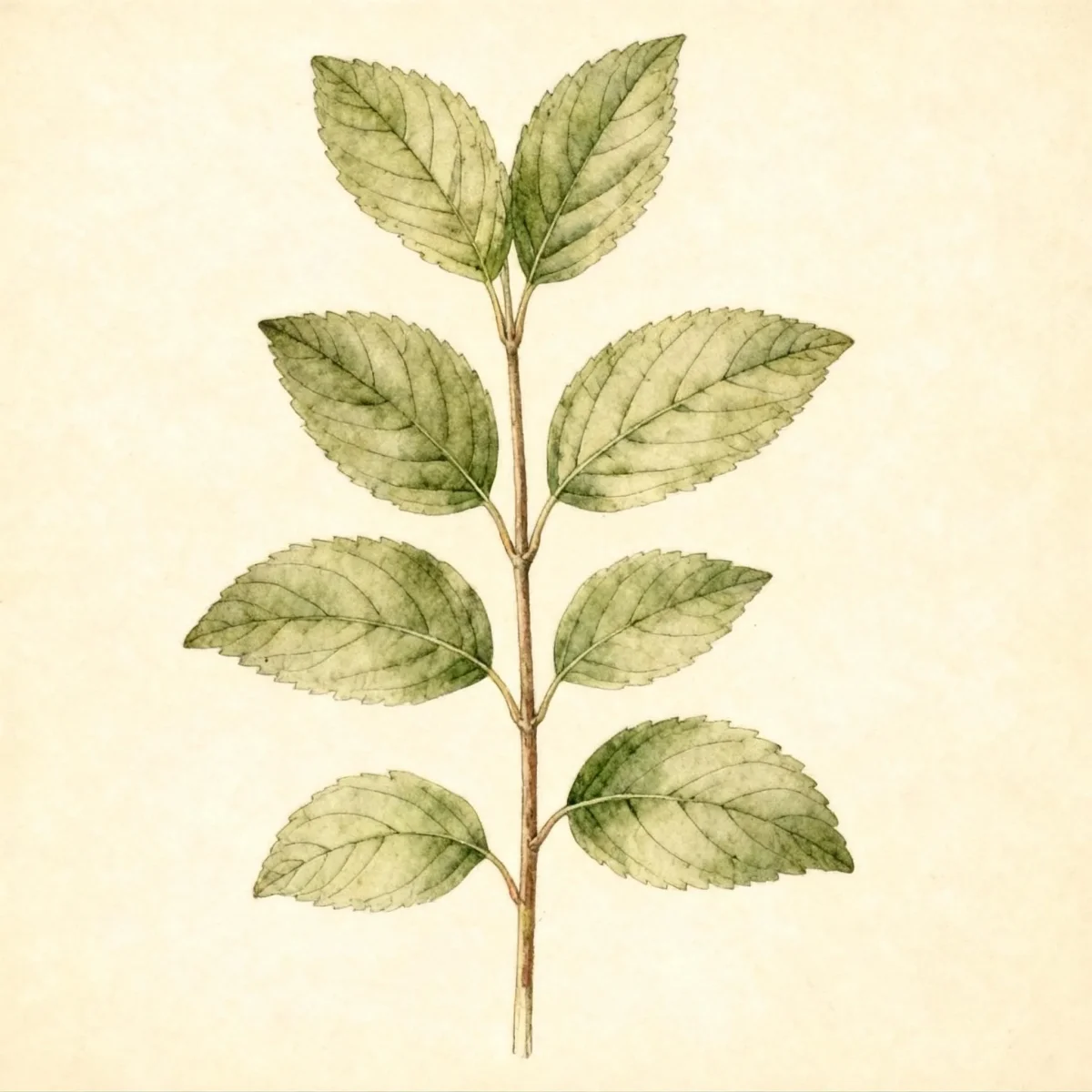
Sweet viburnum (Viburnum odoratissimum)
Viburnum odoratissimum, sweet viburnum, is a fragrant broadleaf evergreen admired for its showy summer flowers and low maintenance needs.


Bloom Boldly, No Matter the Season - Sweatshirt
Cozy organic cotton sweatshirt featuring our exclusive Purple Coneflower design. Perfect for gardeners who bloom year-round.
Inspired by the beautiful Sweet viburnum
Limited first batch (50) — join the waitlist for early access
Waitlist closes Feb 15, 2026.
Complete Plant Information
Field Guide Continues
Ready for care notes, companion picks, and planting tips?
The map is just the start. The full guide below covers growth habits, seasonal performance, and landscape uses.
Overview
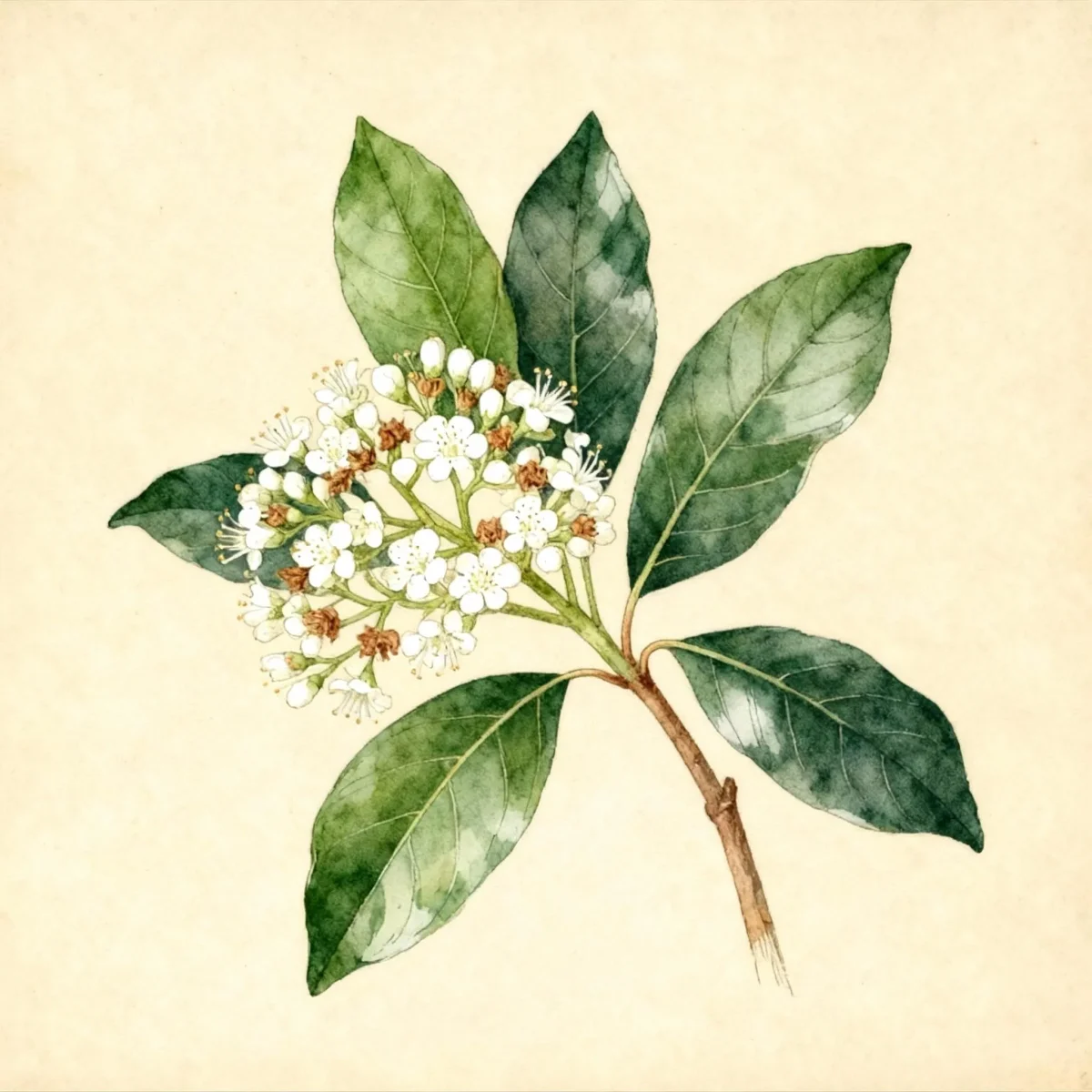
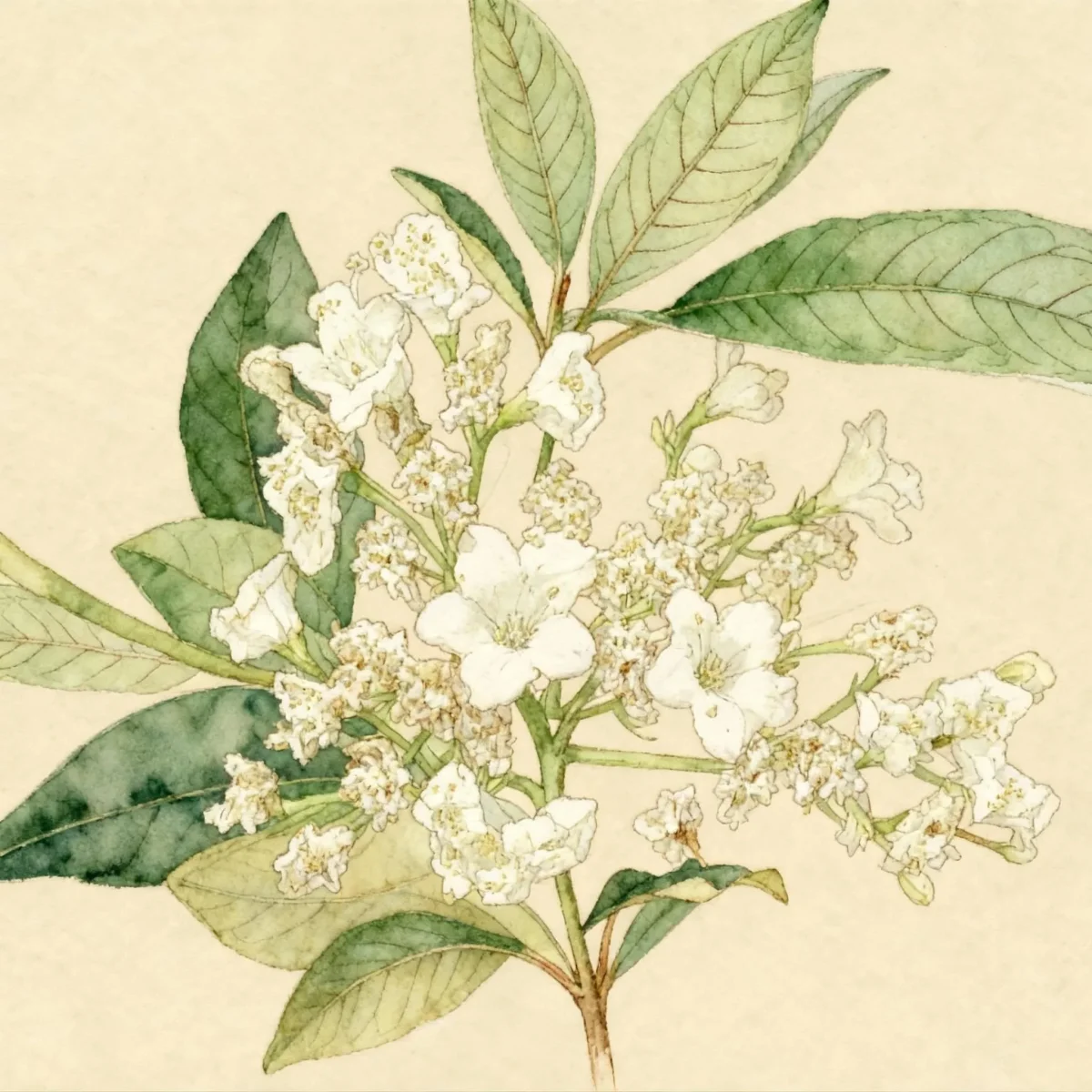
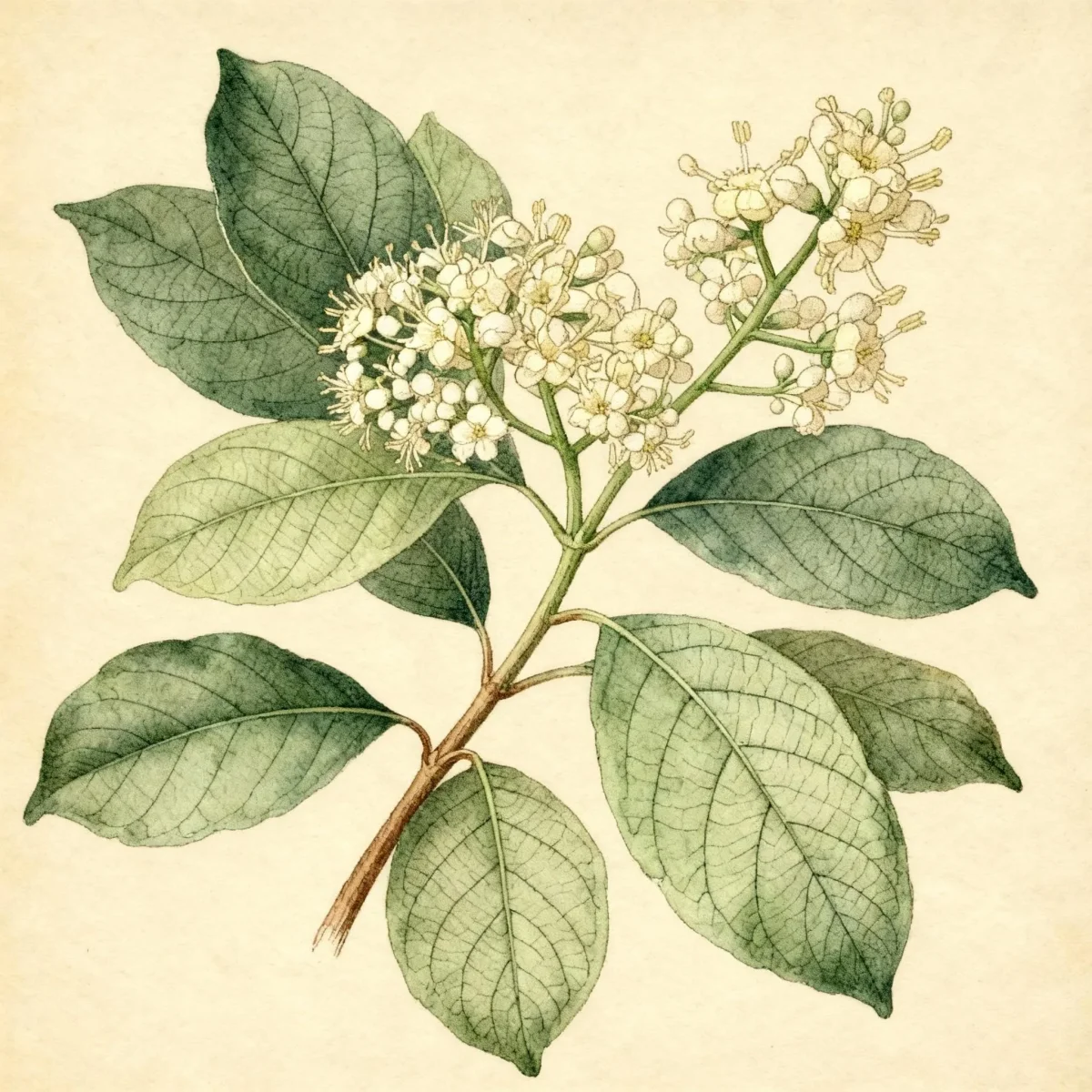
The Sweet viburnum, or Viburnum odoratissimum, is a robust broadleaf evergreen valued for its significant ornamental qualities throughout the growing season. It quickly establishes itself into a dense shrub or small tree, making it an excellent choice for screening purposes where height up to 20 feet is desired. Gardeners particularly appreciate this species for its heavily scented white flowers that appear mid to late summer.
Native to a wide range across Asia, from India to Japan, Viburnum odoratissimum is well-adapted to various conditions within USDA Zones 7 through 9. Its thick, leathery foliage remains deep olive-green year-round, providing consistent visual interest when many other landscape plants are dormant. This combination of size, evergreen nature, and powerful fragrance contributes to its popularity as a reliable, low-maintenance specimen.
Beyond its aesthetic appeal, this plant offers practical value; its flowers attract interest during the summer lull, and the resulting dark fruits are attractive to local bird populations. For those seeking substantial screening or an impactful specimen tree with minimal fuss, the sweet viburnum presents a compelling solution.
Fast Facts
- Plant Family: Adoxaceae
- Plant Type: Broadleaf evergreen
- Native Range: India, Myanmar, China to Japan and Philippines
- Hardiness Zones: USDA Zones 7-9
- Size at Maturity:
- Height: 15-20 ft
- Spread: 15-20 ft
- Bloom Time: May to July
- Bloom Description: Whitte
- Sun Exposure: Full sun to part shade
- Water Needs: Medium
- Maintenance Level: Low
How to Grow
Planting Viburnum odoratissimum is best achieved in the spring or fall, allowing the roots to establish before seasonal extremes. Select a location offering full sun or partial shade, ensuring the soil drains well, as consistent, even moisture is crucial for its best performance. Average, medium-moisture soils are acceptable, but avoid prolonged wet feet which can invite root issues.
Once established, the sweet viburnum maintains low maintenance requirements. Provide consistent, medium water, especially during dry spells, to encourage robust growth. Fertilization is rarely necessary unless the soil is notably poor. Pruning should be minimal, primarily focused on shaping or removing any dead or damaged wood after flowering.
A key consideration for Viburnum odoratissimum grown near the northern margin of Zone 7 is its potential to become semi-evergreen or even deciduous. In these cooler regions, site the plant in a protected location, perhaps near a structure, and ensure a substantial winter mulch is applied to protect the root system from hard freezes. In hotter climates, appreciating some afternoon shade can prevent leaf scorch.
Landscape Uses
The substantial size and dense, evergreen habit of the sweet viburnum make it an ideal candidate for functional landscape roles. It excels when used as an informal hedge, providing a tall, natural screen that maintains its coverage year-round due to its Viburnum odoratissimum characteristics. Alternatively, it serves admirably as a robust barrier planting or a foundation screen where a larger height is appropriate.
Its fragrant late-spring flowers and the subsequent attractive dark fruits also mean it offers multi-season interest, elevating its status beyond a simple privacy screen. Consider planting it adjacent to seating areas where the fragrant summer blooms can be fully enjoyed. When placed in woodland garden settings contrasted against finer textures, the thick, leathery foliage of the Sweet viburnum provides excellent textural balance.
Standout Features
Flower Qualities
- Showy
- Fragrant
Noteworthy Characteristics
Viburnum odoratissimum, commonly called sweet viburnum, is an evergreen shrub or small tree that grows to as much as 20 feet tall. Its common name directly references its fragrant, funnel-shaped white flowers, which bloom profusely in conical terminal panicles during late spring into early summer. The thick, leathery, olive-green leaves persist throughout the year, offering excellent evergreen structure.
Tolerances
Potential Problems
Fortunately, Viburnum odoratissimum generally avoids serious insect or disease pressures, contributing to its low maintenance profile. However, gardeners should remain vigilant for potential fungal issues such as bacterial leaf spot and various mildews, especially in areas with high humidity or poor air circulation. Occasionally, more serious concerns like crown gall may arise in poorly drained soils.
Insect pests such as aphids or scale insects can sometimes colonize the young shoots. Regular inspection, particularly of the undersides of the leaves, is the best defense. If infestations are noted, targeted treatment with horticultural oil or insecticidal soap is usually sufficient to control the population and protect your Sweet viburnum.
Frequently Asked Questions
What hardiness zones is Viburnum odoratissimum suitable for?
This plant is reliably hardy in USDA Zones 7 through 9, requiring good siting and protection if attempted in Zone 6.
How large does Sweet viburnum grow?
Viburnum odoratissimum typically reaches heights between 15 and 20 feet, with a similar spread, forming a broad, dense form.
When does Sweet viburnum bloom?
The fragrant flowers of the Viburnum odoratissimum are typically present from May extending through July, offering summer color and scent.
What sun exposure does Sweet viburnum need?
It performs well in locations receiving full sun, though it benefits from some afternoon shade when planted in very hot summer climates.
Conclusion
The Viburnum odoratissimum, or Sweet viburnum, stands out as a durable, low-effort broadleaf evergreen that rewards growers with substantial size and notably fragrant summer flowers. Its evergreen nature ensures year-round screening value, making it a landscape workhorse. Before planting, confirm your garden falls within USDA Zones 7–9, and ensure adequate space for this handsome shrub to reach its mature spread.
Companion Planting
When utilizing Viburnum odoratissimum as a backdrop or screen, pair it with plants that offer contrasting leaf textures or bloom times. Consider planting lower-growing evergreen shrubs like dwarf hollies or Japanese aucuba in front of it to create a tiered effect that maximizes year-round interest. For seasonal color, incorporate late-summer and fall-blooming perennials such as Sedums or Asters near the edges of the planting area, as the Sweet viburnum flowers are finished by mid-summer.
Geographically, since it shares a native range with many woodland species, planting it near shade-tolerant ferns or hostas in areas receiving dappled light can create a lush, layered understory effect, respecting its preference for well-drained, consistent moisture.
Wildlife Benefits
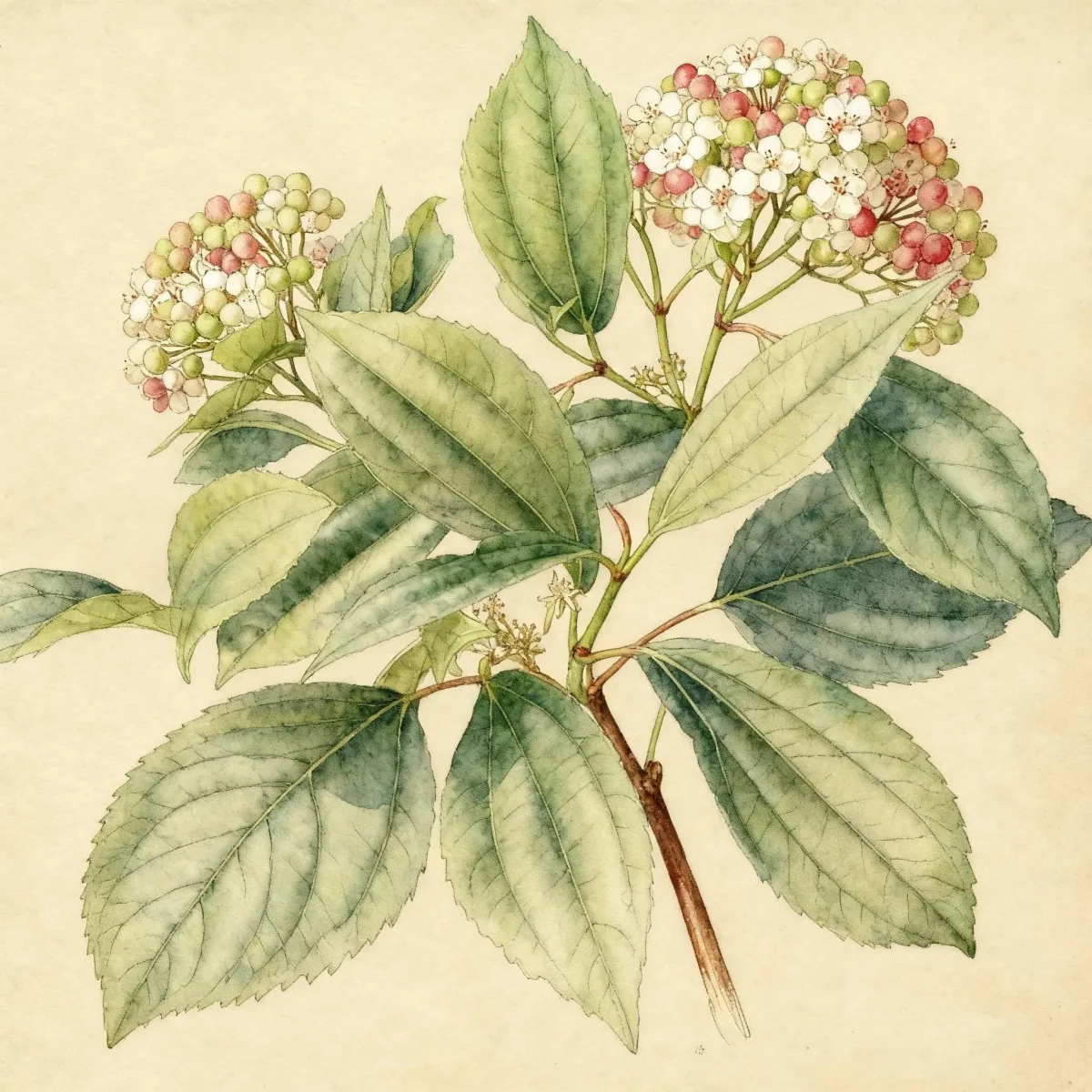
The ecological value of the Viburnum odoratissimum is significant, particularly concerning avian life toward the end of the growing season. Once the fragrant white flowers fade, the plant develops small, single-seeded fruits, or drupes, which mature to black. These fruits are known to be attractive to various bird species, providing a critical late-season food source.
Furthermore, the dense, multi-stemmed structure of a mature Viburnum odoratissimum offers excellent shelter and nesting opportunities throughout the year, thanks to its evergreen foliage. While not renowned as a primary pollinator plant like some shrub species, the summer bloom of the Sweet viburnum still offers nectar for late-season bees and beneficial insects active during the May-to-July flowering period.