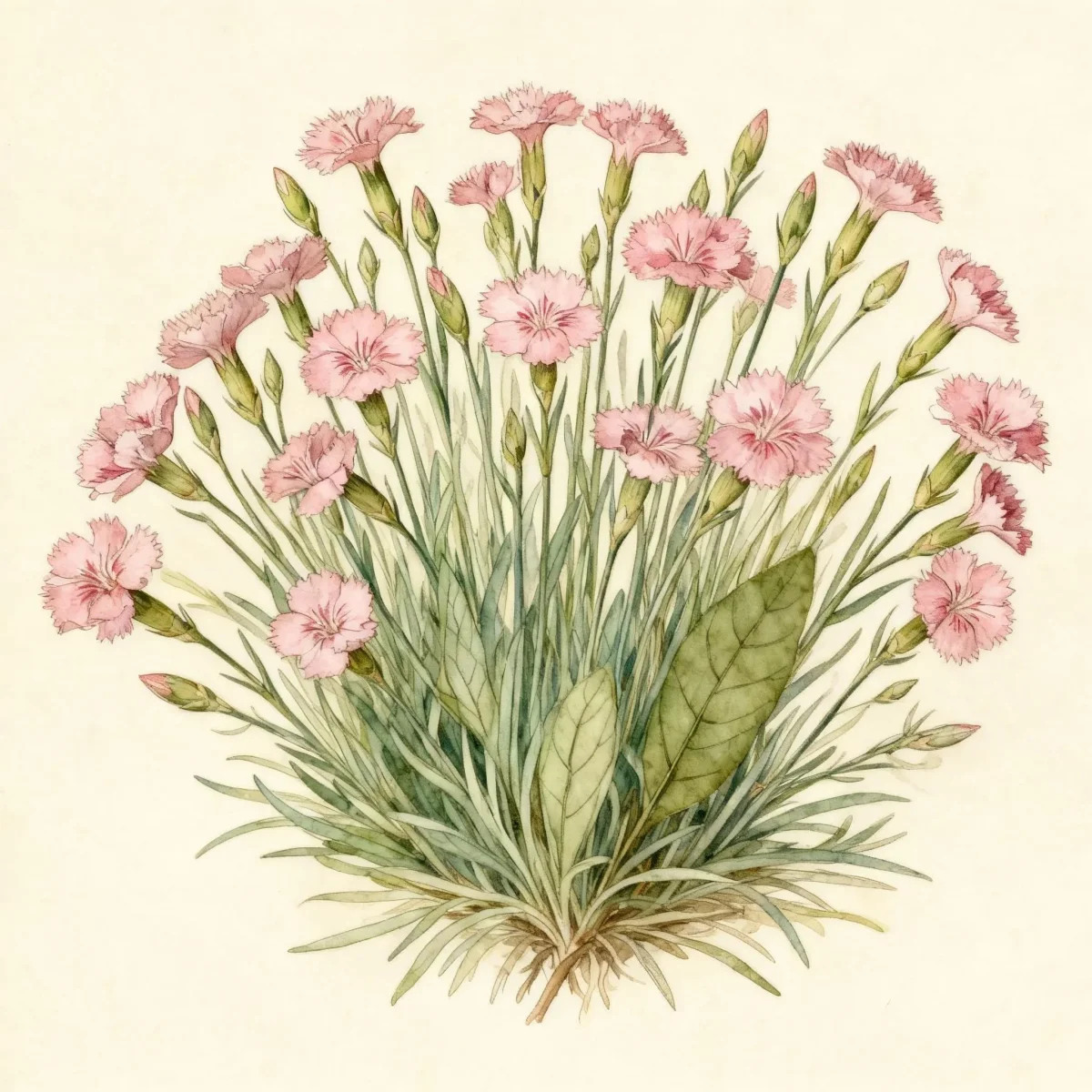
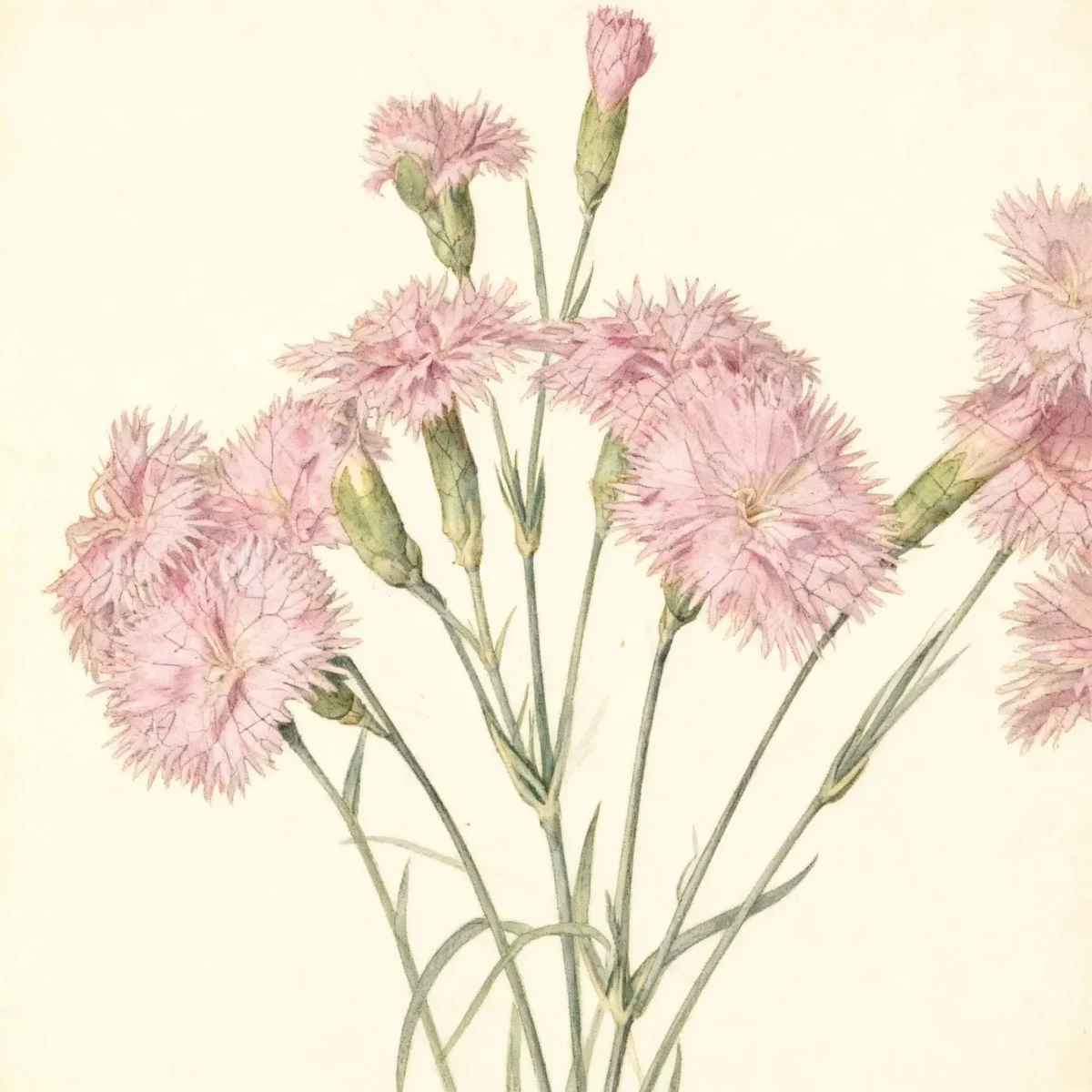
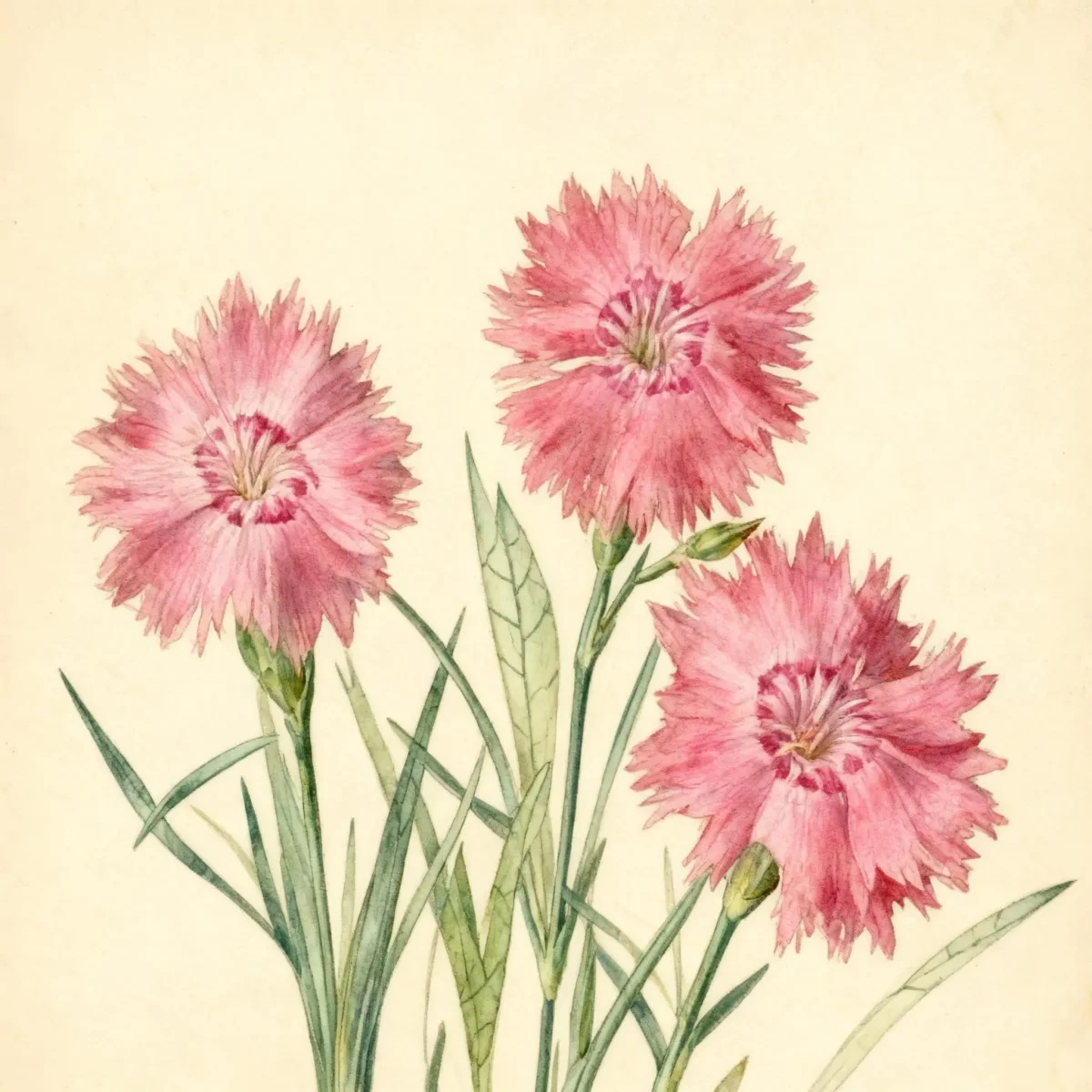
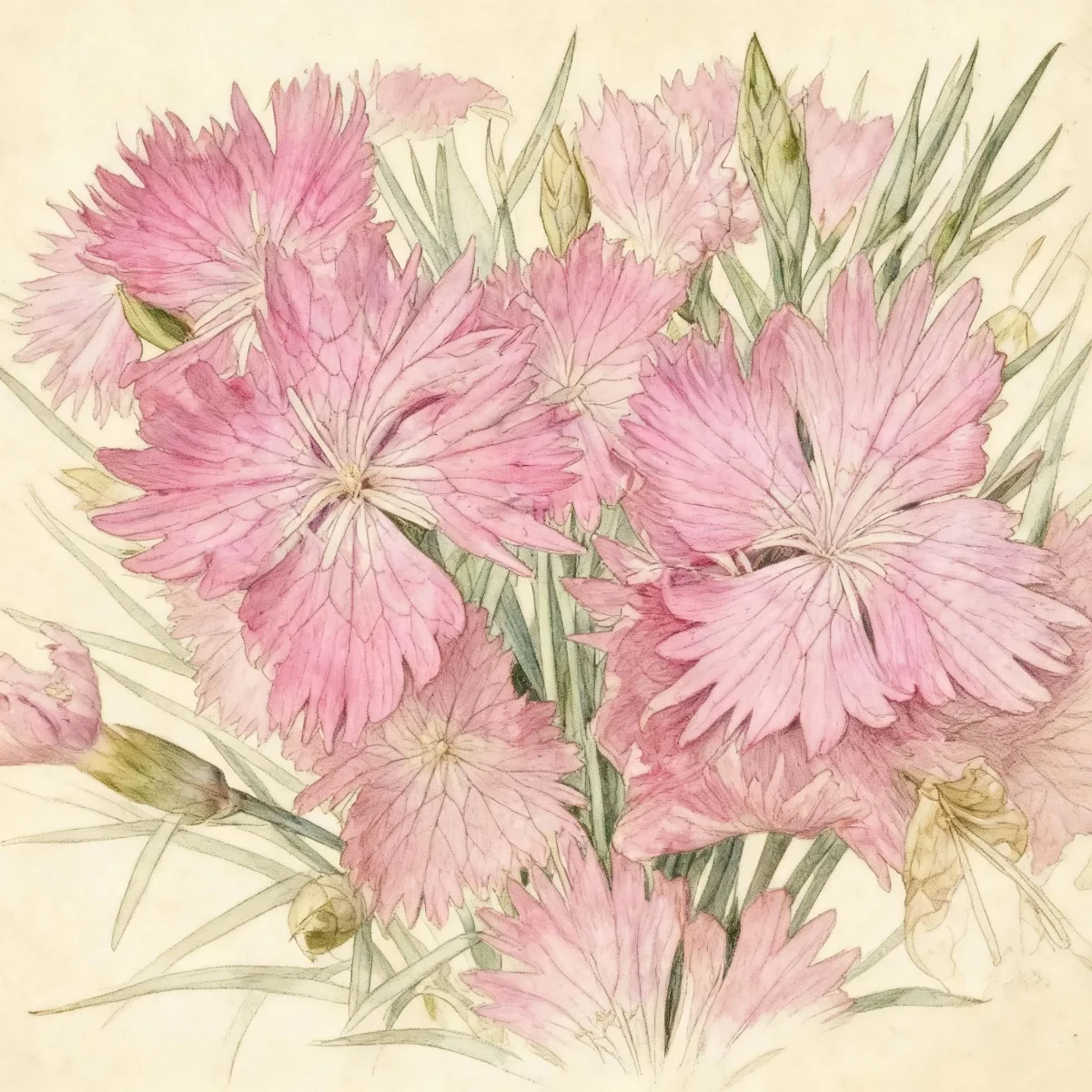
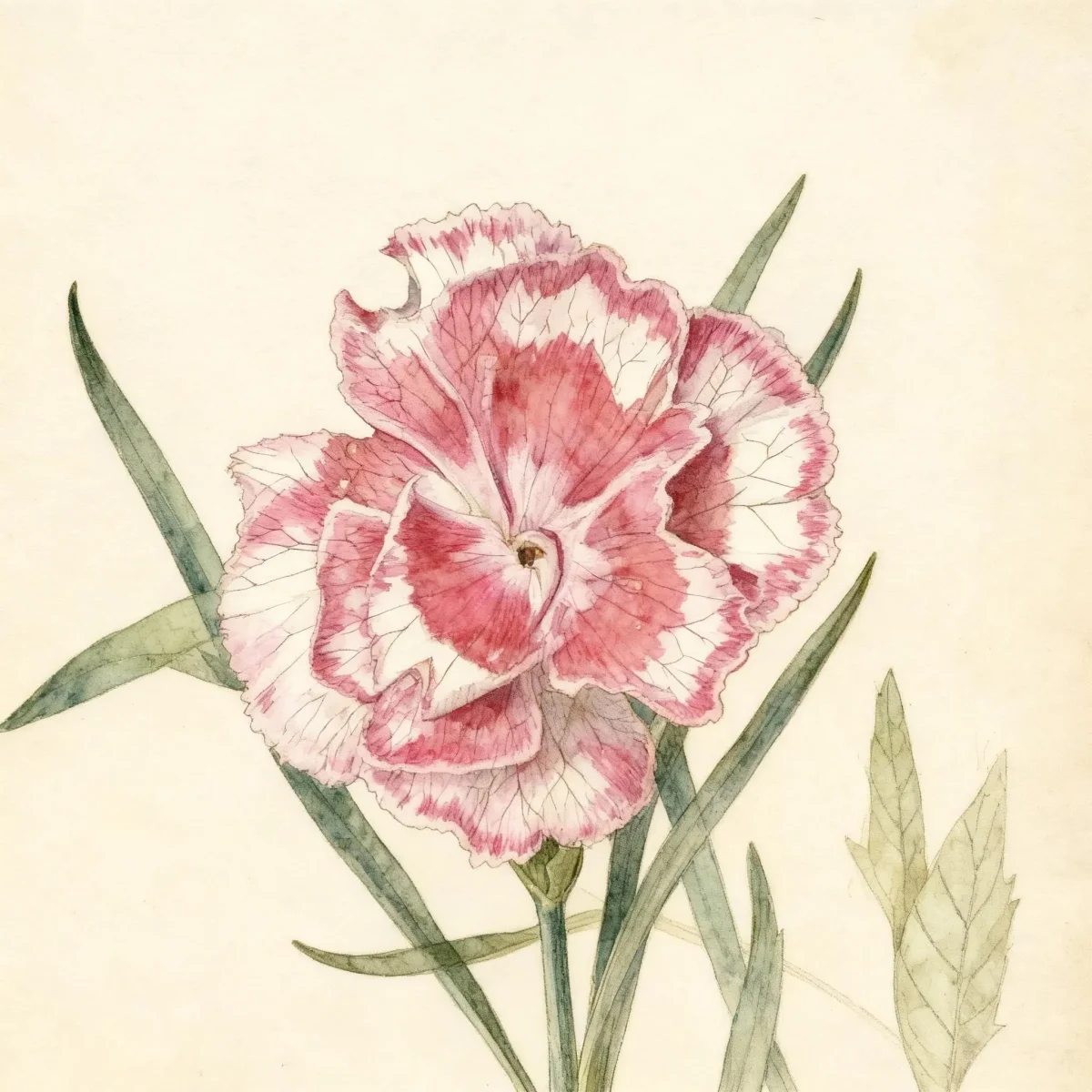
Cheddar pink (Dianthus gratianopolitanus)
Dianthus gratianopolitanus, or Cheddar pink, is a low-maintenance, mat-forming perennial celebrated for its fragrant, rose-pink flowers.


Bloom Boldly, No Matter the Season - Sweatshirt
Cozy organic cotton sweatshirt featuring our exclusive Purple Coneflower design. Perfect for gardeners who bloom year-round.
Inspired by the beautiful Cheddar pink
Limited first batch (50) — join the waitlist for early access
Waitlist closes Feb 15, 2026.
Complete Plant Information
Field Guide Continues
Ready for care notes, companion picks, and planting tips?
The map is just the start. The full guide below covers growth habits, seasonal performance, and landscape uses.
Overview
Dianthus gratianopolitanus, commonly known as Cheddar pink, provides excellent low-growing texture and vibrant spring color in the garden. This mat-forming perennial creates a dense mound of attractive blue-gray to gray-green foliage, offering seasonal interest even outside its main bloom window. Its utility lies in its ability to thrive in challenging spots while delivering sweet, clove-like fragrance.
The Cheddar pink typically features solitary, deep rose-pink flowers, each accented by a darker eye ring, making their appearance highly anticipated in late spring and early summer. Though its primary show is in May and June, prompt deadheading of spent flowers on the Dianthus gratianopolitanus can encourage intermittent rebloom well into the summer months. This plant is prized for its resilience and relatively low input needs once established.
Native to areas like England’s Cheddar Gorge, this hardy variety handles heat, humidity, and short dry spells better than many other Dianthus species. Its spreading habit makes Dianthus gratianopolitanus an excellent candidate for groundcover or softening the edges of hardscape features in sunny borders.
Fast Facts
- Plant Family: Caryophyllaceae
- Plant Type: Herbaceous perennial
- Native Range: Western and central Europe
- Hardiness Zones: USDA Zones 4-8
- Size at Maturity:
- Height: 0.75-1 ft
- Spread: 1.5-2 ft
- Bloom Time: May to June
- Bloom Description: Rose pink
- Sun Exposure: Full sun
- Water Needs: Medium
- Maintenance Level: Low
How to Grow
Establish Cheddar pink in a location receiving consistent full sun. Optimal planting time is typically spring, allowing the roots to establish before summer heat sets in. This species thrives in average, medium moisture conditions, provided the soil is well-drained. It shows a preference for fertile, slightly alkaline, somewhat gritty loams. Proper drainage is crucial, as wet winter soil can quickly lead to crown rot.
Maintenance for Dianthus gratianopolitanus is generally low. Water moderately, ensuring the soil dries slightly between soakings. While it tolerates occasional drought, established plants prefer consistent moisture, especially during flowering. Fertilization is usually unnecessary if planted in decent soil, but minimal feeding in spring can support robust growth.
Deadheading spent blooms is the most labor-intensive maintenance task, but it is recommended to prolong flowering. After the main flush concludes, lightly shearing the plant back helps clean up its appearance and encourages tidier regrowth of the foliage mat. Be aware that plants may struggle if left in wet winter conditions, making soil preparation paramount.
Landscape Uses
Cheddar pink excels in applications where a low-growing, spreading texture is desired. Its compact mounds are perfect for defining the front edge of perennial borders, creating a vibrant, fragrant display against taller neighbors. Due to their excellent drainage tolerance, they are superb additions to rock gardens, spilling charmingly over retaining walls and tucked between flagstones.
These versatile perennials also perform well in mixed containers, adding low-growing interest that contrasts nicely with upright annuals or herbs. For challenging sunny spots, like dry, rocky slopes where other plants falter, the tough nature of Dianthus gratianopolitanus makes it a reliable choice. Use it as an effective, low-maintenance edger along paths where the fragrance of the clove-like blooms can be fully appreciated.
Standout Features
Flower Qualities
- Showy
- Fragrant
Noteworthy Characteristics
Dianthus gratianopolitanus, commonly known as cheddar pink, is recognized as a mat-forming perennial that produces masses of fragrant, solitary flowers, usually rose-pink with an attractive darker center. The glaucous, linear leaves create a dense, blue-gray mat that remains ornamental throughout the growing season. This specific dianthus is famously native to the Cheddar Gorge region of England.
Tolerances
- Deer
Potential Problems
This variety of dianthus generally exhibits excellent resistance to serious insect pests or diseases under proper conditions. The most significant threat to Cheddar pink comes from fungal issues like crown rot. This occurs specifically when the plant is situated in moist to wet soils that lack adequate drainage, especially over winter. Ensure planting sites are gritty and well-drained to prevent the base of the plant from remaining saturated.
Frequently Asked Questions
What hardiness zones is Cheddar pink suitable for?
Dianthus gratianopolitanus is hardy and thrives in USDA Zones 4 through 8, making it adaptable across many temperate climates.
How large does Cheddar pink grow?
This perennial typically reaches heights between 0.75 and 1 foot, spreading outward to occupy an area of 1.5 to 2 feet wide.
When does Cheddar pink bloom?
The primary bloom time for Dianthus gratianopolitanus is May to June, displaying flowers described as rose pink.
What sun exposure does Cheddar pink need?
For consistently rich bloom and dense foliage, Cheddar pink requires bright, full sun exposure throughout the day.
Conclusion
The resilience, spreading habit, and intensely fragrant spring flowers make Cheddar pink a superb choice for sunny, well-drained garden spaces. Incorporating Dianthus gratianopolitanus into borders or rockeries guarantees low-maintenance textural interest and seasonal color. Always confirm your local USDA zone compatibility and prepare your soil for superior drainage before planting this dependable perennial.
Companion Planting
When planning a rock garden or front border, consider companions that share the need for full sun and excellent drainage. Low-growing thymes (Thymus species), creeping sedums (Sedum and Hylotelephium), and creeping phlox (Phlox subulata) offer excellent textural contrast and similar light/water requirements alongside Cheddar pink. These companions help create a tapestry of low, drought-tolerant perennials that flourish when competing dianthus species might struggle.
Propagation Tips
Dianthus gratianopolitanus can be successfully propagated using a few simple methods. While the plant can be grown from seed, propagation by division is often preferred for maintaining established characteristics. Dig and divide mature clumps in the early spring before new growth is vigorous, or in the fall after flowering ceases. Cuttings taken from non-flowering shoots just as the plant finishes its main bloom period can also root successfully, though timing must be precise to ensure winter survival in colder zones.