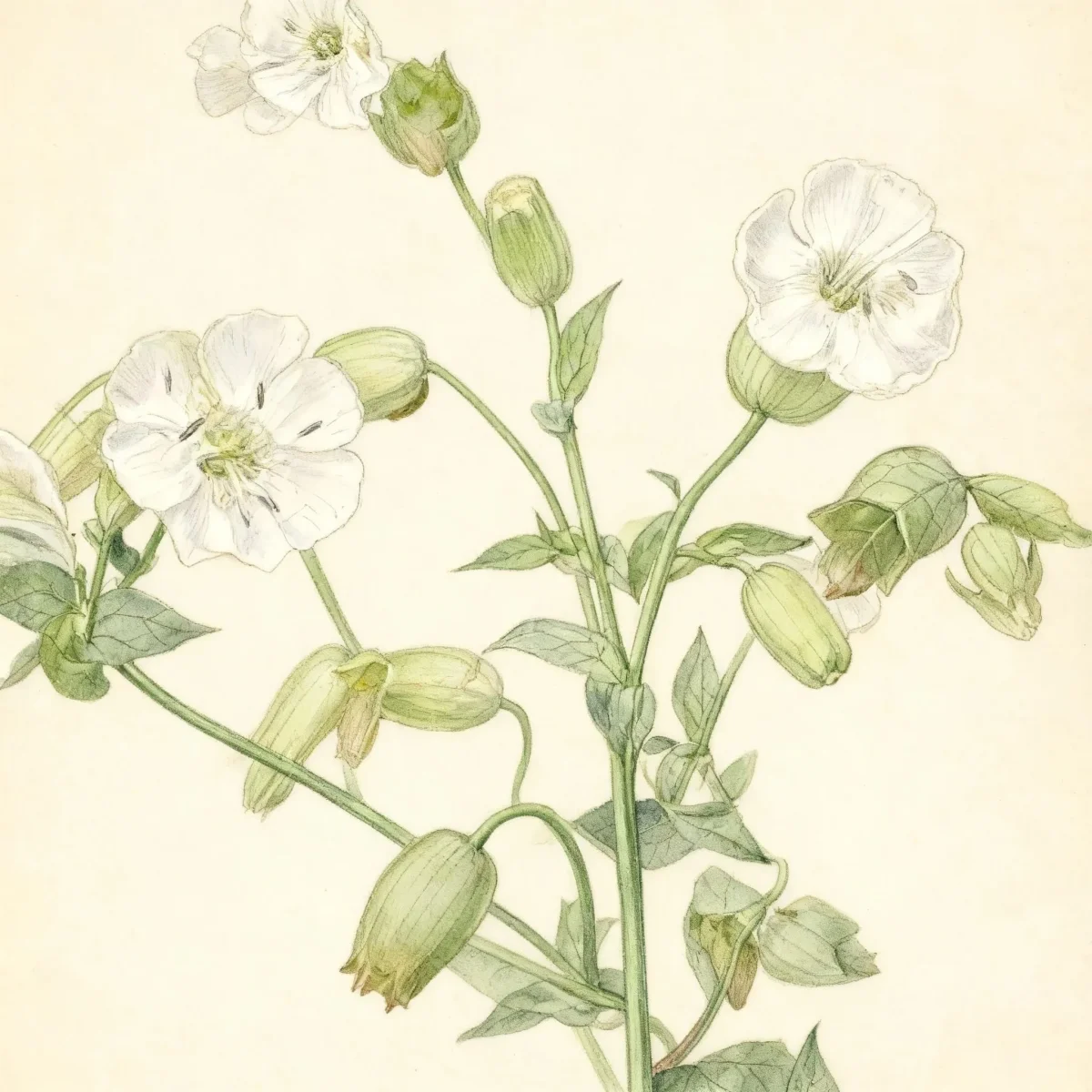
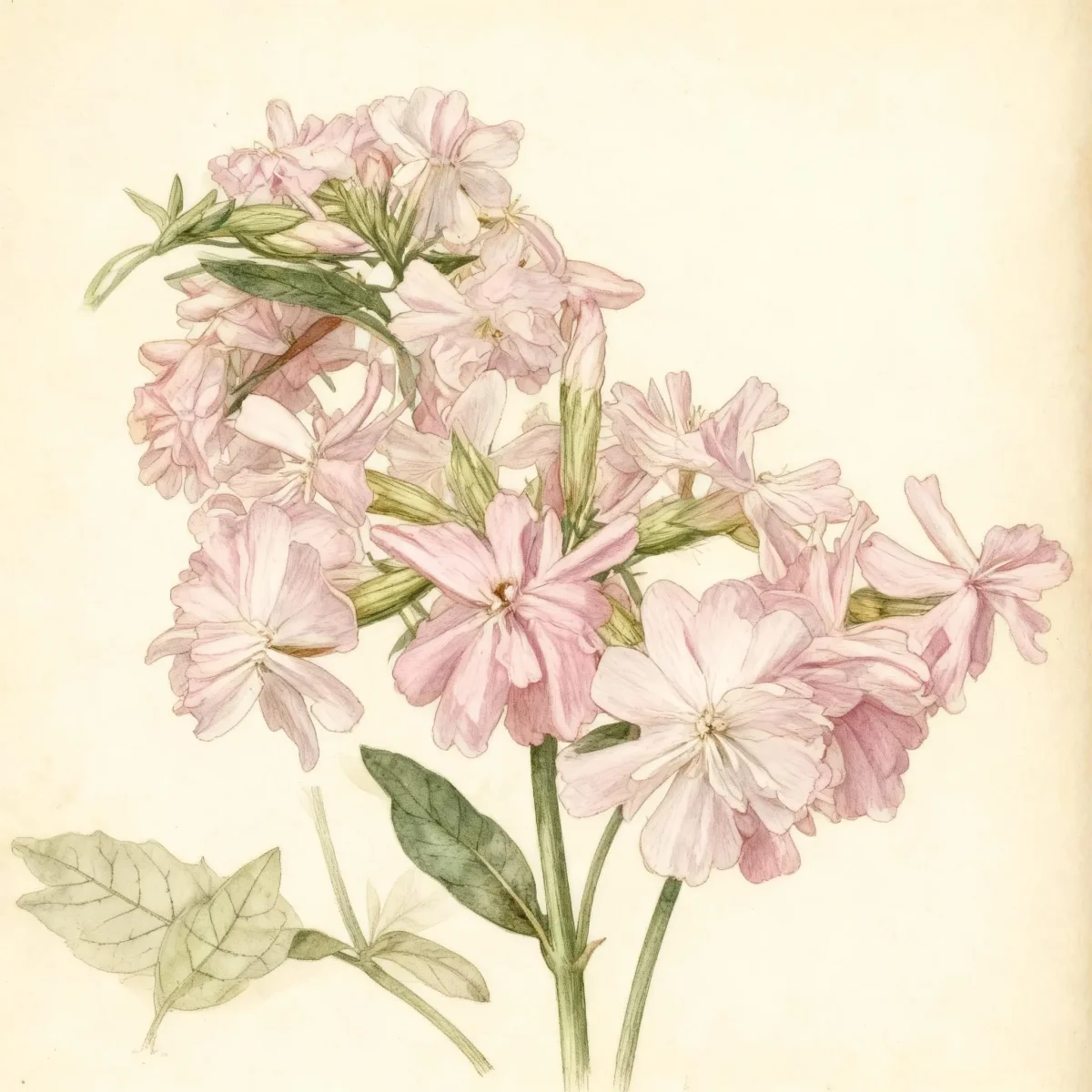
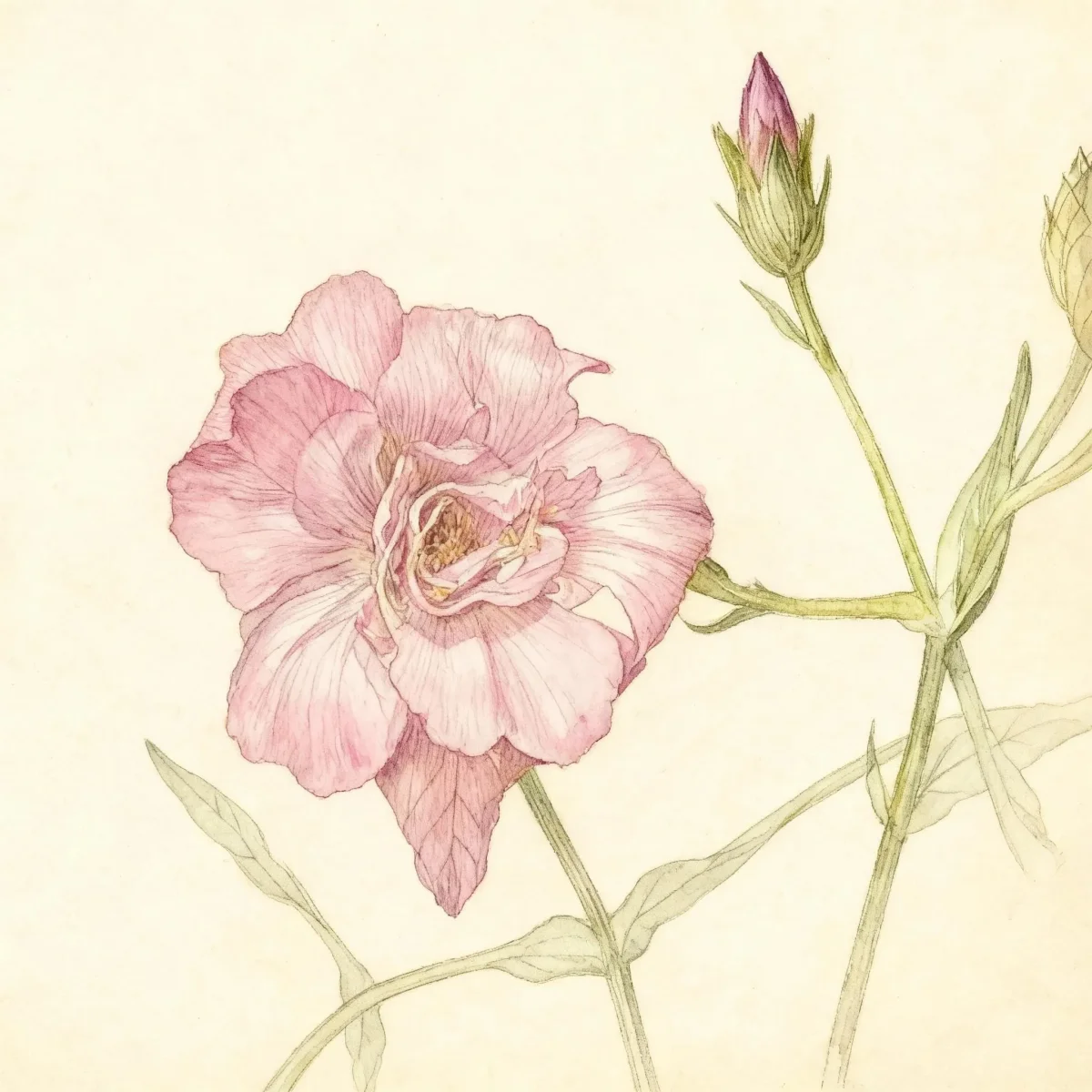
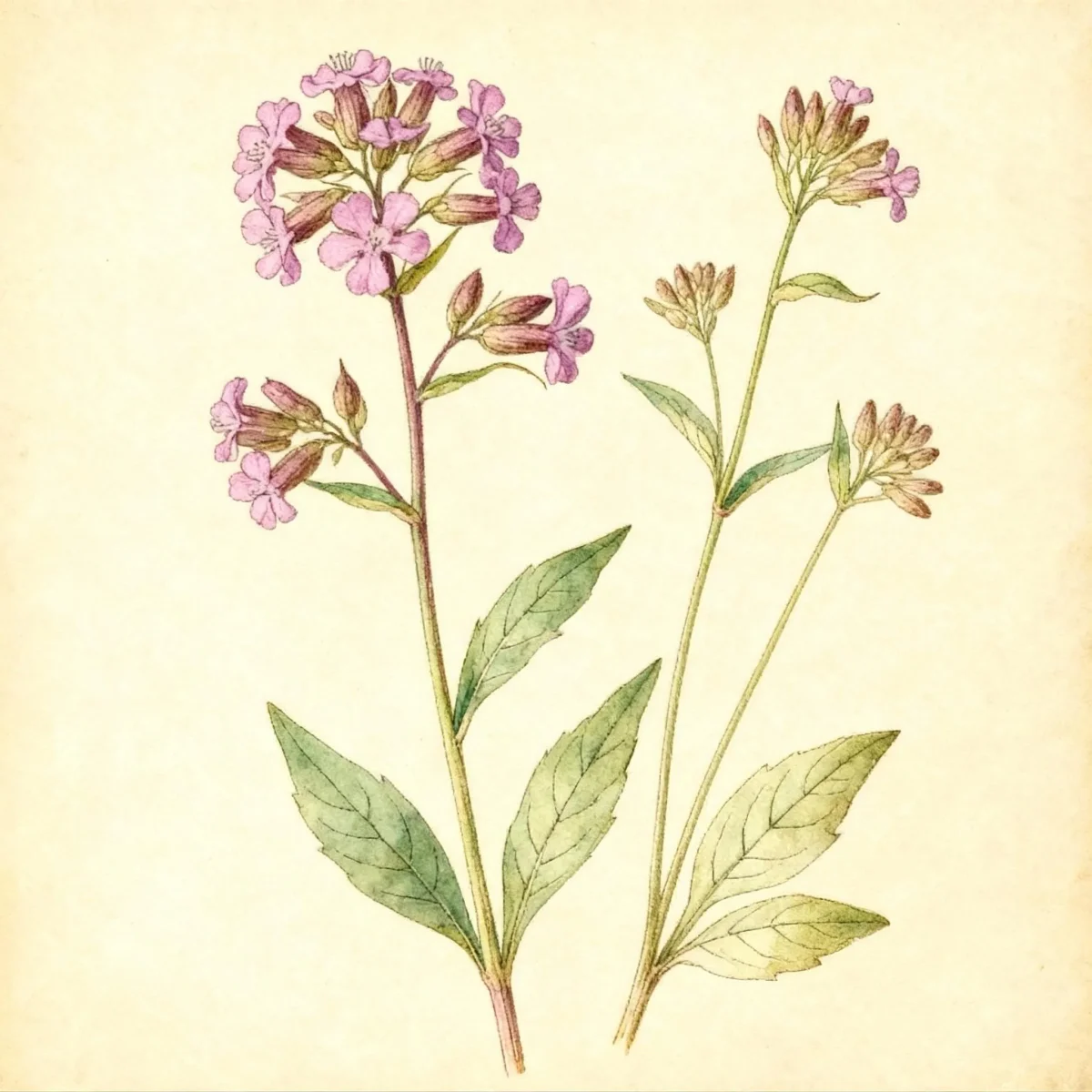
Catchfly (Lychnis coronaria)
Discover Lychnis coronaria (Catchfly), a low-maintenance perennial famed for silver foliage and vivid rose magenta blooms from May to July.

Bloom Boldly, No Matter the Season - Sweatshirt
Cozy organic cotton sweatshirt featuring our exclusive Purple Coneflower design. Perfect for gardeners who bloom year-round.
Inspired by the beautiful Catchfly
Limited first batch (50) — join the waitlist for early access
Waitlist closes Feb 15, 2026.
Complete Plant Information
Field Guide Continues
Ready for care notes, companion picks, and planting tips?
The map is just the start. The full guide below covers growth habits, seasonal performance, and landscape uses.
Overview
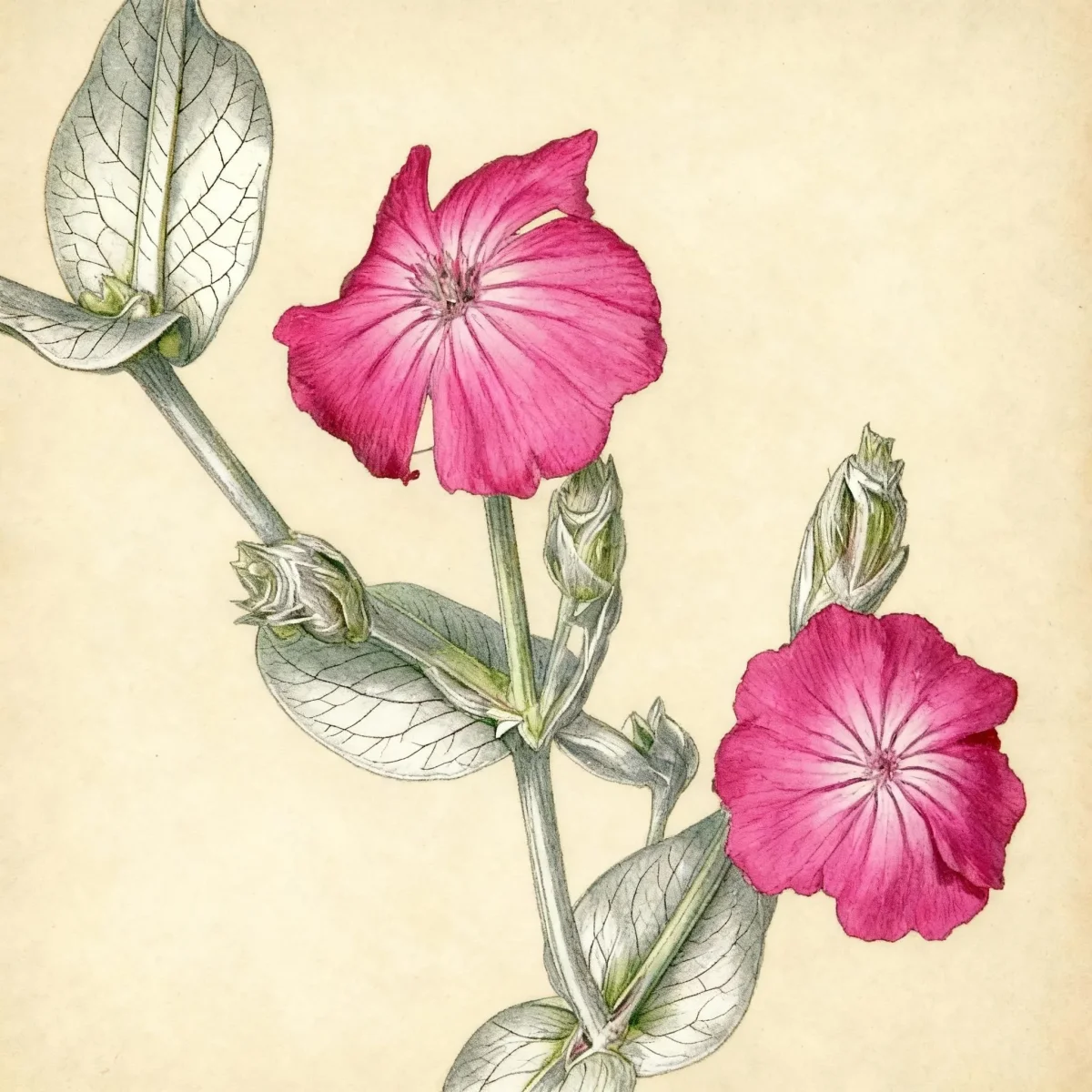
Lychnis coronaria, widely known as Rose Campion or Catchfly, brings exceptional textural contrast to the garden, primarily through its densely woolly, silver-gray basal foliage. Gardeners prize this plant for the longevity and brilliance of its flower display, featuring vivid rose magenta blooms that appear profusely from late spring into mid-summer. While technically a short-lived perennial, its tendency to freely self-seed means you often enjoy reliable blooms year after year, effectively treating it as a biennial or annual.
This clump-forming species is remarkably undemanding once established, thriving in sunny locations where many other plants might struggle due to dryness or poor soil composition. The striking combination of silvery leaves beneath intense magenta flowers makes Lychnis coronaria a superb component for adding depth and color punctuation in perennial borders. Its low maintenance profile and drought tolerance make it an invaluable addition for sustainable and visually impactful landscape designs.
Fast Facts
- Plant Family: Caryophyllaceae
- Plant Type: Herbaceous perennial
- Native Range: Southeastern Europe
- Hardiness Zones: USDA Zones 4-8
- Size at Maturity:
- Height: 2-3 ft
- Spread: 1-1.5 ft
- Bloom Time: May to July
- Bloom Description: Rose magenta
- Sun Exposure: Full sun
- Water Needs: Dry to medium
- Maintenance Level: Low
How to Grow
Planting Catchfly is easiest in spring or fall, ensuring it receives full sun exposure. It grows well in average, medium soil, provided drainage is excellent, especially heading into winter. While it appreciates moist soil initially, Lychnis coronaria tolerates dryness once established, thriving even in shallow, rocky soils. Consider planting in raised beds if your site tends to remain soggy, as poor winter drainage is often fatal.
Maintenance for this plant is generally low. Avoid over-fertilizing, as excessive richness can diminish the vibrant silver coloring of the foliage; the best silver tones appear in drier soils. If you wish to control its spread or prevent unwanted seedlings, deadheading the flowers immediately after bloom is highly effective. If you prefer naturalizing, simply allow spent flowers to remain.
This species offers a long season of interest. After the main flush of blooms subsides, cutting back the spent flower stems allows the attractive foliage mound to serve as an interesting low groundcover for the remainder of the season, similar to Stachys. Remember that Lychnis coronaria is a short-lived perennial, so plan on letting it volunteer new seedlings to maintain its presence.
Landscape Uses
Whether used as an annual filler or a repeated perennial, Lychnis coronaria excels at providing bold contrast. Its unique silver foliage works brilliantly against deep greens, dark purples, and bright yellows in perennial borders and mixed beds. Plant in masses to create a striking drift of color across the landscape, capitalizing on its height of 2-3 feet.
For a traditional cottage garden feel, pair the vivid magenta of Catchfly with plants like white or blue Salvias, silver Artemisia, or deeper-toned peonies that share similar sun and soil preferences. If flower stems are removed post-bloom, the silvery foliage acts as an excellent low-maintenance groundcover, bridging the gaps between taller summer bloomers.
Standout Features
Flower Qualities
- Showy
Noteworthy Characteristics
Lychnis coronaria, commonly called rose campion, is a clump-forming perennial which is perhaps grown as much for its basal clumps of ovate, densely woolly, silver-gray leaves (to 5” long) as for its 5-petaled, vivid rose magenta flowers (to 1” diameter). Flowers bloom profusely on smaller-leafed, gray stems rising 2-3’ tall, providing a lengthy late spring to early summer bloom period. The genus name Lychnis is derived from the Greek word lychnos meaning a small, portable lamp, possibly referencing the ancient use of woolly leaves for wicks.
Tolerances
- Deer
- Drought
- Dry Soil
- Shallow-Rocky Soil
Potential Problems
This plant suffers from no serious insect or disease problems, contributing significantly to its low-maintenance appeal. Gardeners should focus efforts primarily on management practices rather than pest control for Lychnis coronaria.
The primary cultural management challenge involves drainage, particularly in colder, wetter climates where winter moisture can cause crown rot. Ensuring the soil drains quickly is paramount to the survival of your Catchfly plants.
Frequently Asked Questions
What hardiness zones is Catchfly suitable for?
Lychnis coronaria is hardy in USDA Zones 4 through 8, making it adaptable across a wide swath of the temperate gardening regions.
How large does Lychnis coronaria grow?
This herbaceous perennial typically reaches a mature height between 2 and 3 feet tall, with a spread of 1 to 1.5 feet wide.
What sun exposure does Catchfly need?
Lychnis coronaria requires full sun exposure to produce its best foliage color and most abundant rose magenta blooms.
When does Lychnis coronaria bloom?
You can expect consistent flowering from this plant starting in May and continuing through July.
Conclusion
The striking silver foliage and intense rose magenta flowers ensure that Lychnis coronaria, or Catchfly, remains a standout performer in sunny, dry garden spots. Its low maintenance needs and tolerance for poor soil make it an easy choice for both novice and expert gardeners seeking reliable summer color contrast. Before planting, confirm your hardiness zone falls within the 4-8 range and ensure the planting location allows for excellent soil drainage.
Companion Planting
When designing beds featuring Catchfly, consider pairing it with plants that share its preference for full sun and dry to medium moisture. Plants with dark green or deep purple foliage provide the strongest backdrop, enhancing the silvery effect of the Lychnis coronaria leaves. Good partners include Stachys byzantina (Lamb’s Ears), which offers similar texture, or various ornamental sages (Salvia species) known for their heat tolerance.
For flowering companions, look towards plants that bloom slightly before or after the May-to-July window of the Catchfly. Hardy lavender varieties or drought-tolerant yarrows (Achillea) complement the magenta hues beautifully while requiring few supplemental resources. This grouping strategy supports water-wise gardening principles.
Propagation Tips
Since Lychnis coronaria is known for being a short-lived perennial, utilizing its natural means of self-perpetuation is a key part of its long-term care plan. The most effective natural propagation method is allowing the plant to self-seed; simply let the seed heads mature and drop their contents naturally, or collect the seeds for intentional spring sowing.
For gardeners wishing to maintain only the very best specimens, division is an option, though it is generally recommended only when the clump becomes overly woody or sparse in center, usually every few years during the spring. Be gentle during division to avoid damaging the somewhat fibrous root system of the Catchfly.