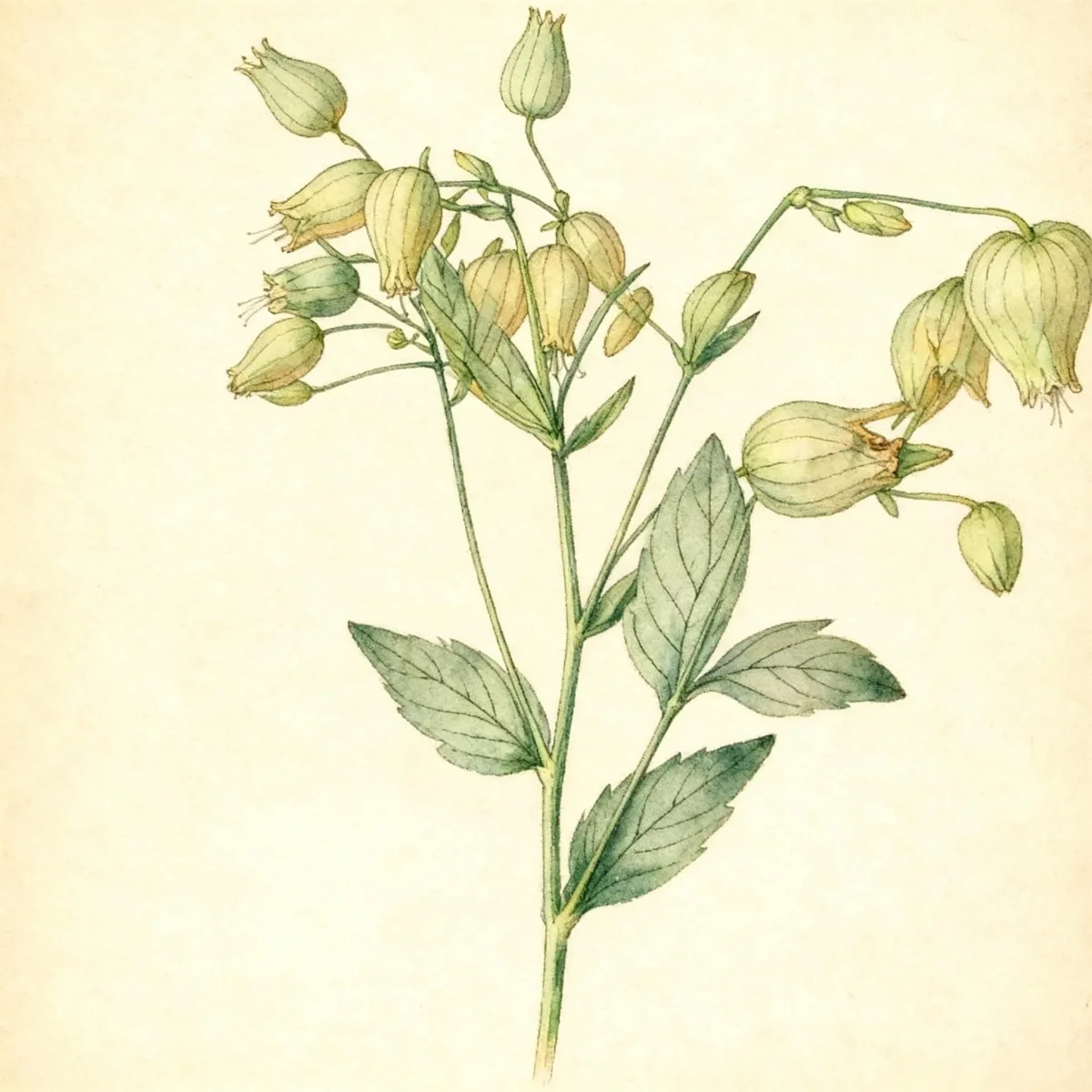
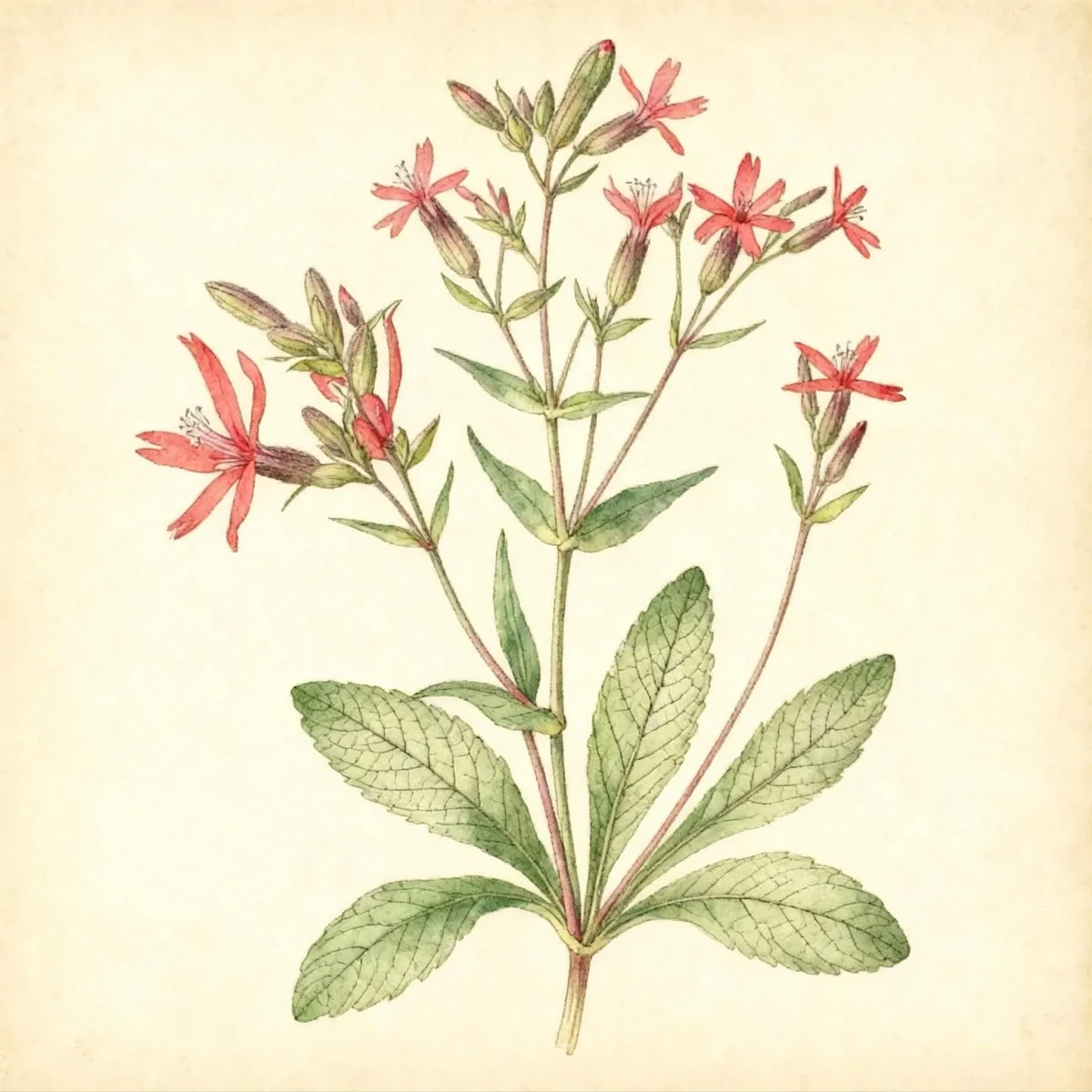
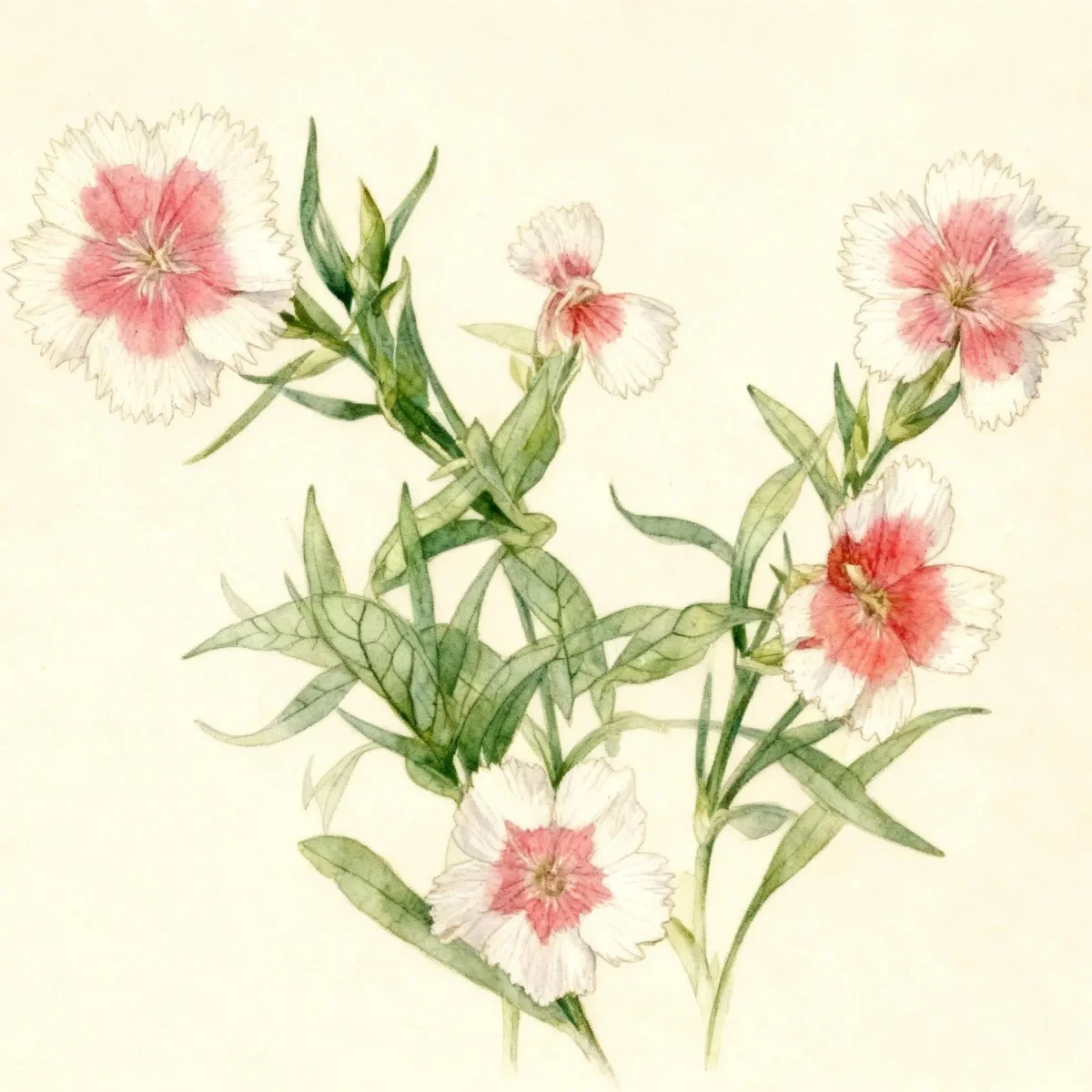
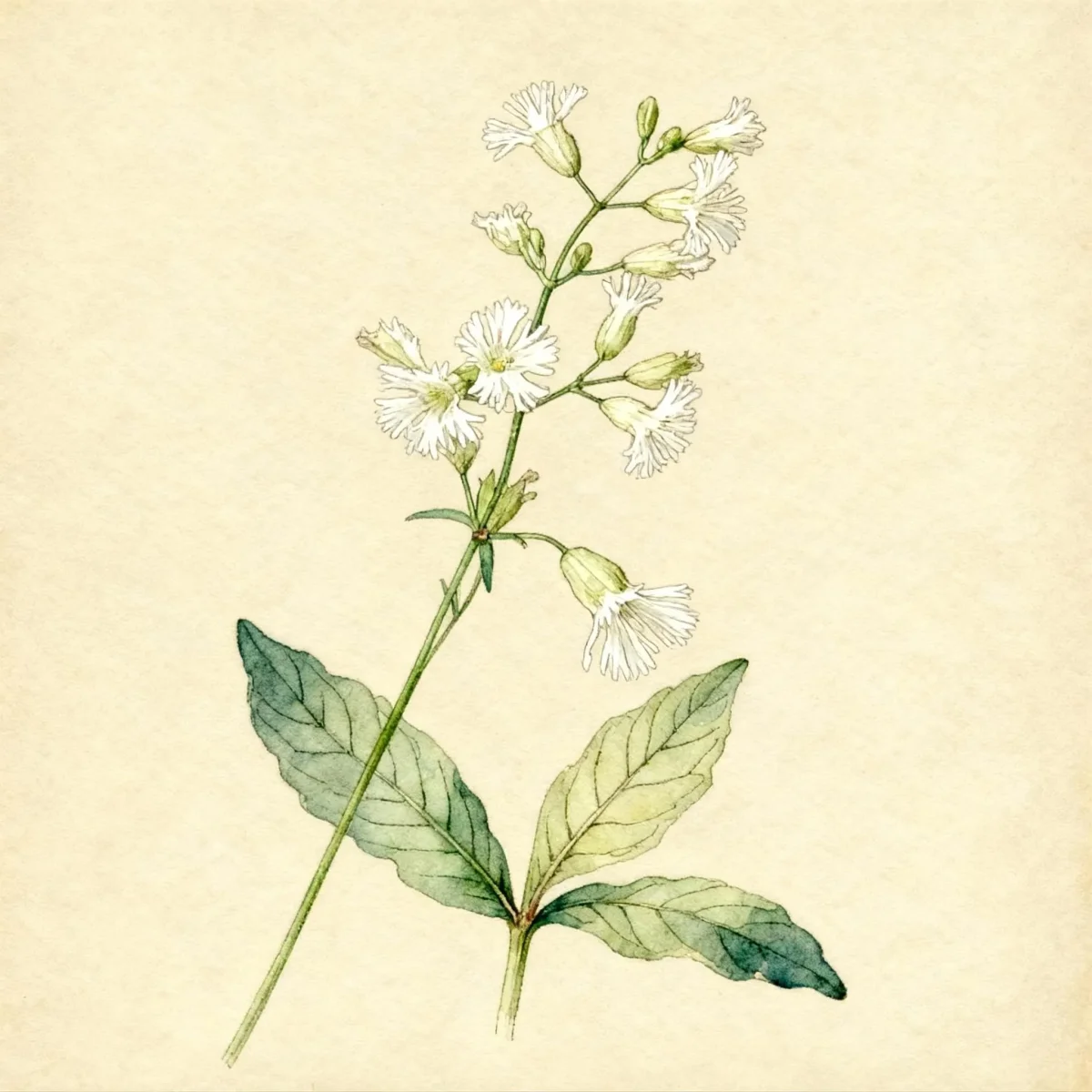
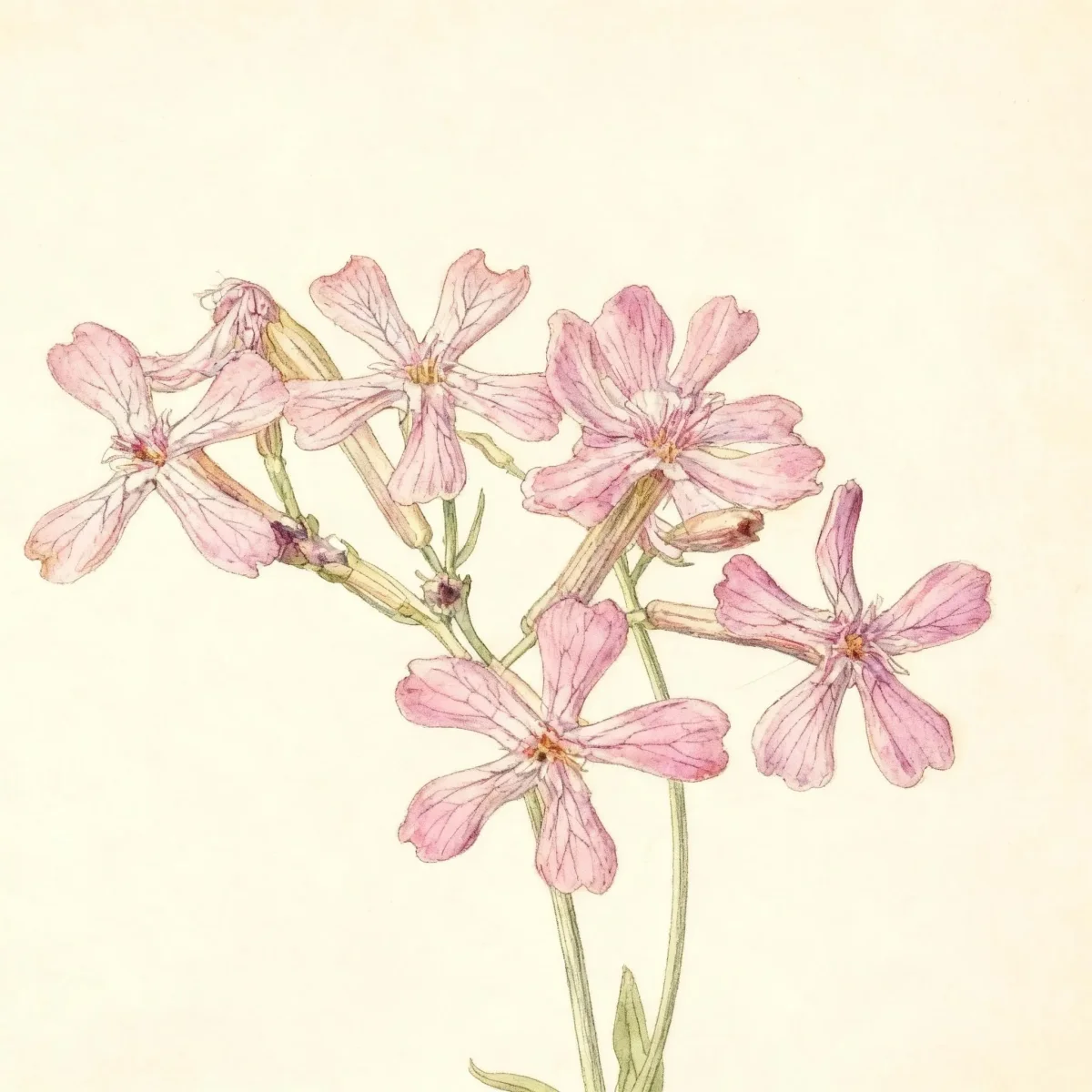
Sweet William silene (Silene armeria)
Discover Silene armeria, the Sweet William silene, offering rose-pink summer blooms. Easy care for dry soils in zones 5-8.

Bloom Boldly, No Matter the Season - Sweatshirt
Cozy organic cotton sweatshirt featuring our exclusive Purple Coneflower design. Perfect for gardeners who bloom year-round.
Inspired by the beautiful Sweet William silene
Limited first batch (50) — join the waitlist for early access
Waitlist closes Feb 15, 2026.
Complete Plant Information
Field Guide Continues
Ready for care notes, companion picks, and planting tips?
The map is just the start. The full guide below covers growth habits, seasonal performance, and landscape uses.
Overview
The Sweet William silene, scientifically known as Silene armeria, provides delightful color in mid to late summer gardens. This attractive cottage garden favorite is valued for its dense, flat-topped clusters of rose-pink flowers held above contrasting gray-green foliage. While native to Central and Southern Europe, Silene armeria readily establishes in many North American gardens, often grown as a cool-weather annual or biennial.
This unique catchfly fits well into drier garden settings where many other perennials struggle. Its upright habit brings vertical interest without excessive height, making it perfect for mixing into borders. Gardeners appreciate the sticky stems, which give rise to the common name catchfly, though this characteristic rarely presents a management issue.
For reliable summer performance, ensure Silene armeria receives appropriate drainage and adequate sunlight. Whether you utilize it as a dedicated annual or encourage self-seeding, the profuse summer bloom of the Sweet William silene is a worthwhile addition to established flower beds.
Fast Facts
- Plant Family: Caryophyllaceae
- Plant Type: Herbaceous perennial
- Native Range: Central and southern Europe
- Hardiness Zones: USDA Zones 5-8
- Size at Maturity:
- Height: 1-1.5 ft
- Spread: 0.5-0.75 ft
- Bloom Time: July to August
- Bloom Description: Rose pink
- Sun Exposure: Full sun to part shade
- Water Needs: Dry to medium
- Maintenance Level: Medium
How to Grow
Silene armeria thrives in average conditions, provided the soil is well-drained. It prefers full sun but tolerates light part shade, especially where summer afternoons are intense. Plant in dryish, sandy, or gravelly soils for best results, as the plant strongly appreciates sharp drainage above all else.
If growing as an annual, start seeds indoors about 8 to 10 weeks before your expected last spring frost date. Alternatively, direct sow Silene armeria seeds outdoors in the fall or about three weeks before the last expected frost in spring. Plants can readily self-seed in locations where they are happy.
Watering should be infrequent; once established, this species handles drought well, requiring only dry to medium moisture levels. Avoid overly rich soils or excessive moisture, as these conditions lead to poor performance. This plant struggles in the high heat and humidity common in the deep South.
Landscape Uses
The compact habit and late-summer color display make Silene armeria an excellent choice for edging and filling gaps within mixed borders. It performs beautifully when treated as a temporary annual planting, providing reliable, consistent color throughout July and August. Use this plant where you appreciate drifts of soft rose-pink blooms.
Due to its dry soil tolerance and moderate height (1 to 1.5 feet), consider pairing the Sweet William silene with other sun-loving, drought-tolerant perennials that bloom at different times. Good companions might include coreopsis, yarrow, or ornamental grasses that enjoy sharp drainage.
If you need reliable color for annual displays or cottage garden schemes, Silene armeria fits the bill perfectly. Its structure lends itself well to framing perennial plantings or adding cheerful texture to the front of a formal border.
Standout Features
Flower Qualities
- Showy
Noteworthy Characteristics
Silene armeria is a catchfly native to Europe that has naturalized in parts of North America, commonly grown here as a cool-weather annual or biennial. Stems rise to about 12-16 inches, bearing gray-green leaves, topped by rounded clusters of magenta-pink flowers, each noting five slightly notched petals. The sticky nature of the stems is responsible for the common name catchfly; this species is also sometimes referred to as sweet William catchfly.
Tolerances
- Drought
- Dry Soil
Potential Problems
Gardeners typically find that Silene armeria avoids serious insect or disease problems, making it a relatively low-fuss selection. This reliability is one of the primary benefits of including this plant in your garden plans. Ensure sharp drainage is maintained to prevent potential root issues common to many members of the Caryophyllaceae family.
Frequently Asked Questions
What hardiness zones is Sweet William silene suitable for?
The Sweet William silene (Silene armeria) is best suited for USDA Hardiness Zones 5 through 8.
How large does Silene armeria grow?
At maturity, Silene armeria typically reaches a height between 1 and 1.5 feet, with a spread ranging from 0.5 to 0.75 feet wide.
When does Sweet William silene bloom?
This perennial typically produces its rose-pink flowers during the peak summer months, specifically from July into August.
What sun exposure does Silene armeria need?
Silene armeria prefers and performs best in full sun but can manage well with partial shade, especially in the hottest part of the afternoon.
Conclusion
The Sweet William silene offers vibrant late-summer color combined with excellent resilience in dry, well-drained locations. Integrating Silene armeria into annual borders or mixed plantings ensures reliable visual appeal without demanding heavy maintenance. Check your local USDA Zone compatibility and plan your fall or early spring sowing to enjoy this charming catchfly next season.
Companion Planting
Since Silene armeria prefers drier, well-drained conditions and full sun, selecting companions with similar needs prevents overwatering or nutrient competition. Good neighbors include plants known for drought tolerance once established, such as Sedums (Stonecrop), various hardy Geraniums, and low-growing Artemisia varieties. Avoid grouping it closely with moisture-loving bog or woodland edge plants, as the increased irrigation these companions require will damage the Silene.
Design Ideas
Consider utilizing Silene armeria in contemporary gravel gardens or xeriscape plantings where its need for sharp drainage is naturally met. In a traditional cottage setting, mass plantings of this Sweet William silene create a haze of pink color against the backdrop of sturdier structural plants like Lavender or Russian Sage. Since it is relatively short, position it near pathways where its late-season flowers can be appreciated up close.