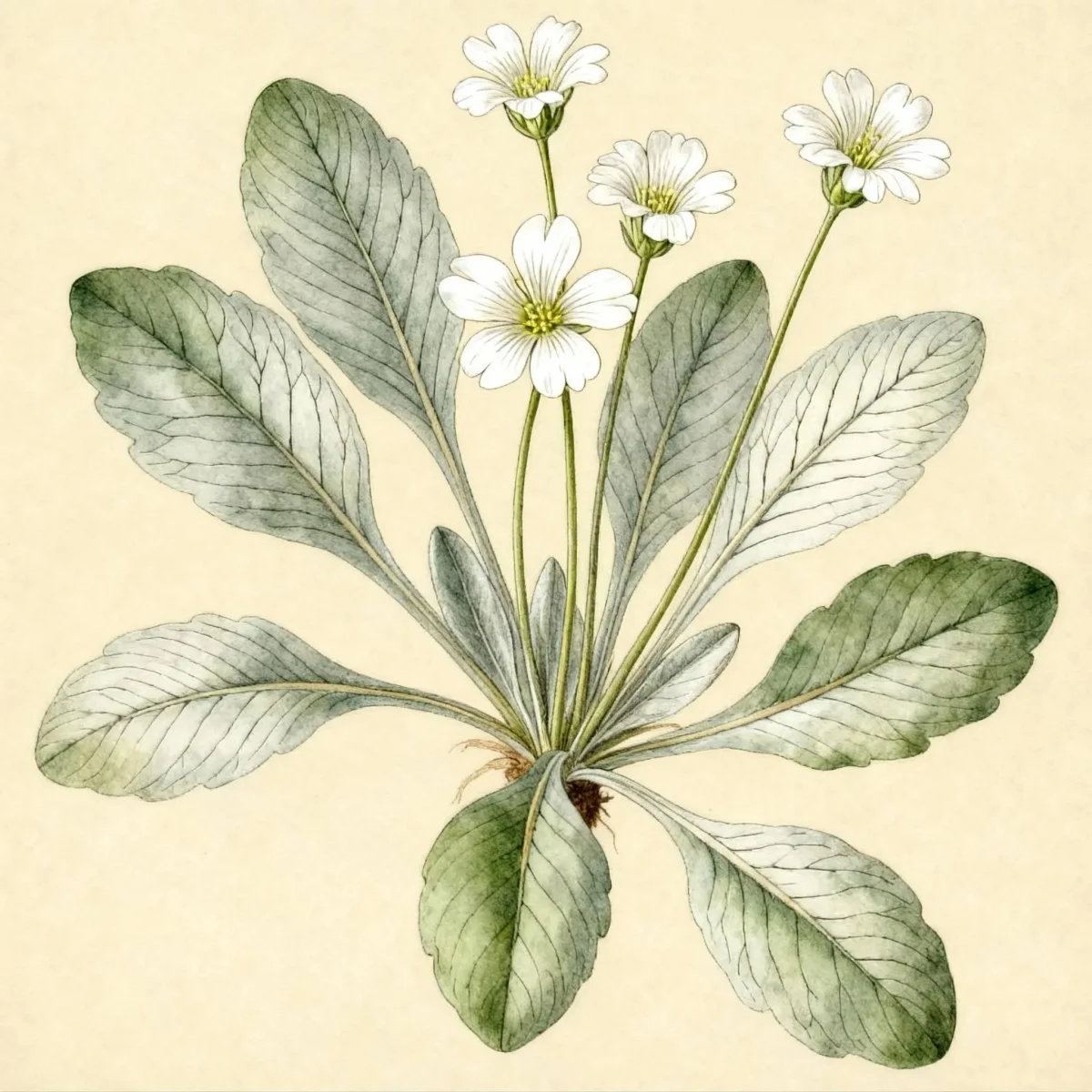
Snow-in-summer (Cerastium tomentosum)
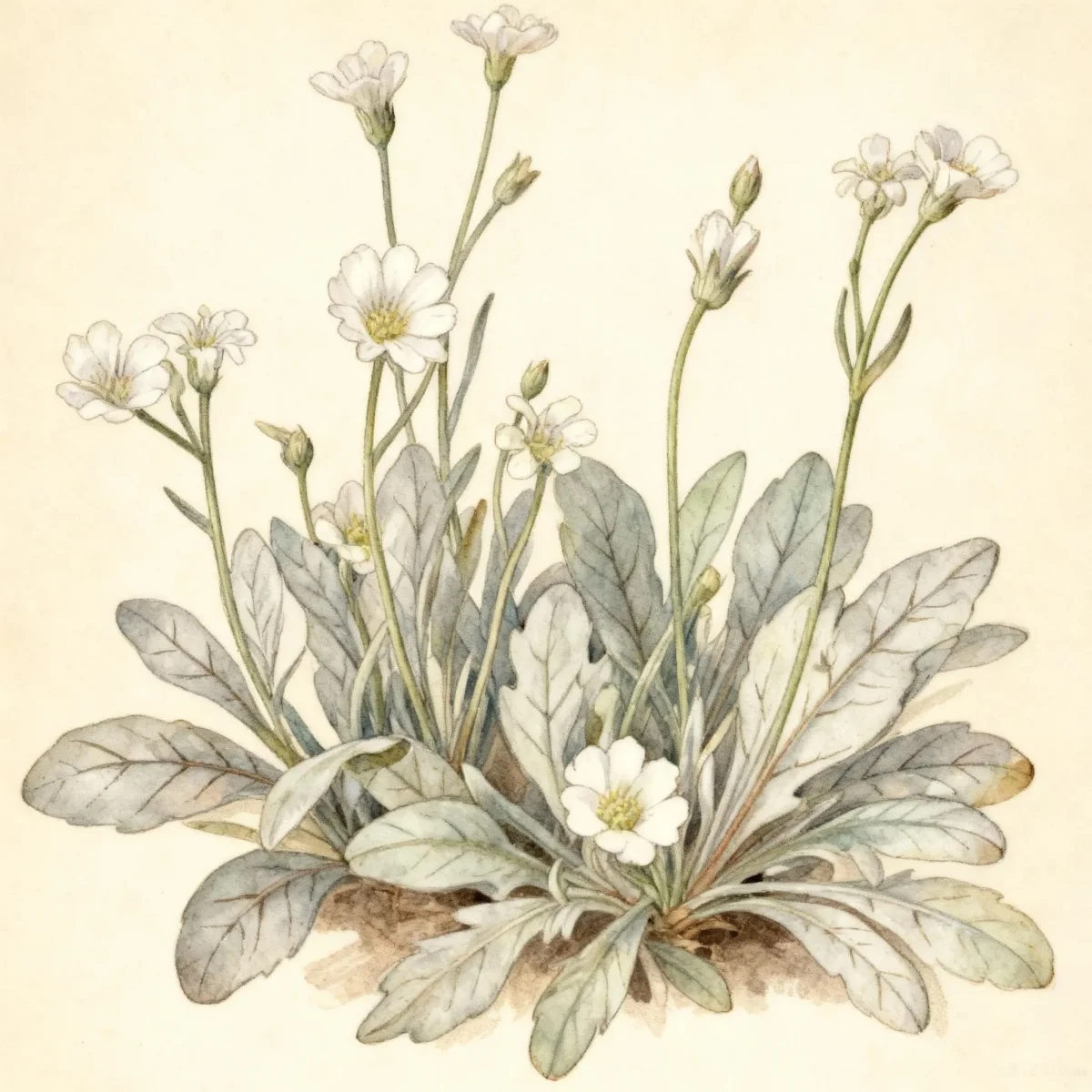
Cerastium tomentosum, or Snow-in-summer, forms a silvery mat with masses of white flowers. Excellent drought-tolerant ground cover for zones 3-7.

Bloom Boldly, No Matter the Season - Sweatshirt
Cozy organic cotton sweatshirt featuring our exclusive Purple Coneflower design. Perfect for gardeners who bloom year-round.
Inspired by the beautiful Snow-in-summer
Limited first batch (50) — join the waitlist for early access
Waitlist closes Feb 15, 2026.
Complete Plant Information
Field Guide Continues
Ready for care notes, companion picks, and planting tips?
The map is just the start. The full guide below covers growth habits, seasonal performance, and landscape uses.
Overview
Snow-in-summer (Cerastium tomentosum) is a beloved, low-growing, mat-forming perennial famed for its stunning display of white flowers in late spring, which completely blankets the silvery foliage. This characteristic, resembling a fresh snowfall, is the source of its common name. Gardeners prize Cerastium tomentosum for its evergreen, woolly leaves that provide year-round texture and its exceptional tolerance for dry, poor soils.
As a vigorous ground cover, Snow-in-summer spreads via runners, quickly establishing a dense, weed-suppressing mat ideal for sunny slopes and rock gardens. While it thrives in cooler summers, understanding its cultural needs ensures this plant performs reliably as a low-maintenance textural element in the landscape.
Fast Facts
- Plant Family: Caryophyllaceae
- Plant Type: Herbaceous perennial
- Native Range: Italy, Sicily
- Hardiness Zones: USDA Zones 3-7
- Size at Maturity:
- Height: 0.5-1 ft
- Spread: 0.75-1 ft
- Bloom Time: June
- Bloom Description: White
- Sun Exposure: Full sun
- Water Needs: Dry
- Maintenance Level: Medium
How to Grow
The key to success with Cerastium tomentosum is drainage. Plant it in areas receiving full sun, ensuring the soil is sandy, dry, and extremely well-drained. This plant strongly objects to poorly-drained conditions, which rapidly cause fatal root rot. While remarkably tough once established, avoid areas subjected to hot, humid summers where the foliage often declines prematurely.
Watering should be minimal once the plants are rooted; treat them as a drought-tolerant species. Fertilizing is generally unnecessary and can sometimes encourage looser growth that looks less tidy. If you want to control spread or prevent unwanted reseeding, shear the flower stems immediately after they finish blooming in June.
Routine maintenance involves shearing the entire mat after the bloom period to neatens the foliage and prevent self-seeding. For large swaths, using a lawnmower set to a high setting works efficiently. If the patch becomes too extensive or develops dead centers (common in older plantings), divide the clumps annually or every few years. Plant new starter plants about 9 to 12 inches apart to achieve rapid coverage.
Landscape Uses
Cerastium tomentosum is primarily utilized as an aggressive yet beautiful ground cover for sunny exposures. Its low stature makes it perfect for softening the harsh edges of borders, providing a textural contrast at the front of cottage gardens, and creating living accents in rock gardens. The silvery foliage is particularly effective when planted among colorful spring-blooming bulbs, as the silvery mat hides dying foliage as bulbs go dormant.
Use this perennial when you need to stabilize slopes or fill in dry stone wall pockets where other, less adaptable plants struggle. Because it spreads readily by runners, judicious planting is required near adjacent delicate perennials, though in hotter climates, its vigor is naturally checked. Consider mass planting this Snow-in-summer for the most dramatic effect when the white blooms emerge.
Standout Features
Flower Qualities
- Showy
Noteworthy Characteristics
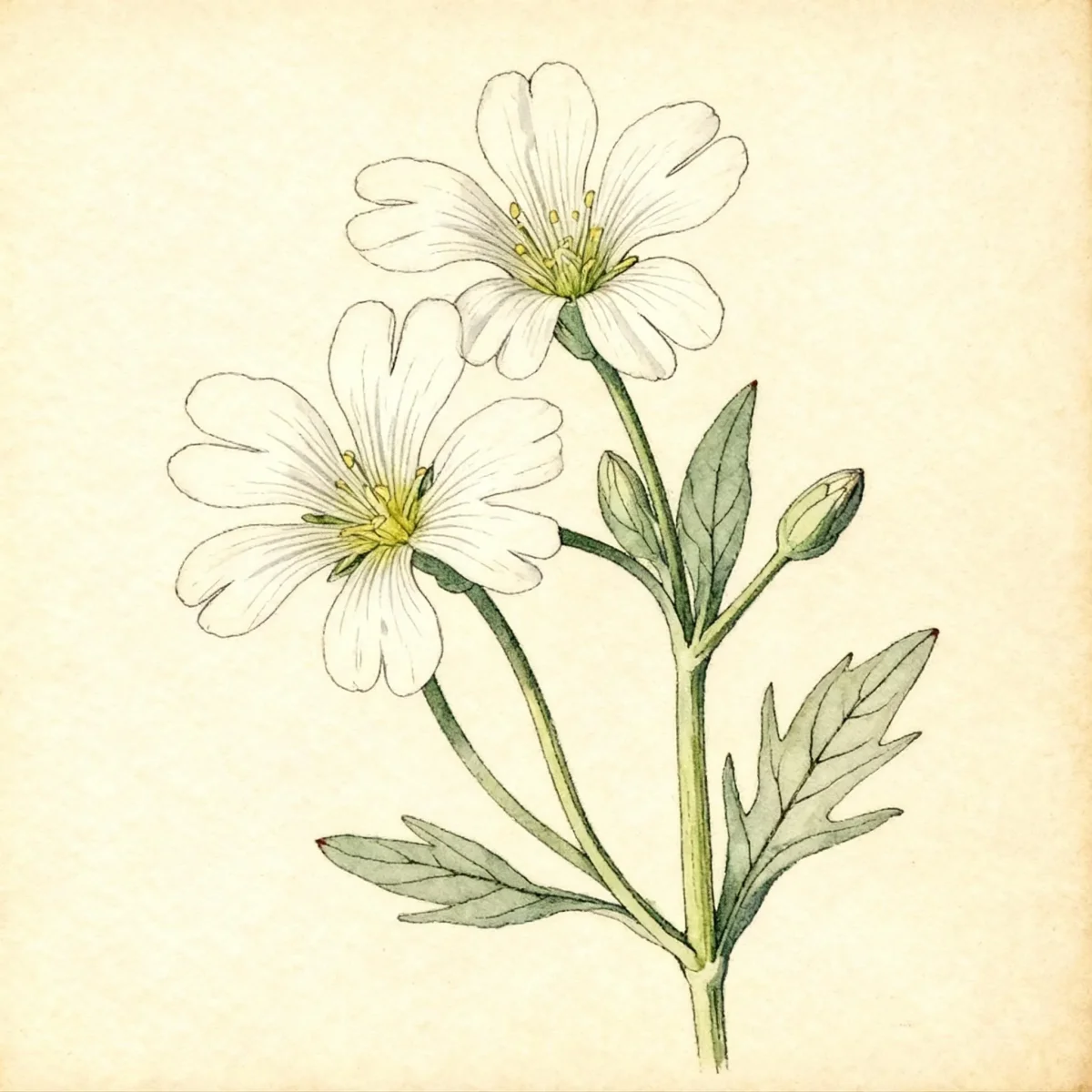
Cerastium tomentosum, commonly known as snow-in-summer, is a short-lived, low-growing, mat-forming perennial typically massed in sunny locations as a ground cover. Tufts of narrow, gray-green leaves form a dense 6-inch tall foliage mat, which is evergreen. In late spring, flower stems rise up to 12 inches carrying clusters of bright white blooms that form a snow-like carpet. The genus name references the Greek word for horn due to the shape of the seed capsule in some species, while the specific epithet refers to the plant’s characteristic woolly white leaves and stems.
Tolerances
- Deer
- Drought
- Dry Soil
- Shallow-Rocky Soil
Potential Problems
Cerastium tomentosum is generally free from serious insect or disease pressure. The most significant threat comes from environmental issues, specifically poor drainage, which leads directly to root rot. Ensure the soil is never consistently wet. In very humid regions or shaded locations, damping off can affect young plants or seedlings. Be aware that this perennial is naturally short-lived; patches may begin to die out after several years, necessitating replacement or division. In regions with very hot summers, the lovely foliage may decline or brown as the season progresses.
Frequently Asked Questions
What hardiness zones is Snow-in-summer suitable for?
Snow-in-summer, Cerastium tomentosum, is suitable for USDA Hardiness Zones 3-7.
How large does Snow-in-summer grow?
This plant typically reaches a mature height between 0.5 and 1 foot tall, with a spread ranging from 0.75 to 1 foot wide.
What sun exposure does Cerastium tomentosum need?
Cerastium tomentosum requires full sun exposure to perform best and maintain dense foliage cover.
When does Snow-in-summer bloom?
This perennial typically blooms in June, producing masses of white flowers.
Conclusion
The vigorous, silvery foliage and spectacular June bloom make Cerastium tomentosum an invaluable, low-water ground cover for tough, sunny spots. Its ability to thrive in dry, shallow, or rocky soil provides texture where less adaptable plants fail. Before planting, confirm your location falls within USDA Zones 3-7 and ensure excellent site drainage to guarantee years of brilliant white coverage from your Snow-in-summer.
Companion Planting
When selecting companions for Cerastium tomentosum, prioritize plants that share its love for full sun and dry conditions, avoiding those that require consistent moisture, which would encourage root rot in the chickweed. Excellent partners include drought-tolerant succulents, Sedum varieties, and Mediterranean herbs like Lavender or Thyme. Planting it alongside low-growing Creeping Phlox (Phlox subulata) further enhances the spring tapestry of color and texture in rock gardens.
Propagation Tips
Since Cerastium tomentosum can be short-lived and may develop dead patches, propagation is an important skill for maintaining large mats. The easiest method is division; simply lift sections of the rooted mat during spring or early fall and replant them immediately in prepared, well-drained soil. Runners also naturally root where they touch the ground, allowing you to lightly scrape soil over these points to encourage independent establishment before separating them. If you wish to save seeds, allow the flowers to mature fully, but note that gathered seeds may produce variable offspring that do not perfectly match named cultivars.