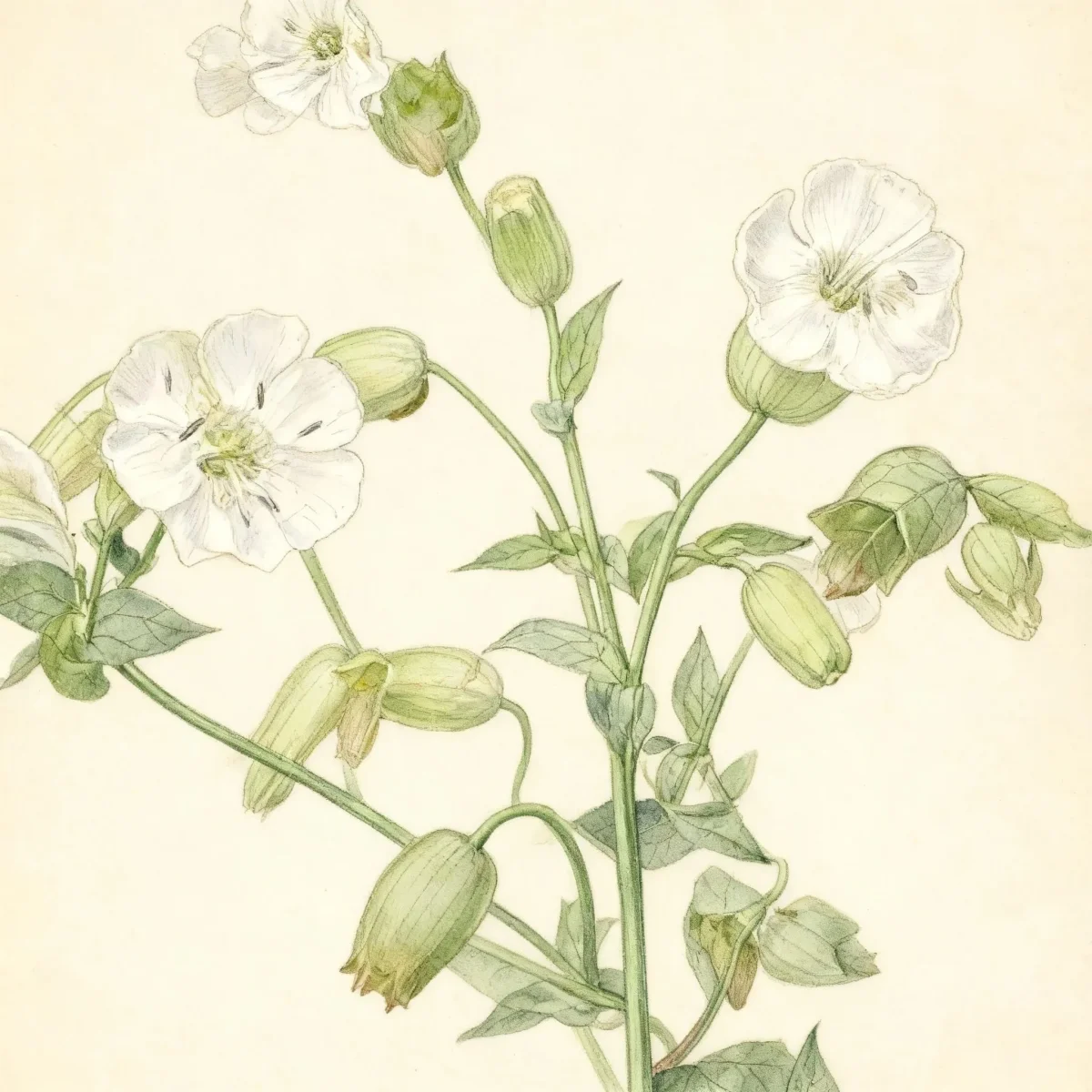
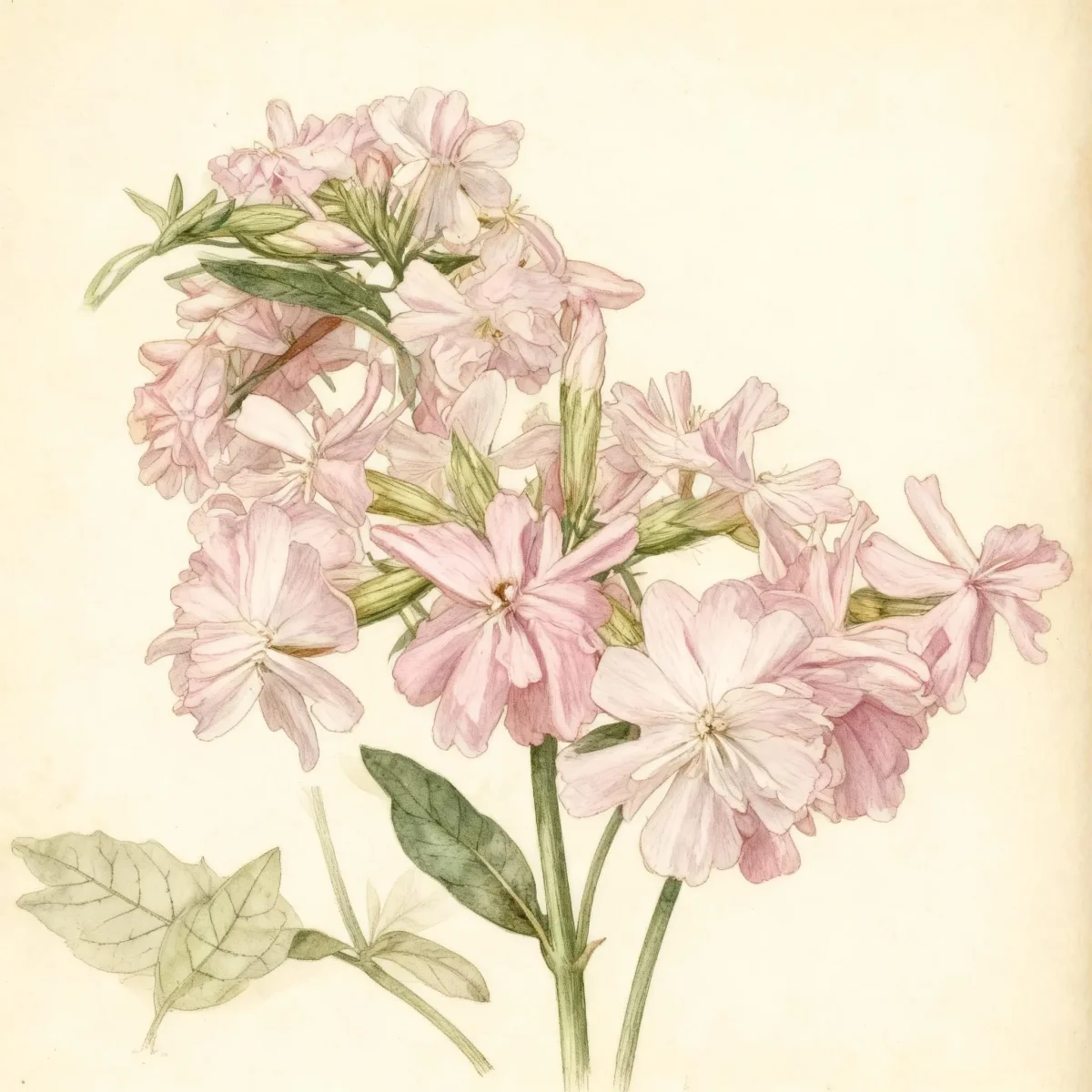
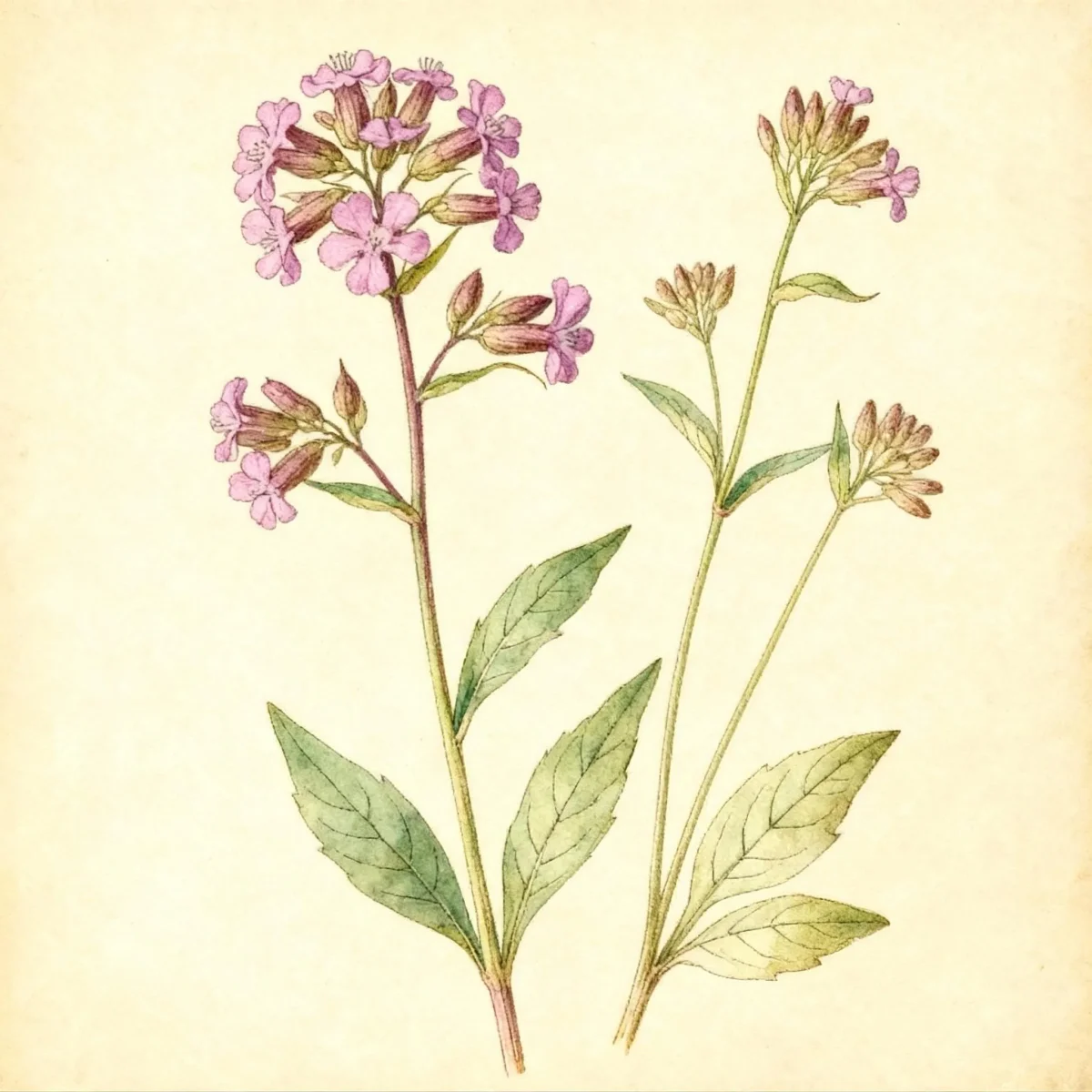
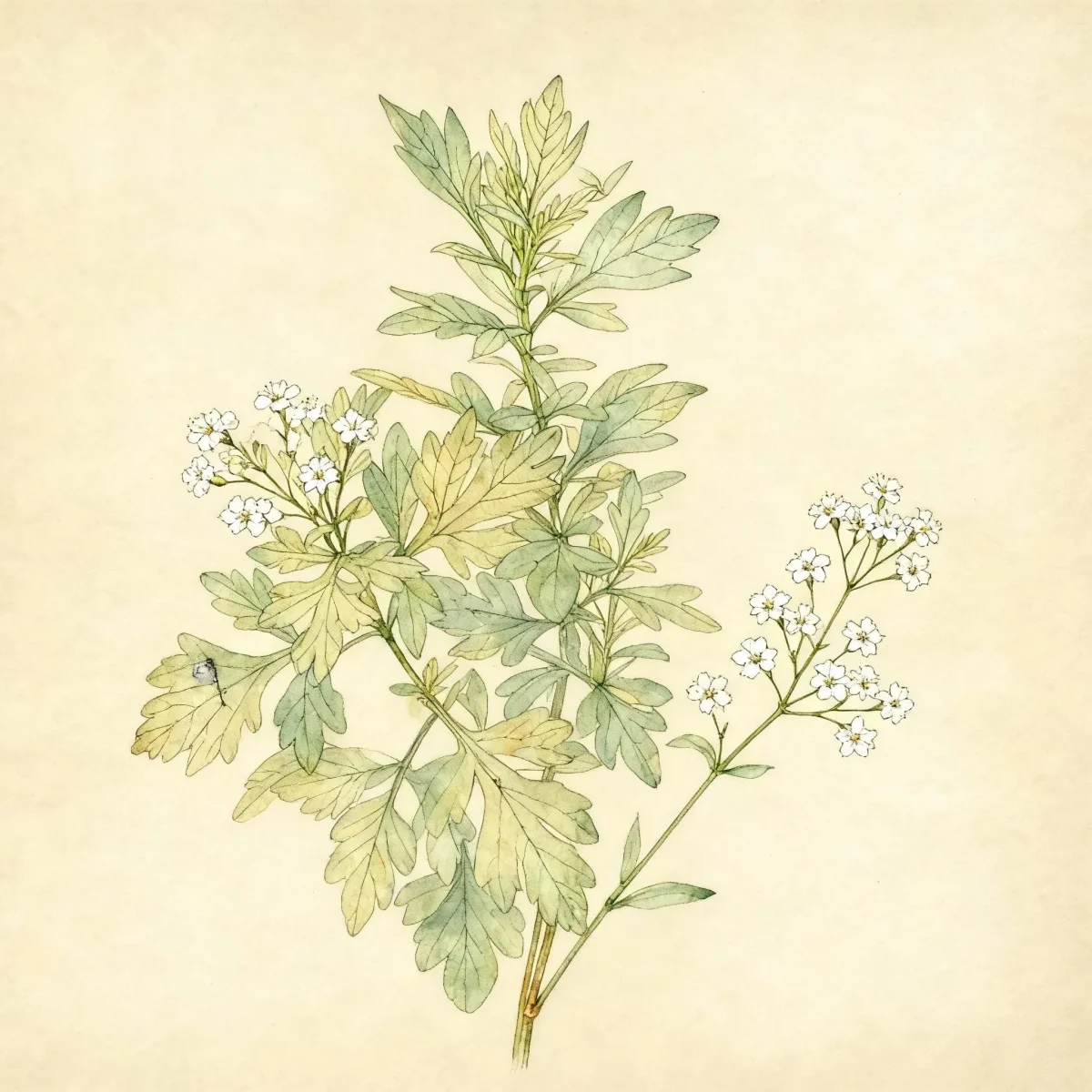
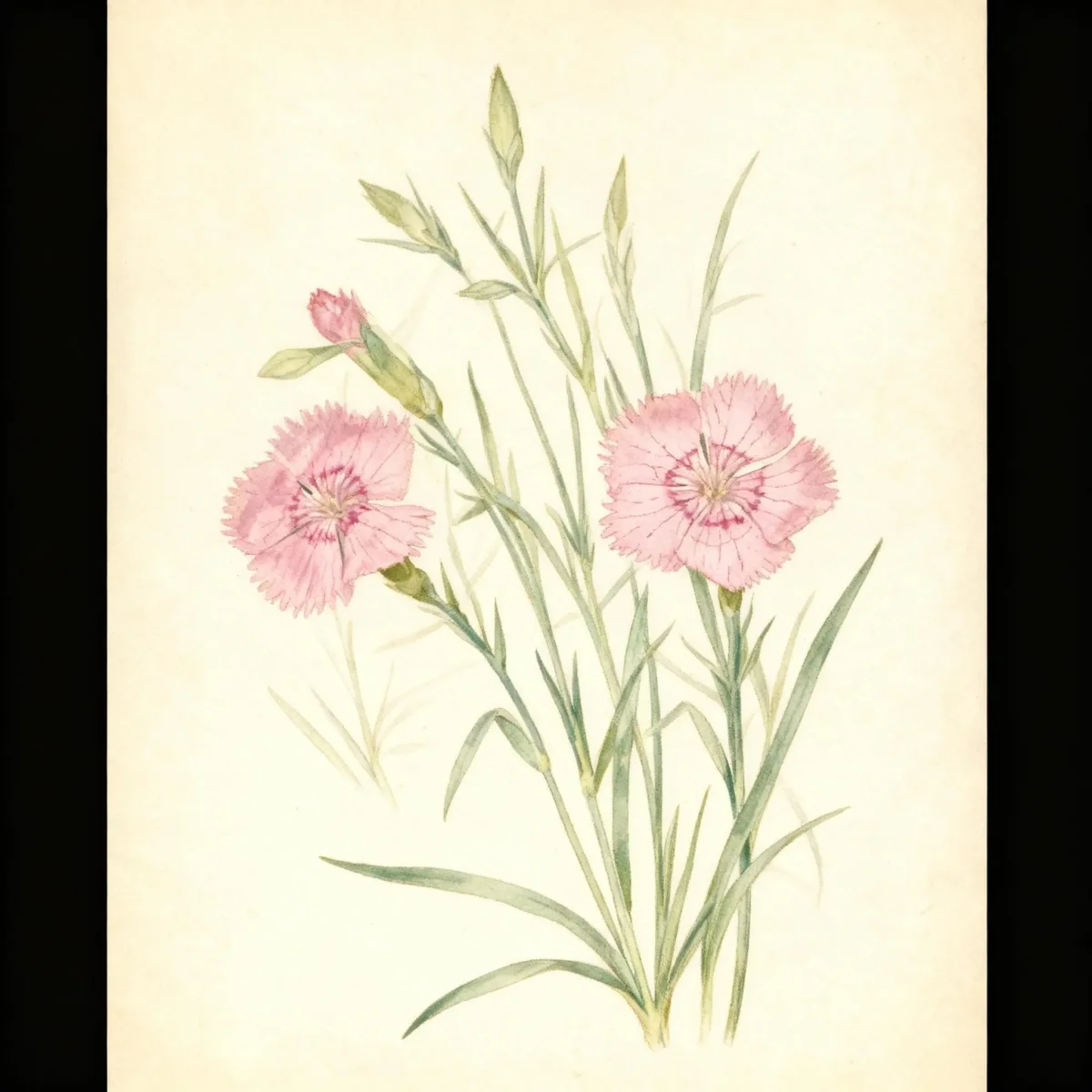
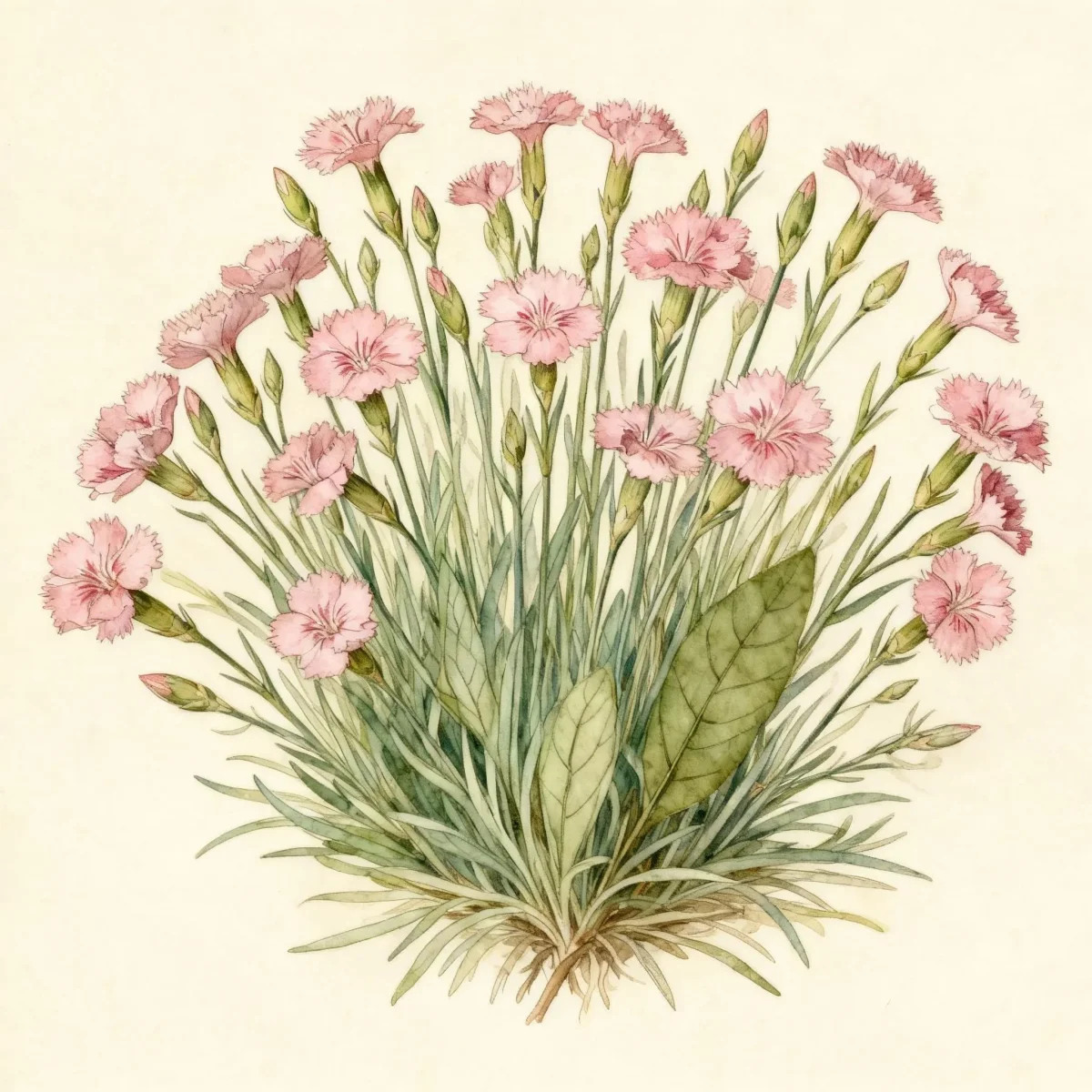
Rock soapwort (Saponaria ocymoides)
Rock soapwort (Saponaria ocymoides) is a low, mat-forming perennial offering masses of bright pink flowers excellent for rock gardens.
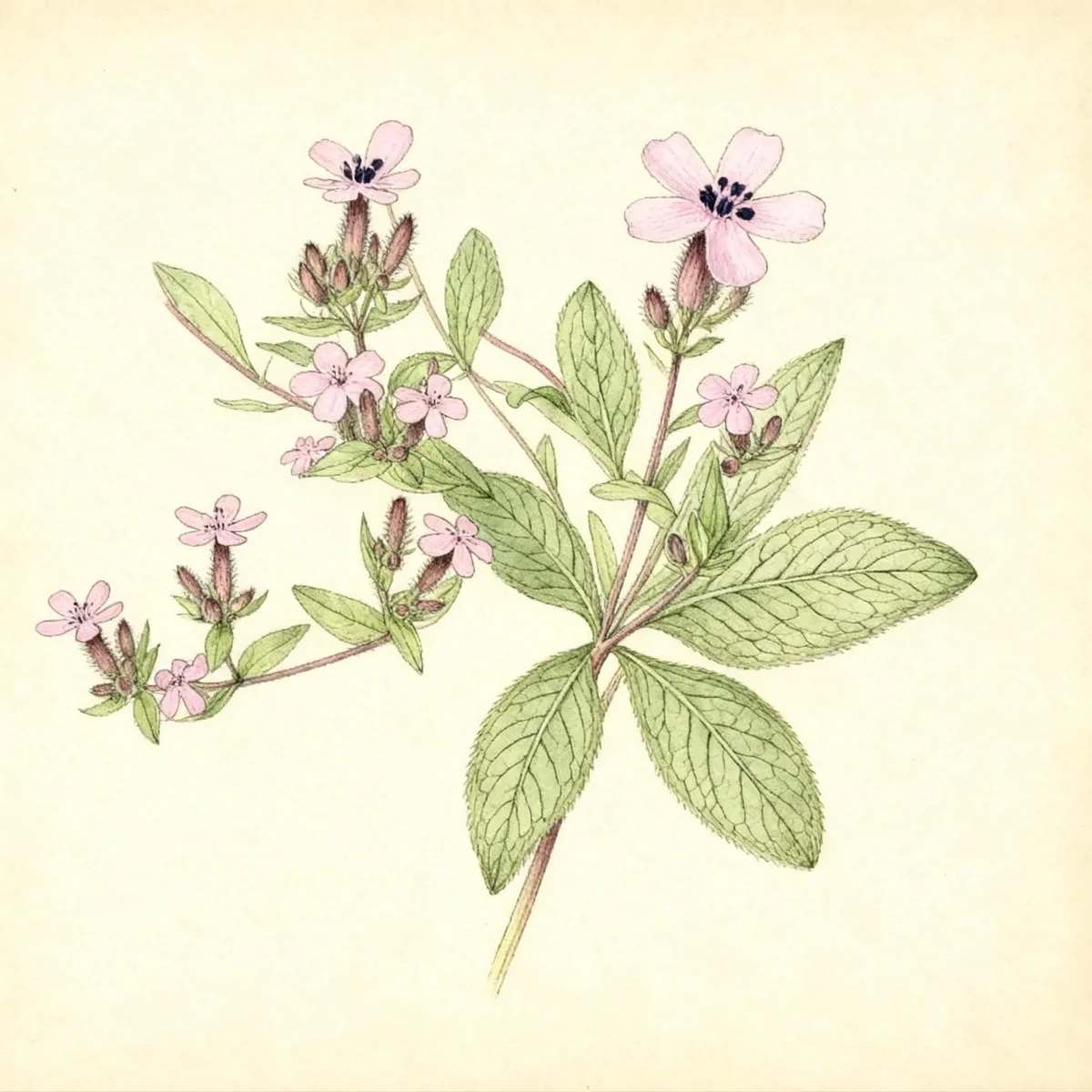

Bloom Boldly, No Matter the Season - Sweatshirt
Cozy organic cotton sweatshirt featuring our exclusive Purple Coneflower design. Perfect for gardeners who bloom year-round.
Inspired by the beautiful Rock soapwort
Limited first batch (50) — join the waitlist for early access
Waitlist closes Feb 15, 2026.
Complete Plant Information
Field Guide Continues
Ready for care notes, companion picks, and planting tips?
The map is just the start. The full guide below covers growth habits, seasonal performance, and landscape uses.
Overview
Rock soapwort, or Saponaria ocymoides, is a highly valued perennial known for its spectacular, dense floral displays covering the low-growing mat of foliage during the summer months. This plant forms an excellent, spreading carpet, which makes it indispensable for adding vibrant color to difficult, sunny garden spaces where many other plants struggle. Saponaria ocymoides thrives in lean, well-drained conditions, echoing its native mountainous habitat.
This semi-evergreen ground cover presents tightly packed, greyish-green leaves beneath sprays of small, bright pink flowers that last up to three weeks. Its ability to establish easily and tolerate dry spells once mature contributes to its low maintenance appeal, fitting perfectly into rockeries or along retaining walls. Gardeners rely on rock soapwort for its reliable performance and ability to soften hard architectural lines.
The common name Soapwort originates from the historic use of genus species to create lather, though Saponaria ocymoides is primarily grown for its superb ornamental qualities. Plan its placement carefully to utilize its trailing habit effectively while respecting its need for abrasive, well-drained soil.
Fast Facts
- Plant Family: Caryophyllaceae
- Plant Type: Broadleaf evergreen
- Native Range: Spain to central Europe
- Hardiness Zones: USDA Zones 2-9
- Size at Maturity:
- Height: 0.5-0.75 ft
- Spread: 1-2 ft
- Bloom Time: May to August
- Bloom Description: Pink
- Sun Exposure: Full sun
- Water Needs: Dry to medium
- Maintenance Level: Low
How to Grow
Plant rock soapwort in the spring or autumn, ensuring the location provides plenty of full sun exposure. The key to success with Saponaria ocymoides is soil—it requires average, medium to dry, well-draining conditions and actively prefers slightly alkaline soil compositions. Avoid heavy clay or consistently wet sites, as poor drainage leads to root issues, particularly in humid summers.
Water sparingly once the plant is established; this species tolerates drought well, reflecting its rocky origins. Fertilization is generally unnecessary; rich soil often encourages excessive foliage growth at the expense of robust flowering. Pruning is beneficial primarily after the initial bloom flush. Shear the clumps back by about half to tidy the appearance, which encourages the bushy growth habit and may prompt a secondary, smaller wave of blooms.
Clumps of Saponaria ocymoides can be divided in the spring or summer if the plant becomes too crowded or leggy, providing opportunities for immediate garden expansion. While hardy in cold climates (Zone 2), be aware that excessive summer heat combined with high humidity can cause stress in some regions.
Landscape Uses
Saponaria ocymoides is the quintessential plant for rock gardens, where its trailing mats weave beautifully between stones, fulfilling its common name. Its low profile makes it an exceptional choice for edging borders, creating a soft transition between paths or mulched areas and taller plantings. The bright pink display in early summer truly highlights limestone or gray stone structures.
This plant also excels when allowed to tumble over the edges of retaining walls or containers. Plant several rock soapwort specimens near the lip so their stems can cascade downward, offering dramatic vertical contrast. While highly tolerant of dry conditions, remember that Saponaria ocymoides does not handle heavy foot traffic and should therefore be avoided in areas designated as walkways.
Consider pairing Saponaria ocymoides with other drought-tolerant alpines and Mediterranean herbs that share similar cultural needs, such as creeping sedums or low-growing thymes, to create a unified aesthetic tapestry.
Standout Features
Flower Qualities
- Showy
Noteworthy Characteristics
Saponaria ocymoides, commonly called rock soapwort, is a semi-evergreen herbaceous perennial ground cover native to the rocky, mountainous slopes of southwestern and south central Europe. This plant forms a densely branched, mounding to trailing mat, typically reaching 6-8 inches tall with a 1-2 foot spread. In summer, the dense foliage is carpeted in sprays of small, bright pink flowers, offering excellent textural contrast against the greyish-green leaves.
Tolerances
- Deer
- Drought
- Shallow-Rocky Soil
Potential Problems
Rock soapwort generally exhibits low pest and disease pressure, especially when sited correctly in full sun and well-draining soil. The primary potential problem arises from overly rich soil or excessive moisture, particularly during humid summer periods, which can lead to stem rot or general decline. Ensure excellent air circulation around the mounds. If plants become leggy or sparse over time, this indicates they may need dividing or that the light conditions are insufficient for their compact habit.
Frequently Asked Questions
What hardiness zones is Rock soapwort suitable for?
Saponaria ocymoides is highly adaptable, thriving in USDA Zones 2 through 9.
How large does Rock soapwort grow?
This ground cover generally reaches a mature height between 0.5 and 0.75 feet, spreading between 1 and 2 feet wide.
When does Rock soapwort bloom?
You can expect the characteristic pink blooms of Saponaria ocymoides to appear reliably from May through August.
What sun exposure does Rock soapwort need?
This species requires full sun to achieve its best mat-forming habit and most prolific bloom display.
Conclusion
The vibrant, mat-forming cover of Rock soapwort provides exceptional, low-maintenance color ideal for sun-drenched, lean garden spaces. Saponaria ocymoides offers reliable perennial beauty and excellent drought tolerance once established. Before planting, ensure your location meets its need for full sun and guaranteed sharp drainage to enjoy this European native for years to come.
Companion Planting
When selecting neighbors for Saponaria ocymoides, focus on plants that enjoy dry feet, similar high-sun exposure, and slower growth rates to avoid being smothered by the vigorous matting habit of the soapwort. Good companions include various low-growing Sedums (‘Stonecrop’), especially the mat-forming varieties, which share similar arid requirements. Thymus serpyllum (Creeping Thyme) is another excellent partner, offering textural variety while thriving in the same alkaline, well-drained soil. Consider planting beside low-growing ornamental grasses or creeping Phlox species that offer contrasting flower forms while maintaining the alpine aesthetic.
Propagation Tips
Propagation of Saponaria ocymoides is straightforward, offering gardeners easy ways to fill bare spots or start new drifts of the pink carpet. The most common method involves division, which should be performed in the spring or early summer when growth is active. Carefully lift and separate the clumps, ensuring each section has healthy roots attached before replanting immediately into prepared soil. While the plant does self-seed moderately, propagation via cuttings taken from semi-woody stems in early summer can also yield reliable new plants.