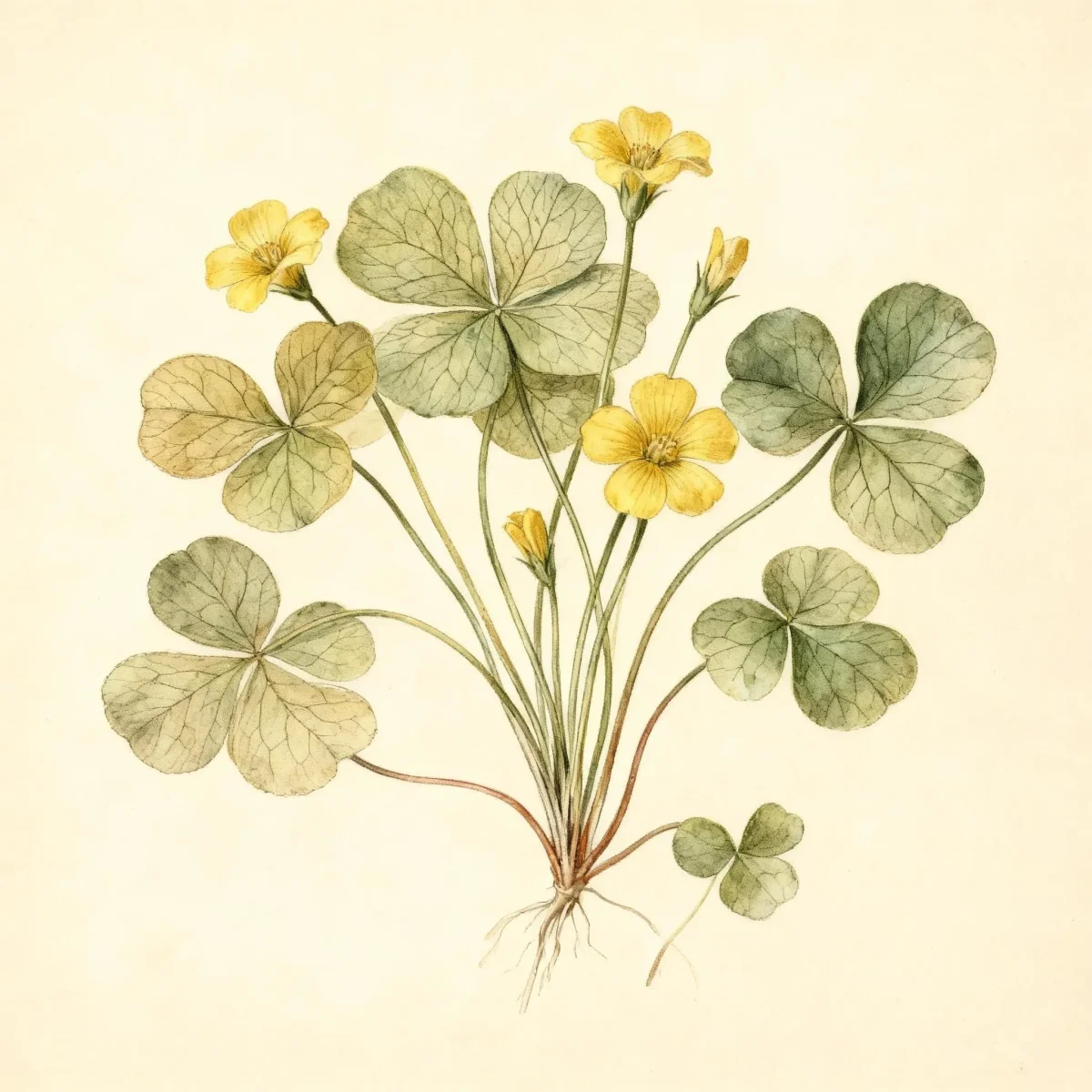
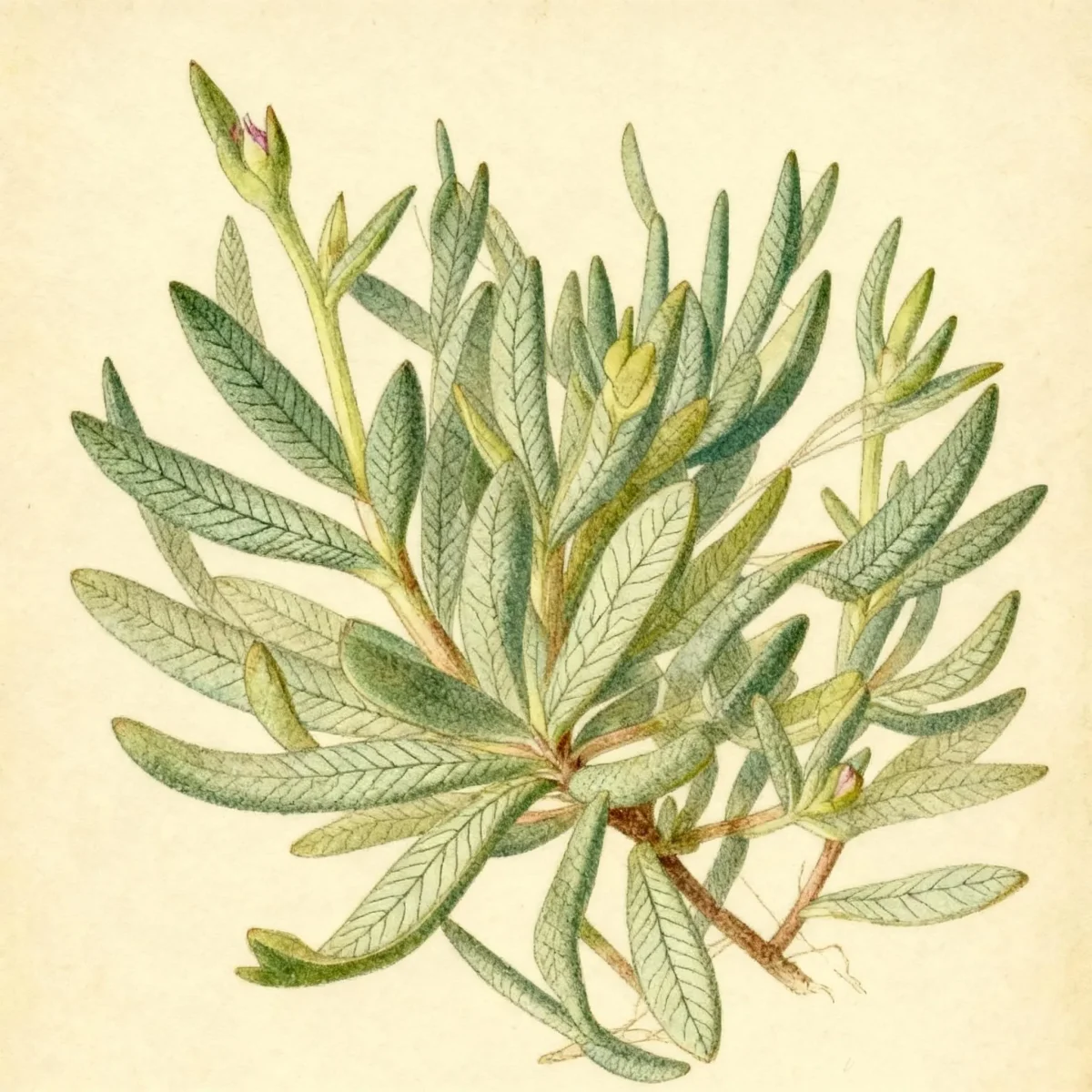
Rock rose (Helianthemum nummularium)
Discover Rock rose (Helianthemum nummularium), a showy, drought-tolerant perennial ideal for sunny, dry garden spots.


Bloom Boldly, No Matter the Season - Sweatshirt
Cozy organic cotton sweatshirt featuring our exclusive Purple Coneflower design. Perfect for gardeners who bloom year-round.
Inspired by the beautiful Rock rose
Limited first batch (50) — join the waitlist for early access
Waitlist closes Feb 15, 2026.
Complete Plant Information
Field Guide Continues
Ready for care notes, companion picks, and planting tips?
The map is just the start. The full guide below covers growth habits, seasonal performance, and landscape uses.
Overview
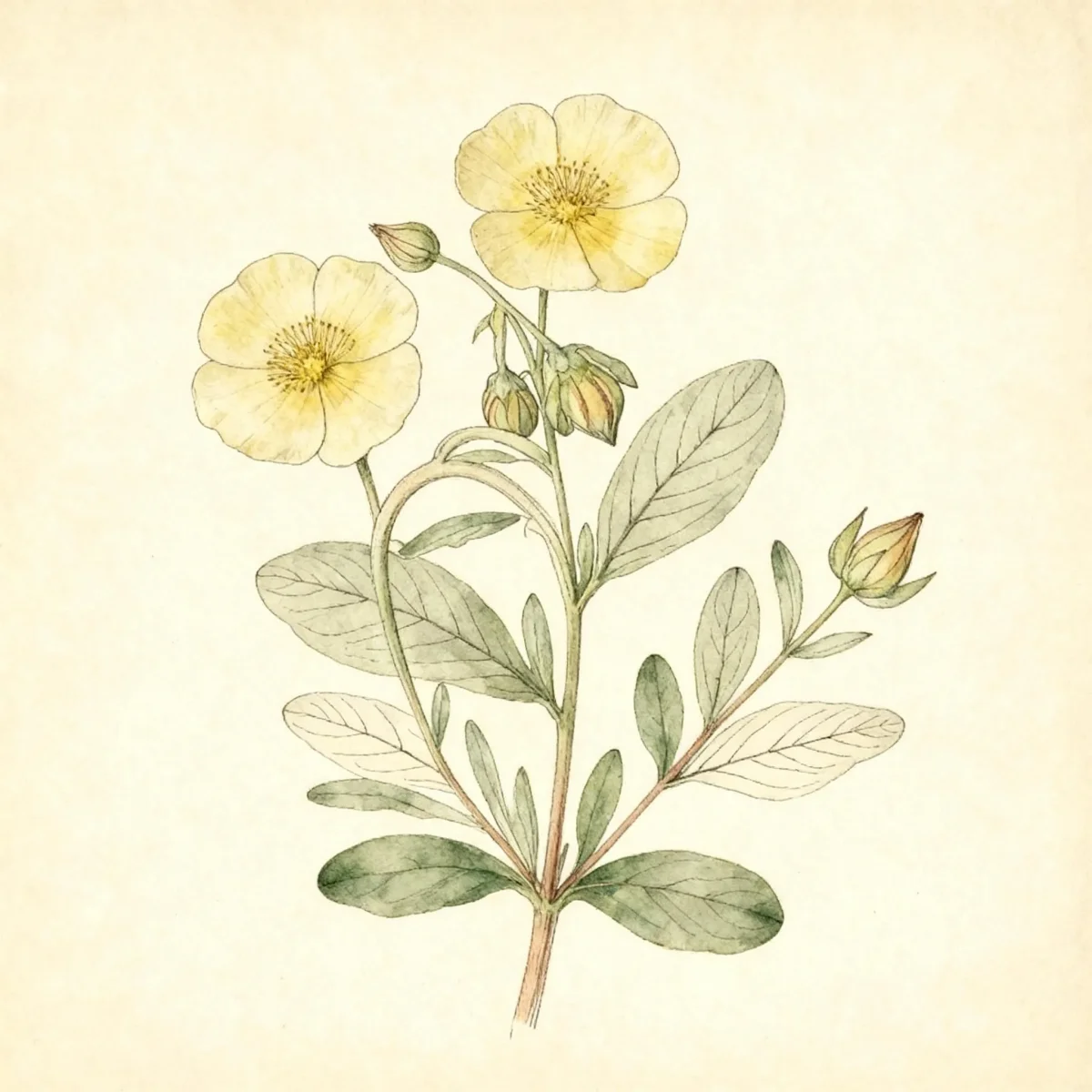
Helianthemum nummularium, commonly known as Rock rose, is a charming, low-growing, woody-stemmed perennial prized for its profuse bloom display during late spring and early summer. This plant features evergreen foliage, providing texture in the garden even when not actively flowering. Its sunny disposition and robustness make it a staple for challenging, hot locations.
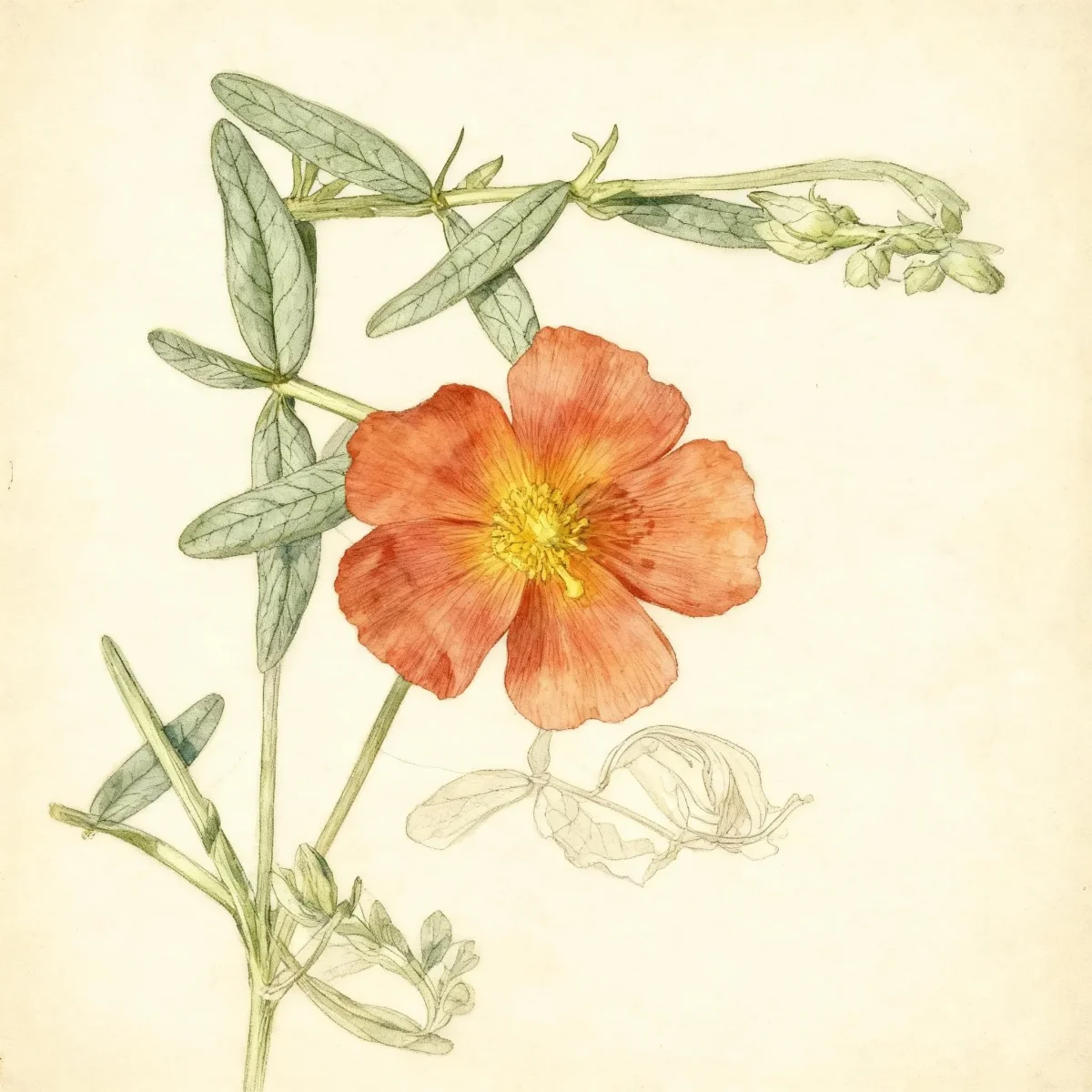
The allure of Rock rose comes from its brilliant, multi-petaled, rose-like flowers, typically appearing in shades of pastel yellow or pink. While each individual flower only lasts a single day, the plant’s prolific budding ensures continuous color coverage, often obscuring the foliage entirely when conditions are optimal. The genus name, Helianthemum, references the sun, fitting for a plant that demands full solar exposure.
As a ground cover plant, Helianthemum nummularium spreads effectively via creeping stems, creating a beautiful mat that requires relatively little long-term intervention once established. Gardeners value this species for its drought tolerance and tolerance for poorer soils, provided drainage is sharp. Ensure your site replicates the cool summers and warm winters preferred by this European native for the best performance of Helianthemum nummularium.
Fast Facts
- Plant Family: Cistaceae
- Plant Type: Herbaceous perennial
- Native Range: Western Asia, Europe
- Hardiness Zones: USDA Zones 5-7
- Size at Maturity:
- Height: 0.5-1 ft
- Spread: 2-3 ft
- Bloom Time: May to June
- Bloom Description: Pastel pink or yellow
- Sun Exposure: Full sun
- Water Needs: Dry
- Maintenance Level: Medium
How to Grow
The ideal planting location for Helianthemum nummularium must offer uncompromising full sun exposure throughout the day. Plant during the spring after all danger of hard frost has passed. Soil preference is crucial: this Rock rose thrives best in dry, alkaline, rocky or sandy loams where drainage is exceptionally sharp, as it rots easily in wet conditions.
Once established, this perennial requires minimal supplemental watering, perfectly fitting into xeriscaping plans. It dislikes constantly moist soil, so allow the soil to dry out completely between watering events. Fertilizing is generally unnecessary; rich soil often leads to excessive, leggy growth rather than dense flowering.
Maintenance involves light shaping after the main bloom period concludes in early summer. Shear the plants lightly after flowering finishes to maintain a compact shape and encourage fresh growth. If you use Helianthemum nummularium as a true ground cover, space plants approximately 2 to 3 feet apart to allow for mature spread. In colder limits of its range, USDA Zone 5, providing a winter mulch, such as a cover of evergreen boughs, is highly recommended to protect the evergreen foliage from winter burn and improve cold hardiness.
Landscape Uses
The primary aesthetic function of Helianthemum nummularium is serving as an effective ground cover, blanketing slopes or sunny borders with dense, low-lying foliage and bright flowers. Its preference for sharp drainage makes it an excellent choice for rock gardens, scree slopes, or tucked between paving stones where other plants struggle due to harsh conditions. Naturalizing this species creates a natural, meadow-like effect when allowed to spread across sunny, unamended areas.
Consider pairing Rock rose with other sun-worshippers that share similar dry soil tolerance, such as Sedums, Thymes, or low-growing ornamental grasses. The woody stems and evergreen leaves of Helianthemum nummularium offer beautiful contrast to softer, more ephemeral neighbors. Use it along the edges of raised beds to spill over, softening hard lines while basking in the heat.
Standout Features
Flower Qualities
- Showy
Noteworthy Characteristics
Helianthemum nummularium, commonly called sun rose, is a low-growing, woody-stemmed, shrub-like plant with evergreen foliage. It typically grows 8-12” tall and spreads by creeping stems to 3’ wide. The five-petaled, rose-like flowers bloom for up to two months, creating a spectacular, albeit fleeting, display of pastel yellows and pinks. The genus name honors the sun, which perfectly matches the requirements for this brilliant Rock rose cultivar.
Tolerances
- Drought
Potential Problems
Helianthemum nummularium is generally resistant to serious insect or disease issues when sited correctly. The most significant potential problem arises from poor soil structure. This Rock rose rots easily if subjected to poorly-drained soils, particularly during wet winters or periods of heavy spring rain. Always amend heavy clay with grit or sand to ensure rapid drainage if you wish to maintain healthy Helianthemum nummularium specimens.
Frequently Asked Questions
What hardiness zones is Rock rose suitable for?
Helianthemum nummularium is typically suitable for USDA Zones 5 through 7.
How large does Rock rose grow?
This perennial usually reaches heights between 0.5 and 1 foot tall, spreading out to cover an area between 2 and 3 feet wide.
What sun exposure does Rock rose need?
Rock rose absolutely requires full sun exposure to flourish and produce its best floral display.
When does Helianthemum nummularium bloom?
Helianthemum nummularium blooms reliably from May to June, presenting flowers described as pastel pink or yellow.
Conclusion
For gardeners needing vibrant, low-maintenance color in hot, dry spots, Helianthemum nummularium (Rock rose) is an outstanding choice due to its significant drought tolerance. Its evergreen structure and profuse flowers ensure year-round appeal. Before planting, verify your soil drains swiftly and you can provide consistent, full sun exposure throughout the growing season.
Companion Planting
Choosing companions for Helianthemum nummularium is simpler when focusing on shared needs for minimal water and maximum sunlight. Plants that thrive in dry, lean soils will integrate seamlessly with the Rock rose. Consider pairing it with aromatic, silvery-leaved herbs like Lavender (Lavandula) or certain varieties of Sage (Salvia), as these species often share similar alkaline soil preferences.
Another excellent pairing involves other rock garden staples. Low-growing creeping Sedums or Thyme varieties make fantastic neighboring ground covers, offering contrasting textures and bloom times. Since Helianthemum nummularium spreads to about three feet wide, place taller companion plants toward the back of the border to avoid them overcrowding and shading out the low-growing Rock rose.
Seasonal Care Calendar
Spring preparation involves ensuring that the plant has been adequately protected if it survived a Zone 5 winter; remove any winter mulch once new growth is reliably appearing. This is also the best time to perform any structural shearing needed to tidy up the appearance before the main bloom starts in May. Minimal spring feeding is necessary.
Summer care centers on maintenance pruning, which should occur immediately after the mass flowering subsides in June. Shear the stems lightly to encourage bushier growth for the following year. Avoid watering unless the area experiences an exceptional drought, as too much summer moisture is detrimental to the health of Helianthemum nummularium.
Winter preparation is most critical in Zone 5. Apply a loose, non-compacting mulch, such as evergreen boughs, over the root zone protection against extreme freeze-thaw cycles that can heave the shallow roots of the Rock rose out of the ground. The evergreen foliage gives it a slight advantage over deciduous plants in providing some wind break protection.