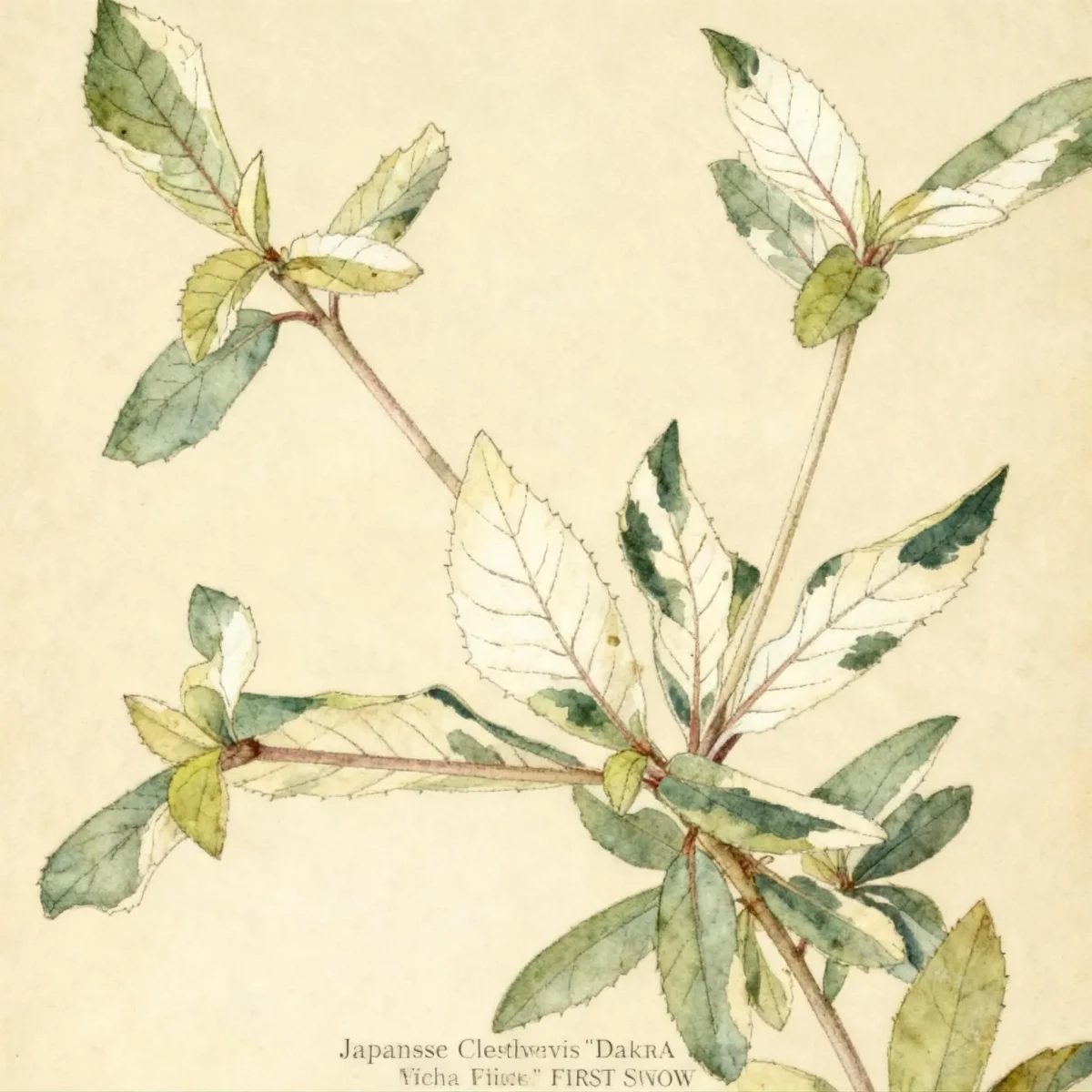
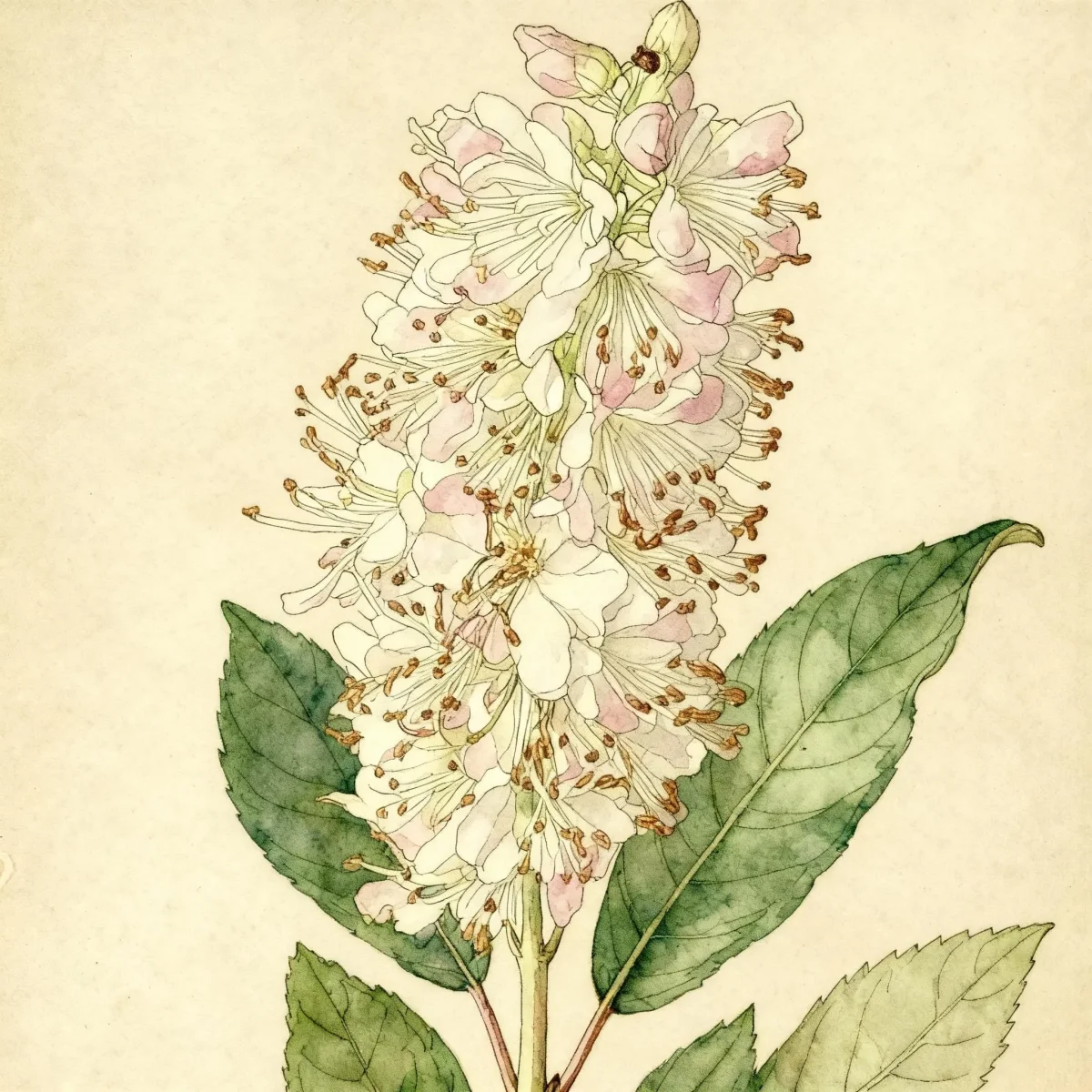
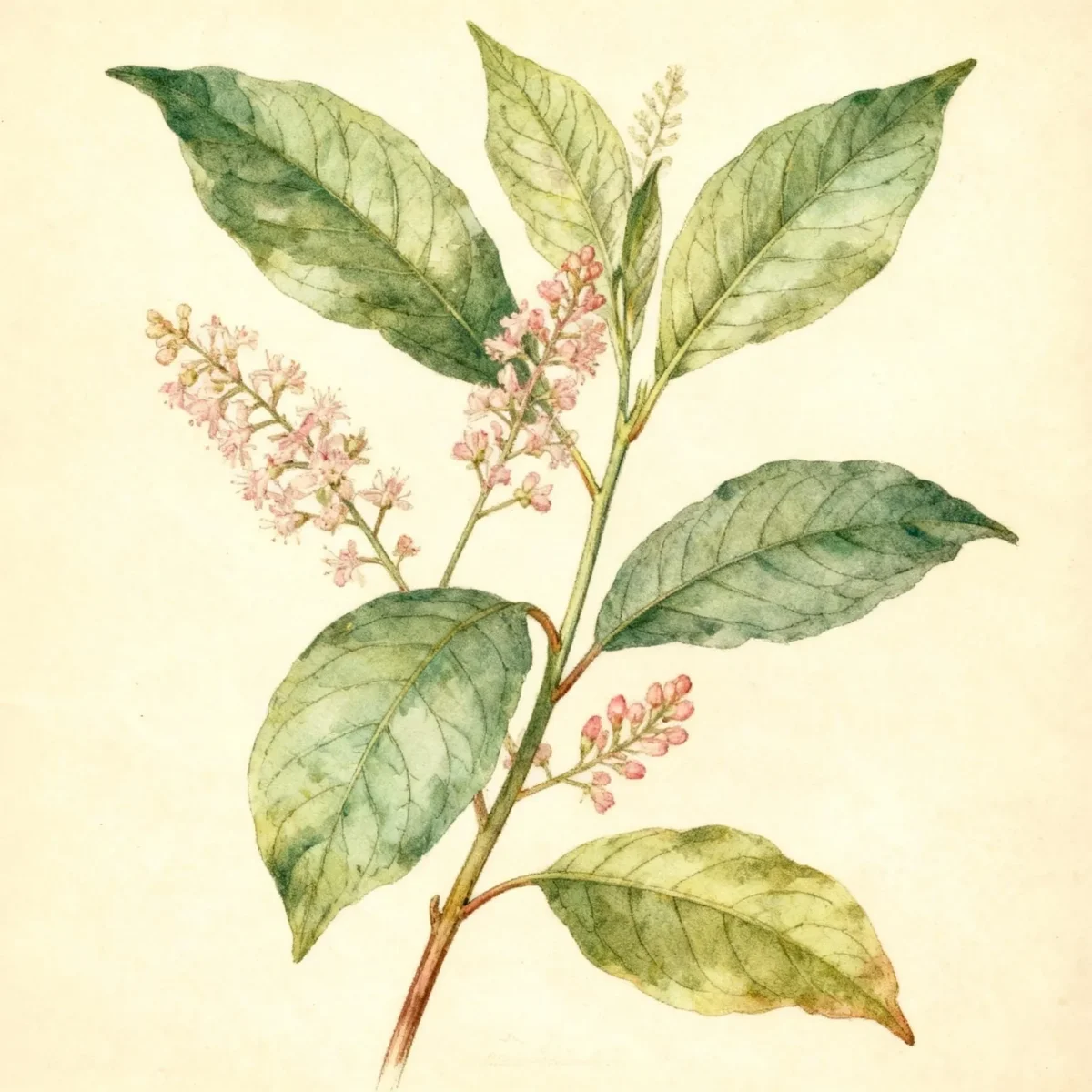
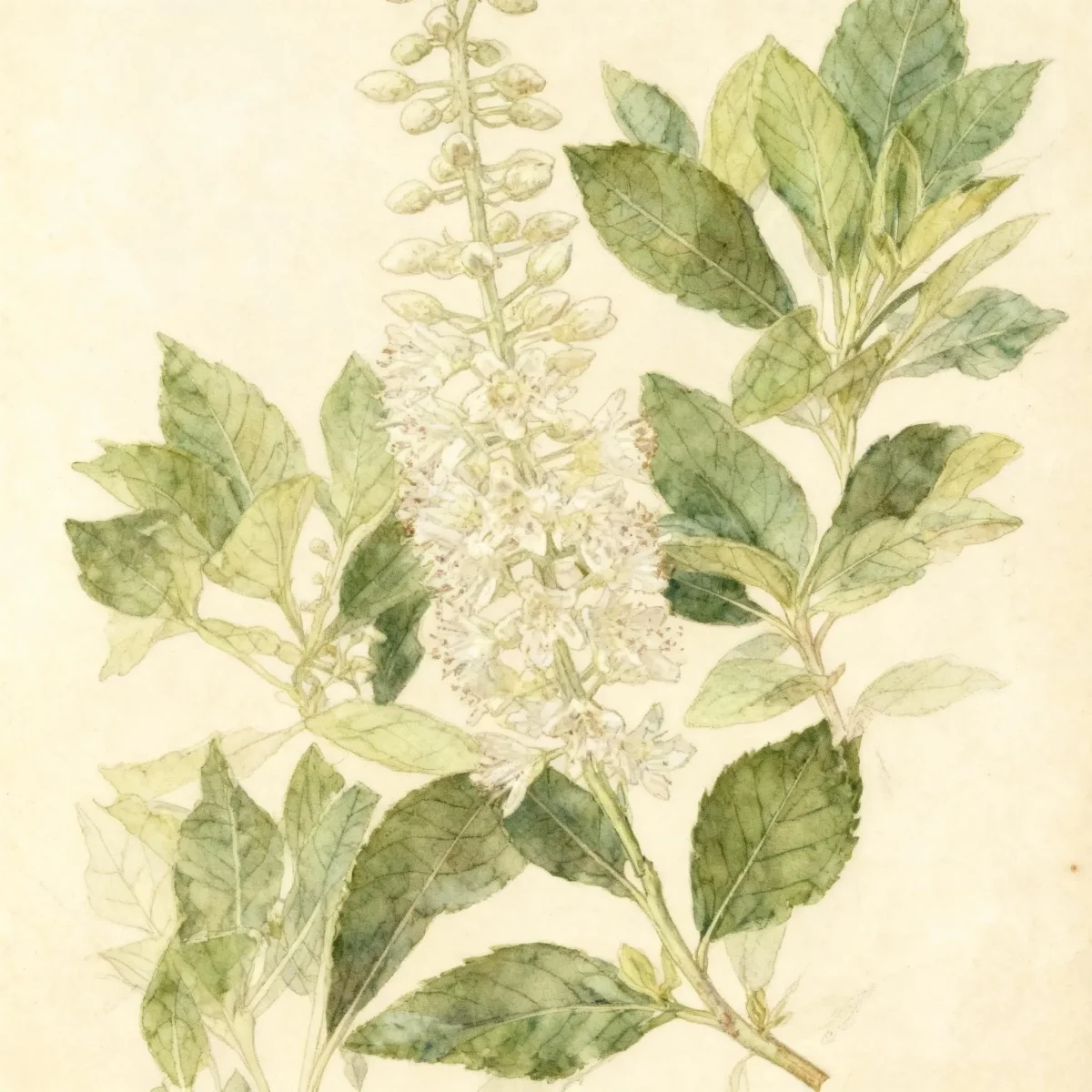
Japanese clethra (Clethra barbinervis)
Discover Japanese clethra (Clethra barbinervis), a deciduous shrub offering fragrant summer bloom, good fall color, and striking winter bark.

Bloom Boldly, No Matter the Season - Sweatshirt
Cozy organic cotton sweatshirt featuring our exclusive Purple Coneflower design. Perfect for gardeners who bloom year-round.
Inspired by the beautiful Japanese clethra
Limited first batch (50) — join the waitlist for early access
Waitlist closes Feb 15, 2026.
Complete Plant Information
Field Guide Continues
Ready for care notes, companion picks, and planting tips?
The map is just the start. The full guide below covers growth habits, seasonal performance, and landscape uses.
Overview
The Japanese clethra, scientifically known as Clethra barbinervis, is a highly desirable deciduous shrub or small tree prized for its multi-season interest. Gardeners value this plant for its late-season bloom, which adds crucial fragrance and texture when many other shrubs are finishing. Clethra barbinervis typically achieves heights between 10 and 20 feet, offering substantial presence in the landscape.
This species brightens the summer garden with terminal racemes of white flowers that are notably attractive to both bees and butterflies. Beyond the summer show, the foliage of Japanese clethra transitions to vibrant bright yellow, sometimes tinged with red, for excellent fall coloration. The polished, sometimes exfoliating, grayish-brown bark ensures that Clethra barbinervis remains a structural focal point throughout the winter months.
While it performs admirably as a hedge, its true value lies in showcasing its unique structure as a specimen plant. Ensure proper spacing, as it spreads between 10 and 15 feet wide, allowing this superb shrub time to develop its mature, appealing form in the garden.
Fast Facts
- Plant Family: Clethraceae
- Plant Type: Deciduous shrub
- Native Range: Eastern China to Japan
- Hardiness Zones: USDA Zones 5-8
- Size at Maturity:
- Height: 10-20 ft
- Spread: 10-15 ft
- Bloom Time: July to August
- Bloom Description: White
- Sun Exposure: Full sun to part shade
- Water Needs: Medium to wet
- Maintenance Level: Medium
How to Grow
The ideal planting time for Clethra barbinervis is during the cooler seasons—spring or fall—to minimize transplant shock, though container-grown specimens can be planted throughout the growing season. This shrub thrives in average, well-drained soil but has a strong preference for consistently moist, humusy conditions that lean slightly acidic. Site Clethra barbinervis where it receives either full sun or light afternoon shade, with part shade often being preferred in hotter climates.
Watering requirements lean toward medium to wet; do not allow the soil to dry out completely, especially when establishing the plant. While no specific fertilizing schedule is mandated, amending the soil with compost can help maintain the desirable humusy texture. Pruning is generally minimal, focused mainly on removing any dead or crossing branches immediately after flowering.
Gardeners in Zone 5 must take extra precautions, as this plant may not be reliably winter hardy throughout the entire coldest range. Protecting young Clethra barbinervis specimens from harsh winter winds is highly recommended in marginal zones to ensure strong survival into spring.
Landscape Uses
Japanese clethra excels in mixed borders, acting as a transitional element between woodlands and open lawn areas. Due to its substantial size and multi-season appeal, it functions perfectly as a striking specimen plant where its exfoliating bark and summer flowers can be prominently viewed. It is an excellent choice for grouping near water features, as Clethra barbinervis readily accepts the medium to wet soil conditions often found along streams or pond peripheries.
This robust shrub also performs admirably when used formally or informally as a hedge, providing dense cover and fragrant blooms where a traditional hedge might struggle with flower production in deep shade. Plant it near patios or walkways to maximize enjoyment of the sweetly fragrant blooms from July through August.
The excellent fall color and persistent, dark brown seed capsules mean Japanese clethra provides continuous visual anchors throughout the year in shrub borders or woodland settings.
Flower Qualities
- Showy
- Fragrant
Fruit Qualities
- Showy
Noteworthy Characteristics
Clethra barbinervis, commonly called Japanese clethra, is a large, upright, deciduous shrub or small tree which typically grows 10-20’ tall and features horizontally drooping, terminal racemes (4-6” long) of pleasantly fragrant white flowers which bloom in mid to late summer and serrated, glossy, dark green leaves which turn bright yellow (sometimes red) in autumn. Flowers are very attractive to butterflies and bees. Flower spikes give way to spikes of dark brown seed capsules which persist into winter and provide continuing interest. One of the most striking features of this shrub is the polished, grayish-brown bark which may exhibit exfoliation.
Tolerances
- No serious insect or disease problems
Potential Problems
Fortunately, Clethra barbinervis is known for a generally clean bill of health, facing no serious insect or disease problems when sited correctly. The primary concern for gardeners occurs outside its optimal climate range. In colder areas, especially Zone 5, this shrub requires protection from harsh, drying winter winds, which can cause dieback or compromise overall vigor. Ensure the soil drains adequately, even though it prefers moisture; perpetually soggy, poorly aerated soil can lead to root issues over time.
Frequently Asked Questions
What hardiness zones is Japanese clethra suitable for?
Clethra barbinervis is best suited for USDA Hardiness Zones 5 through 8. Gardeners in Zone 5 should take care to site the plant in a protected location.
How large does Japanese clethra grow?
When mature, Japanese clethra typically reaches a height range of 10 to 20 feet, with a corresponding spread between 10 and 15 feet, creating a substantial element in the landscape.
What sun exposure does Clethra barbinervis need?
This shrub tolerates a wide range, from full sun to part shade, though it appreciates afternoon shade in the hottest parts of its range.
When does Clethra barbinervis bloom?
The bloom time for Clethra barbinervis is late in the season, usually from July through August, when it produces distinctive spikes of white flowers.
Conclusion
The Japanese clethra offers unparalleled late-season fragrance, attractive bark, and vibrant fall foliage, making the commitment to its cultivation highly rewarding. Integrating Clethra barbinervis into your garden design provides essential structure and wildlife support during the summer months. Before planting, confirm your local hardiness zone compatibility and plan for consistent moisture to ensure the best performance from your new Japanese clethra.
Wildlife Benefits
The late summer blooming period of Clethra barbinervis is particularly valuable for pollinators seeking nectar sources as the season winds down. The clusters of fragrant white flowers are extremely attractive to native bees, honeybees, and butterflies when many other nectar sources have faded. Planting this shrub near any gathering space ensures you can observe this vibrant pollinator activity up close throughout July and August.
Furthermore, the persistent dark brown seed capsules that remain on the shrub following the bloom hold interest long after the leaves have dropped. While primarily ornamental, these seed structures can offer a minor lingering food source for birds throughout the early winter months, adding to the ecological value of the Japanese clethra.
Companion Planting
Because Clethra barbinervis requires consistently moist, humus-rich, and slightly acidic soil, companion plants should share these cultural preferences. Excellent partners include moisture-loving evergreens such as Rhododendrons and Azaleas, which share the need for acidic soil conditions. Hydrangeas (especially those that prefer dappled light) also thrive alongside Japanese clethra.
For seasonal layering, consider pairing Clethra barbinervis with ferns that appreciate similar moist, shaded understories, such as various species of Wood Fern (Dryopteris) or Maidenhair Fern (Adiantum). These companions enhance the woodland garden feel that the Clethra barbinervis often evokes, ensuring year-round texture while sharing soil needs.