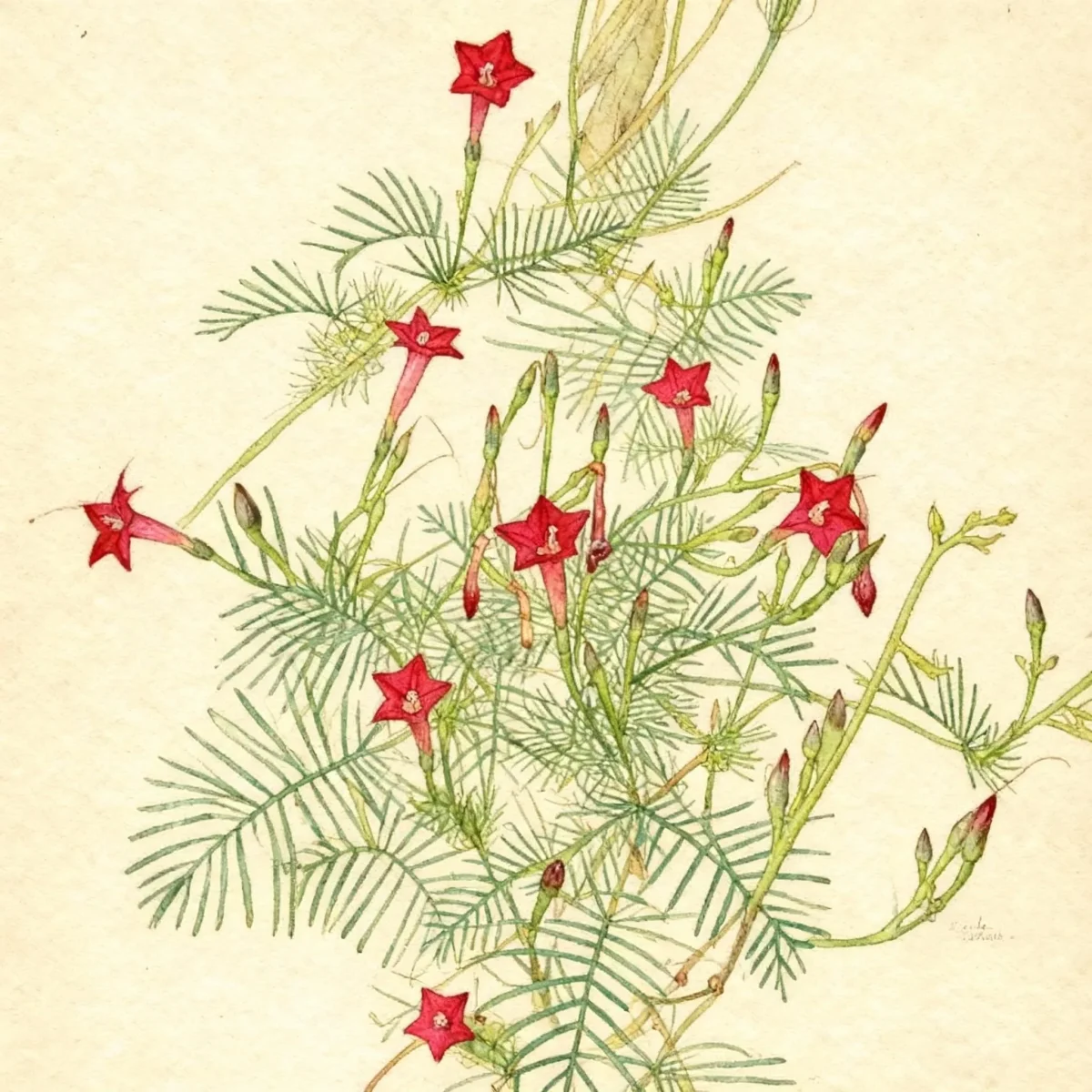
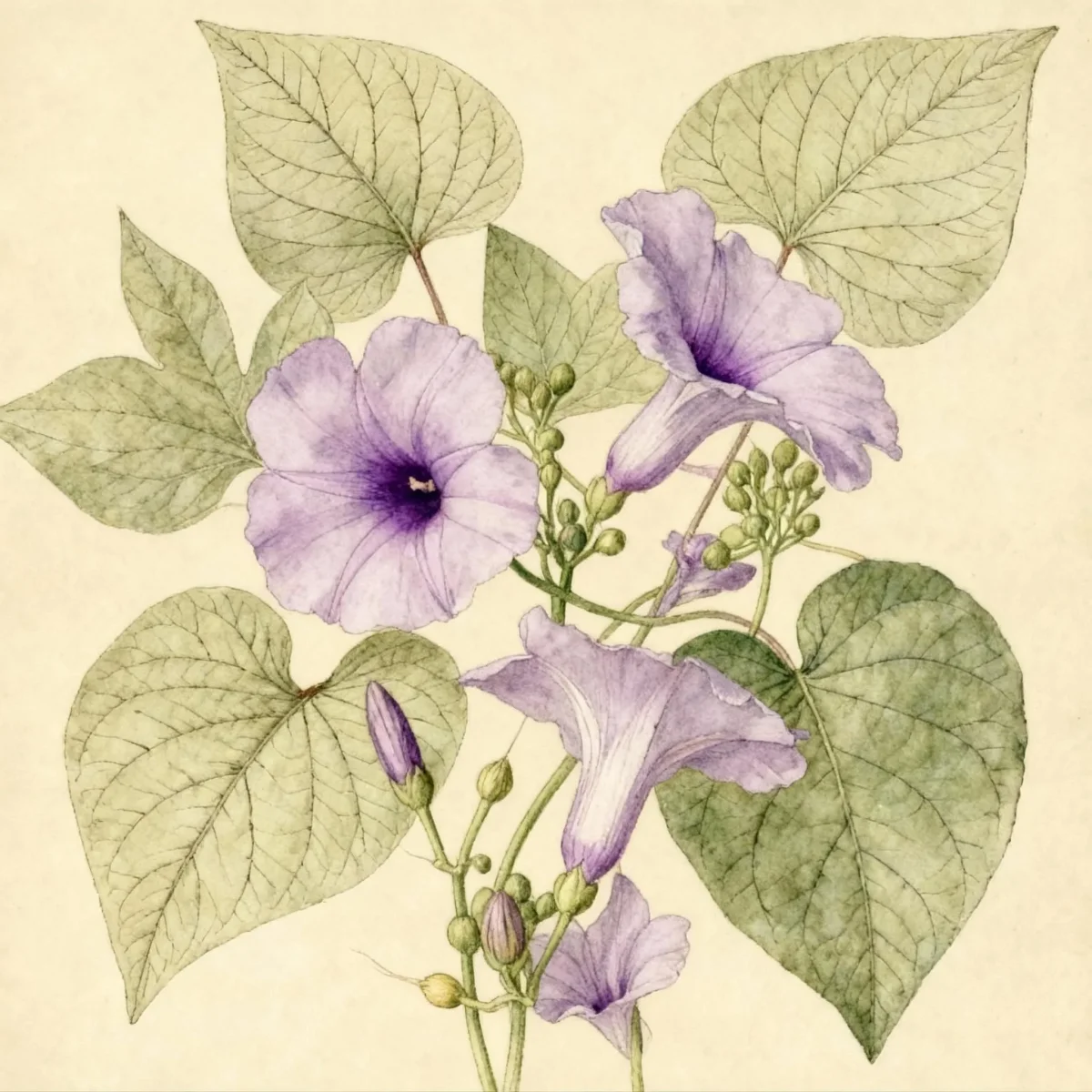
Spanish flag (Ipomoea lobata)
Brighten your garden with Ipomoea lobata, the Spanish flag vine. This fast-growing annual offers striking red-to-yellow blooms.


Bloom Boldly, No Matter the Season - Sweatshirt
Cozy organic cotton sweatshirt featuring our exclusive Purple Coneflower design. Perfect for gardeners who bloom year-round.
Inspired by the beautiful Spanish flag
Limited first batch (50) — join the waitlist for early access
Waitlist closes Feb 15, 2026.
Complete Plant Information
Field Guide Continues
Ready for care notes, companion picks, and planting tips?
The map is just the start. The full guide below covers growth habits, seasonal performance, and landscape uses.
Overview
The captivating Ipomoea lobata, commonly known as the Spanish flag, is a rapidly growing vine prized for its sensational floral display. Its unique flowers mature along the raceme, shifting colors from vibrant red to soft pale yellow, creating a stunning gradient effect reminiscent of its common name. This fast-growing climber quickly transforms vertical spaces, offering both color and soft privacy.
Native to Mexico, this herbaceous vine thrives as a vigorous annual in most climates, though it is perennial in frost-free zones 10 and 11. Gardeners value the Spanish flag for its ability to provide intense, late-season color that continues blooming robustly until the first hard frost arrives. Furthermore, the tubular blossoms of Ipomoea lobata are magnets for hummingbirds and butterflies, adding dynamic wildlife activity to sunny borders.
Ornamentally, the vine appreciates support structures, allowing its distinctive, lobed foliage and arching flower spikes to fully express themselves vertically. Its low maintenance requirements, once established, make the Spanish flag an excellent choice for gardeners seeking high visual impact with minimal long-term effort.
Fast Facts
- Plant Family: Convolvulaceae
- Plant Type: Vine
- Native Range: Mexico
- Hardiness Zones: USDA Zones 10-11
- Size at Maturity:
- Height: 10-16 ft
- Spread: 1-2 ft
- Bloom Time: July to frost
- Bloom Description: Gradient of red to pale yellow
- Sun Exposure: Full sun
- Water Needs: Medium
- Maintenance Level: Low
How to Grow
Starting Ipomoea lobata requires patience, as seeds are slow to germinate. Start seeds indoors approximately six weeks before your average last frost date. To encourage successful sprouting, scarify the seeds—gently nicking the seed coat—and then soak them overnight in warm water. These seeds demand warm conditions, requiring temperatures around 70°F in the growing medium to break dormancy.
Transplant the seedlings outdoors only after all danger of frost has completely passed. The soil preparation is straightforward: the plant performs best in rich, well-draining soil that is kept evenly moist. While it tolerates partial shade, remember that performance directly correlates with sunlight; full sun exposure yields the most spectacular floral display.
Once planted, watering should be consistent, aiming for medium moisture without allowing the soil to become waterlogged. Ipomoea lobata is generally low maintenance and does not typically require heavy fertilization, as excessive richness can sometimes promote more leaf growth than blooms. Provide ample vertical support immediately upon planting, as the vine establishes quickly.
Landscape Uses
The climbing habit of the Spanish flag vine makes it an ideal choice for vertical gardening accents. It requires substantial support, such as a sturdy trellis, arbor, or strong netting, to reach its mature height of 10 to 16 feet. Use this vigor to your advantage by planting several Ipomoea lobata specimens near each other to quickly establish a vibrant, temporary privacy screen during the growing season.
For mixed borders, place the vine toward the back where its height won’t overwhelm smaller perennials, allowing the fiery colors to drape beautifully down a vertical element. Because it is generally grown as an annual, it pairs well with summer-blooming annuals that share similar moisture and sun requirements, such as zinnias or cosmos. Patio gardeners can utilize large containers to feature this fast-growing climber near seating areas.
Standout Features
Flower Qualities
- Showy
Noteworthy Characteristics
Ipomoea lobata, commonly called Spanish flag vine or firecracker vine, is a herbaceous, perennial vine native to Mexico and parts of South America that is widely cultivated around the world as an ornamental. Mature vines can reach up to 16’ tall and spread to fill a 2’ area, featuring deeply lobed leaves between 2-6” long. Its structure supports single-sided, 6” long racemes of tubular flowers held on slender stems that gently arc upward; as these flowers mature from red to pale yellow, they create the celebrated color gradient. The common name Spanish flag vine perfectly captures this color shift, making it a sought-after summer annual.
Tolerances
- None listed
Potential Problems
This plant generally boasts a clean bill of health regarding pests and diseases, meaning you will likely encounter few major problems throughout the growing season. For a vine noted for its rapid growth, its resistance to common issues is a significant benefit to the gardener. Focus on providing optimal soil drainage and consistent, though not excessive, moisture to keep the foliage lush and discourage potential weak spots that pests might exploit.
Frequently Asked Questions
What hardiness zones is Spanish flag suitable for?
The Spanish flag vine, Ipomoea lobata, is hardy only in USDA Zones 10 and 11, where it can be grown as a tender perennial. In cooler regions, it is best managed as a fast-growing annual.
How large does Ipomoea lobata grow?
This vigorous vine typically reaches heights between 10 and 16 feet while maintaining a relatively narrow spread of 1 to 2 feet, requiring significant vertical assistance to climb.
What sun exposure does Spanish flag need?
For the most intense and showy bloom presentation, the Spanish flag requires full sun exposure throughout the day.
When does Ipomoea lobata bloom?
Blooms generally begin in July and continue profusely until the first killing frost, displaying an attractive gradient of red to pale yellow flowers on each stalk.
Conclusion
The Spanish flag offers unparalleled late-summer drama with its unique, color-shifting blooms and rapid vertical growth habit. Whether used to create a fast screen or simply admired on a trellis, Ipomoea lobata proves itself a low-maintenance superstar. Ensure you start your seeds warm and indoors well before the last frost date to maximize its relatively short growing window in your region.
Companion Planting
Because the Spanish flag vine demands full sun and rich, consistently moist soil, successful companions should share these same cultural needs. Consider pairing it with heat-loving texture plants like ornamental grasses or sturdy tropical foliage plants such as Cannas or Elephant Ears, which can handle similar watering routines. Avoid shallow-rooted or drought-tolerant neighbors that will compete aggressively for water or suffer under the vine’s needs.
Wildlife Benefits
The tubular shape and bright coloring of the Ipomoea lobata flowers are perfectly adapted for specific pollinators. These blooms are highly nectar-rich and irresistible to hummingbirds, which can navigate the slender flower tubes easily. Planting Spanish flag near a window or deck encourages daily viewing of these fast-moving visitors. The abundant flowering from July onward provides a critical late-season nectar source before fall migration.