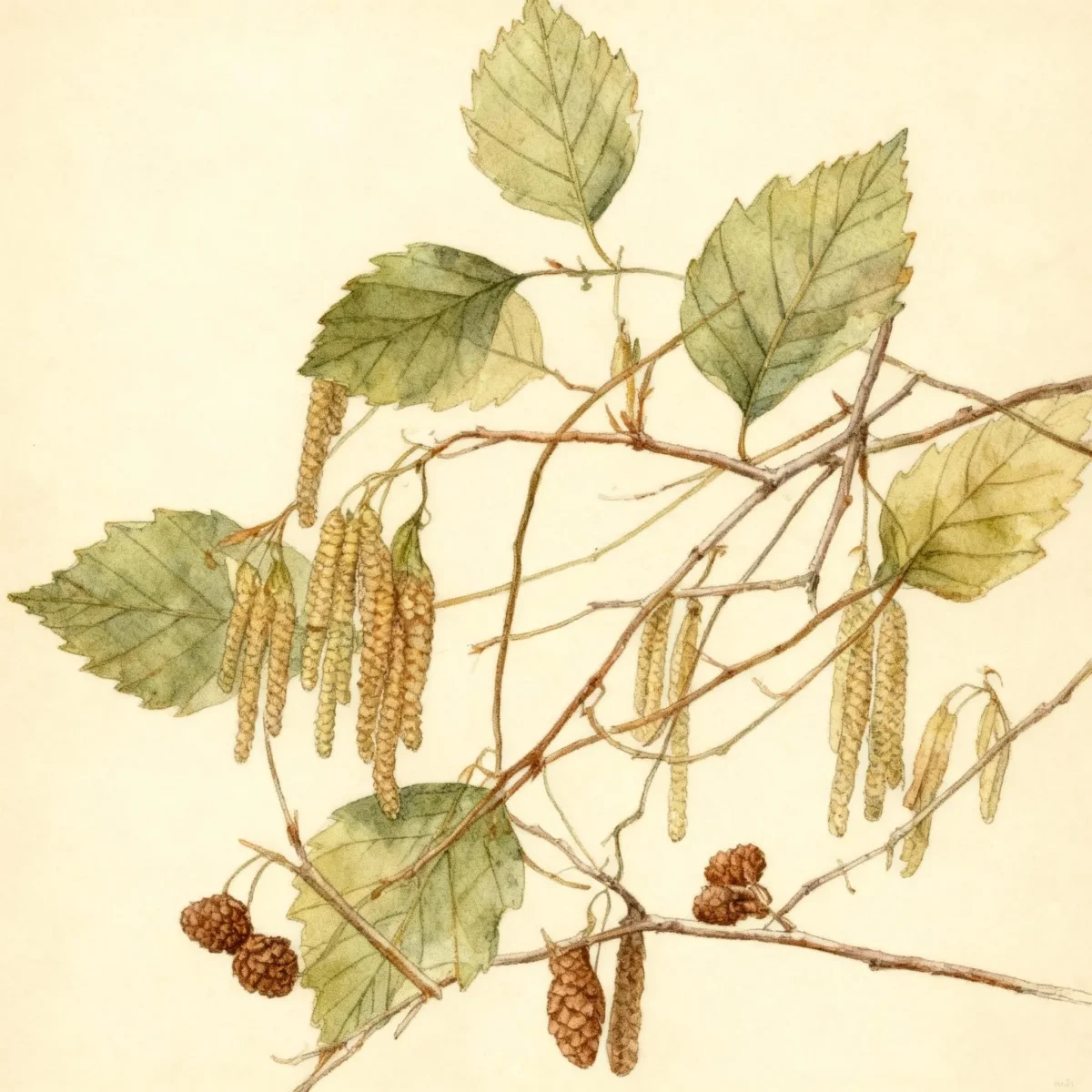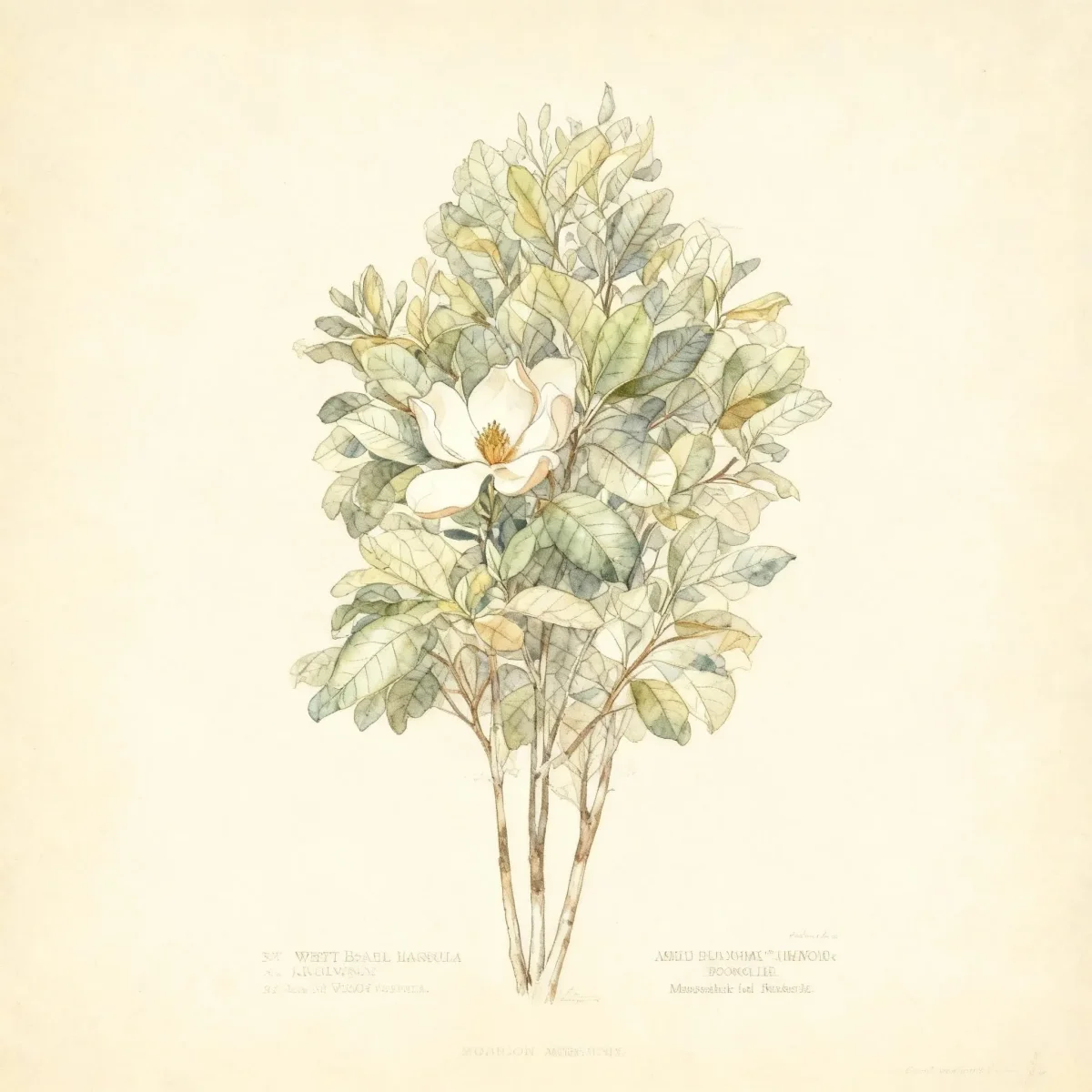

Tupelo gum (Nyssa aquatica)
Nyssa aquatica, the Tupelo gum, is a striking aquatic tree native to US swamps, perfect for wet sites and rain gardens.
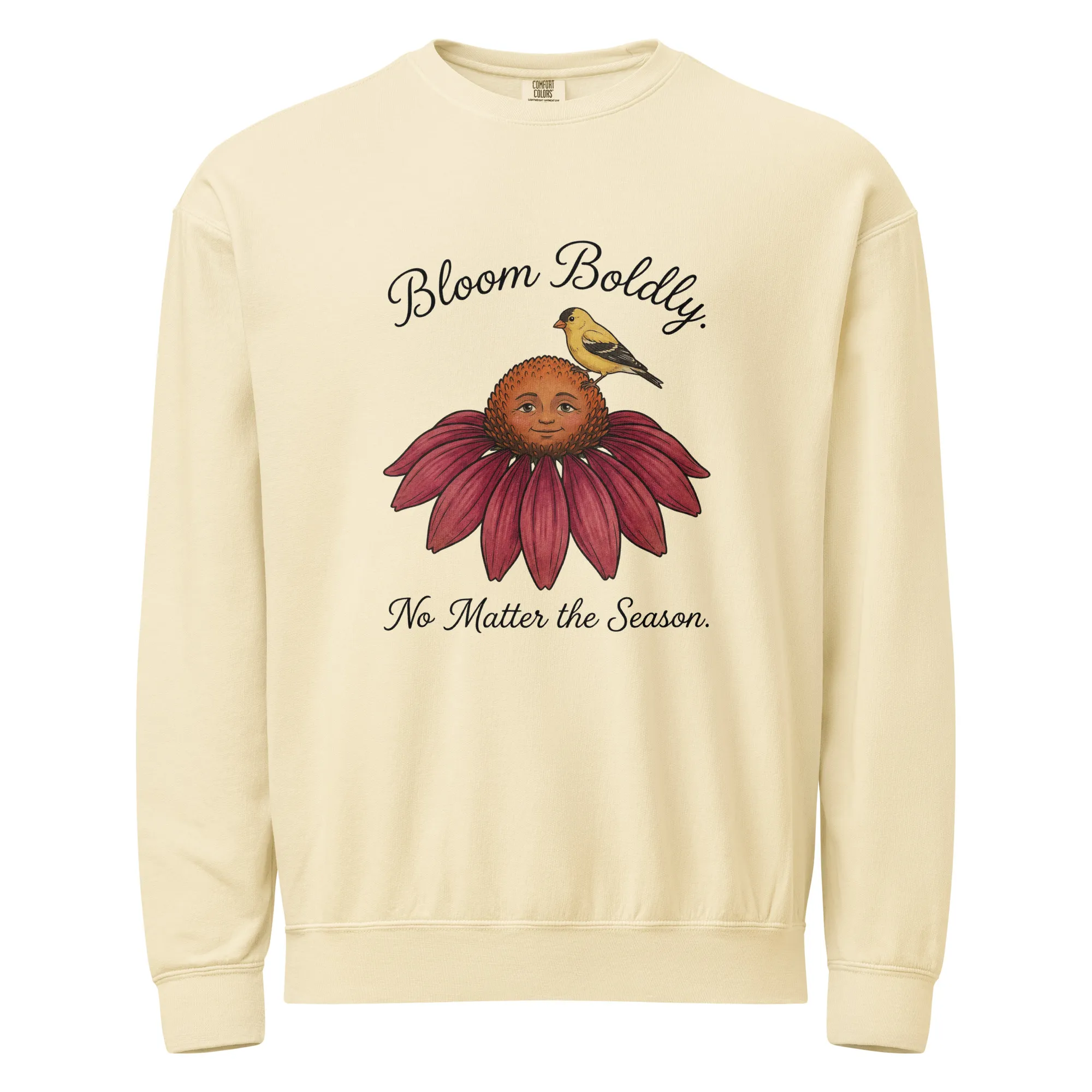
Bloom Boldly, No Matter the Season - Sweatshirt
Cozy organic cotton sweatshirt featuring our exclusive Purple Coneflower design. Perfect for gardeners who bloom year-round.
Inspired by the beautiful Tupelo gum
Limited first batch (50) — join the waitlist for early access
Waitlist closes Feb 15, 2026.
Complete Plant Information
Field Guide Continues
Ready for care notes, companion picks, and planting tips?
The map is just the start. The full guide below covers growth habits, seasonal performance, and landscape uses.
Overview
The Nyssa aquatica, commonly known as Tupelo gum or Water tupelo, is a majestic, large deciduous tree intrinsically linked to the watery landscapes of the Southeastern United States. Its notable feature is its ability to thrive where other trees fail, often standing directly in slow-moving or standing water in floodplains and deep swamps. This adaptation makes the Nyssa aquatica an exceptional, resilient choice for challenging wet sites where few large specimens can survive.
This species develops a characteristically handsome silhouette, often featuring a swollen, buttressed base similar to that of the bald cypress, supporting an upward-tapering trunk leading to a rounded, spreading crown when mature. While typically grown for its ecological resilience, it offers subtle spring interest with its small, greenish-white flowers, which are highly attractive to bees, producing valuable tupelo honey.
For the expert gardener dealing with saturated soils, planting a Tupelo gum provides excellent structural drama and superb seasonal color as its large, glossy leaves transition to clear yellow hues in autumn. Its low maintenance requirements further enhance its value for ecological restoration or large-scale landscape planning in suitable boggy environments.
Fast Facts
- Plant Family: Nyssaceae
- Plant Type: Tree
- Native Range: Southeastern United States
- Hardiness Zones: USDA Zones 6-9
- Size at Maturity:
- Height: 50-80 ft
- Spread: 25-50 ft
- Bloom Time: April to May
- Bloom Description: Greenish-white
- Sun Exposure: Full sun to part shade
- Water Needs: Medium to wet
- Maintenance Level: Low
How to Grow
The most successful establishment of Nyssa aquatica occurs when planted during the dormant season, late fall through early spring, ensuring minimal transplant shock. Select a location that naturally retains moisture, as Tupelo gum requires consistently moist, acidic soils. It exhibits remarkable tolerance for poorly-drained conditions and can easily handle occasional standing water, making it an ideal anchor for true rain gardens or wetland margins.
Ongoing care for mature trees is minimal. Tupelo gum rarely requires supplemental fertilization unless grown in extremely nutrient-poor impoverished soils, owing to its natural wetland origins. Focus watering efforts on the first few years to establish a deep root system; once settled, the tree will manage its needs, sometimes thriving in saturated conditions where deep watering is constant.
Pruning is generally unnecessary unless removing storm damage or low-hanging limbs near pedestrian areas. Ensure young trees have adequate space to develop their characteristic swollen base and rounded crown without obstruction. Because the genus is often dioecious (separate male and female trees), be aware that fruit production (dark purple drupes) will only occur on female specimens, often not until they reach 30 years of age.
Landscape Uses
Although Tupelo gum is rarely specified as a primary ornamental tree in typical suburban settings due to its vast mature size and wetland requirements, it excels specifically where moisture saturation is high. Its suggested use as a feature in a Rain Garden is paramount; the tree efficiently manages stormwater runoff while providing essential structure to the landscape. It is often seen naturally thriving alongside bald cypress in these specific environmental niches.
When designing a naturalistic or wetland edge planting scheme, consider pairing Nyssa aquatica with other water-loving natives such as swamp cottonwoods or certain water oaks, mimicking its native associations. For smaller properties requiring high moisture tolerance, this tree is generally unsuitable, but for large estates or municipal park projects where saturated ground is unavoidable, the Tupelo gum offers unparalleled vertical interest and autumn color diversity without demanding supplemental irrigation later in the season.
Standout Features
Flower Qualities
- Insignificant
Noteworthy Characteristics
Nyssa aquatica, commonly called tupelo gum or Water tupelo, is a large aquatic tree that is native to floodplains and swamps from Florida to Texas north to Missouri, Illinois, Kentucky and Virginia. It is often seen growing in standing water in the lower Mississippi Valley and southeastern U.S. Coastal areas, either in pure stands or in combination with bald cypress, water oaks and swamp cottonwoods. It grows to 80’ tall and features a swollen base (like bald cypress), upward tapering trunk and rounded spreading crown, noted for its large, glossy, dark green leaves that turn yellow in the fall.
Tolerances
- Tolerates poorly-drained soils
- Can grow in standing water
Potential Problems
This Nyssa aquatica is celebrated by botanists and gardeners alike for its robust nature, as it generally suffers from no serious insect or disease problems throughout its life cycle. This inherent resistance contributes significantly to its low maintenance profile. Prevention centers mainly on ensuring the site conditions—high moisture and acidic soil—are met, which minimizes stress and further deters opportunistic pests. Should flowering be desired, remember that fruiting trees (female specimens) often do not begin reproductive cycles until they cross the 30-year threshold, meaning early landscape specimens are frequently sterile males.
Frequently Asked Questions
What hardiness zones is Tupelo gum suitable for?
The Tupelo gum performs optimally across USDA Hardiness Zones 6 through 9, providing a reliable, long-lived specimen across the warmer temperate to subtropical portions of its range.
How large does Nyssa aquatica grow?
This substantial tree typically reaches heights between 50 and 80 feet, often developing a mature spread ranging from 25 to 50 feet wide, commanding significant space in the landscape.
When does Nyssa aquatica bloom?
Flowering occurs between April and May, presenting small, greenish-white blooms that are highly attractive to local bee populations, vital for the production of celebrated tupelo honey.
What sun exposure does Tupelo gum need?
For best form and most reliable fall color, Nyssa aquatica prefers a location where it receives full sun, though it tolerates partial shade quite well.
Conclusion
The Tupelo gum stands out as an unparalleled choice for challenging, water-retentive sites, offering high aesthetic value with virtually no pest complications. Whether known as Nyssa aquatica or water tupelo, its requirement for moisture makes it a cornerstone of successful wetland and rain garden design. Ensure your native range compatibility by checking your local hardiness zone before planning to integrate this impressive species into your property.
Companion Planting
Successful companions for Nyssa aquatica should share its tolerance for wet, acidic soils. Consider planting masses of native wetland rushes, irises, or ferns around the base of the tree to enhance the natural bog aesthetic. These low-growing species benefit from the filtered light provided by the developing tree canopy, which is particularly helpful during the hottest part of the summer.
For larger structural companions in deeper wet areas, look towards Bald Cypress (Taxodium distichum), which shares similar cultural needs and offers highly contrasting foliage texture in winter. By clustering plants with similar water requirements, you create a cohesive, self-sustaining ecosystem that requires minimal intervention once established.
Seasonal Care Calendar
Spring is when the Tupelo gum awakens, with its greenish-white flowers appearing in April and May, signaling an ideal time to apply a light, slow-release acid fertilizer if soil augmentation is deemed necessary. Summer care is primarily observational; monitor for any signs of drought stress, bearing in mind that while mature trees love wet sites, young transplants still need consistent moisture until fully established.
As fall approaches, anticipate the spectacular yellow foliage display characteristic of Nyssa aquatica leaves before they drop. Winter is the time to assess the structure of the tree, planning any necessary pruning for early spring before new growth begins. This dormant period is the safest window for significant structural work on this imposing species.