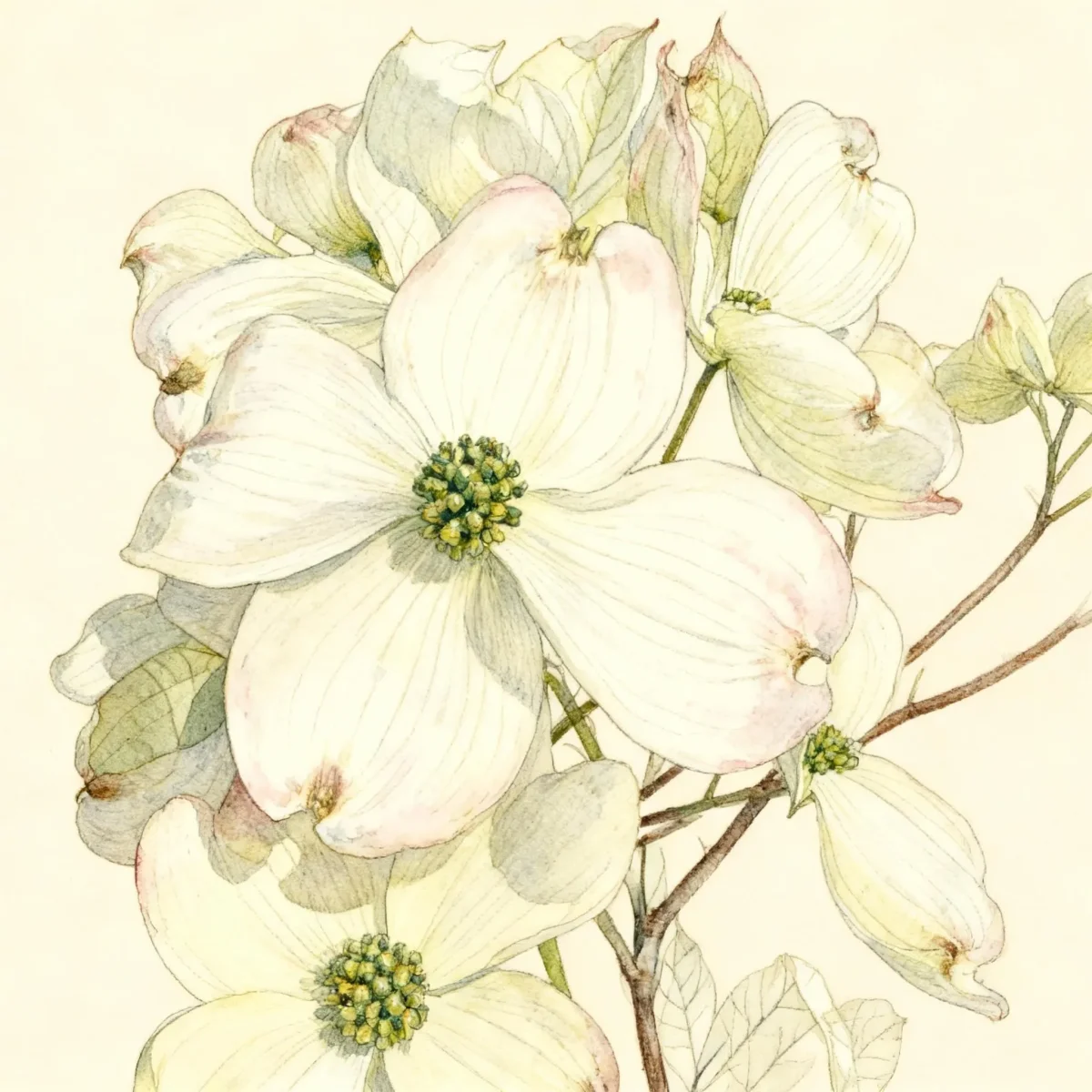
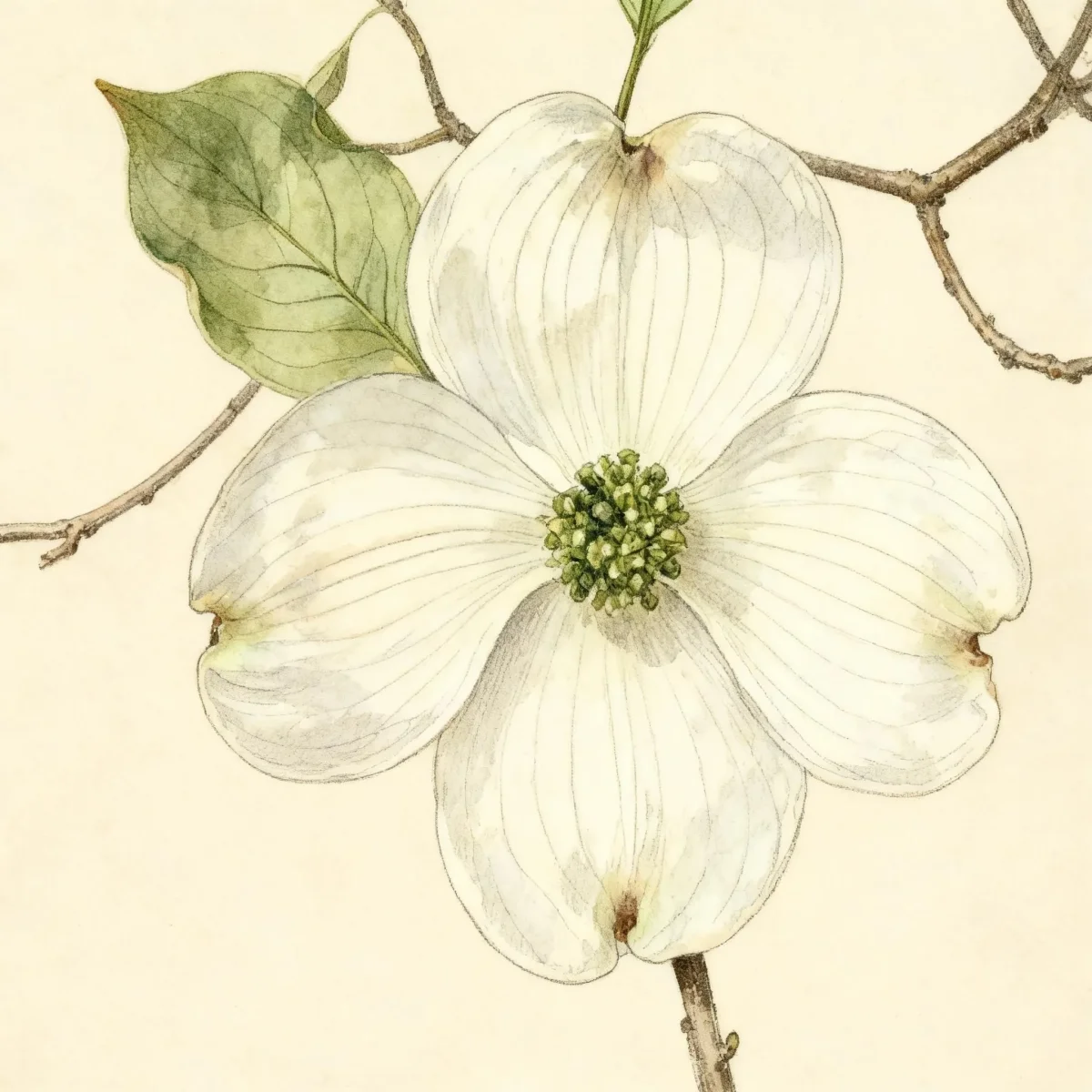
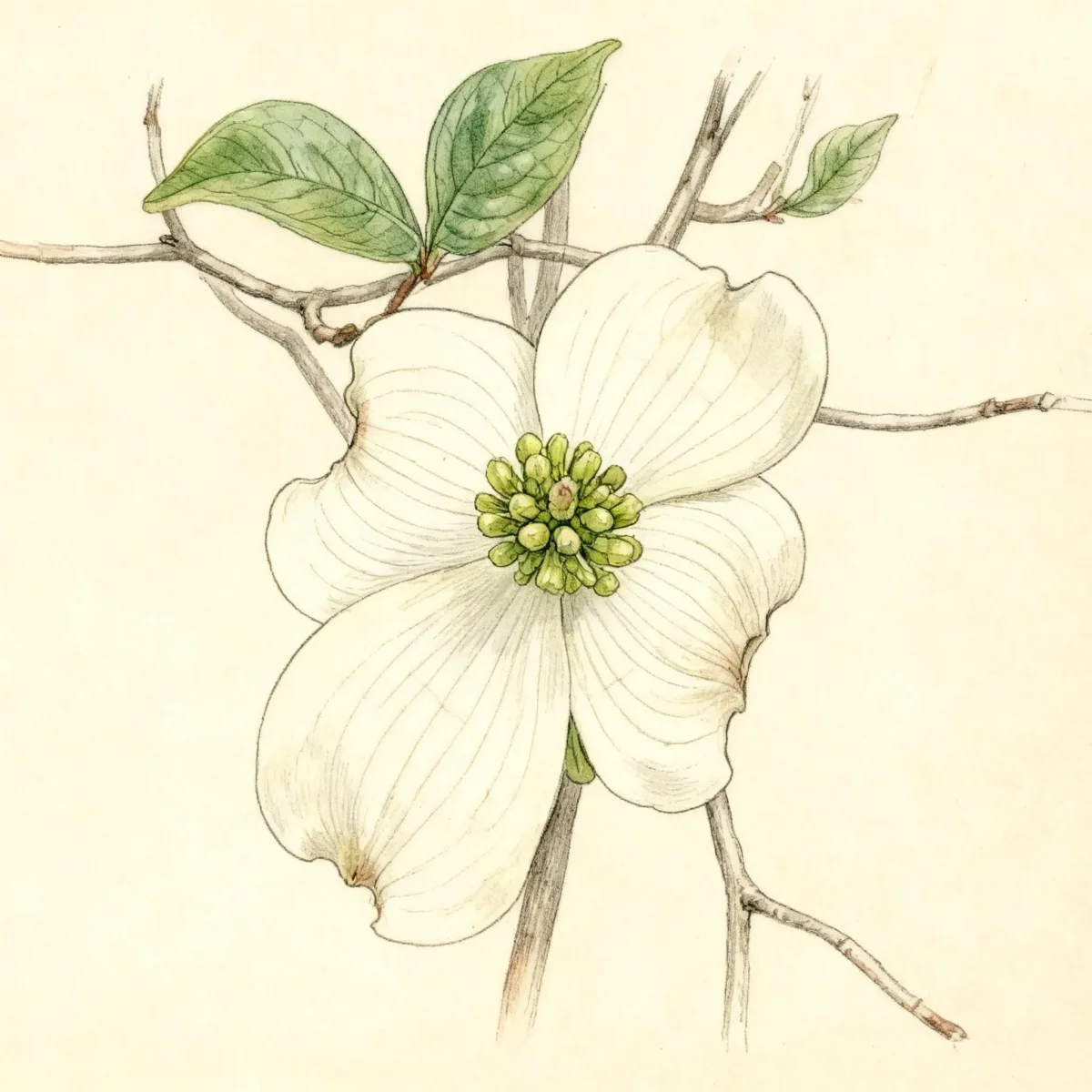
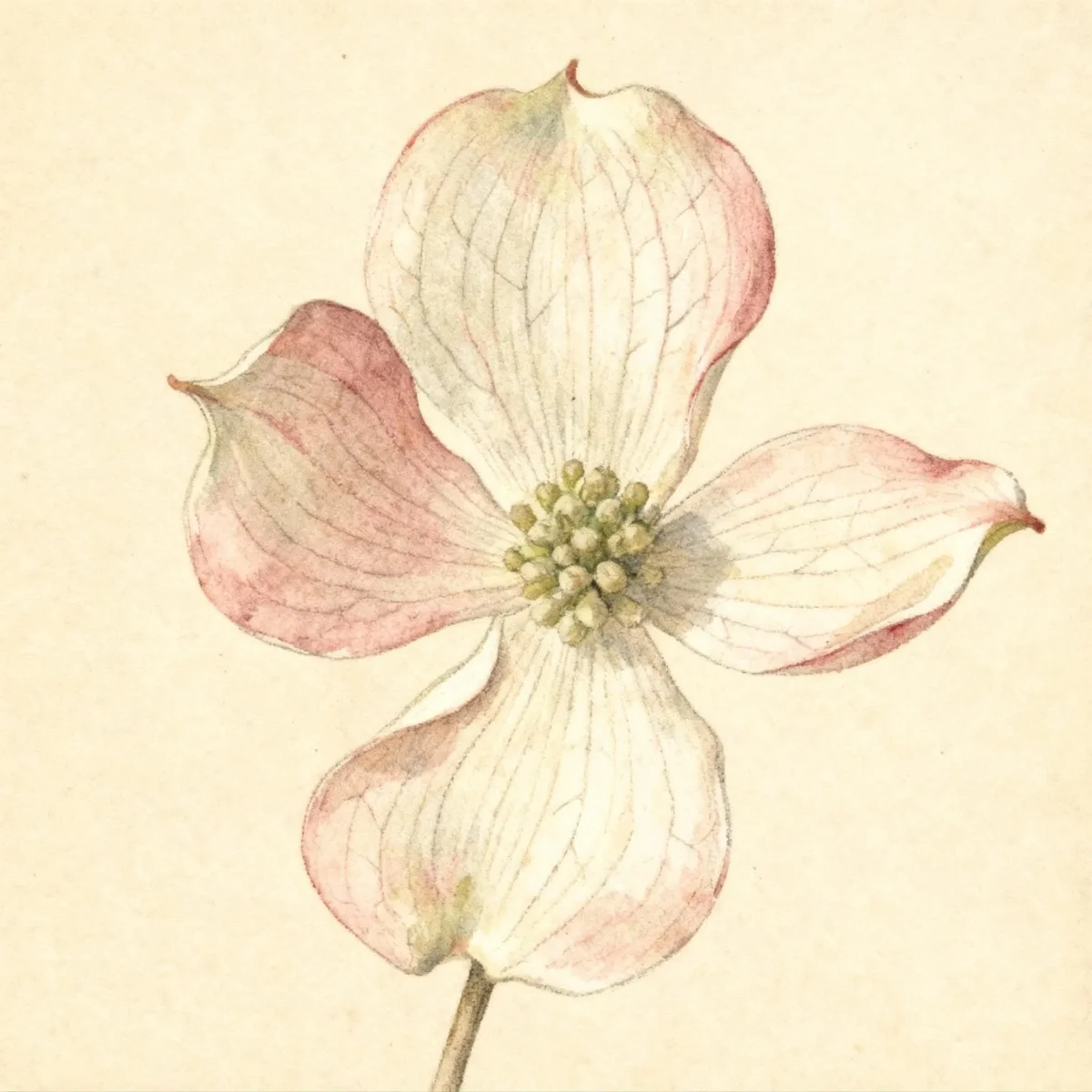
Flowering dogwood (Cornus florida f. Rubra)
Discover the beauty of Cornus florida f. rubra, the Pink Flowering dogwood. Small, stunning specimen tree for Zones 5-9.

Bloom Boldly, No Matter the Season - Sweatshirt
Cozy organic cotton sweatshirt featuring our exclusive Purple Coneflower design. Perfect for gardeners who bloom year-round.
Inspired by the beautiful Flowering dogwood
Limited first batch (50) — join the waitlist for early access
Waitlist closes Feb 15, 2026.
Complete Plant Information
Field Guide Continues
Ready for care notes, companion picks, and planting tips?
The map is just the start. The full guide below covers growth habits, seasonal performance, and landscape uses.
Overview
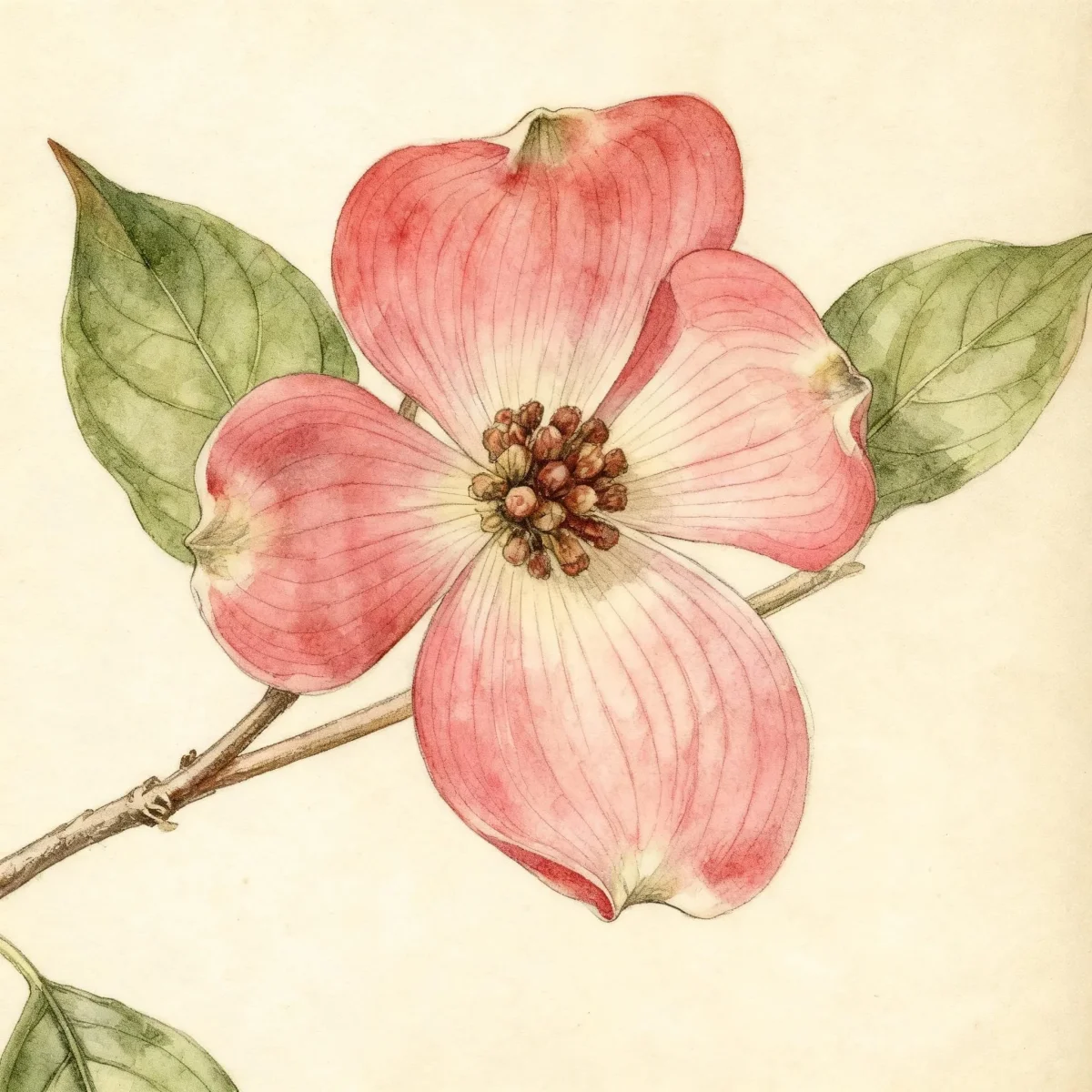
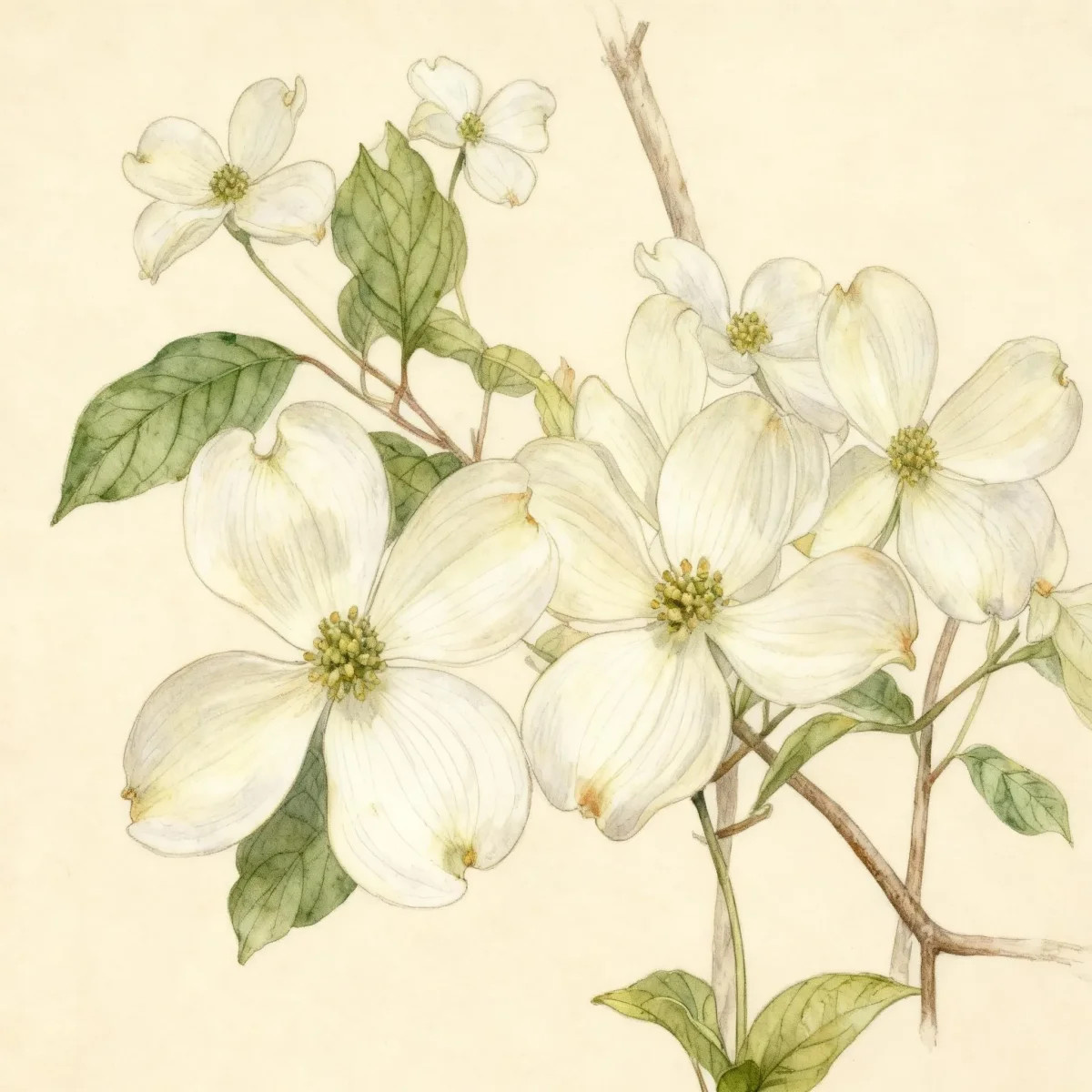
The Cornus florida f. rubra, commonly known as the Pink Flowering dogwood, is celebrated as one of the most beautiful native American flowering trees. This small deciduous specimen captivates gardeners with its springtime display of four large, pink to reddish-pink, petal-like bracts surrounding tiny yellowish-green true flowers. Reaching modest mature sizes, the Flowering dogwood fits elegantly into smaller residential landscapes where large canopies might overwhelm the space.
This cultivar, f. rubra, shares the lovely tiered branching habit of the species, offering excellent structure even after the leaves drop. In addition to its spectacular spring showiness, the oval, dark green foliage turns attractive shades of red in the autumn, providing year-round interest. Bird watchers appreciate the ensuing bright red fruits that mature in late summer, though they are inedible for humans.
Cultivating Cornus florida f. rubra requires attention to soil acidity and moisture management, but the resulting structure and unparalleled spring color make it a worthy investment for the dedicated gardener.
Fast Facts
- Plant Family: Cornaceae
- Plant Type: Tree
- Native Range: Eastern North America
- Hardiness Zones: USDA Zones 5-9
- Size at Maturity:
- Height: 15-30 ft
- Spread: 15-30 ft
- Bloom Time: April to May
- Bloom Description: Pink to reddish pink bracts with yellowish-green centers
- Sun Exposure: Full sun to part shade
- Water Needs: Medium
- Maintenance Level: Medium
How to Grow
Planting Flowering dogwood is best done in the spring or fall when the weather is cooler. Select a location that provides organically rich, acidic soil that is well-drained. While it tolerates full sun, many gardeners find that part shade is ideal, especially in warmer climates, to prevent leaf scorch. Remember that this species is notoriously difficult to transplant successfully from the wild, so always choose container-grown or balled-and-burlapped nursery stock.
Consistent moisture is crucial, especially during hot summers when precipitation is low. Apply a generous 4-6 inch layer of organic mulch around the root zone, ensuring the mulch does not touch the trunk flare. This mulch layer provides essential insulation, helping to keep the shallow roots cool and moist, which is vital for the health of the Cornus florida f. rubra. Avoid deep watering infrequently; aim for medium, consistent moisture.
Maintenance is considered medium, requiring attention to disease pressure as noted below. Minimal pruning is usually needed outside of removing dead or crossing branches. Always prune only when absolutely necessary and avoid excessive wounding, which can stress the tree and make it more susceptible to pests and pathogens. If dogwood anthracnose is prevalent in your area, planting may be inadvisable.
Landscape Uses
The Flowering dogwood excels as a specimen tree, drawing the eye with its layered branching structure, making it a perfect focal point near entryways or patios. It is also effective when planted in woodland garden settings, where its requirement for dappled light matches the filtered sun conditions found beneath taller deciduous trees. Consider grouping several Cornus florida f. Rubra together to create a drifting mass of pink in early spring.
Due to its relatively modest size, this tree pairs beautifully with taller native species like oaks or maples, providing mid-story interest. For underplanting, choose acid-loving, shade-tolerant perennials such as hostas, ferns, or astilbes that won’t compete heavily for surface nutrients. Its use as a bird garden or native plant staple is highly recommended, especially given its fruit production.
Standout Features
Flower Qualities
- Showy
Fruit Qualities
- Showy
Noteworthy Characteristics
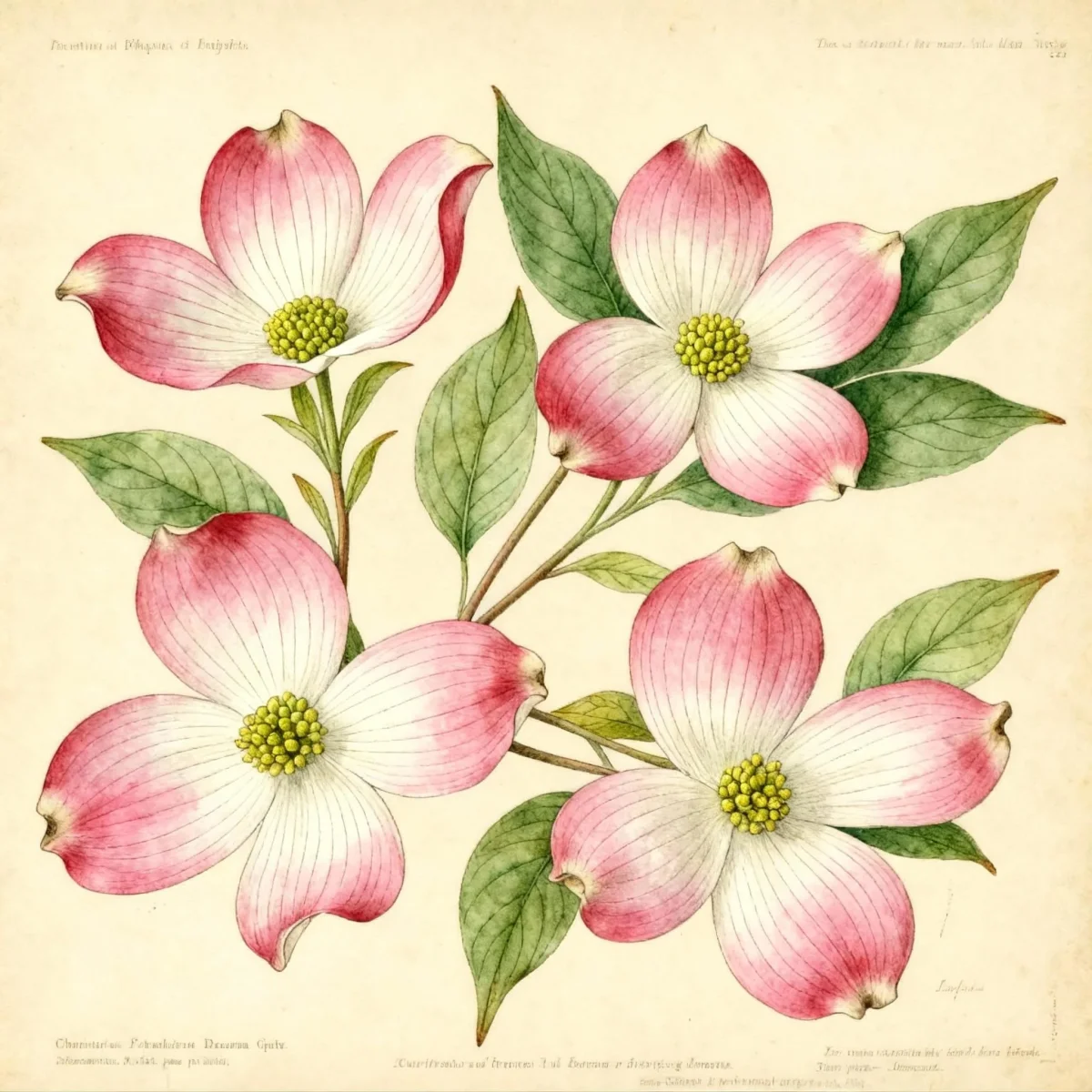
Cornus florida, commonly known as flowering dogwood, is a small deciduous tree that typically grows 15-30’ tall with a low-branching, broadly-pyramidal but somewhat flat-topped habit. It arguably may be the most beautiful of the native American flowering trees. Forma rubra has pink to reddish pink, petal-like bracts which open flat, giving the appearance of a single, large, 3-4” diameter, four-petaled, pink flower. Oval, dark green leaves (3-6” long) turn attractive shades of red in fall, complementing the persistent red fruits loved by birds.
Tolerances
- Deer
- Clay Soil
- Black Walnut
Potential Problems
Flowering dogwood, when stressed by improper siting or drought, becomes susceptible to various diseases, the most serious being dogwood anthracnose. This fungal disease can cause devastating cankers and leaf spots. To mitigate risk, ensure excellent air circulation and avoid overhead watering. Plants are also susceptible to powdery mildew, leaf spot, canker, root rot, and leaf and twig blight. Stressed trees also become vulnerable to borers; regular mulching and careful watering are the best preventative measures against stress-related issues.
Frequently Asked Questions
What hardiness zones is Flowering dogwood suitable for?
The Cornus florida f. rubra is suitable for USDA Hardiness Zones 5 through 9.
How large does Flowering dogwood grow?
This small tree typically matures to a height and spread between 15 and 30 feet.
When does Flowering dogwood bloom?
The signature pink blooms of the Cornus florida f. Rubra appear from April into May, featuring pink to reddish pink bracts.
What sun exposure does Flowering dogwood need?
It prefers an environment ranging from full sun to part shade, thriving where it is protected from the harshest afternoon intensity.
Conclusion
The Pink Flowering dogwood, Cornus florida f. rubra, offers irreplaceable structure and spectacular spring color to the North American landscape. Its beauty, combined with its value to wildlife, makes it a treasure for woodland or specimen planting. Before adding this gem to your yard, confirm you can meet its need for consistently rich, acidic, and well-drained soil, and check local disease pressure related to dogwood anthracnose.
Companion Planting for Pink Flowering Dogwood
Because Cornus florida f. Rubra prefers acidic, organically rich, well-drained soil and often thrives in dappled light, thoughtful companion planting enhances its environment. Consider native woodland edge species that share similar cultural demands, such as Rhododendrons and Azaleas, especially those with lower growth habits that won’t compete for light. Groundcovers like Wild Ginger (Asarum) or various native violets establish nicely beneath the canopy, suppressing weeds and retaining critical soil moisture.
When pairing plants, avoid those that require heavy fertilization or constantly soggy soil, as these conditions can quickly stress the dogwood. Focusing on low-growing, shade-tolerant perennials ensures that competition for air flow and sunlight remains balanced, promoting robust health for your Flowering dogwood.
Wildlife Benefits
The aesthetic appeal of the Cornus florida f. Rubra extends into significant functional benefits for local fauna. The bright red fruits produced after the bloom period are a vital late-season food source for many species of songbirds, including robins and cedar waxwings. Although the fruit is bitter and inedible for people, birds readily consume them, helping distribute the seeds throughout the native range.
Furthermore, the dense, tiered branching structure provides excellent cover and nesting sites for smaller birds throughout the year. While the primary attraction is visual, establishing native trees like the Flowering dogwood in your garden contributes directly to supporting regional biodiversity and creating functional habitat layers.