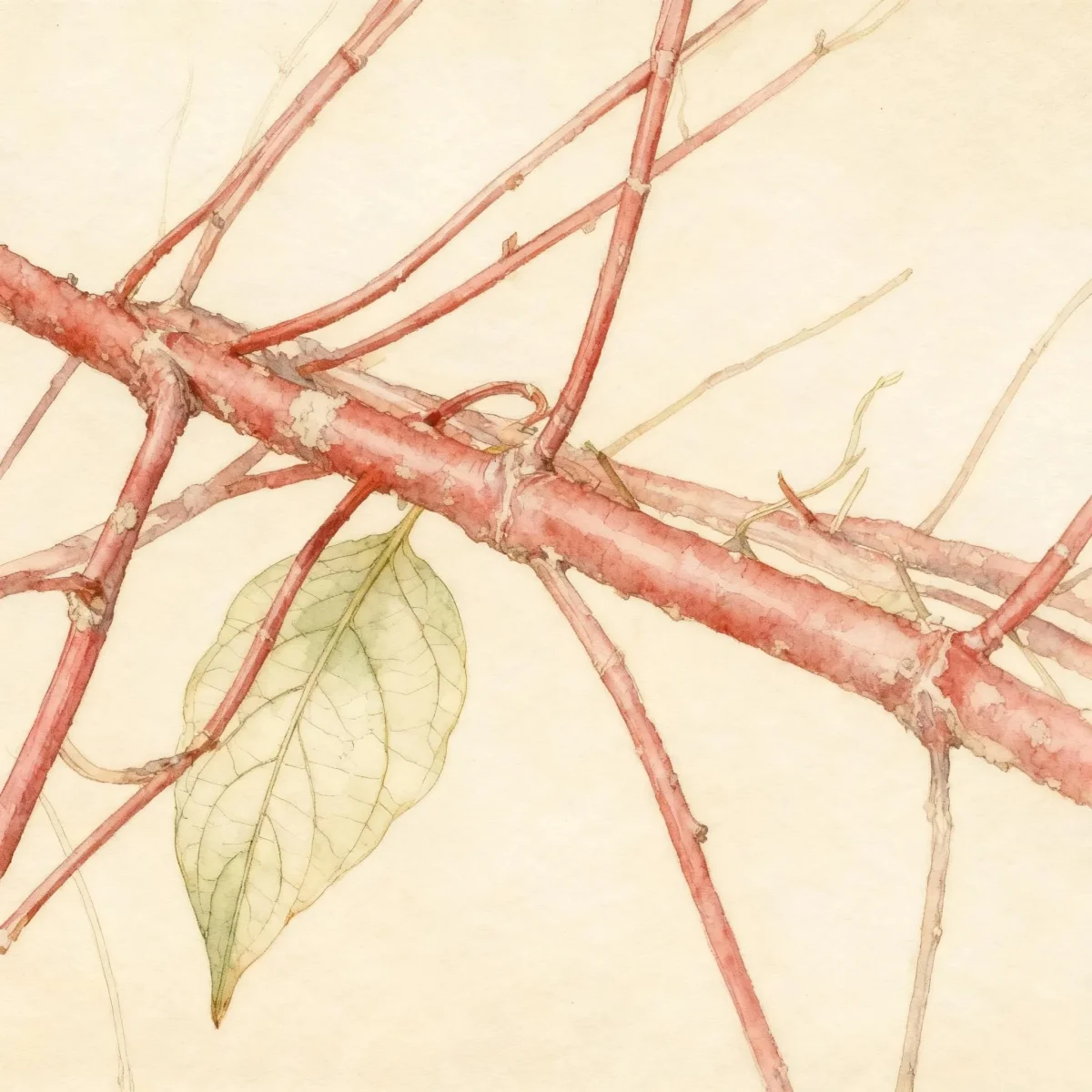
Evergreen dogwood (Cornus capitata)
Discover the Evergreen dogwood (Cornus capitata), a low-maintenance broadleaf evergreen from the Himalayas, valued for its creamy summer bracts.

Bloom Boldly, No Matter the Season - Sweatshirt
Cozy organic cotton sweatshirt featuring our exclusive Purple Coneflower design. Perfect for gardeners who bloom year-round.
Inspired by the beautiful Evergreen dogwood
Limited first batch (50) — join the waitlist for early access
Waitlist closes Feb 15, 2026.
Complete Plant Information
Field Guide Continues
Ready for care notes, companion picks, and planting tips?
The map is just the start. The full guide below covers growth habits, seasonal performance, and landscape uses.
Overview
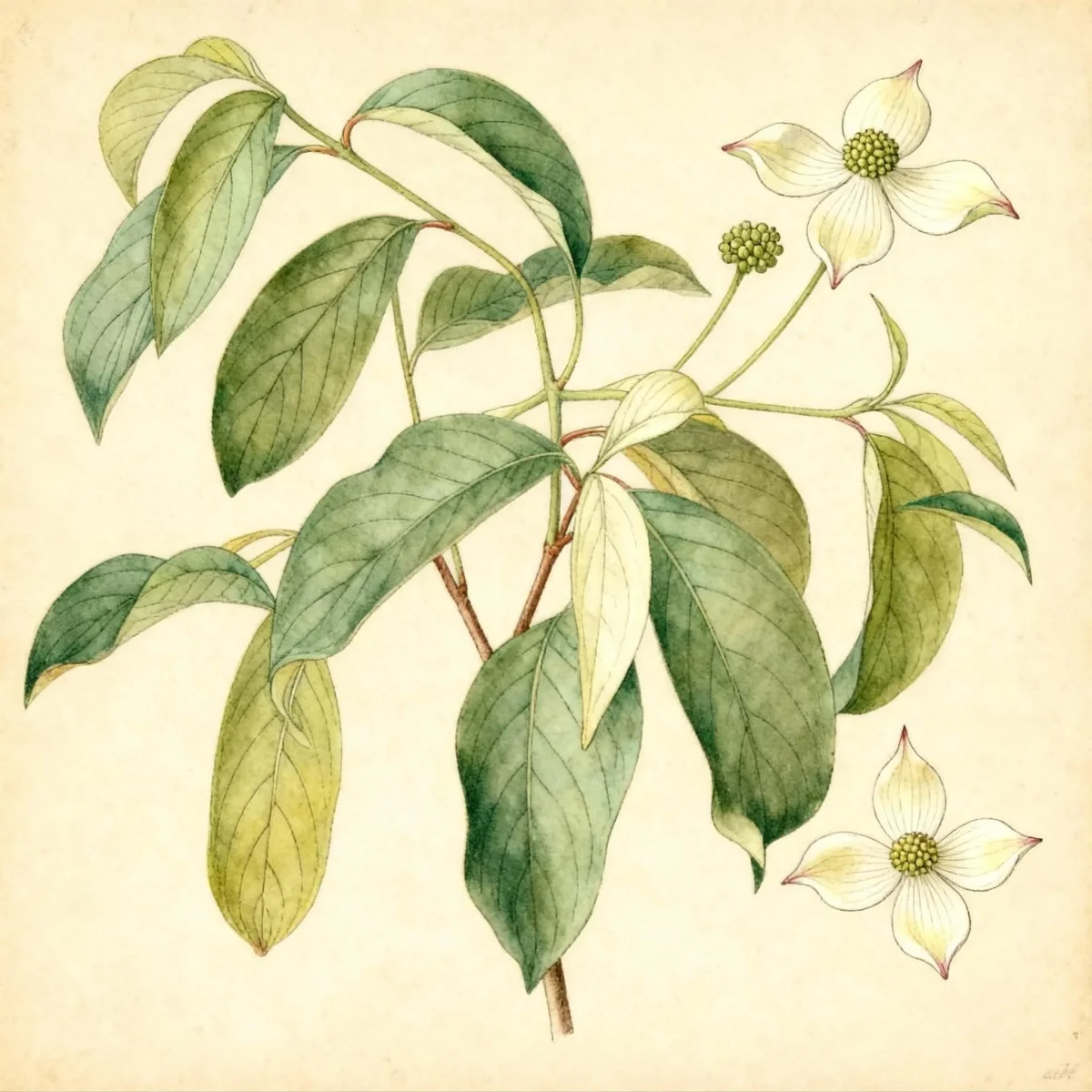
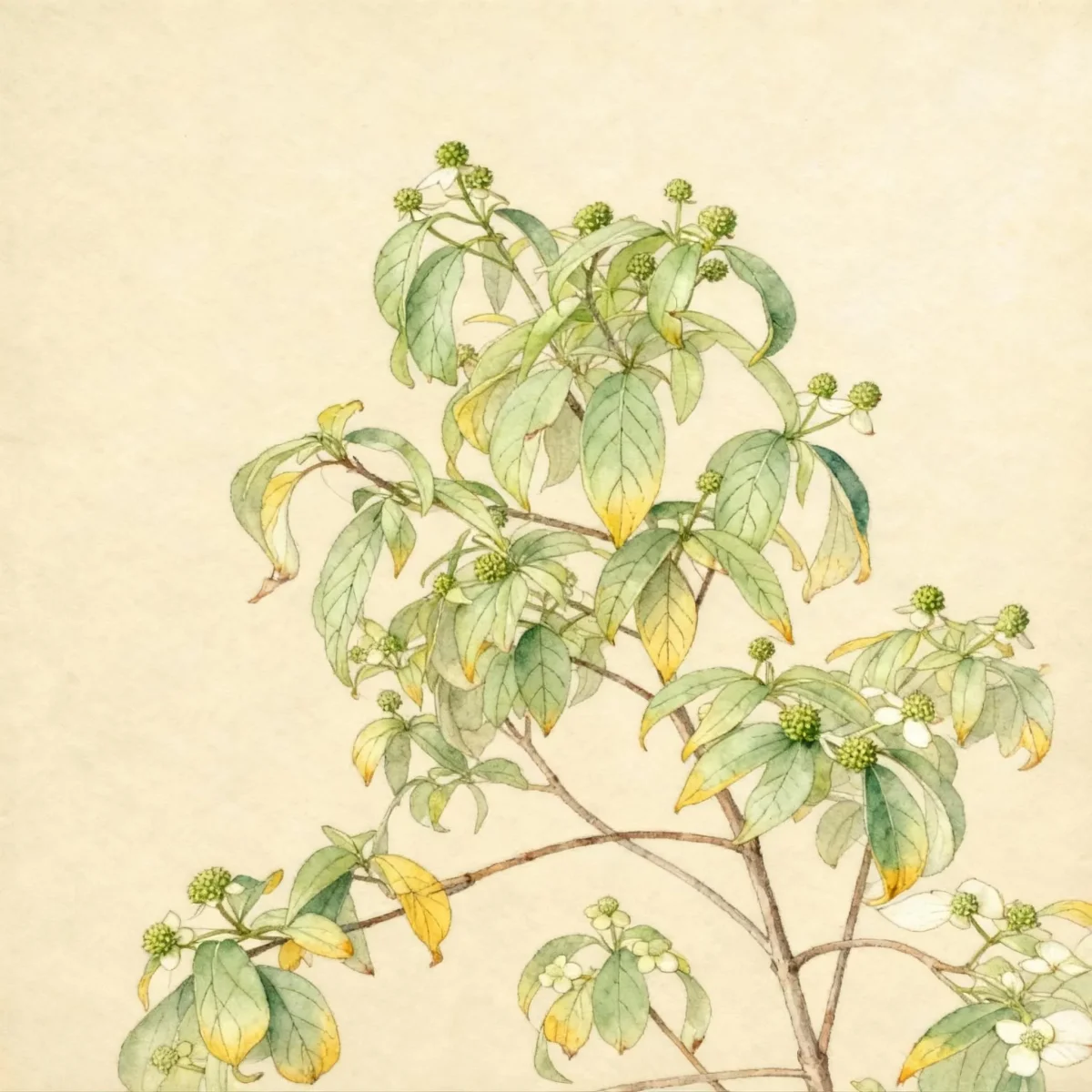
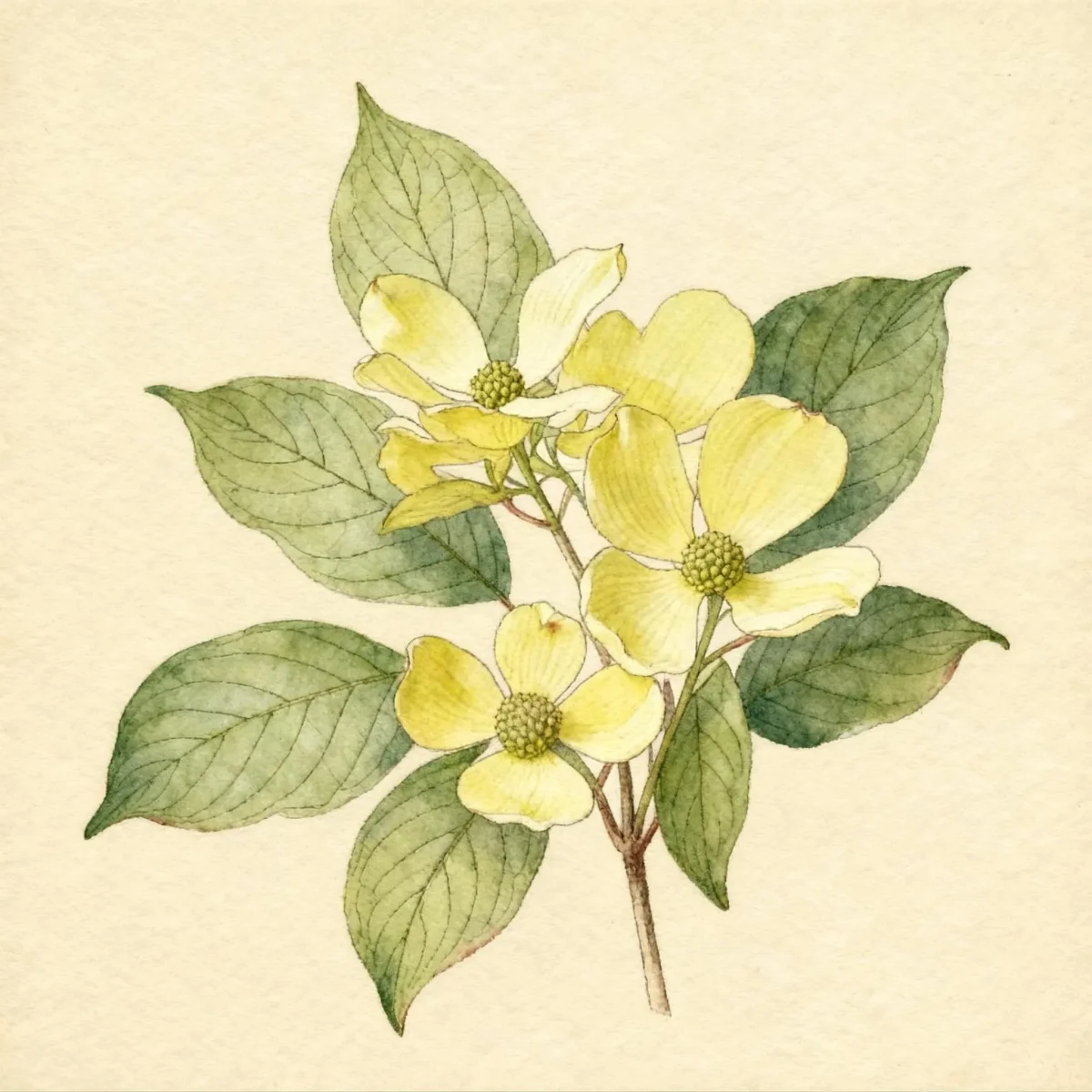
The Evergreen dogwood, Cornus capitata, offers gardeners an architectural, slow-growing specimen tree that stands out due to its evergreen foliage, a rare trait among popular dogwoods. Native to the Himalayas and China, this unique tree features leathery, dark green leaves that often persist through minimal winter cold in its habitable zones. Its principal ornamental highlight arrives in early summer when it displays clusters of creamy white, petal-like bracts surrounding the true flowers, much like its flowering cousins.
This plant provides year-round structure and is relatively low maintenance once established, making it an excellent choice for sheltered coastal environments or mild woodland edges. Beyond its beautiful early summer display, Cornus capitata is rewarded in the fall with attractive, fleshy, strawberry-like fruits that are highly appealing to local bird populations. Gardeners value the Evergreen dogwood for its unique texture and comparatively robust health profile when sited correctly.
Fast Facts
- Plant Family: Cornaceae
- Plant Type: Broadleaf evergreen
- Native Range: Himalayas, China
- Hardiness Zones: USDA Zones 8-9
- Size at Maturity:
- Height: 20-40 ft
- Spread: 20-40 ft
- Bloom Time: June to July
- Bloom Description: Creamy white to pale yellow bracts
- Sun Exposure: Full sun to part shade
- Water Needs: Medium
- Maintenance Level: Low
How to Grow
Best establishment for Cornus capitata occurs when planted in spring or fall, allowing the roots to settle before extreme weather hits. This tree demands organically rich, well-drained, sandy soils to thrive. Ensure the planting site offers consistent medium moisture, avoiding spots subject to drying winds or heavy summer humidity.
Care requirements for the Evergreen dogwood are minimal, reflecting its low maintenance rating. Water regularly until the tree is fully established, maintaining even soil moisture during dry spells. Given its best growth occurs in sheltered western coastal areas, provide protection from harsh midday sun and drying winter winds if possible when planting in Zone 9.
It is crucial to note that Cornus capitata dislikes the heat and humidity prominent in the southeastern U.S. and will not succeed in regions like St. Louis, confirming its preference for cooler oceanic microclimates within Zones 8 and 9. Pruning should generally be avoided, focusing instead on removing only dead or damaged wood immediately.
Landscape Uses
The Cornus capitata is primarily recommended as a specimen tree where its unique form and summer bloom can be fully appreciated. Planting one or two on residential property near patios or viewing areas maximizes the impact of its showy bracts and later fruit display. It works beautifully near home foundations or as a focal point in a large lawn area.
As an evergreen tree, it also performs well planted in small groupings to provide screening or year-round visual interest within shrub borders. When placed within woodland gardens or naturalized settings, the Evergreen dogwood blends its substantial foliage with native understory plantings. Its attractive fall fruits make it a natural inclusion in bird gardens.
Standout Features
Flower Qualities
- Showy
Noteworthy Characteristics
Cornus capitata is noted as an evergreen to semi-evergreen tree native to the Himalayas, often reaching heights between 20 to 40 feet. Its leathery, ovate to lanceolate leaves are dark green above and gray-green beneath, sometimes showing reddish tones before dropping as new spring growth emerges. The showy creamy white to pale yellow bracts surround the true flowers in early summer, followed by large, fleshy, strawberry-like berries that are both ornamental and beneficial for birds.
Tolerances
- Deer
Potential Problems
A significant advantage of growing Cornus capitata is its resistance to common issues plaguing other dogwoods. This tree has no known serious insect or disease problems documented in cultivation. Specifically, it appears to escape the devastating anthracnose issues that commonly affect Cornus florida plantings in many regions. Gardeners should remain vigilant for signs of stress related to improper siting, such as leaf scorch from excessive unrelieved heat or poor drainage causing root issues, though primary pest/disease pressure is low.
Frequently Asked Questions
What hardiness zones is Evergreen dogwood suitable for?
The Evergreen dogwood (Cornus capitata) is winter hardy in USDA Zones 8 through 9.
How large does Cornus capitata grow?
This flowering tree typically matures between 20 and 40 feet in height, with a matching spread of 20 to 40 feet, forming a rounded canopy.
When does Evergreen dogwood bloom?
Cornus capitata blooms during the summer, specifically from June into July, displaying its creamy white to pale yellow floral bracts.
What sun exposure does Cornus capitata need?
It performs best when grown in sites receiving full sun or partial shade.
Conclusion
The Cornus capitata, or Evergreen dogwood, offers a fantastic, low-maintenance solution for providing year-round structure and summer floral interest in milder climates. Its relative freedom from serious diseases makes it a reliable landscape asset compared to some other dogwood varieties. Before planting, confirm your location falls within USDA Hardiness Zones 8 or 9 and plan for rich, well-drained soil to welcome this beautiful Himalayan native.
Companion Planting
When planning your garden beds around the Cornus capitata, utilize plants that share its preference for slightly acidic, well-drained soil and medium moisture conditions. Consider pairing it with shade-tolerant woodland perennials during the summer, such as Hellebores or Astilbe, particularly if the tree is sited in a location receiving afternoon shade. For areas receiving full sun, use low-growing evergreen shrubs like Japanese Andromeda (Pieris japonica) nearby to maintain visual interest during the winter months when the Cornus capitata might drop some foliage.
Wildlife Benefits
This Cornus capitata is an excellent addition for attracting local fauna, particularly avians. The fleshy, edible berries ripen in the fall, providing a crucial late-season food source for numerous bird species. While its summer bracts attract general pollinators, the tree is especially valuable for contributing substantial caloric resources later in the year when many other fruits have already disappeared. Planting the Evergreen dogwood enhances biodiversity in residential landscapes.