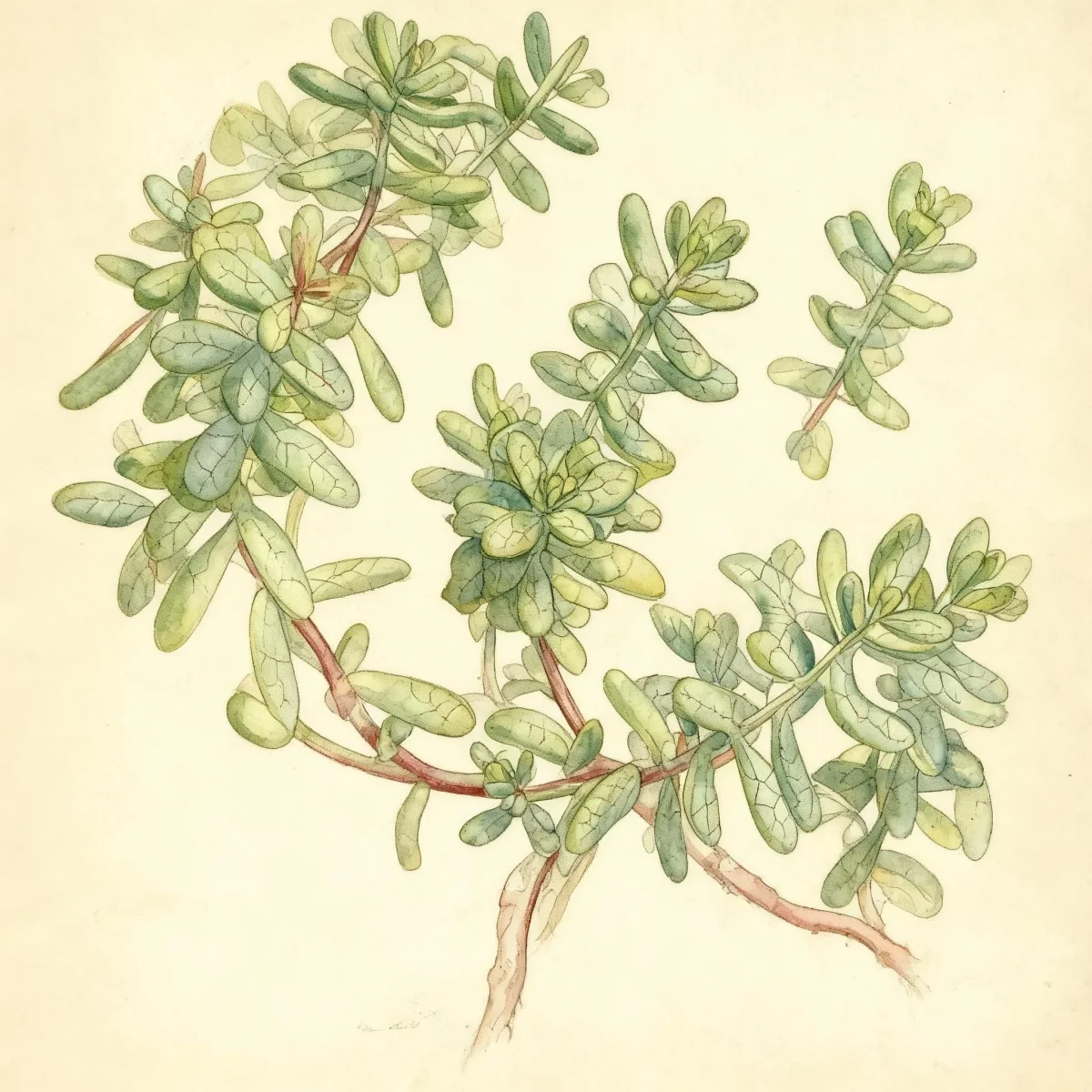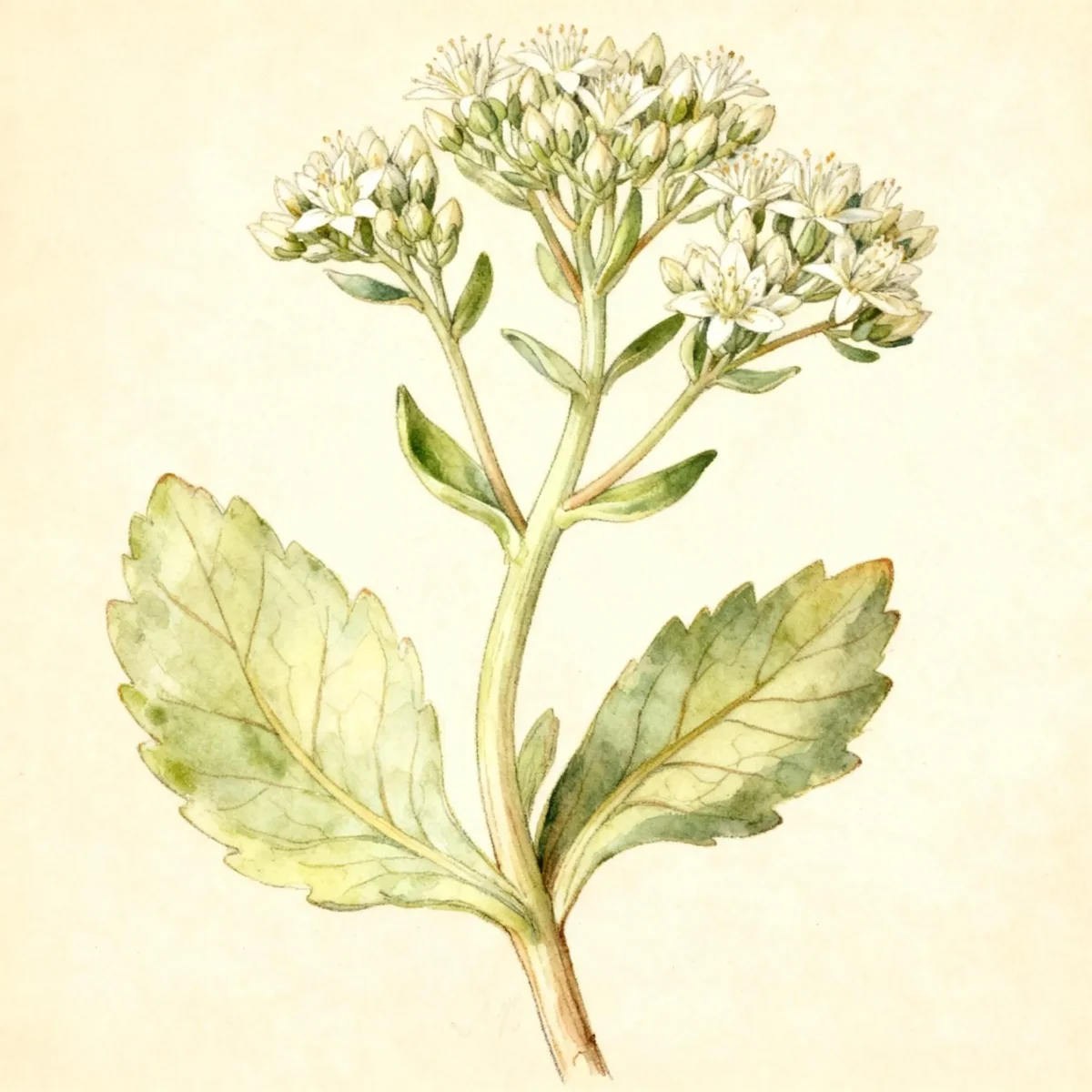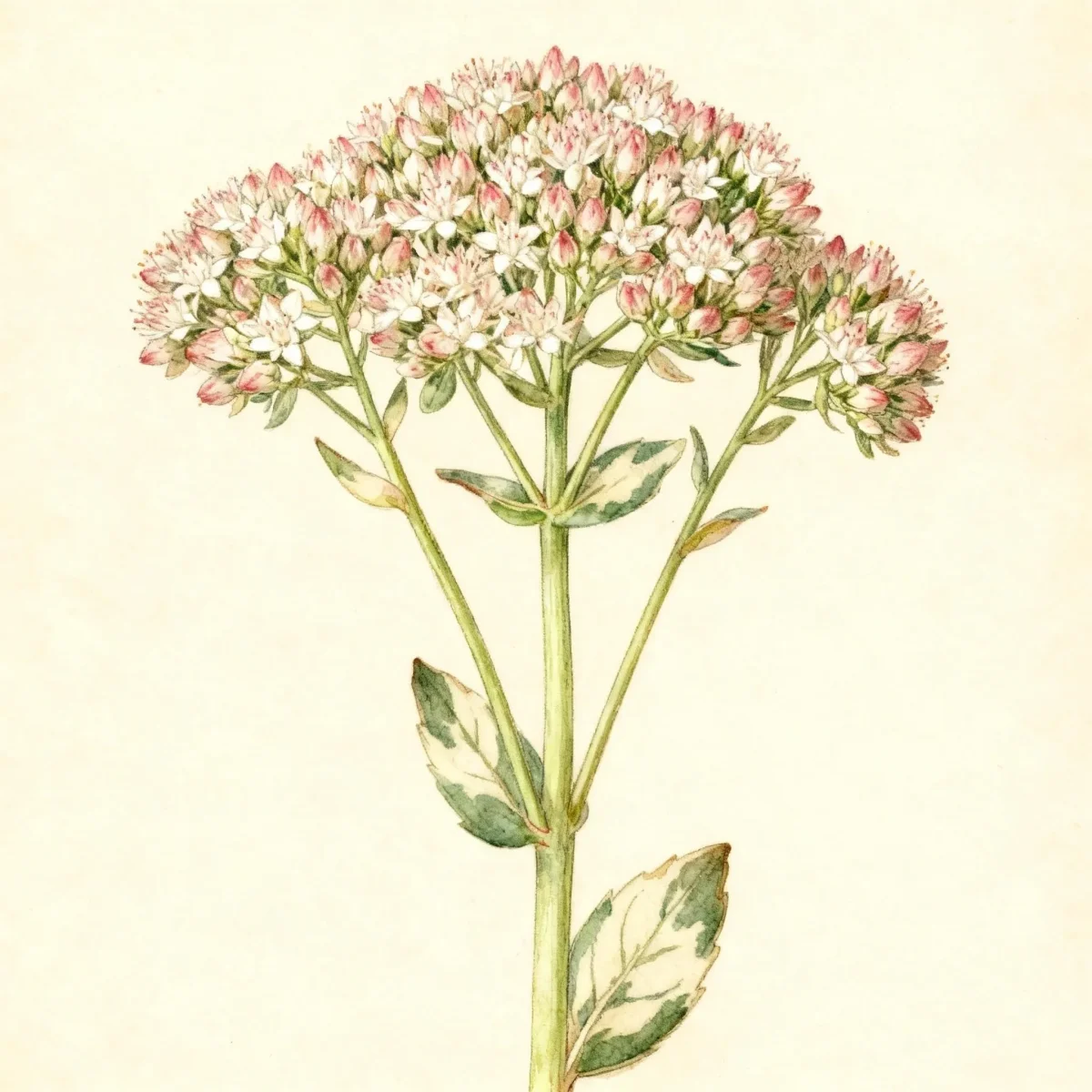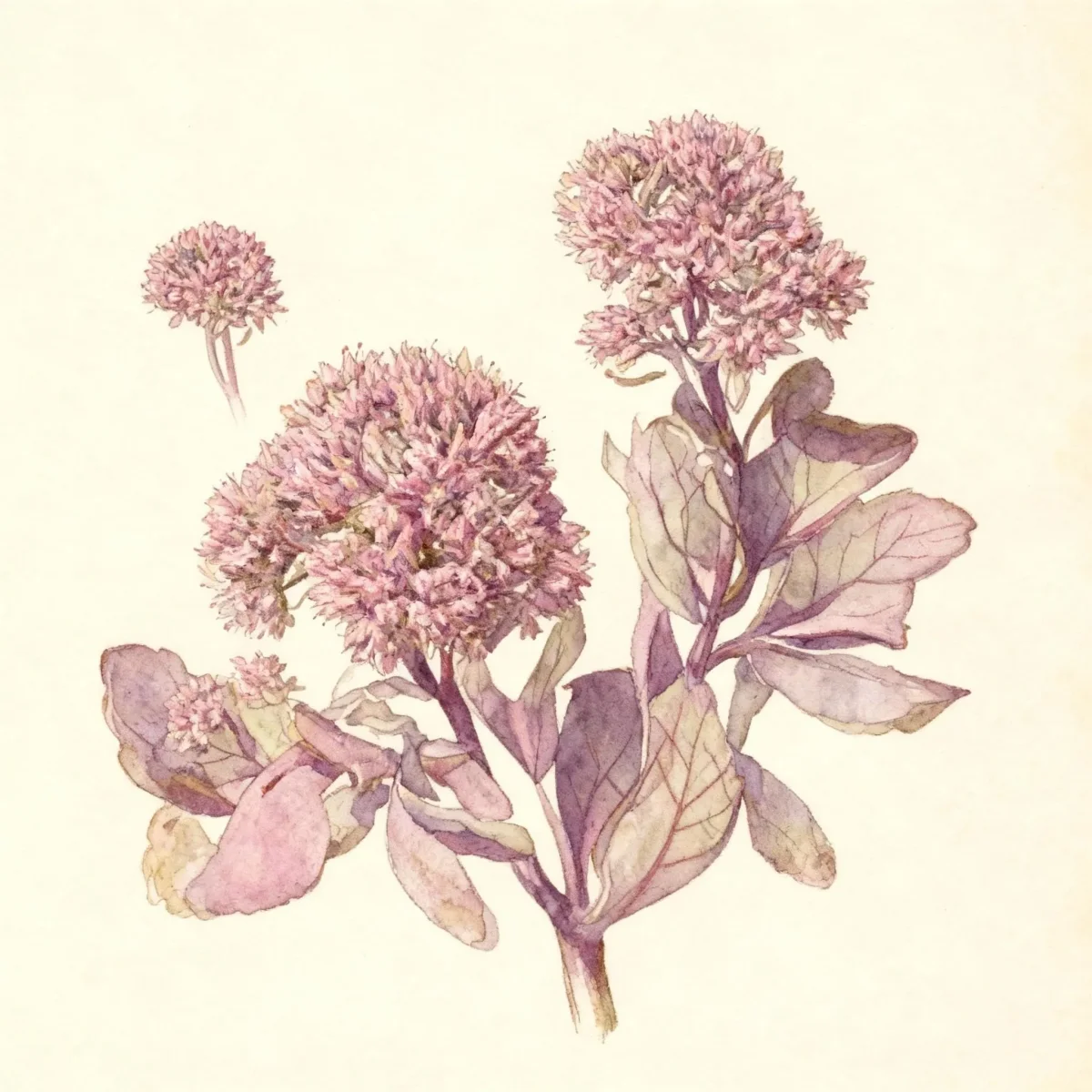

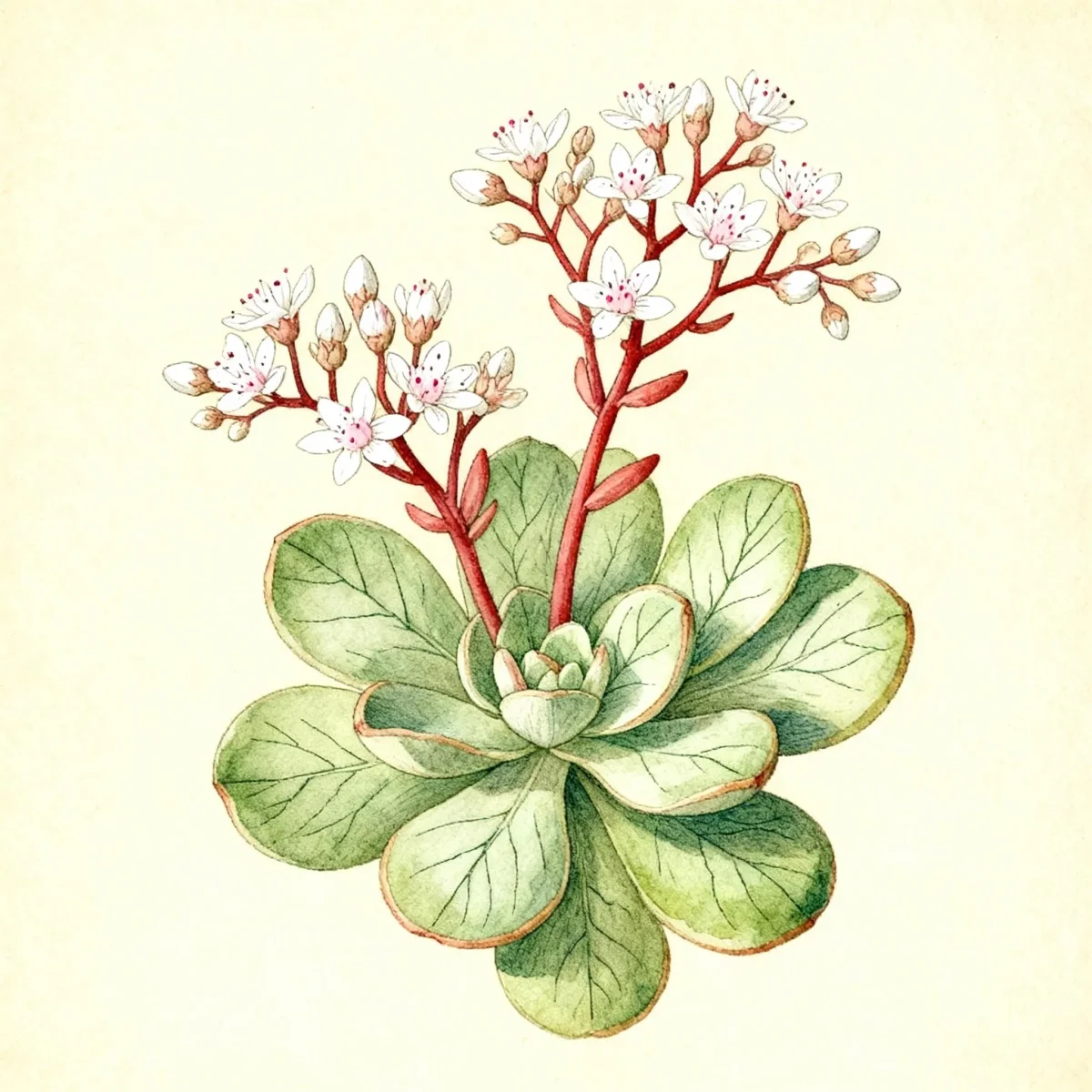
White stonecrop (Sedum album)
Sedum album, White stonecrop, is a low-maintenance, mat-forming succulent ideal for ground cover in dry, sunny locations, blooming white in summer.

Bloom Boldly, No Matter the Season - Sweatshirt
Cozy organic cotton sweatshirt featuring our exclusive Purple Coneflower design. Perfect for gardeners who bloom year-round.
Inspired by the beautiful White stonecrop
Limited first batch (50) — join the waitlist for early access
Waitlist closes Feb 15, 2026.
Complete Plant Information
Field Guide Continues
Ready for care notes, companion picks, and planting tips?
The map is just the start. The full guide below covers growth habits, seasonal performance, and landscape uses.
Overview
Sedum album, or White stonecrop, is a highly dependable, mat-forming succulent valued for its dense, low growth habit and exceptional hardiness. This evergreen stonecrop creates a tight green carpet in the garden, offering texture and year-round visual interest. Its practicality lies in its minimal needs, thriving where many other plants struggle.
The plant is characterized by its small, plump, succulent leaves which often take on attractive reddish tints during cooler weather. In the summer, masses of tiny, star-like white flowers emerge, providing a delicate contrast to the foliage mat. White stonecrop is a fantastic choice for those seeking robust ground cover that requires very little attention once established.
As a drought-tolerant perennial, Sedum album naturally spreads via prostrate stems that root easily wherever they touch the soil, making it simple to propagate and cover large, difficult areas. For gardeners struggling with poor, dry, or rocky soil conditions, this plant offers a reliable, attractive solution.
Fast Facts
- Plant Family: Crassulaceae
- Plant Type: Herbaceous perennial
- Native Range: Europe, western Asia, northern Africa
- Hardiness Zones: USDA Zones 3-8
- Size at Maturity:
- Height: 0.25-0.5 ft
- Spread: 1-1.5 ft
- Bloom Time: June to August
- Bloom Description: White
- Sun Exposure: Full sun
- Water Needs: Dry to medium
- Maintenance Level: Low
How to Grow
For optimal performance, plant Sedum album in average to dry, extremely well-drained soils during the spring or early fall. While it tolerates very light shade, full sun exposure ensures the compact growth and rich color this stonecrop is known for. It specifically prefers sandy or gravelly substrates with low to moderate fertility, mirroring its preference for rocky, native European environments.
Care requirements are notably low. Once established, White stonecrop is highly drought and heat tolerant, requiring supplemental water only during extended dry spells. Avoid overly rich soils and excessive moisture, as this can lead to rot or a leggier growth habit. Fertilization is rarely necessary; the plant thrives on neglect.
Spreading is a key feature; the prostrate stems root readily at the nodes, allowing the mat to expand readily. If propagation is desired, simply detach stems or leaves; detached leaves can often root to form entirely new plants. There is little need for pruning, though you may trim back any overly aggressive runners if the plant attempts to encroach on nearby paths or beds. Ensure excellent winter drainage, as prolonged wet feet in winter are the primary threat to this hardy species.
Landscape Uses
The primary and most effective use for Sedum album is as a tough, living mulch or ground cover. Its dense, spreading habit makes it ideal for mass plantings where rapid coverage is needed or where mowing is impractical. Consider planting white stonecrop in large drifts along borders or over slopes where its spreading nature can be beneficial rather than invasive.
Its tolerance for shallow, rocky soil opens up unique design opportunities. Utilize Sedum album in rock gardens, nestled between stepping stones where it softens hardscape edges, or along the top of dry stone walls where it can drape slightly over the face. It also performs exceptionally well in green roof installations due to its shallow rooting depth and extreme drought tolerance.
For contrast, pair the bright green, sometimes reddish, foliage of White stonecrop with slightly taller, contrasting textures, such as ornamental grasses or plants with darker, coarser foliage. It looks excellent juxtaposed against paving materials or gravel paths, emphasizing its role as a resilient, low-profile accent plant in sunny, dry areas of the garden.
Standout Features
Flower Qualities
- Showy
Noteworthy Characteristics
The tiny, star-like white flowers of Sedum album bloom abundantly in mid-summer, clustered in delicate paniculate cymes that sit just above the dense green foliage mat. These flowers are noted for attracting various butterflies, adding a beneficial wildlife component to its low-growing profile. The species name honors these flowers, being derived from the Latin word for white.
Tolerances
- Rabbit
- Deer
- Drought
- Dry Soil
- Shallow-Rocky Soil
- Air Pollution
Potential Problems
This plant boasts extremely good resilience against pests and diseases, making it a favorite for low-maintenance gardens. The most commonly cited issues involve mollusks. Gardeners should actively watch for slugs and snails, particularly when new growth is tender, as they can chew noticeable holes in the succulent leaves.
Scale insects occasionally pose a minor threat, typically targeting older stems or dense foliage mats. Management usually involves improving air circulation by thinning dense patches or applying horticultural oil if the infestation is severe. Protecting Sedum album from excessive moisture, especially during winter dormancy, is the best preventative measure against fungal issues.
Frequently Asked Questions
What hardiness zones is White stonecrop suitable for?
Sedum album is suitable for USDA Hardiness Zones 3 through 8, offering excellent resilience across much of the temperate landscape.
How large does White stonecrop grow?
This perennial typically reaches a mature height between 0.25 and 0.5 feet, spreading horizontally to cover an area between 1 and 1.5 feet wide.
What sun exposure does Sedum album need?
Sedum album thrives best when positioned in full sun, although it can successfully tolerate very light, filtered shade.
When does Sedum album bloom?
Flowering for this stonecrop occurs primarily from June to August, presenting masses of small white blossoms above the foliage.
Conclusion
Sedum album is a superstar for challenging, sunny sites, delivering reliable ground cover with virtually no fuss regarding fertility or water once established. The combination of drought tolerance, evergreen foliage, and delicate summer blooms makes White stonecrop an irreplaceable succulent for rockeries and dry borders. Assess your site’s drainage immediately; if you have sun and poor soil, plan to plant this resilient Sedum album this coming spring.
Companion Planting
When selecting companions for White stonecrop, focus on plants that share its need for full sun and excellent drainage. Avoid aggressive spreaders that might compete with the low mat of Sedum album. Consider pairing it with other drought-tolerant alpines or creeping herbs. Companion plants that contrast well in texture include Sedum ‘Autumn Joy’ (if taller varieties are acceptable for height variation) or low-growing Thyme varieties. These pairings maintain a Xeriscape aesthetic while providing visual diversity throughout the growing season.
Wildlife Benefits
The mid-summer bloom of Sedum album offers a valuable nectar source when many spring bloomers have faded but summer flowers are just getting started. The mass of tiny white flowers attracts butterflies searching for necessary refueling stops. As an evergreen ground cover, this plant also provides low-level protective cover for small beneficial insects throughout the milder winter months in warmer zones. Utilizing this native succulent supports local insect populations while eliminating the need for intensive maintenance.