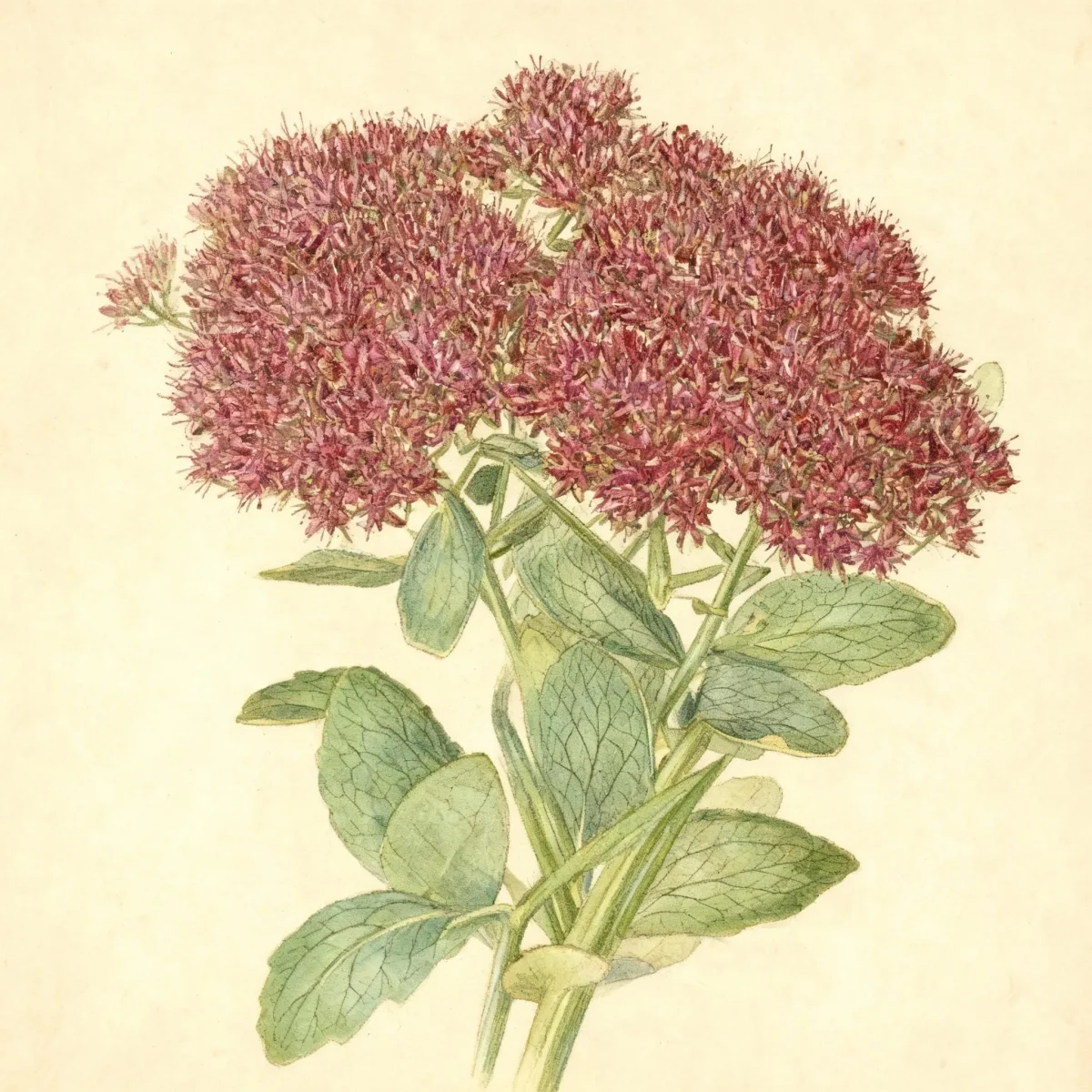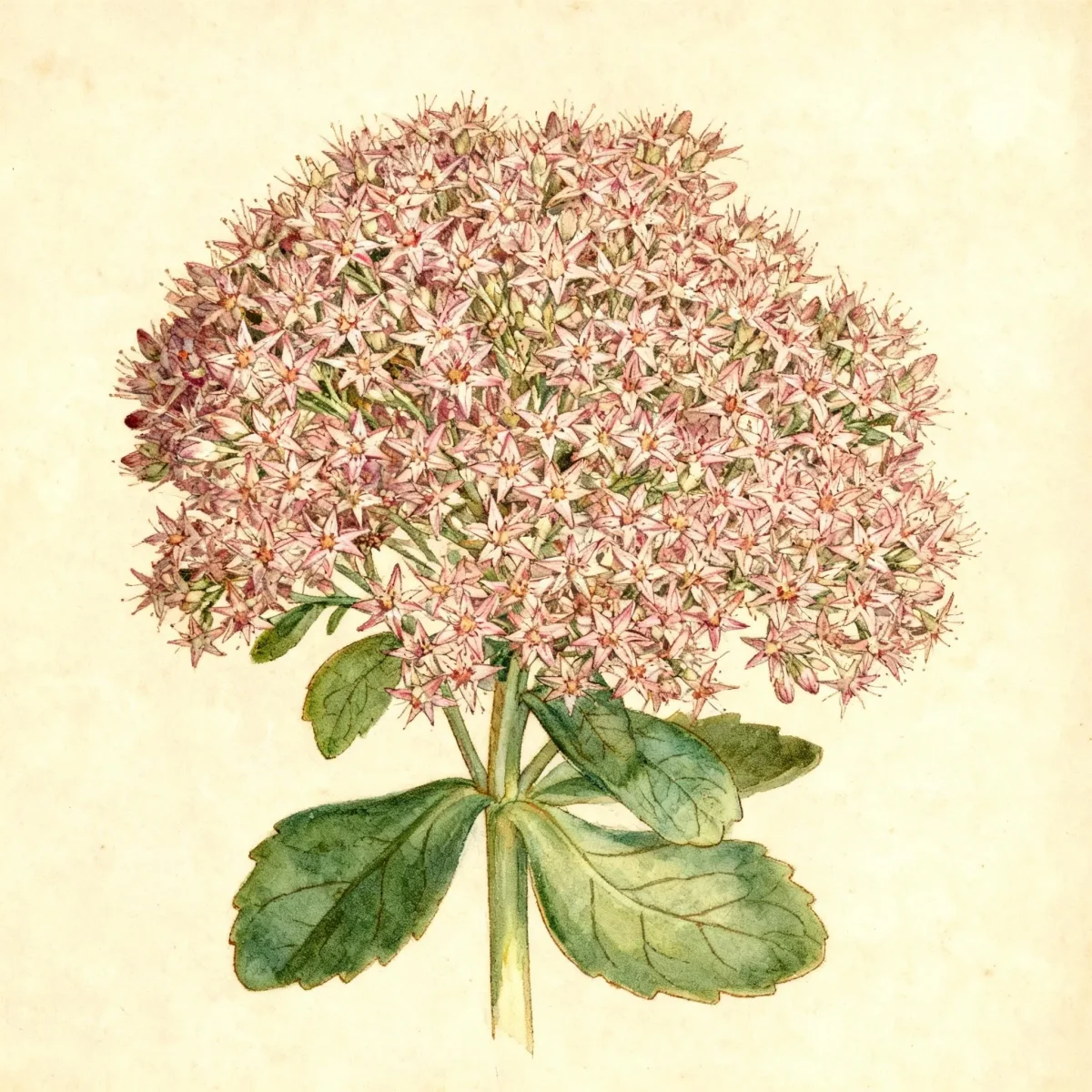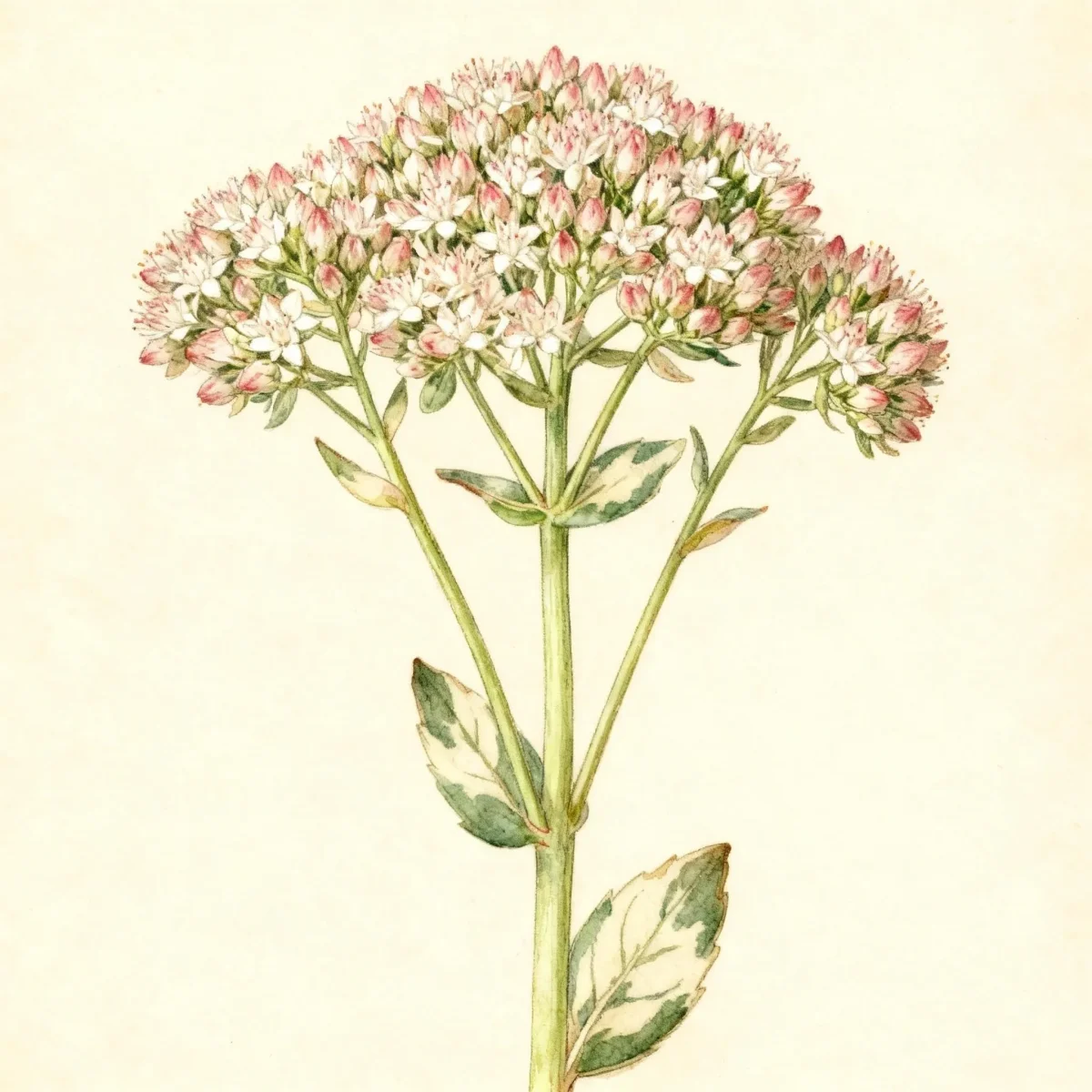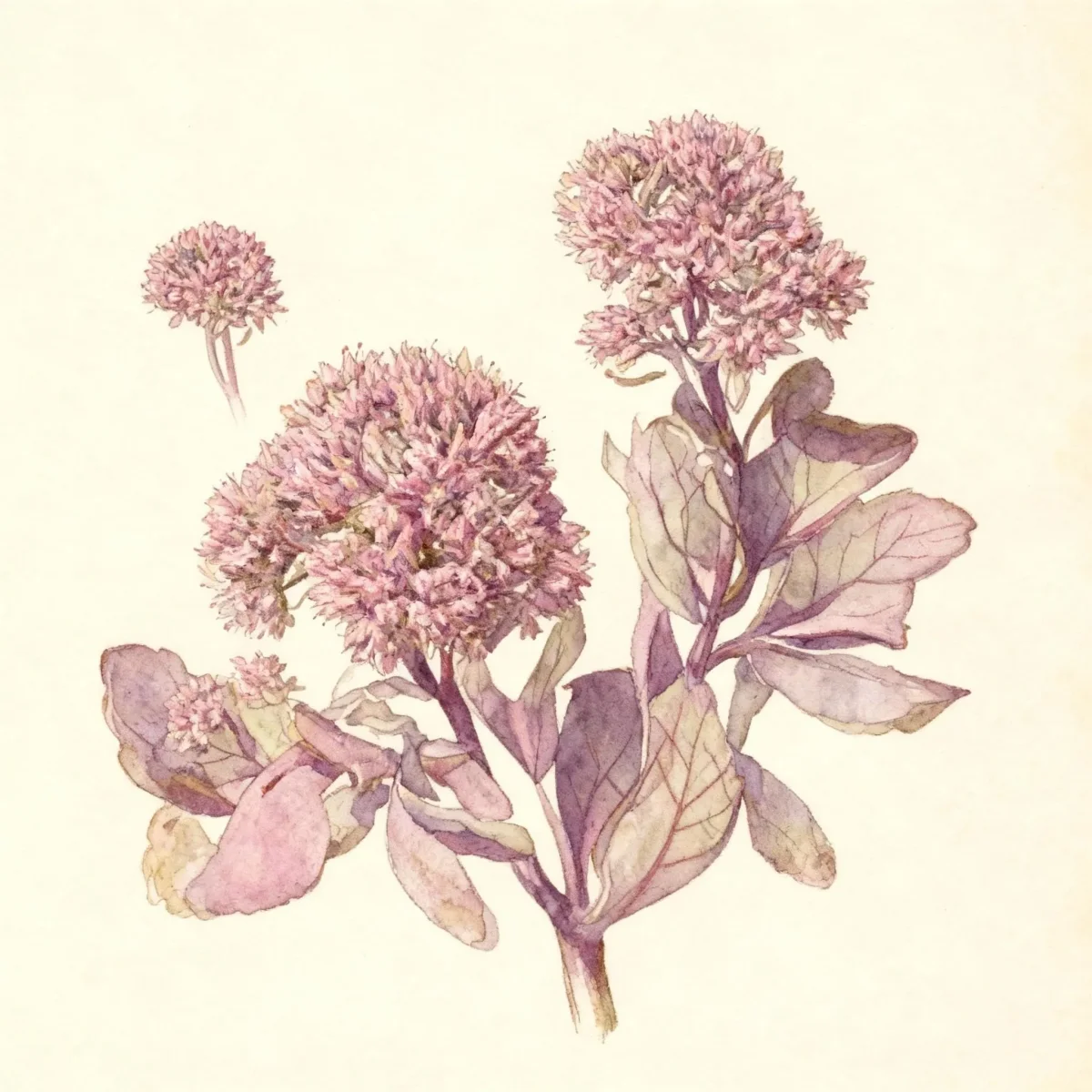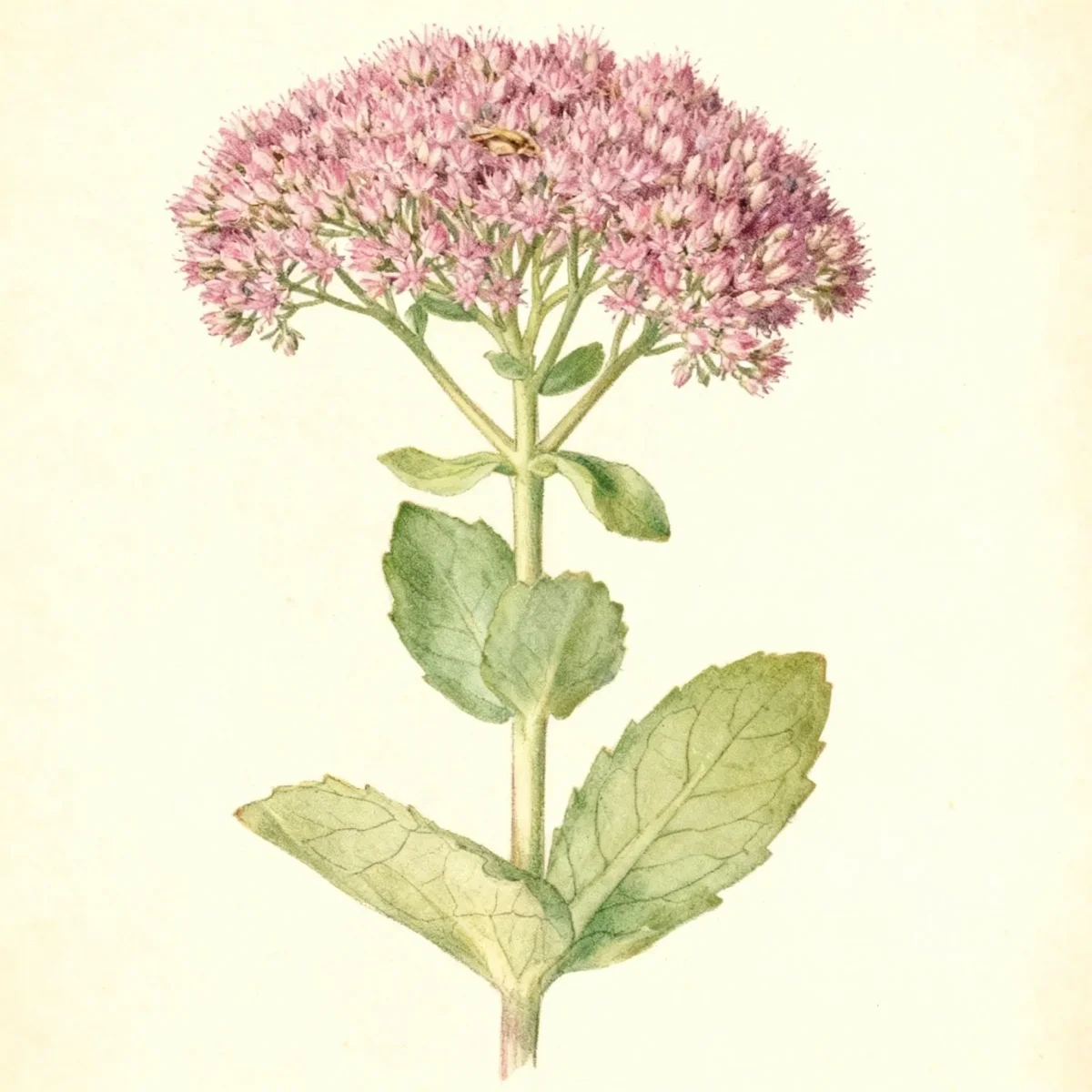

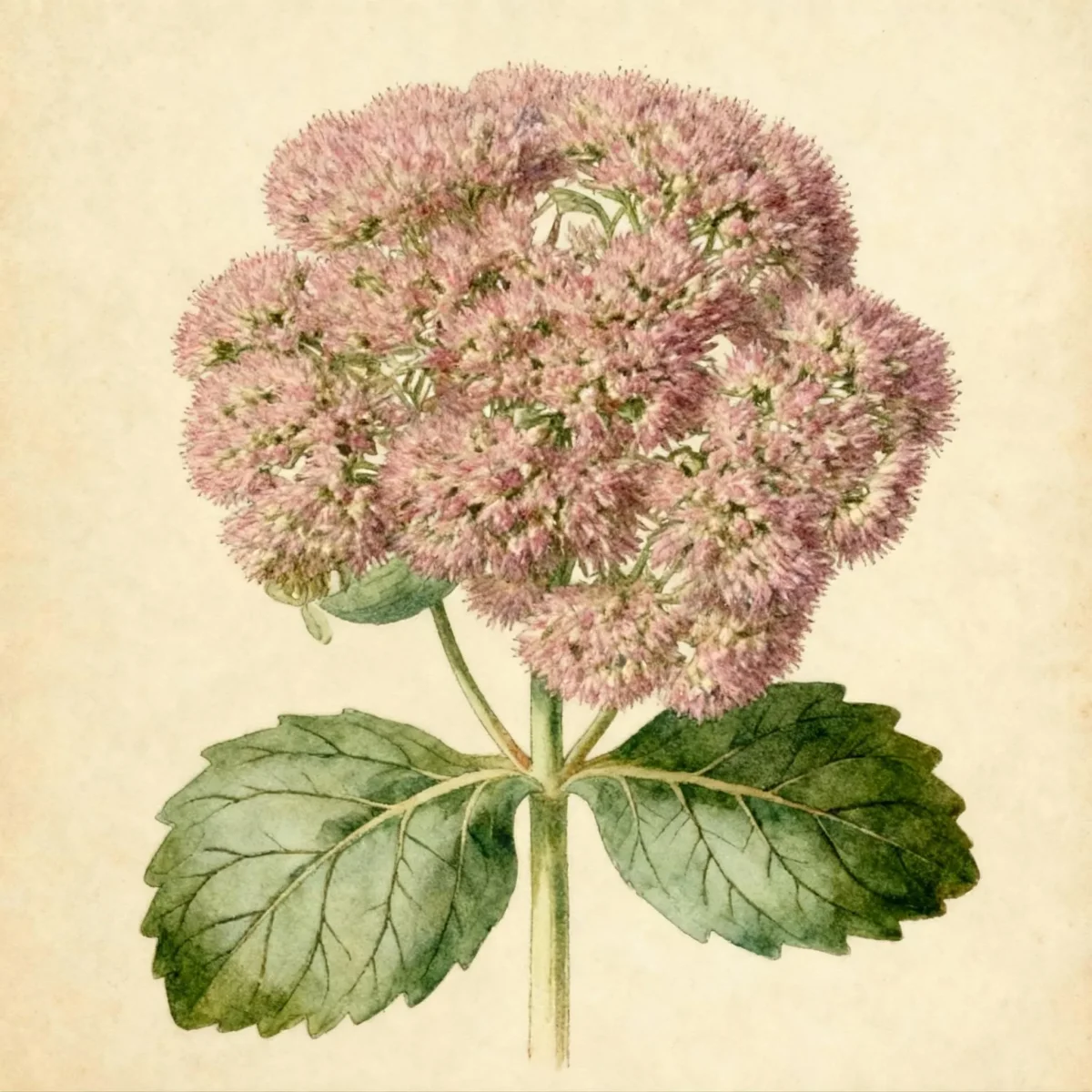
Hylotelephium (Hylotelephium spectabile)
Thriving Hylotelephium spectabile is a low-maintenance, drought-tolerant perennial noted for late-season pink blooms appealing to pollinators.
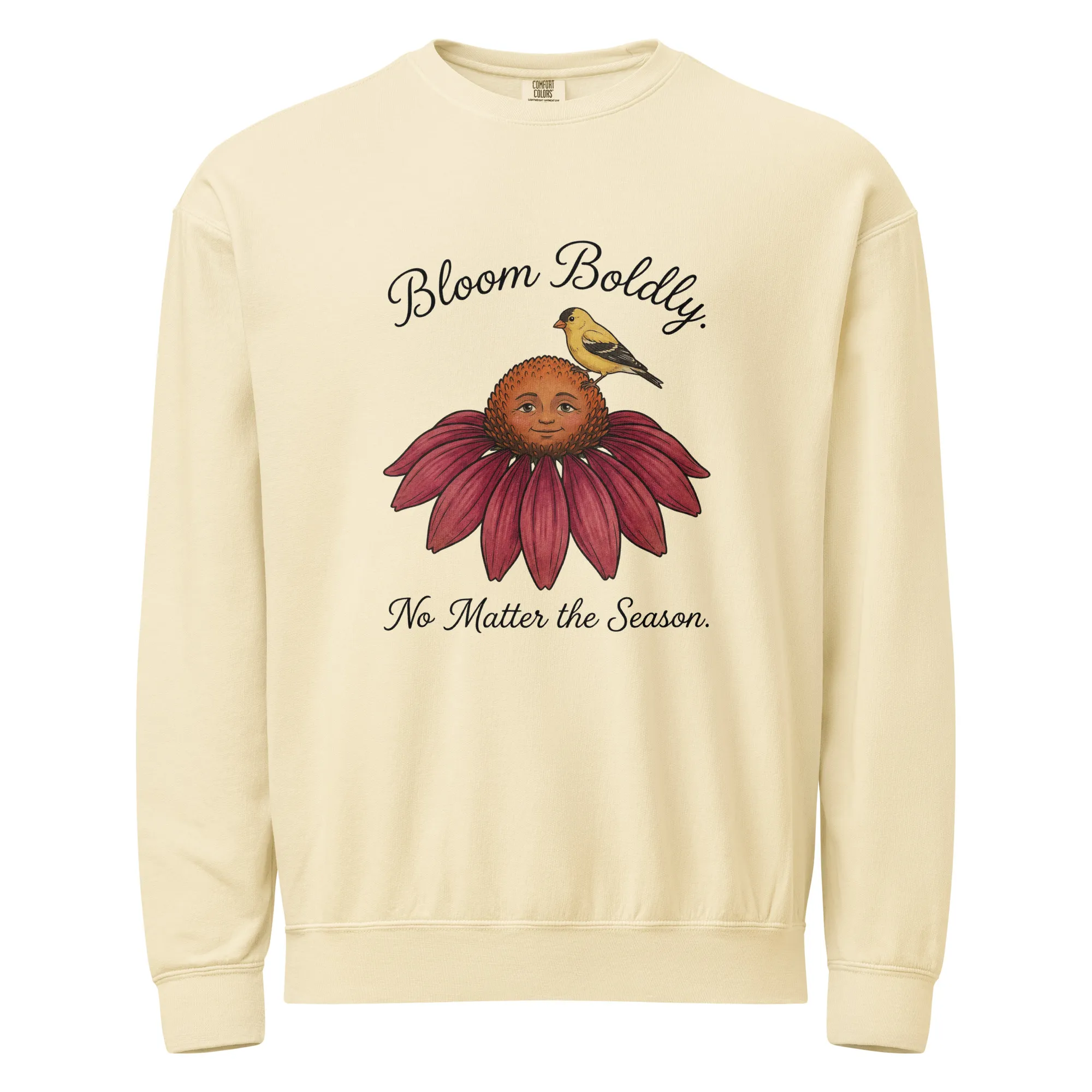
Bloom Boldly, No Matter the Season - Sweatshirt
Cozy organic cotton sweatshirt featuring our exclusive Purple Coneflower design. Perfect for gardeners who bloom year-round.
Inspired by the beautiful Hylotelephium
Limited first batch (50) — join the waitlist for early access
Waitlist closes Feb 15, 2026.
Complete Plant Information
Field Guide Continues
Ready for care notes, companion picks, and planting tips?
The map is just the start. The full guide below covers growth habits, seasonal performance, and landscape uses.
Overview
Hylotelephium spectabile, commonly recognized as Showy Stonecrop, offers reliable late-season interest when many other garden perennials begin to fade. This succulent herbaceous perennial forms sturdy, upright mounds of fleshy foliage, providing excellent texture throughout the growing season. Its main attraction is the dense, rounded heads of pink, star-like flowers that mature from late summer into autumn.
This resilient plant, formerly classified as Sedum spectabile, is remarkably easy to cultivate, making it a staple for gardeners prioritizing low input and high performance. It thrives in less-than-ideal soil conditions where other plants might struggle, provided drainage is adequate. The robust nature of Hylotelephium spectabile ensures a long-lasting display.
Whether used as a specimen or massed in borders, Hylotelephium provides crucial color as the weather cools. Its drought tolerance and adaptability mean that once established, it requires minimal attention, establishing itself as a genuinely low-maintenance garden component.
Fast Facts
- Plant Family: Crassulaceae
- Plant Type: Herbaceous perennial
- Native Range: China, Korea
- Hardiness Zones: USDA Zones 3-9
- Size at Maturity:
- Height: 1.5-2 ft
- Spread: 1.5-2 ft
- Bloom Time: August to October
- Bloom Description: Pink
- Sun Exposure: Full sun
- Water Needs: Dry to medium
- Maintenance Level: Low
How to Grow
Plant Hylotelephium spectabile in the spring or fall, ensuring separation of 1.5 to 2 feet between plants to allow for mature spread. The single most critical factor for success is excellent soil drainage; these plants absolutely require well-drained conditions. They are highly adaptable and thrive even in sandy to gravelly soils of moderate to low fertility.
For general care, water sparingly once established, relying on rainfall unless experiencing prolonged drought. Overwatering or planting in soggy soil is the fastest way to cause problems. Fertilization is generally unnecessary; rich soil promotes weak, floppy stems, especially evident on Hylotelephium spectabile if it receives too much nitrogen.
If plants become too tall or floppy—often caused by excessive richness or shade—pinch the growing tips back by early summer to encourage a denser mound. While it tolerates some light afternoon shade in very hot summer regions, full sun is necessary for the stoutest stems and best bloom production. In early spring, simply clean up any remaining dead foliage from the previous season.
Propagation is incredibly easy. Divisions of the crowns work well in the spring. Alternatively, stem cuttings taken during the summer root readily. Remarkably, even detached leaves of Hylotelephium spectabile can often be placed on soil to form new, miniature plants, living up to their common name.
Landscape Uses
The sturdy habit and vibrant late-season flowers make Hylotelephium an excellent structural element in the garden. They work perfectly placed in large rock gardens or along border fronts where their color can be appreciated from a distance. Their uniform height of around two feet suits them well for middle-of-the-border placement against taller shrubs or grasses.
Consider using Hylotelephium spectabile for mass plantings or as impactful groups to create bold swaths of late-season color. Furthermore, their drought tolerance makes them superb choices for xeriscaping or covering dry, difficult slopes where turf or other perennials fail. They also anchor containers beautifully, allowing the succulents to contrast with softer, trailing annuals.
These plants integrate well alongside other robust, sun-loving perennials. Look for companions that share similar low-water needs, such as ornamental grasses, Sedum groundcovers, or hardy Russian Sage. The cooling pink bloom time of Hylotelephium naturally complements golden rudbeckias or deep purple asters blooming concurrently.
Standout Features
Flower Qualities
- Showy
Fruit Qualities
- Showy
Noteworthy Characteristics
Hylotelephium spectabile, commonly known as hylotelephium, showy stonecrop, live-forever, ice plant or orpine, is a succulent herbaceous perennial which typically grows in an upright to semi-upright mound on unbranched stems typically rising to 18-24” tall. It features fleshy, flat, coarsely-toothed, blue-green leaves and tiny, star-like, pink flowers which bloom from late summer to frost in dense rounded flower heads. This plant was formerly known by the synonymous name of Sedum spectabile, but is now assigned to the genus Hylotelephium. The common name stonecrop refers to its tendency to grow on rocky ledges.
Tolerances
- Drought
- Dry Soil
- Shallow-Rocky Soil
Potential Problems
Hylotelephium spectabile is generally celebrated for having no serious insect or disease issues, making it highly reliable. Gardeners should remain vigilant for occasional minor pests. Keep an eye out for slugs and snails, which can chew on the succulent leaves, especially when plants are young.
Scale insects, mealybugs, and aphids may occasionally infest the stems or foliage, particularly if the plant is stressed or overcrowded. Weevils are another possibility in the garden environment, though usually not causing significant long-term damage.
Management is straightforward: ensure excellent air circulation by addressing overcrowding, and treat localized infestations with insecticidal soap or horticultural oil if necessary. Good cultural practices, especially avoiding overly rich soil which encourages weak growth, are the best defense against potential problems.
Frequently Asked Questions
What hardiness zones is Hylotelephium suitable for?
Hylotelephium spectabile is remarkably adaptable, thriving across USDA Hardiness Zones 3 through 9.
How large does Hylotelephium grow?
This perennial typically reaches a mature height of 1.5 to 2 feet tall with a similar spread of 1.5 to 2 feet wide.
When does Hylotelephium bloom?
The eye-catching blooms appear relatively late in the season, typically from August right through October, presenting as pink flowers.
What sun exposure does Hylotelephium need?
For the densest, stoutest growth and best flowering, Hylotelephium spectabile requires full sun exposure.
Conclusion
Hylotelephium spectabile delivers dependable, sturdy structure and essential late-season color with minimal effort required from the gardener. Its ability to tolerate dry, poor soils makes it a truly pragmatic choice for challenging spots in the landscape. Before planting, confirm that your site offers full sun and excellent drainage to ensure this wonderful Hylotelephium performs spectacularly for years to come.
Propagation Tips
One key advantage of growing Hylotelephium spectabile is its exceptional ease of propagation, ensuring you can easily expand your plantings or share divisions. The most common method is plant division, best executed in early spring just as new growth is emerging from the crown. Carefully dig up established clumps and gently separate them into smaller sections, ensuring each piece has a healthy root structure.
Stem cuttings are also highly effective during the active growing season, typically mid-summer when stems are firm but not yet flowering profusely. Select healthy, non-flowering stem tips, cut them to about 4-6 inches long, remove the lower leaves, and plant them directly into a well-draining propagation mix, keeping the medium barely moist.
Even more remarkably, as part of the Hylotelephium genus, these plants are famous for their ability to regenerate from foliage. Simply detach a healthy leaf from the stem and lay it on top of dry potting mix; often, a tiny new rosette will form at the base of the leaf, leading to a new plant within a few months.
Companion Planting
The cultural needs of Hylotelephium spectabile—full sun and excellent drainage with low fertility—dictate its best companions, favoring plants adapted to drier, sun-baked conditions. Pair this upright structure with fine-textured ornamental grasses like Sporobolus (Dropseed Grass) or shorter Panicum varieties to create pleasing textural contrast as summer ends.
For flowering companions that share its late-season bloom window (August to October), consider incorporating Russian Sage (Perovskia atriplicifolia) or various hardy Aster cultivars, which appreciate similar exposure. These plants combine well visually, as the pink domes of the Hylotelephium complement the blues and purples of companion perennials.
Avoid pairing this succulent with moisture-loving border plants such as Hostas or Astilbes, as consistently damp soil will quickly lead to root rot. By sticking to other drought-tolerant favorites like ornamental Alliums (after they have finished blooming) or other hardy members of the Crassulaceae family, you ensure a cohesive, low-water garden section.