Squirting cucumber (Ecballium elaterium)
Discover the unique Squirting cucumber (Ecballium elaterium), a frost-tender vine noted for its explosive fruit dispersal.

Bloom Boldly, No Matter the Season - Sweatshirt
Cozy organic cotton sweatshirt featuring our exclusive Purple Coneflower design. Perfect for gardeners who bloom year-round.
Inspired by the beautiful Squirting cucumber
Limited first batch (50) — join the waitlist for early access
Waitlist closes Feb 15, 2026.
Complete Plant Information
Field Guide Continues
Ready for care notes, companion picks, and planting tips?
The map is just the start. The full guide below covers growth habits, seasonal performance, and landscape uses.
Overview
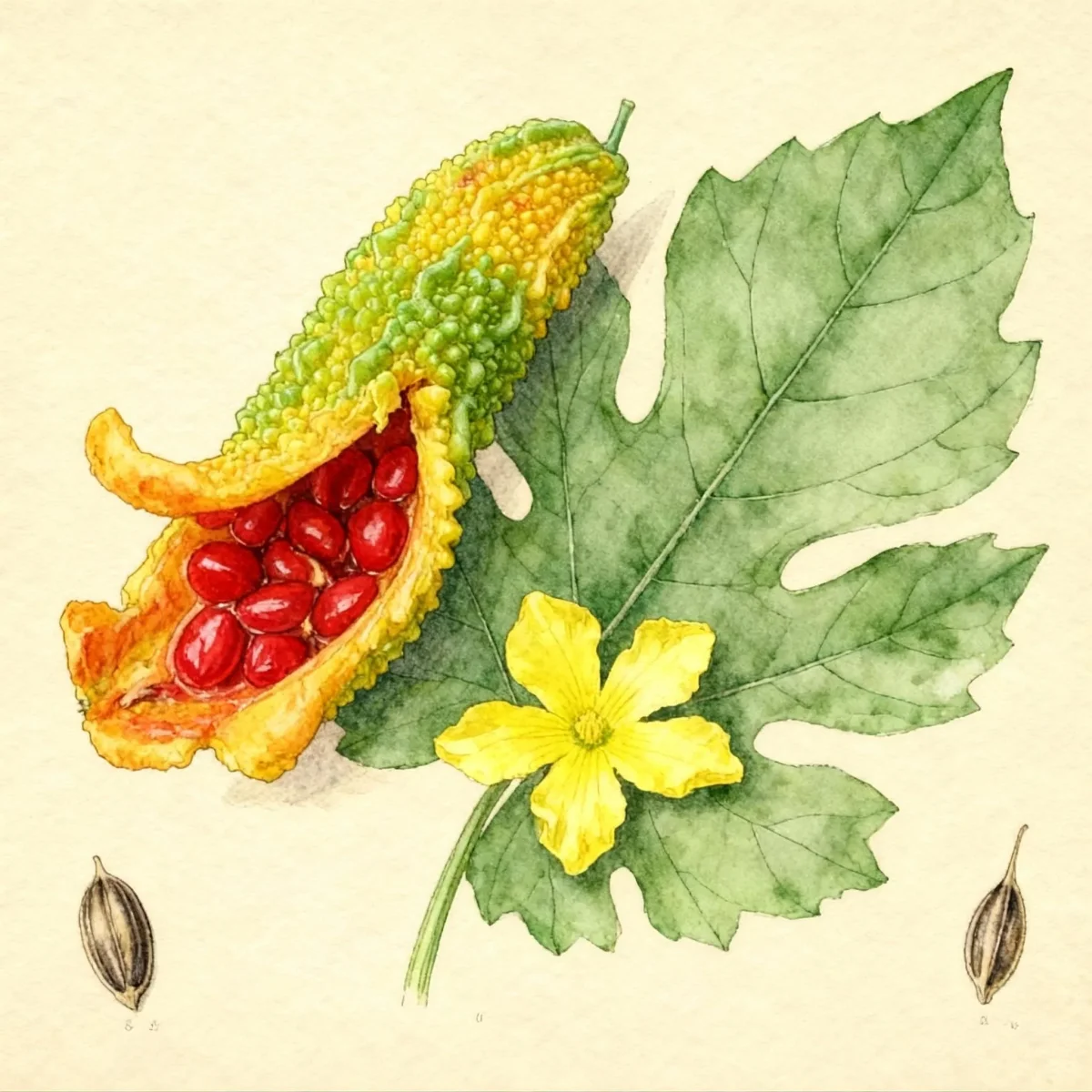
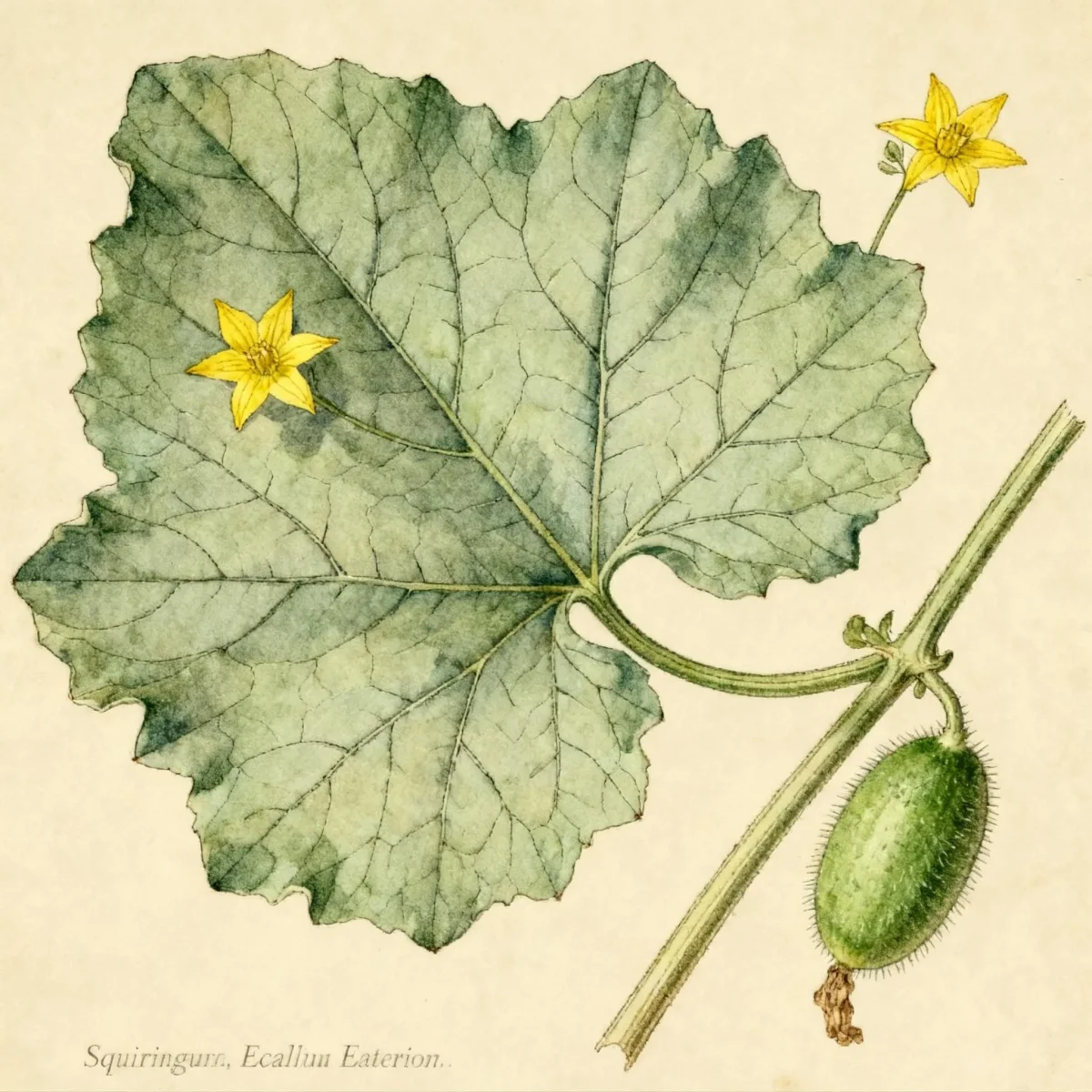
The Squirting cucumber (Ecballium elaterium) is a highly unusual, herbaceous perennial vine, notable for its singular method of seed dispersal. This species, the only one in its genus, is best recognized by its small, prickly fruit pods that literally explode upon maturity, launching seeds several feet away. While the foliage and flowers may not be conventionally ornamental, the vigorous growth habit and bizarre fruiting phase make Ecballium elaterium, or exploding cucumber, a fascinating addition to specialized gardens.
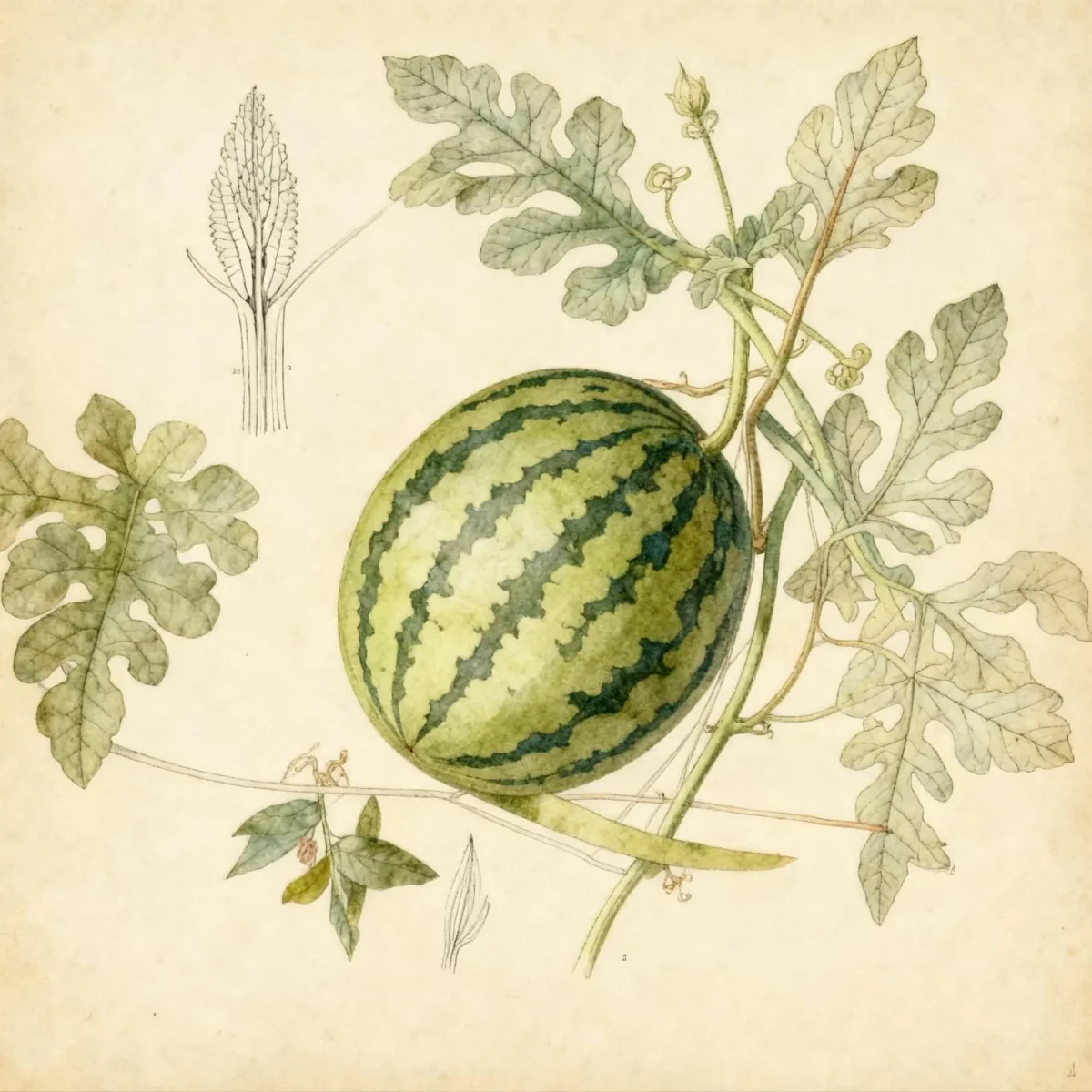
This frost-tender vine naturally trails and sprawls, reaching up to three feet wide, making it an excellent choice where a fast-spreading ground cover is desired. Grown from seed, it often produces flowers and fruit within the first year, rapidly establishing itself across warm garden spaces. Gardeners should note that the Squirting cucumber lacks tendrils, requiring support if vertical interest is sought, otherwise allowing it to scramble decoratively.
As a plant native to the hot, disturbed soils of the Mediterranean region, Ecballium elaterium is very resilient once established in suitable climates. Its historical use in herbal medicine also lends it an interesting background, though modern cultivation focuses primarily on its unique botanical novelty and ground-covering capabilities during the summer months.
Fast Facts
- Plant Family: Cucurbitaceae
- Plant Type: Vine
- Native Range: Temperate Asia, northern Africa, southern Europe
- Hardiness Zones: USDA Zones 9-11
- Size at Maturity:
- Height: 1-1.5 ft
- Spread: 1-3 ft
- Bloom Time: June to August
- Bloom Description: Yellow
- Sun Exposure: Full sun
- Water Needs: Medium
- Maintenance Level: Medium
How to Grow
Propagate Ecballium elaterium from seed sown directly in the garden come spring. This vine readily produces flowers and fruits within its first growing season when started this way, rapidly forming dense summer ground cover. The temperature range of USDA Zones 9 through 11 permits overwintering, but it is primarily grown as an annual in cooler regions due to its frost-tender nature.
For successful establishment, site the Squirting cucumber in full sun. It prefers medium moisture and well-drained soil. While performance is best in rich soil, this vine tolerates poor soil conditions well, reflecting its native habitat on disturbed ground. Ensure adequate water is provided, especially during dry spells, maintaining medium soil moisture levels throughout its active growing phase.
Since Ecballium elaterium lacks tendrils, gardeners must actively decide on its structural support. If intending to use it as a groundcover, let it sprawl freely. If you wish for vertical growth on a trellis or fence, the vine must be secured manually initially to establish its place against the upright surface. Pruning is generally unnecessary beyond managing location.
Landscape Uses
The most effective use for the Squirting cucumber is as a rambunctious summer ground cover. It quickly blankets areas needing fast coverage, making it suitable for covering bare patches or allowing it to trail along the base of low fencing where soil conditions may be less ideal. Its sprawling nature means it should be placed where its reach of up to 3 feet wide is welcome.
Due to its vigorous habit when happy, avoid planting delicate border plants alongside it, as the Ecballium elaterium may quickly overwhelm them. The plant thrives where it can spread unencumbered. While it can be attached to upright supports like trellises or walls, this requires extra gardener intervention, making it better suited for naturalizing subtly in lower areas of the landscape design.
Consider using this vine in informal settings or naturalized areas where its aggressive spreading is less of a concern, serving as a highly functional green carpet from June until the first hard frost.
Standout Features
Flower Qualities
- Showy
Fruit Qualities
- Showy
Noteworthy Characteristics
Ecballium elaterium, commonly known as squirting cucumber or exploding cucumber, is a frost-tender, weak-stemmed, herbaceous perennial vine of the gourd family that typically grows to 12-18” tall, but clambers and trails along the ground, often in an aggressive sprawling fashion, to 36” wide. It is the sole species of the genus Ecballium. This vine is most noted for its prickly, oblong, unusual and distinctive, blue-green fruit pods which mature in fall in a form somewhat resembling a small 3-inch cucumber, which then explode when ripe, squirting seeds 6-18 feet or more. The genus name references the explosive discharge of seeds (“cast out”), while the specific epithet references elaterium, a powerful purgative historically prepared from the plant juices.
Tolerances
No specific tolerance data was provided for this plant profile.
Potential Problems
The Squirting cucumber is generally noted as having no serious insect or disease problems, making it a relatively low-hassle choice once its cultural needs for sun and water are met. Its primary concern for gardeners is managing its rapidly spreading habit, as it lacks true tendrils and relies on clambering or sprawling to cover ground. Prevent unwanted spread by planting it in contained areas or where its sprawling nature is beneficial and can be easily monitored.
For an annual planting, its life cycle naturally ends with frost. If growing as a perennial in warmer zones, be aware that its aggressive spreading may require cutting back growth that encroaches on walkways or desired perennial beds to maintain neat boundaries.
Frequently Asked Questions
What hardiness zones is Squirting cucumber suitable for?
The Squirting cucumber (Ecballium elaterium) is winter hardy in USDA Zones 9 through 11, though it is often grown successfully as an annual elsewhere.
How large does Squirting cucumber grow?
This vine typically reaches a height between 1 and 1.5 feet tall but can spread aggressively along the ground, reaching a spread between 1 and 3 feet wide.
What sun exposure does Squirting cucumber need?
Ecballium elaterium requires full sun exposure to thrive and produce its characteristic yellow flowers throughout the summer.
When does Squirting cucumber bloom?
The bloom time for the Squirting cucumber is typically from June to August, producing yellow, bell-shaped flowers.
Conclusion
The Squirting cucumber (Ecballium elaterium) offers gardeners a unique combination of fast, resilient ground cover supplemented by the highly unusual spectacle of explosive seed dispersal in autumn. Its low-maintenance needs and tolerance for poorer soils make it a surprisingly adaptable annual or perennial depending on your locale. Before planting, confirm your USDA hardiness zone compatibility and plan its location carefully to accommodate its sprawling nature.
Companion Planting
When selecting companions for Ecballium elaterium, prioritize plants that appreciate similar full sun conditions and consistent, medium moisture levels. Because the Squirting cucumber lacks tendrils and sprawls, it works well alongside shorter, rugged plants that can tolerate having their base covered during the summer months. Low-growing ornamental grasses or drought-tolerant succulents that won’t mind competition from the vine’s roots can provide textural contrast without attempting to climb over the vine itself.
Avoid planting delicate, slow-growing perennials near the Ecballium elaterium. Its rapid, sprawling growth can easily smother slower starters or those that require significant air circulation around their base to prevent fungal issues. Use this vigorous vine strategically in areas meant for functional ground cover rather than as a refined border element where exact dimensions must be maintained.
Propagation Tips
The primary and easiest method for propagating Ecballium elaterium is by sowing seeds in the spring. As the plant produces fruit in its first year from seed, gardeners can easily utilize the seeds from one season to start plantings for the next, especially if growing outside of its perennial hardiness range (Zones 9-11). Ensure the seeds are collected before natural explosion, or plant the area where the fruit has already dispersed, keeping in mind the sticky, purgative liquid coating the seeds.
If you successfully overwinter the plant as a root (tuberous roots), you might be able to divide it in spring, though propagation by seed remains the most straightforward technique for this species. Establishing a new patch of Squirting cucumber is generally a matter of scattering seeds over prepared soil in the late spring sun.