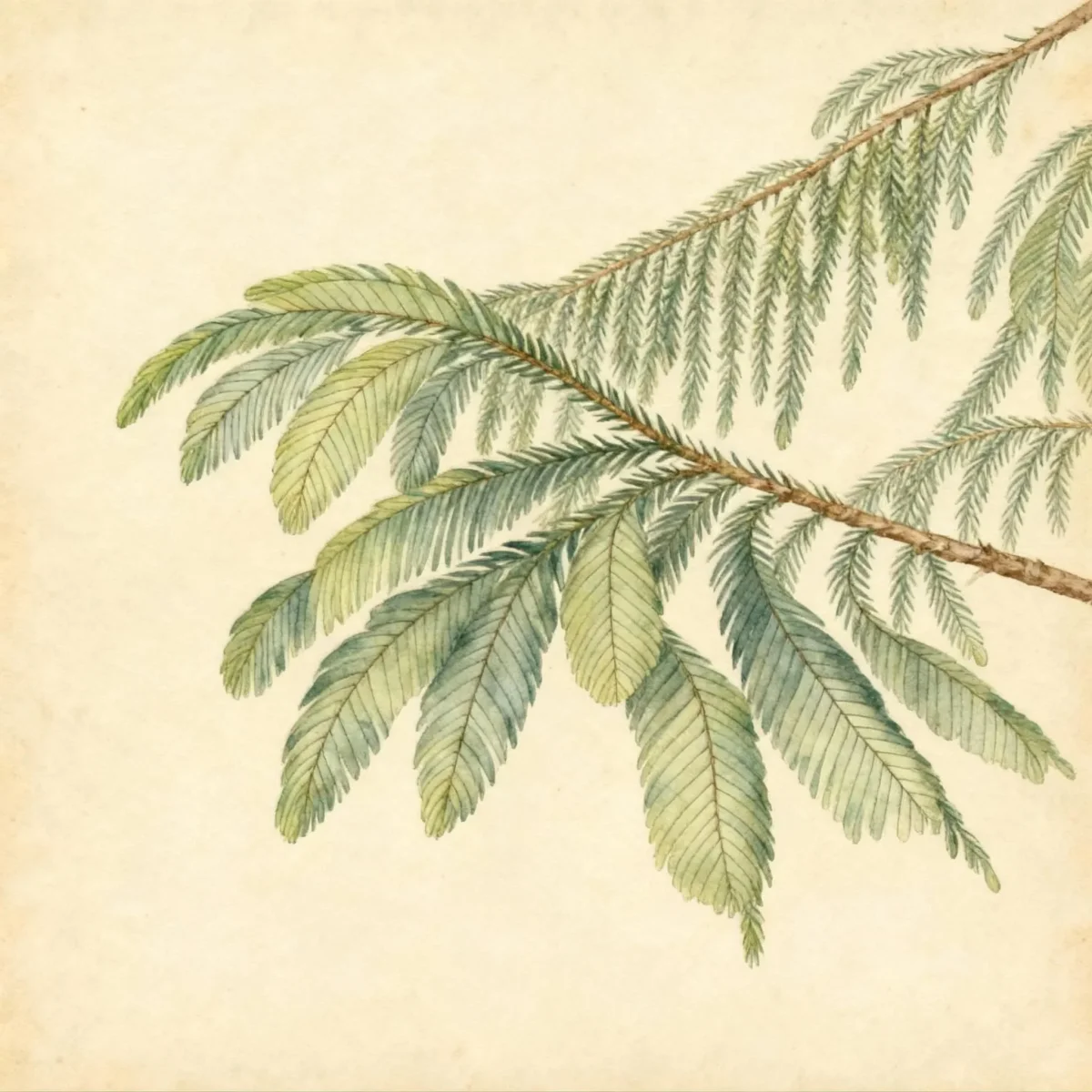
Kashmir cypress (Cupressus cashmeriana)
The Cupressus cashmeriana, or Kashmir cypress, is a graceful evergreen conifer native to Bhutan, prized for its weeping, narrow pyramidal form and blue-green foliage.


Bloom Boldly, No Matter the Season - Sweatshirt
Cozy organic cotton sweatshirt featuring our exclusive Purple Coneflower design. Perfect for gardeners who bloom year-round.
Inspired by the beautiful Kashmir cypress
Limited first batch (50) — join the waitlist for early access
Waitlist closes Feb 15, 2026.
Complete Plant Information
Field Guide Continues
Ready for care notes, companion picks, and planting tips?
The map is just the start. The full guide below covers growth habits, seasonal performance, and landscape uses.
Overview
The Cupressus cashmeriana, commonly recognized as the Kashmir cypress, is a strikingly attractive needled evergreen highly valued for its distinctly graceful, weeping, and narrow pyramidal habit. This conifer features long, pendulous sprays of pleasantly aromatic blue-green branchlets, making it a standout specimen in temperate landscapes where conditions permit. While native Bhutanese specimens can reach towering heights, cultivated Cupressus cashmeriana typically settles into a manageable 40 to 60-foot stature.
As the national tree of Bhutan, the Kashmir cypress brings an element of exotic elegance to any garden. Its foliage is unique, situated somewhere between juvenile needle-like leaves and the scale-like leaves common to other cypress species. This species requires mindful placement due to its definitive size and shape, serving best as a focal point where its weeping structure can be fully appreciated.
For gardeners in the correct climate, adding Cupressus cashmeriana offers year-round texture and color contrast. It thrives best in full sun and requires consistent, moderate care to maintain its pristine form. Properly sited, the Kashmir cypress offers unparalleled vertical interest, provided winter protection from deep freezes is considered.
Fast Facts
- Plant Family: Cupressaceae
- Plant Type: Needled evergreen
- Native Range: Bhutan
- Hardiness Zones: USDA Zones 9-10
- Size at Maturity:
- Height: 40-60 ft
- Spread: 15-20 ft
- Bloom Time: Non-flowering
- Bloom Description: Non-flowering
- Sun Exposure: Full sun
- Water Needs: Medium
- Maintenance Level: Medium
How to Grow
Optimal planting for the Kashmir cypress occurs in spring or fall, allowing the roots to establish before extreme summer heat or winter cold sets in. Select a site that offers full sun exposure, as insufficient light compromises the narrow, upright form of the branches. The ideal soil composition involves organically rich, moderately fertile, well-drained sandy loams that do not retain excessive moisture.
Care is largely focused on proper initial establishment; once established, this species tolerates some drought conditions. While it requires medium water intake, ensure excellent drainage remains paramount to prevent root issues. Pruning should be minimal, focused only on removing damaged or misplaced branches, as heavy shearing can detract from the natural weeping habit of the Cupressus cashmeriana.
Protection from environmental extremes is critical for success with this subtropical conifer. Winter hardiness is limited to USDA Zones 9 and 10, as the plant generally succumbs if temperatures drop below 15-20 degrees F. Always site the Kashmir cypress in locations that are actively protected from cold, drying winter winds, which can cause significant desiccation.
Landscape Uses
Where climatic conditions align with USDA Zones 9 and 10, the Bhutan weeping cypress functions exceptionally well as a majestic ornamental specimen tree. Its strong vertical accent and dramatic, pendulous branch structure make it a superb focal point near formal entrances or as a screen where height and narrow width are desired. Consider using the Cupressus cashmeriana as a unique central element in mixed evergreen borders.
Due to its striking texture and color, the Kashmir cypress pairs beautifully with plants offering contrasting broadleaf foliage or lighter green colors, such as broadleaf rhododendrons or Japanese maples (if sited appropriately for light needs). Avoid placing it near structures that might be damaged by falling limbs, though catastrophic branch failure is uncommon if cultural needs are met.
This tree serves as an excellent architectural specimen, providing year-round structure that draws the eye upward. Planning for its mature spread (15-20 feet) is essential, ensuring adequate space surrounds the base of the Cupressus cashmeriana to allow the weeping branches to cascade freely.
Standout Features
Noteworthy Characteristics
Cupressus cashmeriana, commonly known as Kashmir cypress or Bhutan weeping cypress, is identified by its graceful weeping narrow pyramidal form, featuring upright-ascending main branches from which long, pendulous sprays of aromatic blue-green branchlets droop. Foliage is distinct, residing between needle-like juvenile leaves and scale-like adult leaves, with individual leaves remaining very short, not exceeding 1/16th of an inch. This species, which is the national tree of Bhutan, bears small 10-scaled cones that mature to a copper-brown color.
Tolerances
- Drought
Potential Problems
The Kashmir cypress is generally regarded as having no serious insect or disease problems when grown under optimal conditions. This high level of resistance contributes to its low typical maintenance requirement. Gardeners should focus primarily on site selection—ensuring excellent drainage and protection from severe cold—rather than extensive pest management for the Cupressus cashmeriana.
If the tree is sited in heavy, poorly drained soils, root rot can become an issue, which is often harder to remedy than pest infestation. Maintaining the slow growth pace by avoiding excessive fertilization also helps prevent succulent, sappy new growth that might attract minor opportunistic pests.
Frequently Asked Questions
What hardiness zones is Kashmir cypress suitable for?
Cupressus cashmeriana is reliably hardy only in USDA Zones 9 through 10.
How large does Cupressus cashmeriana grow?
This slow-growing evergreen typically reaches heights between 40 and 60 feet, with a spread of 15 to 20 feet in cultivation.
What sun exposure does Kashmir cypress need?
The Kashmir cypress requires full sun exposure to maintain its best form and density.
When does Cupressus cashmeriana bloom?
This species is non-flowering; it produces small, woody cones rather than colorful blooms.
Companion Planting
Selecting appropriate companions for the Kashmir cypress centers on matching its cultural needs: full sun and well-drained, moderately fertile soil. Avoid planting shallow-rooted grass too close to the base, as this can compete heavily for water and nutrients needed by the tree roots. Pairing the fine texture of the Cupressus cashmeriana with broadleaf evergreens, such as certain varieties of Boxwood or Japanese Holly, provides a visually appealing contrast in leaf shape.
Consider placing this tall accent tree alongside groups of flowering shrubs that enjoy similar sun exposure but offer seasonal floral interest, perhaps Phlox or low-growing Azaleas if soil pH allows. Since the primary goal of growing the Cupressus cashmeriana is often year-round structure, ensure companion plants do not become taller or wider than the cypress’s narrow footprint to avoid obscuring its weeping habit.
Design Ideas
The highly defined, narrow silhouette of the Kashmir cypress lends itself perfectly to classical or formal landscape designs where symmetry and verticality are desired features. Use a pair of these trees to flank a driveway entrance or a prominent garden feature, creating a grand sense of arrival. Because of its weeping nature, it excels in elevated settings where the branches can cascade over retaining walls or berms.
For a naturalistic look, plant the Cupressus cashmeriana sparingly as a singular specimen against lighter backgrounds, such as pale stucco walls or fences, allowing its distinctive blue-green color to truly pop. Ensure sight lines are maintained; this plant is a destination feature, not a background filler.
Conclusion
The Cupressus cashmeriana remains a unique horticultural treasure, offering exceptional weeping form and year-round evergreen interest, especially noted for its blue-green foliage. Gardeners located within USDA Zones 9 and 10 should strongly consider incorporating the Kashmir cypress as a striking vertical accent. Before planting, verify your site offers full sun and superior drainage, ensuring this beautiful Bhutanese native thrives for decades.