Cardboard palm (Zamia furfuracea)
The Cardboard palm (Zamia furfuracea) is a striking, slow-growing cycad known for its unique, stiff, fuzzy leaflets. Hardy in Zones 9-11, this low-maintenance plant thrives in dry-to-medium conditions.

Bloom Boldly, No Matter the Season - Sweatshirt
Cozy organic cotton sweatshirt featuring our exclusive Purple Coneflower design. Perfect for gardeners who bloom year-round.
Inspired by the beautiful Cardboard palm
Limited first batch (50) — join the waitlist for early access
Waitlist closes Feb 15, 2026.
Complete Plant Information
Field Guide Continues
Ready for care notes, companion picks, and planting tips?
The map is just the start. The full guide below covers growth habits, seasonal performance, and landscape uses.
Overview
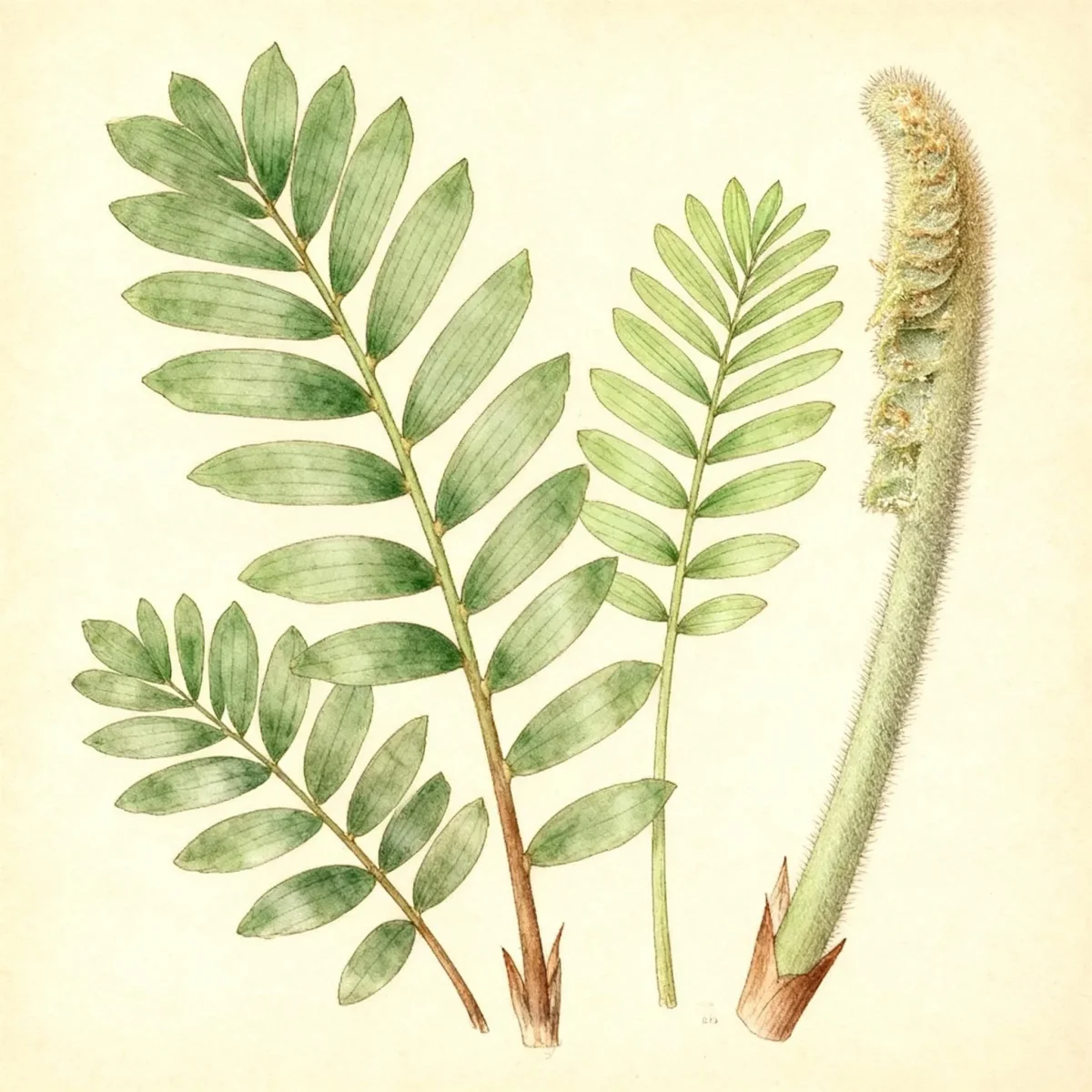
The Cardboard palm, scientifically known as Zamia furfuracea, offers a powerful architectural presence in tropical and sub-tropical landscapes. Its appeal lies largely in the unique texture of its foliage; the stiff, oblong leaflets feel coarse and fuzzy, closely resembling cardboard, which lends the plant its common name. This slow-growing cycad is highly valued for its low maintenance requirements and its dramatic form, making it an excellent focal point.
Native to the coastal regions of Veracruz, Mexico, Zamia furfuracea is surprisingly resilient once established. It combines the stately appearance of a palm with the tough nature of a true cycad. While it is not a fast-growing specimen, patience is rewarded with a compact plant suitable for smaller spaces or as an accent near walkways.
Gardeners appreciate the Zamia furfuracea for its drought tolerance and relatively trouble-free existence. It provides year-round, evergreen texture, contrasting beautifully against fine-leafed shrubs or vivid flowering annuals. Whether used as a standalone feature or in containers, the Cardboard palm brings ancient lineage and sturdy structure to contemporary garden designs.
Fast Facts
- Plant Family: Zamiaceae
- Plant Type: Palm or Cycad
- Native Range: Mexico
- Hardiness Zones: USDA Zones 9-11
- Size at Maturity:
- Height: 3-4.25 ft
- Spread: 4-7 ft
- Bloom Time: Non-flowering
- Bloom Description: Non-flowering
- Sun Exposure: Full sun to part shade
- Water Needs: Dry to medium
- Maintenance Level: Low
How to Grow
The ideal environment for planting Zamia furfuracea centers around excellent drainage. Plant the Cardboard palm in sandy, coarse soils where water does not linger. They prefer full sun exposure, though filtered light or part shade is tolerated, especially in the hottest climates. Plant during safer periods outside of frost risk, ensuring the crown sits slightly above the soil grade.
Care during the active growing season requires regular watering to support development, but only after the soil has dried out adequately. As winter approaches, transition to a drier regime, as the plant benefits from a relatively dry period of dormancy. Fertilizing is rarely necessary; if desired, use a slow-release palm fertilizer in spring during active growth. Pruning is minimal, usually limited to removing any old, damaged fronds near the base.
A crucial consideration for this plant is frost sensitivity; Zamia furfuracea does not tolerate hard frosts. Gardeners in Zone 9 should be prepared to provide heavy mulch or temporary protection if prolonged freezing temperatures are forecasted. Its tolerance for salt spray makes the Cardboard palm an outstanding choice for seaside gardens where other plants might struggle.
Landscape Uses
The Cardboard palm functions superbly as an interesting specimen or accent plant, demanding attention due to its stiff, alien-like foliage. It excels when placed at the front of tropical borders where its low stature doesn’t obscure taller plantings behind it. Furthermore, its rugged texture pairs well in xeriscape or rock gardens, echoing the harsh geological environments of its native Mexico.
For those seeking low-maintenance container gardening, Zamia furfuracea is an excellent candidate. When grown in pots, ensure the container has ample drainage holes, as this plant will quickly suffer in soggy potting mix. Indoors, it serves as a stunning focal point, though it requires bright indirect light to maintain its compact form.
Consider pairing the deep, coarse green of the Cardboard palm with soft, mounding groundcovers or contrasting foliage colors. Its substantial form also works well flanking an entranceway or marking the corner of a patio, providing architectural weight year-round.
Standout Features
Fruit Qualities
- Showy
Noteworthy Characteristics
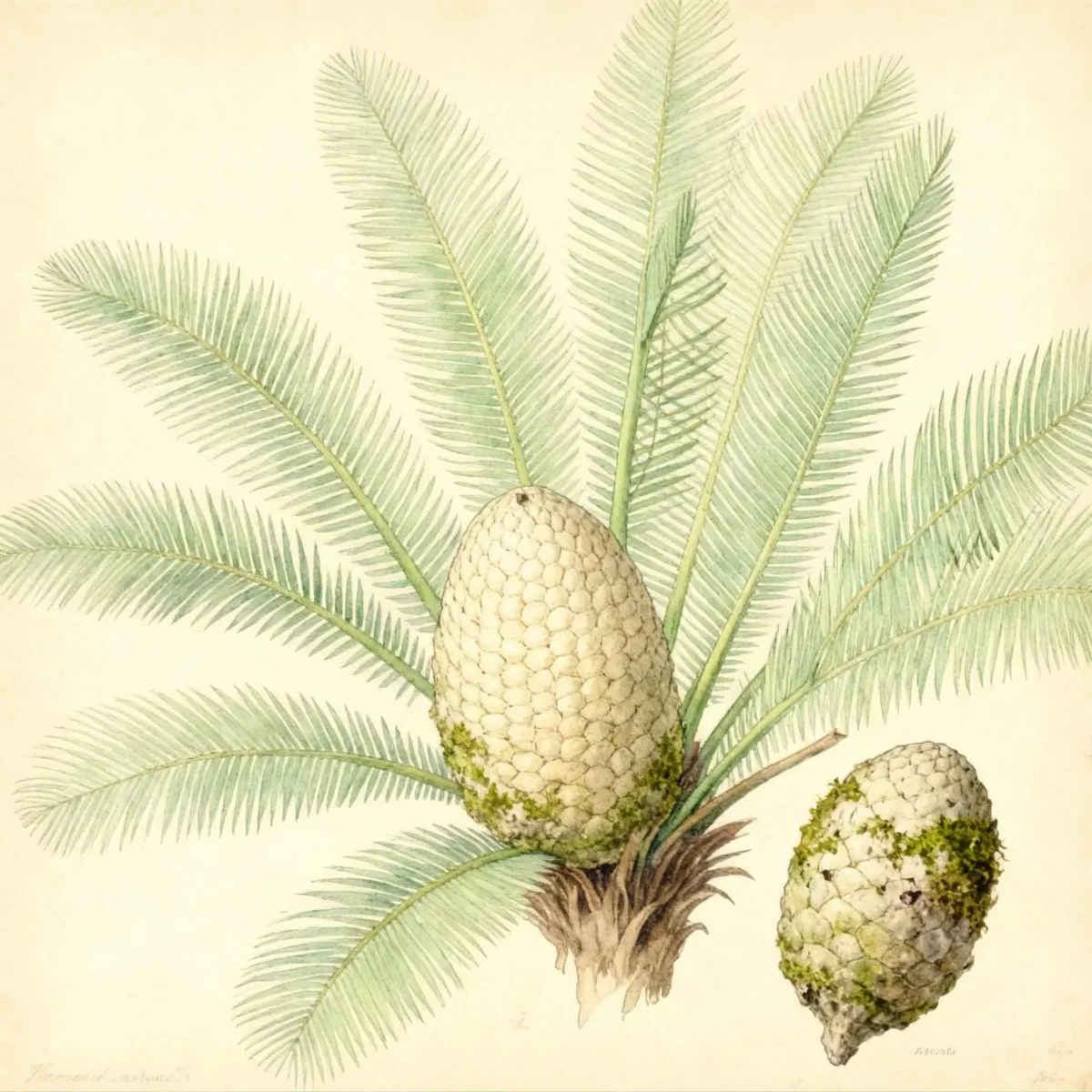
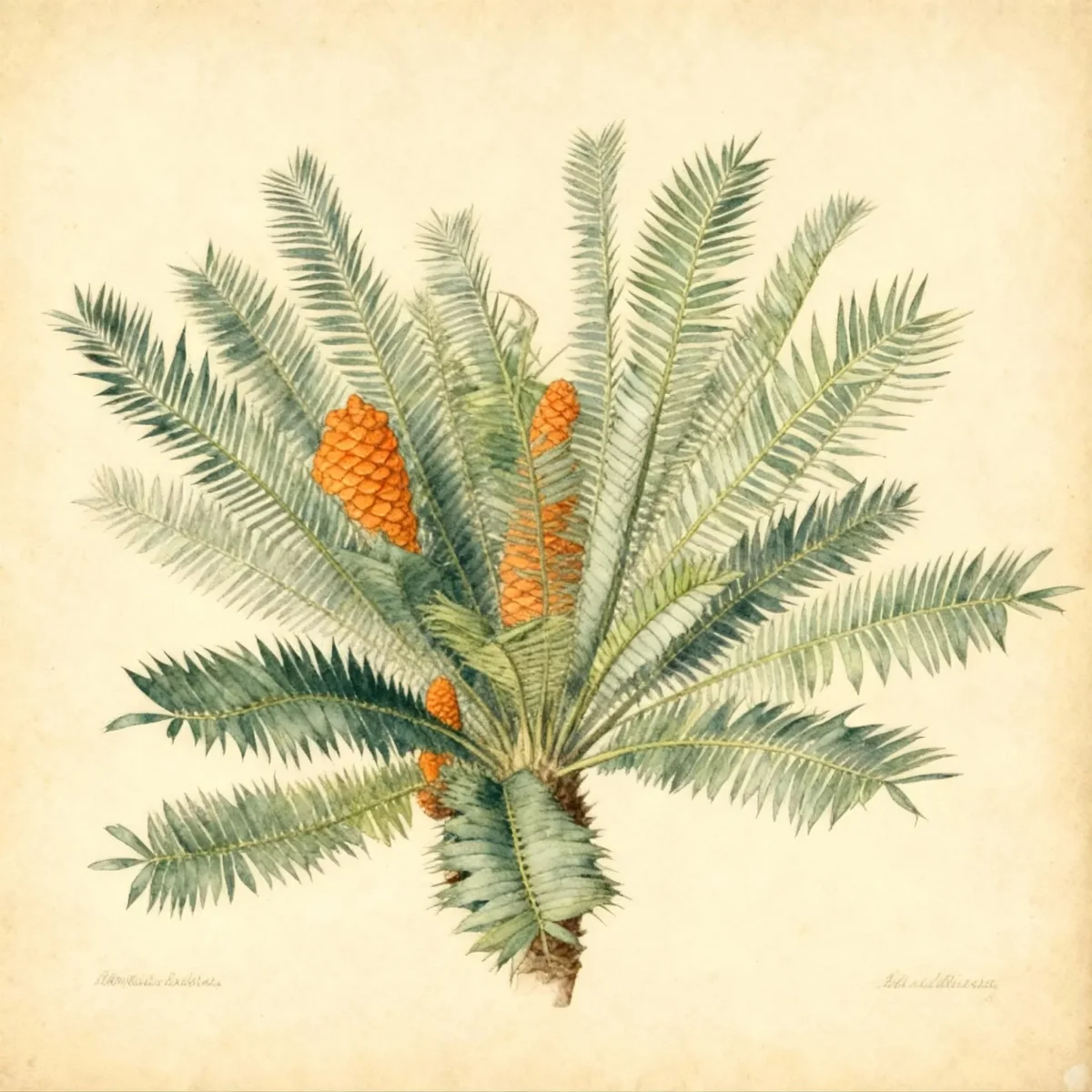
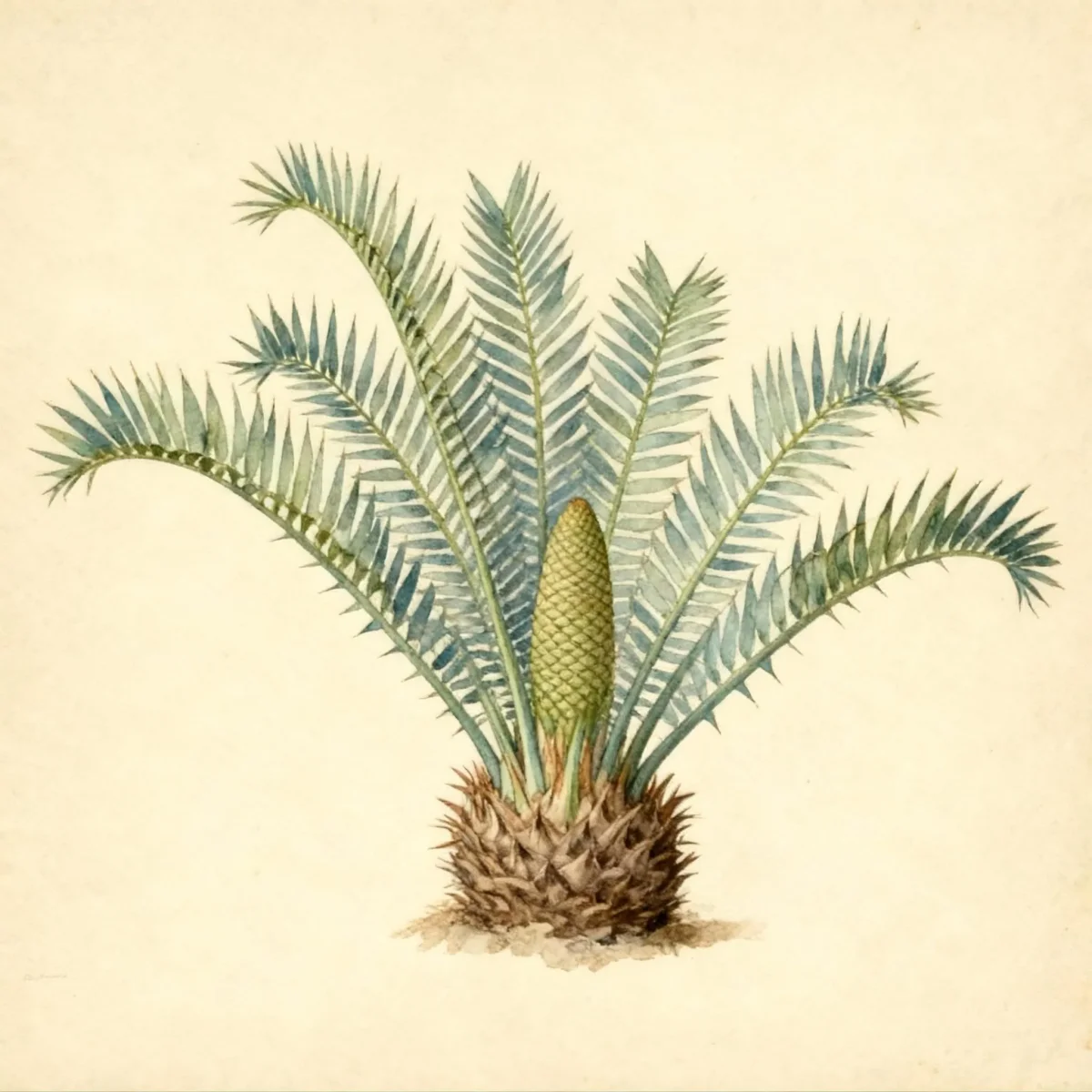
Zamia furfuracea, commonly called cardboard palm, cardboard plant, or Jamaican sago, is a cycad endemic to the coastal mountains and sandy, limestone sea cliffs of Veracruz, Mexico. This plant is not a vigorous grower but will slowly reach up to 4.25’ tall with a 7’ spread. The stiff, slightly arching fronds are made up of up to 13 pairs of opposite leaflets and emanate from a central crown. The leathery, oblong to oval leaflets have a somewhat coarse, fuzzy texture reminiscent of cardboard.
Tolerances
- Drought
Potential Problems
Generally, the Zamia furfuracea is celebrated for having no major pest or disease problems reported, contributing significantly to its low maintenance classification. This robustness makes the Cardboard palm a reliable choice where recurring issues plague other tropical plantings. Should minor infestations occur, typical insect controls for foliage pests should suffice. The primary risks involve improper cultural care, specifically waterlogging, which can lead to root or crown rot, something to avoid given its preference for dry soil between waterings.
Companion Planting
Given that the Cardboard palm thrives in dry, well-draining, coarse soils and requires low water once established, companion plants should share these Xeriscape-friendly needs. Pair it with other drought-tolerant succulents or Mediterranean climate plants that also appreciate full sun, such as certain types of Agave or Senecio. Avoid shallow-rooted, moisture-loving species adjacent to the Zamia furfuracea crown to prevent fungal issues caused by perpetually damp soil conditions around the cycad.
Seasonal Care Calendar
Seasonal adjustments are key to successful Zamia furfuracea cultivation. During the hot, active summer months, maintain the dry-to-medium watering schedule, allowing the topsoil to fully dry out between deep saturation sessions. As temperatures cool in autumn, begin reducing irrigation frequency significantly to encourage the winter dormancy period. In spring, resume more regular watering as new growth—initially soft and fuzzy—begins to emerge from the stout stem of your Cardboard palm.
Frequently Asked Questions
What hardiness zones is Cardboard palm suitable for?
The Cardboard palm (Zamia furfuracea) is reliably hardy in USDA Zones 9 through 11. Growers outside this range should treat it as a container plant that needs to be brought indoors before frost threatens.
How large does Cardboard palm grow?
This cycad typically matures to a height between 3 and 4.25 feet tall, spreading moderately between 4 and 7 feet wide, maintaining a compact, architectural presence.
What sun exposure does Cardboard palm need?
It performs best when positioned in full sun, though it can comfortably tolerate periods of partial shade, especially where midday sun is intensely hot.
When does Cardboard palm bloom?
The Zamia furfuracea is categorized as non-flowering; it produces cones rather than typical flowers.
Conclusion
The striking, textured foliage of the Cardboard palm ensures it remains a sought-after architectural element in low-maintenance landscapes. Its exceptional drought tolerance and preference for well-drained conditions make the Zamia furfuracea a sturdy perennial in warm climates. Before planting, confirm your local hardiness zone match and prepare an open, coarse soil site to ensure this unique cycad thrives for years to come.