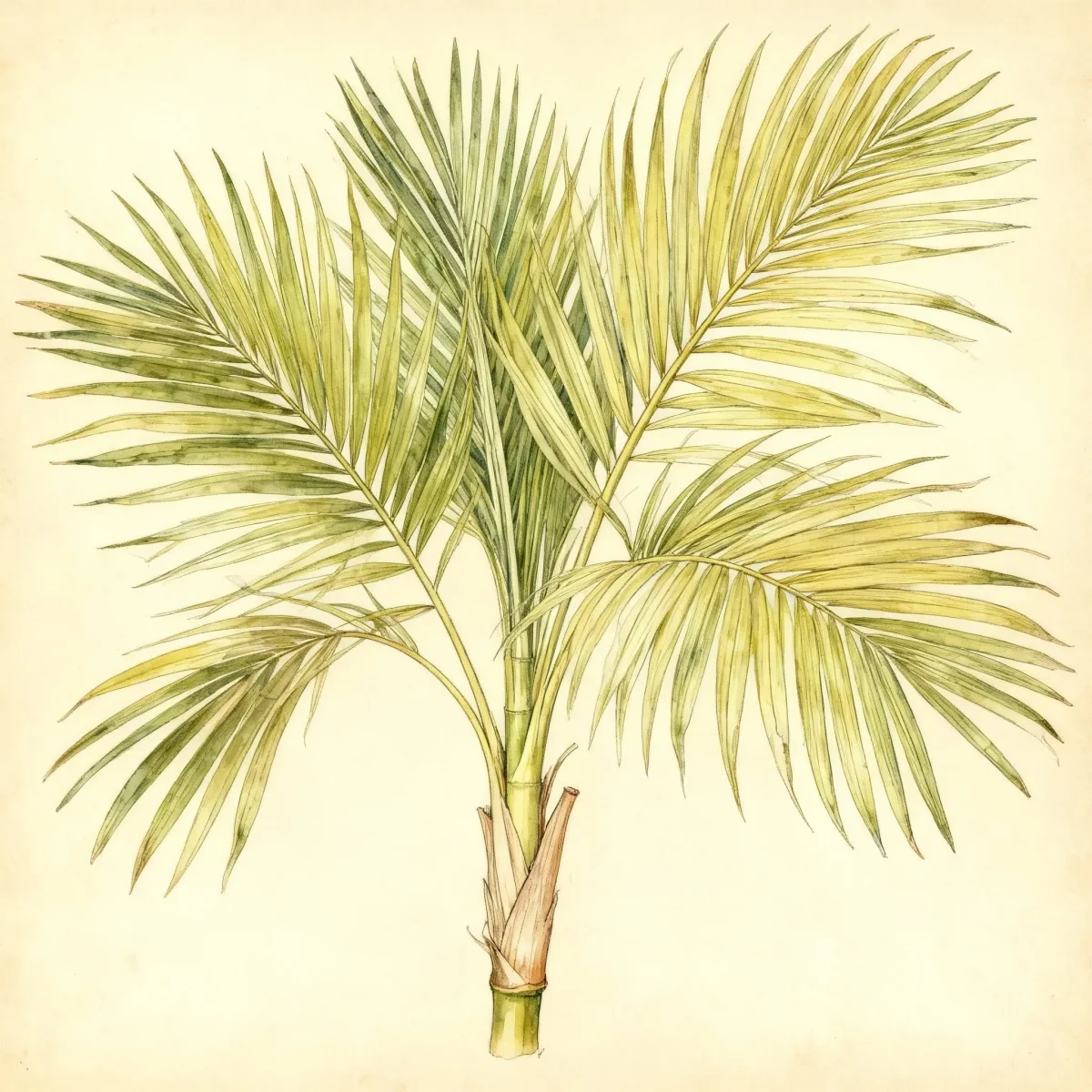
Cycad (Dioon edule)
Dioon edule, the Mexican Cycad, is a striking, slow-growing, palm-like evergreen native to Mexico, ideal for warm zones.
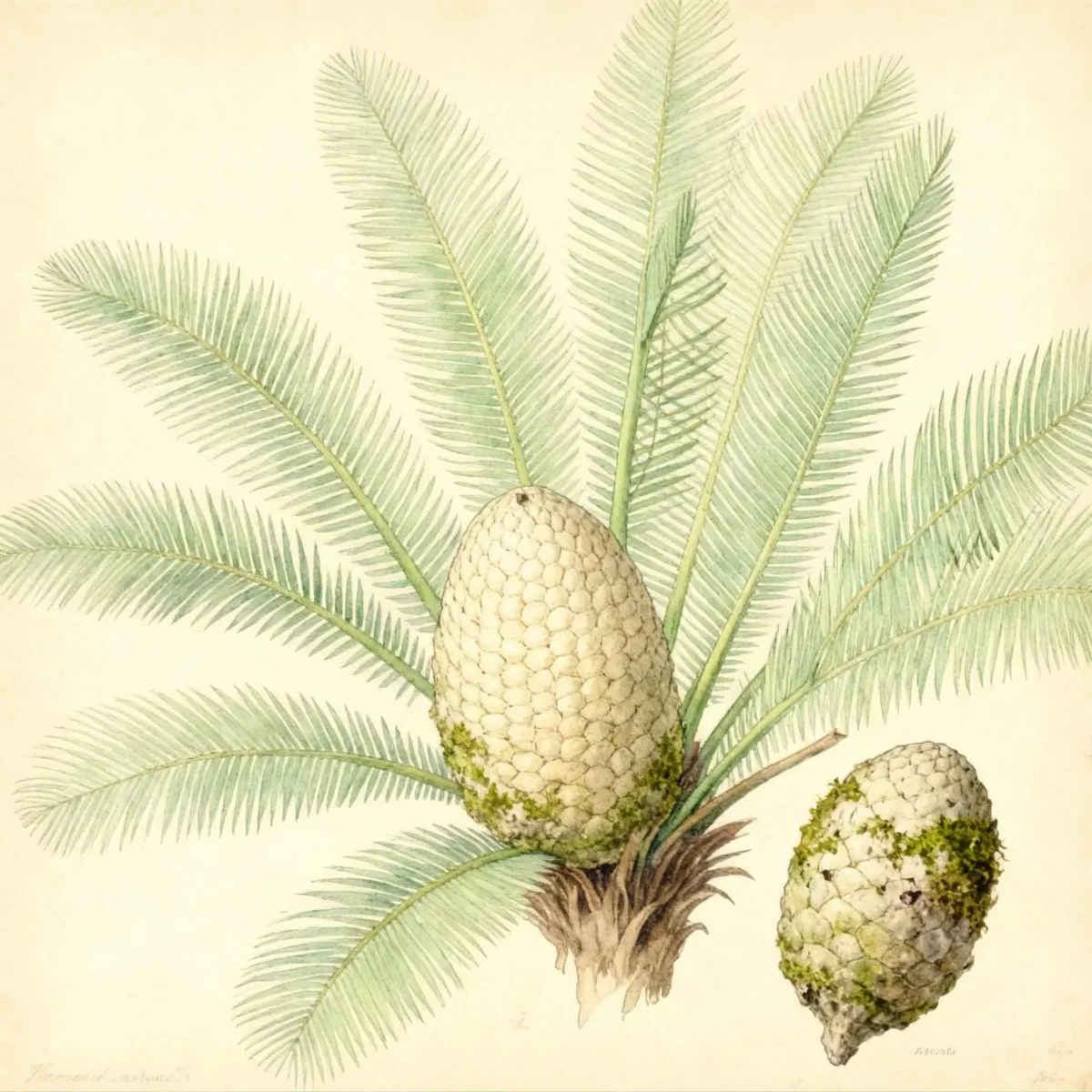

Bloom Boldly, No Matter the Season - Sweatshirt
Cozy organic cotton sweatshirt featuring our exclusive Purple Coneflower design. Perfect for gardeners who bloom year-round.
Inspired by the beautiful Cycad
Limited first batch (50) — join the waitlist for early access
Waitlist closes Feb 15, 2026.
Complete Plant Information
Field Guide Continues
Ready for care notes, companion picks, and planting tips?
The map is just the start. The full guide below covers growth habits, seasonal performance, and landscape uses.
Overview
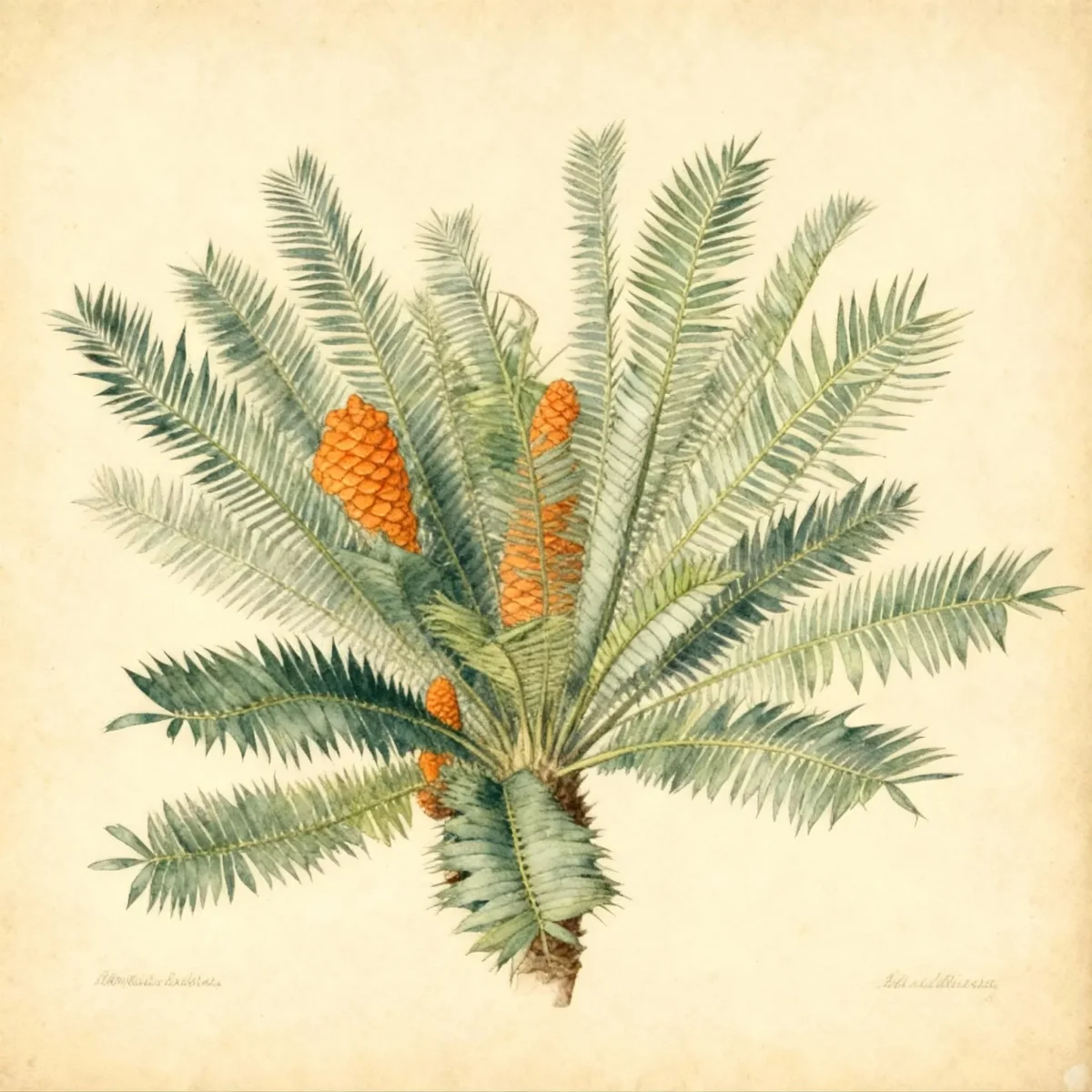
The Dioon edule, often known simply as the Cycad, is a visually dramatic, slow-growing, palm-like evergreen hailed for its prehistoric appearance. Native to eastern Mexico, this plant provides strong architectural interest in subtropical and tropical landscapes. Its enduring appeal lies in its low maintenance demands once established, contrasting beautifully with its sharp, textural foliage.
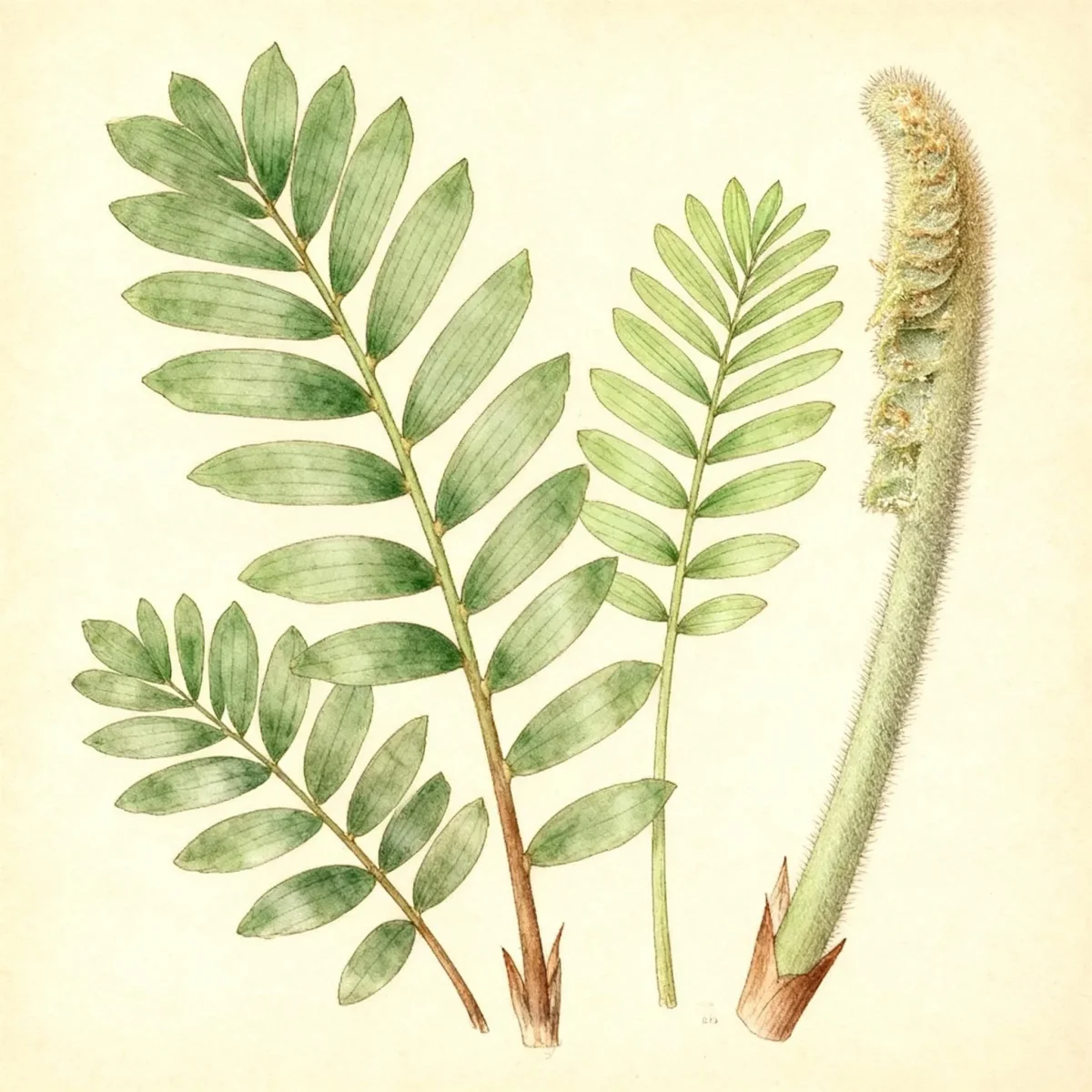
This Cycad forms a short, stocky trunk from which stiff, pinnate leaves radiate outward, often reaching 6 to 8 feet in height. The gray-green to blue-green leaflets create a dense crown that maintains its appeal year-round. As a dioecious gymnosperm, Dioon edule may eventually produce cones, though reproductive structures are rare in cultivation.
For gardeners in appropriate climates, the Dioon edule serves as an excellent focal point or accent plant, lending an immediate sense of maturity and exoticism to the garden design. Its respectable hardiness combined with its structural form makes it a prized specimen among collectors of ancient flora.
Fast Facts
- Plant Family: Zamiaceae
- Plant Type: Palm or Cycad
- Native Range: Mexico
- Hardiness Zones: USDA Zones 9-11
- Size at Maturity:
- Height: 6-8 ft
- Spread: 4-6 ft
- Bloom Time: Non-flowering
- Bloom Description: Non-flowering
- Sun Exposure: Full sun to part shade
- Water Needs: Medium
- Maintenance Level: Low
How to Grow
Planting Dioon edule should occur during the warmer seasons to encourage root establishment before any potential chill. Locate your Dioon edule where it receives full sun to partial shade, ensuring the soil is thoroughly prepared. The best soils are moist, humusy, and notably gritty, requiring excellent drainage to prevent crown rot, a significant issue for this Cycad.
Care involves consistent attention to moisture, particularly while young, though established plants develop good drought tolerance. Water needs are medium; allow the top few inches of soil to dry slightly between waterings. While the plant tolerates nutrient-poor soils, applying fertilizer will maximize performance. Pruning is minimal, generally limited to removing old or damaged fronds at the base of the crown.
For gardeners pushing the limits of hardiness, remember that Dioon edule is winter hardy to USDA Zones 9-11, but protection in Zone 8 may be necessary during harsh freezes. Overwintering indoors or in a greenhouse is required where temperatures consistently drop below freezing. Propagation methods include planting offsets found around the base or by using seeds, provided they are cooked if consumption is intended.
Landscape Uses
The robust, architectural presence of Dioon edule makes it perfectly suited as a landscape or garden accent, particularly in tropical and subtropical designs where its prehistoric look shines. These cycads demand attention, functioning exceptionally well as specimen plants placed centrally in a bed or entryway. They also adapt surprisingly well to being grown in large tubs or containers, allowing for placement on decks or patios where their statuesque form can be appreciated up close.
When planning companion plantings, select species that appreciate similar drainage and sun requirements. Tropical foliage plants like various ferns (where shade permits) or agaves and aloes that thrive in gritty, well-drained media create a cohesive, arid-tolerant aesthetic. Avoid planting in areas where water naturally pools, as this contradicts the essential need for dry feet for the Dioon edule.
In larger landscapes, use the Cycad to provide vertical punctuation against lower, mounding groundcovers. Their slow growth rate ensures that once sited correctly, they will provide reliable structure for many decades without needing frequent relocation or renewal.
Standout Features
Fruit Qualities
- Showy
- Edible
Noteworthy Characteristics
Dioon edule, commonly called chestnut dioon or virgin’s palm, is a slow-growing, palm-like, evergreen cycad that is native to deciduous oak forests and dry rocky slopes in eastern Mexico. It typically grows to as much as 6-8’ tall with a short stocky trunk (to 6-12” diameter) from which large pinnate leaves radiate outward to 3-6’ long. Each leaf has up to 120-160 sharp-tipped, lance-shaped, linear leaflets (each leaflet to 5” long). The genus name comes from the Greek words dis meaning twice and oon meaning an egg, referencing the paired seeds, while the specific epithet means edible, referring to the seeds when cooked.
Tolerances
- Drought
Potential Problems
Generally, Dioon edule exhibits no serious insect or disease problems when grown in its preferred conditions. The primary pest concern is the presence of Cycad aulacaspis scale, which appears as small white protective coverings on the stems or leaflets. Inspect plants regularly and treat scale infestations promptly using horticultural oils or appropriate systemic insecticides designed for scale control.
Caterpillars may occasionally be observed chewing on the new foliage as it emerges, although this rarely results in permanent damage to the established Cycad. Good air circulation and proper soil drainage remain the best defense against fungal issues, which are more common in overly wet or poorly drained environments.
Frequently Asked Questions
What hardiness zones is Cycad suitable for?
The Dioon edule is reliably hardy in USDA Zones 9 through 11.
How large does Dioon edule grow?
This Cycad typically matures to a height between 6 and 8 feet, with a spread ranging from 4 to 6 feet wide.
What sun exposure does Cycad need?
Dioon edule performs well in locations receiving full sun to part shade.
When does Dioon edule bloom?
The Dioon edule is classified as non-flowering.
Conclusion
The Dioon edule offers unparalleled textural beauty and a timeless, ancient aesthetic, making it a low-maintenance focal point for warm-climate gardens. This robust Cycad tolerates dry spells once established, provided its critical need for superior drainage is met. Before planting, confirm your location falls within USDA Zones 9-11 or plan for protective winter care for your Dioon edule.
Companion Planting
When choosing companions for Dioon edule, focus on plants that thrive in well-drained, gritty soils and can handle intense sunlight, mirroring the natural habitat of the Mexican Cycad. Subtropical succulents such as large aloes (e.g., Aloe ferox), Agaves with striking blue or variegated foliage, and Yuccas pair excellently, creating a cohesive, drought-tolerant xeriscape look.
For areas where slightly more moisture is available but drainage remains paramount, woody, semi-tropical shrubs that appreciate bright light can also serve as good neighbors. Consider plants like certain Lantana varieties or dwarf Pittosporum, ensuring they do not grow densely enough to impede necessary air circulation around the base of the Dioon edule crown.
Design Ideas
Utilizing Dioon edule in a formal design scheme emphasizes its symmetry and structure. Planting single specimens atop low retaining walls or pedestals draws attention to their silhouette, especially when backlit by the setting sun. In contemporary landscape design, massing three or five Cycads together can create a powerful, rhythmic statement without overwhelming the space due to their relatively moderate mature spread.
Consider flanking entrances or pathways with matching pairs of Dioon edule. This placement highlights the dramatic contrast between the stiff, sharp leaves and softer adjacent plantings, providing year-round visual anchors. Their slow growth rate means careful initial placement is essential for long-term landscape impact.