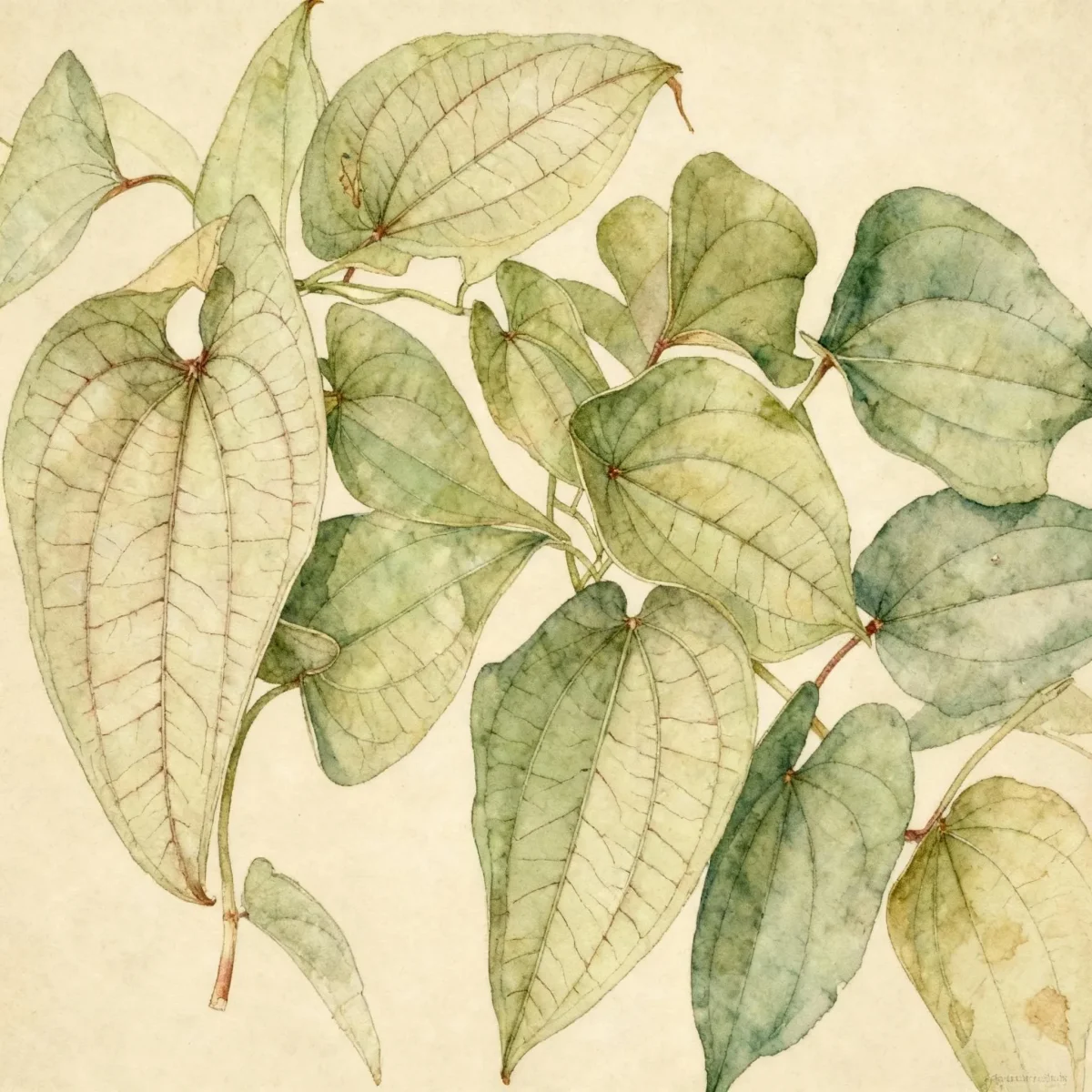
Water yam (Dioscorea alata)
Dioscorea alata, the Water yam, is a fast-growing, edible tuber vine. Hardy in Zones 9-11, it thrives in sun to part shade.

Bloom Boldly, No Matter the Season - Sweatshirt
Cozy organic cotton sweatshirt featuring our exclusive Purple Coneflower design. Perfect for gardeners who bloom year-round.
Inspired by the beautiful Water yam
Limited first batch (50) — join the waitlist for early access
Waitlist closes Feb 15, 2026.
Complete Plant Information
Field Guide Continues
Ready for care notes, companion picks, and planting tips?
The map is just the start. The full guide below covers growth habits, seasonal performance, and landscape uses.
Overview
The Dioscorea alata, widely known as the Water yam or winged yam, is a vigorous, tuberous-rooted vine prized globally as a major food source. It produces substantial, edible subterranean tubers, making it a critical vegetable crop in many tropical and subtropical regions. Gardeners value this species not only for its yield but also its dramatic vertical growth habit, which can swiftly cover sizable support structures.
This fast-growing herbaceous perennial vine needs significant vertical space, often reaching heights of 20 to 30 feet when established. Its distinctive quadrangular stems feature prominent purple wings, lending the plant ornamental appeal when grown on a trellis or pergola. While primarily cultivated for food, the robust foliage offers excellent screening capabilities.
Successfully growing Dioscorea alata requires consistent moisture and warmth, preferring temperatures above 70°F. Gardeners must be aware of its aggressive nature; this Water yam can spread invasively through seeds and aerial bulbils if left unchecked. Careful management is essential, particularly in warmer climates where it can naturalize readily.
Fast Facts
- Plant Family: Dioscoreaceae
- Plant Type: Vine
- Native Range: India to Malay Peninsula
- Hardiness Zones: USDA Zones 9-11
- Size at Maturity:
- Height: 20-30 ft
- Spread: 3-6 ft
- Bloom Time: Seasonal bloomer
- Bloom Description: Yellow-white
- Sun Exposure: Full sun to part shade
- Water Needs: Medium
- Maintenance Level: Medium
How to Grow
For optimal growth, plant Dioscorea alata tubers or root cuttings in the spring after the danger of frost has passed, ensuring they receive full sun to light part shade. This species demands deep, fertile, organically rich, humusy soil that is consistently moist but extremely well-drained. The soil must never be allowed to dry out, especially during the rapid growth phase.
As a vigorous twiner, the Water yam absolutely requires a sturdy support structure like a heavy-duty trellis, arbor, or pergola immediately after planting. Good airflow and sun exposure for the foliage will encourage better development. While established plants need medium water, supplemental irrigation is crucial during dry spells to maintain soil constancy.
In tropical settings, Dioscorea alata typically goes dormant for about three months following the rainy season. In frost-free temperate areas, expect the foliage to die back during winter dormancy. To propagate, divide tubers when dormant or plant bulbils (aerial tubers) gathered in the spring. Where winter survival is uncertain, treat this stunning vine as an annual container specimen.
A primary concern when cultivating Dioscorea alata is preventing invasive spread. Since the plant produces seeds and aerial bulbils, gardeners should diligently harvest all tubers at the end of the season and carefully remove and destroy any bulbils to prevent self-seeding into wild areas.
Landscape Uses
The productivity and aesthetic qualities of the Water yam make it highly versatile in warmer landscapes. It excels as an edible annual vegetable crop in frost-free regions, providing substantial, starchy tubers suitable for mashing, frying, or roasting. Beyond the kitchen, the vine serves beautifully as an interesting ornamental foliage plant.
Use Dioscorea alata to dramatically cover large vertical elements like pergolas, porches, or substantial trellises, capitalizing on its rapid growth rate, which can see it grow 6-8 inches per day in ideal conditions. Its lush, bright green, cordate leaves provide dense seasonal screening. It can also be successfully grown as a dramatic annual statement plant in large containers, allowing you to control its spread more easily.
If you have space for a living fence or overhead cover that yields food, this vine is an excellent choice. Plan its placement near structures intended for utility, as its fast coverage can quickly blanket adjacent shrubs or tree crowns if allowed to escape its intended support.
Standout Features
Flower Qualities
- Showy
Noteworthy Characteristics
Dioscorea alata, commonly known as water yam or winged yam, is a fast-growing, twining, tuberous-rooted, herbaceous perennial vine of the yam family (Dioscoreaeae). It produces a large root crop of edible subterranean tubers (yams) which are an important starchy food source in many tropical to sub-tropical areas around the globe. The quadrangular purplish-winged stems are clad with bright green leaves featuring conspicuously sunken veins and cordate to arrowhead-shaped bases. Unharvested tubers can grow to gigantic dimensions over time, potentially reaching over 100 pounds.
Tolerances
- Aphids
- Scale
- Mealybugs
Potential Problems
Dioscorea alata generally faces few severe insect or disease issues, which contributes to its appeal as a staple crop. However, gardeners should remain vigilant for occasional outbreaks of Anthracnose or various viral diseases that can impact foliage health. Additionally, secondary pests like aphids, scale insects, and mealybugs may target the stems and leaves, while nematodes pose a threat specifically to the subterranean tubers. Management should focus on removing infested material immediately and ensuring excellent air circulation around the dense foliage to suppress fungal issues like Anthracnose.
Frequently Asked Questions
What hardiness zones is Water yam suitable for?
The Dioscorea alata is winter hardy in USDA Zones 9 through 11, thriving best in consistently warm conditions above 70 degrees F.
How large does Water yam grow?
This vigorous vine typically reaches heights between 20 and 30 feet, spreading somewhat narrowly between 3 and 6 feet wide.
What sun exposure does Dioscorea alata need?
Water yam performs best when situated in full sun or slightly mitigated conditions offering light to partial shade.
When does Dioscorea alata bloom?
This species is a seasonal bloomer, producing small, inconspicuous yellow-white flowers when environmental conditions are appropriate.
Conclusion
The Dioscorea alata offers gardeners in warm, frost-free climates the dual benefit of an imposing, vigorously growing ornamental vine and a highly important, starchy food crop. Remember that managing the aggressive growth and potential invasiveness of the Water yam is key to responsible cultivation. Always check local regulations before planting, and ensure you have robust support structures prepared for this climbing giant.
Container Growing
Growing Dioscorea alata in containers is an excellent strategy for gardeners located outside its primary hardiness range, or for those wishing to strictly control tuber spread. Use the largest pot possible, ideally 25 gallons or more, filled with deeply worked, rich potting mix to accommodate the massive tubers this plant produces. Ensure the container has superior drainage, as soggy conditions are detrimental even in pots. While container growing limits the ultimate size of the tuber, you can still enjoy the ornamental, fast-climbing foliage with appropriate seasonal watering management.
Propagation Tips
Propagation of the Water yam is generally straightforward using vegetative means, which ensures offspring are true to the parent cultivar. The most common methods involve dividing the main underground tubers when the plant is dormant in winter or early spring. Alternatively, edible, conical bulbils (aerial tubers) that form in the leaf axils can be planted directly in the spring, functioning easily as seeds for the next season’s harvest. Root cuttings taken in spring are also an effective propagation technique for establishing new Dioscorea alata specimens.