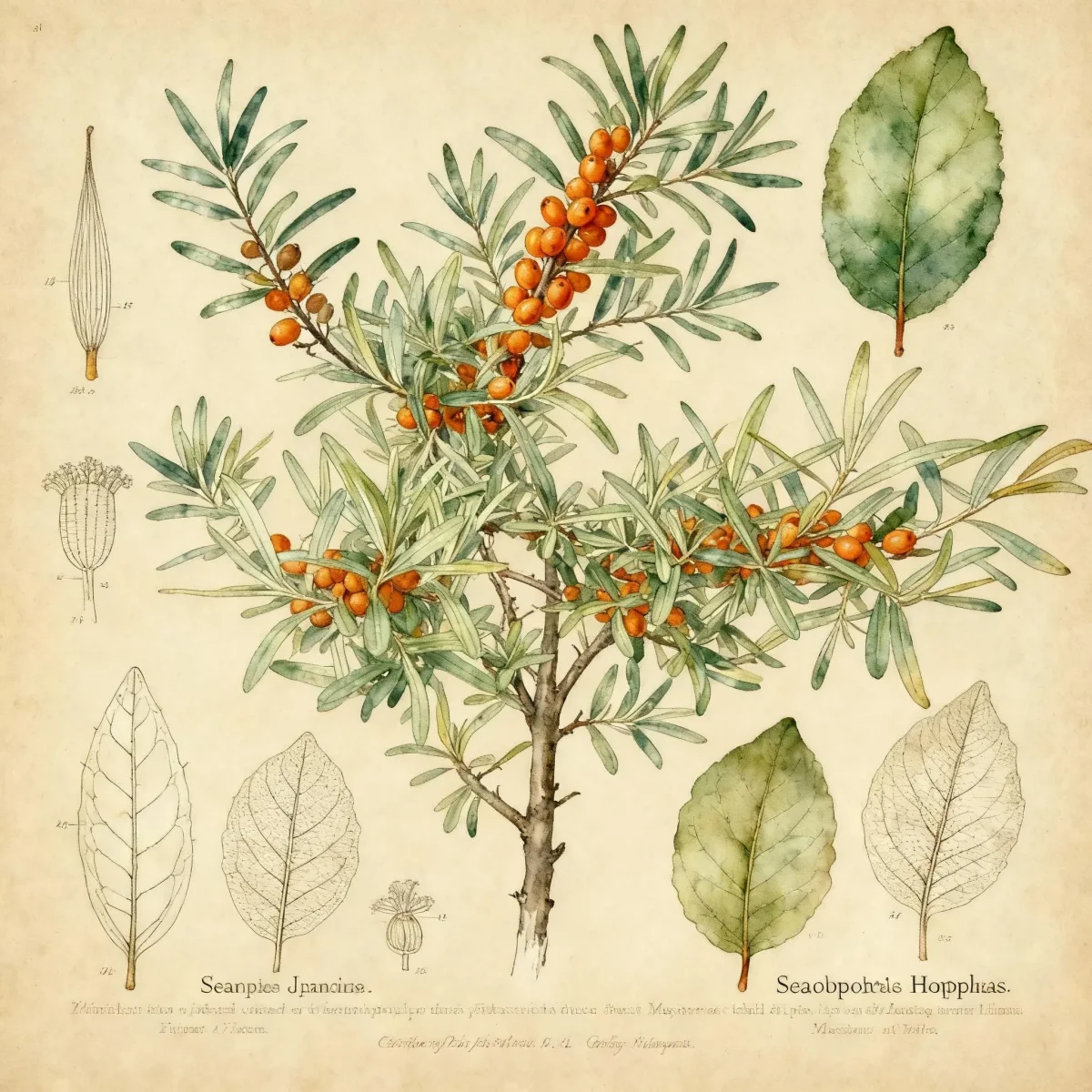
Sea buckthorn (Hippophae rhamnoides)
Sea buckthorn (Hippophae rhamnoides) is a tough, thorny shrub prized for silvery foliage and nutritious, edible orange berries. Hardy in Zones 3-8.

Bloom Boldly, No Matter the Season - Sweatshirt
Cozy organic cotton sweatshirt featuring our exclusive Purple Coneflower design. Perfect for gardeners who bloom year-round.
Inspired by the beautiful Sea buckthorn
Limited first batch (50) — join the waitlist for early access
Waitlist closes Feb 15, 2026.
Complete Plant Information
Field Guide Continues
Ready for care notes, companion picks, and planting tips?
The map is just the start. The full guide below covers growth habits, seasonal performance, and landscape uses.
Overview
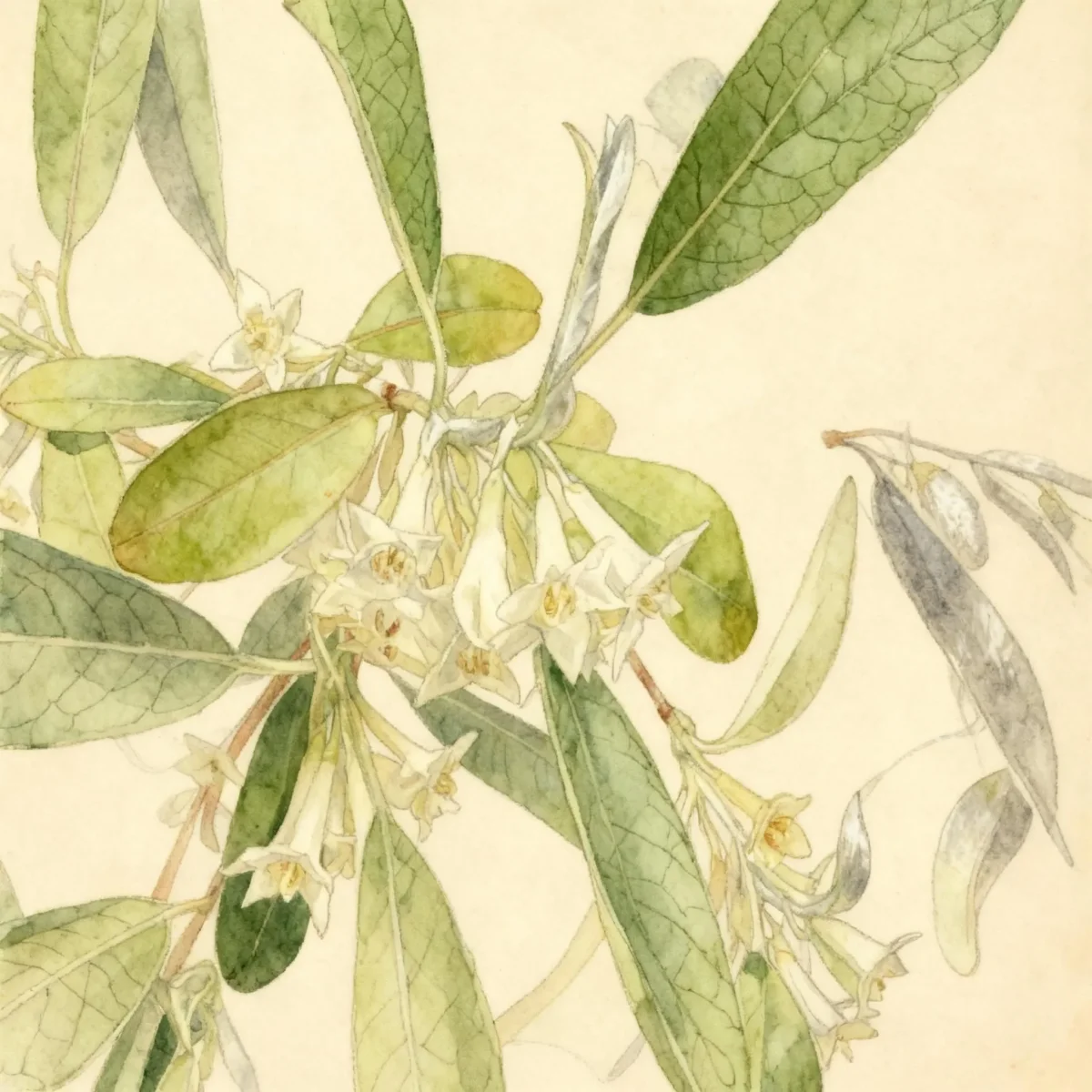
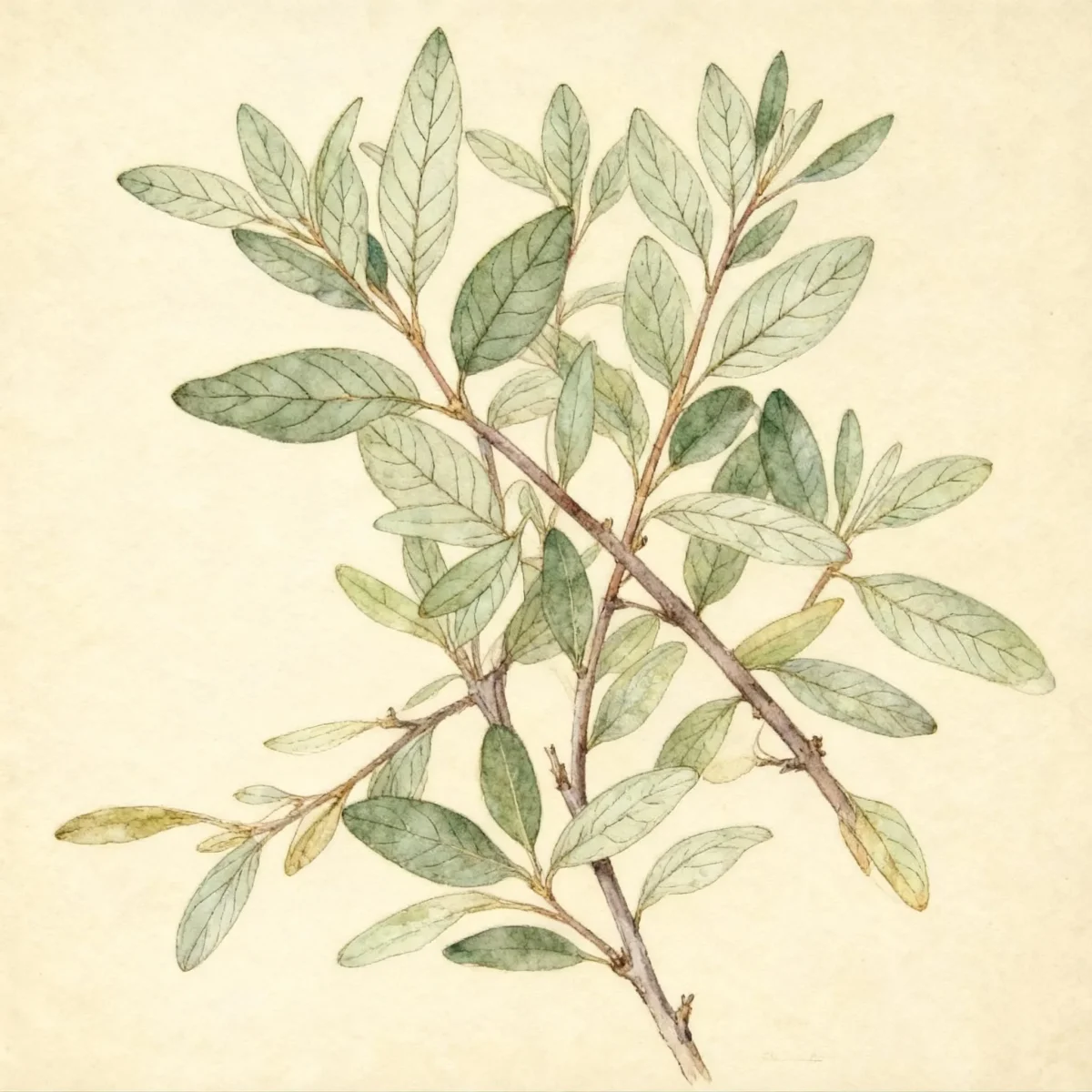
Hippophae rhamnoides, commonly known as sea buckthorn, is a robust, fast-growing shrub highly valued for its resilience and striking visual features. This deciduous shrub offers silvery, willow-like foliage that remains attractive throughout the growing season, contrasting beautifully with its eventual harvest of vibrant orange berries. Sea buckthorn is adaptable to challenging environments, making it an excellent choice for tough landscape situations.
This species, Hippophae rhamnoides, is distinguished by its thorny branches and its dioecious nature, meaning male and female plants must be present for the famed fruit to develop. Despite its appearance, the berries are richly vitamin-packed, utilized commercially in juices and preserves, adding significant practical value beyond its ornamental appeal.
Gardeners appreciate the low maintenance requirements of sea buckthorn when established, thriving where many other ornamental shrubs struggle. Whether used for naturalizing difficult slopes or establishing dense protective hedges, this plant provides excellent texture, seasonal interest, and functional barriers in the landscape.
Fast Facts
- Plant Family: Elaeagnaceae
- Plant Type: Deciduous shrub
- Native Range: Central and western Asia, Europe
- Hardiness Zones: USDA Zones 3-8
- Size at Maturity:
- Height: 8-12 ft
- Spread: 8-12 ft
- Bloom Time: March to April
- Bloom Description: Yellow green (female)Brown (male)
- Sun Exposure: Full sun
- Water Needs: Medium
- Maintenance Level: Low
How to Grow
For optimal establishment, plant Hippophae rhamnoides during the dormant season—early spring or late fall—once the soil is workable. Sea buckthorn prefers full sun exposure, which is critical for flowering and fruiting, and thrives in average, moist, well-drained soils. It shows remarkable tolerance for neutral to alkaline soils, including sandy loams, and handles windy, exposed sites exceptionally well.
Water requirements are medium; ensure consistent moisture during the first year to help the root system establish firmly. Once established, this shrub demonstrates significant drought tolerance, though regular watering during prolonged dry spells will support superior berry yield. Fertilization is rarely necessary due to its tolerance for poor soils.
Pruning is often required to manage its suckering habit and maintain desired shape, especially when used as a hedge. Remember that plants are dioecious; female plants require a nearby male pollinator plant to produce the ornamental and edible orange fruits. Locate males strategically without letting them dominate the planting area.
This cold-hardy shrub benefits from protection against high winds only briefly during initial planting; afterwards, its tolerance for wind and cold temperatures (down to USDA Zone 3) allows for minimal winter preparation aside from checking mulch layers.
Landscape Uses
Sea buckthorn excels in practical, large-scale plantings where durability is key. Its vigorous growth and thorny structure make it unmatched for establishing dense, effective hedges or living screens. The silvery foliage provides excellent contrast when placed alongside deep green evergreens or flowering shrubs.
Due to its inherent hardiness, Hippophae rhamnoides is highly recommended for stabilizing vulnerable areas, particularly stabilizing dunes along coastal properties where it tolerates salt spray and sandy conditions. Mass plantings of sea buckthorn also create impressive naturalized areas, providing texture and eventual wildlife fodder.
When incorporating Hippophae rhamnoides into borders, ensure adequate space is provided, as it can spread via suckers. This shrub pairs well aesthetically with other hardy, textural plants like certain junipers or tough ornamental grasses that can handle similar full sun and soil conditions.
Standout Features
Flower Qualities
- Showy
Fruit Qualities
- Showy
- Edible
Noteworthy Characteristics
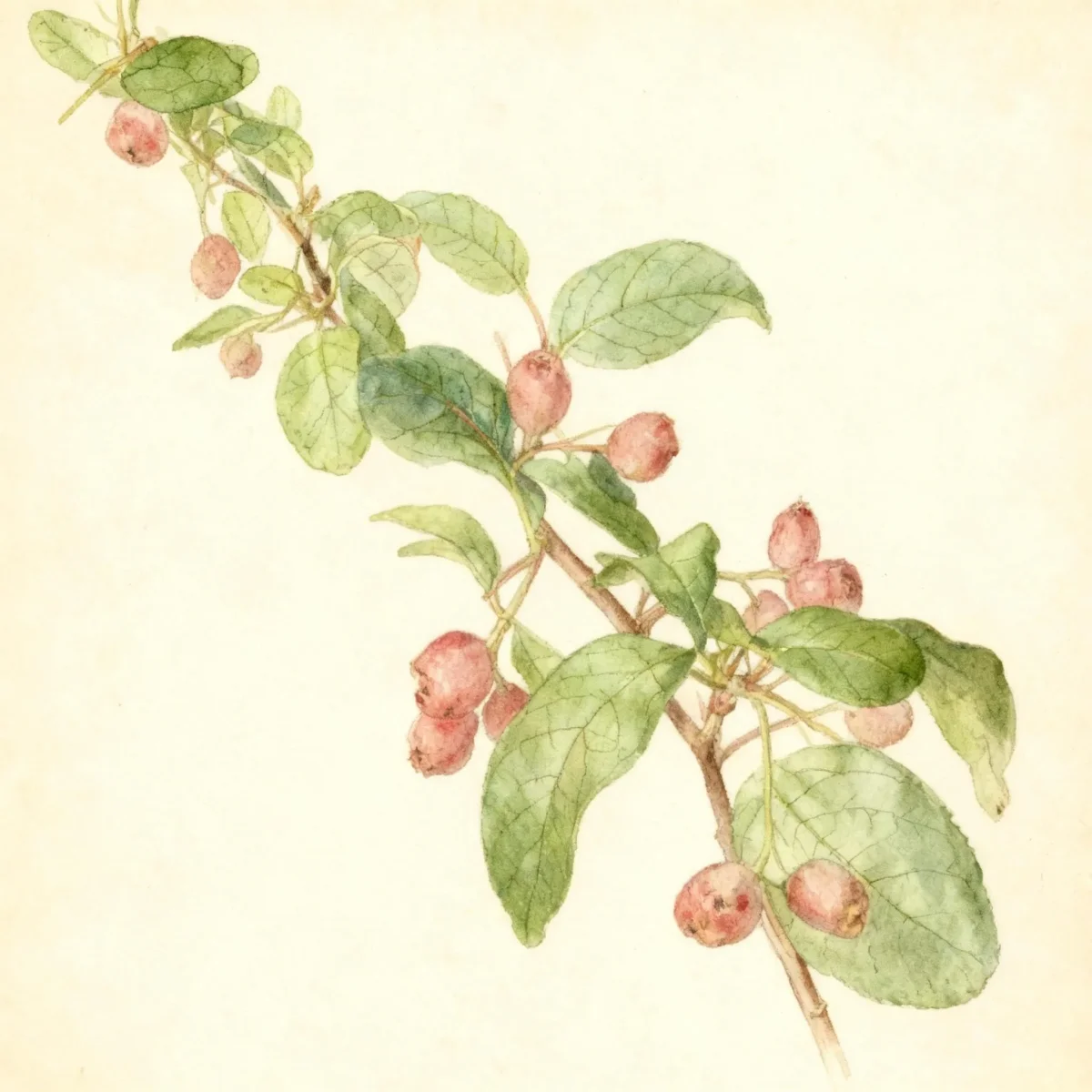
Hippophae rhamnoides, commonly called sea buckthorn, is a large, thorny-stemmed, suckering, deciduous shrub that typically grows to 8-12’ tall and as wide. It is particularly noted for producing both willow-like silver-green leaves which are attractive throughout the growing season and long-lasting orange berries on female plants in fall. The fruits are rich in essential vitamins and fatty acids, making this shrub valuable far beyond its ornamental appeal.
Tolerances
- Erosion
Potential Problems
Sea buckthorn generally exhibits few serious insect or disease problems, which contributes significantly to its low maintenance profile. Pests rarely pose a threat that requires chemical intervention; cultural health provided by full sun and good drainage is the best defense.
The biggest challenge for home gardeners lies in sourcing the plant material correctly. It may be difficult to locate this shrub in nurseries in the U.S. because nurseries must stock both male and female specimens, or growers must be diligent about labeling gender if purchasing only female, fruit-bearing plants.
Frequently Asked Questions
What hardiness zones is Sea buckthorn suitable for?
Hippophae rhamnoides is highly cold-tolerant, making it suitable for USDA Hardiness Zones 3 through 8.
How large does Sea buckthorn grow?
This deciduous shrub typically reaches a mature height between 8 and 12 feet, with an equivalent spread of 8 to 12 feet, though it can exceed this size in ideal native settings.
What sun exposure does Sea buckthorn need?
For healthy growth, abundant flowering, and reliable fruiting, sea buckthorn absolutely requires full sun exposure.
When does Sea buckthorn bloom?
Bloom time for Hippophae rhamnoides occurs early in the season, generally from March to April, before the leaves fully emerge, featuring inconspicuous yellow-green (female) and brown (male) flowers.
Conclusion
The sea buckthorn (Hippophae rhamnoides) offers unmatched resilience combined with year-round visual interest via its silver foliage and nutritious orange berries. Its low maintenance needs and tolerance for difficult soils make it a workhorse in the landscape, perfect for screening or coastal stabilization. Before planting, confirm your local hardiness zone compatibility and ensure you include a male pollinator if edible fruit production is your goal.
Companion Planting
When selecting companions for Hippophae rhamnoides, focus on plants that share its preference for full sun and well-drained, perhaps leaner, soils. Avoid aggressively spreading perennials that may compete with its suckering root system. Consider pairing it with drought-tolerant natives that share its European and Asian origins, or hardy conifers that benefit from the windbreak effect the sea buckthorn provides.
For a textural contrast, plant Hippophae rhamnoides near evergreens that offer deep green foliage, allowing the silver leaves and bright orange berries to truly stand out during fall and winter months. Given its thorny nature, avoid planting immediately adjacent to high-traffic walkways unless dense hedging is the primary goal.
Wildlife Benefits
While the berries are prized by humans, they also serve as an important late-season food source for various bird species. Birds often consume the persistent orange fruits throughout late fall and into the winter when other resources are scarce.
The dense, thorny branches of the sea buckthorn offer excellent, secure nesting sites for smaller songbirds shielded from predators. Establishing a mass planting of Hippophae rhamnoides can quickly create an effective, protective cover area within the garden ecosystem.