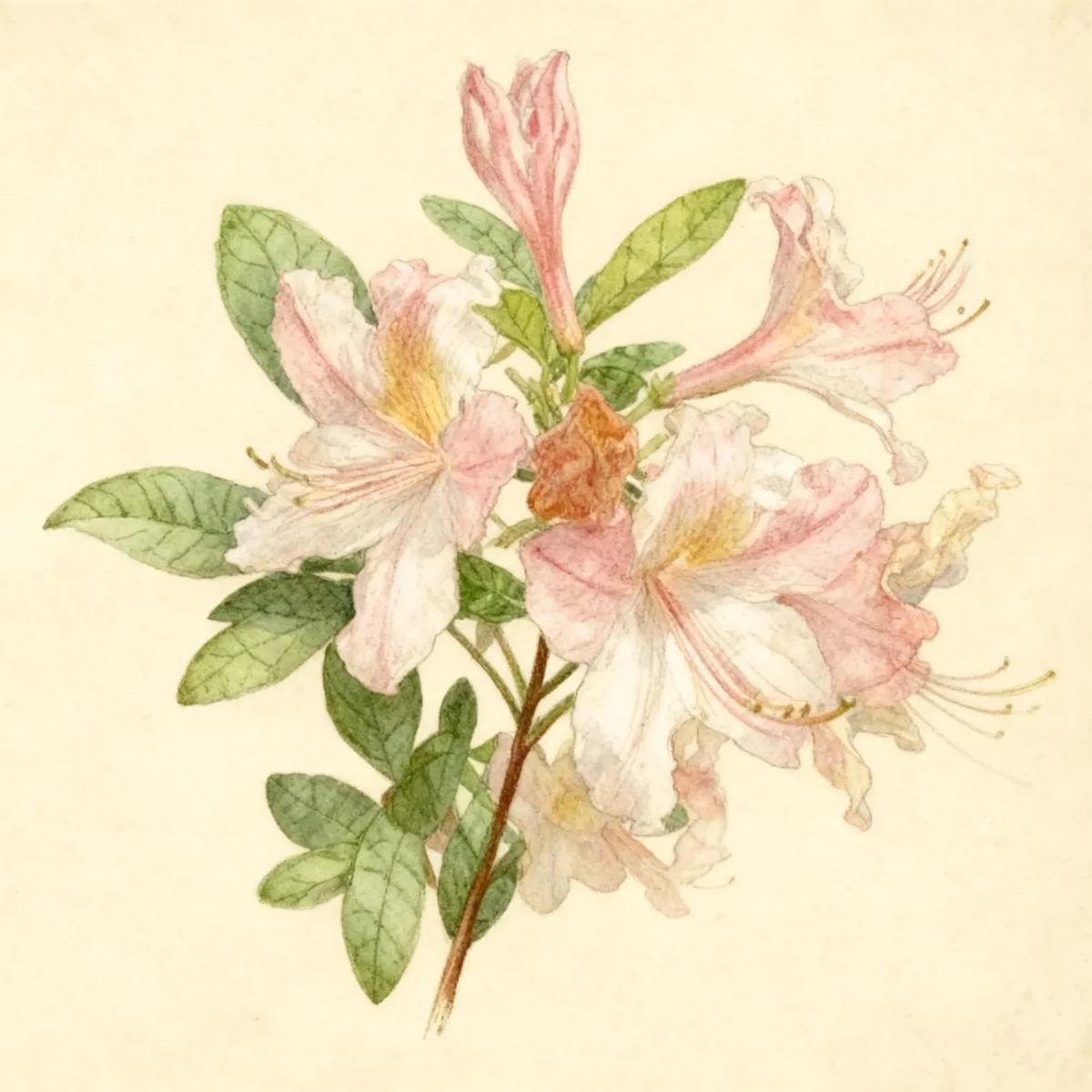
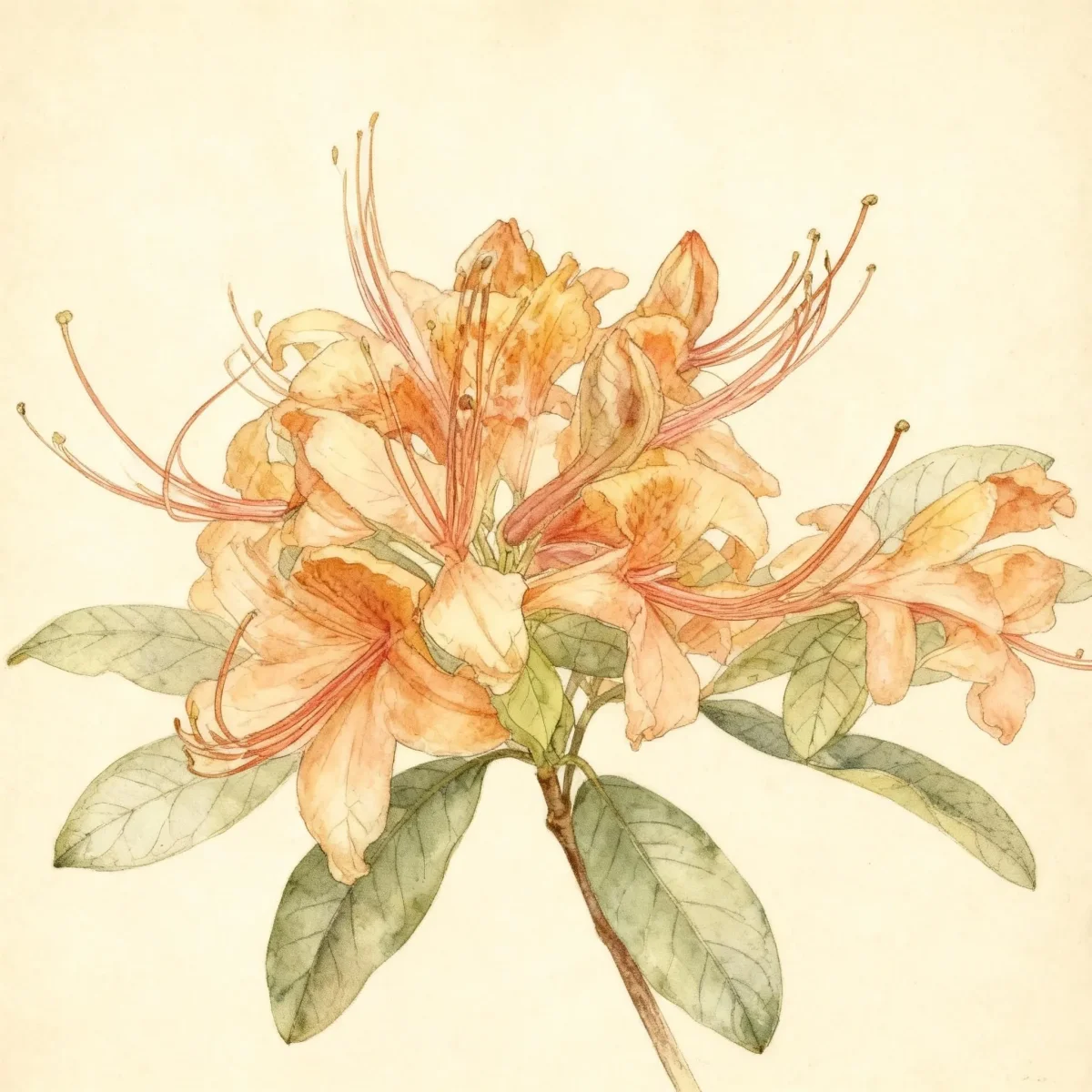
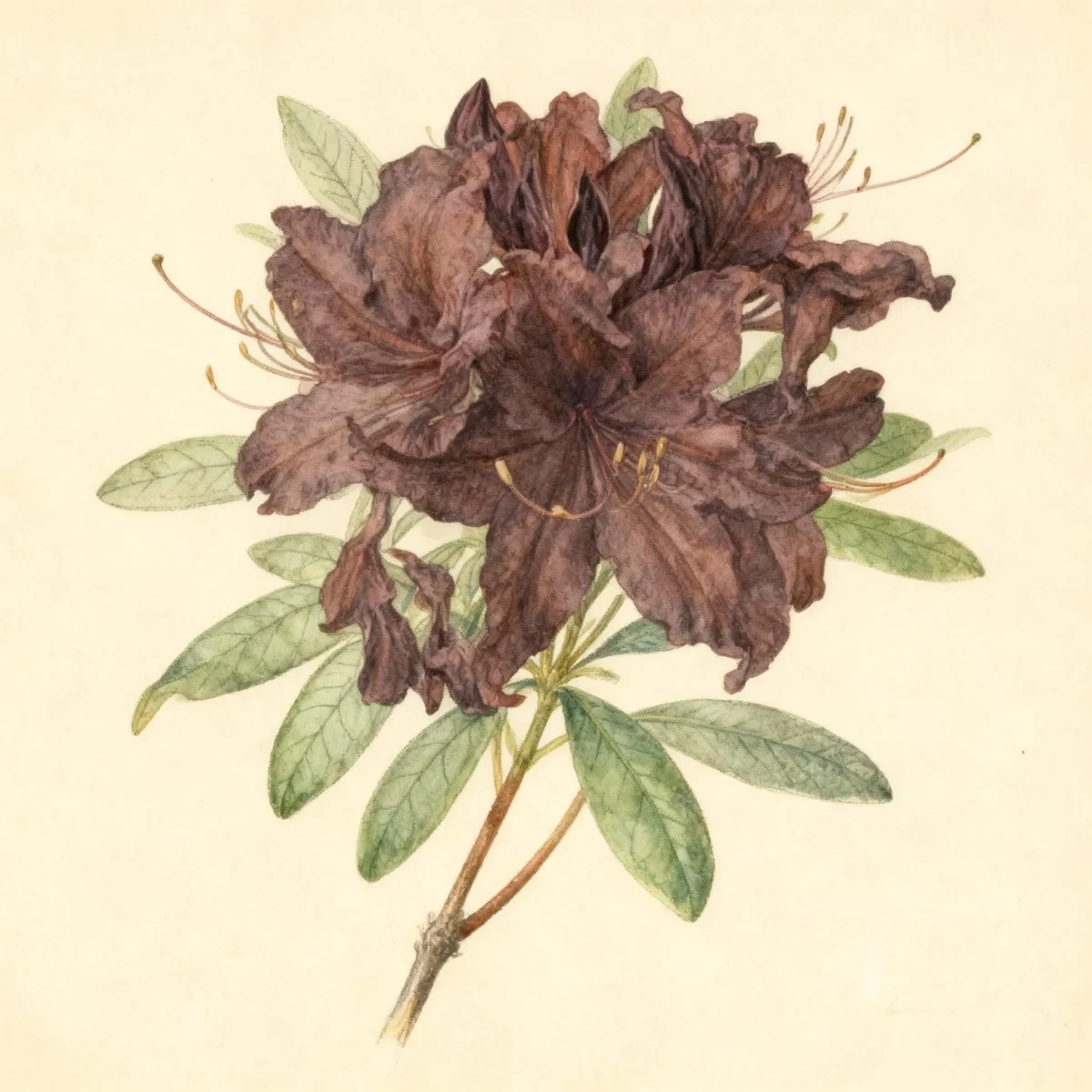
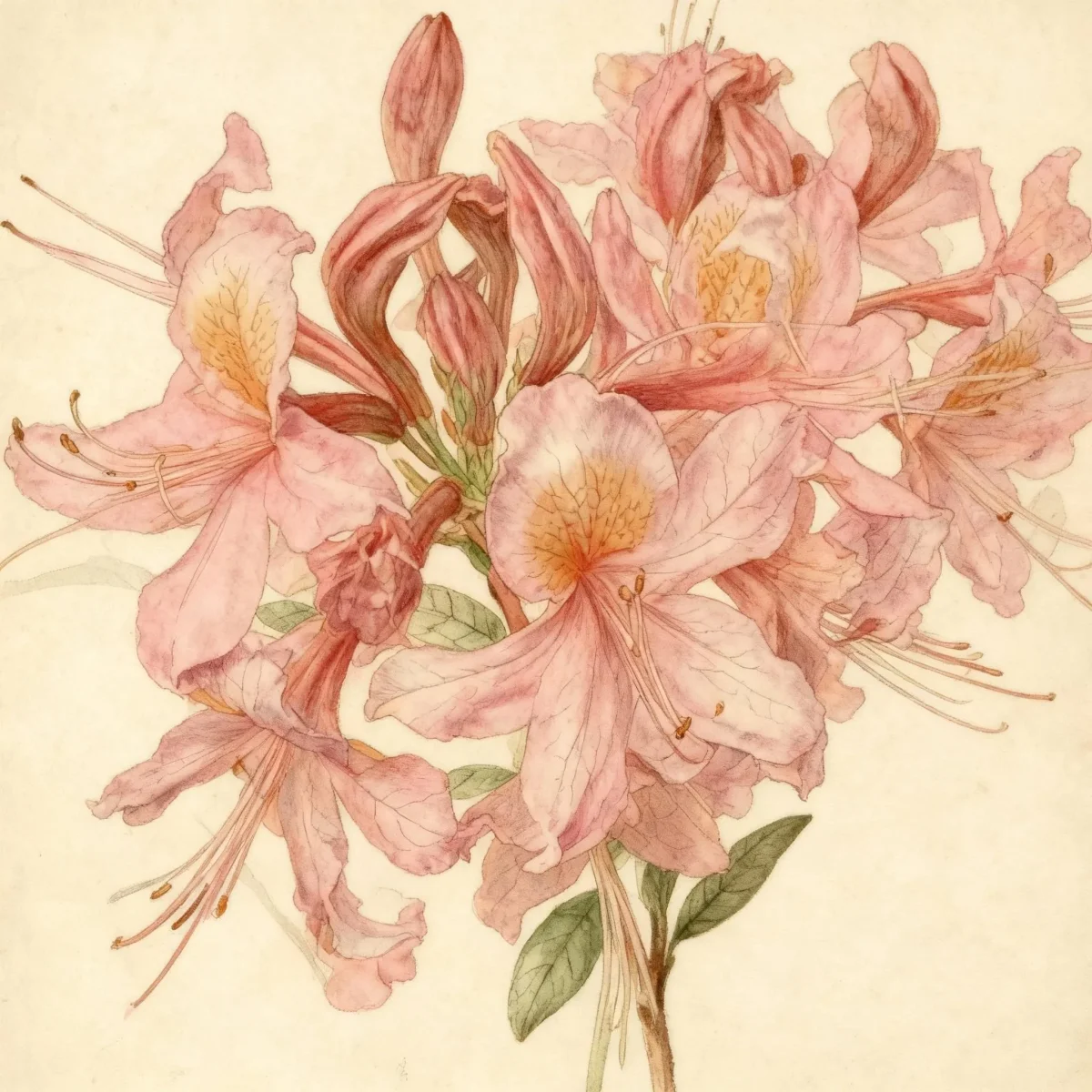
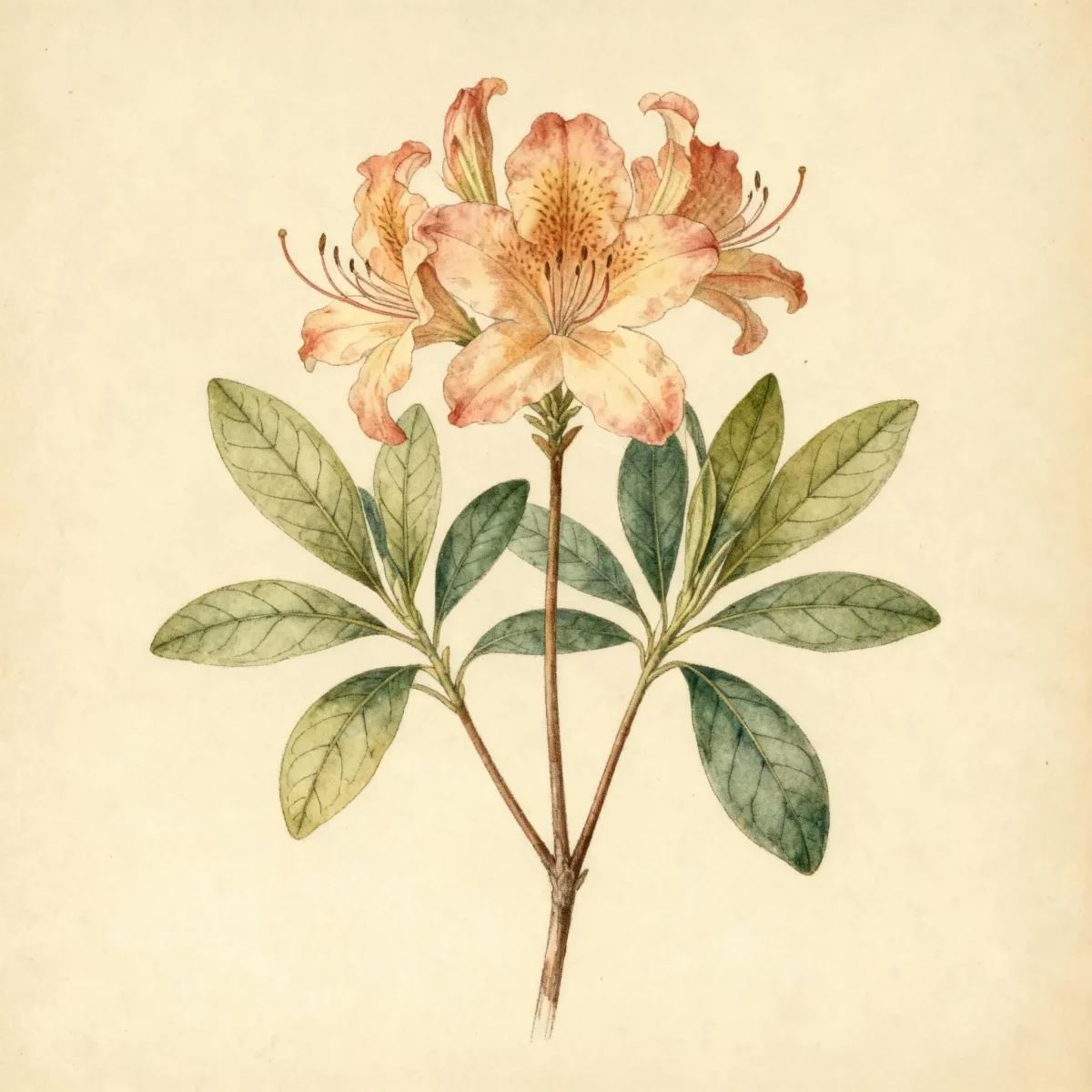
Florida azalea (Rhododendron austrinum)
Rhododendron austrinum, the Florida azalea, is a fragrant, showy deciduous shrub native to the Southeast US, blooming in April.

Bloom Boldly, No Matter the Season - Sweatshirt
Cozy organic cotton sweatshirt featuring our exclusive Purple Coneflower design. Perfect for gardeners who bloom year-round.
Inspired by the beautiful Florida azalea
Limited first batch (50) — join the waitlist for early access
Waitlist closes Feb 15, 2026.
Complete Plant Information
Field Guide Continues
Ready for care notes, companion picks, and planting tips?
The map is just the start. The full guide below covers growth habits, seasonal performance, and landscape uses.
Overview
The Rhododendron austrinum, commonly known as the Florida azalea, is a beautiful, upright deciduous shrub highly valued for its vibrant spring floral display. Native to the moist woods of Georgia and Florida, this species brings rich color and fragrance to woodland and shade gardens across USDA Zones 6 through 9. Its characteristic bloom time in April ensures early spring interest, just as the landscape begins to awaken.
This specific azalea typically reaches heights between 6 to 10 feet, forming a relatively loose and airy structure unsuitable for formal hedges unless consistently maintained. The Rhododendron austrinum thrives when provided with the necessary acidic soil conditions and protection from intense afternoon sun. For gardeners seeking an authentic native woodland specimen that offers fragrant, showy blooms, the Florida azalea is an excellent choice.
Its adaptability, though somewhat restricted by specific soil acidity needs, combined with its native status, makes Rhododendron austrinum a prime candidate for ecological landscaping projects. Providing the right environment ensures minimal issues and maximum reward when the yellow, peach, and orange-red flowers erupt before the foliage fully develops.
Fast Facts
- Plant Family: Ericaceae
- Plant Type: Deciduous shrub
- Native Range: Georgia, Florida
- Hardiness Zones: USDA Zones 6-9
- Size at Maturity:
- Height: 6-10 ft
- Spread: 4-6 ft
- Bloom Time: April
- Bloom Description: Yellow, peach, orange-red
- Sun Exposure: Part shade
- Water Needs: Medium
- Maintenance Level: Medium
How to Grow
For optimal establishment, plant Rhododendron austrinum during cooler, wetter periods, ideally early spring or fall. Successful cultivation demands acidic soil; amend the planting site heavily prior to installation. This species requires light, sandy, well-drained soils or well-drained humusy loams, preferring high open part shade over deep shade or full, intense sun, which scorches the foliage.
Consistent moisture is key; the shallow, fibrous root systems must never be allowed to dry out, though excellent drainage is paramount to prevent root rot—a common threat in heavy clay. If drainage is poor, consider raised beds or planting mounds. Applying a thick layer of mulch, such as bark chips or pine needles, helps retain necessary moisture and stabilizes soil temperatures throughout the year.
Maintenance for the Florida azalea is medium. Acidify soils before planting and continue regular testing and amending as needed, as azaleas are acid-lovers. Cultivation directly around the base should cease immediately upon planting due to the sensitive, shallow roots. After blooms fade in April, immediately clip off spent flower clusters to encourage better bud development for the following year.
Landscape Uses
The Florida azalea is versatile in the landscape when its specific cultural needs—acidic soil, part shade, and consistent moisture—are met. It excels when used as a specimen plant near patios, allowing observers to appreciate the fragrant spring flowers up close. Alternatively, it provides excellent structure within mixed borders, offering height and early seasonal interest among evergreen shrubs.
These deciduous shrubs look naturalized when planted in open woodland gardens or incorporated into native plant gardens, mimicking their preferred habitat along stream banks. While capable of forming informal hedges, they are better suited for grouping together to create a stunning mass display of glowing yellow and peach blooms in early spring. Pairing Rhododendron austrinum with other shade-tolerant, acid-loving natives like ferns or native dogwoods creates a cohesive, low-maintenance woodland aesthetic.
Standout Features
Flower Qualities
- Showy
- Fragrant
Noteworthy Characteristics
Rhododendron austrinum, commonly called Florida azalea or Florida flame azalea, is an upright, deciduous shrub that typically grows to 6-10’ tall with loose, irregular branching. It is native from northern Florida and southern Georgia west to southern Alabama and Mississippi where it is most often found in moist woods and along streams. Fragrant, funnel-shaped flowers in dense clusters bloom in early spring just before or as the foliage emerges, ranging in color from yellow to peach to orange-red.
Tolerances
- Rabbit
Potential Problems
Azaleas, including Rhododendron austrinum, face susceptibility to numerous pests and diseases, such as crown rot, root rot, leaf spot, canker, aphids, lacebugs, and mites. The primary defense against these issues is ensuring the plant receives proper cultural care—specifically, consistent moisture coupled with exemplary soil drainage, and maintaining the correct level of soil acidity.
A healthy Florida azalea planted in its ideal environment will naturally resist most severe infestations or infections. Monitor foliage regularly for signs of scorching, which indicates too much direct sun exposure. For potential soil fungus issues like root rot common in saturated soils, addressing drainage or planting in raised beds is the necessary long-term management strategy.
Frequently Asked Questions
What hardiness zones is Florida azalea suitable for?
Rhododendron austrinum is hardy and reliably grows in USDA Zones 6 through 9.
How large does Florida azalea grow?
This deciduous shrub typically matures to a height between 6 to 10 feet tall, with a spread ranging from 4 to 6 feet wide.
What sun exposure does Rhododendron austrinum need?
The preferred sun exposure for Rhododendron austrinum is part shade, where it receives protection from intense afternoon sun.
When does Florida azalea bloom?
This plant features its main display of flowers in April, producing colors described as yellow, peach, and orange-red.
Conclusion
The Rhododendron austrinum, or Florida azalea, offers exceptional early spring beauty through its fragrant and showy blossoms, making it a stunning addition to native, woodland, or mixed shrub borders. By prioritizing acidic, well-drained soil and managing its preference for part shade, gardeners can ensure this southern native thrives for years. Before planting, confirm your site location matches USDA Zones 6-9 environmental parameters for successful cultivation.
Companion Planting
Selecting appropriate companion plants is critical for the long-term success of Rhododendron austrinum, as they share stringent soil pH requirements. Look toward other acid-lovers that thrive in similar dappled light conditions. Good companions include native ferns, which thrive in the moist, shaded understory created beneath the azalea canopy.
Consider planting spring ephemerals or plants that offer contrasting foliage textures, such as Hellebores or certain varieties of woodland Phlox. These companions should also tolerate the medium moisture levels required by the Florida azalea. By grouping plants with similar needs, you simplify maintenance and create a harmonious, naturally evolving woodland garden scene.
Design Ideas
The loose, irregular branching of Rhododendron austrinum lends itself well to informal garden designs, such as naturalized shade dells or open woodland settings. Use groupings of three to five plants along the edges of established tree lines where the canopy filters the sunlight effectively. Because it is deciduous, plan foreground plantings that offer winter interest, as the structure of this plant becomes bare once leaves drop.
When used as a screen or hedge, allow the Florida azalea plenty of room to breathe, respecting its 4-6 foot mature spread. It serves as a fantastic vertical accent when placed near structures or patios, allowing spring visitors to fully experience its signature fragrance before the leaves obscure the flowers completely. Its native status also makes it ideal for ecological restoration zones requiring indigenous flora.