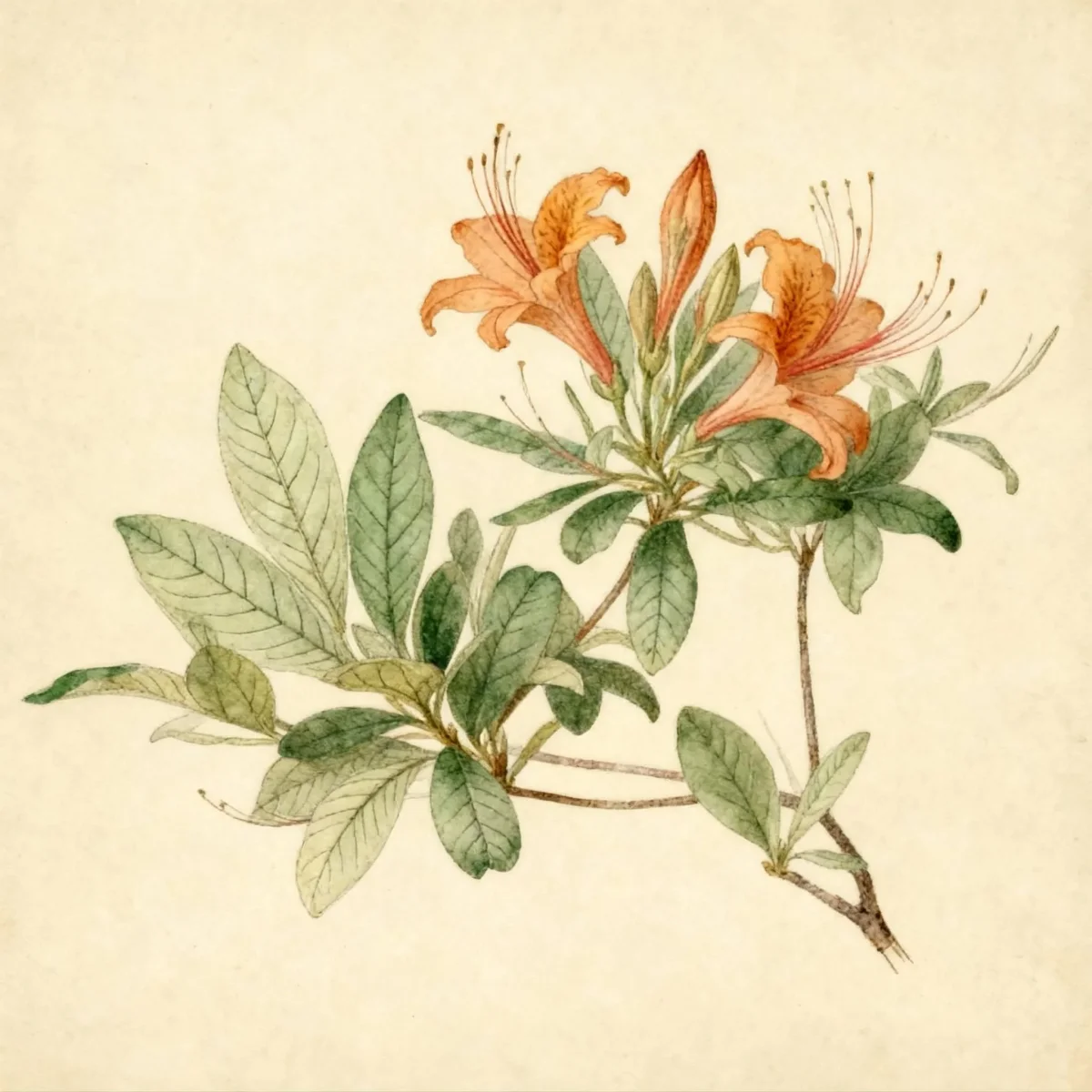
Piedmont azalea (Rhododendron flammeum)
Discover Rhododendron flammeum, the Piedmont azalea. This heat-tolerant native boasts showy orange-red blooms in spring, ideal for Southern gardens.

Bloom Boldly, No Matter the Season - Sweatshirt
Cozy organic cotton sweatshirt featuring our exclusive Purple Coneflower design. Perfect for gardeners who bloom year-round.
Inspired by the beautiful Piedmont azalea
Limited first batch (50) — join the waitlist for early access
Waitlist closes Feb 15, 2026.
Complete Plant Information
Field Guide Continues
Ready for care notes, companion picks, and planting tips?
The map is just the start. The full guide below covers growth habits, seasonal performance, and landscape uses.
Overview
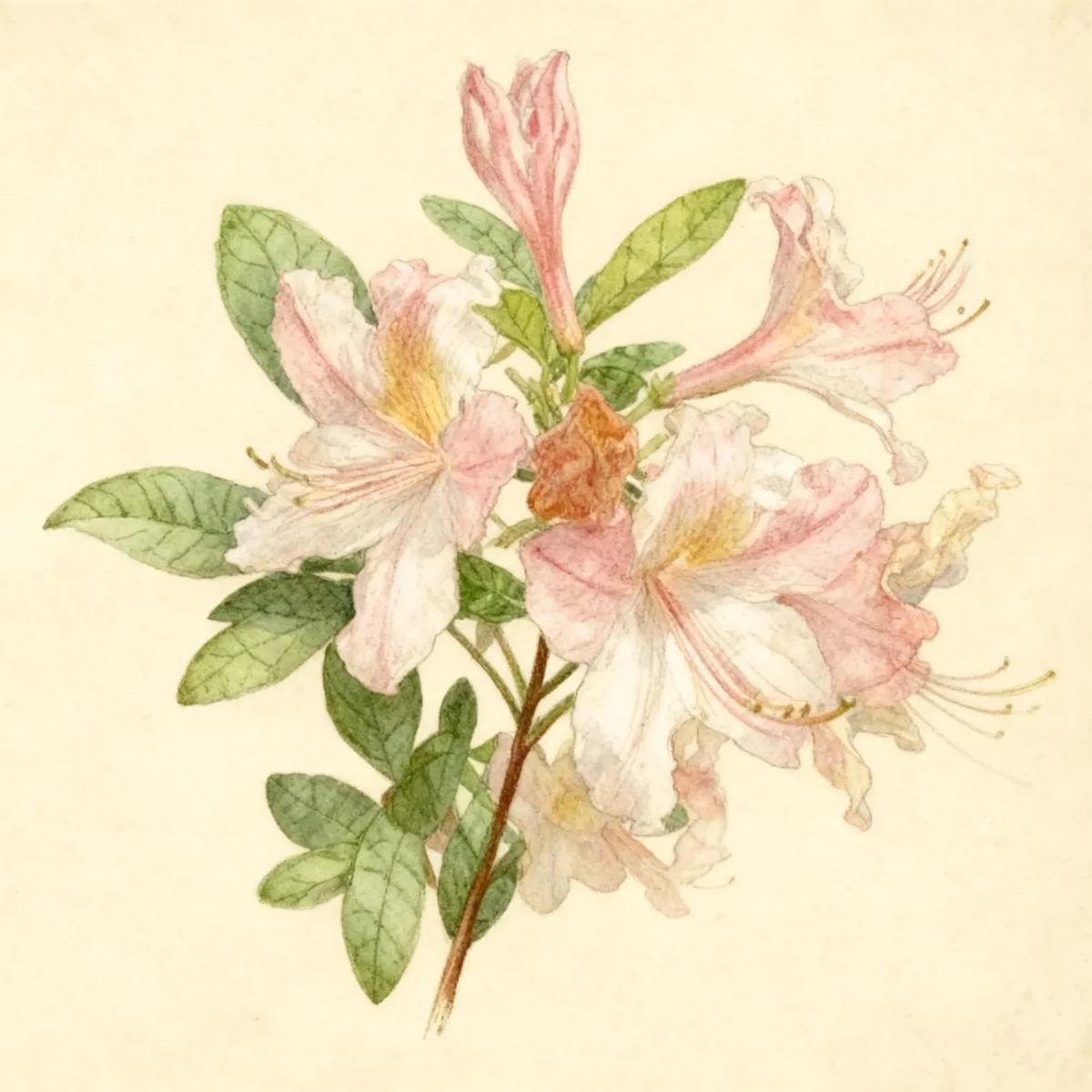
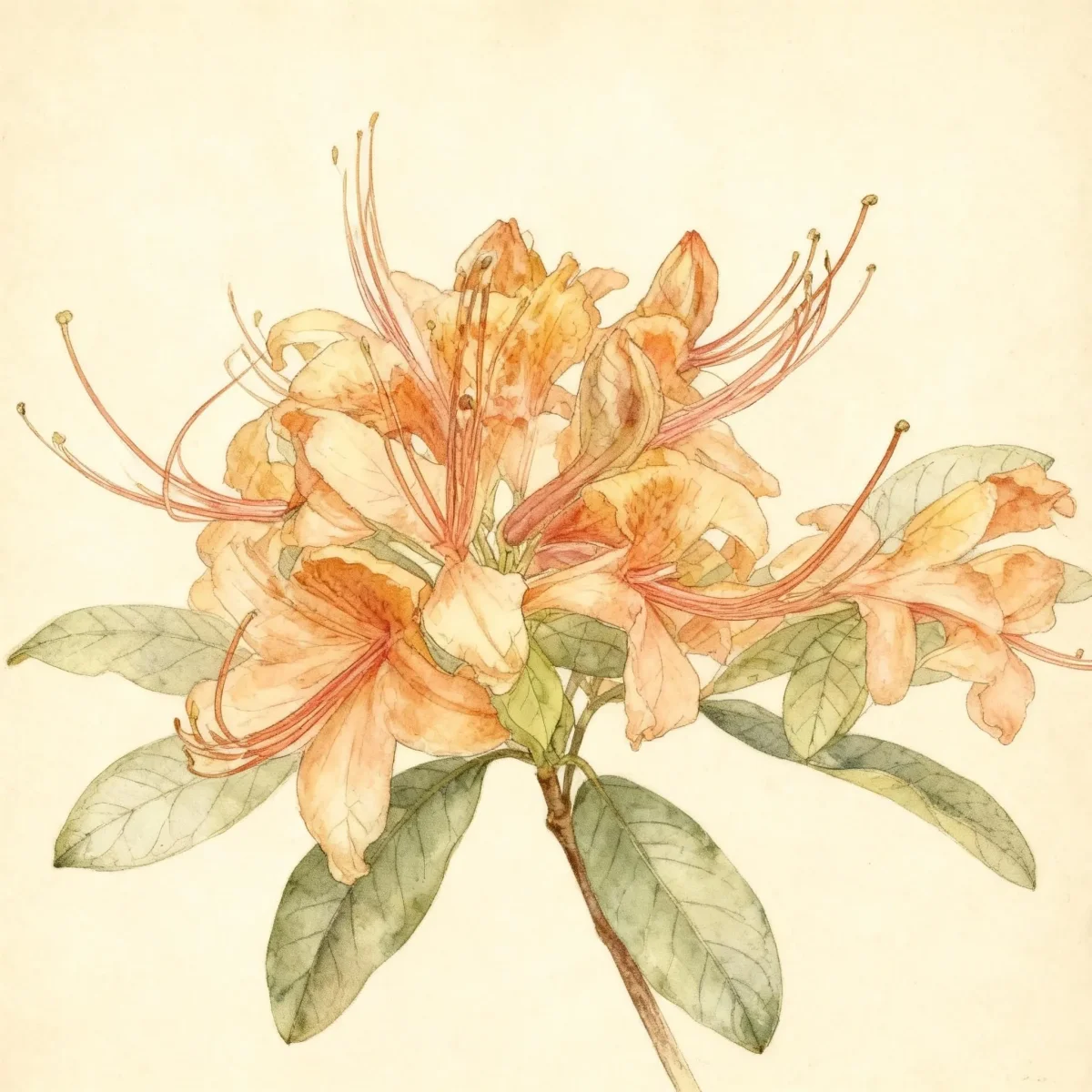
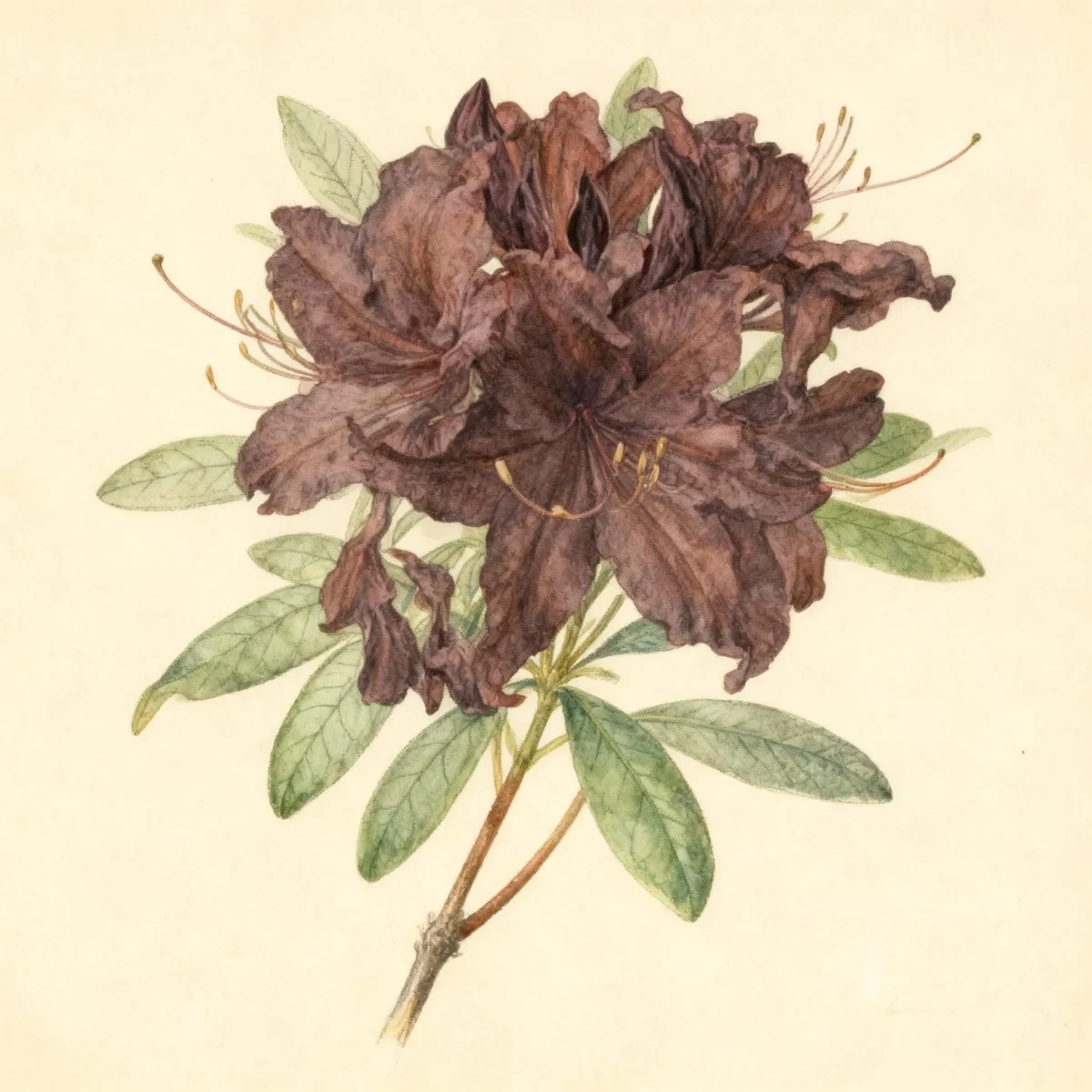
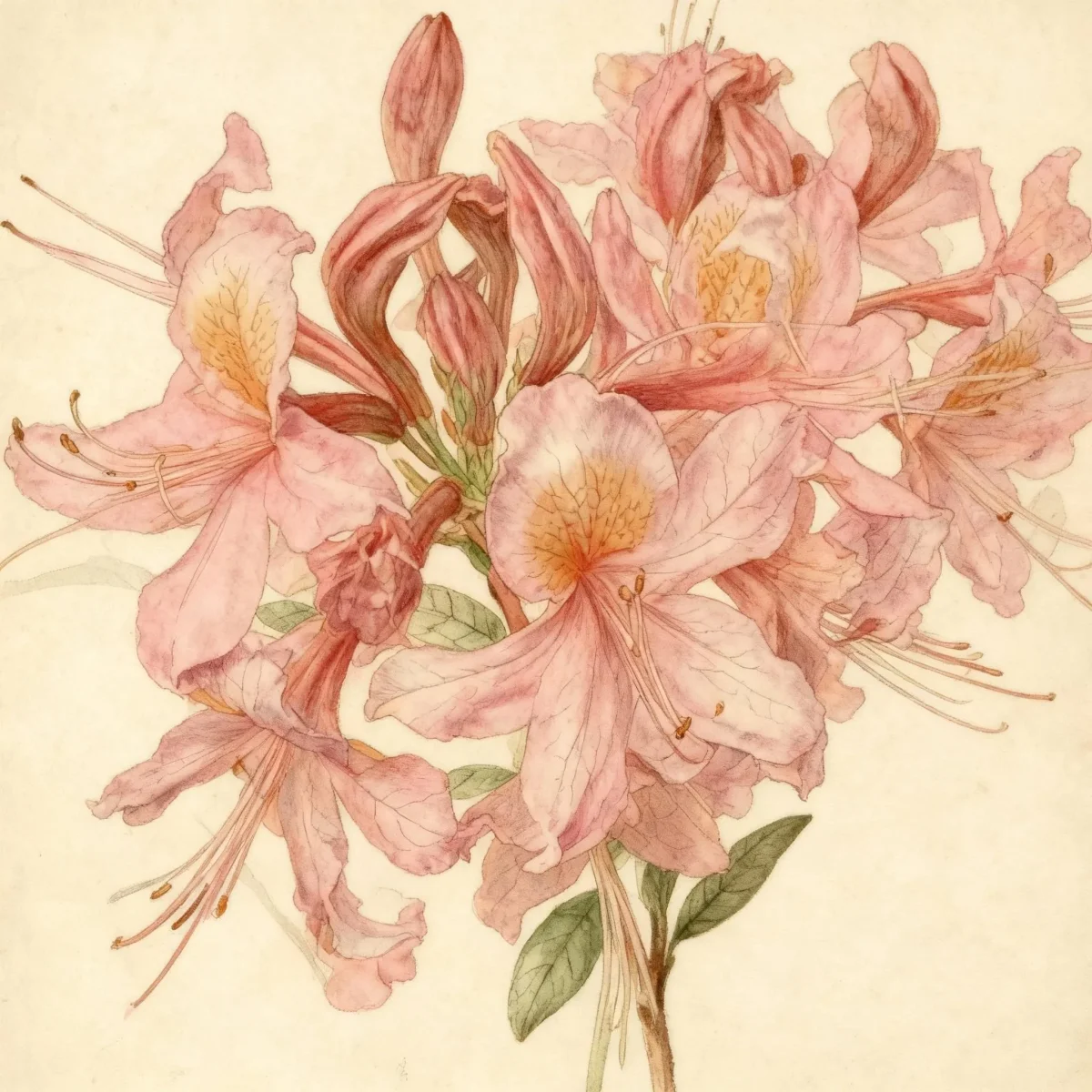
The Piedmont azalea (Rhododendron flammeum) is a beautiful, upright deciduous shrub highly valued for its vibrant spring coloration, especially suitable for the humid climates of the Southeast. Native to Georgia and South Carolina, this species offers a spectacular display of orange-yellow to orange-red funnel-shaped flowers just as the foliage begins to emerge. Recognizing the specific needs of this plant is key to cultivating a healthy specimen.
As a true native azalea, Rhododendron flammeum fills an important ecological niche in woodland and shade gardens within USDA zones 6 and 7. It reliably reaches heights and spreads between 6 to 8 feet, forming a dense, rounded structure perfect for informal hedging or mass plantings. Its tolerance for Southern heat and humidity sets it apart from some more sensitive evergreen counterparts.
Gardeners seeking authenticity and reliable performance in acidic, well-drained settings will find the Piedmont azalea rewarding. While it requires medium water input, ensuring its fibrous roots are never stressed by dryness or excessive moisture is crucial for long-term success.
Fast Facts
- Plant Family: Ericaceae
- Plant Type: Deciduous shrub
- Native Range: Georgia, South Carolina
- Hardiness Zones: USDA Zones 6-7
- Size at Maturity:
- Height: 6-8 ft
- Spread: 6-8 ft
- Bloom Time: April to May
- Bloom Description: Orange-yellow to orange-red
- Sun Exposure: Part shade
- Water Needs: Medium
- Maintenance Level: Medium
How to Grow
Planting the Piedmont azalea should occur in the spring or fall, favoring locations that receive filtered, sun-dappled conditions in part shade. The most critical factor is soil composition: it demands acidic, humusy, organically rich soil that remains consistently medium in moisture but must be exceptionally well-drained. Good drainage is essential, as Rhododendron flammeum strongly dislikes “wet feet,” which leads directly to root rot. If heavy clay soils are present, incorporating substantial organic matter or utilizing raised beds is highly recommended.
Watering requires attention; maintain medium moisture levels, especially during establishment, as the shallow, fibrous root systems should never be allowed to dry out completely, even though established shrubs show some drought tolerance. Acidify soils as necessary to maintain the preferred pH. Avoid cultivating directly around the base of the plant, as these roots are delicate.
After flowering concludes in late spring, clip off spent flower clusters where practicable; this encourages better energy allocation for next year’s blooms. A yearly layer of organic mulch, such as wood chips or pine needles, is highly beneficial. Mulch keeps the roots cool, conserves moisture, and stabilizes soil temperatures through the hot summers typical of its native range.
Landscape Uses
The upright, rounded habit of Rhododendron flammeum makes it exceptionally versatile in the landscape. It excels when used as a structural element in shrub borders or mixed borders, blending well with other woodland-edge plants. Its tolerance for hedging makes it a strong candidate for informal screens or defining property lines where natural structure is preferred over rigid geometry.
For a truly native woodland garden design, plant masses of the Piedmont azalea beneath the dappled canopy of mature trees. They also function effectively in foundation plantings where afternoon shade provides relief from intense sun. Pairing them with other acid-loving plants like rhododendrons, laurels, or ferns creates lush, layered seasonal interest.
Standout Features
Flower Qualities
- Showy
Noteworthy Characteristics
Rhododendron flammeum, commonly known as Oconee azalea, is an upright, rounded, medium-sized, deciduous azalea that typically matures to 6-8’ tall and as wide. It is a variable species native to the Piedmont region of Georgia and South Carolina, often found near woodlands, dry slopes, and stream bluffs. Funnel-shaped flowers bloom in mid-April with showy stamens, ranging from yellow-orange to red, featuring a darker splotch on the upper lobe.
Tolerances
- Rabbit
Potential Problems
Rhododendrons and azaleas are beautiful but can be targets for numerous pests and diseases, including borers, lacebugs, scale, aphids, canker, and various root and crown rots. The most crucial preventative measure for maintaining healthy Rhododendron flammeum is ensuring proper cultural conditions, specifically excellent drainage and correct soil acidity. Plants experiencing cultural stress (too much sun, poor drainage, or pH imbalance) are far more susceptible to attack.
Regular monitoring is advised. If pests like lacebugs appear, treatment often involves horticultural oils or targeted insecticides applied when pests are in their active life stages. Pruning should be minimal, focused primarily on removing spent flowers or damaged wood. Healthy plants situated in suitable part shade environments with ideal soil parameters should experience limited problems overall.
Frequently Asked Questions
What hardiness zones is Piedmont azalea suitable for?
The Piedmont azalea (Rhododendron flammeum) is hardy in USDA Zones 6 through 7.
How large does Piedmont azalea grow?
This deciduous shrub typically matures to a medium size, spanning 6 to 8 feet in height and spreading 6 to 8 feet wide.
What sun exposure does Rhododendron flammeum need?
This species thrives best in part shade, preferring filtered or sun-dappled light throughout the day.
When does Rhododendron flammeum bloom?
The striking blooms of the Piedmont azalea appear reliably from April into May, displaying shades ranging from orange-yellow to vibrant orange-red.
Conclusion
The Piedmont azalea (Rhododendron flammeum) offers gardeners a robust, heat-tolerant native option known for its spectacular, showy spring flowers. Its preference for acidic, well-drained soil makes it a hallmark specimen for Southern woodland and shade gardens. Before planting, confirm your site conditions match its needs for part shade and check your hardiness zone compatibility within USDA 6-7.
Companion Planting
When selecting companions for Rhododendron flammeum, focus on plants that share its affinity for acidic soil and part shade conditions. Broadleaf evergreens like Mountain Laurel (Kalmia latifolia) or native hollies provide excellent year-round structure that complements the deciduous nature of the azalea. Consider underplanting with native ferns or woodland groundcovers like Tiarella (Foamflower) which appreciate similar moisture levels and soil richness.
For color contrast during the late spring bloom, pair the orange-red tones of the Piedmont azalea with spring-flowering bulbs that prefer shade, such as species tulips or early-blooming woodland phlox. The overall goal is to create a layered environment that mimics its native habitat on stream bluffs and woodland edges, providing textural variety throughout all seasons.
Seasonal Care Calendar
Spring is when the Rhododendron flammeum demands peak attention; ensure thorough watering while flowers are fading, and immediately deadhead spent trusses to promote next year’s buds. As summer heat peaks in zones 6-7, monitor soil moisture closely, remembering that consistent hydration is key, even for established plants. Apply a fresh layer of mulch just before the hottest weather arrives.
In the fall, focus on site maintenance rather than heavy feeding; avoid late-season fertilization which can encourage tender new growth vulnerable to early frosts. During winter, protect the root zone with a thick layer of insulating mulch, especially in the colder Zone 6 edge. Avoid disturbing the soil near the base of the plant at any time due to its shallow root system.