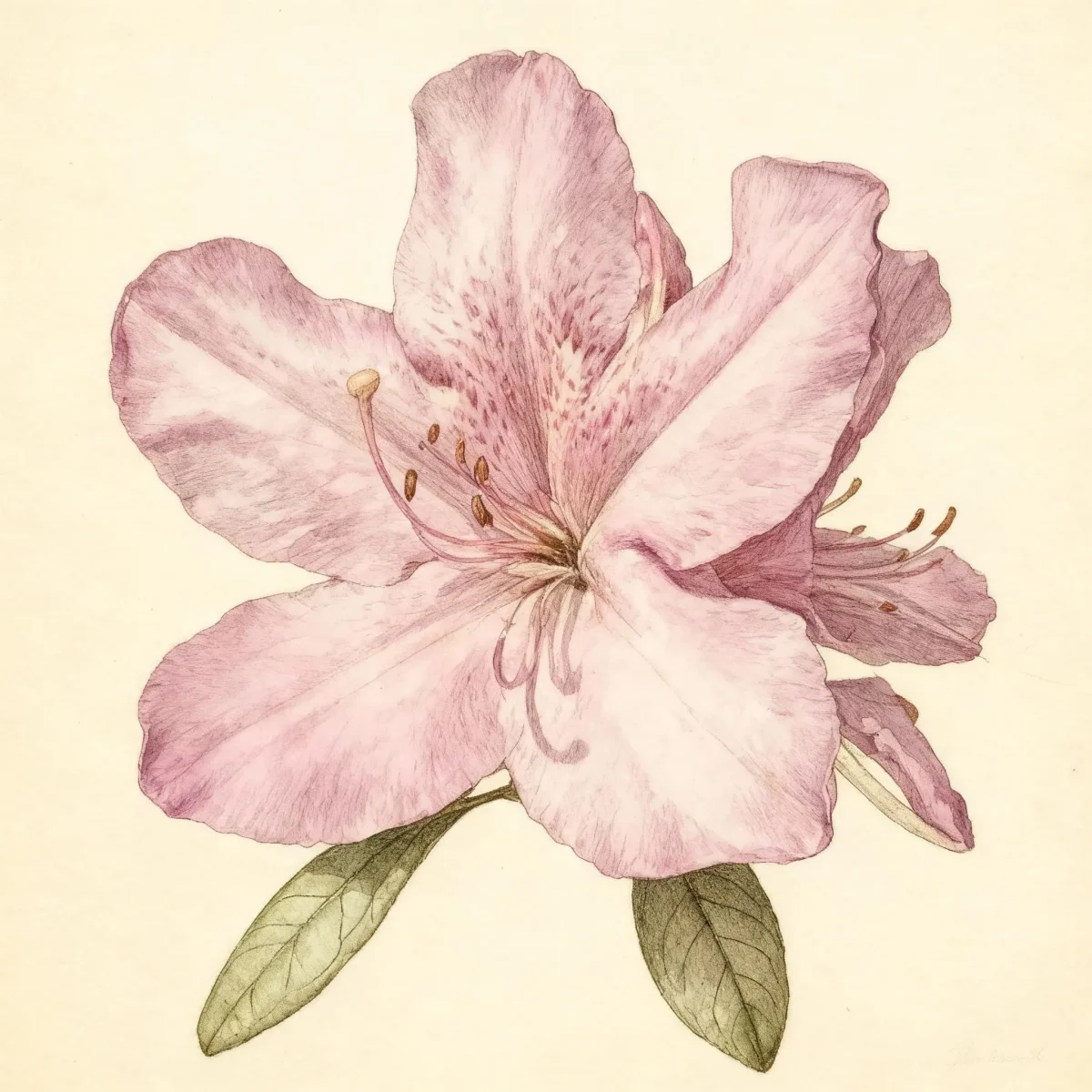
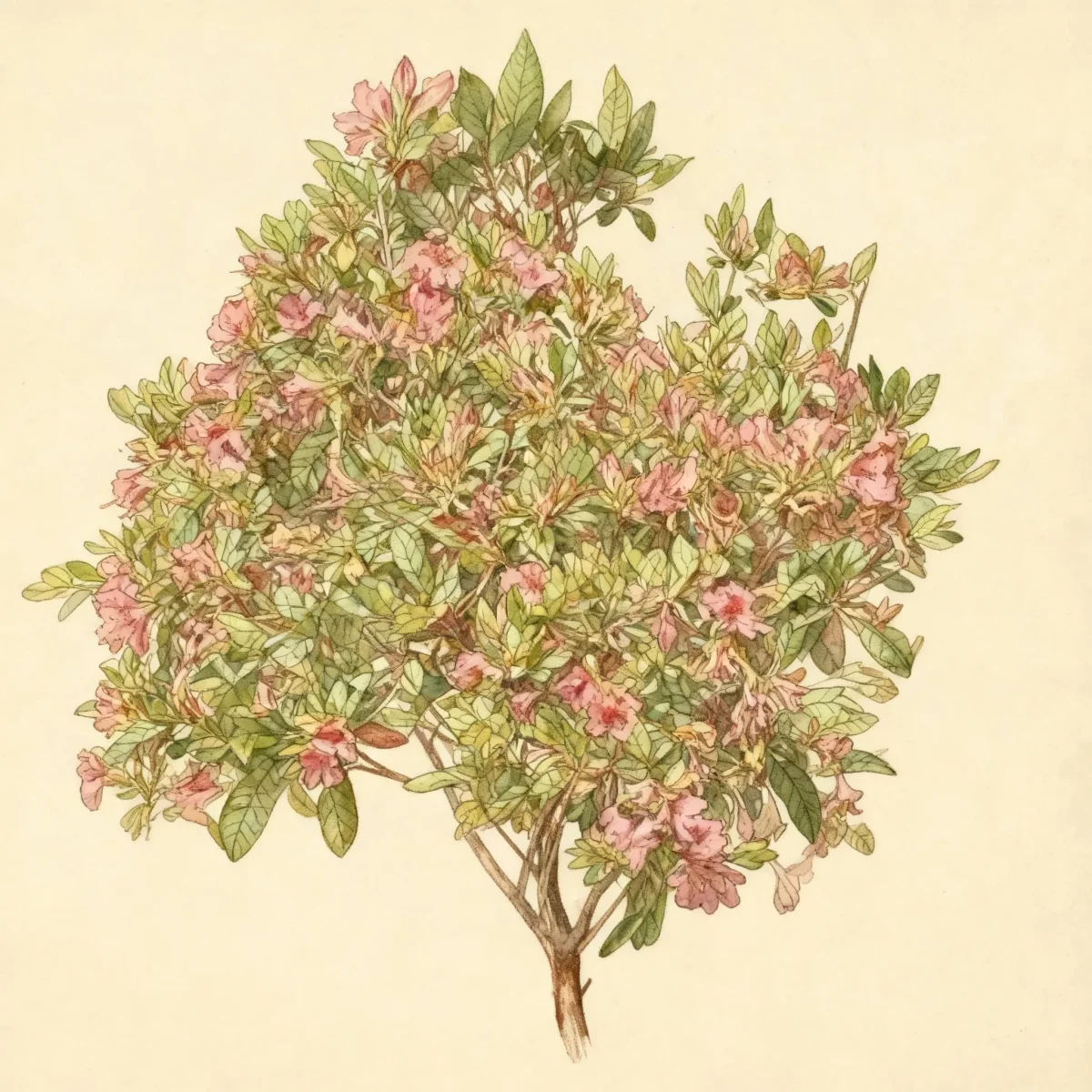
Azalea (Rhododendron indicum)
Discover the Rhododendron indicum Azalea, a striking broadleaf evergreen blooming red in May-June. Ideal for partial shade in Zones 7-8.

Bloom Boldly, No Matter the Season - Sweatshirt
Cozy organic cotton sweatshirt featuring our exclusive Purple Coneflower design. Perfect for gardeners who bloom year-round.
Inspired by the beautiful Azalea
Limited first batch (50) — join the waitlist for early access
Waitlist closes Feb 15, 2026.
Complete Plant Information
Field Guide Continues
Ready for care notes, companion picks, and planting tips?
The map is just the start. The full guide below covers growth habits, seasonal performance, and landscape uses.
Overview
The Azalea, scientifically known as Rhododendron indicum, provides a dense, semi-evergreen structure ideal for adding year-round texture to the garden. This species is valued for its vibrant, funnel-shaped red-to-scarlet flowers that appear reliably in late spring, typically spanning May to June. Gardeners appreciate the glossy, dark green foliage, which often acquires attractive reddish tints throughout the winter months, offering seasonal interest.
Native to Japan, this species usually matures at a compact height and spread of 2 to 3 feet, making the Rhododendron indicum versatile for mass plantings or structured hedges. Success with this Azalea hinges critically on providing the correct acidic, well-drained soil conditions, as poor drainage is a major threat to its shallow root system. When sited correctly, it serves as a dependable, colorful element in protected landscape areas.
Fast Facts
- Plant Family: Ericaceae
- Plant Type: Broadleaf evergreen
- Native Range: Japan
- Hardiness Zones: USDA Zones 7-8
- Size at Maturity:
- Height: 2-3 ft
- Spread: 2-3 ft
- Bloom Time: May to June
- Bloom Description: Red
- Sun Exposure: Part shade
- Water Needs: Medium
- Maintenance Level: Medium
How to Grow
Planting Rhododendron indicum should occur when conditions allow for establishment without immediate heat stress, typically during early spring or fall. The most critical element for this Azalea is the soil: it demands acidic, humusy, organically rich, moisture-retentive yet perfectly well-drained media. High shade or sun-dappled locations are preferred over deep shade or intense afternoon sun. For gardeners struggling with heavy clay, planting in raised beds is highly recommended to guarantee the essential good drainage, preventing root rot.
Water needs are medium, but consistency is key; these shallow, fibrous roots must never be allowed to dry out, especially during hot weather. Apply a generous layer of mulch, such as wood chips or pine needles, around the base to maintain consistent moisture and stabilize soil temperatures. Avoid cultivating near the base, as root disturbance is harmful. If soil pH is too high, acidify the soil routinely to ensure nutrient uptake.
Pruning should be minimal and focused only on maintenance. Immediately after the bloom period concludes in late spring, clip off spent flower clusters (deadheading) as practicable. This species is reportedly hardy down to 0°F, though reliability is low in Zone 6, where protection from winter wind and excellent mulching is vital for winter survival.
Landscape Uses
As this Rhododendron indicum is noted for its hedge potential, it excels in creating low, formalized borders or as a consistent edge along pathways. Beyond hedging, this semi-evergreen Azalea shines when integrated into mixed borders where its bloom time complements spring and early summer perennials. In woodland gardens or shade gardens, planting them in groups or mass plantings creates a strong visual impact when the red trusses open.
For locations facing south, particularly in marginally hardy zones, utilize the thermal protection offered by foundations or walls when siting this shrub. This Azalea integrates well with other acid-loving companions such as Camellias, Pieris, or native ferns, creating a lush, shaded understory planting scheme. Its robust, 2-3 foot profile makes it an excellent choice for the middle layer of a layered border design.
Standout Features
Flower Qualities
- Showy
Noteworthy Characteristics
Rhododendron indicum is native to Japan and presents as a dense, semi-evergreen shrub reaching 2-3 feet tall. Its flowers are funnel-shaped, measuring up to 2.5 inches in diameter, and emerge in trusses during May. The leaves are characteristically glossy dark green, slightly toothed, and take on reddish hues as temperatures drop, adding winter color.
Tolerances
- Rabbit
Potential Problems
Rhododendrons and azaleas, including Rhododendron indicum, face susceptibility to numerous fungal diseases and insect pests if growing conditions are not optimal. Common issues include root rot and crown rot, almost always linked to poor drainage, and leaf spot or powdery mildew in humid conditions. Pests like lacebugs, scale, and mites can also plague the foliage. Maintaining a healthy plant in its preferred acidic, moist, well-drained environment with proper cultural care is the best defense against major infestations or disease outbreaks.
Frequently Asked Questions
What hardiness zones is Azalea suitable for?
This Azalea is recommended for USDA Zones 7 through 8, though it may survive in Zone 6 with significant protection and heavy mulching.
How large does Rhododendron indicum grow?
The typical mature size for Rhododendron indicum is 2 to 3 feet in height with a corresponding spread of 2 to 3 feet.
What sun exposure does Azalea need?
This plant thrives best when grown in part shade, preferring locations that receive dappled sunlight or high open shade throughout the day.
When does Azalea bloom?
The vibrant red flowers of the Azalea bloom between May and June, offering late spring color.
Conclusion
The Rhododendron indicum Azalea is an invaluable addition for gardeners seeking reliable, low-to-medium maintenance broadleaf evergreen structure and beautiful red late spring flowers. Ensuring acidic culture and impeccable drainage are the keys to successfully growing this Japanese native. Before planting, confirm your site falls within USDA Zones 7 or 8 and prepare your soil accordingly to enjoy this Azalea for years to come.
Companion Planting
Selecting appropriate companions is crucial when establishing Rhododendron indicum to ensure shared cultural needs are met, particularly regarding soil acidity and moisture regulation. Plants that thrive in acidic, moist, well-drained conditions make excellent neighbors. Consider pairing this Azalea with ferns, Hosta varieties that tolerate shade, or other ericaceous shrubs like blueberries (if space allows) or Kalmia (Mountain Laurel). The deep green texture of the Azalea foliage provides a wonderful backdrop for woodland bulbs like spring Epimediums.
Common Mistakes
The most common error when growing this Azalea involves failing to address soil structure, leading directly to root rot—a fatal condition for these fibrous root systems. Secondly, gardeners often fail to mulch adequately or allow the shallow roots to completely dry out during summer months, stressing the plant significantly. Finally, attempting to plant Rhododendron indicum in deep, dense shade can result in sparse flowering and weak growth, as the plant needs at least filtered light to produce its best red blooms.