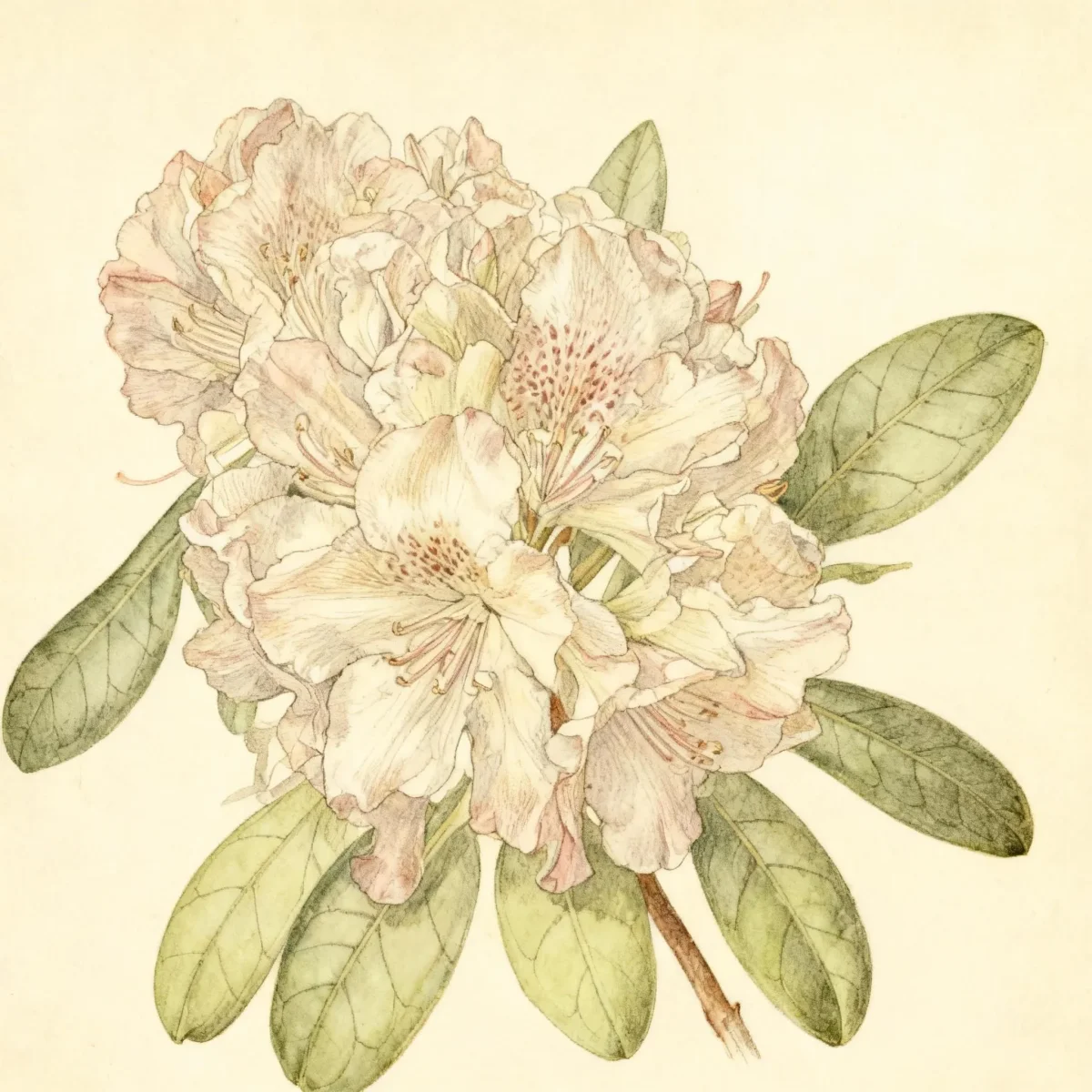
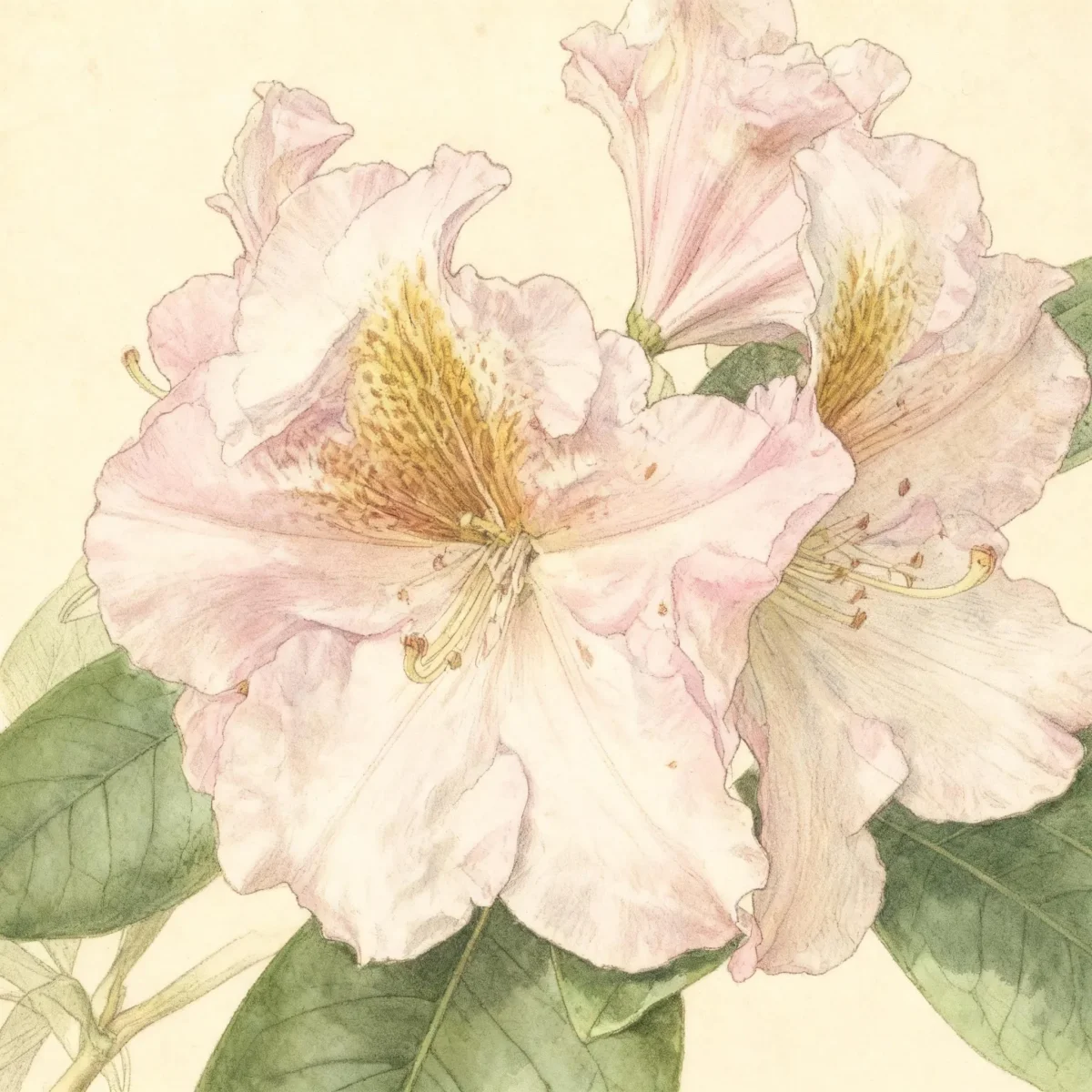
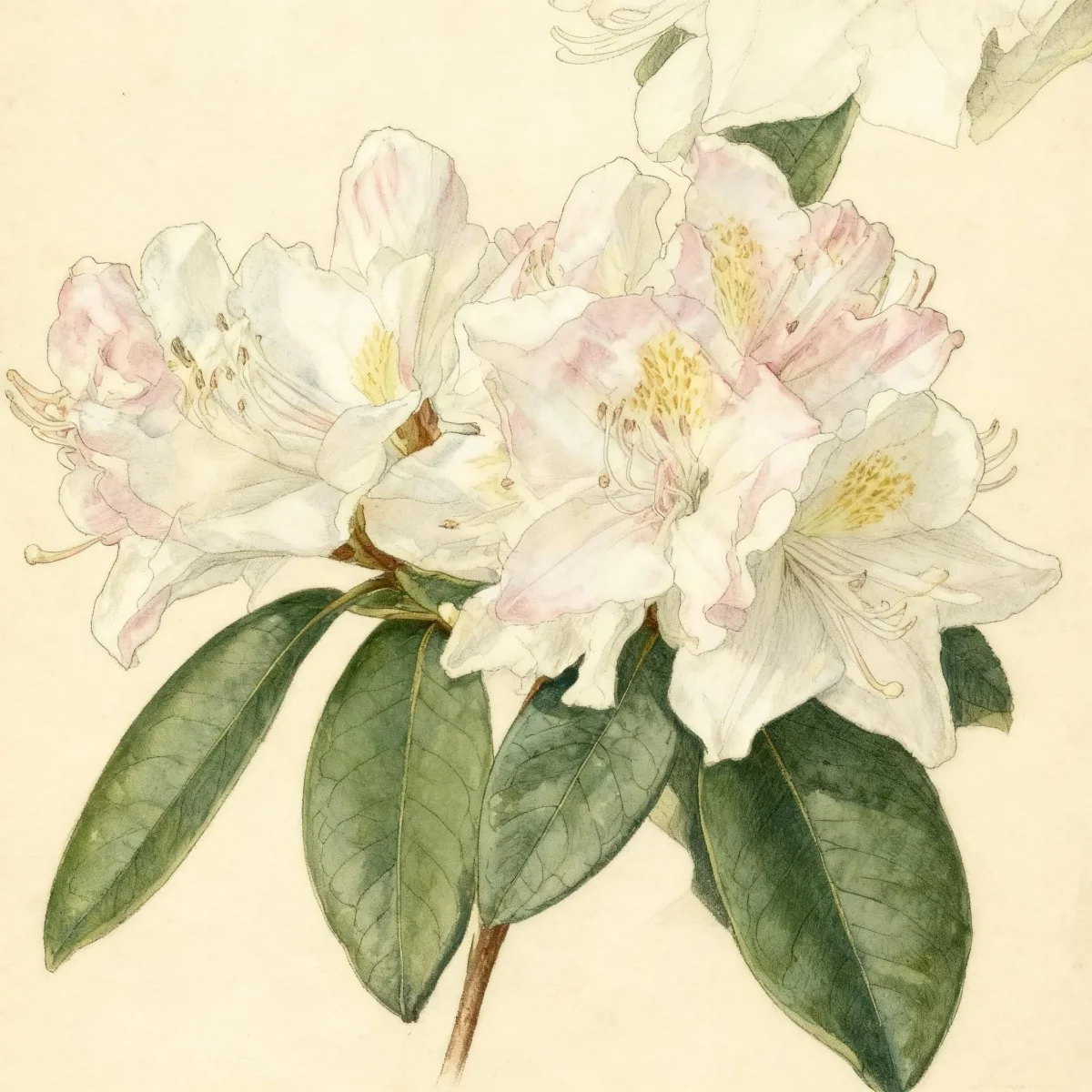
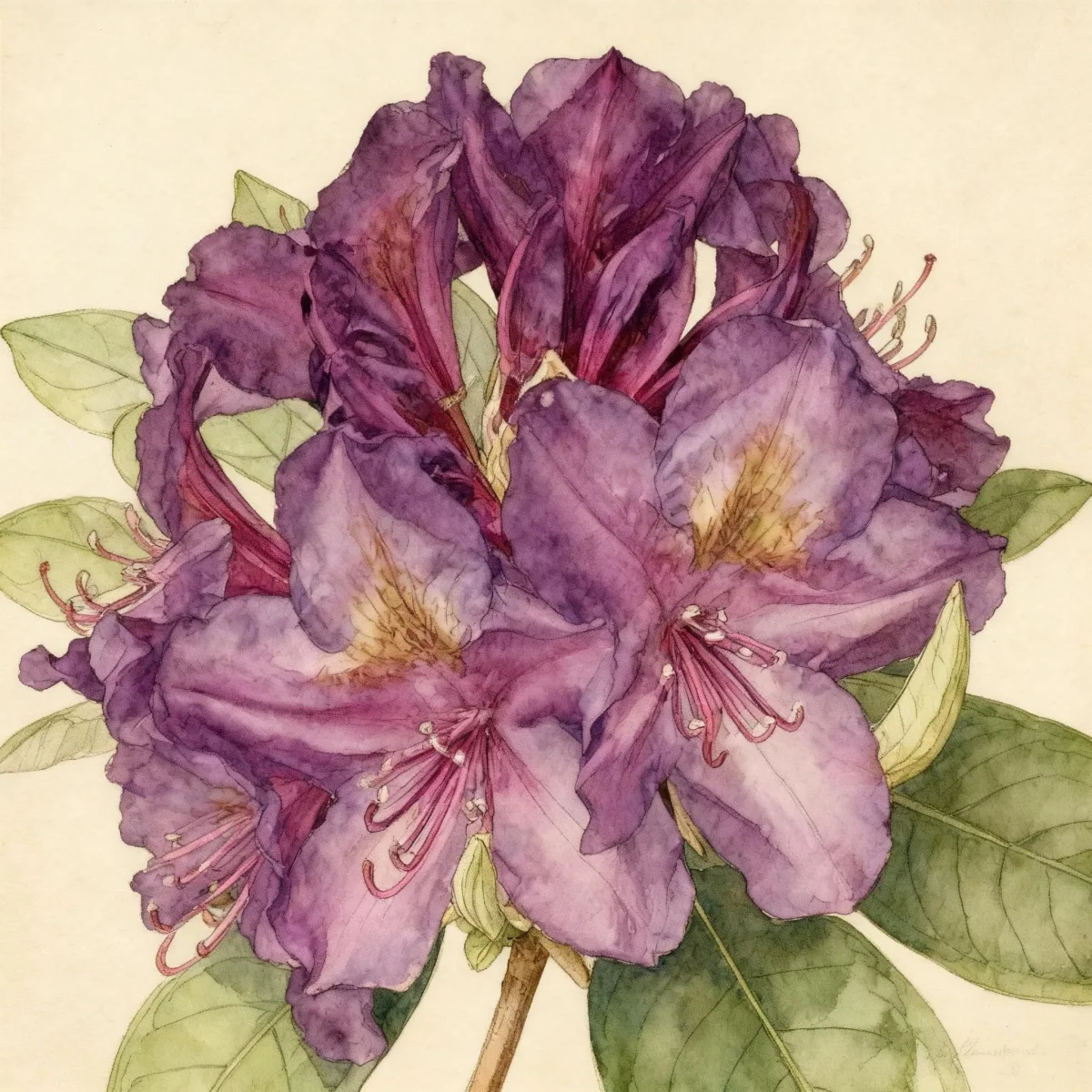
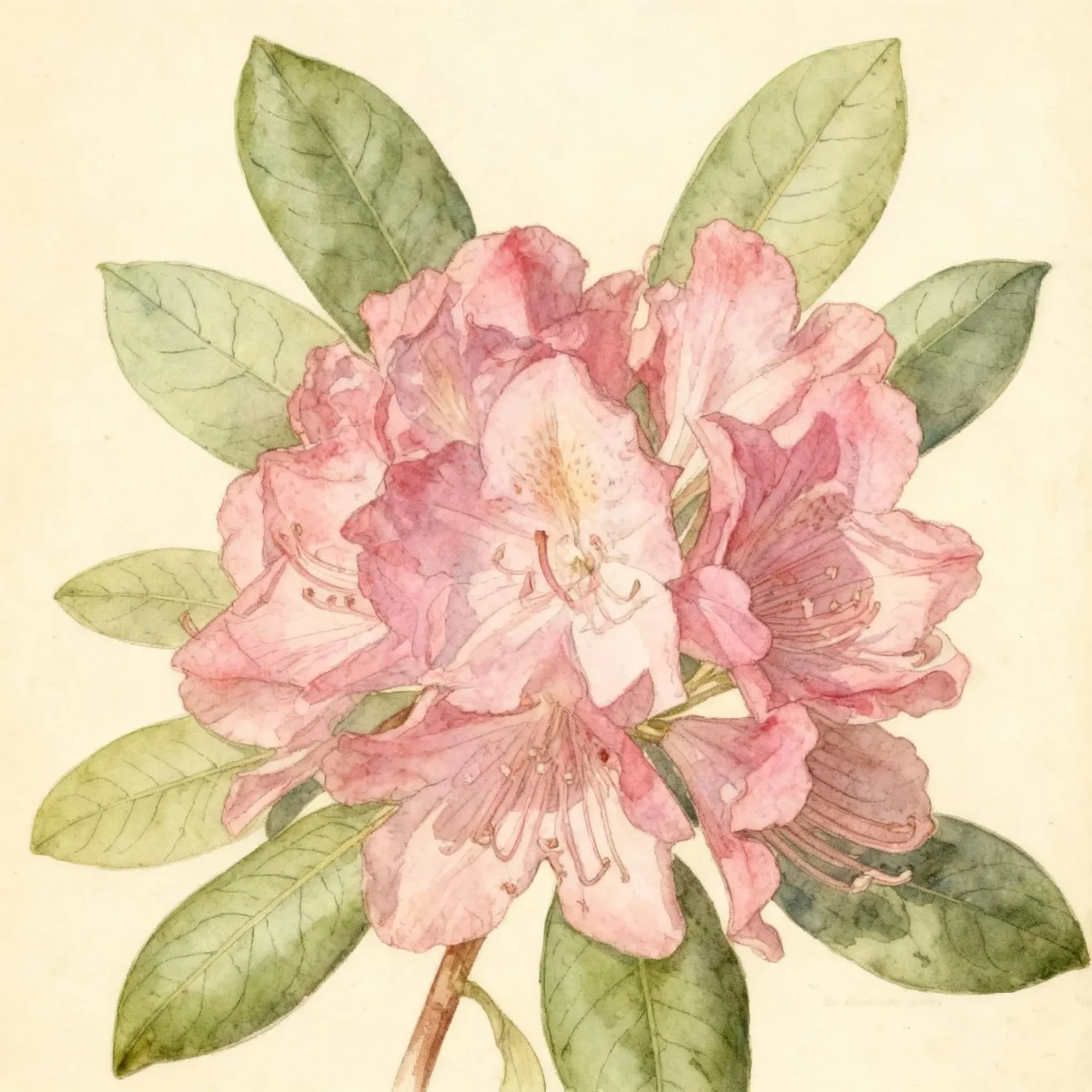
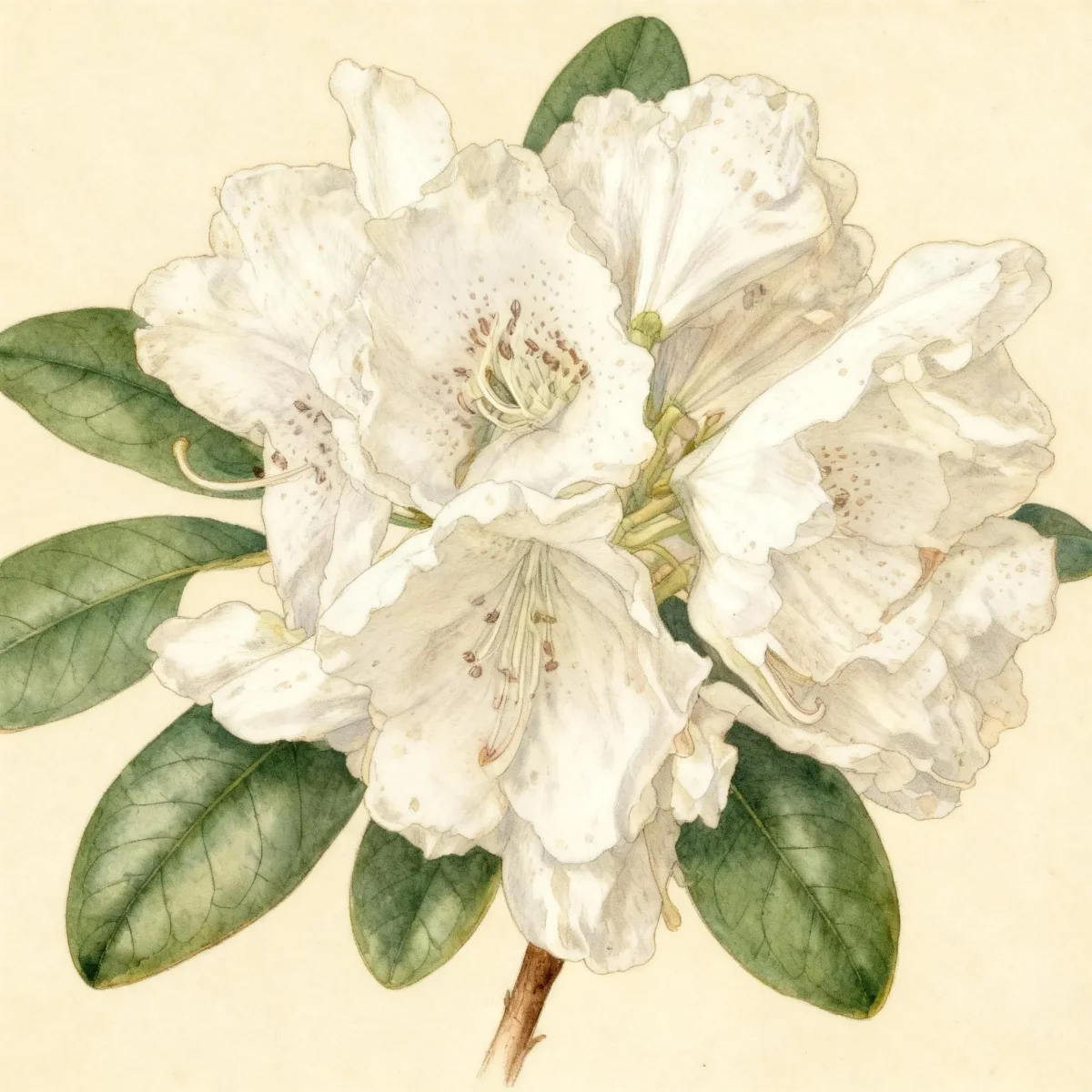
Rhododendron (Rhododendron smirnowii)
The Rhododendron smirnowii is a visually stunning broadleaf evergreen known for its unique, woolly foliage and lovely May blooms.

Bloom Boldly, No Matter the Season - Sweatshirt
Cozy organic cotton sweatshirt featuring our exclusive Purple Coneflower design. Perfect for gardeners who bloom year-round.
Inspired by the beautiful Rhododendron
Limited first batch (50) — join the waitlist for early access
Waitlist closes Feb 15, 2026.
Complete Plant Information
Field Guide Continues
Ready for care notes, companion picks, and planting tips?
The map is just the start. The full guide below covers growth habits, seasonal performance, and landscape uses.
Overview
Rhododendron smirnowii, often called Smirnow rhododendron, offers exceptional texture and winter presence thanks to its heavily indumented (felted) evergreen foliage. This upright spreading shrub is prized by horticulturists for its hardiness and the beautiful, pale pink to rose-purple flowers it displays reliably in May. As a distinctive member of the Rhododendron genus, it brings structural beauty to the landscape even outside the blooming season.
Native to the cool mountain regions of the Caucasus and Turkey, this species thrives in locations that mimic its high-altitude origins, requiring protection from harsh summer sun and extreme winter winds. The combination of its durable, woolly leaves and attractive trusses makes the Rhododendron smirnowii a valuable specimen plant. Gardeners focused on creating year-round interest will find this Rhododendron highly rewarding when its specific soil and moisture needs are met.
This broadleaf evergreen is often utilized where a permanent, medium-sized shrub presence is needed, such as in mixed borders or as an accent near patios. Providing consistent care ensures optimal health, allowing the unique characteristics of the Rhododendron smirnowii to shine through the seasons.
Fast Facts
- Plant Family: Ericaceae
- Plant Type: Broadleaf evergreen
- Native Range: Caucasus, Turkey
- Hardiness Zones: USDA Zones 5-8
- Size at Maturity:
- Height: 5-6 ft
- Spread: 5-6 ft
- Bloom Time: May
- Bloom Description: Pale pink to rose purple
- Sun Exposure: Part shade
- Water Needs: Medium
- Maintenance Level: Medium
How to Grow
The establishment of Rhododendron smirnowii centers almost entirely on soil preparation and drainage. Plant this shrub in spring or fall in locations receiving dappled shade or high open part shade. The most critical factor is soil acidity; it must be acidic, light, sandy, and exceptionally well-drained. While it tolerates humusy loams, avoid heavy soils as poor drainage leads rapidly to root rot—a deadly threat to shallow, fibrous root systems.
In areas with heavy clay or poor drainage, consider planting on raised beds. Water management requires consistency; the roots must never be allowed to dry out, yet standing water is intolerable. Acidify soils before planting and maintain that acidity annually as required. Protection from strong winter winds is also recommended, particularly in colder zones.
Immediately after the pale pink blooms fade in May, deadhead the spent flower clusters when practicable to direct the plant’s energy into root and leaf development rather than seed production. Because the roots are shallow, avoid cultivating near the base of the shrub. Instead, apply a generous layer of mulch, such as wood chips, bark, or pine needles, to retain consistent soil moisture, stabilize temperatures, and offer winter insulation. This species may slowly spread over time via root suckers.
Landscape Uses
The Rhododendron smirnowii excels in various landscape applications where year-round structure is desired. It functions perfectly as a defined hedge due to its moderate, spreading habit, or it can serve as a significant specimen plant, drawing the eye with its textured foliage. Its preference for partial shade makes it an excellent addition to open woodland gardens or mixed borders alongside other acid-loving plants.
Consider positioning Rhododendron shrubs near high-traffic areas like patios where their structure and eventual bloom display can be appreciated up close. To create a cohesive planting design, pair Rhododendron smirnowii with groundcovers that also prefer acidic conditions and dappled light, such as hostas or shade-tolerant ferns. Used strategically, this medium-sized broadleaf evergreen anchors borders effectively.
Standout Features
Flower Qualities
- Showy
Noteworthy Characteristics
Rhododendron smirnowii, commonly known as smirnow rhododendron, is an upright spreading broadleaf evergreen shrub that is native to pine/spruce forests up to and slightly above tree line in the Caucasus. Species plants are perhaps best known for having good winter hardiness, indumented foliage and frilled corollas. This shrub typically matures to 5-6’ tall, featuring pale pink to rose purple funnel-shaped flowers blooming in May in rounded clusters. This is a heavily indumented species, with leaf undersides covered in felted white to silvery hairs that protect the leaf from water loss and temperature extremes.
Tolerances
- Rabbit
Potential Problems
Like all plants in the Rhododendron genus, Rhododendron smirnowii can face various challenges from pests and diseases if cultural requirements are ignored. Susceptibility exists for issues such as canker, various root rots (often caused by poor drainage), leaf spot, rust, and common pests like aphids, scale, and lacebugs.
The best defense against these potential problems is preventative care focused on creating the correct environment. Ensure the soil is acidic and drains perfectly; ensuring consistent moisture without waterlogging is key to preventing root and crown rot. A healthy plant situated in appropriate part shade, receiving necessary winter protection from harsh winds, and mulched properly will naturally resist most significant infestations and diseases.
Frequently Asked Questions
What hardiness zones is Rhododendron smirnowii suitable for?
This hardy Rhododendron is suitable for USDA Zones 5 through 8.
How large does Rhododendron smirnowii grow?
This shrub typically matures to a height and spread between 5 to 6 feet, though it can grow taller over many years in ideal conditions.
What sun exposure does Rhododendron smirnowii need?
Rhododendron smirnowii prefers part shade. While native to areas with some sun, hot summer climates necessitate protection to prevent foliage scorch, especially if soil moisture fluctuates.
When does Rhododendron bloom?
This species blooms in May, producing clusters of pale pink to rose purple flowers.
Conclusion
The Rhododendron smirnowii stands out in the garden due to its uniquely felted foliage and resilient nature when grown in correct acidic, well-drained conditions. Offering reliable spring color and excellent evergreen texture, this Rhododendron is a superb choice for structured garden designs. Before planting, confirm that your site provides the necessary part shade and acidic soil profile to ensure the long-term success of your Rhododendron smirnowii.
Companion Planting
Selecting compatible neighbors is essential when integrating Rhododendron smirnowii into a landscape plan, primarily because all companions must share the need for acidic, well-drained, consistently moist soil. Excellent partners include acid-tolerant woodland shrubs like Azaleas, especially those with similar sun requirements. Groundcovers such as Hellebores or various Fern species (like Japanese Painted or Autumn Ferns) thrive in the dappled shade this Rhododendron appreciates and help stabilize surface soil temperatures.
When designing mixed borders, consider plants that offer textural contrast without competing aggressively for surface moisture. Deep-shade tolerant ephemerals offer spring color before the Rhododendron fully leafs out. Ensure that any accompanying plants do not require heavy cultivation around their bases, respecting the shallow, fibrous root system characteristic of this species.
Seasonal Care Calendar
Spring preparation is vital for optimizing the performance of your Rhododendron. As the threat of hard frost passes, refresh the acidic mulch layer around the base (keeping it away from the trunk) and check soil pH, applying sulfur or aluminum sulfate if acidification is needed before the flush of new growth begins. After flowering concludes in late spring or early summer, promptly clip off spent flower trusses.
Summer care focuses heavily on root protection and consistent hydration. Because the roots must never dry out, monitor moisture closely, especially during dry spells, even though the plant is labeled as medium water need. Avoid overhead watering if possible to minimize fungal opportunities. If the shrub is placed in a hotter microclimate, afternoon shade becomes non-negotiable during the summer months.
Winter preparedness for Rhododendron smirnowii revolves around wind protection, particularly for younger plants or those near their hardiness zone limits. Ensure the mulch layer is adequate before the ground freezes. If the winter has been dry, provide deep watering in early winter before permanent freeze-up, as evergreen foliage can lose moisture throughout winter dormancy.