Coralbush(Jatropha multifida)
Grow coralbush (Jatropha multifida) safely: USDA hardiness zones 10–12, full sun, scarlet flower cymes, architectural foliage, and severe seed toxicity risks.
Complete Plant Information
- Hardiness zones
- USDA 10–12
- Plant type
- Broadleaf evergreen
- Plant family
- Euphorbiaceae
- Sun exposure
- Full sun
- Water needs
- Low to medium
- Maintenance
- Low
- Height
- 6–10 ft (183–305 cm)
- Spread
- 4–6 ft (122–183 cm)
- Bloom time
- Seasonal bloomer
- Flower color
- Coral-red to scarlet cymes
- Flower qualities
- Showy, Long-blooming
- Fruit qualities
- Not recorded
- Tolerances
- Drought
- Garden uses
- Not recorded
- Native range
- Mexico, Central America, Caribbean to northern South America
Field Guide Continues
Ready for care notes, companion picks, and planting tips?
The map is just the start. The full guide below covers growth habits, seasonal performance, and landscape uses.
Overview
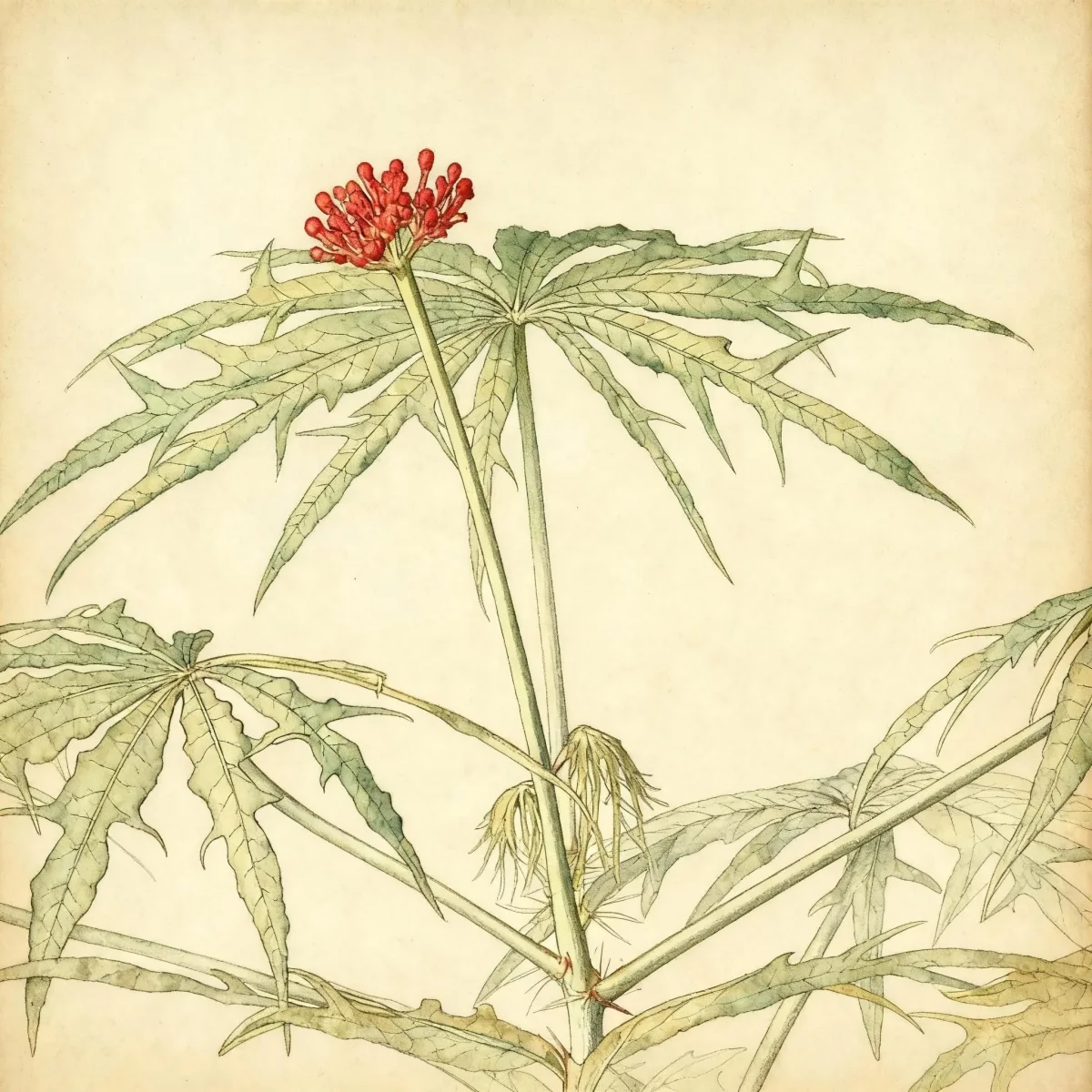
Coralbush (Jatropha multifida), commonly called coral plant or physic nut, is a fast-growing, sculptural broadleaf evergreen shrub or small tree hardy in frost-free USDA Zones 10 through 12. Native to tropical dry forests of Central America, Mexico, and the Caribbean, it grows 6 to 10 feet tall with a 4 to 6 foot spread. It is famous for its large, umbrella-like orbicular leaves deeply divided into 7 to 11 narrow, finger-like palmate lobes and elevated flat-topped clusters of vivid scarlet-coral blossoms that bloom almost year-round in frost-free climates.
While prized for tropical courtyards and drought-tolerant landscapes, every part of the plant—especially the yellow seeds—contains toxic curcin toxalbumins and caustic sap that require cautious placement away from children and domestic pets.
How to Grow
- Sunlight: Full sun is essential (at least 6 hours of direct sunlight daily) to promote tight internodes and continuous flower production. Light shade is tolerated in hot desert climates but leads to leggier stems and fewer flower clusters.
- Soil & Drainage: Requires gritty, sandy, or rocky soils with sharp drainage. It tolerates poor, low-fertility soils well. Heavy, waterlogged soils rapidly cause fatal root rot.
- Watering: Water moderately during initial root establishment. Once established, plants demonstrate exceptional drought tolerance and thrive on low to medium supplemental water, allowing the top several inches of soil to dry out between waterings.
- Cold Sensitivity: Extremely frost-sensitive. Temperatures below 40°F (4°C) cause immediate leaf drop, and subfreezing temperatures kill stems to the ground. In USDA Zones 9 and colder, grow coralbush in large containers that move indoors before autumnal nightly chills.
Landscape Uses
- Architectural Specimen: Its bold, single-trunk vase form and umbrella-like palmate foliage make it an eye-catching focal accent in tropical courtyards, entryways, and sunny borders.
- Patio Container Planting: In temperate climates, grow in large terra-cotta planters on sunny summer patios, wintering indoors as an exotic houseplant.
- Drought-Tolerant Screening: Grouped in warm coastal zones, it forms a visual flowering screen that withstands dry spells and poor soils.
Potential Problems
- Severe Seed & Sap Toxicity: All parts of Jatropha multifida contain toxic curcin toxalbumins and purgative diterpene esters. Ingestion of seeds causes acute gastrointestinal pain, severe vomiting, dehydration, and systemic poisoning in humans, dogs, and livestock. Never plant near play areas or pet runs.
- Contact Dermatitis: Breaking stems releases caustic clear-to-milky sap that irritates skin and eyes; always wear protective gloves and eye protection when pruning.
- Pests & Diseases: Generally pest-free, though scale, aphids, or mealybugs can occasionally appear in stagnant indoor winter air. Overwatering or poor drainage causes fungal root rot.
Frequently Asked Questions
What USDA zones can grow coralbush outdoors year-round?
Coralbush is reliably perennial only in frost-free USDA Zones 10 through 12. In Zone 9 or colder, it must be grown in containers and brought indoors before temperatures drop below 40°F.
How big does Jatropha multifida get?
In garden cultivation, it typically matures 6 to 10 feet tall with a spread of 4 to 6 feet, forming a vase-shaped small tree or single-trunked large shrub.
Is coralbush safe around dogs and cats?
No. The ASPCA and poison control registries warn that all parts of Jatropha multifida, especially the seeds and sap, are dangerous to domestic animals and children.
Companion Plants
Pair coralbush with drought-tolerant tropical and Mediterranean plants that share its demand for full sun and sharp drainage:
- Contrasting Foliage: Pair with the broad, paddle-shaped leaves of bird of paradise (Strelitzia reginae) or blue agaves (Agave americana).
- Flowering Sun-Lovers: Interplant with trailing lantana (Lantana camara), plumeria, or bougainvillea.
- Succulent Groundcovers: Underplant with low-growing blue chalksticks (Curio repens) or crown of thorns (Euphorbia milii).
Sources & Lineage
- Missouri Botanical Garden PlantFinder: Record taxon 280111 (Jatropha multifida) — baseline morphological traits, origin, and hardiness record.
- Kew Plants of the World Online (POWO): Jatropha multifida L. (POWO: 314308-2) — accepted botanical classification, synonyms, and distribution.
- North Carolina State Extension Gardener Plant Toolbox: Jatropha multifida — clinical toxicity, plant parts affected, and chemical hazards.
Recommended Companion Plants
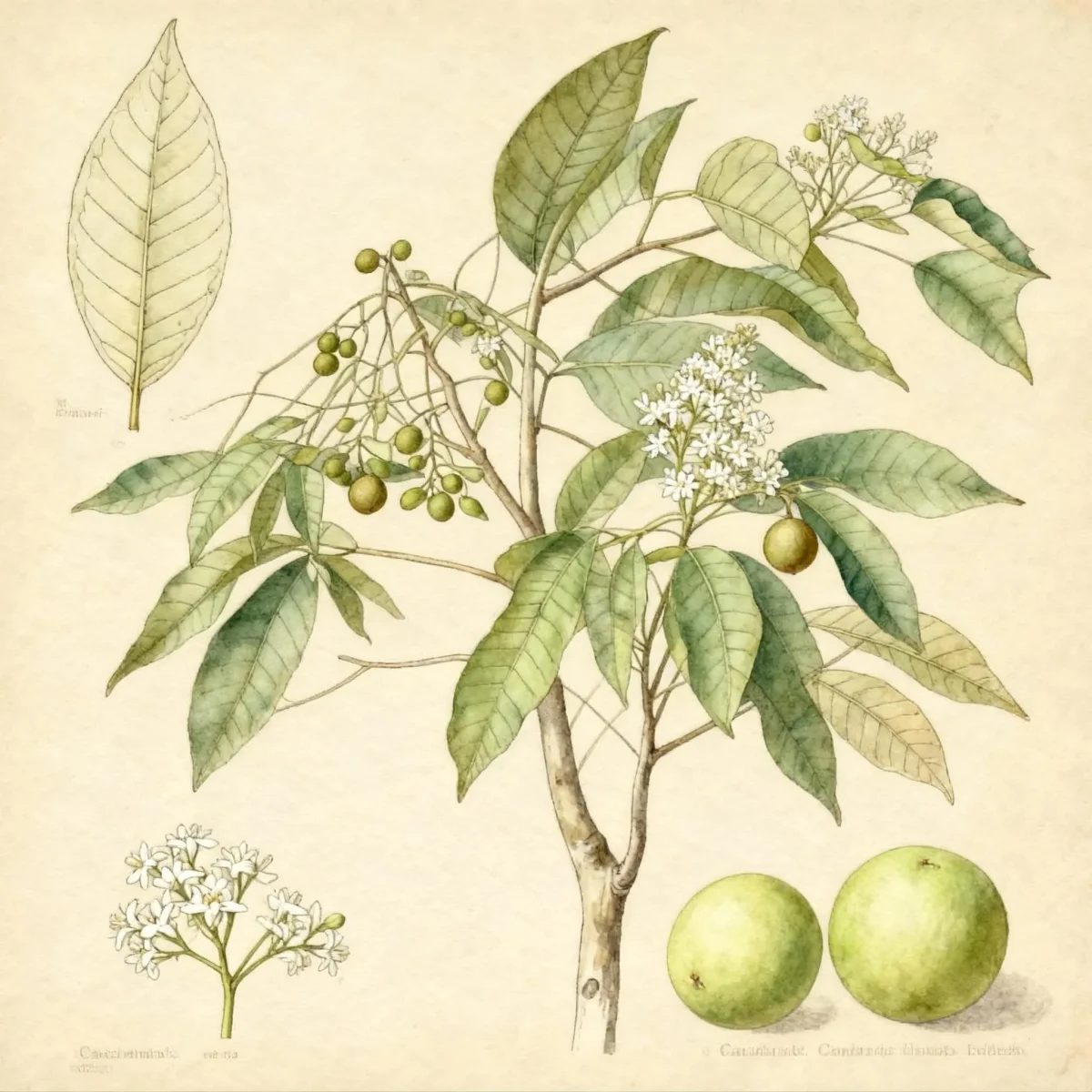
Candlenut tree
Aleurites moluccanus
- USDA zones
- 10–12
- Light
- Full sun
- Water
- Medium
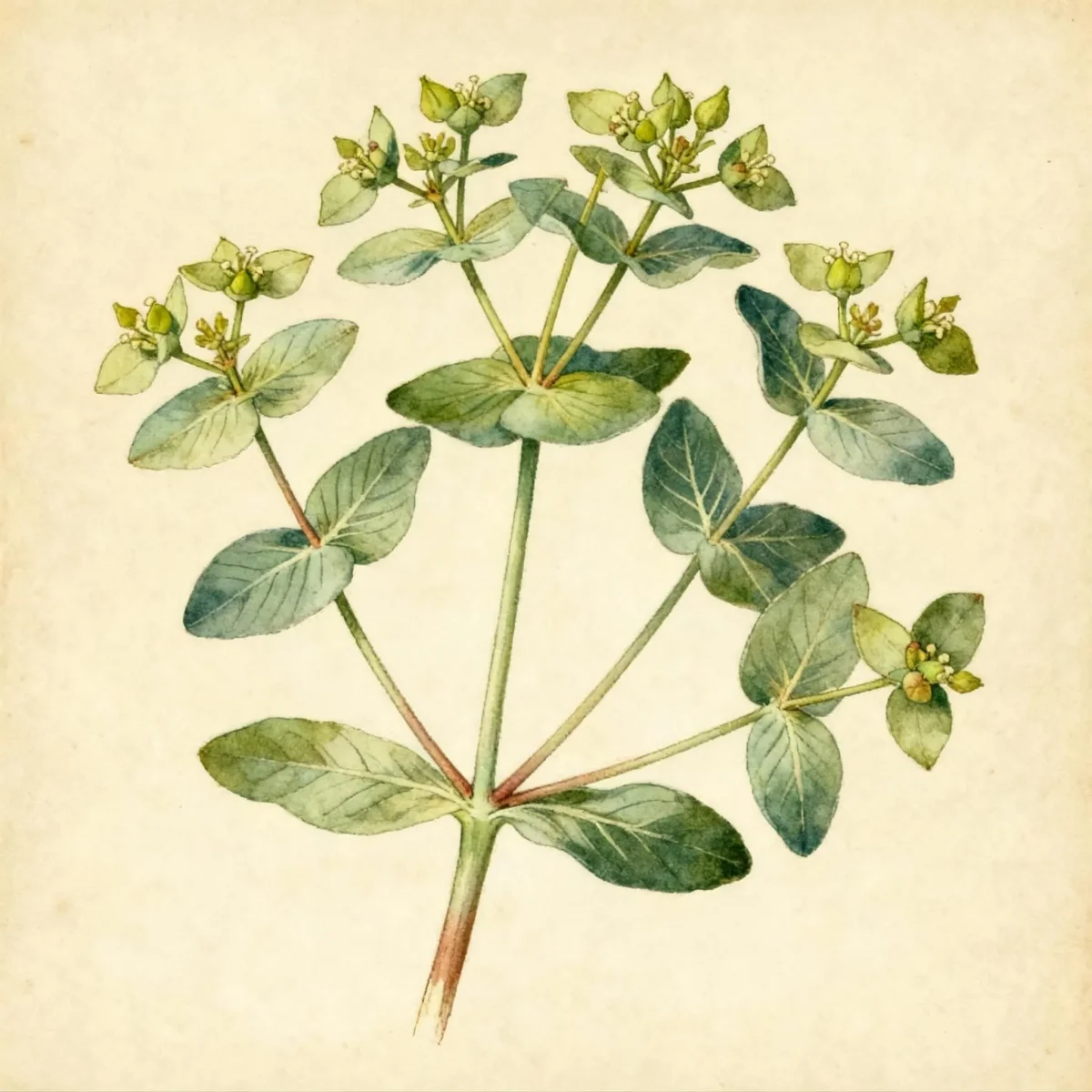
Mexican shrubby spurge
Euphorbia cotinifolia
- USDA zones
- 10–11
- Light
- Full sun
- Water
- Medium
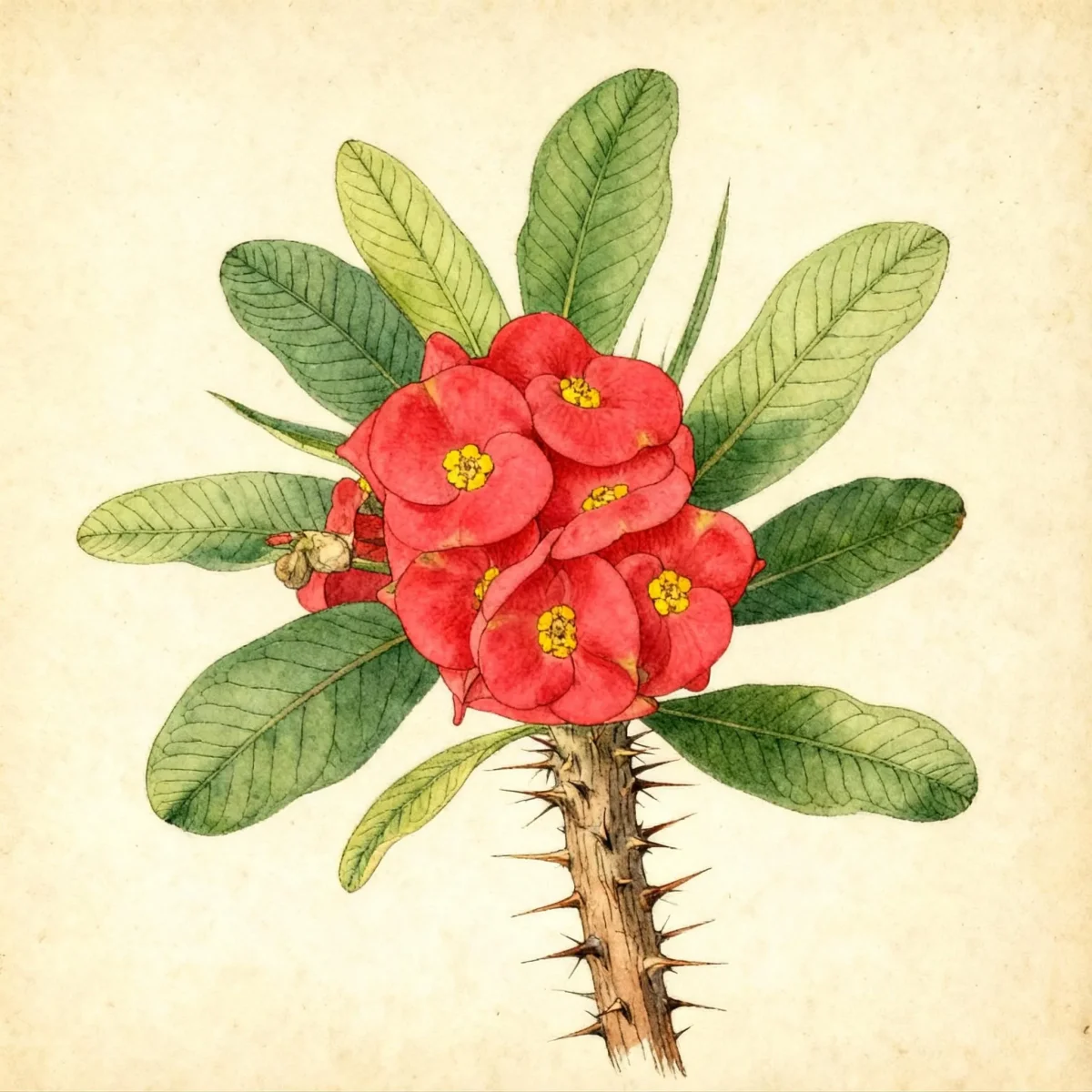
Christplant
Euphorbia milii
- USDA zones
- 10–12
- Light
- Full sun
- Water
- Dry to medium
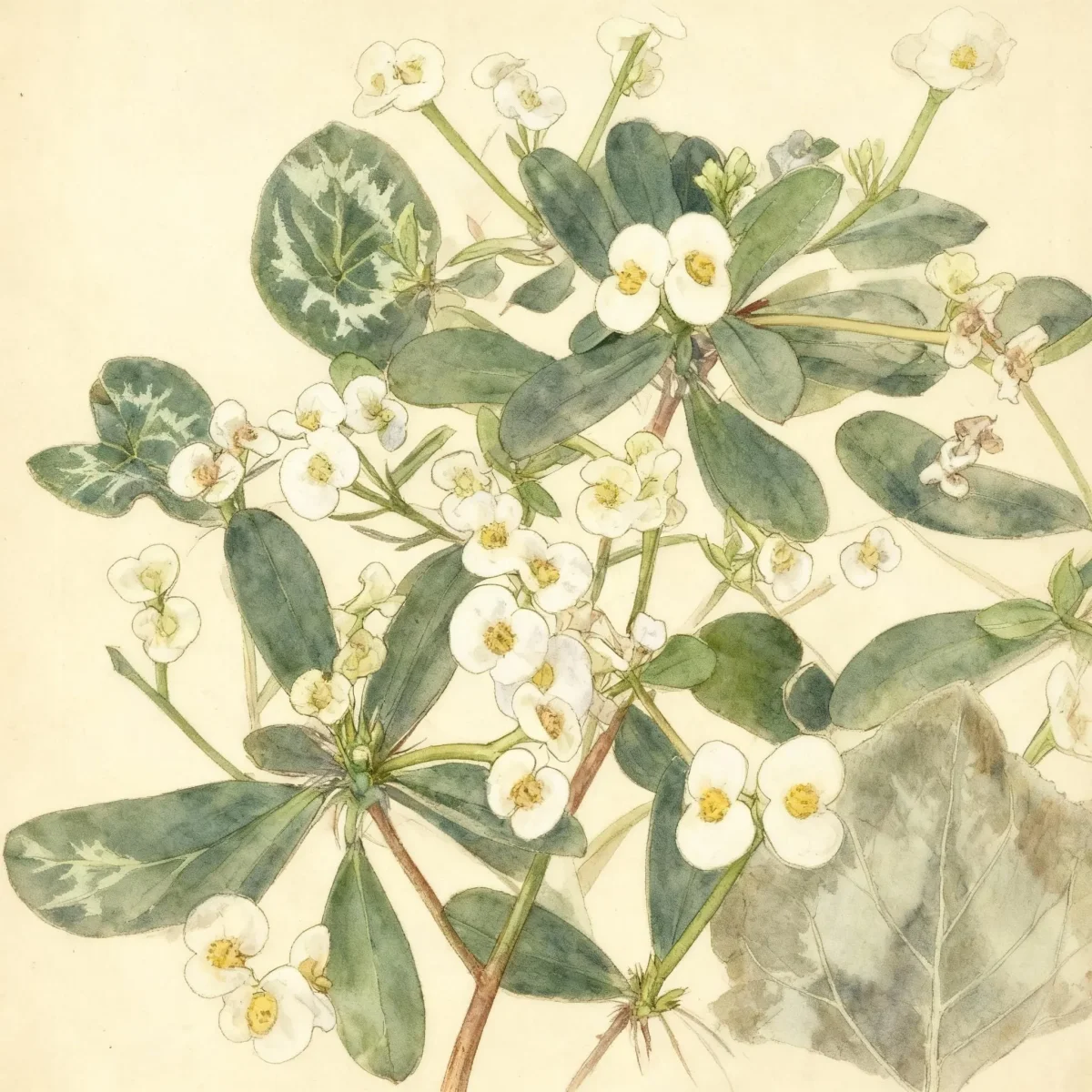
Spurge
Euphorbia 'Helena'
- USDA zones
- 10–12
- Light
- Full sun
- Water
- Dry to medium
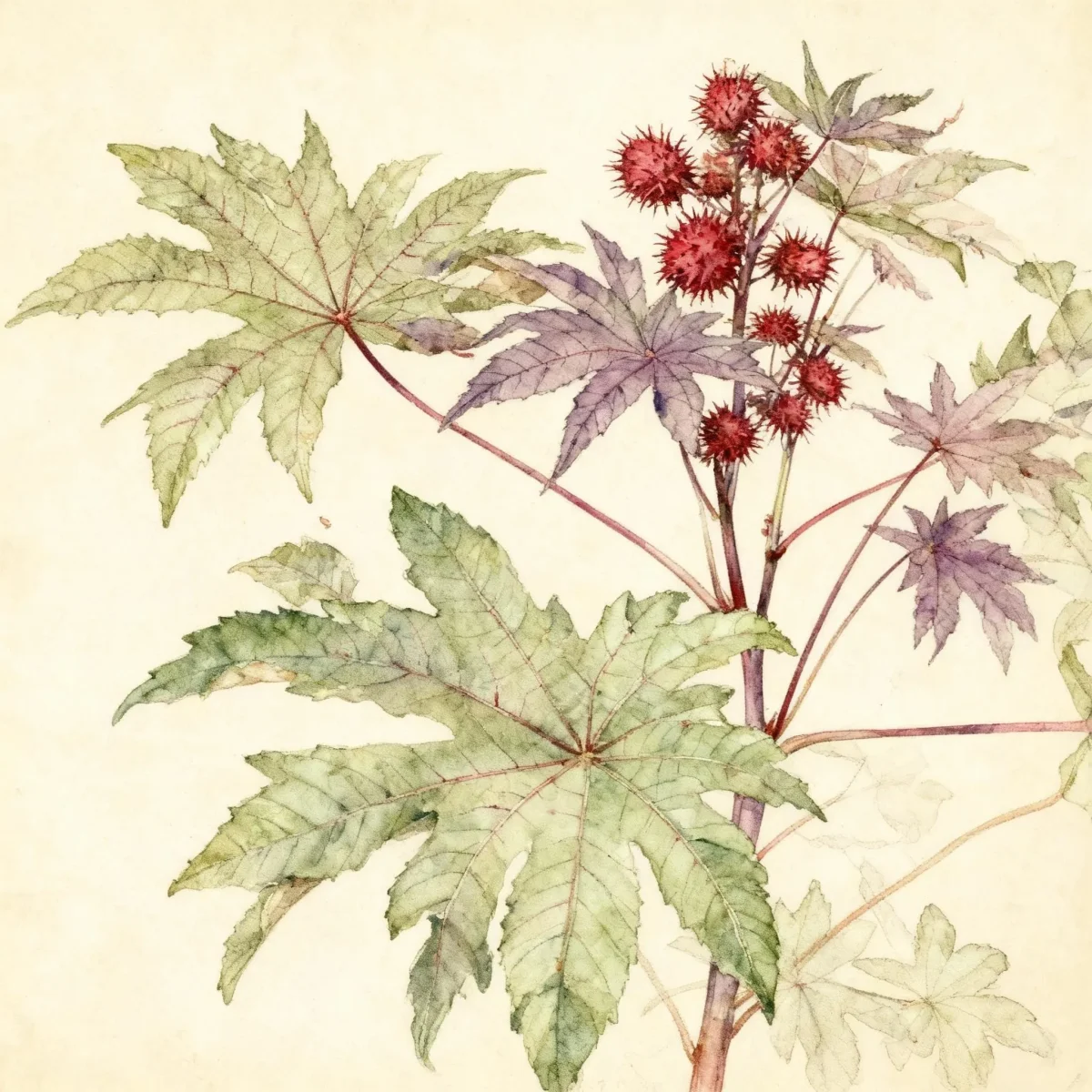
Castor bean
Ricinus communis
- USDA zones
- 9–11
- Light
- Full sun
- Water
- Dry to medium
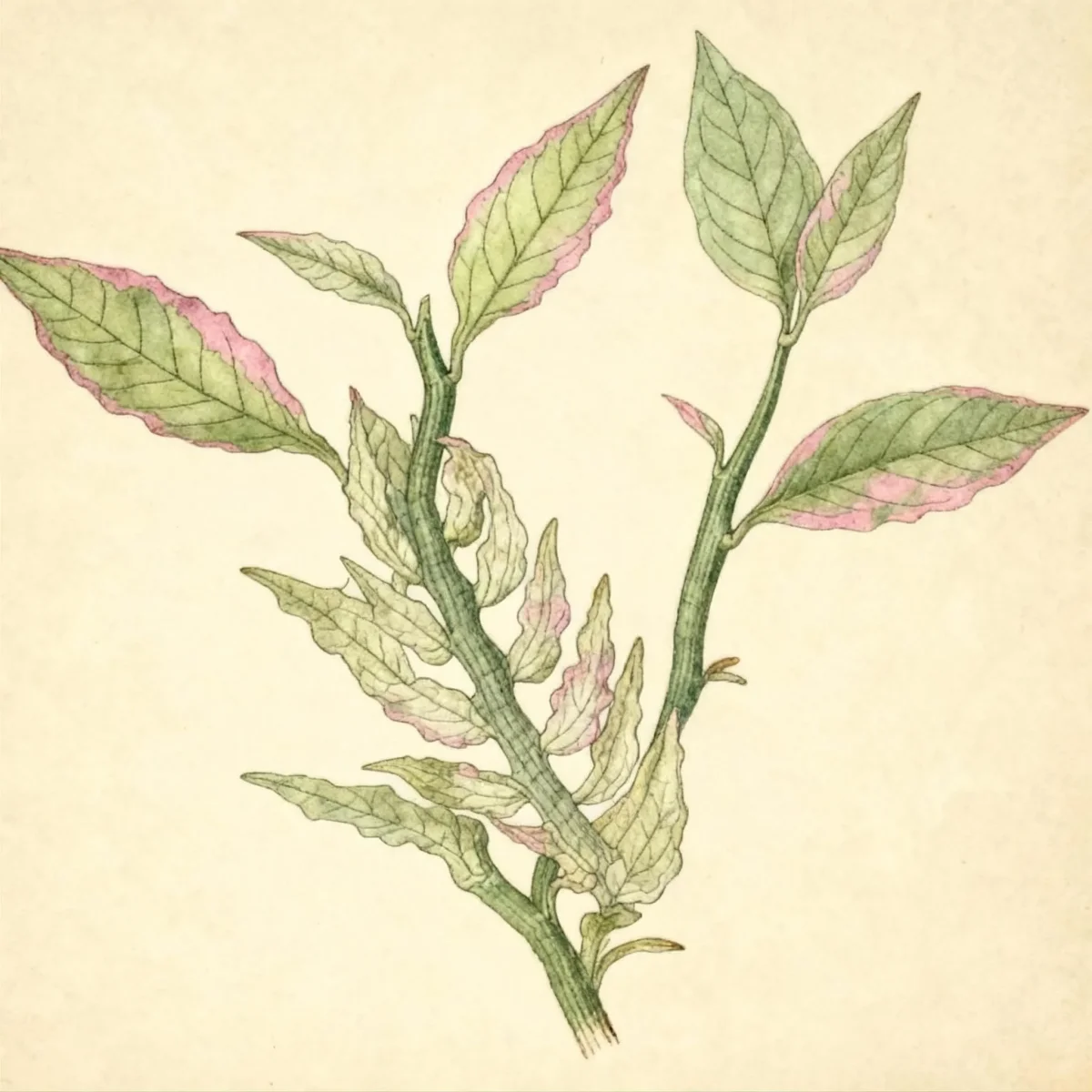
Redbird flower
Pedilanthus tithymaloides
- USDA zones
- 9–11
- Light
- Full sun to part shade
- Water
- Medium
Keep Learning
Test what you know with a garden quiz
You have the plant facts and care notes. Continue with a related challenge, or browse the complete quiz library.

Can You Identify These Common Garden Plants? Test Your Plant Knowledge
Think you know your roses from your peonies? Test your plant identification skills with our comprehensive garden plant quiz featuring 10 challenging questions.
Start quiz
Wild Garlic Quiz: Foraging & Facts
Think you know your wild garlic? Take this quiz to test your foraging knowledge and learn safe identification tips.
Start quizBrowse the full quizzes section
Explore plant identification, zone strategy, and seasonal gardening challenges.
View all quizzes