Yellowwood(Cladrastis kentukea)
Grow American yellowwood (Cladrastis kentukea): cascading fragrant white wisteria-like panicles, smooth beech-like gray bark, summer pruning, and USDA zones 4–8.
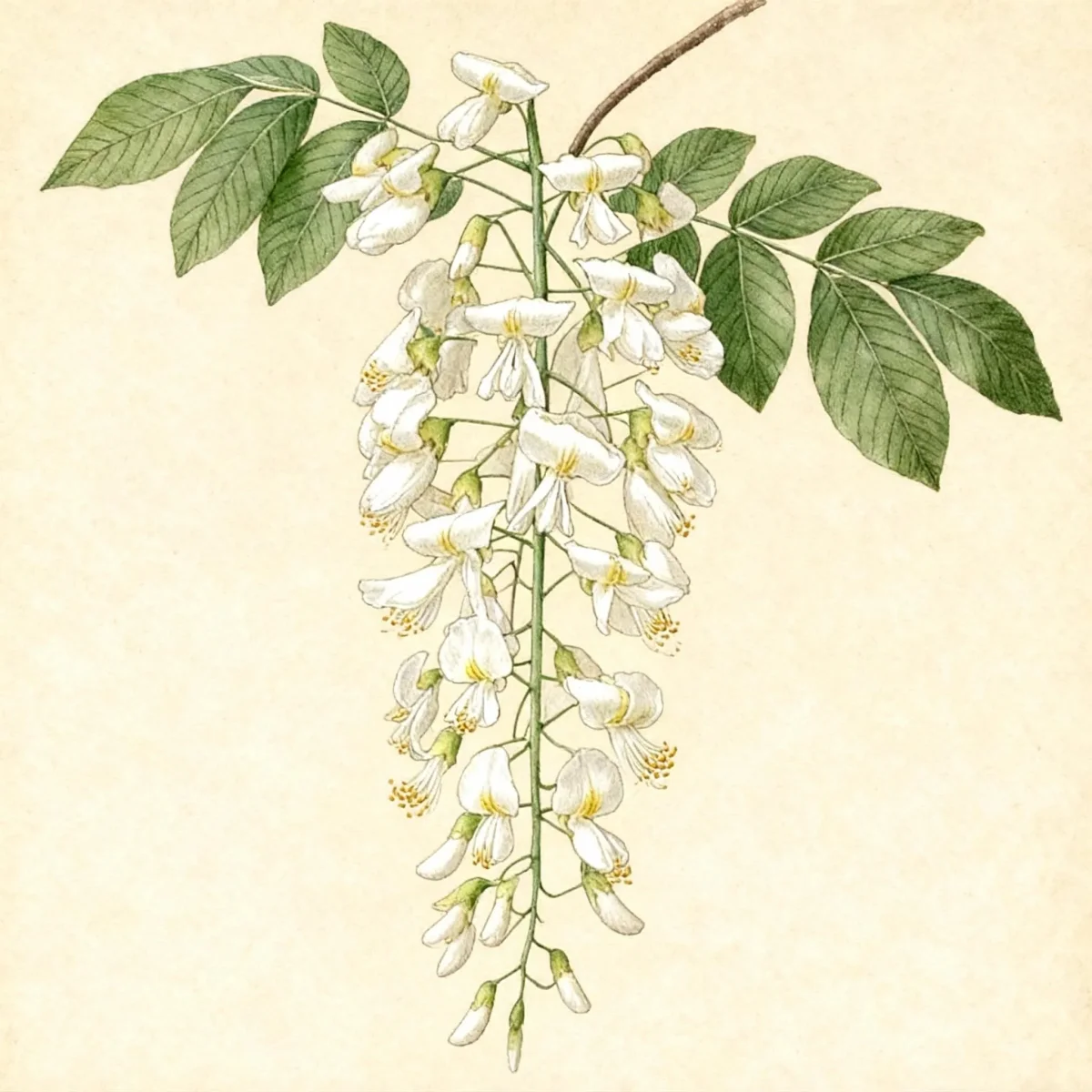
Complete Plant Information
- Hardiness zones
- USDA 4–8
- Plant type
- Tree
- Plant family
- Fabaceae
- Sun exposure
- Full sun
- Water needs
- Medium
- Maintenance
- Low to medium (structural pruning required)
- Height
- 30–50 ft (914–1524 cm)
- Spread
- 40–55 ft (1219–1676 cm)
- Bloom time
- May to June
- Flower color
- Drooping 10-15 inch panicles of fragrant, pea-like creamy-white flowers
- Flower qualities
- Showy, Fragrant
- Fruit qualities
- Not recorded
- Tolerances
- Clay Soil, Drought, Alkaline Soil
- Garden uses
- Shade tree, specimen lawn tree, street tree
- Native range
- Southeastern United States (limestone river bluffs and valleys)
Field Guide Continues
Ready for care notes, companion picks, and planting tips?
The map is just the start. The full guide below covers growth habits, seasonal performance, and landscape uses.
Overview
American yellowwood (Cladrastis kentukea) is a premier medium-sized native deciduous flowering shade tree in the pea family (Fabaceae), hardy across USDA Zones 4 through 8. Growing 30 to 50 feet tall with a broad, rounded crown spreading 40 to 55 feet, it is famous for its massive, wisteria-like hanging clusters of intensely fragrant white flowers in late spring, smooth gray beech-like bark, and glowing golden-yellow autumn foliage. Native to the limestone bluffs of the southeastern United States, its yellow heartwood historically yielded a distinctive yellow textile dye.
Its deep taproot system allows grass, perennial flowers, and shrubs to grow right up to the trunk without intense root competition.
How to Grow
- Sunlight: Full sun (at least 6 hours direct daily light) is essential for maximum flower bud initiation and rounded canopy symmetry.
- Soil & High-pH Tolerance: Prefers fertile, moist, well-draining loams, but exhibits exceptional tolerance for high-pH limestone soils, rocky bluffs, and moderate summer drought once established.
- The Midsummer Pruning Rule: Like birch and hornbeam, yellowwood “bleeds” copious amounts of sap if cut in late winter or early spring. Prune only in midsummer (July to August) after leaves are fully hardened.
- Structural Branch Training: Prune young trees diligently to develop a single, dominant central leader with wide, 45-to-90-degree branch angles. Remove tight V-shaped crotches with included bark early to prevent structural splitting as the tree matures.
Landscape Uses
- Flowering Specimen Shade Tree: Serves as a breathtaking lawn specimen in late spring when draped in hundreds of fragrant white hanging panicles.
- Patio & Terrace Shade: Deep root system and broad canopy provide cool, filtered summer shade without heaving adjacent brick paving.
- Alkaline Soil Landscapes: Outstanding native shade tree for limestone regions where maples and pin oaks suffer iron chlorosis.
Potential Problems
- Narrow Crotch Splitting: Weak, narrow V-crotches can split in heavy ice storms or windstorms if structural pruning is neglected when the tree is young.
- Alternate-Year Flowering: Mature trees often produce spectacular blooms every 2 to 3 years, with lighter floral displays in intervening seasons.
- Sap Bleeding in Spring: Never prune in late winter or early spring when sap pressure is high.
Frequently Asked Questions
Does yellowwood bloom every year?
Yellowwood often follows an alternate-year blooming cycle. It typically flowers profusely every 2 to 3 years, with lighter flower production in between. Young trees often take 8 to 10 years to produce their first major bloom.
What does yellowwood smell like?
The hanging white flower clusters produce a sweet, delicate fragrance reminiscent of vanilla and sweet peas that perfumes the entire yard.
Why is it called yellowwood?
Freshly cut heartwood displays a distinct, bright yellow color, which was historically extracted by early settlers as a natural yellow textile dye.
Companion Plants
Because yellowwood roots deeply, underplant it with shade-tolerant native perennials and spring-blooming bulbs:
- Spring Woodland Bulbs: Plant alongside Spanish bluebells, daffodils, and alliums that bloom concurrently.
- Native Understory Perennials: Combine with wild columbine (Aquilegia canadensis), coral bells (Heuchera), and wild geranium (Geranium maculatum).
- Flowering Shrubs: Plant near redbuds (Cercis), fothergillas, or oakleaf hydrangeas.
Sources & Lineage
- Missouri Botanical Garden PlantFinder: Record taxon 280286 (Cladrastis kentukea) — morphology, flowering cycles, and pruning guidelines.
- Kew Plants of the World Online (POWO): Cladrastis kentukea (Dum.Cours.) Rudd (POWO: 486421-1) — species taxonomy, family (Fabaceae), and native southeastern US range.
- University of Kentucky Forestry Extension: Kentucky Trees: Yellowwood — limestone habitat, wood characteristics, and structural branch management.
Recommended Companion Plants
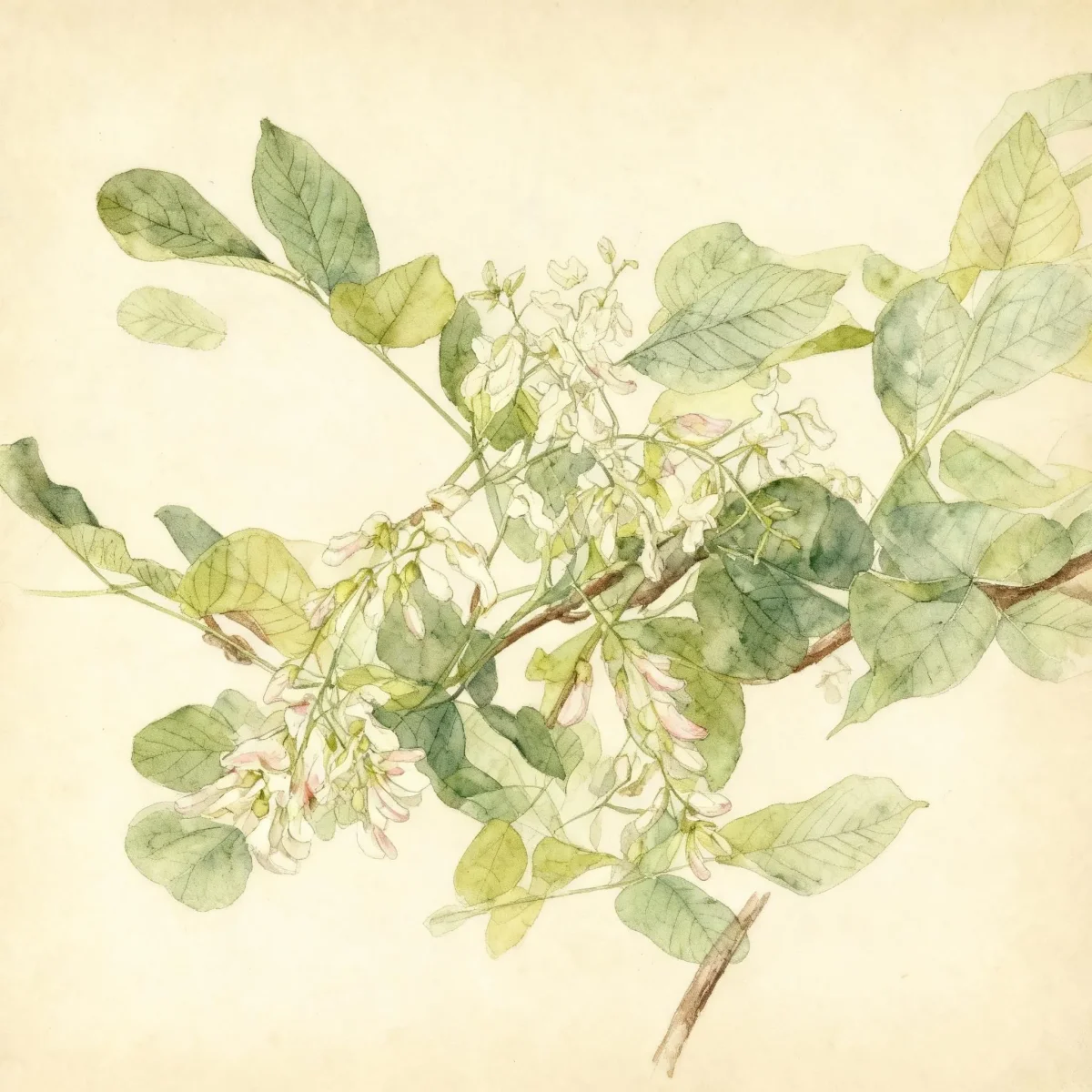
Yellowwood
Cladrastis kentukea 'Perkins Pink'
- USDA zones
- 4–8
- Light
- Full sun
- Water
- Medium
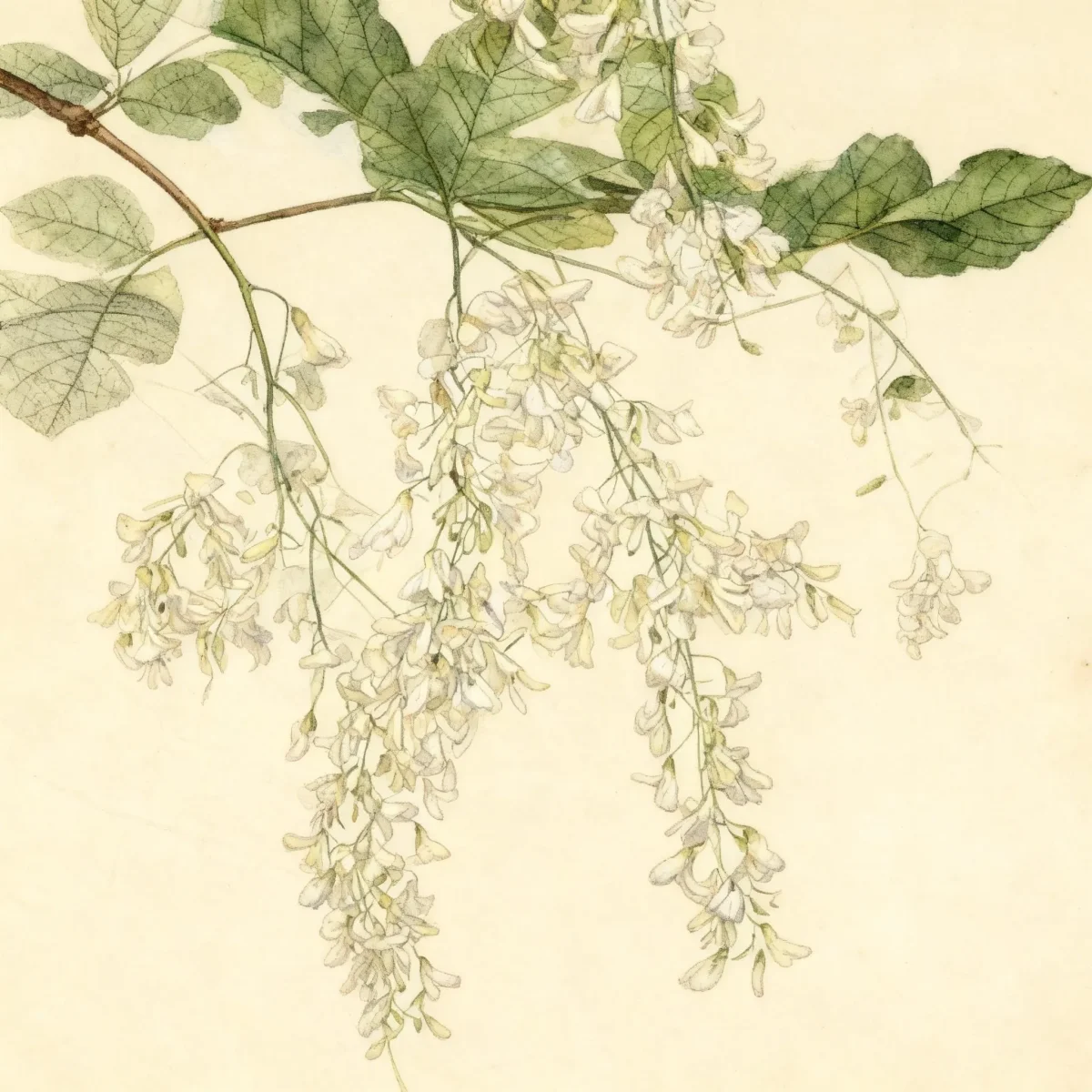
Yellowwood
Cladrastis kentukea 'Sweetshade'
- USDA zones
- 4–8
- Light
- Full sun
- Water
- Medium
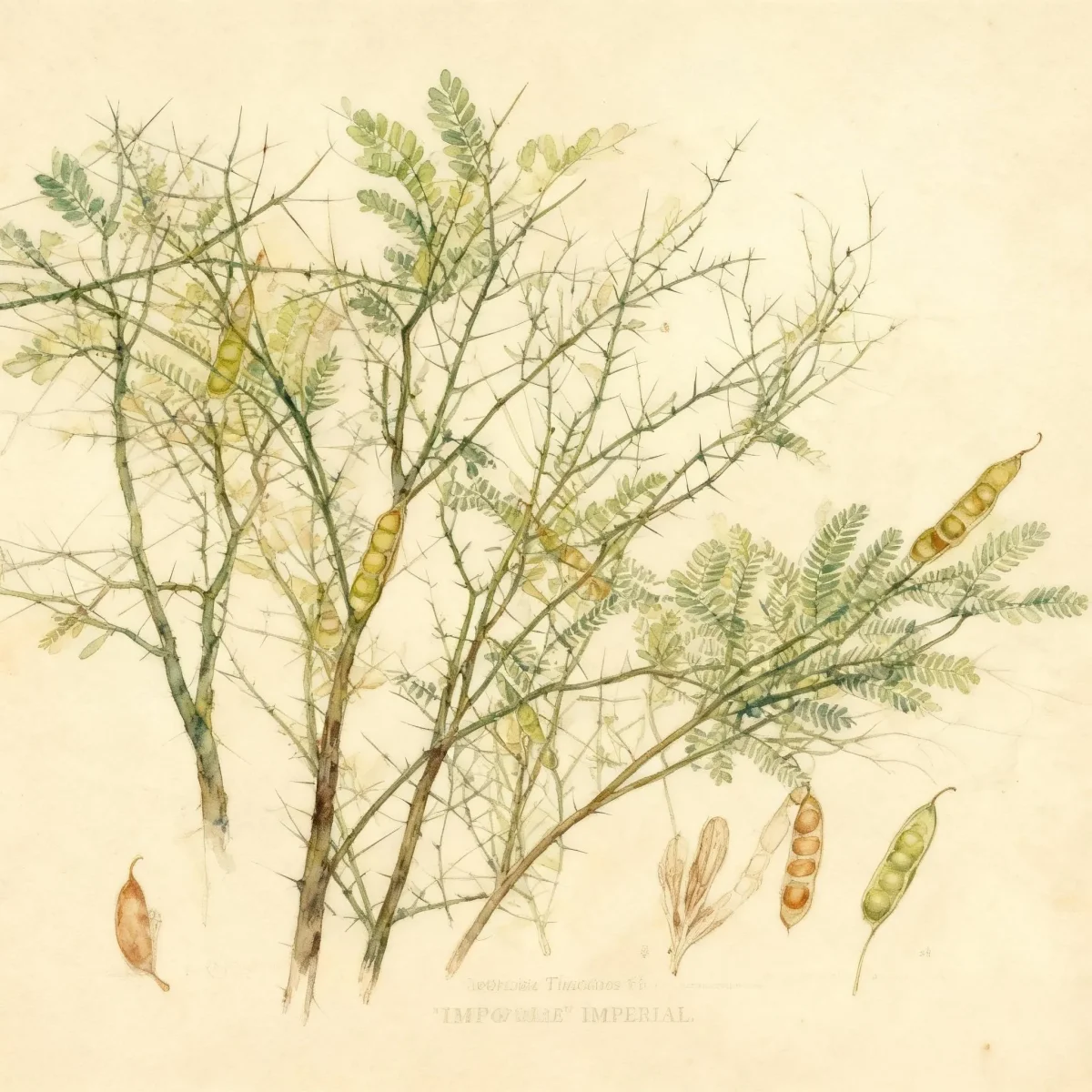
Imperial honey locust
Gleditsia triacanthos f. Inermis 'Impcole' IMPERIAL
- USDA zones
- 3–8
- Light
- Full sun
- Water
- Medium
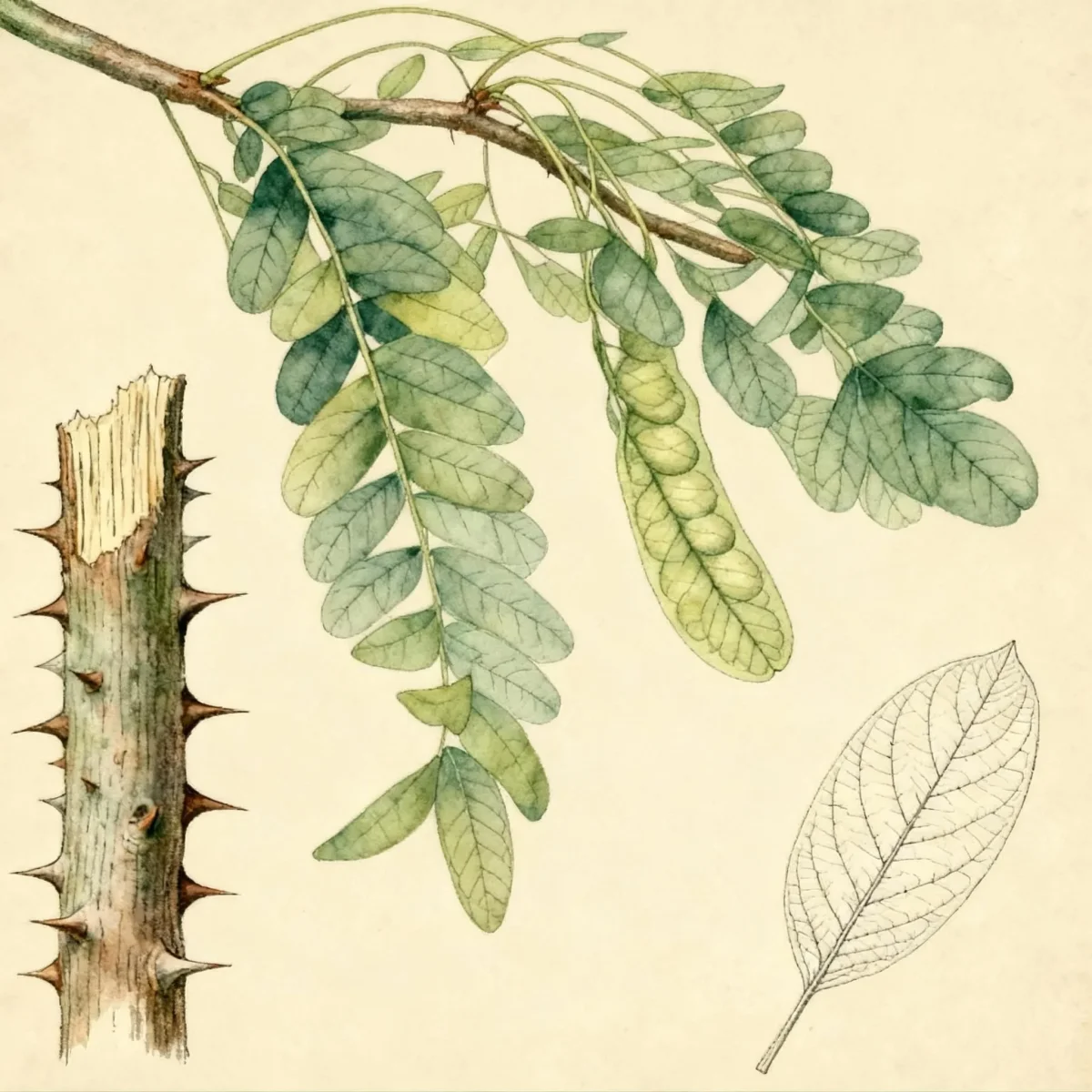
Honey locust
Gleditsia triacanthos
- USDA zones
- 3–8
- Light
- Full sun
- Water
- Medium
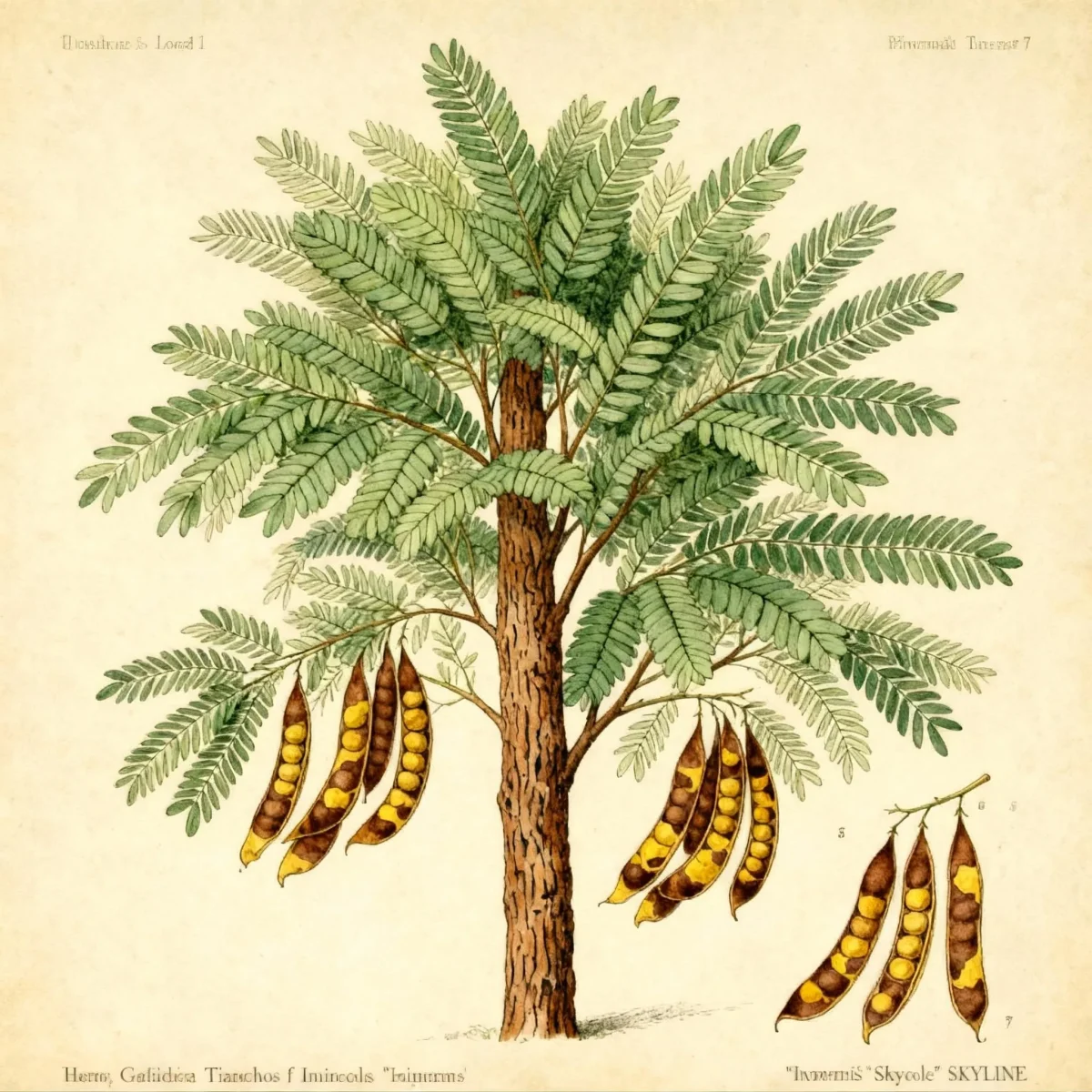
Honey locust
Gleditsia triacanthos f. Inermis 'Skycole' SKYLINE
- USDA zones
- 3–8
- Light
- Full sun
- Water
- Medium
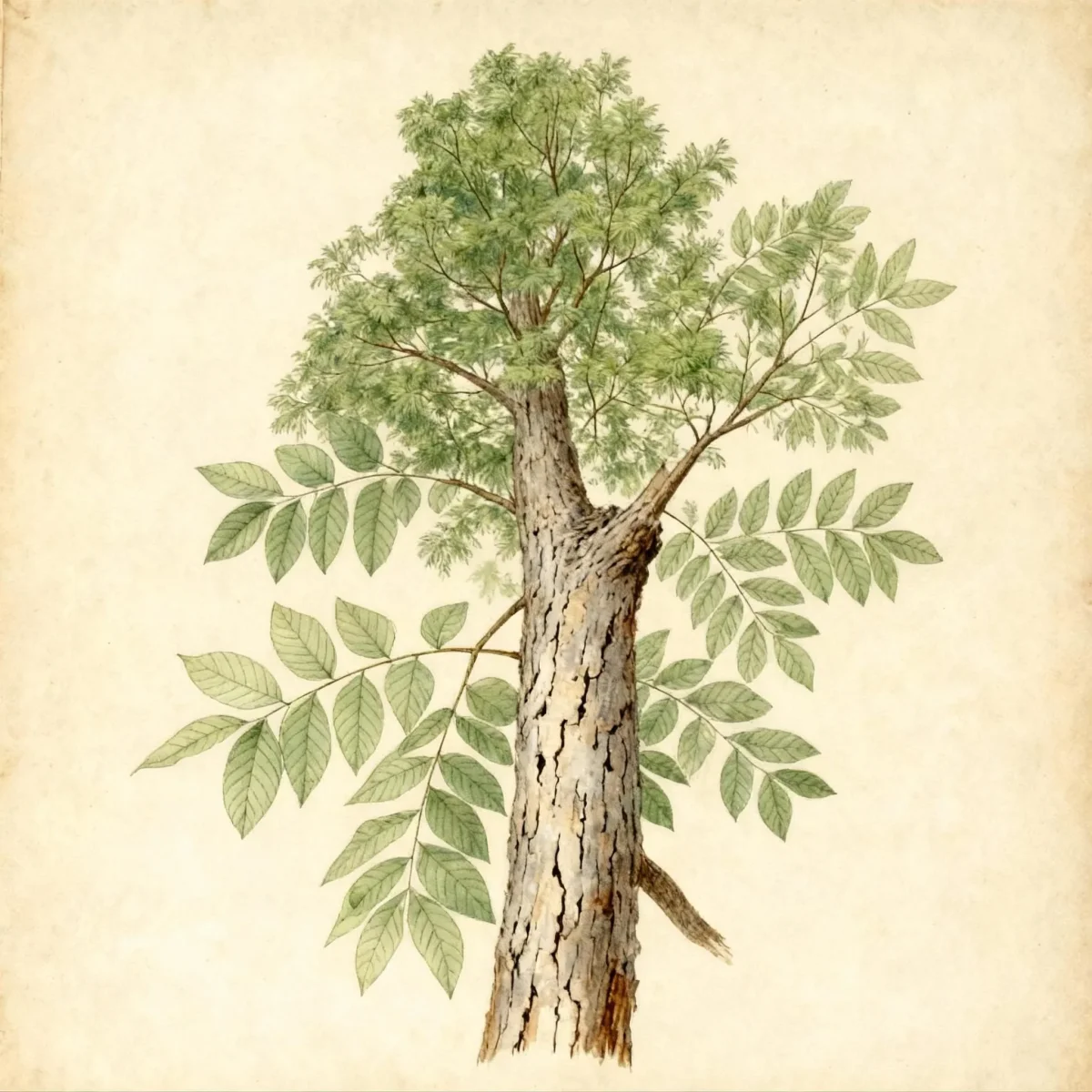
Kentucky coffee tree
Gymnocladus dioicus
- USDA zones
- 3–8
- Light
- Full sun
- Water
- Medium
Keep Learning
Test what you know with a garden quiz
You have the plant facts and care notes. Continue with a related challenge, or browse the complete quiz library.

Can You Identify These Common Garden Plants? Test Your Plant Knowledge
Think you know your roses from your peonies? Test your plant identification skills with our comprehensive garden plant quiz featuring 10 challenging questions.
Start quiz
USDA Garden Zone Map Quiz
Use this USDA garden zone map quiz to check whether you can read hardiness zones and choose plants with more confidence.
Start quizBrowse the full quizzes section
Explore plant identification, zone strategy, and seasonal gardening challenges.
View all quizzes