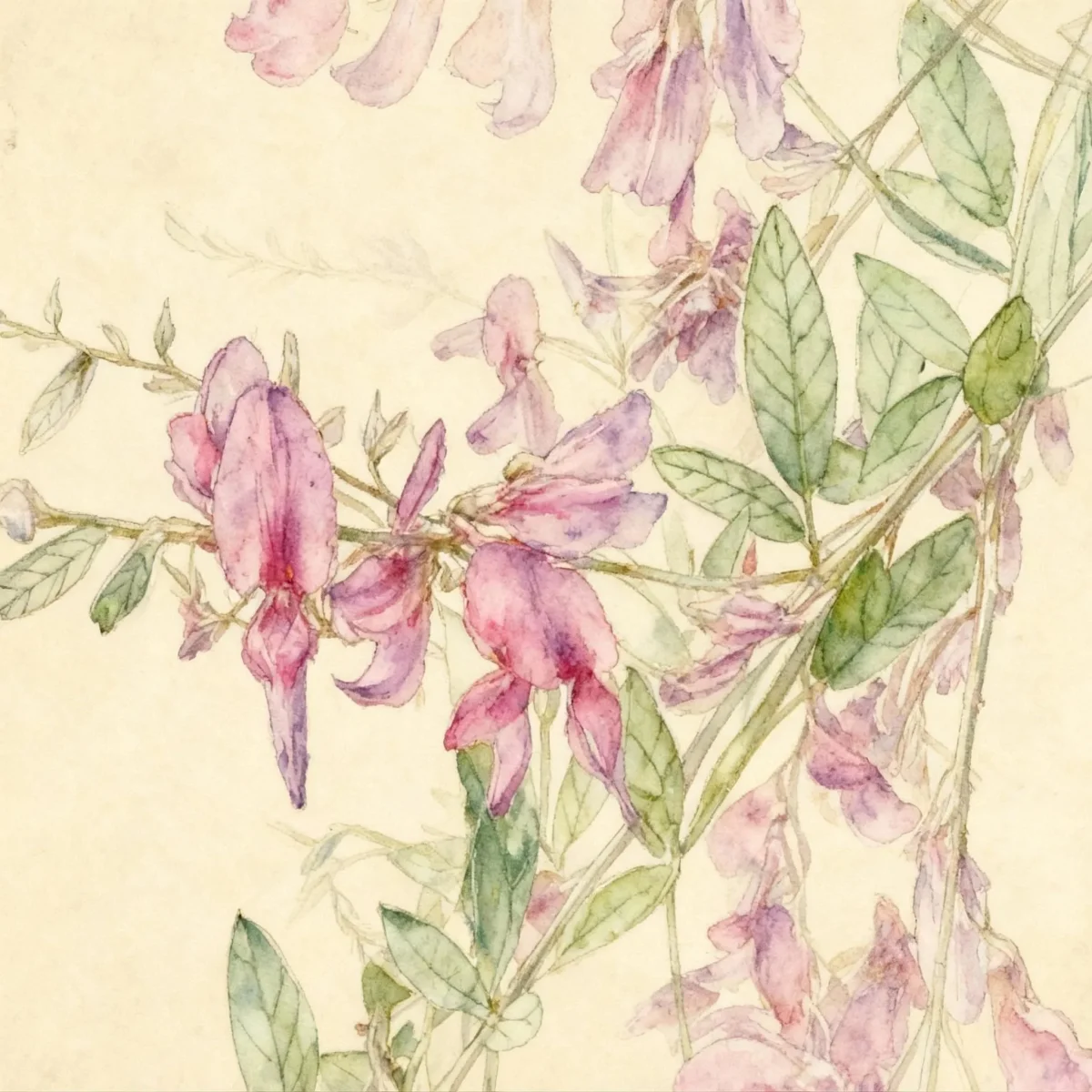
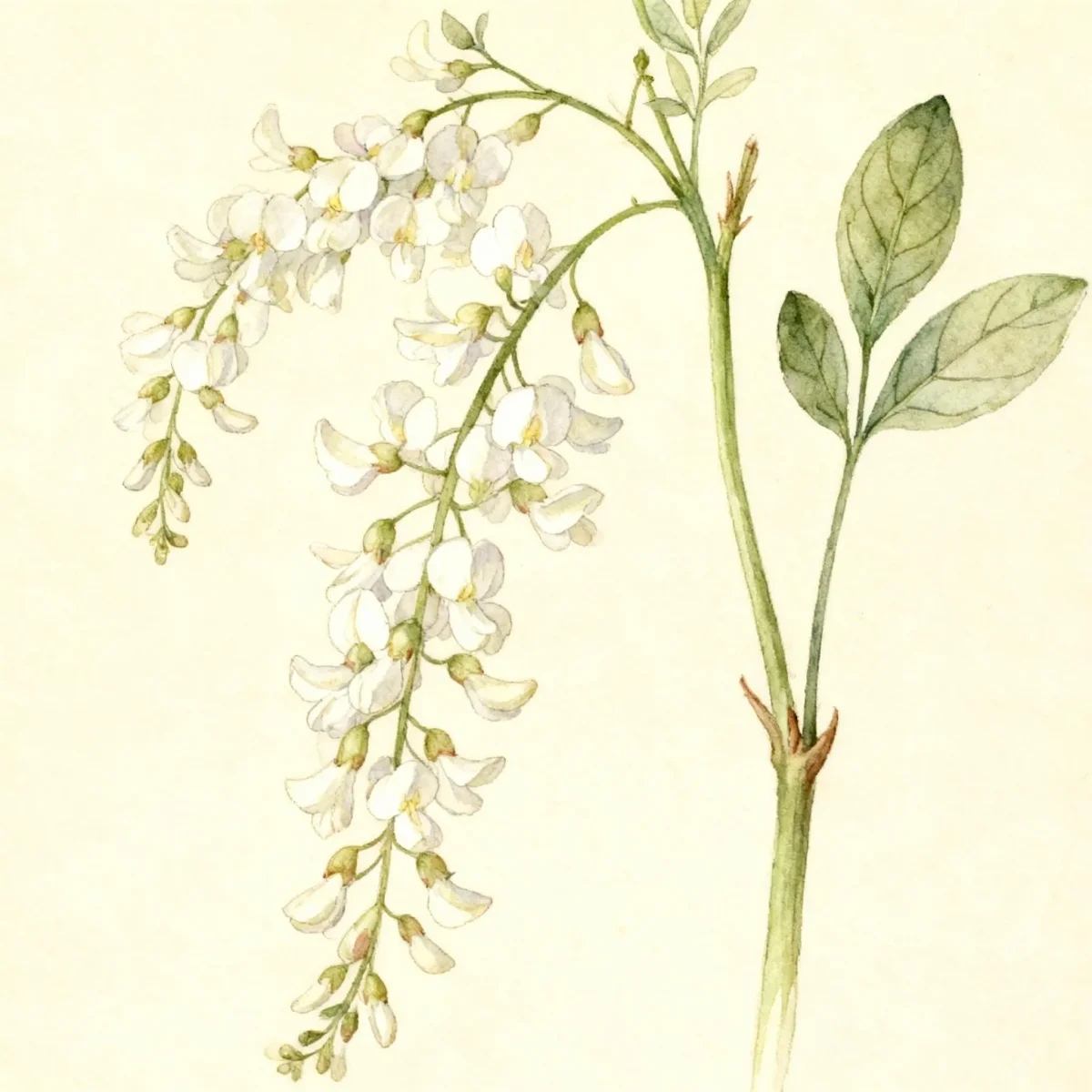
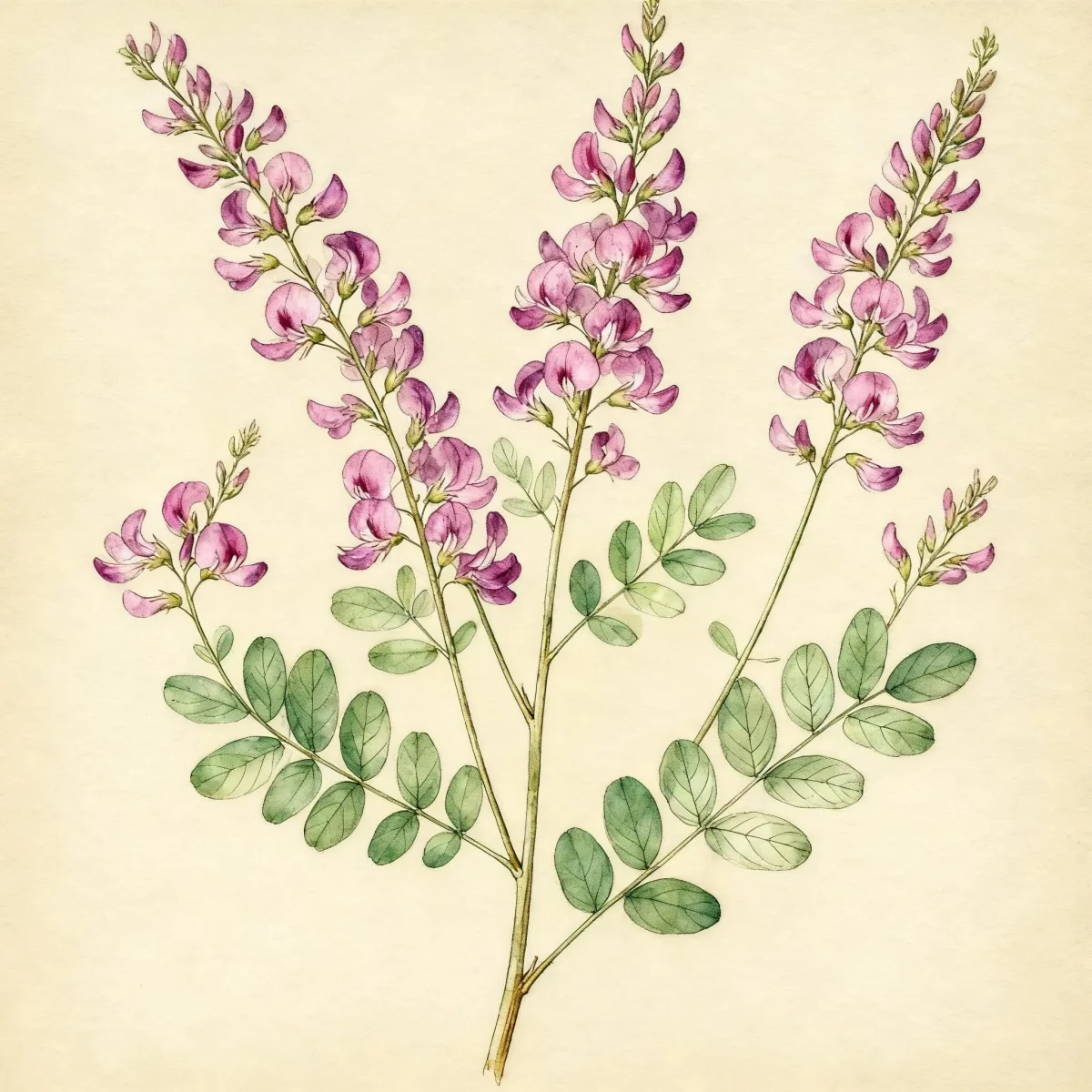
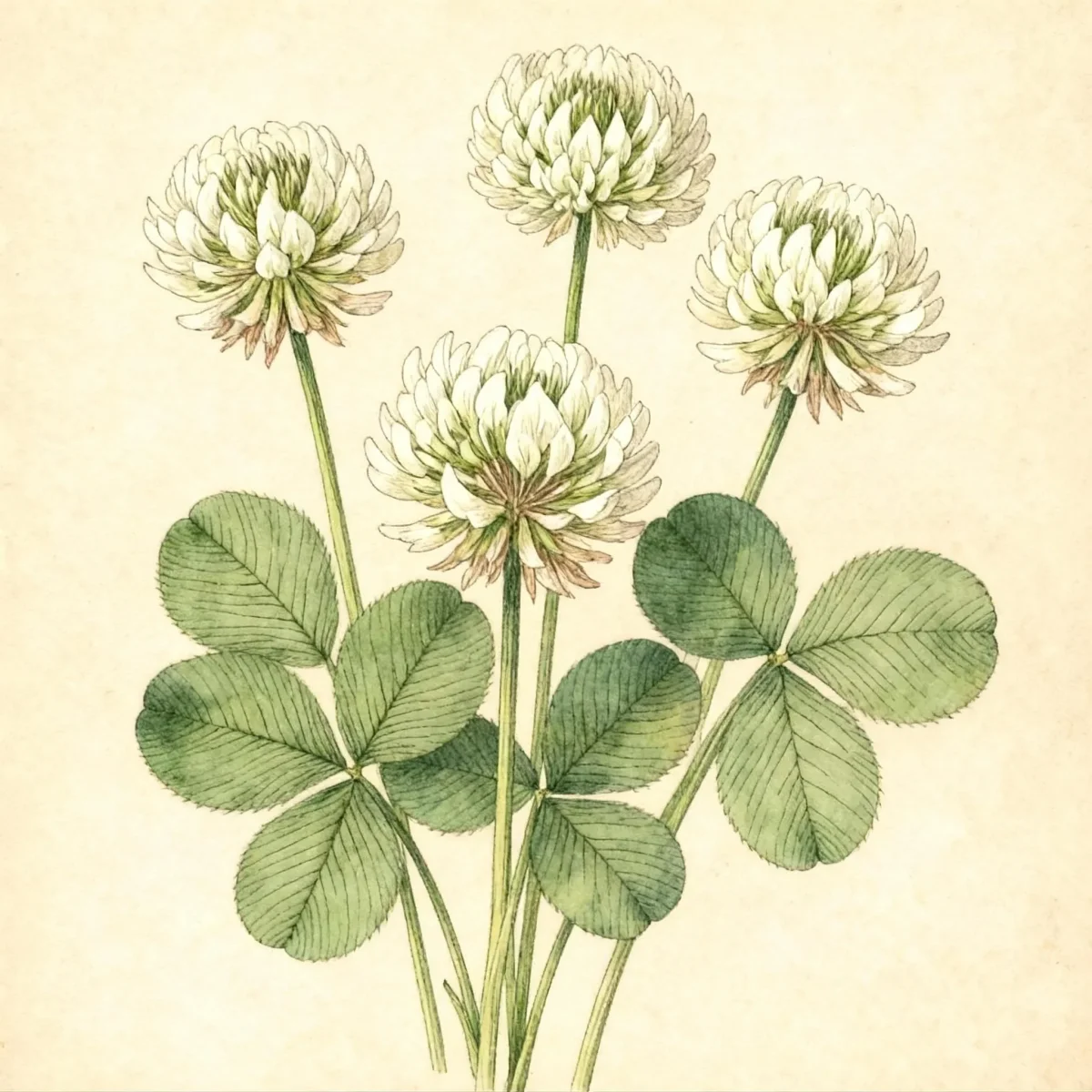
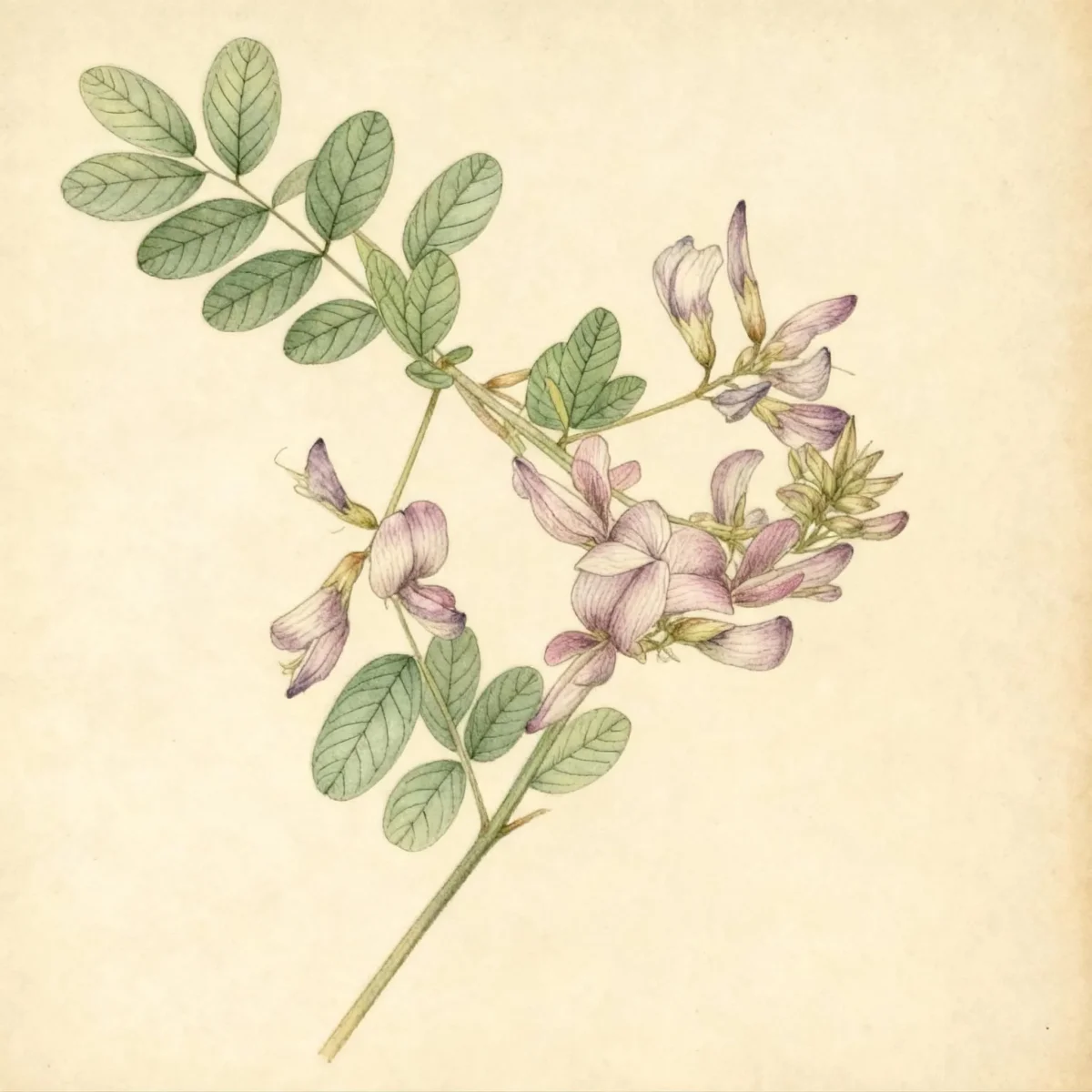
Bush clover (Lespedeza thunbergii)
Lespedeza thunbergii, or Bush clover, is a stunning deciduous shrub offering fountain-like purple blooms from late summer into fall. Hardy and adaptable, this plant provides excellent late-season interest.

Bloom Boldly, No Matter the Season - Sweatshirt
Cozy organic cotton sweatshirt featuring our exclusive Purple Coneflower design. Perfect for gardeners who bloom year-round.
Inspired by the beautiful Bush clover
Limited first batch (50) — join the waitlist for early access
Waitlist closes Feb 15, 2026.
Complete Plant Information
Field Guide Continues
Ready for care notes, companion picks, and planting tips?
The map is just the start. The full guide below covers growth habits, seasonal performance, and landscape uses.
Overview
The magnificent Lespedeza thunbergii, widely known as Bush clover, is celebrated in the landscape for its vigorous, arching habit and spectacular late-season floral display. This deciduous semi-woody shrub transforms sunny areas with cascading panicles of rosy-purple, pea-like flowers that bloom when summer color begins to fade. Gardeners value Lespedeza thunbergii for its ability to provide structure and brilliant color into fall.
This plant responds favorably to aggressive pruning, allowing it to produce rapid annual growth topped with blooms by August. Its overall form is often described as fountain-like, gracefully spilling over structures or softening the edges of borders. While its roots are quite hardy, the top growth of Bush clover often sets back in very cold winters, requiring gardeners to treat it effectively as a herbaceous perennial in many zones.
Providing interest from late summer through fall, Lespedeza thunbergii is an increasingly popular choice for its low-maintenance needs once established, tolerating drier conditions and less-than-ideal soils. Its vibrant color and unique structure make it an indispensable component for extending the garden season.
Fast Facts
- Plant Family: Fabaceae
- Plant Type: Deciduous shrub
- Native Range: Japan, China
- Hardiness Zones: USDA Zones 4-8
- Size at Maturity:
- Height: 3-6 ft
- Spread: 3-8 ft
- Bloom Time: August to September
- Bloom Description: Rose purple
- Sun Exposure: Full sun to part shade
- Water Needs: Medium
- Maintenance Level: Medium
How to Grow
The Bush clover thrives when planted in average, well-drained soils, which are essential for its long-term health. While it appreciates medium moisture, good drainage is critical; avoid soggy locations. For the most prolific flowering from your Lespedeza thunbergii, ensure it receives full sun, though it will tolerate part shade conditions. It performs surprisingly well even in infertile or sandy soils.
Water needs are medium; establish a regular schedule in the first year, but once established, this plant demonstrates good drought tolerance. Avoid the temptation to over-fertilize, as excessive nutrients can sometimes lead to weaker stems. Maintenance centers primarily around yearly pruning, as this shrub blooms reliably on new growth.
The best time to prune is late winter or early spring before new growth starts. Many gardeners find it simplest to cut the entire plant back to the ground annually. Although the roots are hardy well into Zone 6, the top canopy often dies back during harsh winters, rendering annual pruning a necessary cleanup task. Plants may naturalize slightly through reseeding or by prostrate stems rooting where they touch the ground.
Landscape Uses
Lespedeza thunbergii is incredibly versatile, serving perfectly as a specimen plant due to its dramatic habit and late bloom time. It is highly recommended for shrub borders, where its arching branches can mingle beautifully with more upright perennials. Furthermore, this plant excels at stabilizing and softening slopes and hillsides due to its ability to naturalize and its drought tolerance once mature.
Consider placing Bush clover near retaining walls; its stems naturally cascade over the edge, creating a beautiful softening effect. It mixes wonderfully with late-blooming perennials such as Sedum ‘Autumn Joy’ or ornamental grasses, creating a dynamic late-season tapestry of texture and color. Its adaptability also allows it to spill over the edges in a cottage garden setting.
Standout Features
Flower Qualities
- Showy
Noteworthy Characteristics
Lespedeza thunbergii, commonly called Bush clover, is a deciduous, semi-woody shrub with an arching, fountain-like habit. When cut to the ground in late winter to early spring, it responds by producing rapid annual growth to 3- 6’ tall and as wide during the following growing season. It features alternate, trifoliate, bluish-green leaves and drooping racemes of rosy-purple, pea-like flowers grouped into loose, pendulous panicles, blooming from late summer to early fall.
Tolerances
- Drought
- Erosion
Potential Problems
This plant is generally favored by gardeners because it rarely succumbs to serious insect or disease problems. Therefore, preventative spraying or specialized chemical treatments are typically unnecessary for healthy Lespedeza thunbergii specimens when proper cultural conditions are met. Focus instead on ensuring excellent drainage to prevent any potential root stress.
Frequently Asked Questions
What hardiness zones is Bush clover suitable for?
Lespedeza thunbergii is suitable for USDA Zones 4 through 8.
How large does Bush clover grow?
This shrub typically reaches a mature height between 3 and 6 feet, with a spread ranging from 3 to 8 feet wide.
When does Bush clover bloom?
Bush clover blooms late in the season, typically from August to September, displaying vibrant rose purple flowers.
What sun exposure does Bush clover need?
For the best flowering performance, Lespedeza thunbergii requires full sun, although it will tolerate part shade conditions.
Conclusion
The exceptional value of Bush clover (Lespedeza thunbergii) lies in its reliable, powerful late-summer color and its adaptable, low-maintenance nature. Its fountain-like shape and drought resistance make it a superb anchor for sunny borders and slopes alike. Before planting, always confirm that your local USDA zone falls within the 4 to 8 range to ensure successful, vigorous growth year after year.
Companion Planting
When integrating Bush clover into a mixed border, select companions that appreciate similar sun exposure and drainage while offering contrasting textures or bloom times. Ornamental grasses, such as Miscanthus or Panicum varieties, pair beautifully with the airy, weeping habit of Lespedeza thunbergii, providing vertical interest that complements its mounding form. Alternatively, use plants that bloom earlier, like Echinacea or Rudbeckia, to ensure continuous color interest as the season progresses toward the spectacular bloom of the Bush clover.
Design Ideas
Utilize the mature size of Lespedeza thunbergii to frame views or anchor corners of the garden where a substantial, yet graceful, presence is needed. Because it blooms late, avoid placing it behind earlier-flowering shrubs that will look plain once their bloom cycle ends; instead, place lower-growing, evergreen groundcovers beneath it for year-round green interest. Its semi-woody nature means it can be used almost structurally, softening hard lines in xeriscaped or drought-tolerant garden designs near rock features or gravel pathways.