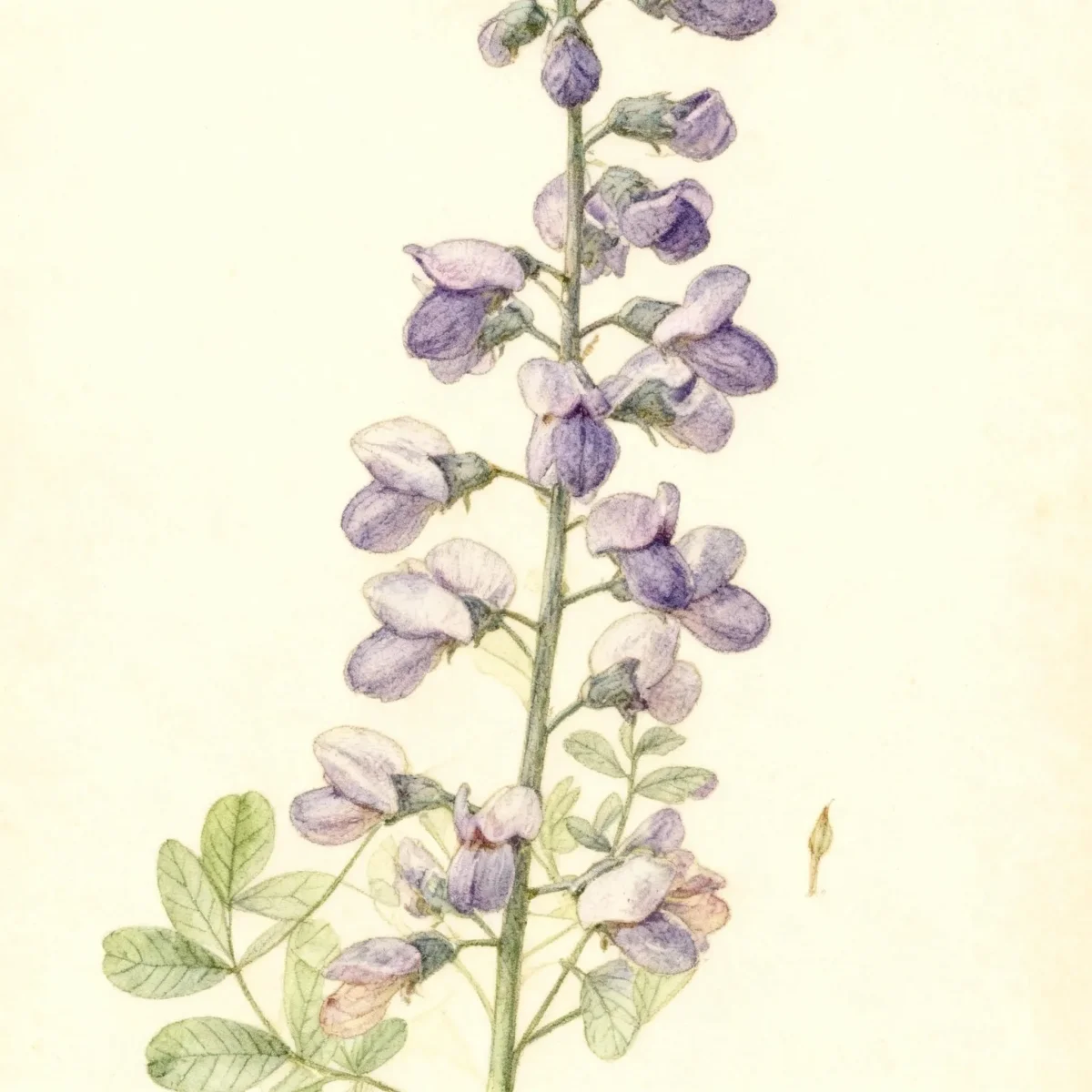
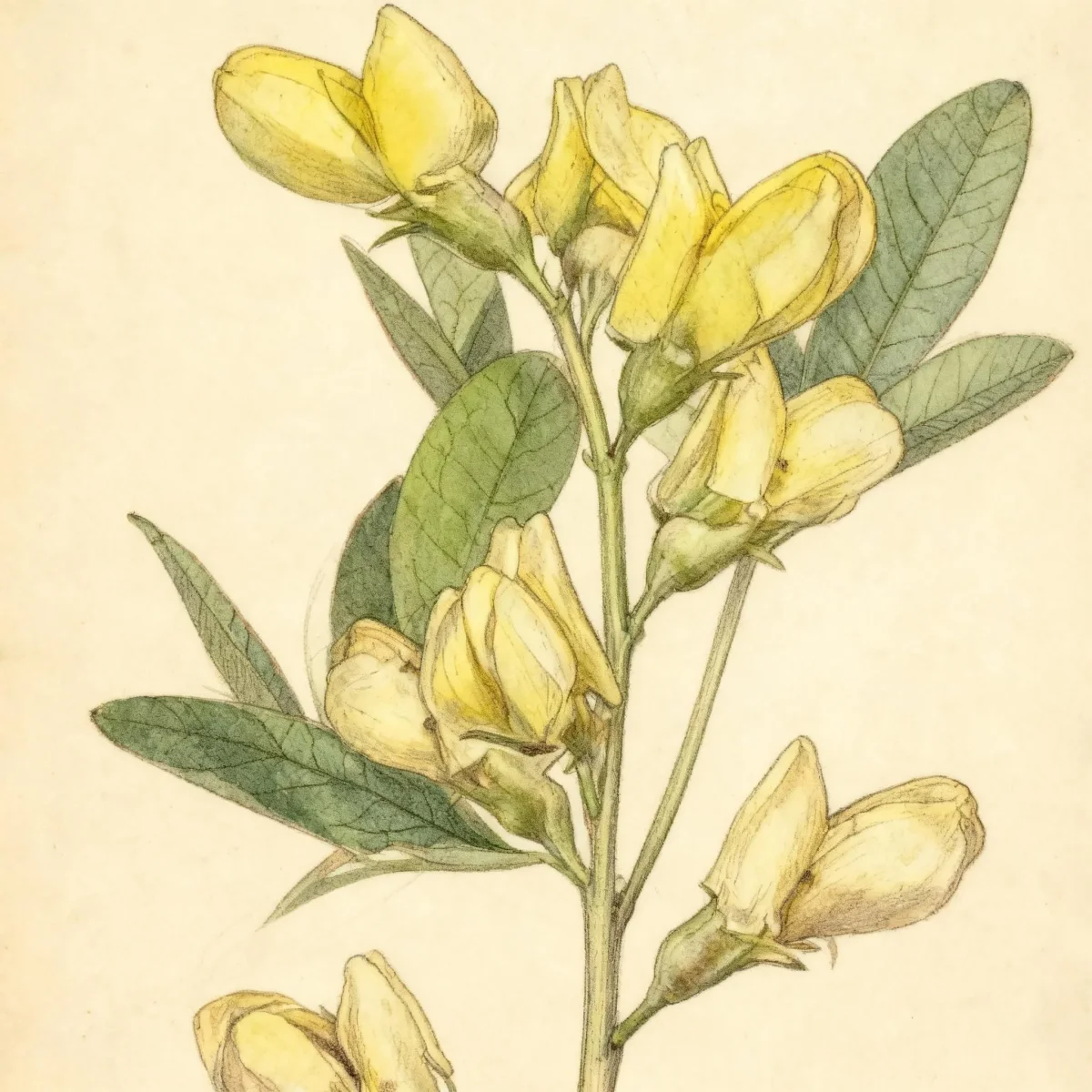
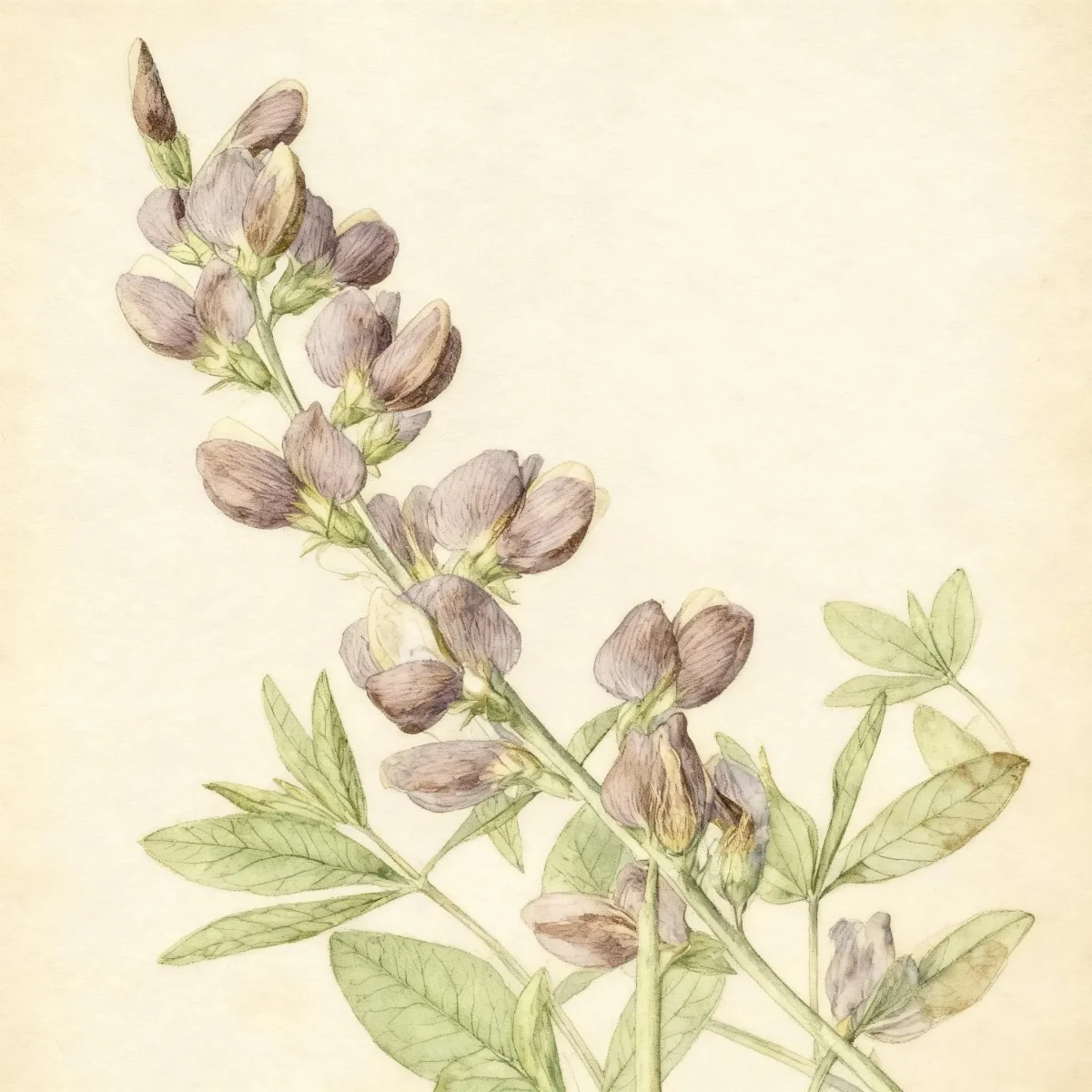
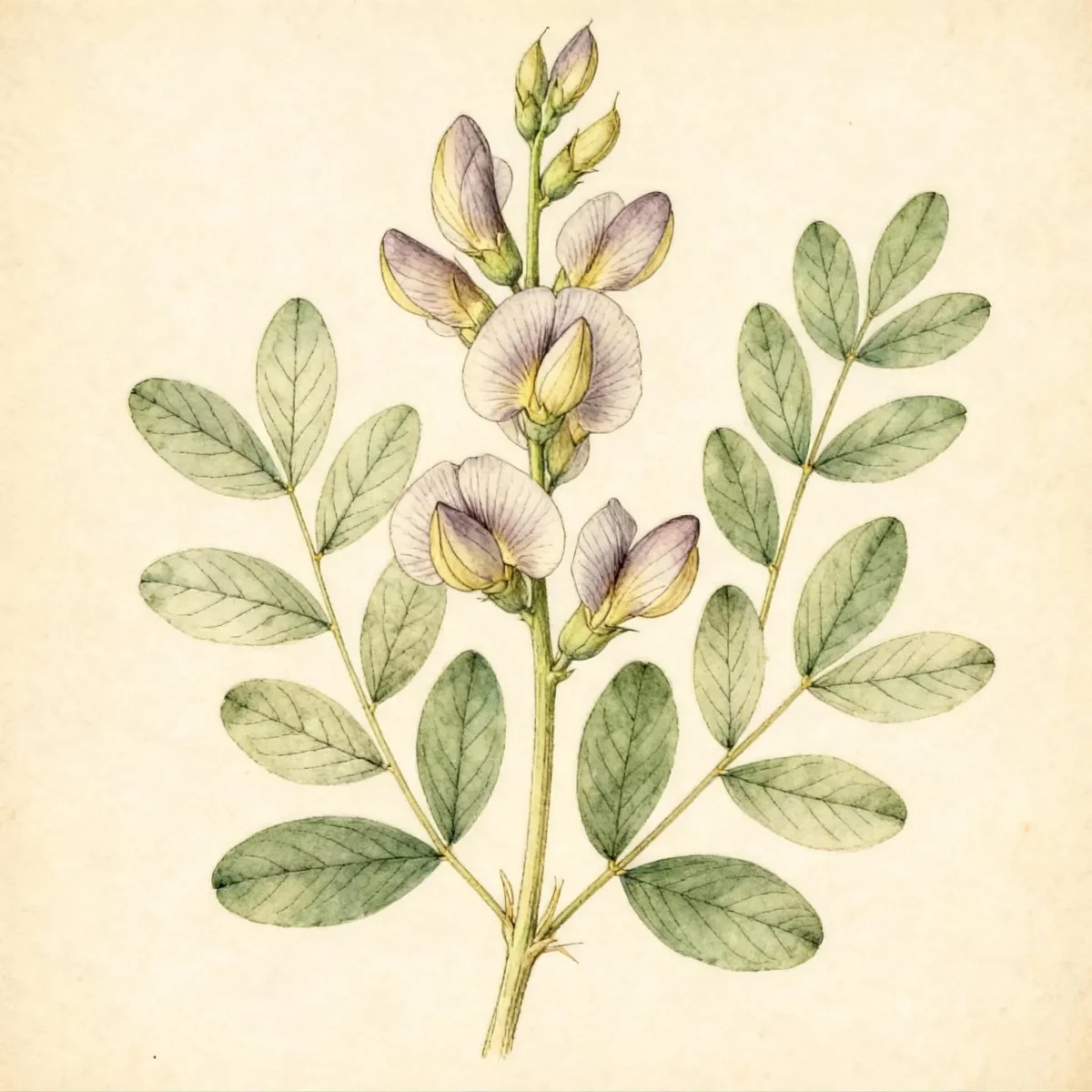
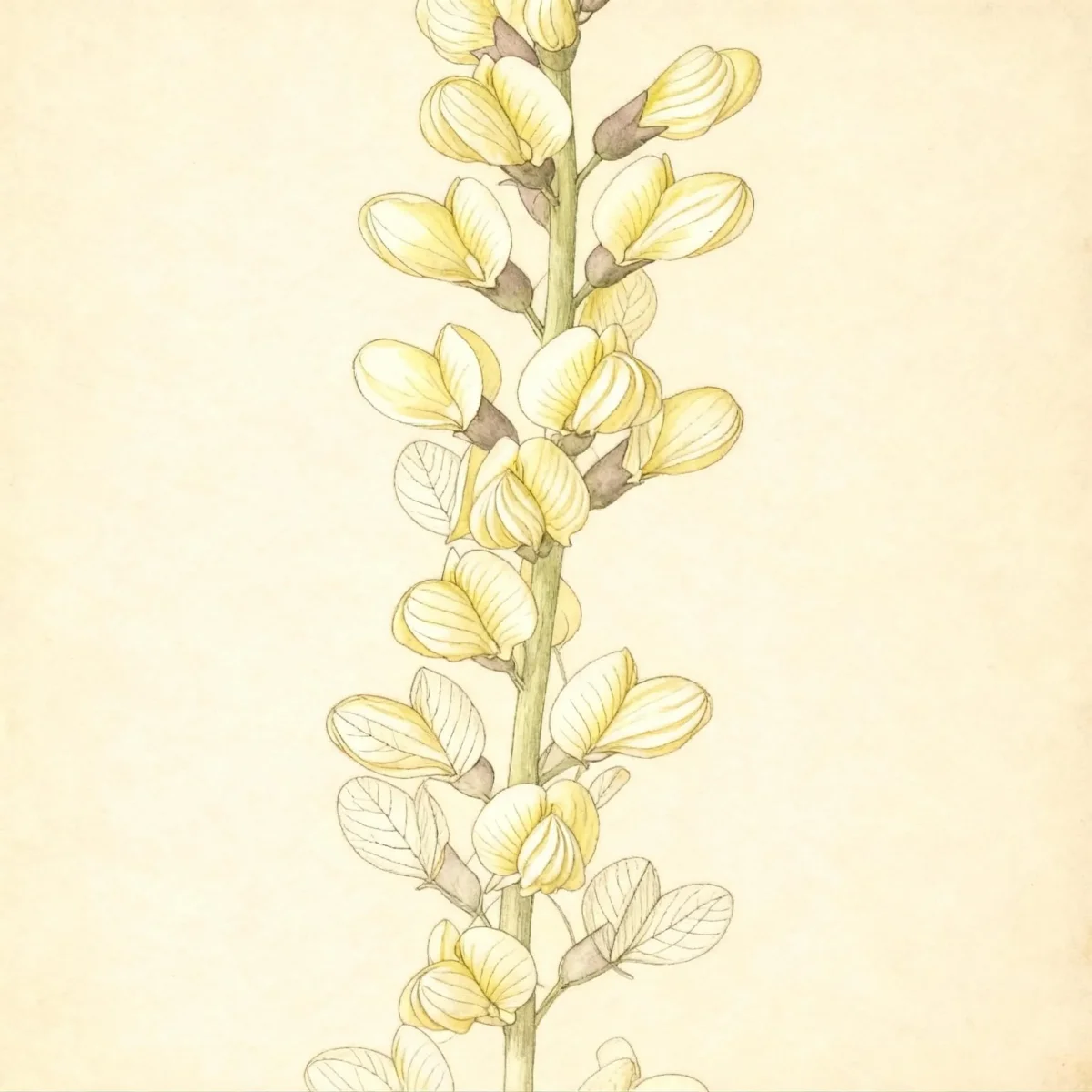
White false indigo (Baptisia alba var. Macrophylla)
Durable herbaceous perennial White false indigo (Baptisia alba var. macrophylla) offers showy white blooms and low maintenance across zones 3-9.


Bloom Boldly, No Matter the Season - Sweatshirt
Cozy organic cotton sweatshirt featuring our exclusive Purple Coneflower design. Perfect for gardeners who bloom year-round.
Inspired by the beautiful White false indigo
Limited first batch (50) — join the waitlist for early access
Waitlist closes Feb 15, 2026.
Complete Plant Information
Field Guide Continues
Ready for care notes, companion picks, and planting tips?
The map is just the start. The full guide below covers growth habits, seasonal performance, and landscape uses.
Overview
The White false indigo, botanically known as Baptisia alba var. macrophylla, is a standout herbaceous perennial valued for its robustness and striking spring display. This variety, also called Largeleaf wild indigo, establishes long-lived clumps featuring clover-like, bluish-green foliage that remains attractive throughout the growing season. Gardeners appreciate how reliably Baptisia alba var. Macrophylla delivers upright spikes of elegant white, pea-like flowers emerging in early to late spring.
As a low-maintenance native, White false indigo thrives even in challenging spots, offering excellent drought tolerance once established. Its structure provides vertical interest, making it a foundational piece in naturalized plantings or mixed perennial borders. The resulting seed pods also offer ornamental value long after the blooms fade, contributing to its functional appeal.
Specific to the var. macrophylla designation, this plant is noted for its particularly large leaves and significant stature among native Baptisias in regions like Missouri. Planting Baptisia alba var. macrophylla ensures you cultivate a tough, long-lived plant that earns its keep through structure, blooms, and minimal fuss.
Fast Facts
- Plant Family: Fabaceae
- Plant Type: Herbaceous perennial
- Native Range: Central North America
- Hardiness Zones: USDA Zones 3-9
- Size at Maturity:
- Height: 2-4 ft
- Spread: 2-2.5 ft
- Bloom Time: April to May
- Bloom Description: White
- Sun Exposure: Full sun to part shade
- Water Needs: Dry to medium
- Maintenance Level: Low
How to Grow
Establish your Baptisia alba var. macrophylla during the dormant season—early spring or fall—to minimize transplant shock. Plant in a location receiving full sun to light afternoon shade, though deep shade may reduce flowering. This plant requires well-draining soil, happily tolerating poor, dry substrates, which aligns with its White false indigo hardiness profile. Avoid placing it too close to black walnut trees due to sensitivity to juglone.
Once situated, Baptisia alba var. macrophylla requires very little supplemental water, thriving on dry to medium moisture levels. Heavy watering or constantly wet soil should be avoided, especially during summer dormancy. Fertilizing is rarely necessary; the plant fixes its own nitrogen and thrives on neglect.
In late winter or very early spring, cut back the old, above-ground stems close to the ground (if not already shattered). Taller specimens may benefit from staking before they bloom if they are situated in a location prone to wind or heavy shade, as the flower spikes can become top-heavy. Otherwise, maintenance remains extremely low.
Landscape Uses
Baptisia alba var. macrophylla excels in environments where structure and reliability are paramount. Its upright habit and robust foliage make it perfect for defining the back or middle row of perennial borders, offering strong contrast against lower, mounding perennials. Consider using White false indigo in cottage gardens or native plant gardens where its natural form is celebrated.
This plant functions superbly in large-scale or naturalized settings, such as meadows or prairies, where it can spread its influence without disturbance. Due to its drought tolerance and erosion control properties, it is suitable for slopes or xeriscaping designs that need substantial green texture throughout the summer. Use it as a specimen plant in small groups of three to maximize the impact of its spring flower display.
The sturdy, dark stems that persist after blooming make this an excellent structural plant to combine with later-season bloomers like coneflowers or asters. Because Baptisia alba var. Macrophylla is deeply rooted and slow to establish, pair it with plants that won’t aggressively crowd it out during its first few seasons.
Standout Features
Flower Qualities
- Showy
- Good Dried
Noteworthy Characteristics
Baptisia alba commonly called white false indigo, is an upright perennial which typically grows 2-3’ tall and occurs in dry woods from Tennessee and North Carolina to Florida. It features small, white, pea-like flowers (to 1/2” long) in erect racemes (to 12”) atop dark flower stems extending well above a foliage mound of clover-like, trifoliate, bluish-green leaves (leaflets to 2” long). Flowers give way to inflated seed pods (to 1 3/4” long) which turn brown to black when ripe and have considerable ornamental interest. Stems with seed pods are valued additions to dried flower arrangements. Baptisia alba var. Macrophylla is a Missouri native, typically growing 2-3’ (less frequently to 5’) tall and occurs in prairies, open woods, glades, waste areas and along streambanks throughout the State. The variety name means large-leafed, evident in its leaflets up to 3” long.
Tolerances
- Drought
- Erosion
- Dry Soil
Potential Problems
Baptisia alba var. macrophylla is generally praised for having no serious insect or disease problems, making it a highly reliable choice for low-maintenance gardening. The primary cultural concern involves plant support; taller plants, especially those growing towards the larger end of their height range or positioned in partial shade, may require staking to prevent stems from flopping over under the weight of the blooms. Furthermore, gardeners must be mindful of its walnut sensitivity. Planting this White false indigo near black walnut trees should be avoided, as the plants tend to perform poorly due to the tree’s release of juglone.
Frequently Asked Questions
What hardiness zones is White false indigo suitable for?
This resilient perennial, Baptisia alba var. macrophylla, is suitable for USDA Hardiness Zones 3 through 9.
How large does White false indigo grow?
It typically reaches a height of 2 to 4 feet, with a spread of 2 to 2.5 feet, forming a substantial perennial mound.
When does White false indigo bloom?
Baptisia alba var. macrophylla typically produces its beautiful white flowers between April and May.
What sun exposure does White false indigo need?
For the best performance, ensure your plant receives full sun to part shade conditions.
Conclusion
The longevity, disease resistance, and stately appearance of White false indigo (Baptisia alba var. macrophylla) make it an essential staple for sustainable garden design. Its adaptability to dry soils and low maintenance requirements cement its value across many landscapes. Before planting, confirm your site offers adequate drainage and confirm your USDA zone falls between 3 and 9 to ensure this magnificent native perennial thrives for decades.
Companion Planting
When planning beds for Baptisia alba var. macrophylla, focus on complements that share similar sun and water needs: full sun to part shade and dry to medium moisture. Excellent partners include native grasses that can provide movement around the sturdy structure of the Baptisia alba var. Macrophylla. Consider pairing it with Echinacea purpurea (Coneflower) or Rudbeckia (Black-eyed Susan), as these bloom slightly later, extending the visual interest of the area while enjoying similar dry soil conditions.
Design Ideas
In contemporary landscaping, use the strong architectural presence of White false indigo to anchor curved garden borders. Its dense, bluish-green foliage provides a necessary visual resting point against more texturally complex or brightly colored neighbors. For an authentic native planting scheme, incorporate species like Liatris (Blazing Star) whose vertical magenta spires contrast beautifully with the white spring racemes of the White false indigo.