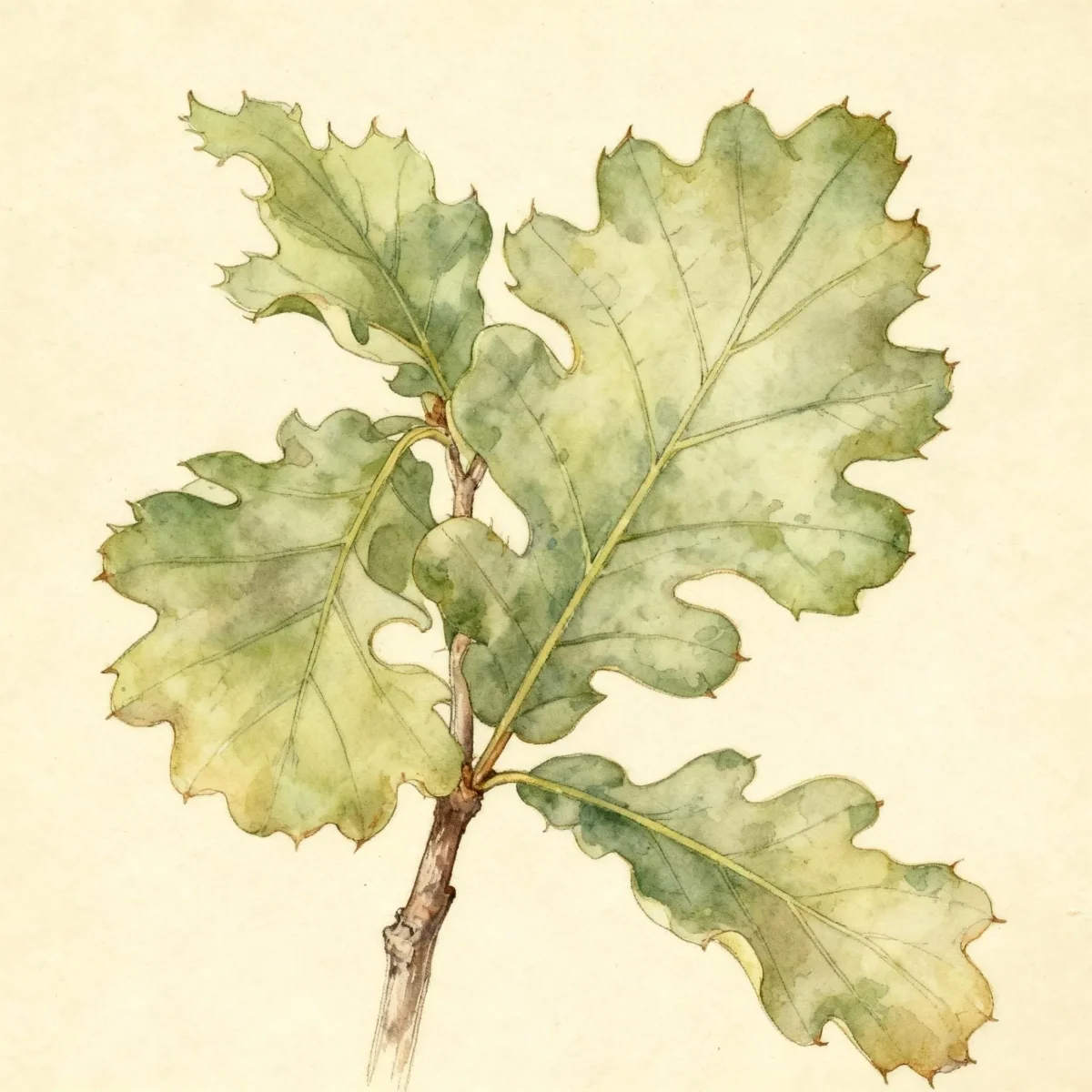
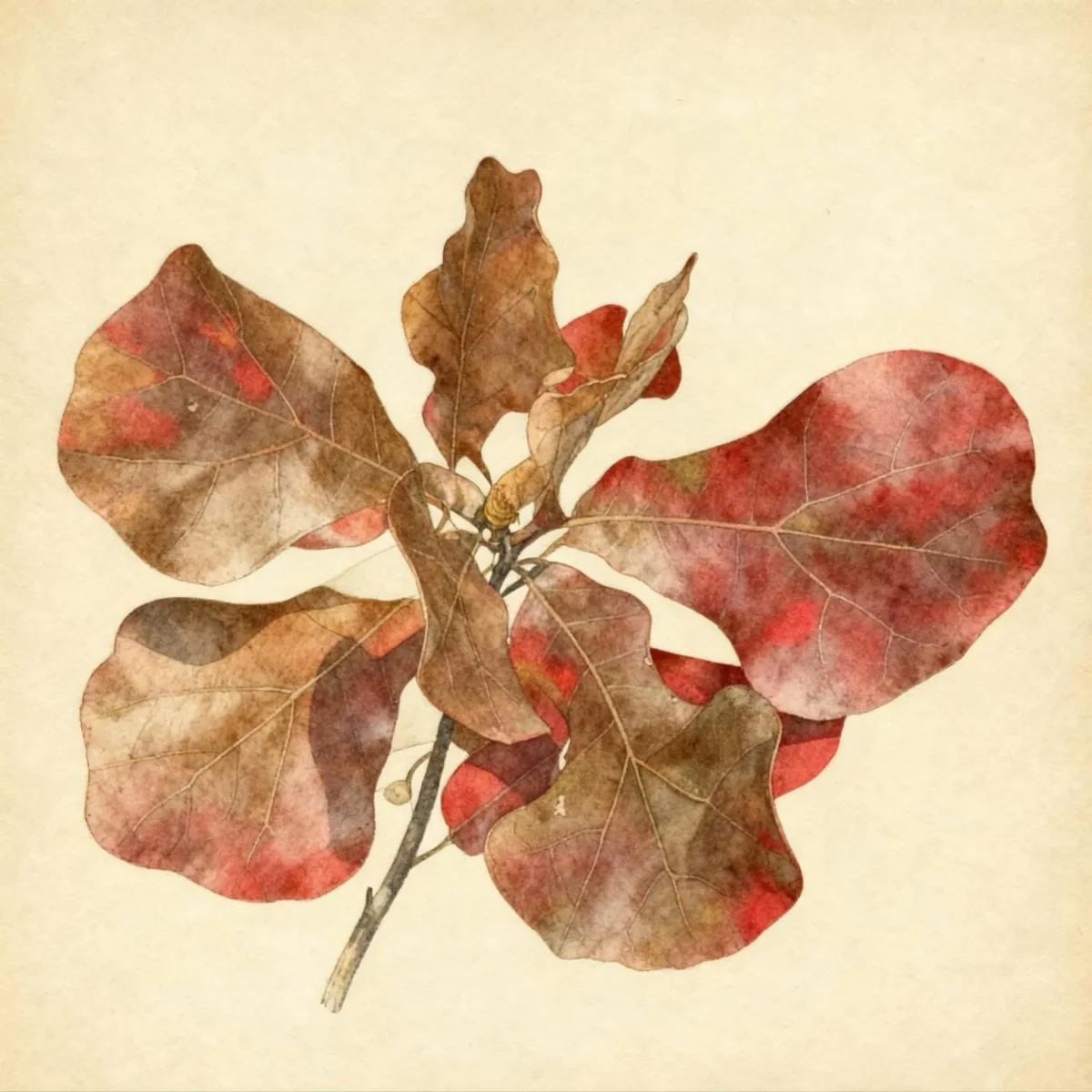
Southern red oak (Quercus falcata)
The Southern red oak (Quercus falcata) is a medium to large deciduous native tree offering excellent shade and drought tolerance in Zones 6-9.


Bloom Boldly, No Matter the Season - Sweatshirt
Cozy organic cotton sweatshirt featuring our exclusive Purple Coneflower design. Perfect for gardeners who bloom year-round.
Inspired by the beautiful Southern red oak
Limited first batch (50) — join the waitlist for early access
Waitlist closes Feb 15, 2026.
Complete Plant Information
Field Guide Continues
Ready for care notes, companion picks, and planting tips?
The map is just the start. The full guide below covers growth habits, seasonal performance, and landscape uses.
Overview
The Southern red oak (Quercus falcata) is a stately, medium-to-large deciduous oak highly valued across the Southeastern United States for its robust structure and adaptability. This species provides exceptional canopy coverage, making it a superior choice where large specimen shade trees are needed for parks or residential areas. It matures into an attractive tree featuring a straight trunk and an open, rounded crown.
Native to upland, often sandy hillsides, the Quercus falcata demonstrates remarkable resilience once established. Gardeners appreciate its low maintenance needs and ability to thrive in less-than-ideal conditions, including periods of drought and air pollution. While native to warmer climes, this Southern red oak extends its range northward, requiring thoughtful placement at the colder limits of its hardiness.
Beyond its impressive size, the variable lobed leaves offer visual interest throughout the growing season before dropping relatively late in the fall. As a long-lived native species, the Quercus falcata contributes significantly to local ecosystems while delivering substantial structural landscaping value.
Fast Facts
- Plant Family: Fagaceae
- Plant Type: Tree
- Native Range: Southeastern United States
- Hardiness Zones: USDA Zones 6-9
- Size at Maturity:
- Height: 60-80 ft
- Spread: 40-50 ft
- Bloom Time: April to May
- Bloom Description: Green (female)Red (male)
- Sun Exposure: Full sun
- Water Needs: Dry to medium
- Maintenance Level: Low
How to Grow
Planting the Southern red oak should ideally occur in the dormant season, late fall through early spring, ensuring establishment before summer heat stress. This species performs best when sited in acidic, well-drained loams, although it is notably successful in sandy soils. Ensure the location receives full sun for optimal growth, though this Quercus falcata can tolerate some partial shade.
Once established, the Southern red oak requires low maintenance, aligning with its dry to medium water needs. Supplemental irrigation is generally unnecessary outside of prolonged drought conditions or immediately following transplanting. Avoid over-fertilizing, as oaks generally prefer leaner feeding schedules. Pruning should be minimal, focusing only on removing crossing or damaged limbs to maintain the integrity of the straight trunk.
For gardeners pushing the northern limits of its successful range, specifically areas like St. Louis (Zone 6), select a protected planting site where the tree is shielded from harsh winter winds. While it tolerates soils with brief flooding, ensure the primary root zone is not perpetually saturated, especially in winter. The species handles poor soils well, reducing the need for extensive soil amendments.
Landscape Uses
The primary function of the Quercus falcata is providing substantial, long-lasting shade, making it an excellent candidate for shade tree applications in residential neighborhoods and parks throughout the South. Its sizable mature spread (40-50 ft) requires generous open space, making it unsuitable for narrow corridors or planting directly beneath utility lines. The species is recommended for large-scale street tree plantings where pedestrian access around the canopy base is managed.
When incorporating this native oak, consider its upright, rounded habit when pairing it with ornamental shrubs or smaller understory trees that prefer dappled light, such as native Dogwoods or Witchhazel. In expansive landscapes, group the Southern red oak far from foundational plantings to allow its root system and future drip line ample room to expand unimpeded. Its inherent drought tolerance makes it a reliable anchor for sweeping, low-maintenance perennial borders or native meadow plantings.
Standout Features
Flower Qualities
- Insignificant
Noteworthy Characteristics
Quercus falcata, commonly called southern red oak or Spanish oak, is a medium to large deciduous oak that typically matures to 60-80’ tall. It is prized for its ornamental structure, featuring a straight trunk and an open rounded crown suitable for large landscapes. Leaves tend to be large (4-9” long) and lobed, remaining dark green above and contrasting with a pale green underside before developing insignificant reddish-brown fall color.
Tolerances
- Drought
- Air Pollution
Potential Problems
While the Southern red oak generally avoids serious insect or disease issues, all oaks remain susceptible to certain threats. Gardeners must be vigilant for common oak ailments such as oak wilt, anthracnose, and leaf spots, particularly if neighboring oaks show stress. Scale insects, borers, and specialized caterpillars like the oak skeletonizer pose potential aesthetic damage rather than major structural threats to a mature tree.
Preventative care centers on managing soil health and avoiding unnecessary wounding to the trunk or bark, which can invite borers or fungal entry points. Ensure water is provided consistently during establishment to build robust root systems resistant to stress that invites secondary infection. If oak wilt is known locally, extreme sanitation measures should be implemented during pruning to prevent transmission.
Frequently Asked Questions
What hardiness zones is Southern red oak suitable for?
The Southern red oak (Quercus falcata) is hardy in USDA Zones 6 through 9, allowing planting across a wide swath of the eastern and southern United States.
How large does Southern red oak grow?
This magnificent specimen tree typically reaches mature heights between 60 and 80 feet tall, often spreading to a width of 40 to 50 feet at maturity.
What sun exposure does Southern red oak need?
For best results and healthiest structure, the Quercus falcata requires full sun exposure, although it permits some light afternoon shade.
When does Southern red oak bloom?
Bloom time occurs between April and May, producing inconspicuous monoecious flowers with green female clusters and red-tinged male catkins.
Conclusion
The Southern red oak offers exceptional value as a low-maintenance, drought-tolerant shade provider perfectly suited for large southern landscapes. Its upright form and adaptability make the Quercus falcata a reliable, beautiful native addition. Verify your local climate falls within USDA Zones 6-9 and plan for ample space before installing this majestic tree.
Wildlife Benefits
As a native oak species, the Southern red oak is an indispensable resource for local wildlife communities. The production of small acorns, appearing in September and October, serves as a critical late-season food source for jays, squirrels, deer, and various songbirds. Providing a large, densely branched canopy, the mature tree offers essential nesting and roosting sites throughout the year.
Mature Quercus falcata supports hundreds of species of insects on its leaves and wood, indirectly feeding nesting birds and caterpillars. Planting this native species is one of the most effective ways a homeowner can bolster local biodiversity and support the complex food web of a regional ecosystem.
Companion Planting
Given the Quercus falcata’s preference for acidic soil and dry to medium moisture after establishment, companion planting should focus on species that share these tolerance ranges. Beneath the maturing canopy, select acid-loving, shade-tolerant native shrubs such as American Holly (Ilex opaca) or various native Blueberry varieties (Vaccinium spp.) that can manage the filtered sunlight.
For ground cover, avoid high-water-use turf grasses directly under the drip line, as these will compete aggressively and increase maintenance needs. Instead, consider native sedges or low-growing woodland phlox that thrive in drier, dappled shade conditions once the oak canopy is fully developed.