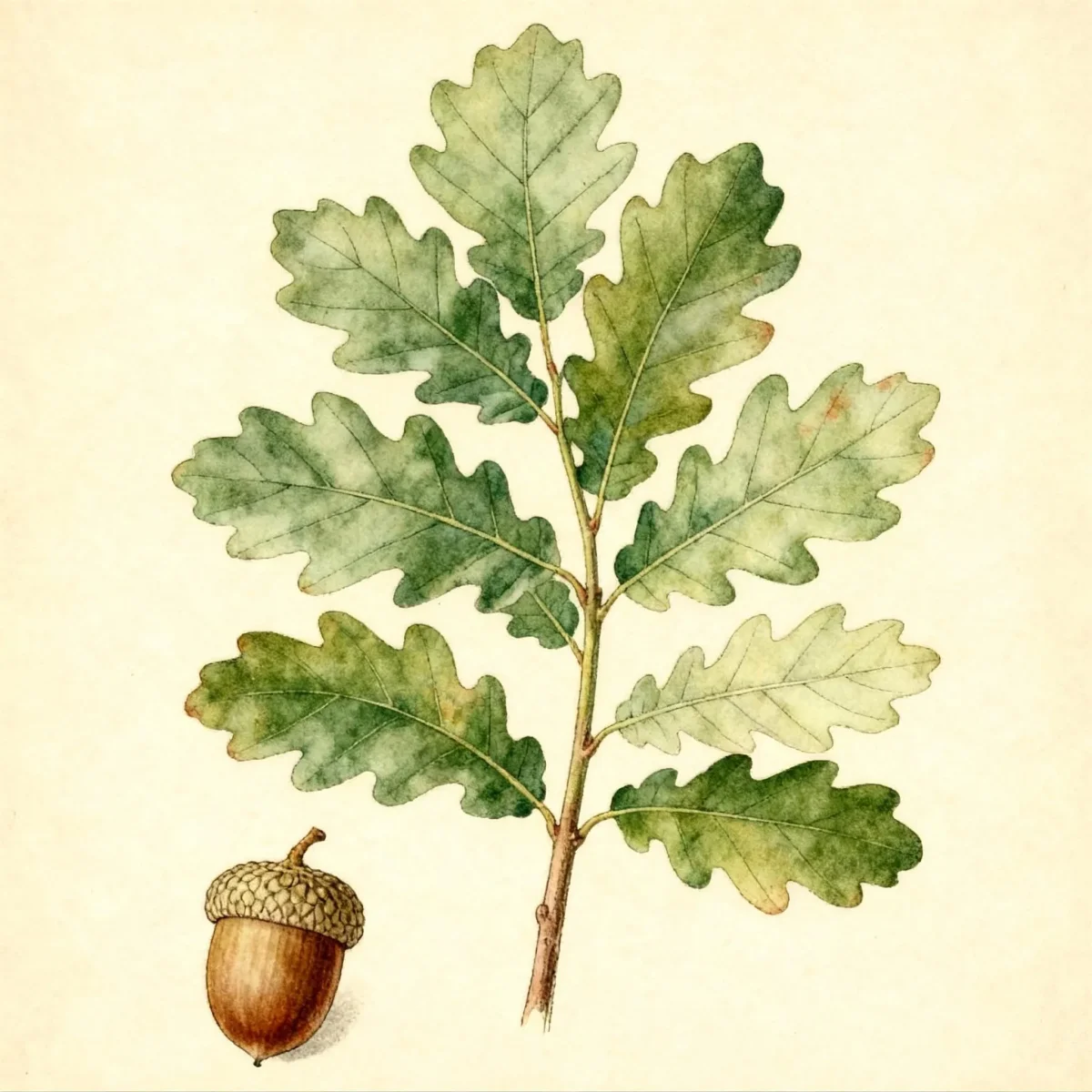
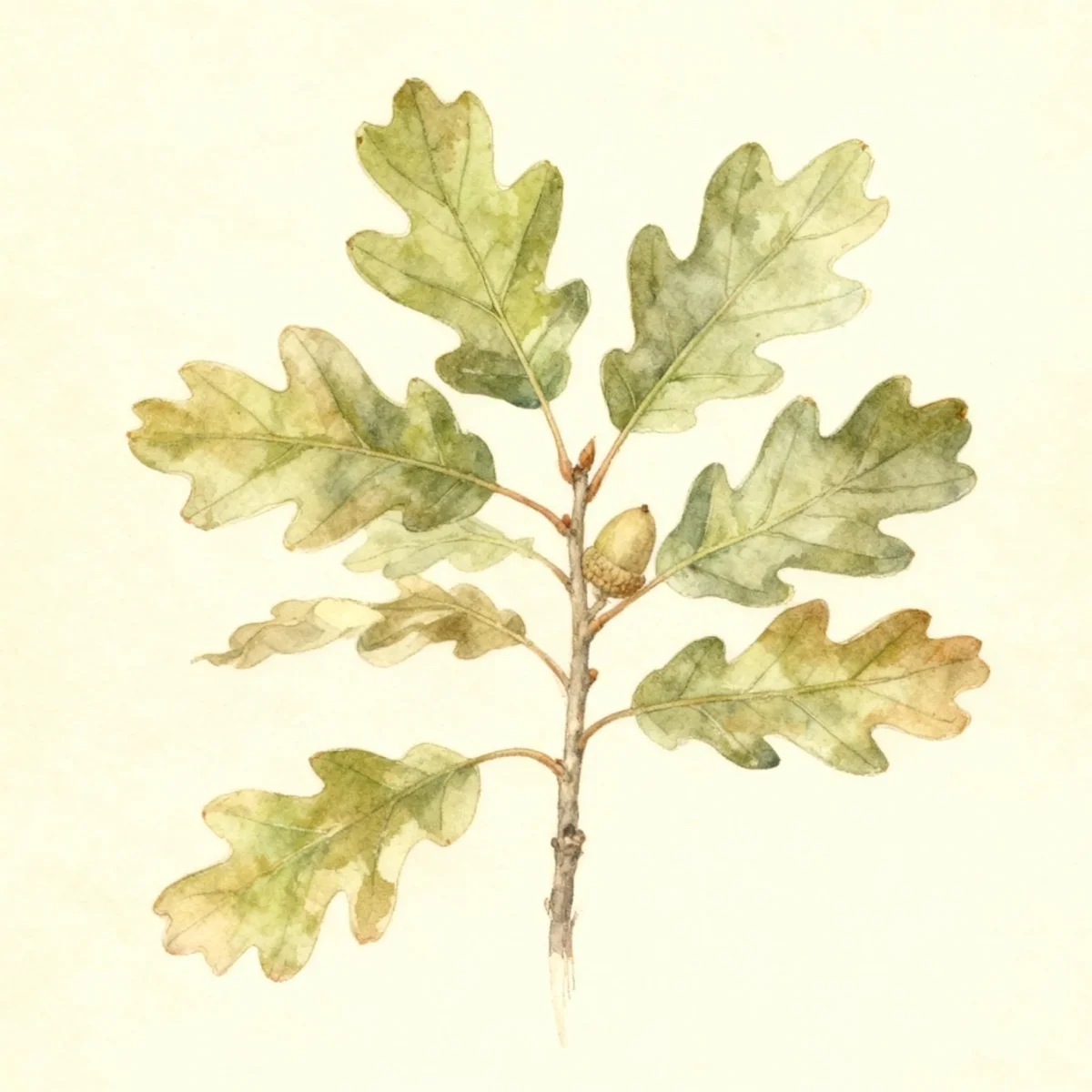
European chestnut (Castanea sativa)
Majestic Castanea sativa, the European chestnut, reaches 80-100 ft, offering edible nuts and dense shade in USDA Zones 5-7.

Bloom Boldly, No Matter the Season - Sweatshirt
Cozy organic cotton sweatshirt featuring our exclusive Purple Coneflower design. Perfect for gardeners who bloom year-round.
Inspired by the beautiful European chestnut
Limited first batch (50) — join the waitlist for early access
Waitlist closes Feb 15, 2026.
Complete Plant Information
Field Guide Continues
Ready for care notes, companion picks, and planting tips?
The map is just the start. The full guide below covers growth habits, seasonal performance, and landscape uses.
Overview
The European chestnut, Castanea sativa, is a historically vital and impressive deciduous tree, recognizable by its massive size and the valuable edible nuts it produces. To a modern gardener, it offers substantial ornamental value, maturing into a broad-columnar, dense specimen perfect for large landscapes. While cultivation in North America faces challenges from blight, its sheer scale and historical significance make it a compelling, albeit high-maintenance, choice where conditions allow.
This species typically develops broad-columnar to pyramidal-rounded habits, easily reaching heights between 80 and 100 feet. Native to the forests of western Asia and southeastern Europe, the Castanea sativa demands full sun and well-drained conditions to thrive. Gardeners must plan for its extensive spread and its susceptibility to serious diseases, requiring dedicated management.
Beyond its shade capacity, the Spanish chestnut has immense culinary history, providing the nuts famously used in delicacies like marrons glacés. For those with the space and commitment, planting more than one European chestnut tree is recommended to ensure necessary cross-pollination for reliable nut production.
Fast Facts
- Plant Family: Fagaceae
- Plant Type: Tree
- Native Range: Western Asia, southeastern Europe
- Hardiness Zones: USDA Zones 5-7
- Size at Maturity:
- Height: 80-100 ft
- Spread: 30-50 ft
- Bloom Time: June to July
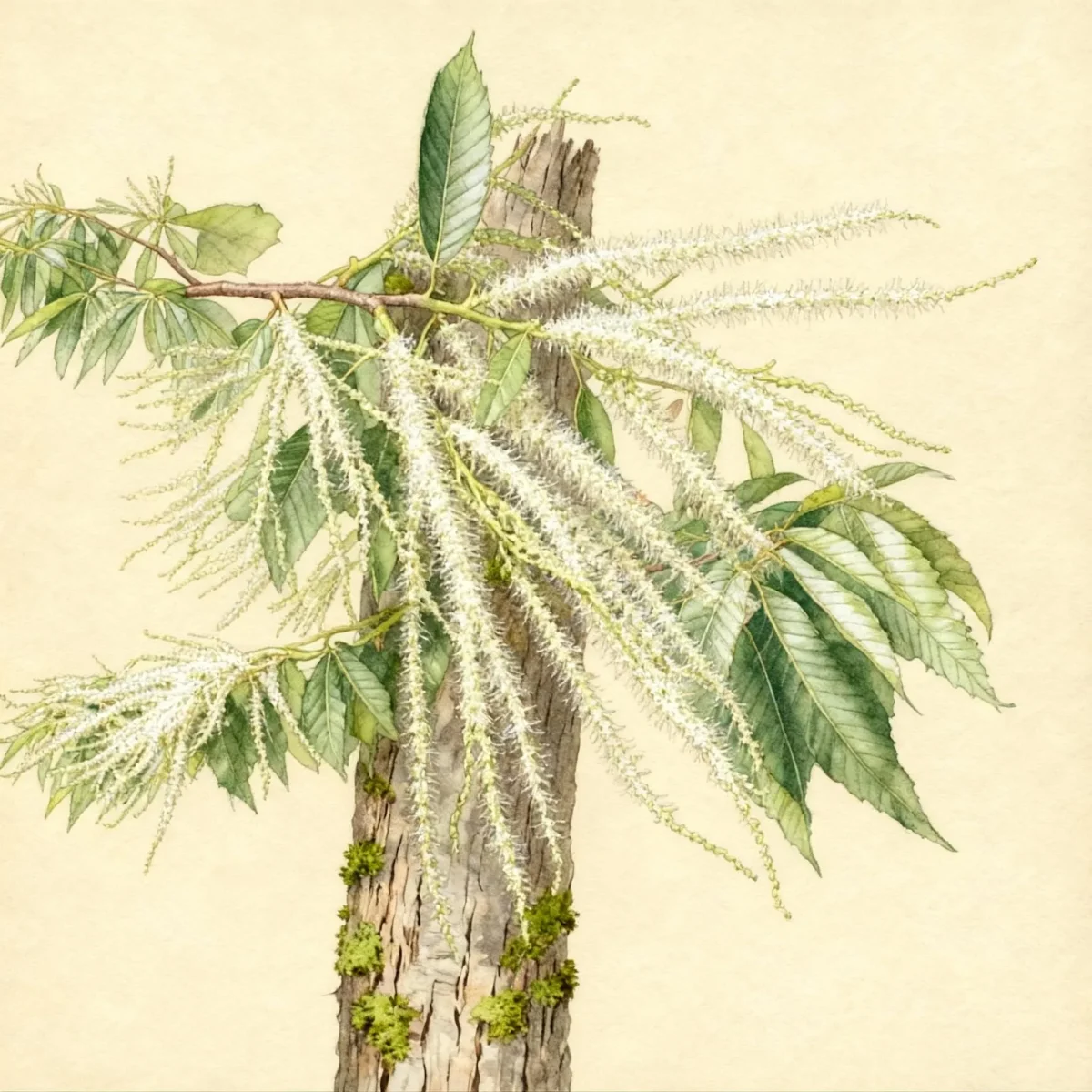
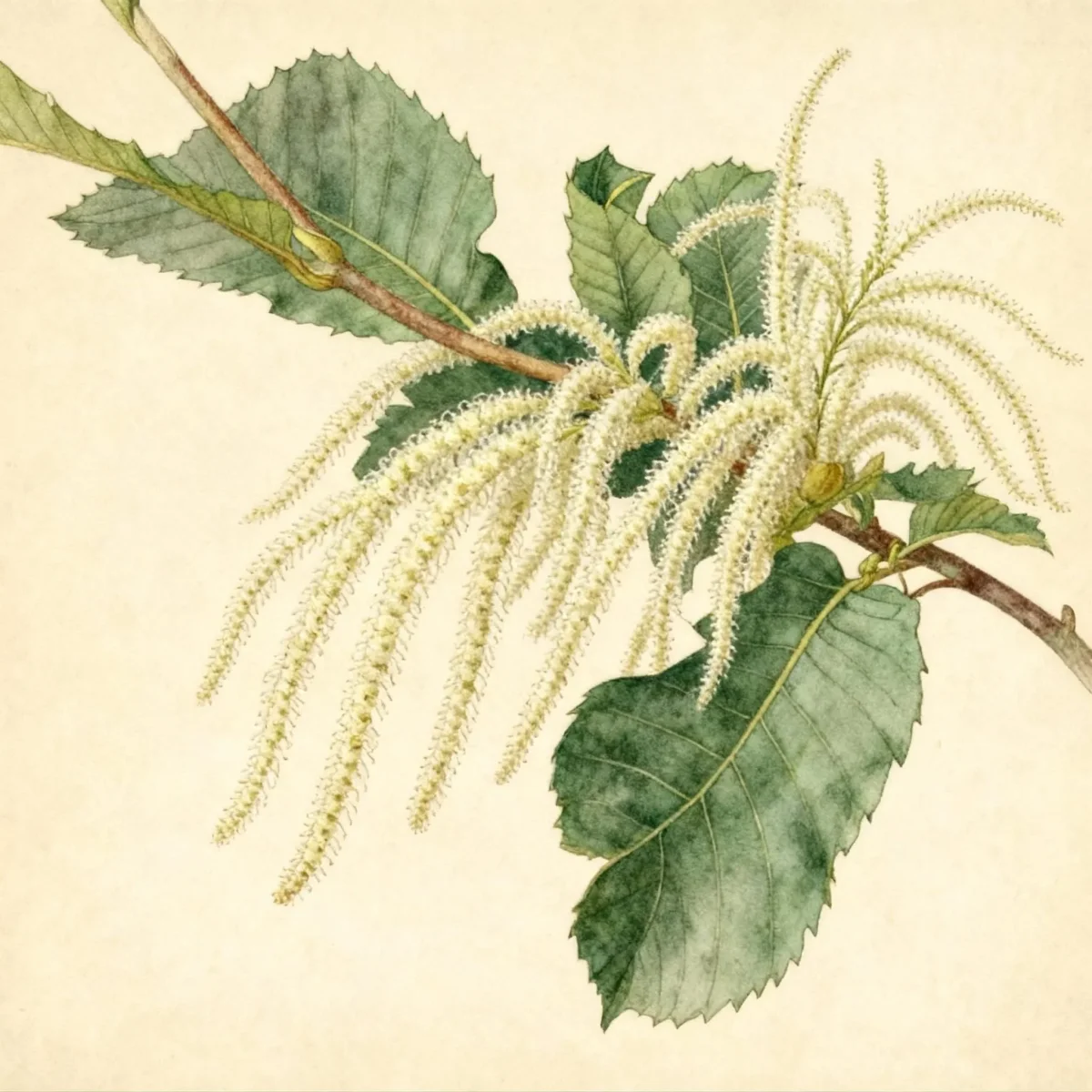
- Bloom Description: Yellowish green catkins
- Sun Exposure: Full sun
- Water Needs: Medium
- Maintenance Level: High
How to Grow
Planting Castanea sativa should ideally occur in the spring, allowing the young tree time to establish roots before winter stress. Site selection is crucial; ensure deep, moist, well-drained loamy soil, though they exhibit good performance even in sandy substrates. Because mature European chestnut trees are very large, provide ample space away from structures and competing vegetation.
Ongoing care requires diligence, especially regarding moisture. While established trees develop some drought resistance, consistent watering is necessary for optimal growth and nut production, particularly during dry summers. High maintenance levels stem largely from disease monitoring and the need for proper pruning to maintain structure and airflow, which helps mitigate fungal issues.
Fertilization should be approached cautiously, often reserved for younger trees needing encouragement to establish. For established specimens, focus surveillance on signs of chestnut blight. In colder zones within its range (Zone 5), ensure the tree is sited where it is protected from harsh winter winds, though its primary care focus remains on disease management throughout the growing season.
Landscape Uses
The European chestnut serves magnificently when space is abundant, fulfilling its suggested use as a majestic shade tree. Its broad canopy provides extensive cooling cover, making it excellent for expansive parks, large estates, or acreage where its size is an asset rather than a constraint. For ornamental planting, consider placement away from patios, as the falling nuts can create significant litter and the summer flowers produce strong pollen aromas.
When grown for nut production, remember that Castanea sativa is largely self-incompatible. Plant at least two genetically distinct individuals to maximize the harvest of edible chestnuts. Due to blight susceptibility, consider strategic companion planting; while few plants actively fight the blight, choosing companion species that thrive in similar full sun, loamy conditions will create a harmonious site.
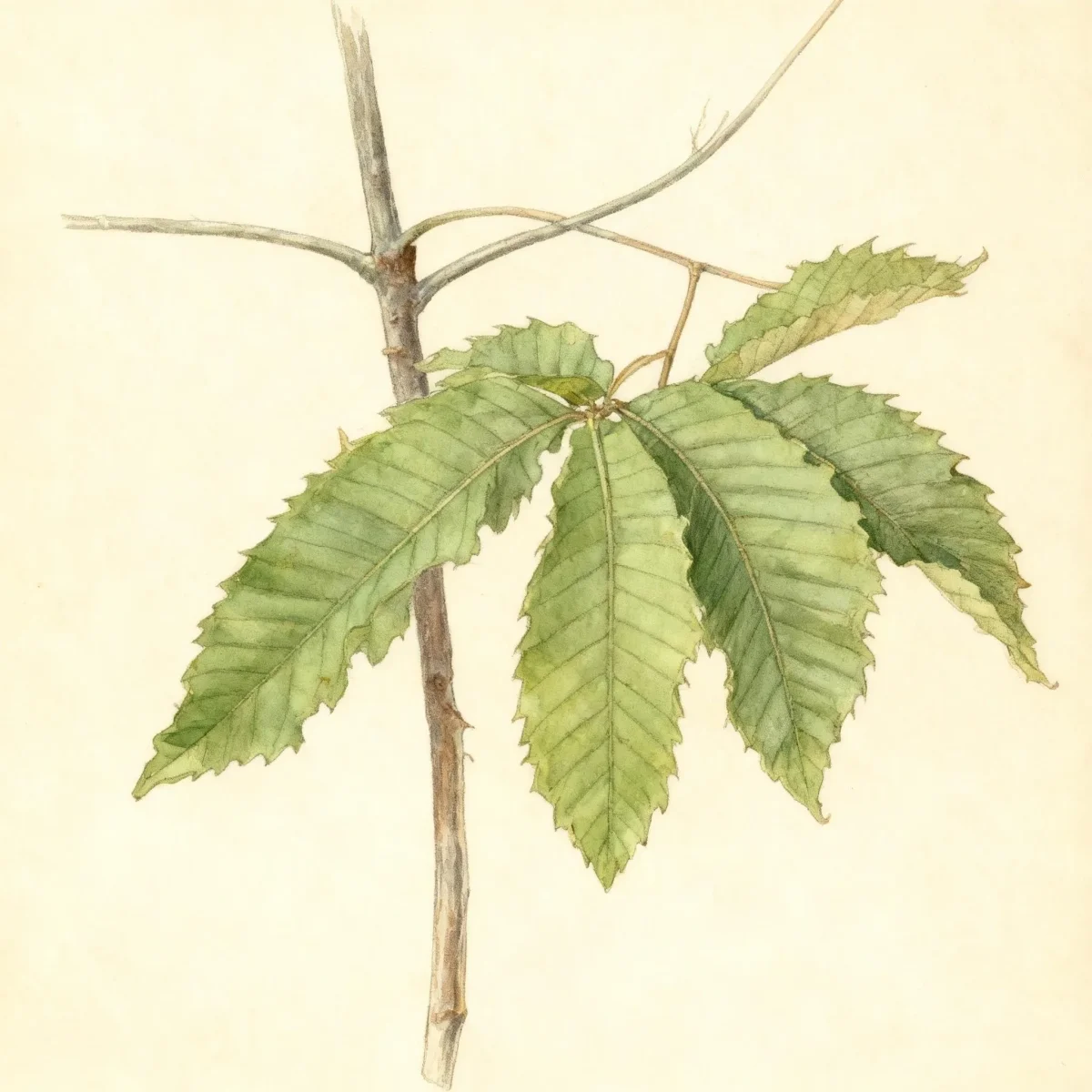
This tree creates an imposing focal point, anchoring large landscape designs. Its coarse, oblong-lanceolate leaves turn a lovely yellow in autumn before dropping. Utilize its scale to balance formal architecture or frame long vistas, understanding that this commitment is multigenerational, as this tree is a long-lived forest giant.
Standout Features
Flower Qualities
- Showy
Fruit Qualities
- Showy
Noteworthy Characteristics
Castanea sativa, commonly called Spanish chestnut or sweet chestnut or European chestnut, is a large, pyramidal-rounded to broad-columnar deciduous tree in the beech family that typically matures to 80-100’ tall with a substantial trunk growing to as much as 7’ in diameter. It is native to high forest areas of western Asia from Iran to the Balkans, and historically, edible chestnuts have been cultivated from this tree since ancient times. While the species was briefly considered a replacement for the doomed American chestnut, it remains susceptible to blight, though generally less aggressively in cooler European climates.
Tolerances
- Deer
- Drought
Potential Problems
The primary threat to the Castanea sativa in many regions is chestnut blight (Cryphonectria parasitica). This fungus causes cankers, girdling limbs and eventually killing the tree if it infects the main trunk. Because this European chestnut variety is susceptible, constant monitoring is necessary; developing blight-resistant cultivars and hybrids has been a major focus in forestry research.
In addition to blight, this moisture-loving tree can suffer from various fungal diseases, including leaf spots and anthracnose, exacerbated by poor air circulation or overly humid conditions. Managing potential problems involves ensuring excellent drainage and pruning to open up the canopy for better airflow. Regularly inspect leaves and bark for early signs of infection.
Frequently Asked Questions
What hardiness zones is European chestnut suitable for?
Castanea sativa is hardy in USDA Zones 5 through 7.
How large does European chestnut grow?
In maturity, the European chestnut typically reaches a height of 80 to 100 feet with a spread ranging from 30 to 50 feet.
When does European chestnut bloom?
The yellowish green catkins appear between June and July, often covering the tree during mid-summer.
What sun exposure does European chestnut need?
Castanea sativa requires full sun exposure to develop properly and produce the best fruit yields.
Conclusion
The Castanea sativa, or European chestnut, remains a magnificent specimen offering both impressive stature as a shade tree and the potential for culinary rewards. Despite the significant management commitment required due to disease pressure, its historical presence and aesthetic value are unparalleled in large settings. Always confirm that your chosen site offers the necessary full sun and well-drained loamy soil before committing to planting this giant.
Companion Planting
Selecting neighbors for the European chestnut involves choosing species that share preference for full sun, medium water, and well-drained loam, while avoiding root competition in the critical establishment phase. Since Castanea sativa is vulnerable to fungal issues, avoid planting dense, moisture-retaining groundcovers directly beneath the canopy base that limit soil aeration. Large, deep-rooted deciduous trees that tolerate similar pH ranges can serve as excellent visual partners without competing aggressively once established.
Wildlife Benefits
Although the tree is vulnerable to blight, where it thrives, the European chestnut offers significant value to wildlife through its fruit. The relatively large, edible nuts are a prized food source for various mammals, including squirrels and deer, fitting its listed tolerance for deer presence. Furthermore, the dense, broad canopy of the mature tree provides excellent cover and nesting sites for many bird species, making it an important structural component in a mature ecosystem.