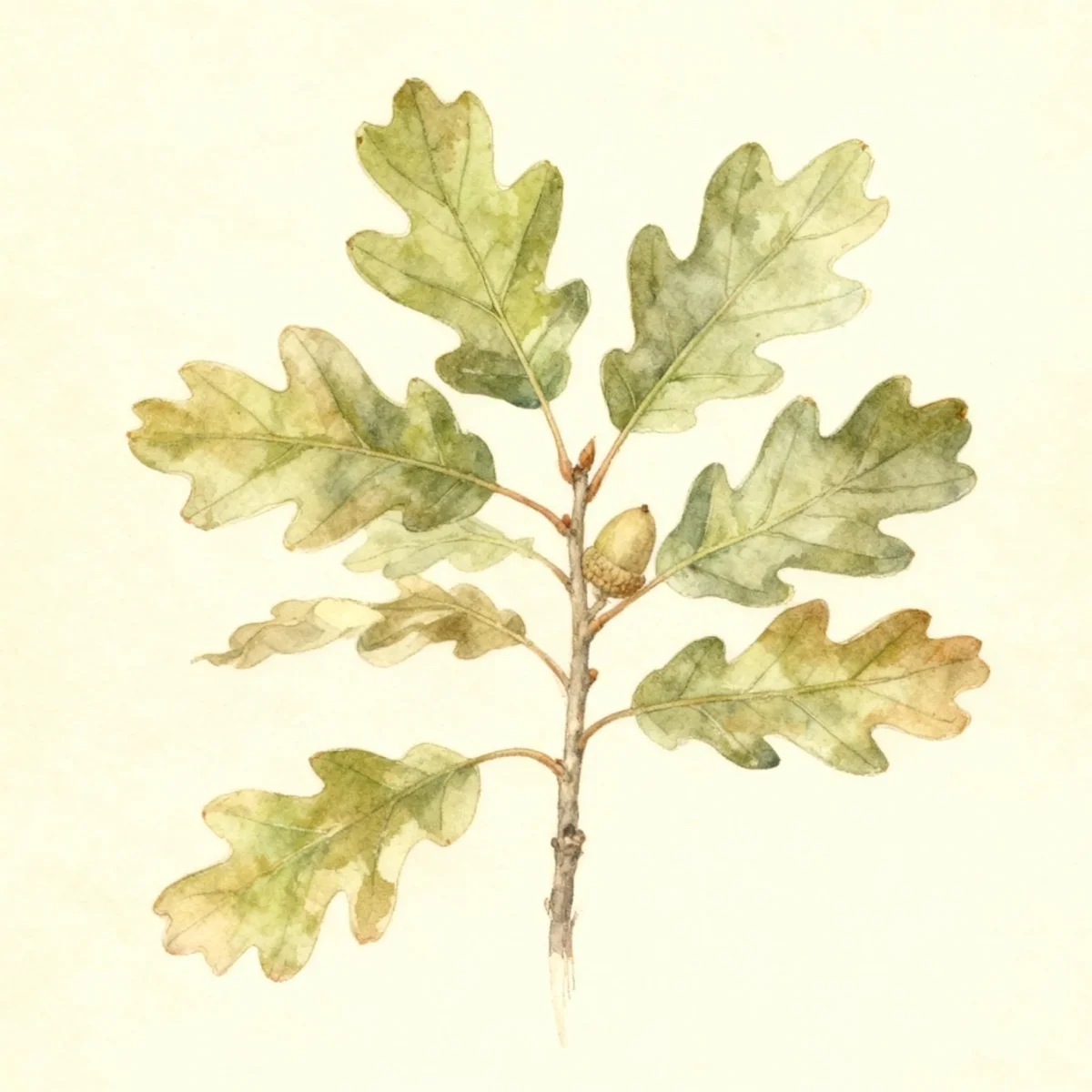
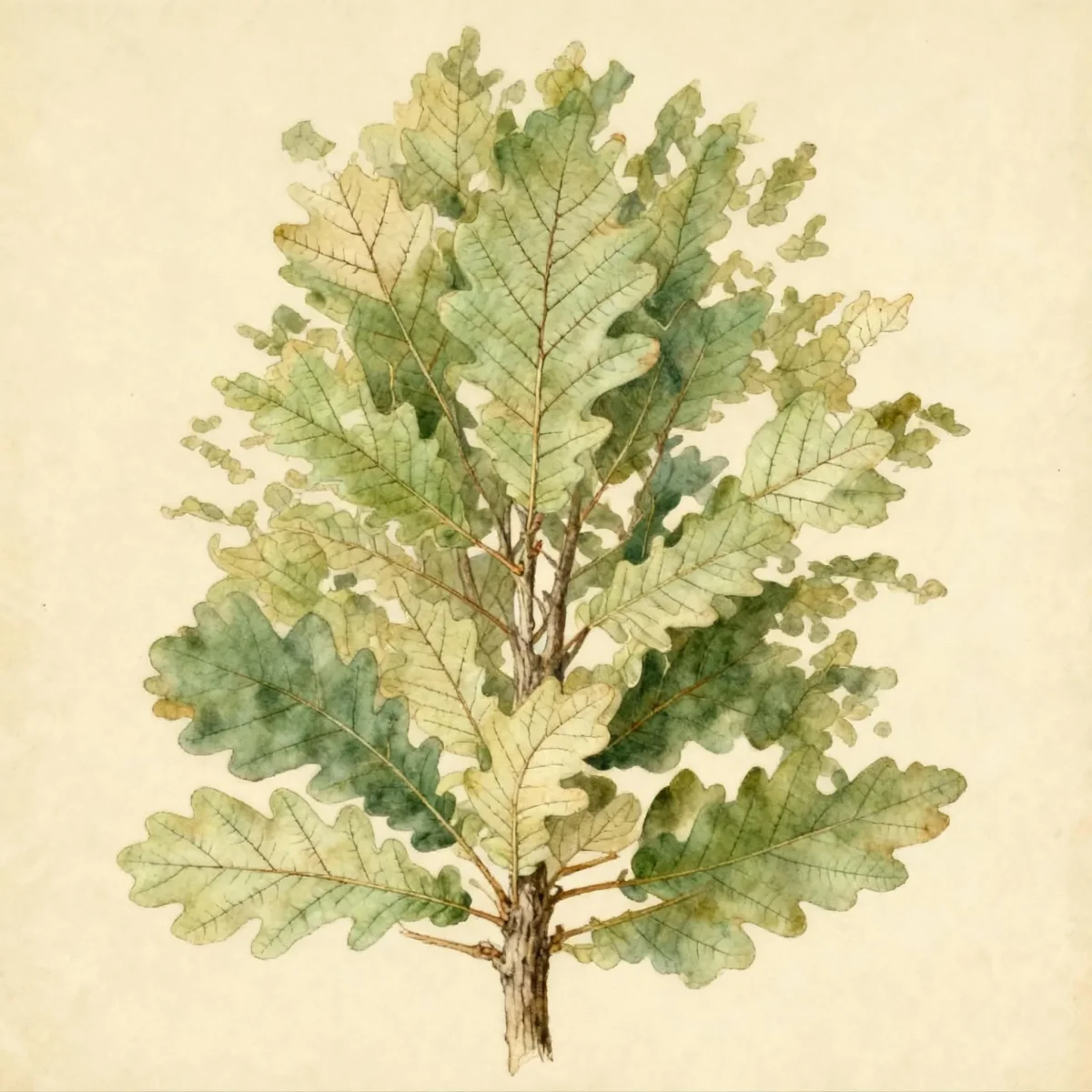
Japanese chestnut (Castanea crenata)
Discover Castanea crenata, the Japanese chestnut. This deciduous tree offers edible nuts and blight resistance, ideal for USDA Zones 4-8.

Bloom Boldly, No Matter the Season - Sweatshirt
Cozy organic cotton sweatshirt featuring our exclusive Purple Coneflower design. Perfect for gardeners who bloom year-round.
Inspired by the beautiful Japanese chestnut
Limited first batch (50) — join the waitlist for early access
Waitlist closes Feb 15, 2026.
Complete Plant Information
Field Guide Continues
Ready for care notes, companion picks, and planting tips?
The map is just the start. The full guide below covers growth habits, seasonal performance, and landscape uses.
Overview
The Japanese chestnut (Castanea crenata) is a valued addition to the landscape, prized not only for its attractive form but also for its potentially edible fruit. Native to Japan, this deciduous tree provides medium height and a broad canopy, making it an excellent specimen shade tree for larger properties. Gardeners appreciate Castanea crenata particularly for its noted resistance to chestnut blight, a disease that devastated native American chestnut populations.
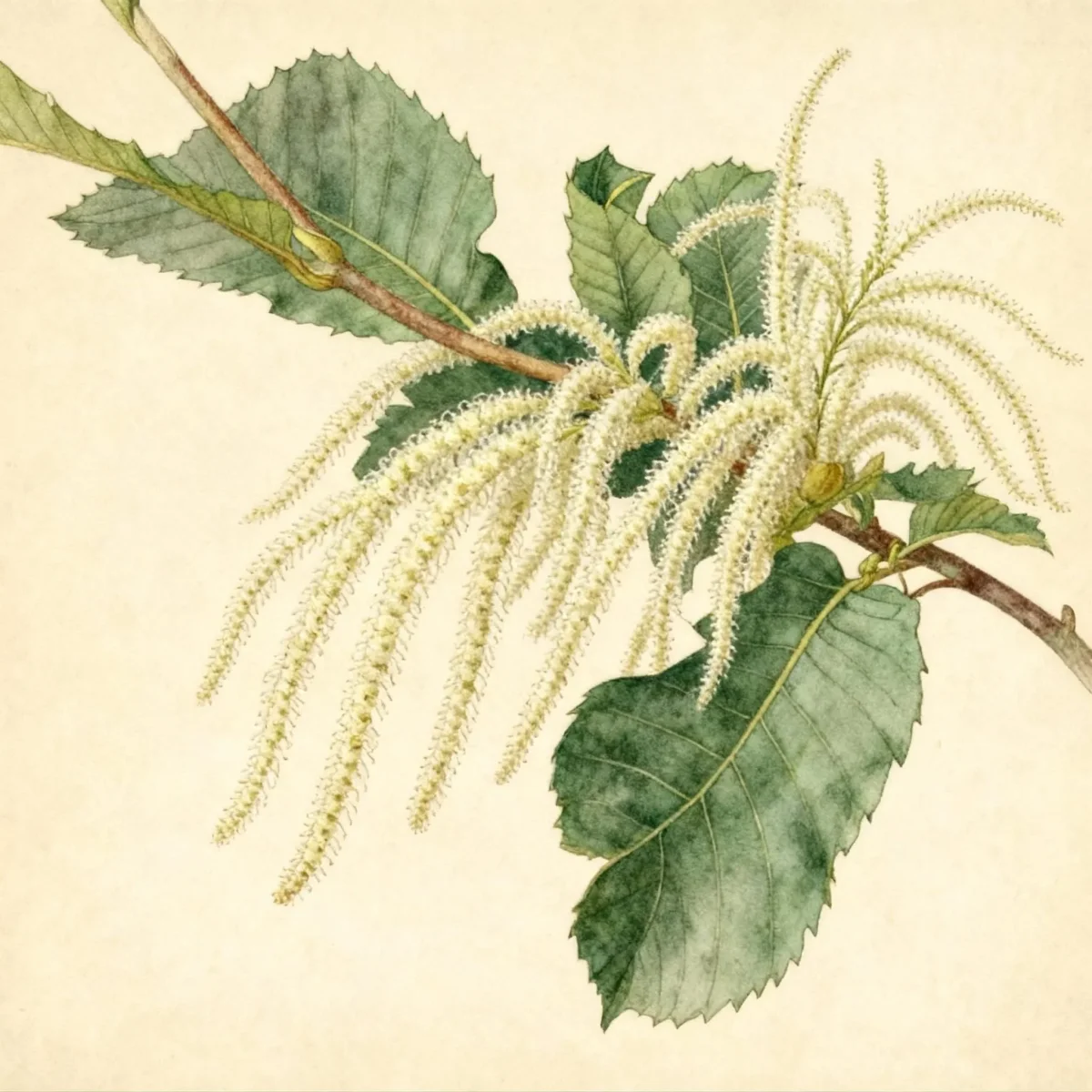
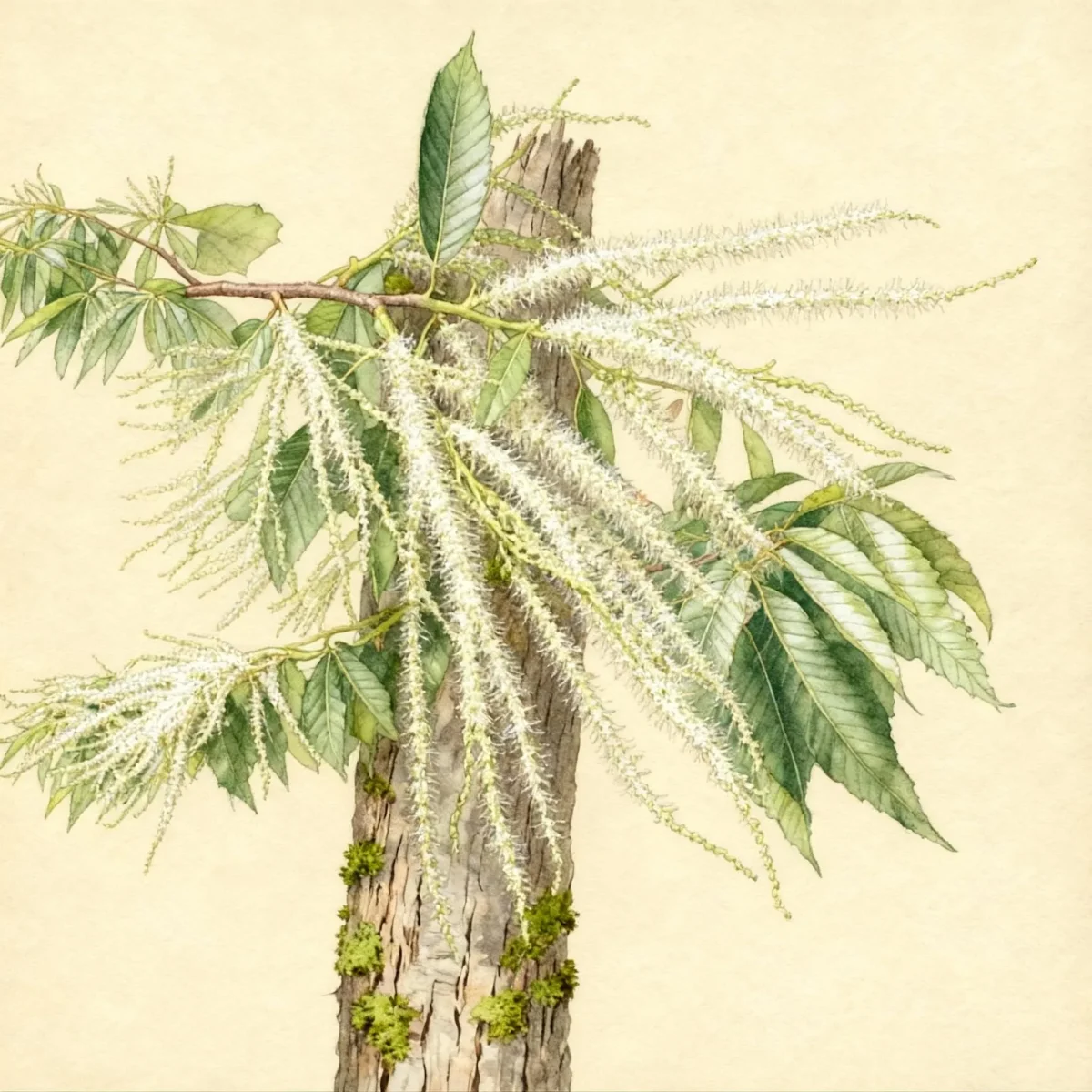
Castanea crenata typically matures between 30 and 40 feet tall with a similar spread, creating a broad, low-branched crown when established. While the nuts produced are large and edible, potential growers should note that they often possess a slightly bitter flavor compared to commercial varieties. The creamy, yellowish-white flowers bloom in late spring via aromatic catkins, adding a brief burst of textural interest before the appearance of the characteristic spiny burs.
If you seek an ornamental tree with the added function of nut production, the Japanese chestnut offers a compelling combination of resilience and structure. Proper siting requires full sun and well-drained loam to ensure a healthy canopy and abundant harvests, making diligent cultural care a necessity for this species.
Fast Facts
- Plant Family: Fagaceae
- Plant Type: Tree
- Native Range: Japan
- Hardiness Zones: USDA Zones 4-8
- Size at Maturity:
- Height: 30-40 ft
- Spread: 30-40 ft
- Bloom Time: May to June
- Bloom Description: Yellowish-white
- Sun Exposure: Full sun
- Water Needs: Medium
- Maintenance Level: High
How to Grow
Planting the Japanese chestnut is best achieved in spring or fall when the tree is dormant. Locate Castanea crenata where it can receive full sun, which is crucial for maximizing nut production and overall vigor. The ideal soil structure is a moist, deep, well-drained loam.
Ongoing care requires consistent attention, reflecting its “High” maintenance ranking. Ensure the soil remains moist, especially when establishing the tree, although established Castanea crenata demonstrate tolerance to drier periods once mature. Due to the sterile nature of some individuals, planting more than one tree increases the likelihood of successful cross-pollination, leading to a significantly more abundant nut crop.
This species is generally tolerant of summer heat and humidity. While maintenance is high, proactive cultural care minimizes disease pressure. Keep the area beneath the tree clear of debris, especially in fall, to reduce potential hiding places for pests and fungal spores that could affect the foliage or nuts.
Landscape Uses
The Japanese chestnut shines as a handsome specimen shade tree, offering dappled light beneath its broad canopy, making it ideal for spacious lawns. Its expansive spread requires ample room away from structures and underground utilities to allow its natural, low-branched habit to develop fully. While beautiful, gardeners must budget for the litter created by splitting burs and fallen chestnuts in autumn—a factor that can make walking barefoot a hazard.
For design contrast, consider pairing Castanea crenata with understory shrubs that prefer similar sun exposure during its establishment phase. Once mature, the tree’s presence dominates, so neighboring plantings should take a secondary role. If the fruit is not desired or if litter is a concern, select a location far from patios or frequently used walkways, focusing instead on large open park settings where harvesting for roasting is practical.
Standout Features
Flower Qualities
- Showy
Fruit Qualities
- Showy
- Edible
Noteworthy Characteristics
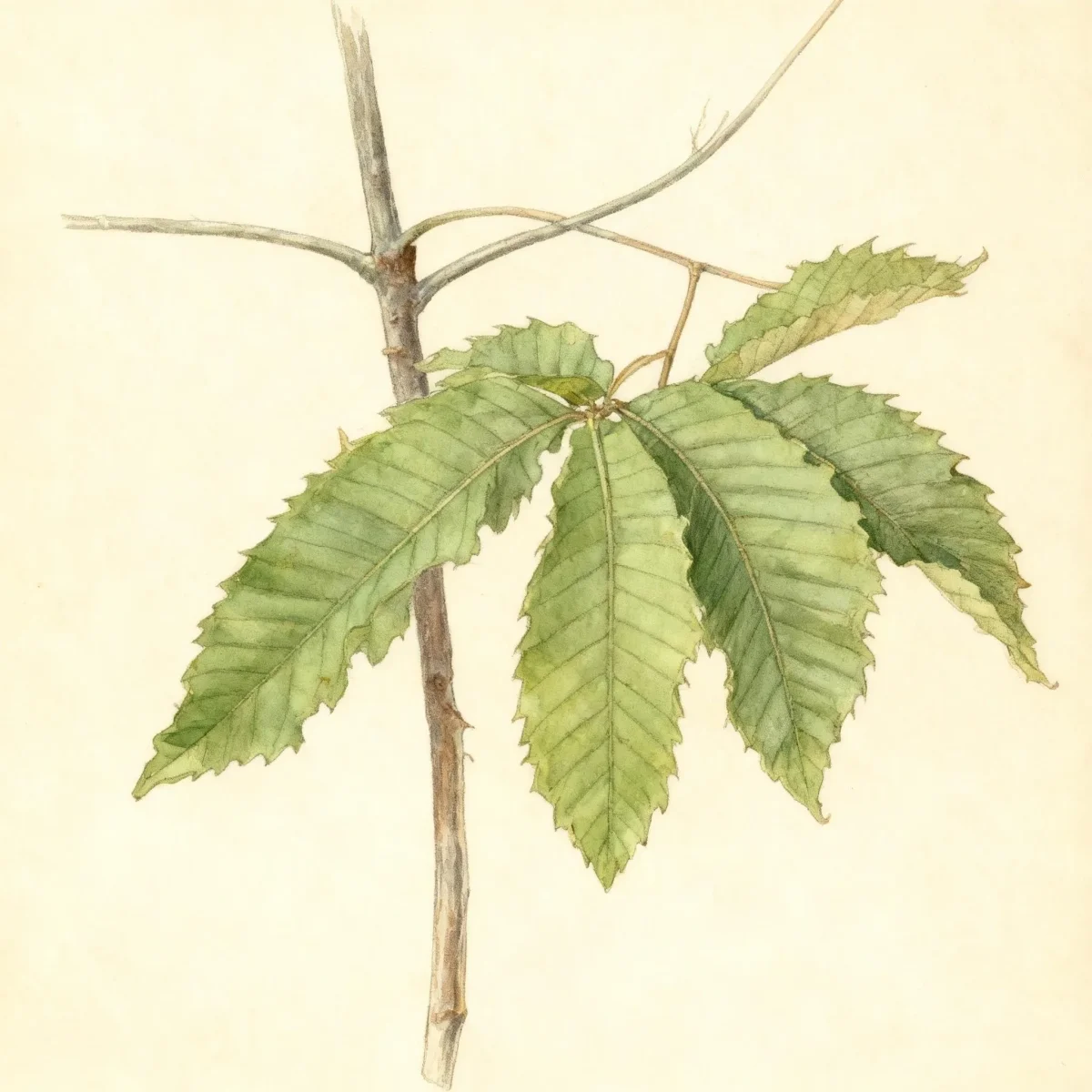
Native to Japan, Castanea crenata is a small to medium-sized, broad, low-branched, deciduous tree that typically grows 30-40’ tall with an open rounded crown, often grown as an ornamental. Its nuts are large and edible, though they possess a bitter flavor due to high tannin content, making them generally inferior to other chestnuts. A distinguishing feature of the Japanese chestnut is its noted resistance to the devastating chestnut blight, and its oblong-lanceolate, toothed, dark green leaves turn attractive yellow and bronze shades in the fall.
Tolerances
There are no specific resistances listed beyond the general cultural requirements mentioned in the growth notes.
Potential Problems
Japanese chestnut exhibits resistance, though it is not entirely immune, to chestnut blight (Endothia parasitica), a fatal fungal bark disease that impacts the genus. Gardeners must also monitor for common fungal issues such as leaf spot and anthracnose, as well as twig and stem cankers that can weaken branches. In certain regions, the presence of weevils can lead to damage of developing nuts, requiring vigilant inspection during the summer growing season. Managing these issues often involves ensuring proper air circulation and maintaining soil moisture balance.
Frequently Asked Questions
What hardiness zones is Japanese chestnut suitable for?
The Japanese chestnut (Castanea crenata) thrives in USDA Hardiness Zones 4 through 8.
How large does Castanea crenata grow?
This tree typically reaches a mature height between 30 and 40 feet, with a spread that matches its height, ranging from 30 to 40 feet wide.
What sun exposure does Japanese chestnut need?
Castanea crenata requires full sun exposure to grow successfully and produce a reliable crop of nuts.
When does Castanea crenata bloom?
Flowering occurs from May to June, with the tree displaying aromatic, creamy yellowish-white flowers.
Conclusion
The Castanea crenata offers gardeners a resilient shade tree known for its handsome structure and historical resistance to blight, making the Japanese chestnut a worthwhile, high-maintenance specimen. Remember that planting multiple trees is key to maximizing nut harvest potential. Before planting this magnificent tree, confirm your USDA zone compatibility and ensure you have the space necessary for its mature, broad canopy.
Companion Planting
When selecting companions for the Japanese chestnut, focus on shrubs and perennials that share the requirement for full sun and well-draining soil. Companion plants should not compete heavily for surface water, given that established Castanea crenata prefers less moisture than when young. Consider native woodland edge species that can tolerate bright light but might benefit from the filtered shade provided by the chestnut’s canopy during the hottest part of the summer afternoon.
Good structural companions might include evergreen shrubs like certain varieties of Japanese Holly (Ilex crenata), which shares a similar specific epithet, or perhaps Dogwood (Cornus florida) planted slightly further out to provide seasonal color contrast without crowding the base of the chestnut. Focus on robust, deep-rooted species that won’t clash with the high maintenance needed around the tree’s base during its early years.
Wildlife Benefits
While the primary interaction the Japanese chestnut offers humans is its edible (if slightly bitter) nuts, its seasonal characteristics provide value to local fauna. The late spring bloom, presented in creamy catkins, provides pollen and nectar resources for early emerging pollinators when many other flowering trees are past their prime.
The spiny burs, while challenging for human foot traffic, offer physical protection for the developing nuts, which are consumed by various larger mammals and ground-feeding birds when ripe and dropped. Planting Castanea crenata near existing natural areas can help supplement local wildlife forage, especially when relying on natural nutrient dispersal over chemical fertilization.