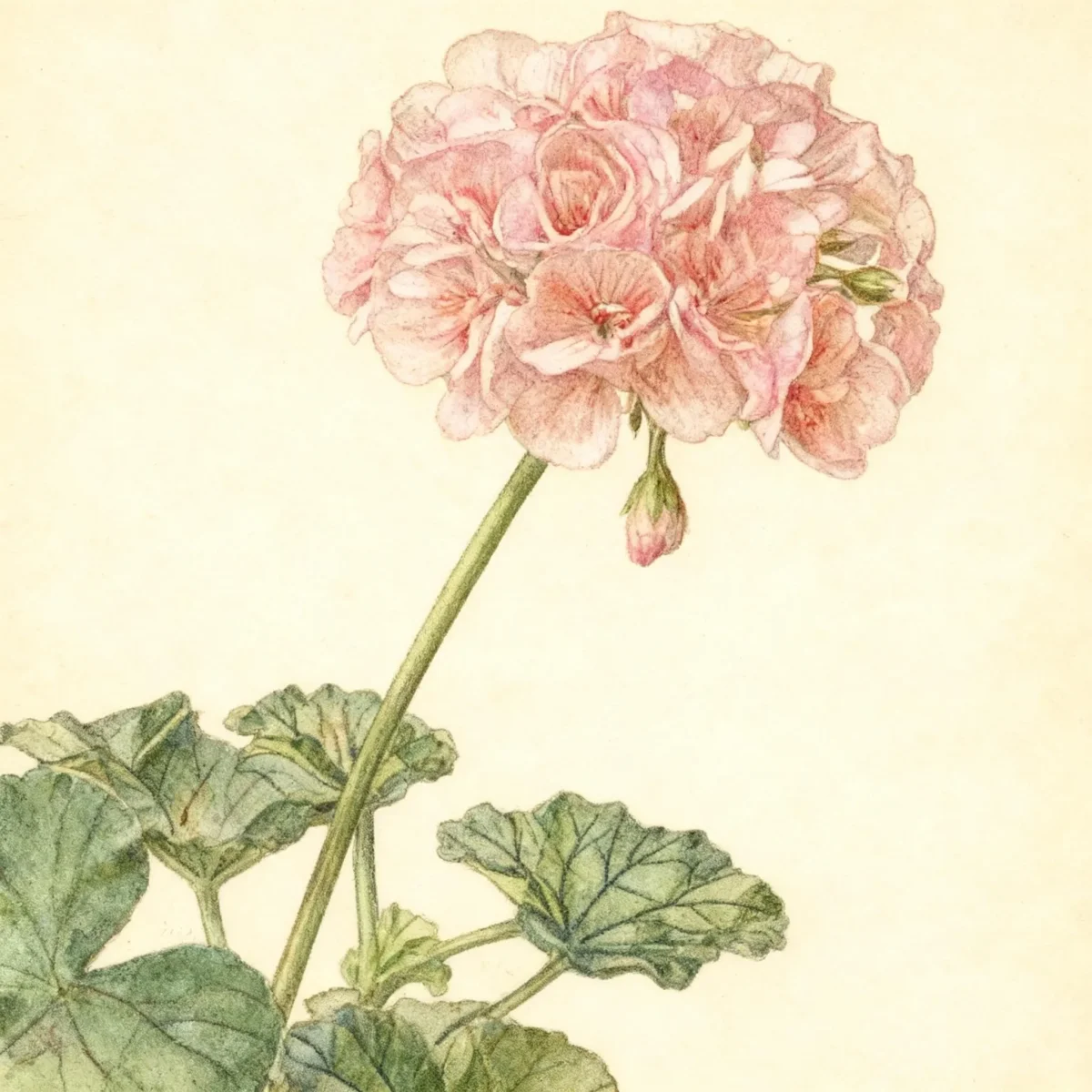
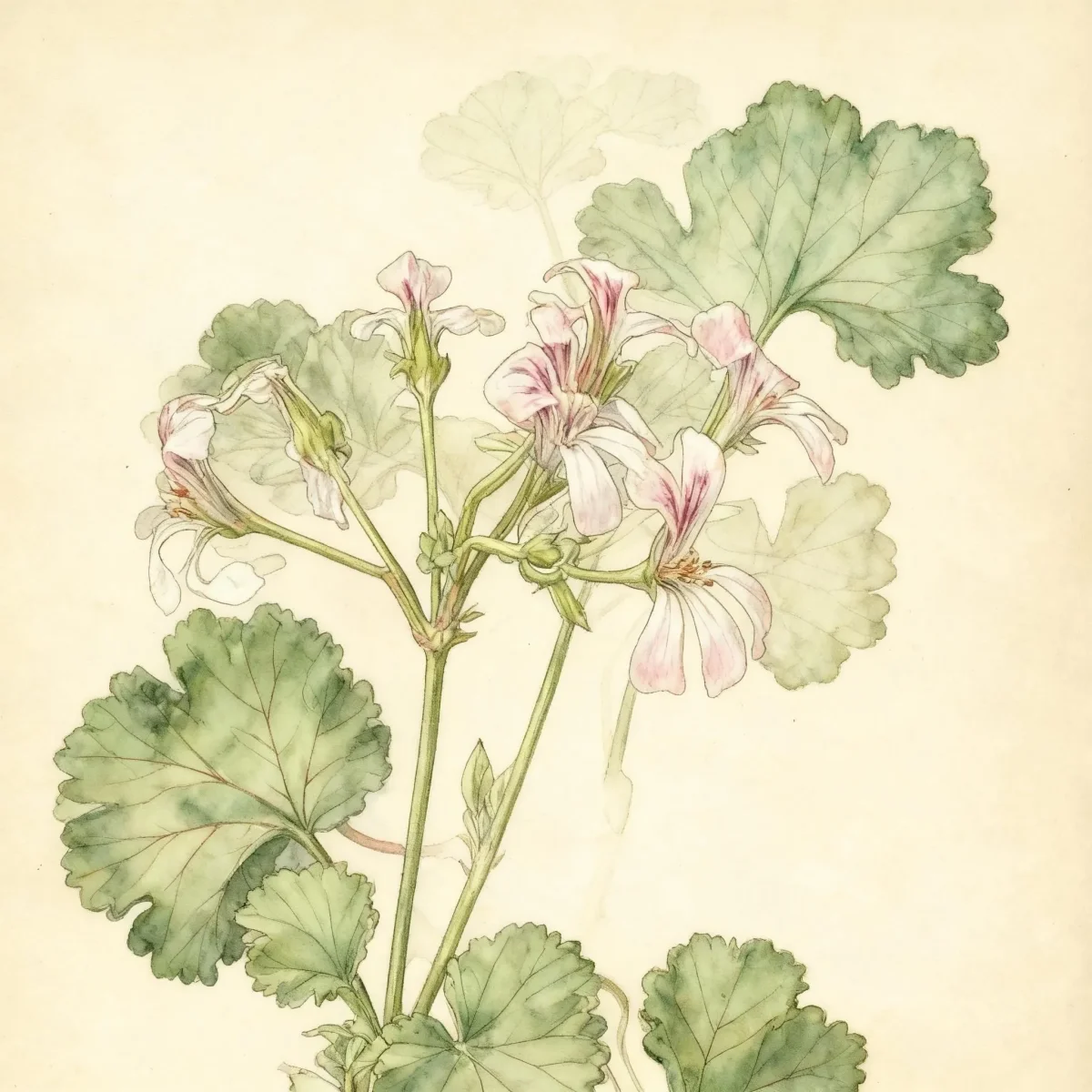
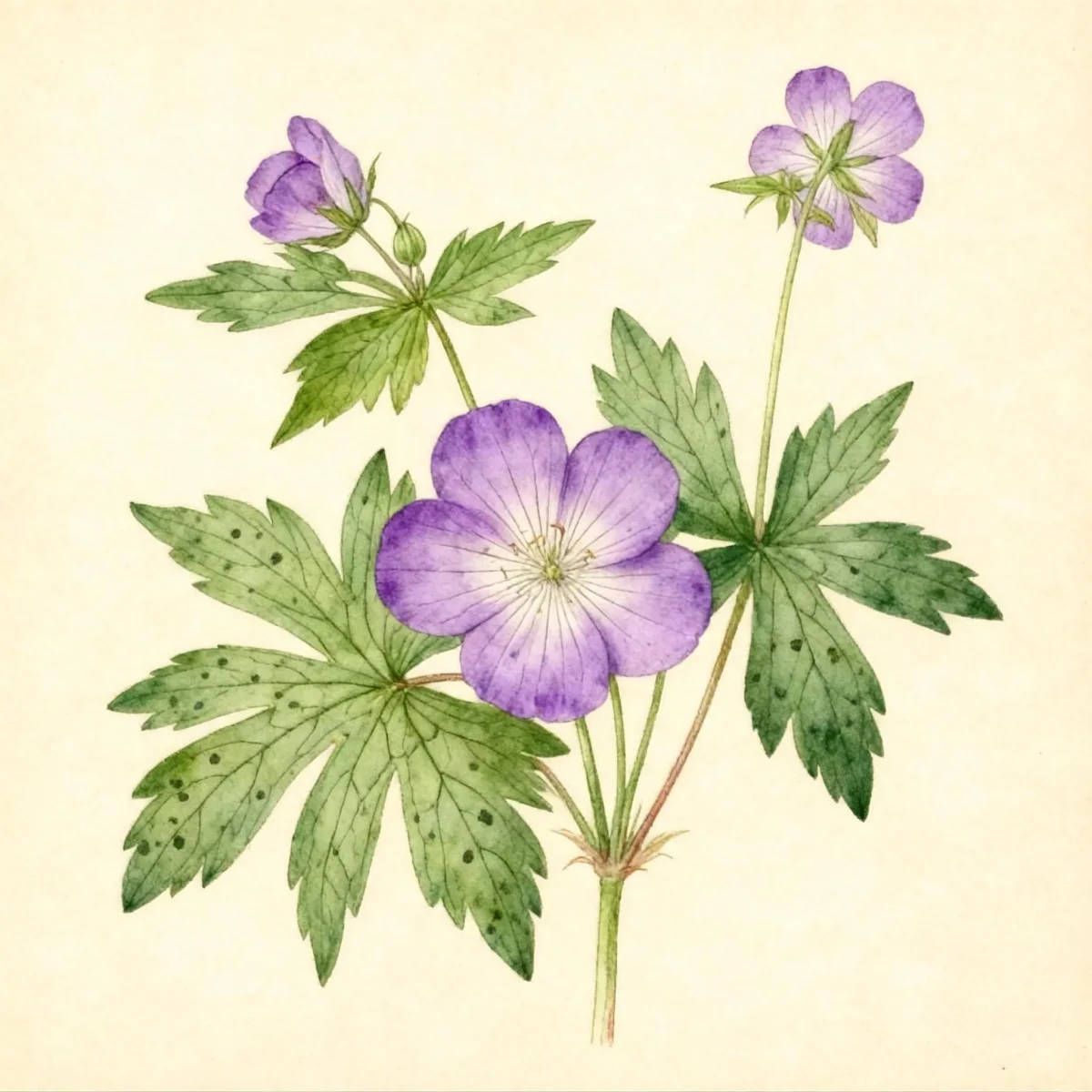
Ivyleaf geranium (Pelargonium peltatum)
Discover the cascading beauty of Pelargonium peltatum, the Ivyleaf geranium. Perfect for trailing displays in containers.

Bloom Boldly, No Matter the Season - Sweatshirt
Cozy organic cotton sweatshirt featuring our exclusive Purple Coneflower design. Perfect for gardeners who bloom year-round.
Inspired by the beautiful Ivyleaf geranium
Limited first batch (50) — join the waitlist for early access
Waitlist closes Feb 15, 2026.
Complete Plant Information
Field Guide Continues
Ready for care notes, companion picks, and planting tips?
The map is just the start. The full guide below covers growth habits, seasonal performance, and landscape uses.
Overview
The Pelargonium peltatum, commonly recognized as the Ivyleaf geranium, is a favorite tender perennial valued for its distinctive trailing habit and abundant flowering display. Gardeners appreciate its ivy-like, lobed foliage which drapes beautifully over the edges of planting sites, providing texture and continuous summer color. While hardy only in the warmest climates, it excels as a vibrant annual display plant in most regions.
These geraniums are recognized by their somewhat brittle, spreading stems, allowing them to cascade appealingly, often reaching up to three feet wide. Clusters of single or double flowers bloom profusely throughout the warm season in appealing shades of pink, red, lilac, or white, provided the night temperatures remain moderate. Successful cultivation of Pelargonium peltatum often involves providing optimal drainage and regular attention to deadheading.
If you are looking for reliable, colorful trailing accents for vertical containers or hanging baskets, the Ivyleaf geranium delivers dependable performance. Understanding its specific needs regarding sun and moisture retention is key to maximizing the long-season performance of this classic bedding plant.
Fast Facts
- Plant Family: Geraniaceae
- Plant Type: Herbaceous perennial
- Native Range: Southern Africa
- Hardiness Zones: USDA Zones 10-11
- Size at Maturity:
- Height: 1-2 ft
- Spread: 1-3 ft
- Bloom Time: Flowers freely
- Bloom Description: Pink, red, lilac, white
- Sun Exposure: Full sun to part shade
- Water Needs: Medium
- Maintenance Level: Medium
How to Grow
Plant Pelargonium peltatum after the last expected frost, treating it as an annual outside of guaranteed frost-free areas. For best results, locate it where it receives full sun, though it appreciates light afternoon shade during intense heat waves. The soil should be average to organically rich, consistently medium in moisture, and critically, very well-drained. A neutral to slightly alkaline pH is preferred for optimal nutrient uptake.
Water regularly throughout the active growing season, ensuring heavy saturation followed by a slight drying period, as continuous wetness can invite root issues. Flowering peaks when night temperatures remain cool, ideally in the 50s or 60s Fahrenheit. To encourage a continuous flush of color, promptly deadhead spent blossoms. Pinching back stems early in the season is also beneficial, as it promotes a bushier, less leggy habit for your Ivyleaf geranium.
In USDA Zones 10 and 11, these are tender perennials and can often be overwintered. Gardeners often choose to bring containers indoors before the first frost to overwinter them as houseplants in a bright, cool window, reducing water significantly. Alternatively, plants can be forced into dormancy by storing containers in a cool, dark, frost-free spot like a basement or garage, which often yields the most vigorous flowering the following year. Taking cuttings in late summer or early spring is another effective method for propagating favorite Pelargonium peltatum varieties.
Landscape Uses
The trailing, cascading nature of the Ivyleaf geranium makes it indispensable in designs where vertical elements are needed. It is highly recommended for hanging baskets, where the stems can spill dramatically over the sides, and in mixed containers where it acts as an excellent ‘spiller’ component. For gardeners utilizing these plants as summer annuals, they also perform admirably when set out in flower beds or borders, functioning as a fast-spreading annual ground cover.
When planting in containers, ensure the potting mix drains exceptionally well to accommodate the medium water needs without becoming waterlogged. Group Pelargonium peltatum with upright annuals that share similar sun and water requirements, such as calibrachoa or petunias, to create visually rich, multi-layered displays that draw the eye. Whether softening the edges of a walkway or adding color to a balcony railing, the Ivyleaf geranium provides lush coverage.
Standout Features
Flower Qualities
- Showy
Noteworthy Characteristics
Pelargonium peltatum, known as ivy geraniums, are tender perennials with somewhat brittle, trailing stems that spread to as much as 3’ wide. They feature thick, lobed, medium green, ivy-like leaves and clusters of single or double flowers in shades of red, pink, lilac or white. Flowers appear throughout the growing season, and many commercial varieties are hybrids where P. Peltatum is a primary parent.
Tolerances
Potential Problems
A common physiological issue specific to overwatered geraniums is oedema, which manifests as brownish water blisters appearing on the leaf surfaces. Always ensure your soil provides excellent drainage to prevent this, as poorly drained media will inevitably lead to destructive stem and root rots. Pest watch should be constant, especially when growing plants indoors over winter; watch for infestations of whiteflies and aphids. Occasionally, the tobacco budworm may target and chew holes in the developing flower buds, reducing overall bloom quantity. Flowering naturally slows down or stops entirely if the plant endures prolonged periods of intense summer heat.
Frequently Asked Questions
What hardiness zones is Ivyleaf geranium suitable for?
The Pelargonium peltatum thrives outdoors year-round only in USDA Hardiness Zones 10 and 11. Gardeners outside these zones should treat it as a seasonal annual or plan for careful overwintering indoors.
How large does Ivyleaf geranium grow?
At maturity, the Ivyleaf geranium typically reaches a height between 1 and 2 feet, with a substantial spread ranging from 1 to 3 feet wide due to its trailing, spreading habit.
What sun exposure does Pelargonium peltatum need?
This plant performs best in full sun conditions but benefits significantly from protection during the hottest part of the afternoon, appreciating some light shade when temperatures soar.
When does Pelargonium peltatum bloom?
The Ivyleaf geranium blooms freely throughout the growing season, offering clusters of flowers described primarily as pink, red, lilac, or white.
Conclusion
The Ivyleaf geranium offers cascading color and unique foliage, making Pelargonium peltatum an essential choice for adding vertical interest and summer-long beauty to containers and baskets. Its medium maintenance level is well rewarded with prolific flowers when cultural needs, particularly drainage and sun exposure, are met. Check your local zone compatibility and plan to plant after the last risk of spring frost for a stunning seasonal display.
Propagation Tips
For gardeners who wish to preserve favorite specimens of Pelargonium peltatum beyond a single season, taking cuttings is a practical and highly successful approach. Cuttings can be taken either in late summer for immediate rooting and overwintering indoors, or taken in early spring from plants that have successfully overwintered. Ensure you select healthy stems, make clean cuts below a leaf node, and root them in a sterile, fast-draining medium, perhaps with the aid of rooting hormone for faster establishment.
Successful propagation ensures you maintain the exact flower color and habit you enjoyed throughout the summer. If you overwinter dormant plants, allowing them to break dormancy and establishing cuttings early in the season maximizes the number of new plants you can enjoy the following year. This method is often favored over trying to keep large containerized plants indoors year-round.
Design Ideas
The primary utility of the Ivyleaf geranium in landscape design is its role as a ‘spiller’ element. It creates a soft, flowing line that visually connects container gardens to the surface below, essential for window boxes and elevated planters. Consider planting it near contrasting textures, such as finely cut foliage like sweet potato vine or fern varieties, to emphasize the broad, lobed leaves of the Pelargonium peltatum.
When using it as an annual ground cover in garden beds, allow ample space for its 3-foot spread. Plant it slightly uphill or along retaining walls where its natural tendency to cascade can be fully appreciated without it being smothered by more aggressive upright neighbors. Focus on companion plants that enjoy similar full-to-part sun requirements and medium moisture.