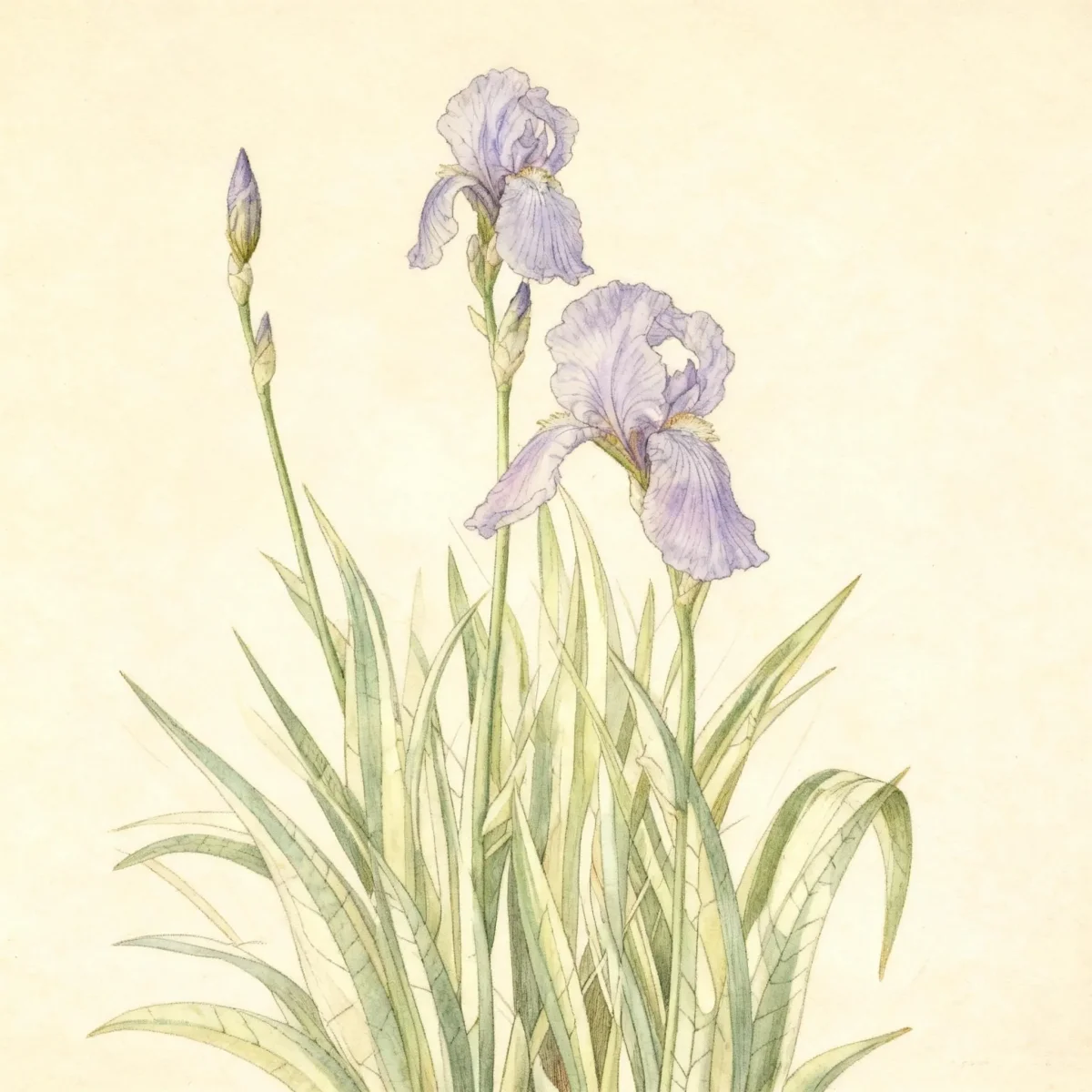
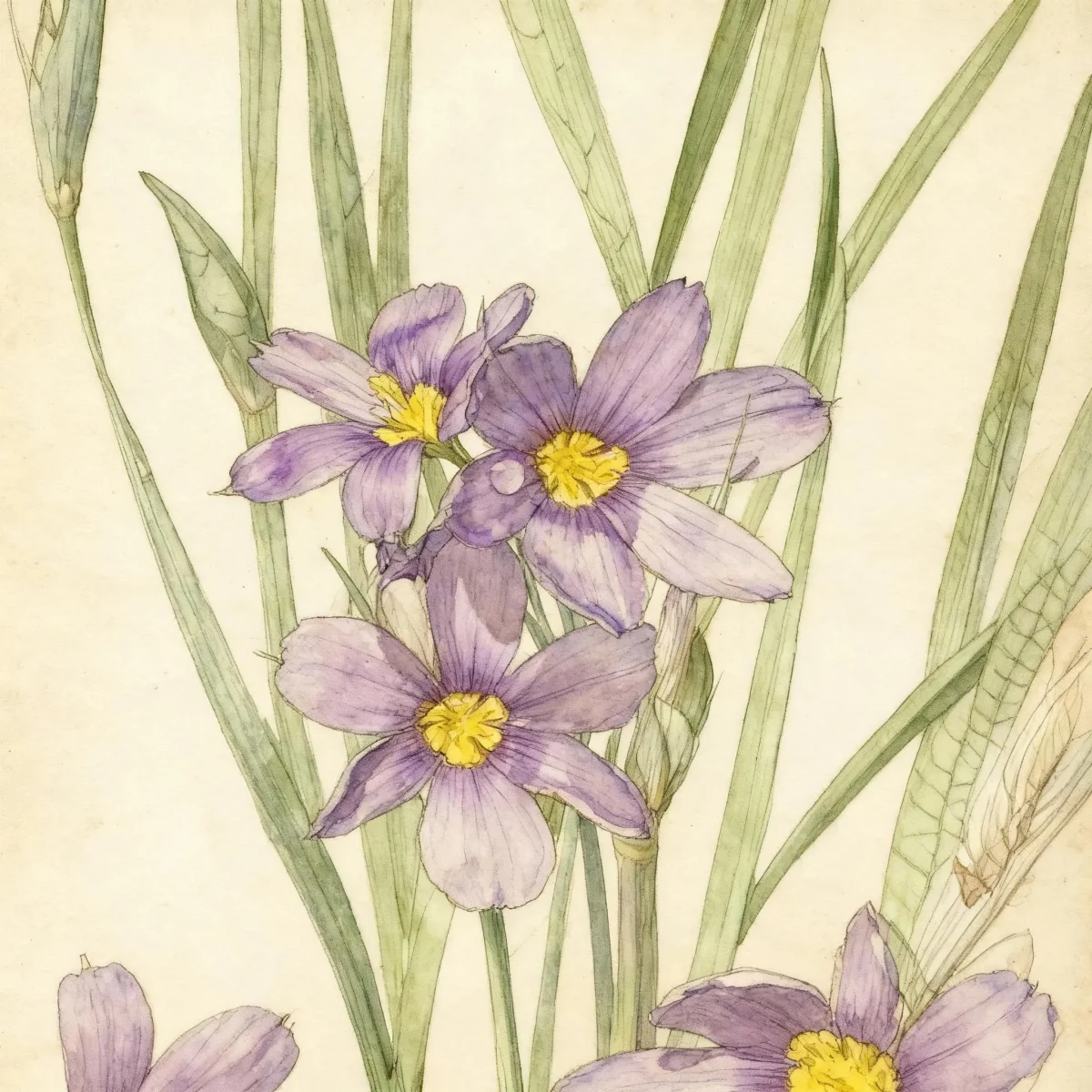
Dietes (Dietes iridioides)
Massive beauty with evergreen, sword-like leaves. Dietes iridioides offers reliable perennial structure and fragrant blooms in Zones 9-11.
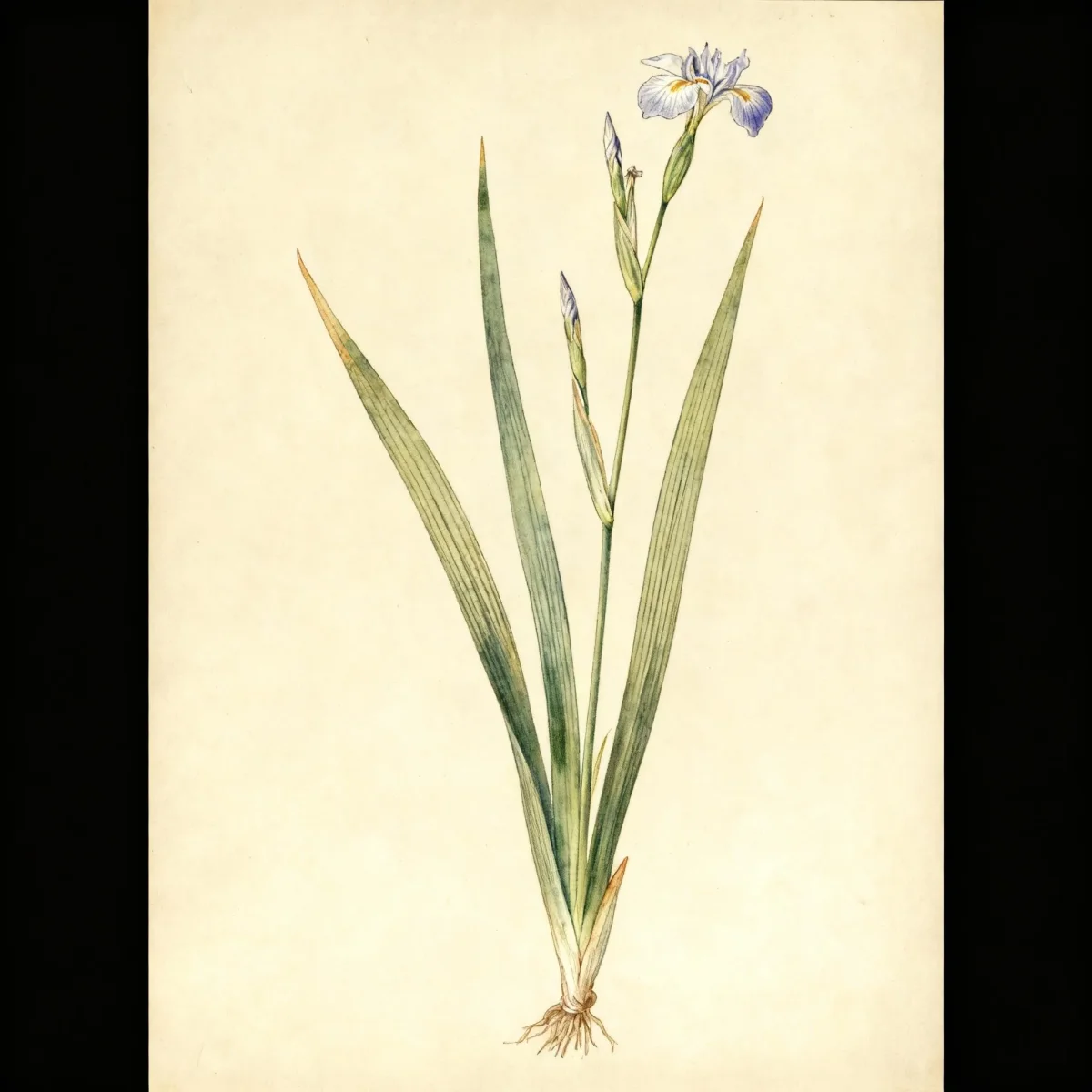

Bloom Boldly, No Matter the Season - Sweatshirt
Cozy organic cotton sweatshirt featuring our exclusive Purple Coneflower design. Perfect for gardeners who bloom year-round.
Inspired by the beautiful Dietes
Limited first batch (50) — join the waitlist for early access
Waitlist closes Feb 15, 2026.
Complete Plant Information
Field Guide Continues
Ready for care notes, companion picks, and planting tips?
The map is just the start. The full guide below covers growth habits, seasonal performance, and landscape uses.
Overview
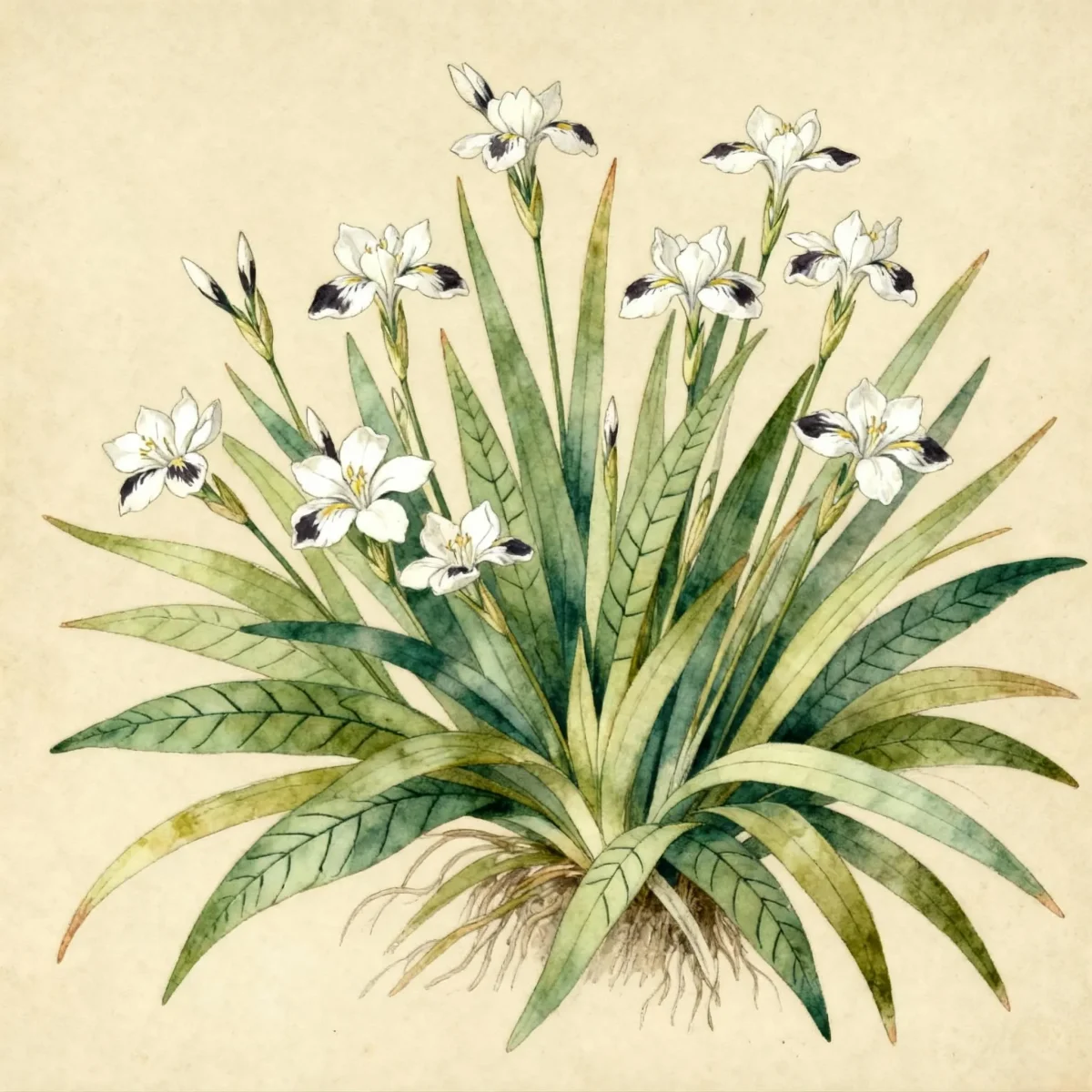
The Dietes iridioides, widely known simply as Dietes, offers gardeners a striking, low-maintenance architectural element perfect for warm climates. This rhizomatous evergreen perennial forms dense, fan-shaped clumps of stiff, narrow, sword-like leaves reminiscent of beardless iris. Its reliable structure throughout the year makes it an invaluable addition to perennial borders where season-long texture is desired.
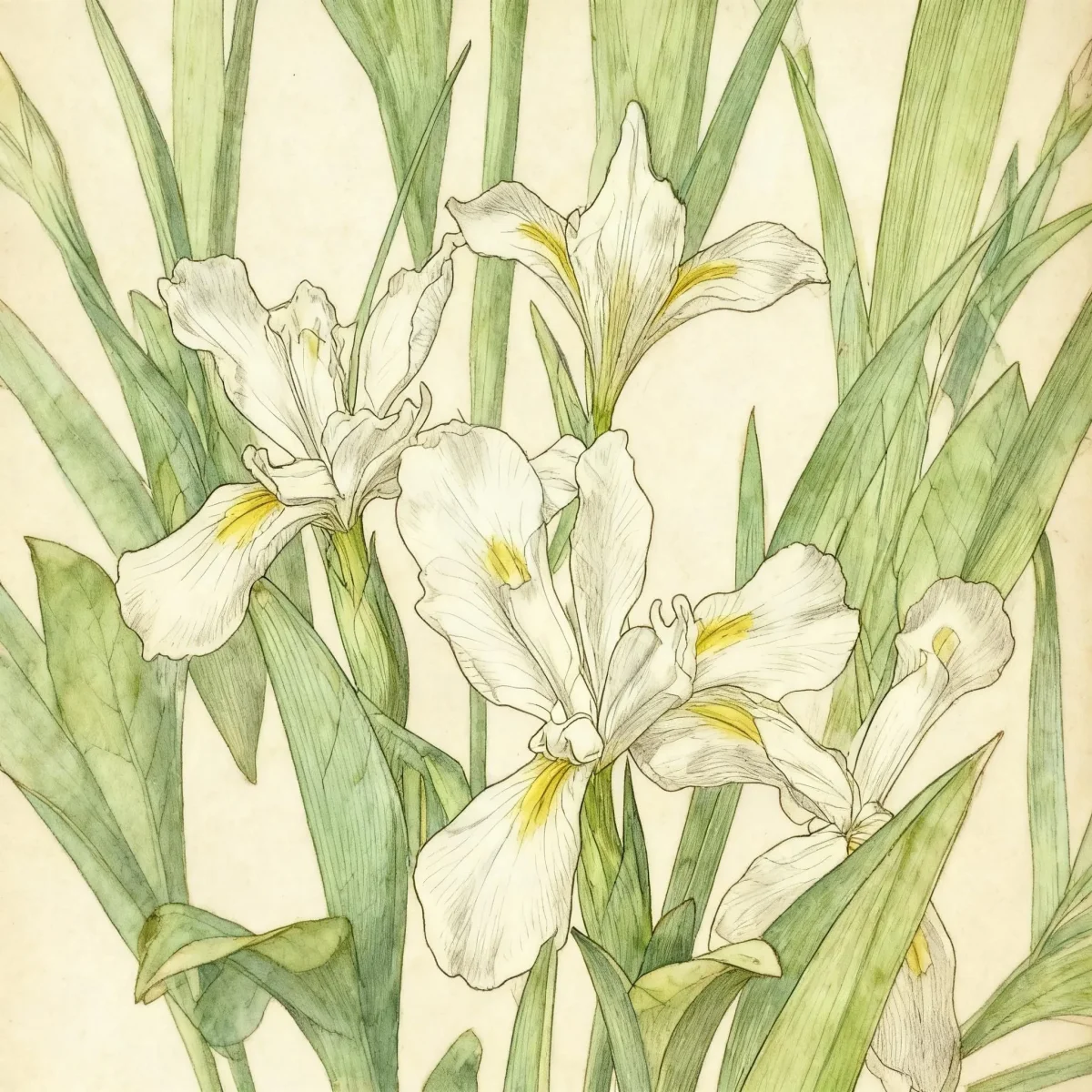
Native to Southern and Eastern Africa, Dietes reliably produces showy white flowers marked with yellow and blue accents, often occurring in distinct blooming bursts. While its general appearance mimics other iris relatives, Dietes iridioides is distinct because it grows from rhizomes rather than corms.
Gardeners appreciate this species for its adaptability; it thrives in conditions ranging from full sun to partial shade and tolerates some dryness once established. For those outside its native hardiness range, it provides excellent seasonal interest as an annual or a container specimen that can be brought indoors.
Fast Facts
- Plant Family: Iridaceae
- Plant Type: Herbaceous perennial
- Native Range: Southern and eastern Africa
- Hardiness Zones: USDA Zones 9-11
- Size at Maturity:
- Height: 2-4 ft
- Spread: 2-3 ft
- Bloom Time: May to September
- Bloom Description: White with yellow and blue markings
- Sun Exposure: Full sun to part shade
- Water Needs: Medium
- Maintenance Level: Medium
How to Grow
For optimal performance in its perennial zones (USDA 9-11), plant Dietes iridioides in moist, moderately fertile, well-drained soils. Best flowering is achieved when sited in full sun, although the plants appreciate some light afternoon shade during the hottest part of the season. If you reside in cooler regions, consider growing them as annuals or in movable containers.
These plants require medium amounts of water; while they tolerate some soil dryness, consistent moisture supports the best blooming schedule. Do not over-fertilize, as this can promote excessive foliage growth over flowering. Pruning is minimal: promptly remove seed pods as they form to encourage the plant to put energy back into producing new flowers. Only clip off older leaves that have died back.
If overwintering rhizomes in colder areas like St. Louis, dig them up before the first fall frost. Store the rhizomes in peat or vermiculite inside a location kept around 45°F. Propagation for gardeners is straightforward, achieved either by sowing seeds or by dividing the established rhizomes.
Landscape Uses
In frost-free areas, Dietes iridioides excels as a popular, low-maintenance landscape staple, often massed together to create sweeping drifts of texture and bloom. Its upright, architectural habit makes it an excellent choice for defining borders, lining walkways, or providing year-round backbone interest in mixed borders. When grown as an annual or in containers, African iris provides vital vertical accents near patios or entryways.
Because Dietes offers reliable evergreen texture, it pairs beautifully with finer-textured grasses or broadleaf evergreens that soften its rigid structure. In containers, it acts as a superb thriller, contrasting well against mounding annuals or trailing groundcovers. Even when not actively blooming, the upright leaf clumps of Dietes maintain visual appeal, preventing gaps during seasonal lulls.
For gardeners treating it as an annual, the rhizomes can be dug up and stored indoors over winter. Alternatively, in warmer zones, these plants perform admirably in conservatories or greenhouses if severe winter conditions are a threat.
Standout Features
Flower Qualities
- Showy
Noteworthy Characteristics
The specific epithet iridioides means “resembling iris,” a fitting description for this African native. As a rhizomatous perennial, Dietes forms robust, fan-shaped clumps, standing 2 to 4 feet tall. Although individual flowers last only a single day, they are quickly replaced, leading to prolonged periods of bloom, sometimes earning the plant the alternate common name of fortnight lily.
Tolerances
Potential Problems
African iris (Dietes iridioides) generally maintains a clean bill of health regarding pests and diseases. However, gardeners should monitor for common issues such as rust, scale insects, and nematodes across the root systems or foliage. Crown rot and root rot are risks, especially in soil that remains waterlogged over extended periods. Ensuring proper soil drainage, as recommended for its growth in well-drained media, is the primary preventative measure.
Frequently Asked Questions
What hardiness zones is Dietes (Dietes iridioides) suitable for?
This plant is winter hardy in USDA Zones 9 through 11, where it can be treated as a reliable perennial.
How large does Dietes grow?
Mature height typically ranges from 2 to 4 feet tall, with a spread usually between 2 and 3 feet wide, forming dense clumps.
What sun exposure does Dietes need?
For the best flowering performance, Dietes iridioides requires full sun, though it can tolerate and appreciate some light afternoon shade in very hot locations.
When does Dietes bloom?
Bloom time spans from May through September, exhibiting bursts of white, yellow, and blue flowers across branched stalks.
Conclusion
The Dietes iridioides is a resilient, vertical-accent plant that brings year-round structure and seasonal bursts of color to the warm garden. Its resemblance to iris foliage, coupled with low maintenance requirements, confirms the value of Dietes in modern landscape design. Before planting, always confirm your local hardiness zone compatibility or plan ahead for container overwintering if treating it as an annual.
Companion Planting
Because Dietes iridioides prefers well-drained soil and medium water, pair it alongside other drought-tolerant perennials native to similar Mediterranean or African climates. Good companions include Lavender (Lavandula spp.) for contrasting silvery foliage and fragrance, various Salvia varieties for extended bursts of color, and ornamental grasses like Blue Fescue (Festuca glauca) to soften the upright, sword-like appearance of the Dietes leaves.
Design Ideas
For a formal, architectural look, plant Dietes in strong, repeating linear rows along a path or boundary. In more relaxed settings, use groups of three or five to anchor corners of island beds, letting neighboring plants spill slightly over the rhizomatous clumps. In xeriscaping or low-water gardens where zones 9-11 allow year-round growth, the deep green foliage of Dietes iridioides provides a solid, evergreen screen that resists becoming floppy or messy.