
Bitternut hickory (Carya cordiformis)
The towering Bitternut hickory (Carya cordiformis) offers excellent shade. A low-maintenance native tree for zones 4-9 with medium to wet needs.

Bloom Boldly, No Matter the Season - Sweatshirt
Cozy organic cotton sweatshirt featuring our exclusive Purple Coneflower design. Perfect for gardeners who bloom year-round.
Inspired by the beautiful Bitternut hickory
Limited first batch (50) — join the waitlist for early access
Waitlist closes Feb 15, 2026.
Complete Plant Information
Field Guide Continues
Ready for care notes, companion picks, and planting tips?
The map is just the start. The full guide below covers growth habits, seasonal performance, and landscape uses.
Overview
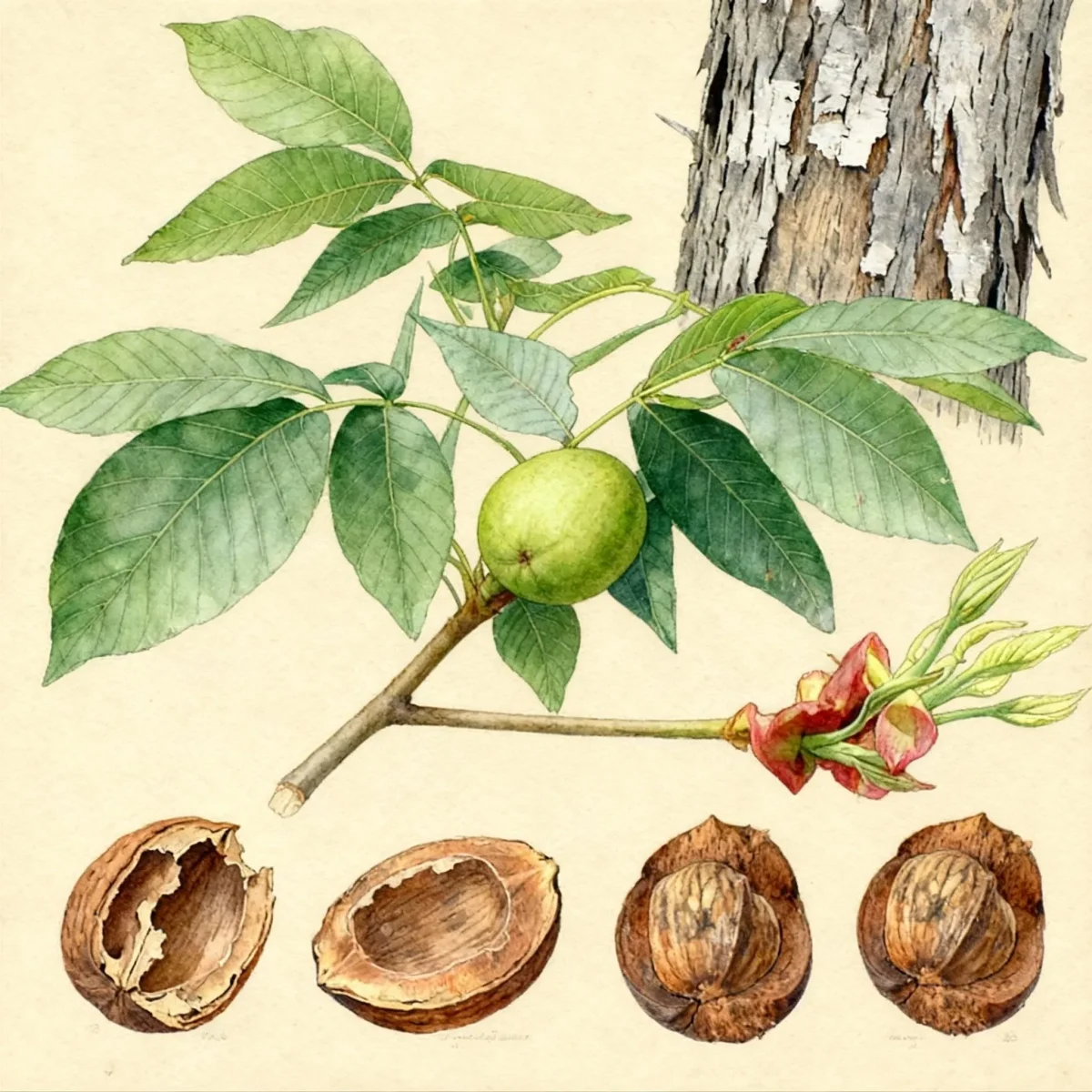
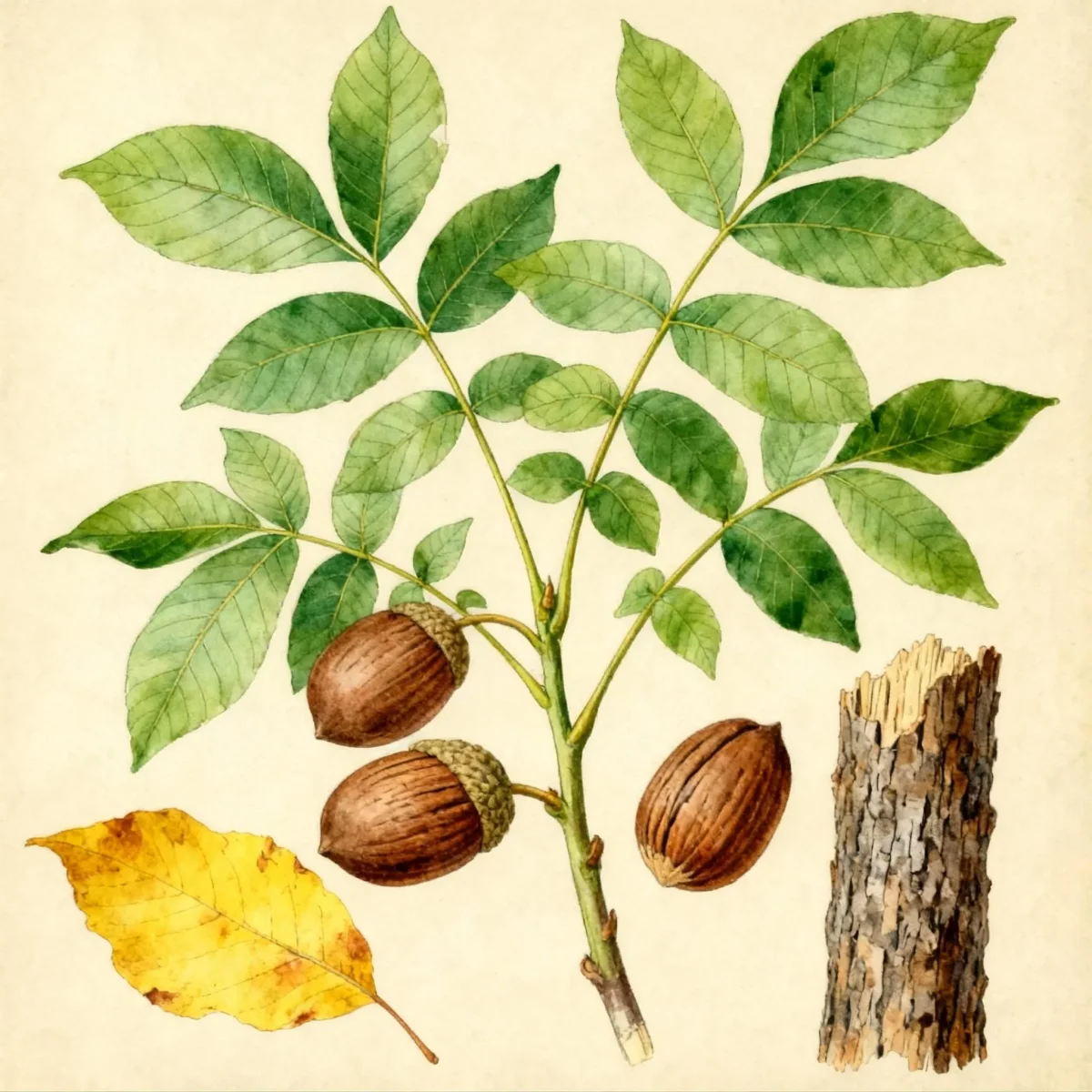
The Bitternut hickory (Carya cordiformis) is a robust, medium to large deciduous tree highly valued across Central and Eastern North America for its impressive height and reliable shade structure. While its nuts are bitter, the tree itself provides significant ecological value and structural interest in the landscape. As a native species, successful cultivation of the Carya cordiformis supports local ecosystems.
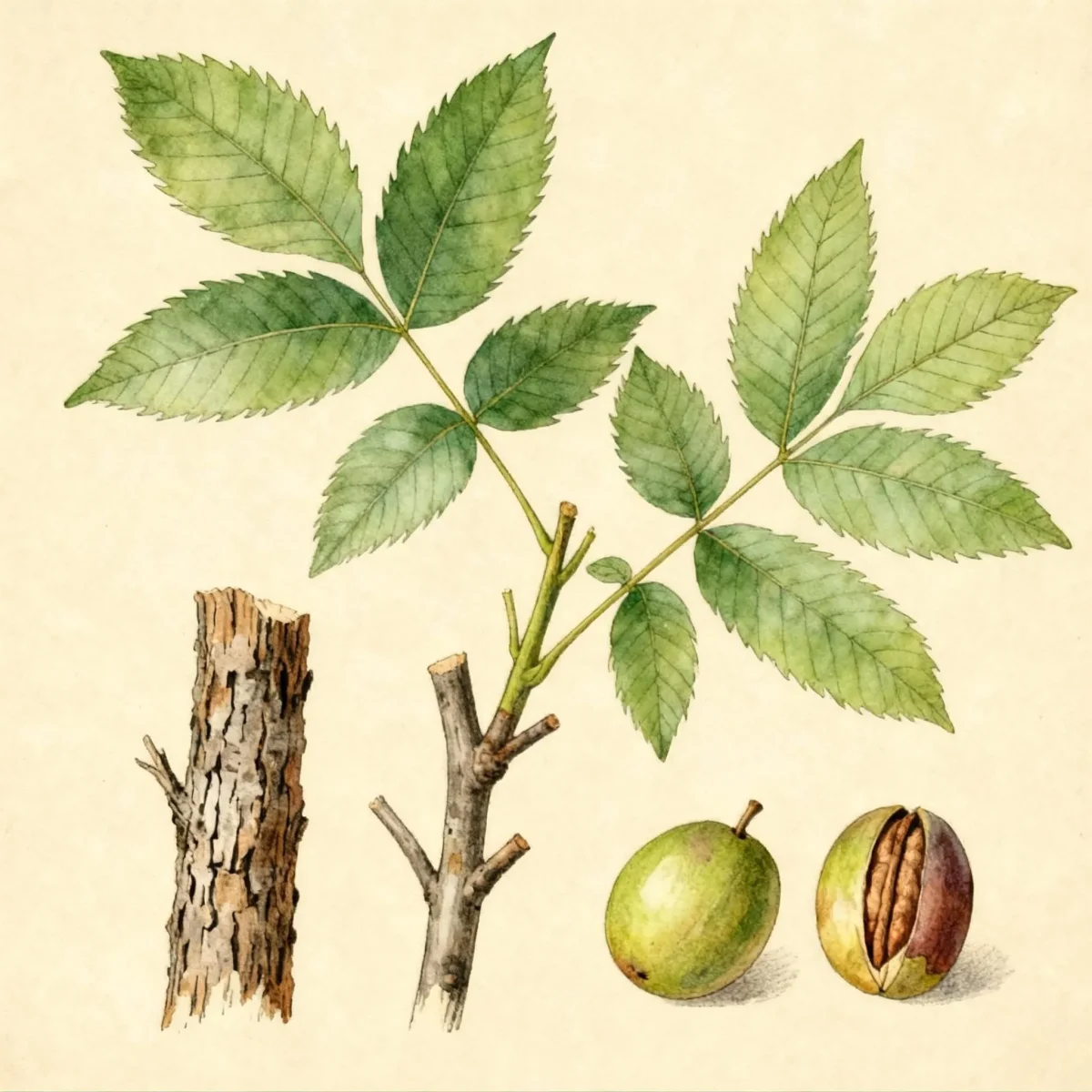
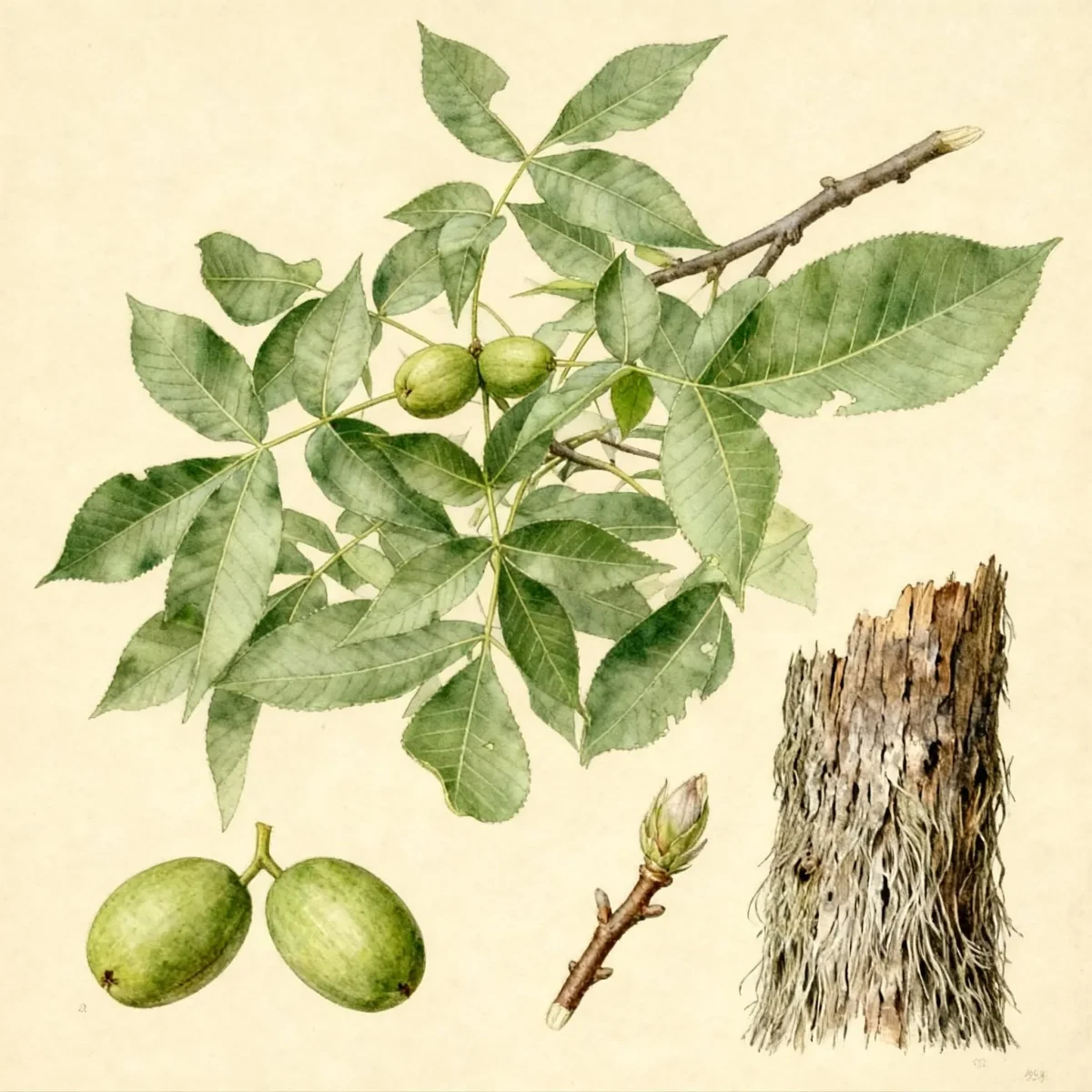
Mature specimens typically reach 50 to 80 feet tall, forming a broadly columnar or oval crown ideal for large properties, parks, and wide avenues where space permits expansive growth. This Bitternut hickory thrives best when given copious amounts of moisture, preferring rich, humusy soils. Identification in winter is surprisingly easy thanks to the distinctive bright mustard yellow terminal buds contrasting against the bark.
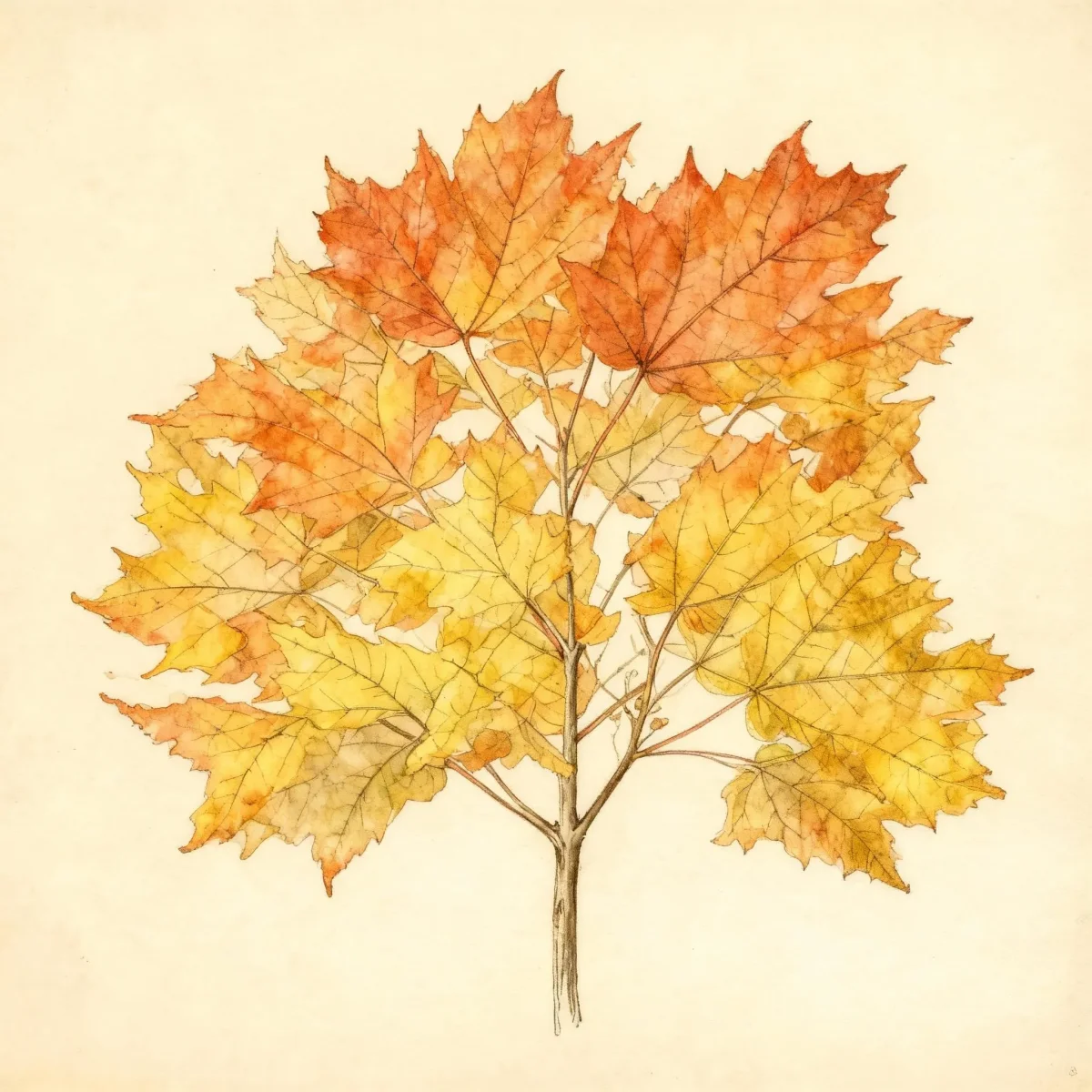
Although it possesses a low maintenance profile once established, gardeners must account for the significant size and the long taproot when planning placement. The yellow fall foliage adds a final seasonal highlight to this dependable woodland giant.
Fast Facts
- Plant Family: Juglandaceae
- Plant Type: Tree
- Native Range: Central and eastern North America
- Hardiness Zones: USDA Zones 4-9
- Size at Maturity:
- Height: 50-80 ft
- Spread: 30-50 ft
- Bloom Time: April to May
- Bloom Description: Green
- Sun Exposure: Full sun to part shade
- Water Needs: Medium to wet
- Maintenance Level: Low
How to Grow
The Carya cordiformis establishes best when planted in the early spring or fall, avoiding the stresses of summer heat. Select a location that accommodates its ultimate size, as this tree needs substantial room to develop its expansive crown. Success hinges on soil quality; aim for humusy, rich, medium to wet, well-drained sites. While it tolerates part shade, best performance, including faster growth and denser foliage, occurs in full sun.
Watering is critical, particularly during establishment. While mature Bitternut hickory withstands periods of moisture variation, its best performance is seen when soils remain consistently moist. Avoid planting in areas prone to drying out. Unlike many trees, fertilizing is rarely necessary if the soil is rich. Pruning should be minimal, focusing primarily on removing crossing or damaged branches when the tree is young to establish strong structure.
Due to the presence of a long taproot, transplanting Carya cordiformis can be challenging once the tree is established. Purchase container-grown stock or balled-and-burlapped specimens if possible, and ensure the planting hole allows unrestricted downward root growth. Be aware that large specimens will eventually produce considerable litter from twigs, leaves, and husked nuts in the fall.
Landscape Uses
The primary architectural role of the Bitternut hickory is as a tall, imposing shade tree suitable for large estates and expansive parks where its mature height of up to 80 feet can be fully appreciated. Its broadly columnar habit offers strong vertical interest along estate borders or avenues where traffic flow is not directly underneath. While it excels as a shade anchor, its tolerance for wet soils opens up possibilities for planting near naturalized water features or in bottomland areas of large properties.
Because of its growth characteristics and maturity rate, this species is rarely suited for small suburban lots or foundation plantings. When selecting companions, choose understory trees or shrubs adapted to moist, rich soils, such as certain maples (Acer spp.) or dogwoods (Cornus spp.) that can tolerate the dappled light created by the overhead canopy of the hickory.
Historically, the strong wood of the Carya cordiformis was utilized for durable items like tool handles and ladders. While modern use may lean toward firewood or conservation, its structural merit remains clear in the landscape context, providing enduring, large-scale shade across the landscape.
Standout Features
Flower Qualities
- Insignificant
Fruit Qualities
- Rounded nuts encased in a husk that splits open when ripe
Noteworthy Characteristics
Carya cordiformis, commonly called Bitternut hickory, is a medium to large, broadly columnar, deciduous tree that typically grows 50-80’ tall with an irregular, oval-rounded crown. Compound, odd-pinnate, light to medium green leaves turn yellow in the fall, and the tree is easily identified in winter by its bright mustard yellow terminal buds. Although the nuts are bitter and unpalatable to humans, they are consumed by certain mammals like squirrels.
Tolerances
- Black Walnut
Potential Problems
Pest pressure on the Bitternut hickory often includes attacks by the hickory bark beetle, pecan weevil, borers, and the twig girdler in certain regions. Managing these issues often involves monitoring tree health; stressed trees are more susceptible to borers. Occasional diseases reported include white heart rot, anthracnose, powdery mildew, and leaf spot. To mitigate leaf and twig litter, ensure established trees are healthy, though some drop is unavoidable. Heavy nut drop can also be expected once the tree matures past 25 years.
Frequently Asked Questions
What hardiness zones is Bitternut hickory suitable for?
The Carya cordiformis is adaptable, thriving across USDA Zones 4 through 9.
How large does Bitternut hickory grow?
Mature Carya cordiformis typically reaches heights between 50 and 80 feet, with a spread ranging from 30 to 50 feet wide.
What sun exposure does Carya cordiformis need?
This tree performs best when situated in full sun but tolerates conditions ranging down to part shade, though performance may diminish slightly.
When does Bitternut hickory bloom?
Flowering occurs in the spring, generally between April and May, producing inconspicuous green blooms.
Conclusion
The Bitternut hickory remains an excellent choice for gardeners needing a massive, long-lived shade presence, offering low maintenance requirements once established in suitable moist conditions. Remember that Carya cordiformis demands significant space for its robust growth. Before planting, verify that your site offers the rich, moist soil profile this species prefers to ensure decades of reliable performance.
Companion Planting
When integrating Carya cordiformis into a larger landscape plan, selecting companions that share its preference for moist, rich soils is key. Native moisture-loving trees such as certain river birch (Betula nigra) or certain swamp oaks (Quercus spp.) can thrive in proximity, creating a layered woodland effect. For the understory, consider moisture-tolerant shrubs like highbush blueberry (Vaccinium corymbosum) or native ferns that appreciate dappled light filtration from the hickory canopy. Ensure placement allows adequate airflow around the base of all trees to help reduce humidity-related fungal issues common to wet areas.
Wildlife Benefits
Beyond its towering shade, the Bitternut hickory provides valuable habitat and sustenance within its native range. Although the nuts are bitter to humans, they are an occasional food source for various mammals, including squirrels, which are often responsible for seed dispersal. The foliage also attracts several species of moth, providing necessary larval food for nesting birds early in the season. For the dedicated native landscape, including Carya cordiformis helps maintain the ecological continuity of the local ecosystem through both food resources and structural complexity.