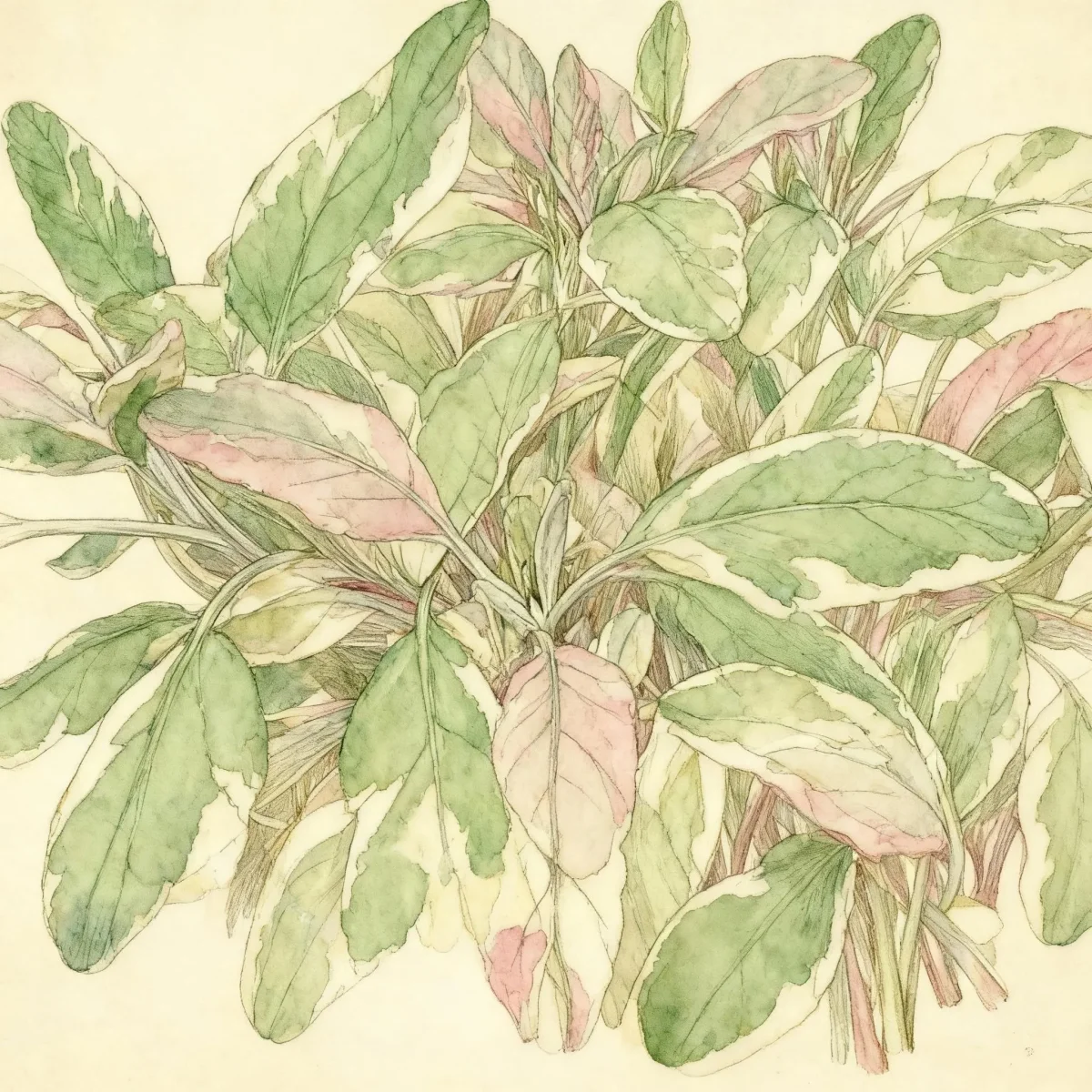
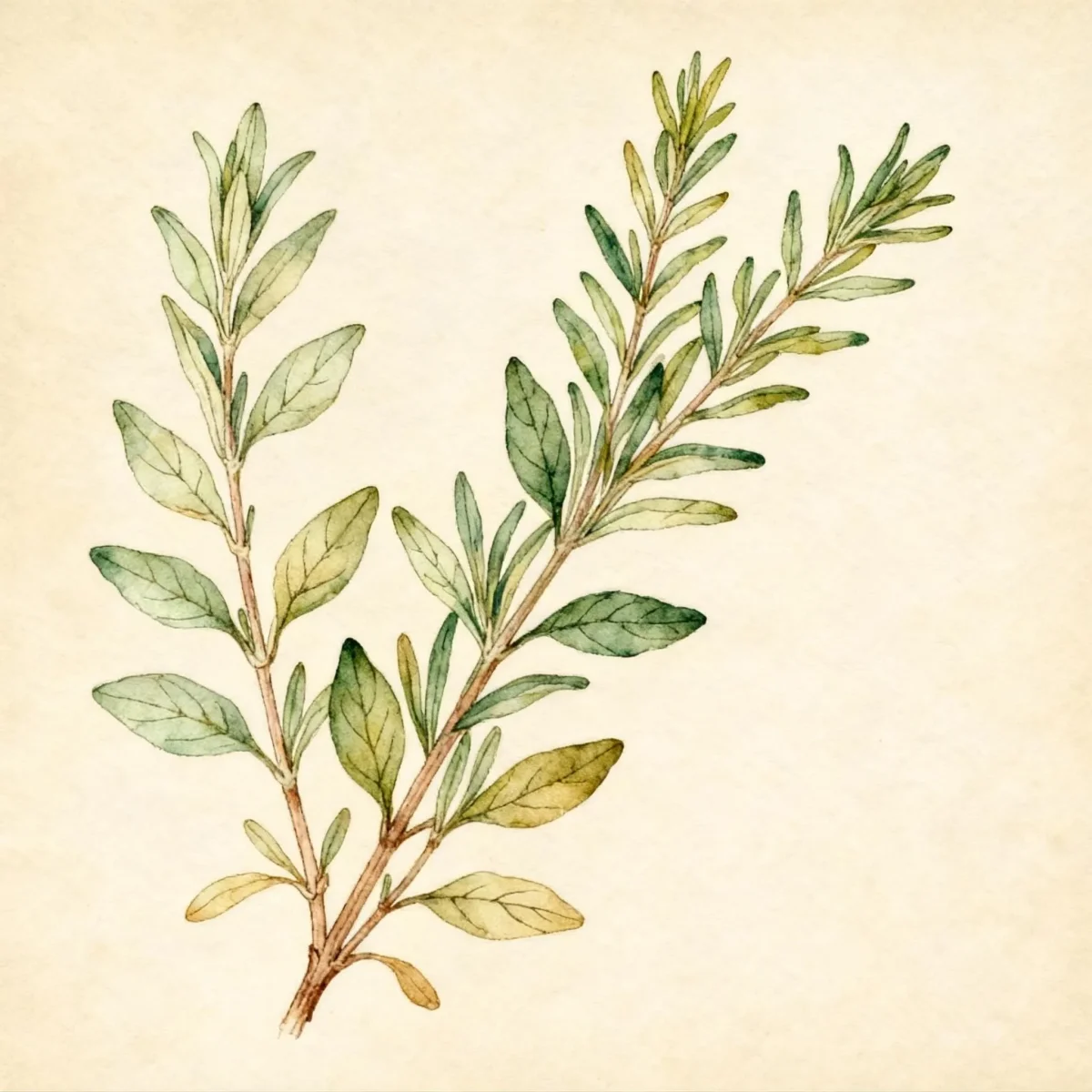
Winter savory (Satureja montana)
Satureja montana, or Winter savory, is a woody perennial herb prized for its pungent, dark green leaves used in cooking. Hardy in Zones 5-8.

Bloom Boldly, No Matter the Season - Sweatshirt
Cozy organic cotton sweatshirt featuring our exclusive Purple Coneflower design. Perfect for gardeners who bloom year-round.
Inspired by the beautiful Winter savory
Limited first batch (50) — join the waitlist for early access
Waitlist closes Feb 15, 2026.
Complete Plant Information
Field Guide Continues
Ready for care notes, companion picks, and planting tips?
The map is just the start. The full guide below covers growth habits, seasonal performance, and landscape uses.
Overview
Satureja montana, commonly known as winter savory, is an indispensable, low-growing, woody-stemmed perennial herb for the culinary garden. Gardeners value this semi-shrubby plant particularly for its stiff, glossy, dark green leaves that maintain their pungent flavor, making them usable fresh or dried throughout the colder months. It provides structure and texture, differentiating itself from softer annual herbs.
This species thrives under conditions that mimic its native mountainous origins, preferring dry to medium moisture and well-drained, even rocky, soils. While primarily grown for its culinary applications, the tiny white to lilac flowers that appear in mid to late summer also lend some ornamental appeal to herb beds and borders.
As a hardy perennial in much of the US, winter savory offers reliable, year-round interest and function. Incorporating Satureja montana into your landscape ensures you have a readily available, resilient source of highly aromatic seasoning that requires relatively little fuss once established.
Fast Facts
- Plant Family: Lamiaceae
- Plant Type: Herbaceous perennial
- Native Range: Southwestern Asia, southern Europe
- Hardiness Zones: USDA Zones 5-8
- Size at Maturity:
- Height: 0.5-1 ft
- Spread: 1-1.5 ft
- Bloom Time: June to August
- Bloom Description: White to lilac
- Sun Exposure: Full sun
- Water Needs: Dry to medium
- Maintenance Level: Medium
How to Grow
The best establishment period for Satureja montana is typically spring, allowing the roots time to settle before the heat of summer. Plant in a location receiving full sun, although it will tolerate very light shade. Crucially, ensure the soil is exceptionally well-drained; this herb dislikes wet feet, thriving best in poor, sandy, or rocky substrates rather than rich loam.
Once planted, water sparingly; winter savory prefers dry to medium moisture levels and is remarkably drought tolerant once mature. Fertilizer is generally unnecessary, especially if the native soil is poor, as rich soil can dilute the flavor of the leaves. Avoid high-nitrogen feeding programs.
Maintenance for this woody perennial is straightforward. The most important task is to trim back the plants in early spring, removing any fragile or dead wood to encourage fresh, flavorful new growth. This pruning prevents the plant from becoming too woody and leggy throughout the season.
While hardy in Zones 5-8, ensuring good air circulation helps prevent moisture-related issues. If grown near its lower zone limit, providing some winter protection or mulching lightly around the base can enhance survival rates, though its woody nature offers good winter resilience.
Landscape Uses
Winter savory excels where structure and fragrance are desired near pathways or informal seating areas. Its stiff habit makes it a surprisingly effective, low edging plant that naturally resists grazing animals. For a formal look, Satureja montana can be clipped into low, dense hedges or defined shapes.
This herb finds a natural home in the kitchen garden or classic herb spiral designs, pairing well with other Mediterranean varieties like Thyme or Oregano due to similar low-water and high-sun needs. Consider planting it in rock gardens where its tough nature and compact, spreading habit complement stone arrangements beautifully.
Furthermore, the dense, evergreen foliage provides year-round structure, contrasting nicely with softer, softer-textured annual herbs or highly flowering perennials in a mixed border front. Its deer resistance adds practical value when defining the edge between lawn and garden beds.
Standout Features
Flower Qualities
- Showy
Noteworthy Characteristics
Satureja montana, called winter savory, is a low-growing, woody-stemmed, somewhat-shrubby, spreading perennial which is frequently grown in herb gardens for its stiff, linear to lance-shaped, pungent, glossy, dark green leaves (to 1” long) which can be used fresh or dried as a seasoning in food. Tiny white-to-lilac flowers (typical mint family) appear in terminal spikes in mid to late summer. The specific epithet means pertaining to mountains, referencing its preference for rocky, well-drained sites.
Tolerances
- Deer
- Drought
- Dry Soil
- Shallow-Rocky Soil
Potential Problems
Winter savory generally suffers from very few serious insect or disease issues, contributing significantly to its low-maintenance appeal. Its aromatic oils instinctively deter many common garden pests. In fact, deer tend to avoid this plant entirely, making it a reliable choice for exposed garden edges.
The most common problem relates to cultural mismatch rather than pests. Overwatering or poor drainage is the quickest way to cause root rot, especially in heavier clay soils. Always amend planting sites heavily with grit or sand to ensure sufficient drainage to keep Satureja montana healthy.
Frequently Asked Questions
What hardiness zones is Winter savory suitable for?
Winter savory (Satureja montana) is reliably hardy in USDA Zones 5 through 8.
How large does Winter savory grow?
This perennial typically reaches a mature height between 0.5 and 1 foot tall, spreading to about 1 to 1.5 feet wide.
What sun exposure does Winter savory need?
Satureja montana requires full sun exposure for optimal growth and flavor development, though it can handle a small amount of light afternoon shade.
When does Winter savory bloom?
This herb produces its small white to lilac flowers during the peak summer months, usually blooming from June to August.
Conclusion
The culinary and structural benefits offered by Satureja montana make it an essential inclusion for any herb enthusiast looking for hardy, low-fuss perennials. Its preference for dry soil and full sun means winter savory thrives where many other herbs struggle. Plan your planting for spring or fall and ensure excellent soil drainage to guarantee a reliable harvest for years to come.
Companion Planting
Because winter savory demands sharp drainage and dislikes competition from moisture-loving neighbors, it pairs exceptionally well with other drought-tolerant, Mediterranean herbs. Consider planting Satureja montana alongside Rosemary, Thyme, and Oregano. These plants share similar soil requirements and thrive when kept slightly dry, creating a cohesive, low-maintenance culinary patch.
Also, when using this plant as a low border, select companions for color contrast. Its dark, glossy foliage looks excellent next to silvery-leaved herbs such as Lamb’s Ears (Stachys byzantina) or pale green Artemisia varieties, as the textural differences enhance both plants visually throughout the growing season.
Seasonal Care Calendar
Early Spring (Pruning): This is the critical time to address woody growth. Cut back last year’s stems by about one-third to rejuvenate the plant and encourage dense, flavorful new leaf production. Avoid pruning heavily into old wood if possible.
Summer (Harvest & Bloom): Harvest leaves lightly throughout the season once the plant is actively growing. Allow some spikes to flower in June through August, as these offer edible blossoms and useful nectar sources for beneficial insects, supporting overall garden health.
Fall (Preparation): Winter savory generally requires no specific fall preparation in zones 5-8. Simply allow the foliage to remain; it provides semi-evergreen winter interest. If you are in a marginally cold area (lower Zone 5), apply light mulch after the ground freezes if planting was recent.