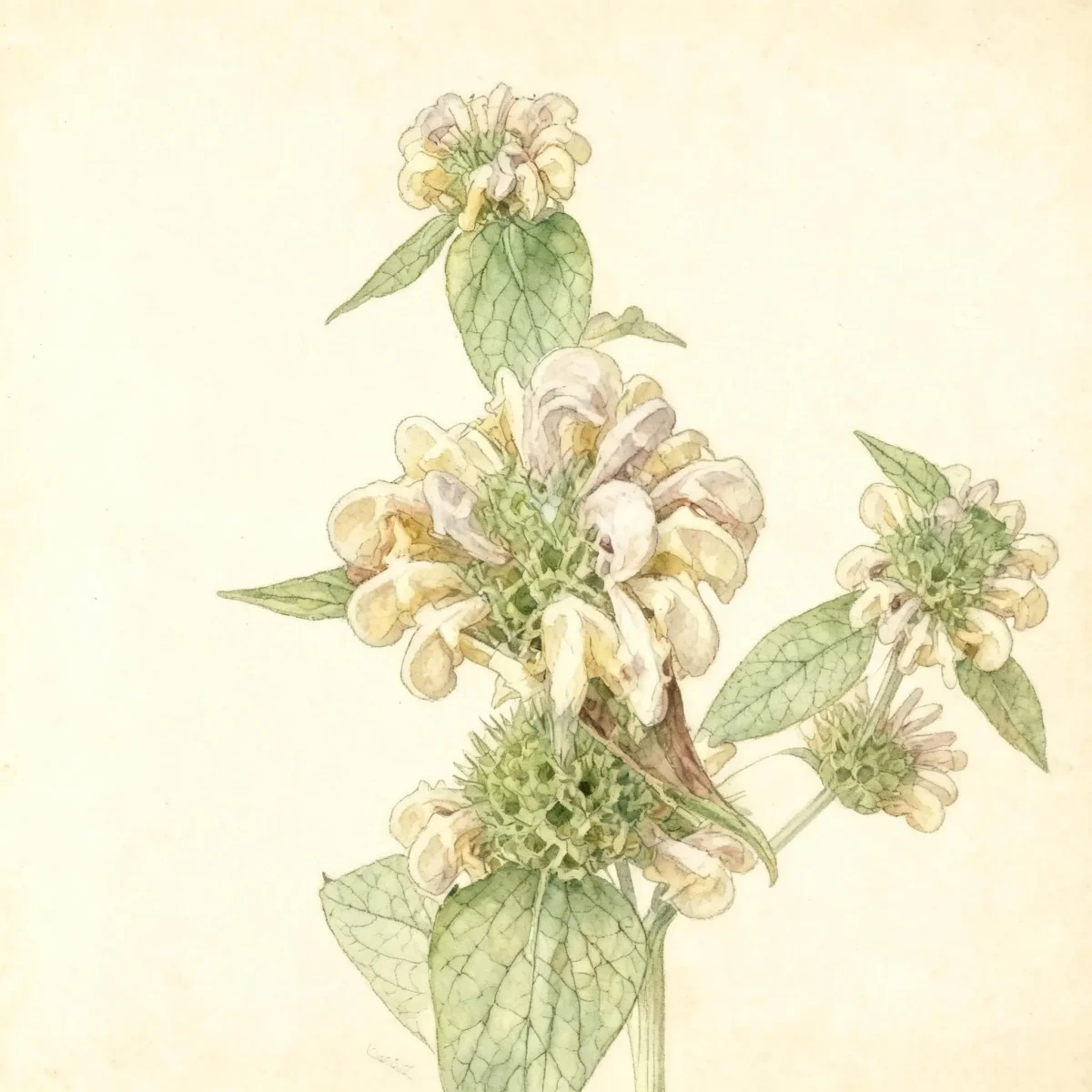
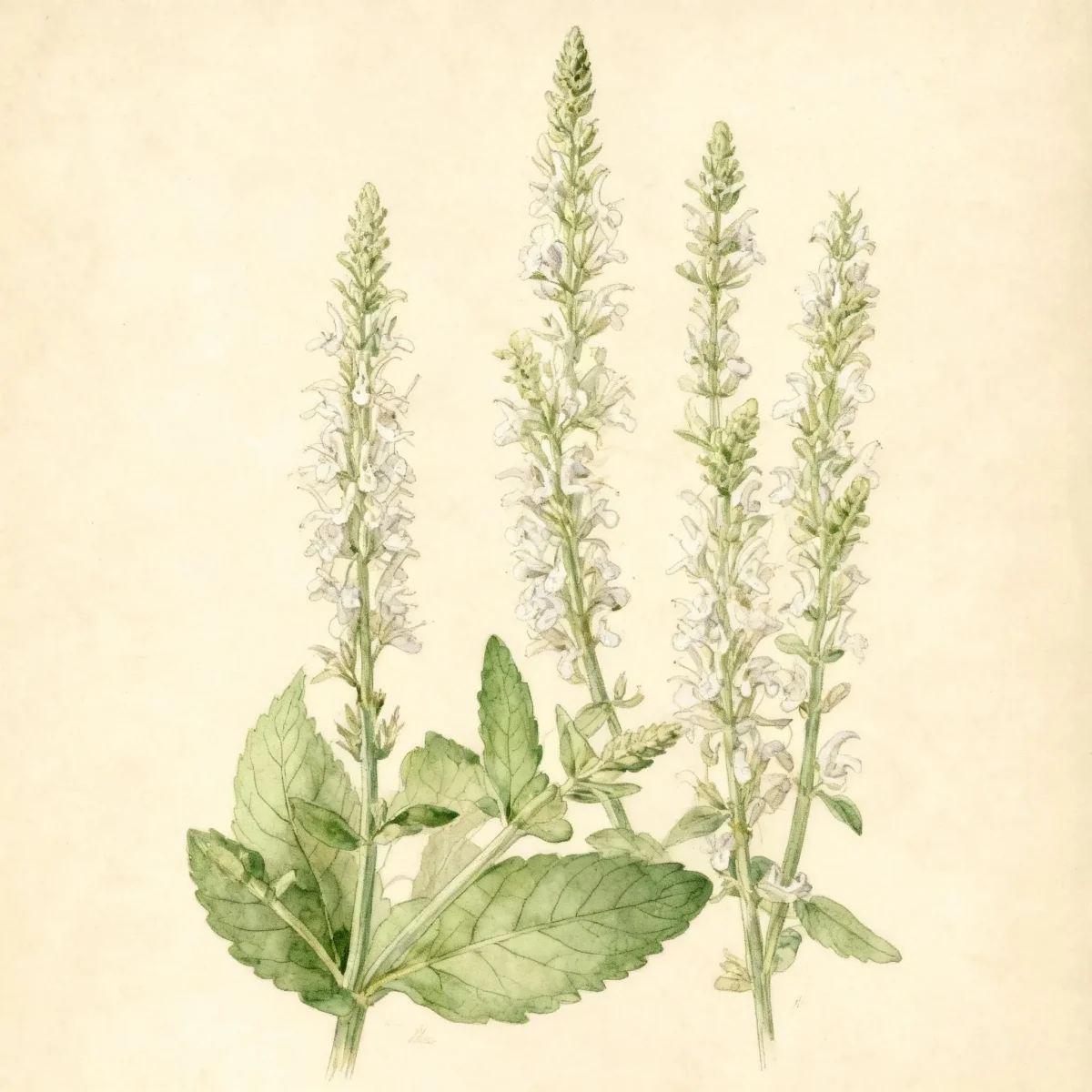
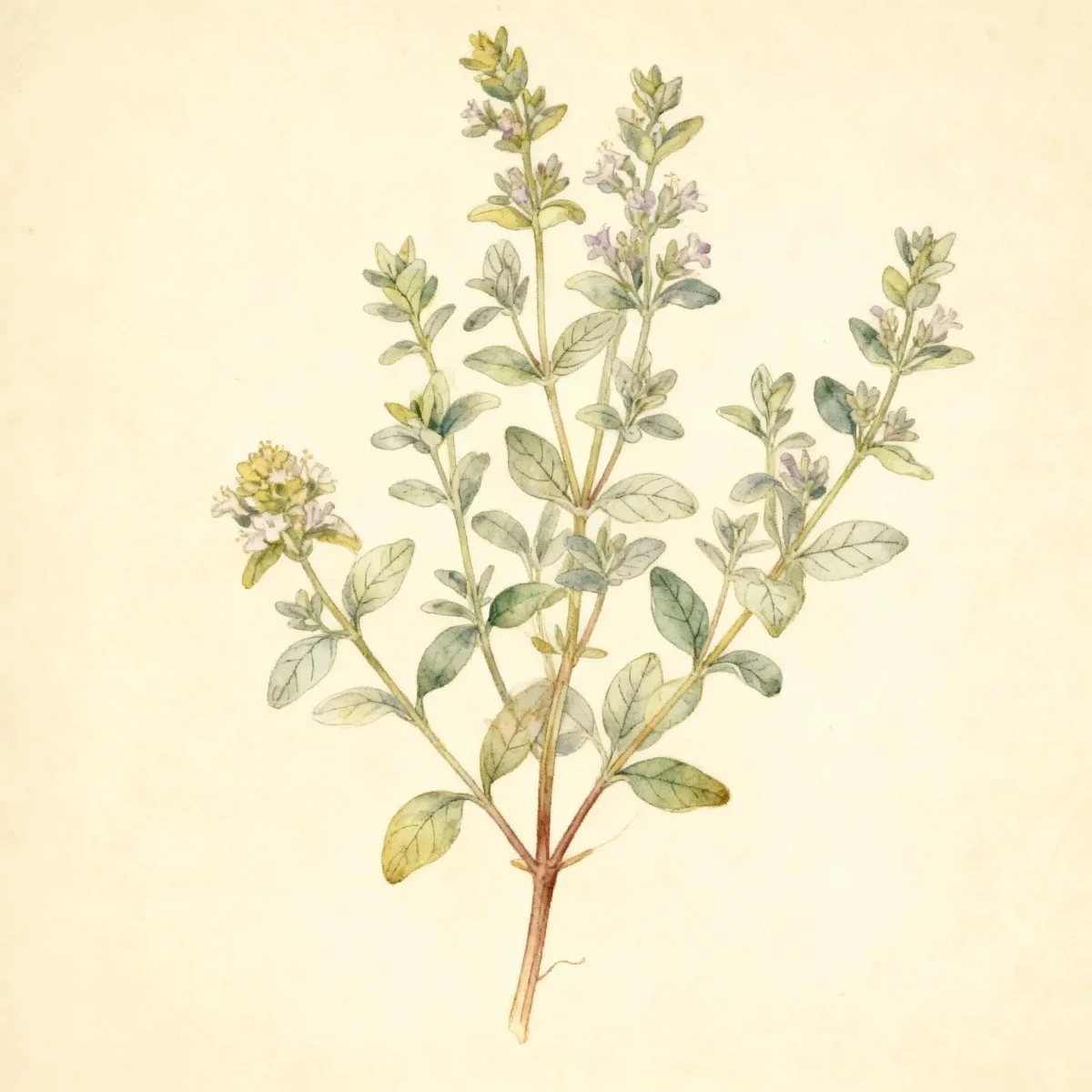
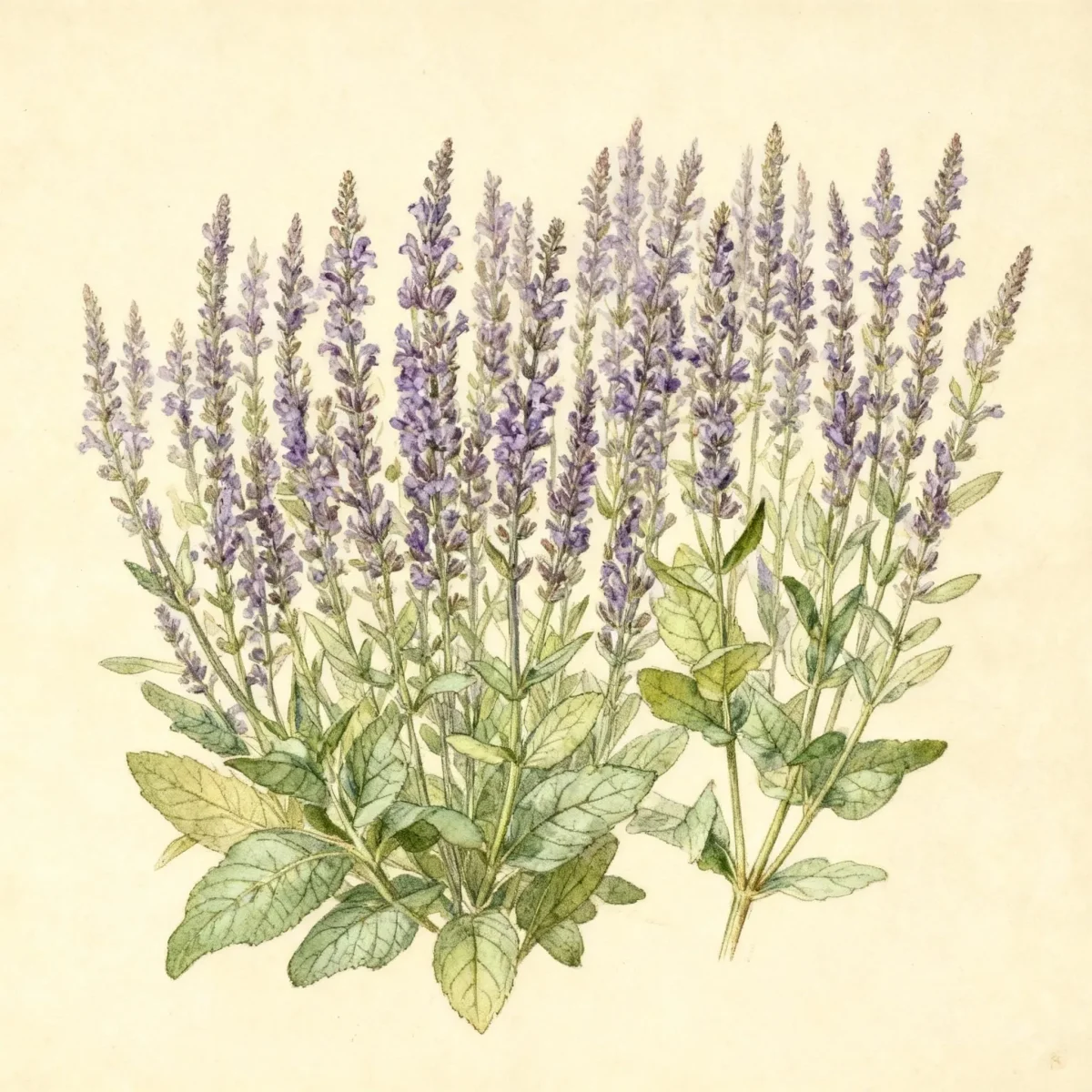
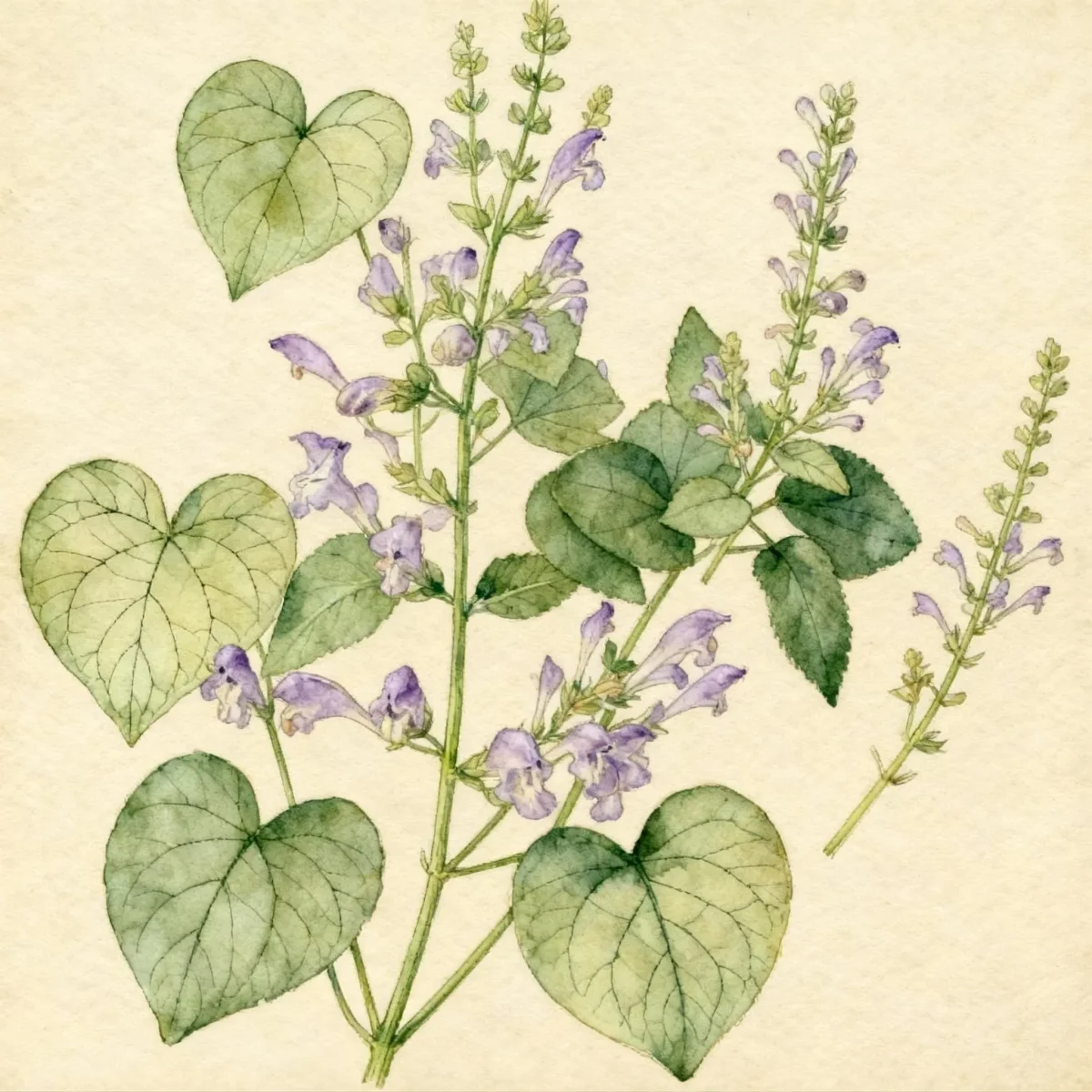
Heart-leaved skullcap (Scutellaria ovata)
Hardy herbaceous perennial Scutellaria ovata offers blue-purple flowers May–Sept. Ideal for dry soils and low maintenance gardening.

Bloom Boldly, No Matter the Season - Sweatshirt
Cozy organic cotton sweatshirt featuring our exclusive Purple Coneflower design. Perfect for gardeners who bloom year-round.
Inspired by the beautiful Heart-leaved skullcap
Limited first batch (50) — join the waitlist for early access
Waitlist closes Feb 15, 2026.
Complete Plant Information
Field Guide Continues
Ready for care notes, companion picks, and planting tips?
The map is just the start. The full guide below covers growth habits, seasonal performance, and landscape uses.
Overview
Heart-leaved skullcap, Scutellaria ovata, is a valued native perennial known for its attractive foliage and late-season color display. This species brings vertical interest to the garden beds with snapdragon-like, blue-purple flowers borne atop pubescent, square stems characteristic of the mint family. Gardeners appreciate Scutellaria ovata for its resilience, thriving even in challenging, dry sites where other plants might struggle.
As an herbaceous perennial native to Central North America, heart-leaved skullcap blends well into naturalized settings. It spreads slowly by rhizomes, allowing it to establish pleasing colonies without becoming overly aggressive. Its heart-shaped, rugose leaves provide texture before and after the bloom period, making this skullcap a versatile structural plant.
This plant offers low maintenance once established, tolerating significant drought conditions. Its ability to naturalize and adapt to rocky soils makes heart-leaved skullcap an excellent choice for sustainable landscape planning, wildflower meadows, and native plant showcases throughout its hardiness range.
Fast Facts
- Plant Family: Lamiaceae
- Plant Type: Herbaceous perennial
- Native Range: Central North America
- Hardiness Zones: USDA Zones 4-9
- Size at Maturity:
- Height: 1-2 ft
- Spread: 0.75-1.5 ft
- Bloom Time: May to September
- Bloom Description: Blue - purple
- Sun Exposure: Full sun
- Water Needs: Dry to medium
- Maintenance Level: Low
How to Grow
Plant heart-leaved skullcap in spring or fall, ensuring it receives plenty of full sun exposure for the best flowering potential. Successful establishment relies heavily on well-drained soil; this species dislikes standing water or prolonged moisture. While adaptable, aiming for dry to medium soil conditions will maximize its natural hardiness.
Care for this perennial is minimal once established. Water sparingly, especially during establishment, as Scutellaria ovata naturally tolerates drought. Fertilization is rarely needed; enriching overly rich soil can lead to floppier growth rather than compact, sturdy stems. Light trimming after the main flush of blooms can sometimes encourage a secondary scatter of flowers.
Be aware that plants may enter summer dormancy if the weather becomes excessively hot and dry, which is a natural survival mechanism. Do not mistake this dormancy for death; plants will typically revive with cooler temperatures or autumn moisture. Heart-leaved skullcap is easily grown from seed and readily self-seeds, helping it naturalize quickly.
Landscape Uses
Heart-leaved skullcap excels in designs aiming for a naturalistic aesthetic. Its moderate height makes it suitable for the middle to back of perennial borders, providing texture and color where sun exposure is high. Use it liberally in meadow plantings to integrate blooms with grasses and other tough native species.
Consider incorporating heart-leaved skullcap into native plant gardens or cottage gardens where a slightly wild and untamed look is desired. It performs exceptionally well in drier spots, such as along slopes or rocky ledges, mirroring its natural habitat of rocky open woods and glades.
Its low water needs make it an excellent sustainable choice for xeriscaping projects alongside other drought-tolerant natives. The blue-purple flowers provide a subtle contrast against silvery foliage or the warmer tones of late-summer prairie flowers.
Standout Features
Flower Qualities
- Showy
Noteworthy Characteristics
Scutellaria ovata, commonly called heart-leaved skullcap, is a pubescent mint family member that features snapdragon-like, tubular, two-lipped, blue-purple flowers that bloom from May to September in branched terminal racemes. The plant is recognized by its ovate, crenate-serrate, rugose, heart-shaped green leaves, typically growing between 16–24” tall. The genus name, Scutellaria, refers to the saucer shape of the persistent calyx remaining after the flower fades.
Tolerances
- Drought
- Dry Soil
- Shallow-Rocky Soil
Potential Problems
This skullcap generally experiences no serious insect or disease problems, contributing to its low maintenance rating. The primary potential issues involve common fungal concerns. Powdery mildew and leaf spot may occasionally occur, particularly if air circulation is poor or humidity is high, though its preference for dry conditions mitigates this risk. Monitor new growth for the presence of aphids, though severe infestations are uncommon. Preventative care involves ensuring proper spacing to maintain good airflow around the plants.
Frequently Asked Questions
What hardiness zones is Heart-leaved skullcap suitable for?
Heart-leaved skullcap thrives in USDA Zones 4 through 9.
How large does Scutellaria ovata grow?
This perennial typically reaches a height between 1 and 2 feet, with a spread spanning 0.75 to 1.5 feet.
When does Heart-leaved skullcap bloom?
Scutellaria ovata blooms consistently from May well into September, displaying attractive blue to purple flowers.
What sun exposure does Heart-leaved skullcap need?
This species requires full sun to perform optimally.
Conclusion
The resilience and beautiful late-summer bloom of heart-leaved skullcap make it indispensable for gardeners seeking low-input, high-impact native perennials. By embracing its preference for dry, full-sun locations, you ensure robust growth of Scutellaria ovata for years of seasonal color. Check your local hardiness zone and plan to incorporate this adaptable skullcap into newly established sunny borders this coming planting season.
Companion Planting
When planning companions for Heart-leaved skullcap, focus on plants that share similar sun and dry soil requirements. Grouping it with other drought-tolerant natives enhances the overall hardiness of the planting scheme. Excellent companions include native prairie grasses, which share its love for open sun, or plants like Baptisia (False Indigo), which offer sturdy structure.
For color contrast in the dry border, consider pairing the blue-purple blooms of Scutellaria ovata with yellows or whites that peak concurrently. Rudbeckia species (Black-Eyed Susan) or Coreopsis varieties that handle drier soils make vibrant partners later in the season. Since heart-leaved skullcap spreads via rhizomes, pairing it with clumping companions helps define spaces.
Consider the foliage texture as well. Plants with fine, airy leaves will contrast nicely with the broad, heart-shaped leaves of the skullcap. This thoughtful combination ensures year-round visual interest beyond just the bloom time of May through September.
Wildlife Benefits
As a member of the mint family with attractive tubular flowers, Heart-leaved skullcap is a magnet for native pollinators. The open structure of the blue-purple florets is particularly appealing to various species of native bees, including bumblebees and smaller solitary bees.
The distinct flower shape means the nectar is often best accessed by bees with adequate tongue lengths, ensuring effective pollination services. Because it blooms across the summer months, it provides a reliable nectar source when many early bloomers have finished their production.
While the primary benefit is pollinator support, the seed heads that follow the bloom provide residual structure and potential food sources for small finches later in the fall and winter. Planting large drifts of Scutellaria ovata maximizes its ecological impact within your garden space.