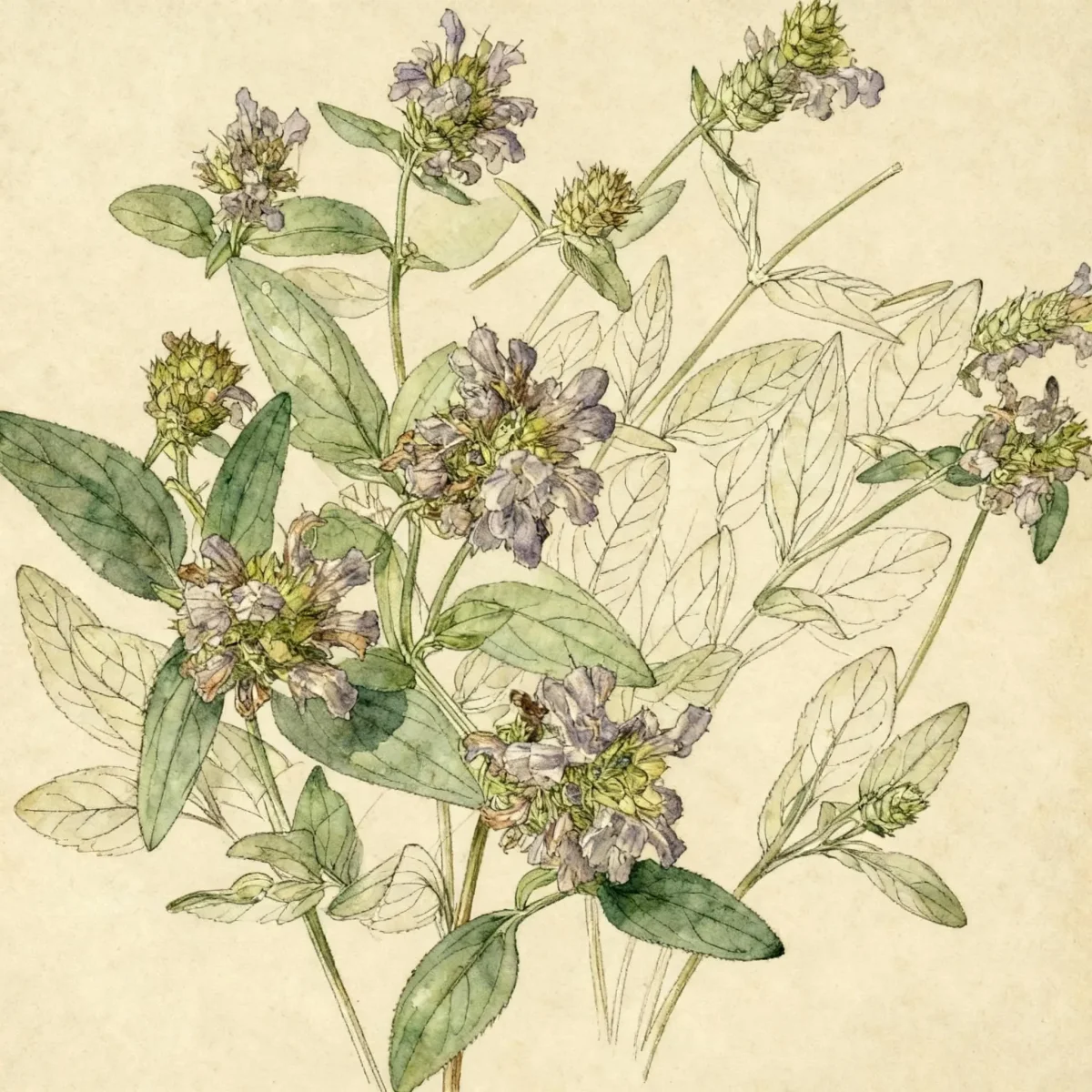
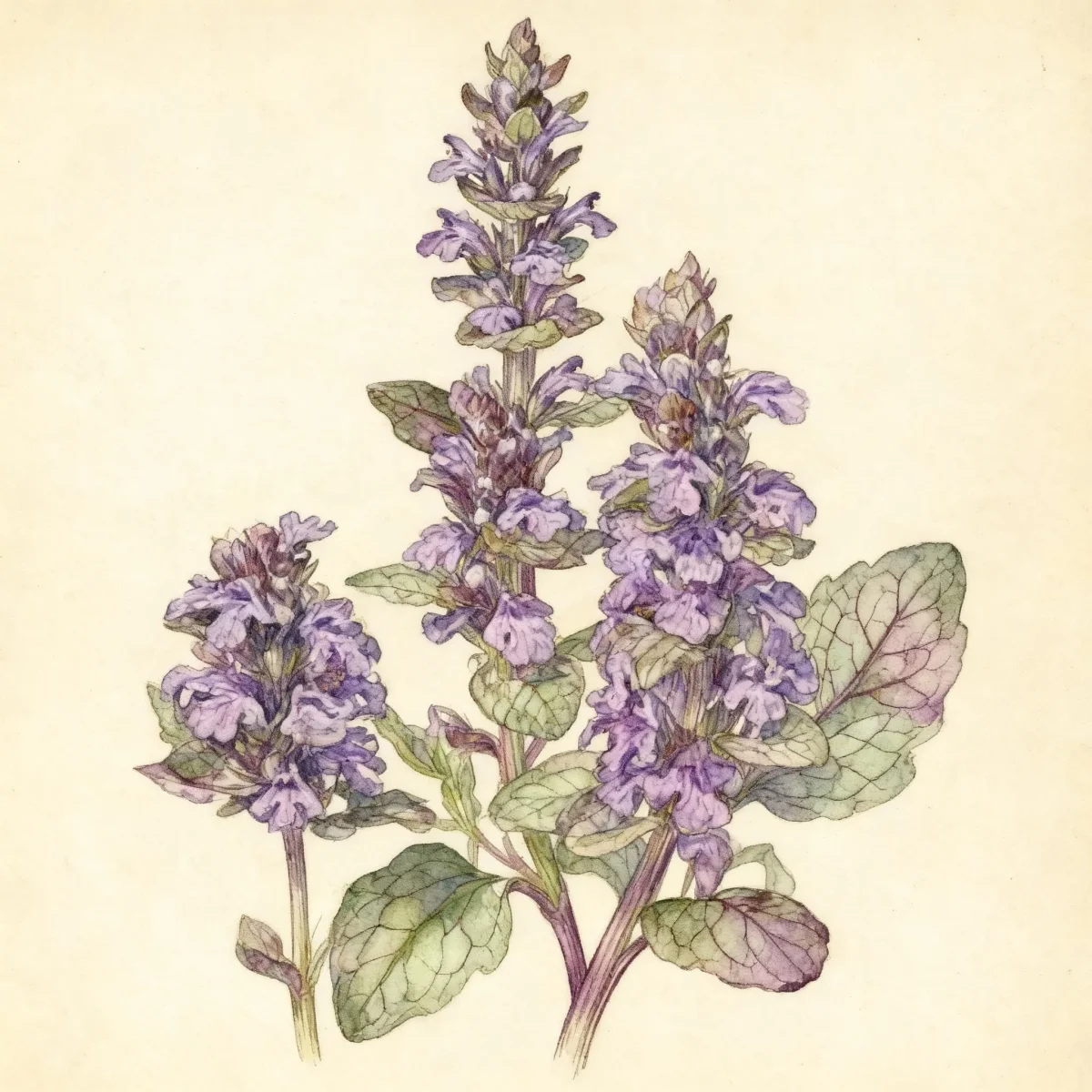
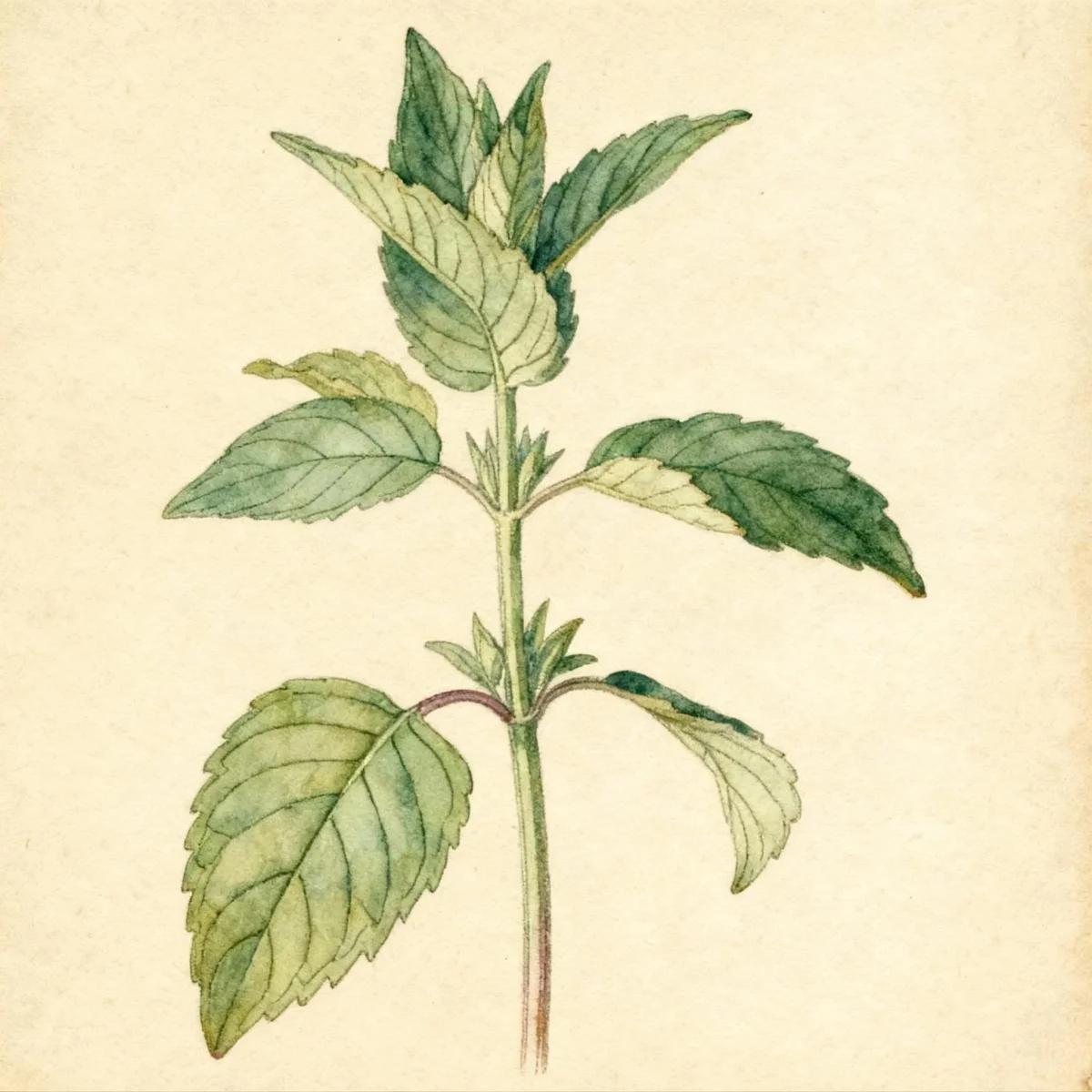
Hairy woodmint (Blephilia hirsuta)
Discover Blephilia hirsuta, the Hairy woodmint, featuring showy blue-purple blooms from May to September in Zones 4-8.
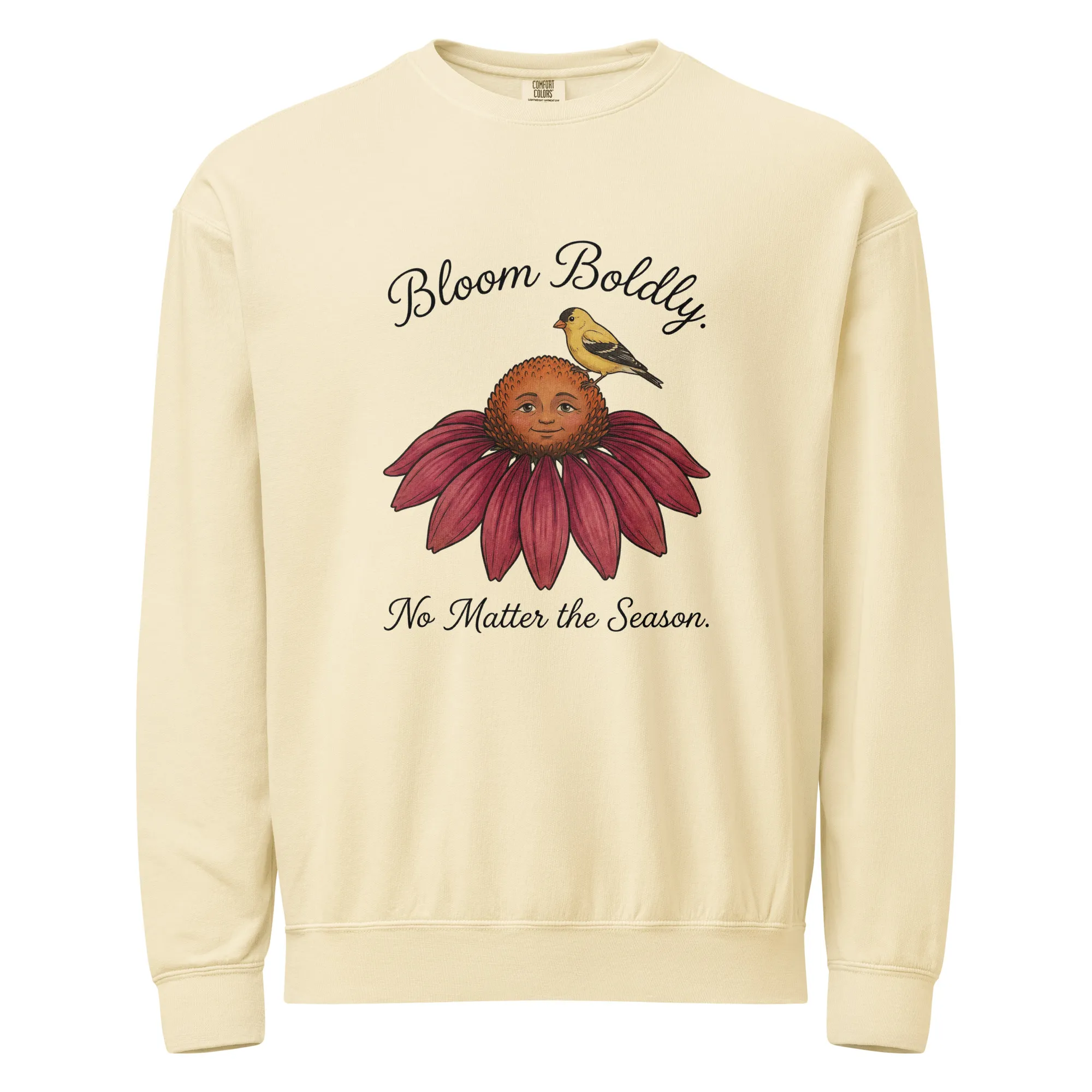
Bloom Boldly, No Matter the Season - Sweatshirt
Cozy organic cotton sweatshirt featuring our exclusive Purple Coneflower design. Perfect for gardeners who bloom year-round.
Inspired by the beautiful Hairy woodmint
Limited first batch (50) — join the waitlist for early access
Waitlist closes Feb 15, 2026.
Complete Plant Information
Field Guide Continues
Ready for care notes, companion picks, and planting tips?
The map is just the start. The full guide below covers growth habits, seasonal performance, and landscape uses.
Overview
Blephilia hirsuta, widely known as Hairy woodmint, is a distinctive North American native celebrated for its tiered structures of blue to purple flowers. This clump-forming perennial brings vertical interest and color to native plant gardens throughout the summer months. Its specific epithet, hirsuta, aptly describes the hairy stems and leaves that set it apart from close relatives.
Growing reliably in the Eastern and northcentral United States, the Hairy woodmint offers superb late-spring to mid-summer color. It is a valuable addition for gardeners looking to introduce robust, low-maintenance flora that meets ecological needs in partial sun environments. The unique arrangement of flowers in whorled clusters along an interrupted spike provides excellent texture.
While sometimes confused with culinary mints, the foliage of Blephilia hirsuta is generally considered lacking the necessary flavor profile for kitchen use. Instead, its primary value lies in its aesthetic appeal and its role within a naturalized garden setting, presenting a reliable mid-story habitat element.
Fast Facts
- Plant Family: Lamiaceae
- Plant Type: Herbaceous perennial
- Native Range: Eastern and northcentral United States
- Hardiness Zones: USDA Zones 4-8
- Size at Maturity:
- Height: “1-2.5 ft”
- Spread: “0.75-1.5 ft”
- Bloom Time: May to September
- Bloom Description: Blue, purple
- Sun Exposure: Full sun to part shade
- Water Needs: Medium
- Maintenance Level: Medium
How to Grow
Planting Blephilia hirsuta is best achieved in the spring or fall, allowing it to establish roots before facing summer heat or winter dormancy. The critical growing requirement for this plant is high-quality soil; ensure it is well-drained and holds medium moisture levels consistently. While it tolerates full sun, a location receiving part shade will help prevent excessive stress, especially in hotter climates.
Routine care for Hairy woodmint is generally straightforward, falling into the medium maintenance category. Water thoroughly when the top inch of soil feels dry, ensuring the soil never becomes waterlogged, which can lead to root issues. Fertilization is rarely necessary if the native soil conditions are reasonably fertile.
Pruning largely involves management toward the end of the season. If the foliage becomes tattered or unkempt by late summer, cutting back the spent stems will tidy the appearance for winter. Being a Missouri native, Blephilia hirsuta appreciates conditions mimicking rich, moist woods, though it adapts well to average garden beds if drainage is maintained.
Landscape Uses
The aesthetic appeal of Blephilia hirsuta makes it an excellent choice for naturalized plantings. It performs exceptionally well in wild gardens or open woodland settings where its clump-forming habit can expand without restriction. The tiered flower spikes provide a vertical accent among lower-growing groundcovers.
Consider using Hairy woodmint in native plant borders where you wish to mix structure with pollinator interest. It pairs beautifully with other moisture-loving woodland edge perennials that share similar sun requirements, such as ferns or native woodland phlox. Its slightly hairy texture also contrasts nicely with broad-leafed companions.
When incorporating Blephilia hirsuta, remember its preference for medium moisture. Groupings work best, showcasing the beautiful whorled flower clusters while allowing the medium maintenance needs to be met uniformly across the grouping.
Standout Features
Flower Qualities
- Showy
Noteworthy Characteristics
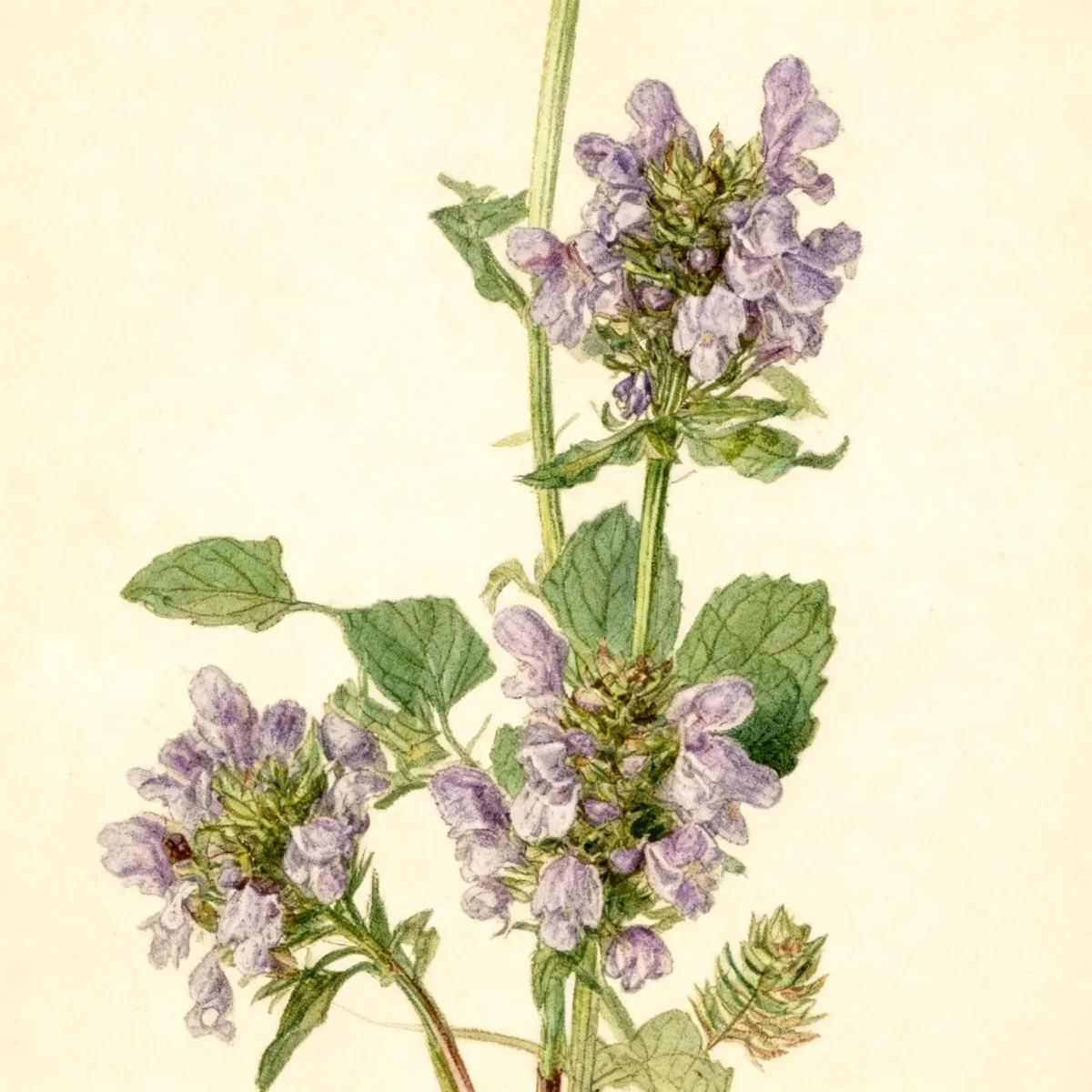
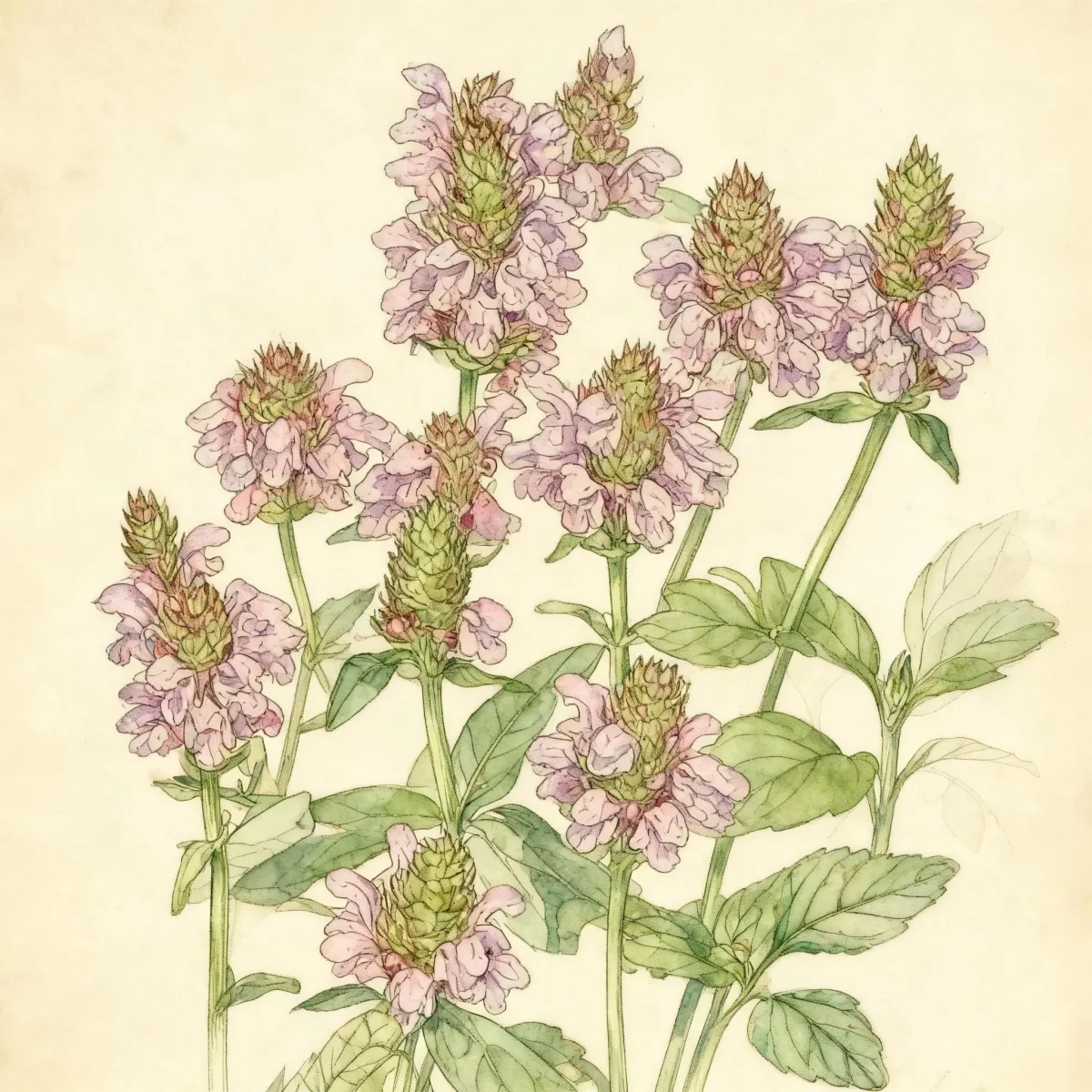
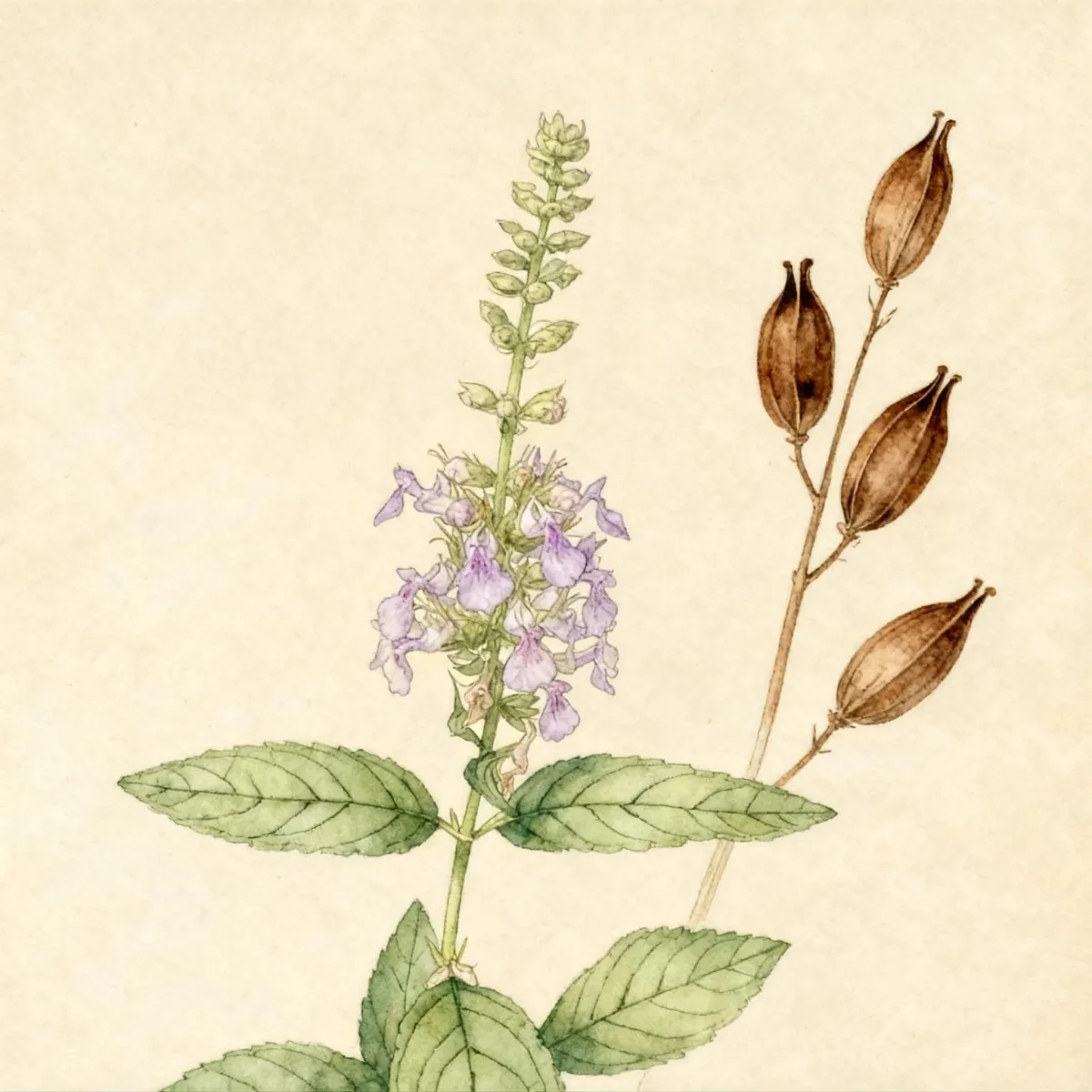
Blephilia hirsuta, commonly called wood mint, is a Missouri native perennial which occurs in rich, moist, shady woods, slopes and valleys throughout the State in a scattering of counties. A clump-forming, mint family member that features square stems rising to 30” tall. Blue-purple, two-lipped flowers appear in late spring to mid-summer in several tiered, whorled, globular clusters in an interrupted terminal spike, with each cluster being subtended by (resting upon) a whorl of fringed bracts. Stems and leaves are hairy (hirsuta in Latin means hairy), and the genus name refers to the fringed bracts.
Tolerances
- Susceptible to powdery mildew.
Potential Problems
The primary cosmetic concern for Blephilia hirsuta is its susceptibility to powdery mildew, especially in humid conditions or when air circulation is poor. To mitigate this, ensure adequate spacing between plants during establishment. When siting the Hairy woodmint, avoid densely shaded, stagnant areas.
Additionally, the foliage is often targeted by general garden insects, which can leave the leaves looking nibbled and tattered by late summer. While this typically doesn’t jeopardize the plant’s health, it affects its appearance. If cosmetic perfection is required, gardeners must accept the medium maintenance involved in keeping the foliage immaculate or simply cut back the damaged parts post-bloom.
Frequently Asked Questions
What hardiness zones is Hairy woodmint suitable for?
Blephilia hirsuta is reliably hardy across USDA Zones 4 through 8.
How large does Blephilia hirsuta grow?
This herbaceous perennial typically reaches a height between 1 to 2.5 feet and spreads to a width of 0.75 to 1.5 feet.
What sun exposure does Hairy woodmint need?
Aim for conditions ranging from full sun to partial shade for optimal performance of Blephilia hirsuta.
When does Hairy woodmint bloom?
Bloom time spans from May through September, presenting striking blue and purple flowers.
Conclusion
The Blephilia hirsuta, or Hairy woodmint, offers gardeners a unique texture and reliable summer color, especially valuable within native or woodland-style gardens. Its structure, featuring hairy stems and tiered flower whorls, provides significant visual interest that distinguishes it from other Lamiaceae family members. Before planting, assess your site conditions to ensure adequate moisture and appropriate light levels for successful establishment of this attractive perennial.
Companion Planting
When designing a garden utilizing Blephilia hirsuta, focus on companions that thrive in medium moisture and partial shade. Native geraniums (Geranium maculatum) or woodland sedges provide excellent, low-growing texture that contrasts nicely with the mint’s upright habit. Pairing it with plants that bloom earlier or later in the season ensures continuous visual interest throughout the growing year.
Consider the height profile; since Hairy woodmint averages 1 to 2.5 feet, position shorter accent plants in front and taller, structural plants like certain native grasses or taller woodland asters behind it. This layering maximizes the visual impact of the tiered flowering habit of the Blephilia hirsuta.
Design Ideas
For a truly naturalized look, incorporate Hairy woodmint into a rain garden margin or along a moist woodland edge. Allow it to intermingle with native ferns that appreciate similar soil conditions but offer different foliage shapes. This relaxed approach embraces the plant’s native environment and minimizes intensive late-season cleanup.
In smaller or more contemporary native borders, plant Blephilia hirsuta in repeating drifts to emphasize its clump-forming nature. Even a small grouping provides enough verticality to break up flatter plantings, drawing the eye upward toward its distinctive whorled inflorescence.