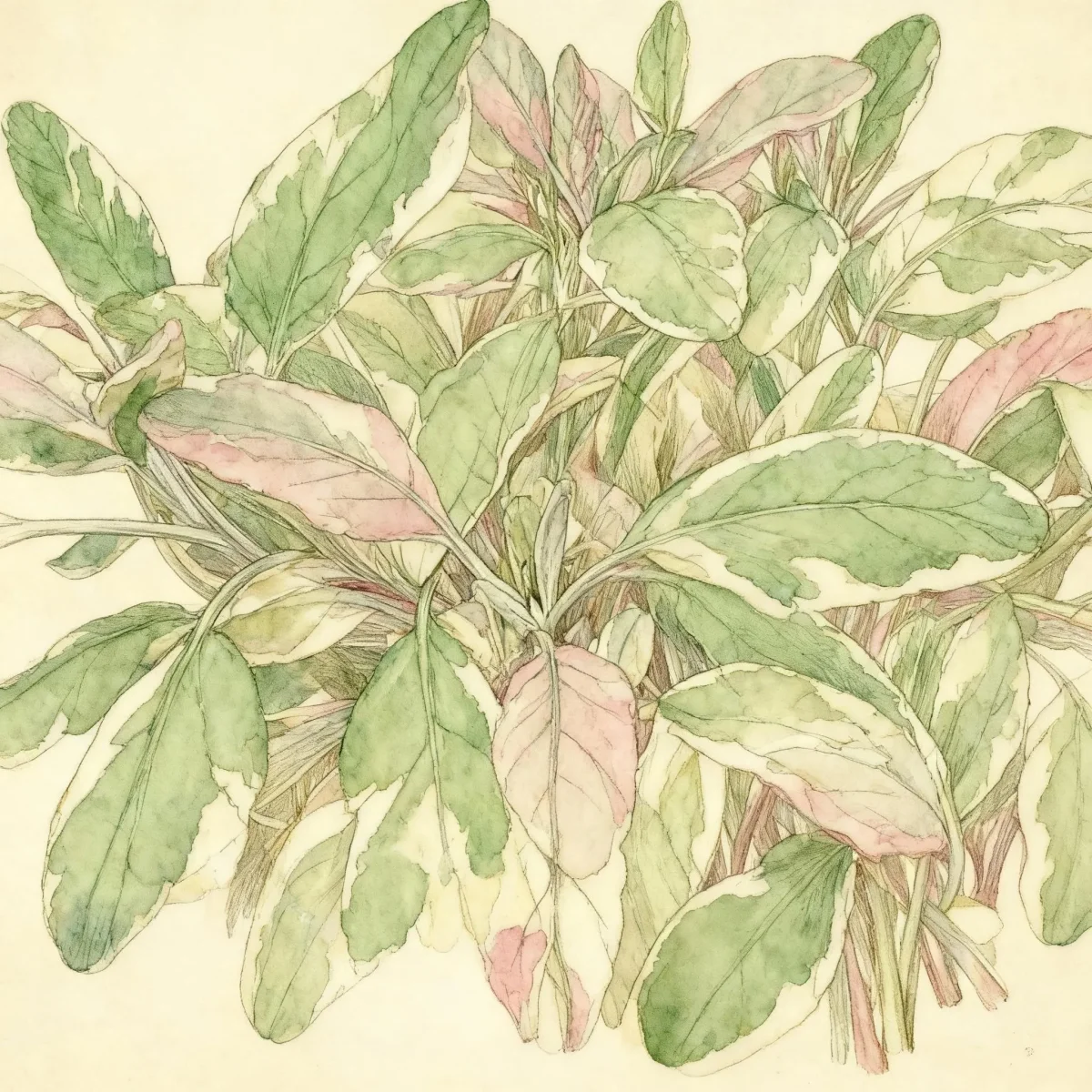
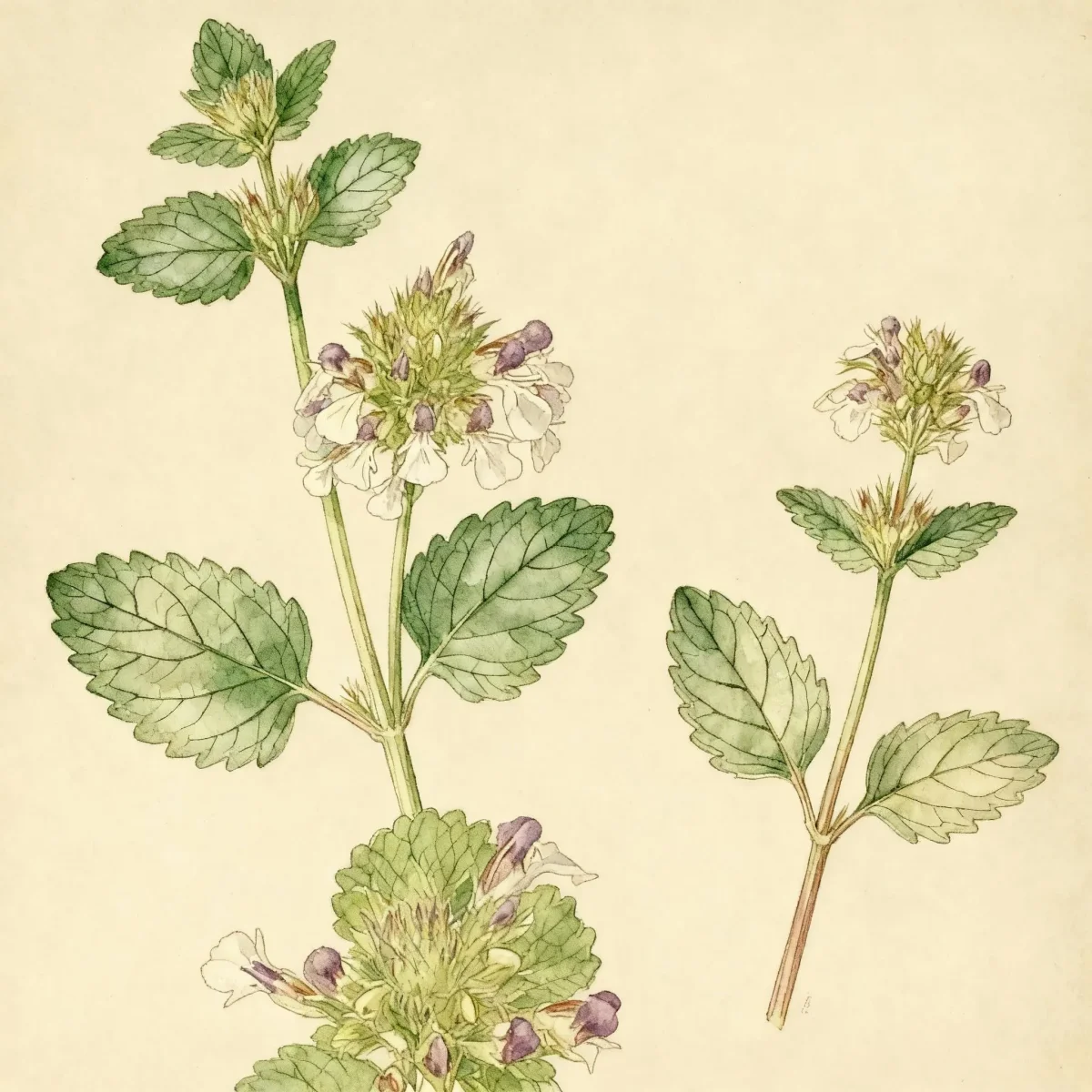
Germander (Teucrium pyrenaicum)
Discover Teucrium pyrenaicum (Germander), a low-growing perennial for rock gardens needing full sun and dry, well-drained soil.

Bloom Boldly, No Matter the Season - Sweatshirt
Cozy organic cotton sweatshirt featuring our exclusive Purple Coneflower design. Perfect for gardeners who bloom year-round.
Inspired by the beautiful Germander
Limited first batch (50) — join the waitlist for early access
Waitlist closes Feb 15, 2026.
Complete Plant Information
Field Guide Continues
Ready for care notes, companion picks, and planting tips?
The map is just the start. The full guide below covers growth habits, seasonal performance, and landscape uses.
Overview
Teucrium pyrenaicum, commonly known as Germander, offers exceptional value as a low-profile, mat-forming ground cover perfect for dry, sunny locations in the garden. Native to the limestone soils of the Pyrenees Mountains, this species brings a touch of alpine resilience to temperate landscapes. Its fine texture and attractive bloom make it a standout choice where low maintenance and drought tolerance are priorities.
This herbaceous perennial forms a dense foliage mat, spreading slowly via trailing stems that root along the way, creating a neat carpet effect. While generally short, reaching under a foot in height, its spread is substantial enough to suppress weeds effectively once established, defining borders beautifully. The delicate flowers, appearing in late spring and early summer, provide soft color contrast against the small, light green foliage.
Gardeners seeking plants tough enough for rock gardens or severe drainage conditions will appreciate the low demands of Teucrium pyrenaicum. Ensure good drainage is paramount, as this Germander thrives when its roots are kept relatively dry, mimicking its native rocky habitat. Its deer and drought resistance further cements its reputation as a reliable, attractive perennial for challenging sites.
Fast Facts
- Plant Family: Lamiaceae
- Plant Type: Herbaceous perennial
- Native Range: France, Spain
- Hardiness Zones: USDA Zones 6-9
- Size at Maturity:
- Height: 0.25-1 ft
- Spread: 0.5-0.75 ft
- Bloom Time: May to June
- Bloom Description: Lavender and cream
- Sun Exposure: Full sun
- Water Needs: Dry to medium
- Maintenance Level: Medium
How to Grow
Plant Teucrium pyrenaicum during the spring or fall once all danger of hard frost has passed. Location selection is critical; this Germander requires full sun exposure to maintain compact form and achieve optimal blooming. In terms of soil, aim for average to somewhat gritty substrates that drain exceptionally well. This plant tolerates poor soils but absolutely demands sharp drainage; heavy, wet clay will lead to failure.
Watering should be judicious, adhering strictly to dry to medium moisture levels. Overwatering is the primary cultural mistake gardeners make with this Mediterranean native. Once established, Teucrium pyrenaicum exhibits good drought tolerance, making it ideal for xeriscaping or sunny banks. Fertilization is generally unnecessary; rich soil encourages floppiness rather than dense growth.
Maintenance for this Geramnder is generally light. Pruning is minimal, usually involving a light trim after the main flush of bloom in early summer to encourage a tidier shape, though it is not strictly required. Note that in borderline hardiness zones, particularly those experiencing severe winter dampness like the St. Louis area mentioned in its culture notes, providing winter protection or ensuring the area is sheltered from excessive moisture can prevent winter injury.
Landscape Uses
The low, spreading habit of Teucrium pyrenaicum makes it an excellent candidate for small-scale ground cover applications. It excels when planted along border fronts or pathways where its fine texture contrasts nicely with coarser foliage plants. Its use in rock gardens is highly recommended, as the gritty, well-drained environment mimics its preference for limestone soils in France and Spain.
As a naturalizing element, this Germander works well cascading over low retaining walls or softening the sharp edges of stone steps. Because it forms a dense mat, it helps suppress unwanted weed growth once fully spread at 4-8 inches wide. Consider pairing the lavender and cream flowers of this Germander with silver foliage, grey-leaved artemisias, or low-growing sedums for a cohesive, drought-tolerant Mediterranean planting scheme.
Standout Features
Flower Qualities
- Showy
Noteworthy Characteristics
Teucrium pyrenaicum, commonly called germander, is native to the Pyrenees Mountains where it primarily occurs in limestone soils. It is a low-growing, woody-based, herbaceous perennial or shrublet which typically grows to 3-10” tall but spreads by trailing stems which root as they go to form a foliage mat 4-8” wide. Whorls of 2-lipped, lavender and cream flowers (typical mint family) appear in terminal clusters on upright flowering stems (to 10” tall) in late spring to early summer.
Tolerances
- Deer
- Drought
Potential Problems
Teucrium pyrenaicum generally enjoys a clean bill of health regarding pests and diseases, lacking serious insect or disease problems under proper growing conditions. The most significant threat encountered by this Germander is related to climate incompatibility, specifically winter injury. In areas experiencing prolonged cold combined with damp, poorly drained soil, winter dieback can occur, making the plant unreliable in certain regions.
To mitigate winter issues, focus entirely on drainage improvement before planting, especially if overwintering in marginal zones. Planting on a slight mound or incorporating coarse grit into the planting bed ensures excess moisture moves away from the crown quickly during thaw cycles. Avoid heavy mulching directly over the crowns in winter, as this traps moisture and increases the risk of rot.
Frequently Asked Questions
What hardiness zones is Germander suitable for?
Teucrium pyrenaicum is recommended for USDA Hardiness Zones 6 through 9.
How large does Germander grow?
This small perennial typically reaches heights between 0.25 and 1 foot, spreading to a width of 0.5 to 0.75 feet.
When does Teucrium pyrenaicum bloom?
The plant blooms reliably from May to June, offering attractive lavender and cream flowers above the basal foliage mat.
What sun exposure does Teucrium pyrenaicum need?
For best performance and compact growth, Teucrium pyrenaicum requires full sun.
Conclusion
The Pyrenean Germander delivers a beautiful, low-maintenance solution for sunny, dry borders and xeriscape projects. Its ability to tolerate poor soils and resist deer browsing, combined with its attractive lavender blooms, makes Teucrium pyrenaicum a valuable asset in the landscape palette. Before planting this resilient Germander, confirm your site provides sharp drainage and suitable hardiness zone conditions.
Companion Planting
Selecting appropriate companions ensures that Teucrium pyrenaicum thrives alongside plants sharing its demanding cultural needs. Group this Germander with other Mediterranean or rock garden inhabitants that also favor intense sun and dry conditions. Good partners include many varieties of Thyme (Thymus species), Lavender (Lavandula), and low-growing Sedums. These plants share the preference for gritty soil and actively compete poorly in moist environments, maintaining the dry microclimate that encourages dense growth in the Germander.
Propagation Tips
While Teucrium pyrenaicum spreads slowly on its own by rooting stems, faster multiplication can be achieved through semi-hardwood cuttings taken during mid-summer. Cuttings rooted in a grit-based, well-draining medium placed in gentle bottom heat often establish quickly. Alternatively, dividing larger clumps in early spring before new growth initiates is an effective method for renewing older plants or increasing stock rapidly, ensuring each division has healthy roots and portions of the woody base.