

Wild garlic (Allium ursinum)
Discover Wild garlic (Allium ursinum): a low-maintenance, woodland bulb with edible white spring flowers and pungent leaves.

Bloom Boldly, No Matter the Season - Sweatshirt
Cozy organic cotton sweatshirt featuring our exclusive Purple Coneflower design. Perfect for gardeners who bloom year-round.
Inspired by the beautiful Wild garlic
Limited first batch (50) — join the waitlist for early access
Waitlist closes Feb 15, 2026.
Complete Plant Information
Field Guide Continues
Ready for care notes, companion picks, and planting tips?
The map is just the start. The full guide below covers growth habits, seasonal performance, and landscape uses.
Overview
Wild garlic, scientifically known as Allium ursinum, is a highly valuable bulbous perennial prized for its early springtime display and strongly aromatic foliage. Native to damp, shaded woodlands across Europe, this plant offers both aesthetic appeal and culinary utility, as both the leaves and bulbs are edible. Gardeners appreciate Allium ursinum for its resilience and its tendency to form beautiful, low-growing carpets in suitable environments.
This woodland species thrives when given rich, moisture-retentive soil, though it remains relatively easy to care for, requiring low maintenance once established. It is important to note that Allium ursinum spreads vigorously via rhizomes and self-seeding, making it perfect for naturalizing but potentially problematic in manicured borders.
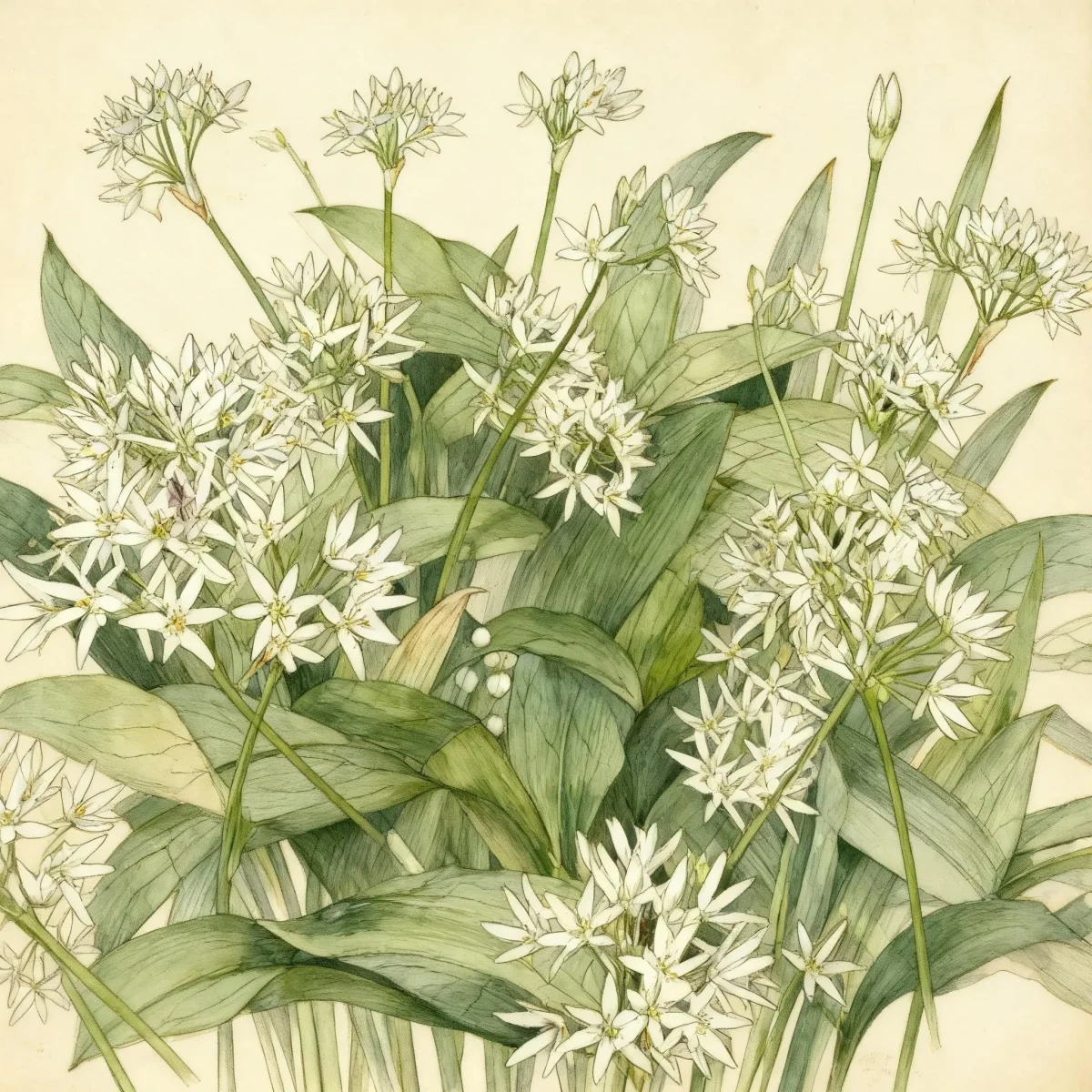
The striking feature of wild garlic is the delicate, star-shaped white flowers appearing in spring, contrasting with the deep green, lily-of-the-valley-like basal leaves. Bruising these leaves releases a sharp, unmistakable garlic scent, warning—or informing—gardeners of its presence and confirming its identity as wild garlic.
Fast Facts
- Plant Family: Amaryllidaceae
- Plant Type: Bulb
- Native Range: Europe, European Russia
- Hardiness Zones: USDA Zones 5-9
- Size at Maturity:
- Height: 0.5-1 ft
- Spread: 0.5-1 ft
- Bloom Time: April to June
- Bloom Description: White
- Sun Exposure: Full sun to part shade
- Water Needs: Medium
- Maintenance Level: Low
How to Grow
Plant Allium ursinum bulbs in the autumn, before the ground freezes, ensuring they are positioned in locations that mimic their native woodland habitat. The ideal soil is rich, moist, and well-drained loam. While it tolerates full sun, this woodland plant truly excels in partial shade, benefiting from the filtered light beneath deciduous trees. If your native soil is heavy clay, amend it heavily with sand to ensure adequate drainage, as wet feet can lead to bulb rot.
Maintenance for wild garlic is generally minimal. Water consistently throughout the growing season to maintain medium moisture levels, particularly while the leaves are actively growing in late winter and spring. Fertilization is rarely necessary if the soil is rich; however, a light application of compost in autumn can help sustain large colonies. Pruning is generally limited to removing spent foliage after the leaves have fully yellowed and died back naturally in mid-summer.
Seasonal management focuses on embracing its aggressive nature. Allow the plant to naturalize freely in designated woodland areas; its rapid spread via rhizomes should be expected and planned for. Deadheading the flowers before they set seed may slightly limit its spread, but the foliage will naturally die back completely by mid-summer, going dormant until the following late winter.
Landscape Uses
The primary suggested use for wild garlic is in naturalized settings where its vigorous spreading habit can be celebrated rather than suppressed. It forms spectacular, temporary drifts of white flowers across the woodland floor in spring, providing stunning visual impact before many other perennials emerge. This characteristic makes Allium ursinum a perfect underplanting for mature trees or large shrubs.
While it is highly ornamental as a colony, gardeners must be cautious when placing Allium ursinum near formal borders or vegetable patches. Its tendency to spread invasively via rhizomes means it can easily outcompete less vigorous, desired border plants. Consider planting it in contained areas or where its sharp, edible foliage can be easily harvested without risk of unwanted invasion.
For culinary gardeners, establishing patches of wild garlic near the kitchen door allows for easy access to the leaves when they are at their peak flavor, before flowering commences. Use it to create a natural, textural edge within partially shaded landscape beds that benefit from seasonal ground cover.
Standout Features
Flower Qualities
- Showy
Noteworthy Characteristics
Allium ursinum, commonly called wild garlic or ramsons, is a bulbous perennial that is native to damp shaded woods in Europe and northern Asia. It produces small rounded bulbs on branched rhizomes. Each year, leaves appear in late winter, flowers bloom in spring, and seeds mature by mid-summer at which point the plants die back and go dormant until the following late winter. Each plant bears 2-3 distinctive, elliptic, linear, deep green basal leaves somewhat reminiscent of the leaves of lily-of-the-valley. If bruised or crushed, the foliage emits a strong onion/garlic-like aroma.
Tolerances
- Drought
Potential Problems
Fortunately, Allium ursinum generally faces few serious problems from insects or diseases, contributing to its low maintenance profile. The main risk comes from cultural issues, specifically bulb rot, which occurs if the soil retains excessive moisture, especially during dormancy. To prevent this, ensure excellent drainage through soil amendment. Occasionally, mildew, rust, or minor leaf spots may appear, often correlating with overly humid conditions or poor air circulation in dense groupings.
Frequently Asked Questions
What hardiness zones is Wild garlic suitable for?
Allium ursinum is reliably hardy across USDA Zones 5 through 9.
How large does Wild garlic grow?
This plant reaches a modest height between 0.5 and 1 foot tall, spreading to a similar width of 0.5 to 1 foot when establishing its colonies.
What sun exposure does Allium ursinum need?
While it can tolerate full sun, Allium ursinum performs best in partial shade, mimicking its natural forest floor habitat.
When does Wild garlic bloom?
Wild garlic produces its white, star-shaped flowers primarily from April through June.
Conclusion
Allium ursinum offers a unique combination of early spring beauty and functional edibility, making it a charming addition to any landscape where its needs for moist, rich soil are met. The vigorous nature of wild garlic ensures a stunning return year after year, provided you plan landscaping around its spreading habits. Before planting, review your USDA hardiness zone compatibility and ensure you have an area suitable for naturalization to best enjoy this classic European woodland plant.
Companion Planting
When planning garden companions for wild garlic, focus on plants that share its preference for rich soil and significant moisture during the spring months, but which will not be overwhelmed once Allium ursinum dies back in summer. Deciduous trees are ideal canopy providers, offering dappled light during active growth and full sun during winter dormancy. Woodland perennials like Hellebores (Lenten Rose) complement the bloom schedule and texture nicely.
For ground cover companions that can tolerate the intense shade Allium ursinum creates during summer dormancy, consider shade-loving ferns or hostas that emerge later in the season. The goal is ecological layering; the bulbs provide early interest, followed by shade-tolerant perennials filling in the mid-to-late season void left when the wild garlic foliage vanishes.
Propagation Tips
The most common and successful method for propagating Allium ursinum is through division of the bulbs, though natural spread via self-seeding is also significant. If you wish to actively divide and relocate colonies, the best time is late summer immediately after the foliage has died back and the small bulbs are beginning to rest. Carefully dig up small clumps, resisting the urge to disturb dormant bulbs too deeply.
When planting divisions, ensure each segment has its small bulb intact. These bulbs should be reset shallowly, mimicking their natural depth, requiring rich, damp soil to re-establish quickly. While viable seeds are produced, germination can be irregular, making bulb division the more reliable method for gardeners looking to intentionally spread or control the location of their wild garlic patches.


