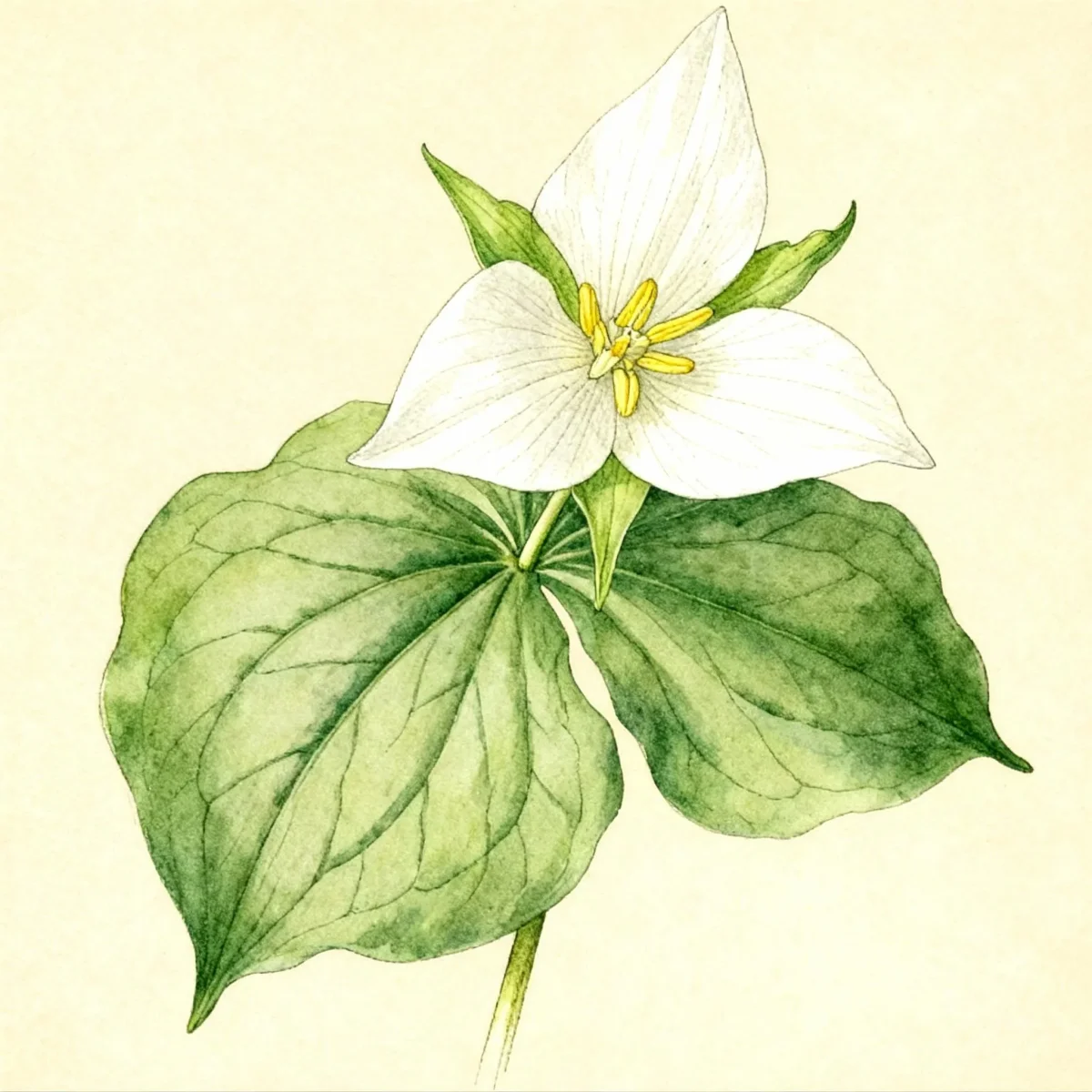
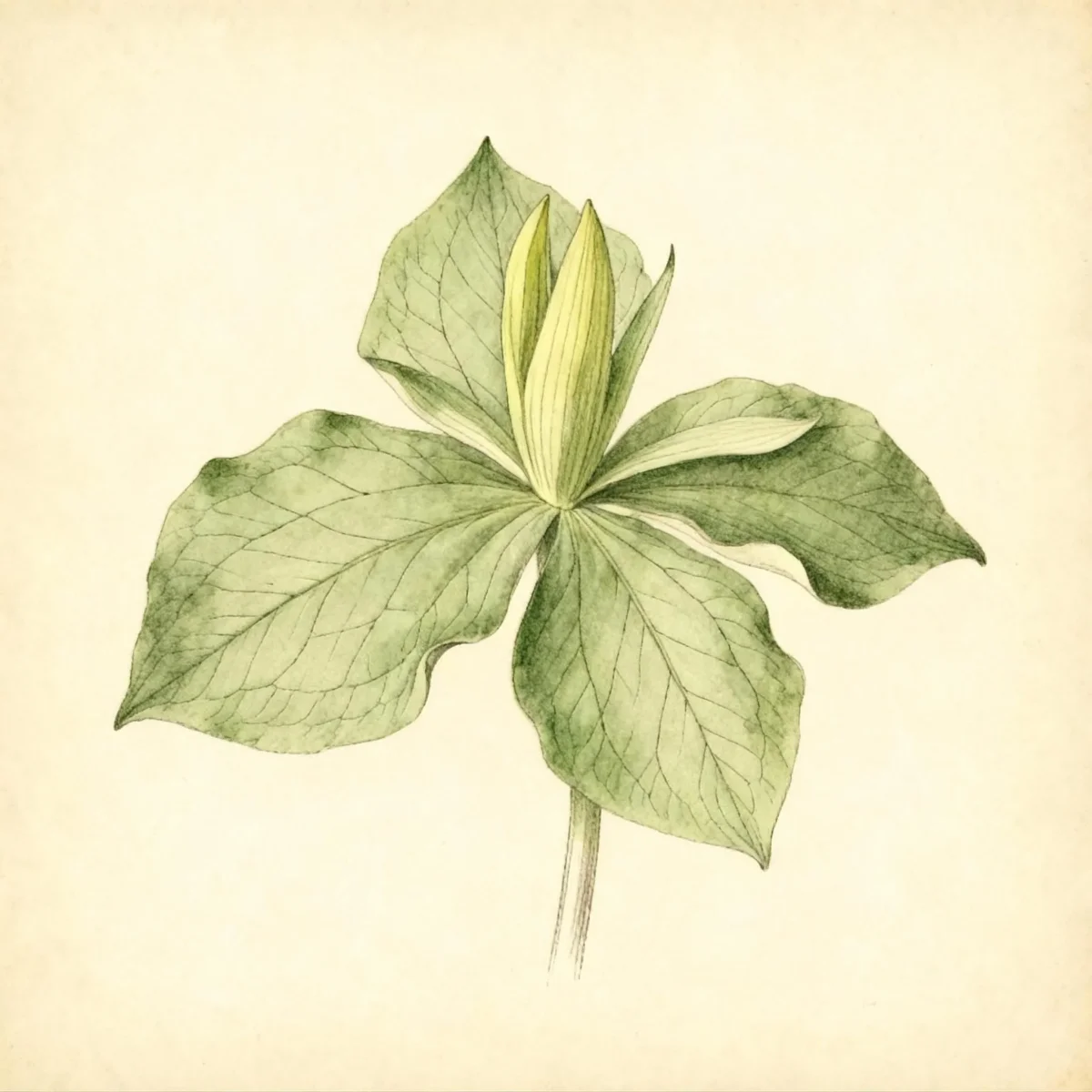
Prairie wake robin (Trillium recurvatum)
Discover Trillium recurvatum, the Prairie wake robin, a graceful spring woodland native thriving in shade and rich, moist soil zones 4-9.


Bloom Boldly, No Matter the Season - Sweatshirt
Cozy organic cotton sweatshirt featuring our exclusive Purple Coneflower design. Perfect for gardeners who bloom year-round.
Inspired by the beautiful Prairie wake robin
Limited first batch (50) — join the waitlist for early access
Waitlist closes Feb 15, 2026.
Complete Plant Information
Field Guide Continues
Ready for care notes, companion picks, and planting tips?
The map is just the start. The full guide below covers growth habits, seasonal performance, and landscape uses.
Overview
The Prairie wake robin, botanically known as Trillium recurvatum, is a simple yet utterly graceful woodland perennial highly valued for ushering in the spring ephemeral display. This eastern US native features striking whorls of three mottled bracts below a nodding, brownish-purple flower, making it an essential component of any shaded woodland garden design. Growing slowly from thick rhizomes, the Trillium recurvatum establishes itself over time, rewarding patient gardeners with its unique structure.
This herbaceous perennial reaches modest heights, typically between one and 1.5 feet tall, presenting a charming, uncluttered aesthetic amidst ferns and spring bulbs. While its blooms are not highly fragrant, their unusual color and the plant’s signature tripartite structure—leaves, petals, and sepals all in threes—ensure it captures attention early in the season. Proper placement is key, as this species demands rich, humusy conditions similar to those found on the forest floor where the Prairie wake robin naturally proliferates.
If you seek authentic atmosphere in a shaded corner of your property, the slow-spreading nature of Trillium recurvatum makes it perfect for naturalizing. It requires consistent medium moisture but fades quickly once mid-summer heat arrives, dying back to the ground until the following spring. Cultivating the lovely Prairie wake robin successfully means honoring its need for cool, moist, shaded environments.
Fast Facts
- Plant Family: Melanthiaceae
- Plant Type: Herbaceous perennial
- Native Range: Eastern United States
- Hardiness Zones: USDA Zones 4-9
- Size at Maturity:
- Height: 1-1.5 ft
- Spread: 0.75-1 ft
- Bloom Time: April to May
- Bloom Description: Purple to brownish purple
- Sun Exposure: Part shade to full shade
- Water Needs: Medium
- Maintenance Level: Medium
How to Grow
Planting the Trillium recurvatum should occur in the fall, allowing the rhizome to settle before the spring growing season begins. Success hinges on mimicking its native environment: choose a location offering rich, humusy soil that remains medium moist and drains exceptionally well. Avoid heavy clay or areas prone to drying out entirely, as this causes the foliage to recede prematurely.
Care requires consistency, especially regarding water. Trillium recurvatum needs regular watering throughout its active spring growth period to maintain soil moisture levels. Fertilization is generally unnecessary if the soil is rich in organic matter; annual top-dressing with compost or leaf mold provides sufficient nutrition. Avoid disturbing the clump, as this rhizomatous plant does not transplant well and is notoriously slow to establish from seed.
Once the foliage begins to yellow and die back by mid-summer, cease watering the area, simulating the drying period typical of woodland understories. Winter prep involves little more than ensuring a good insulating layer of leaf litter is present to protect the dormant rhizomes. Resist the temptation to dig or divide this species frequently; allow the clump of Prairie wake robin to spread gradually and undisturbed over many years.
Landscape Uses
The Trillium recurvatum is perfectly suited as a primary component in classic spring-blooming, shaded woodland gardens. Its architectural structure and early color offer definition when many other perennials are still dormant. It excels when massed, creating a sweeping, natural tapestry of mottled leaves and dark flowers across the woodland floor.
This species mixes exceptionally well with fine-textured companions typical of shaded environments, such as various native ferns, hepaticas, and early-blooming spring ephemerals like Bloodroot (Sanguinaria canadensis). These combinations enhance the naturalistic feel of the landscape. Because of its ephemeral nature—dying back completely in summer—it is not recommended for traditional perennial borders where year-round foliage display is expected. The Prairie wake robin truly shines in naturalized areas where it can be left alone to slowly colonize and mature.
Standout Features
Flower Qualities
- Showy
Noteworthy Characteristics
Trillium recurvatum is a simple, graceful perennial that is one of the most familiar and beloved of the spring woodland wildflowers. Leaves, petals and sepals all come in groups of three, defining the genus known as “triple lily.” This species, sometimes commonly called bloody butcher, features purple to brownish-purple, erect and clawed petals with three reflexed sepals, appearing stalkless atop the whorl of three mottled bracts. Since this is a rhizomatous plant that spreads slowly only when undisturbed, gardeners should focus on providing ideal soil and shade so the clump can develop naturally over time.
Tolerances
- Rhizomatous plant that is difficult to propagate from seed.
Potential Problems
This charming wildflower generally avoids serious insect or disease problems when grown in its preferred environment. The main cultural challenge involves relocation; this flower does not transplant well and gardeners should never dig or remove established specimens from the wild. Moving an established clump risks severe shock or death, so plan your woodland garden location carefully before planting your Prairie wake robin. Patience, combined with providing rich, well-drained, consistently moist soil in the shade, is the best preventative measure against distress.
Frequently Asked Questions
What hardiness zones is Prairie wake robin suitable for?
The ideal growing range for the Trillium recurvatum is USDA Zones 4 through 9, making it adaptable to a wide portion of the eastern United States.
How large does Trillium recurvatum grow?
This perennial typically reaches a height between 1 and 1.5 feet, spreading slowly to a width of 0.75 to 1 foot as its rhizomes advance.
What sun exposure does Trillium recurvatum need?
Trillium recurvatum thrives best under conditions of part shade to full shade, mimicking the dappled light found beneath a established forest canopy.
When does Prairie wake robin bloom?
You can expect the unique purple to brownish purple flowers of the Prairie wake robin to appear between April and May.
Conclusion
The Trillium recurvatum, or Prairie wake robin, offers indispensable structure and early-season interest to shaded gardens due to its signature tripartite form and unique flower color. By respecting its need for rich, consistently moist, well-drained soil in part shade, you ensure the continued health of this slow-spreading woodland native. Before planting, confirm your location falls within USDA Hardiness Zones 4-9 to guarantee long-term success for your Trillium recurvatum.
Companion Planting in Shade Gardens
When designing an area around your Trillium recurvatum, focus on plants that share its need for rich, moist, shady conditions and have a contrasting texture. Ferns are ideal partners; their delicate, airy fronds provide a soft backdrop that highlights the bold, clear lines of the Trillium’s three large leaves. Consider woodland ephemerals like spring beauty (Claytonia virginica) or trout lily (Erythronium americanum) whose foliage fades before the summer heat stresses the Prairie wake robin.
Another excellent strategy is mixing in shade-loving groundcovers that help maintain consistent root moisture without compacting the soil around the rhizomes. Wild ginger (Asarum canadense) or certain native sedges (Carex species) can knit the soil together. This approach ensures that the area containing your Trillium recurvatum remains cool, protected, and mimics a truly naturalized forest floor setting throughout the active growing season.
Seasonal Care Calendar
Spring is the critical period for the Trillium recurvatum. Ensure plants receive adequate water as soon as new growth emerges until the foliage begins to senesce in early summer. If you wish to encourage slow spreading, gently work in a thin layer of well-rotted leaf mold or compost around the base of the clump in early spring, avoiding direct contact with the central emerging shoot.
Once the foliage has completely died back by mid-summer, the plant is dormant and requires no further attention other than protection from disturbance. In autumn, resist the urge to heavily clean the area; letting old leaf litter remain provides a beneficial, natural mulch layer through winter. Winterizing is minimal; the rhizomes are well-protected if kept covered with organic matter. Never treat this area with harsh chemicals or heavy foot traffic.