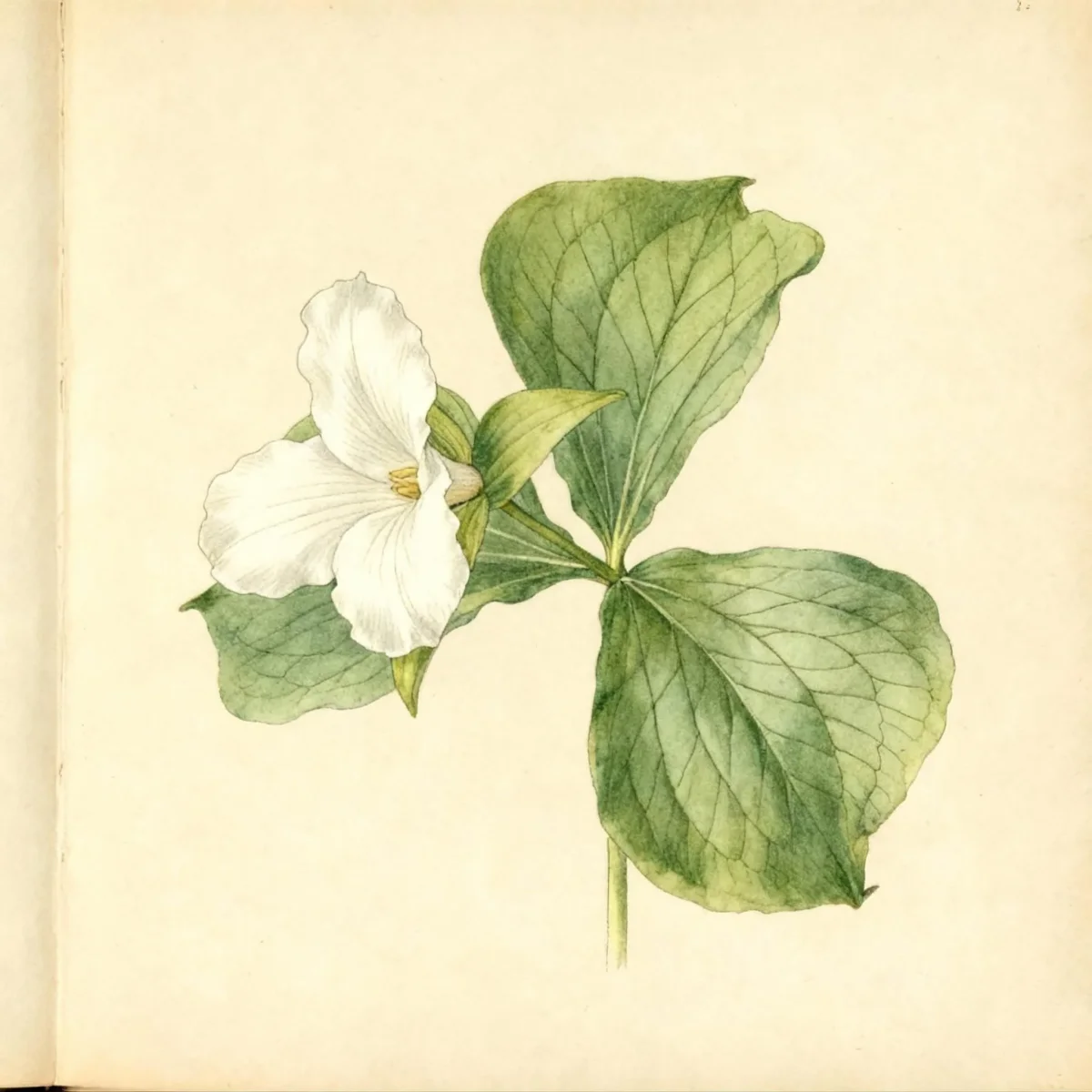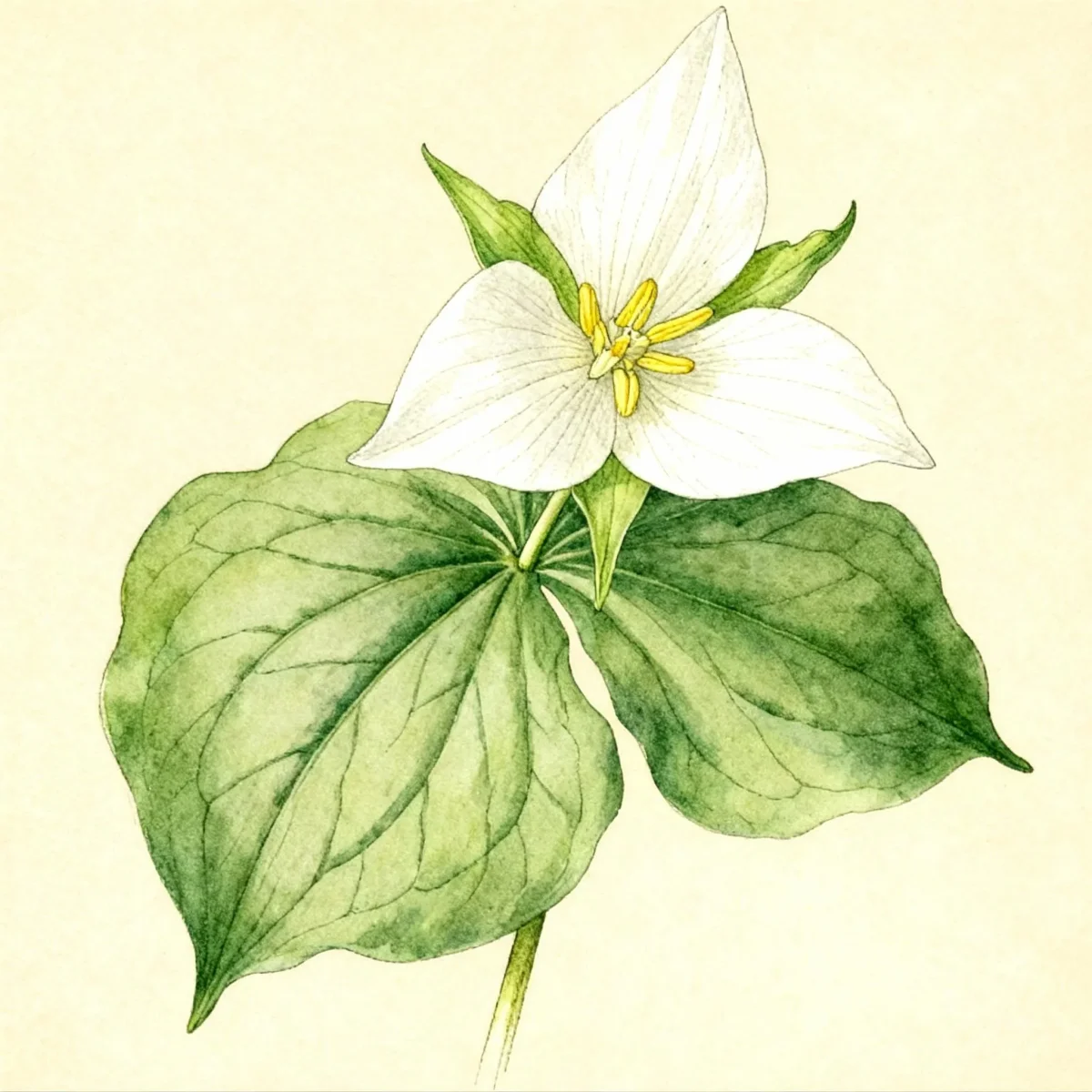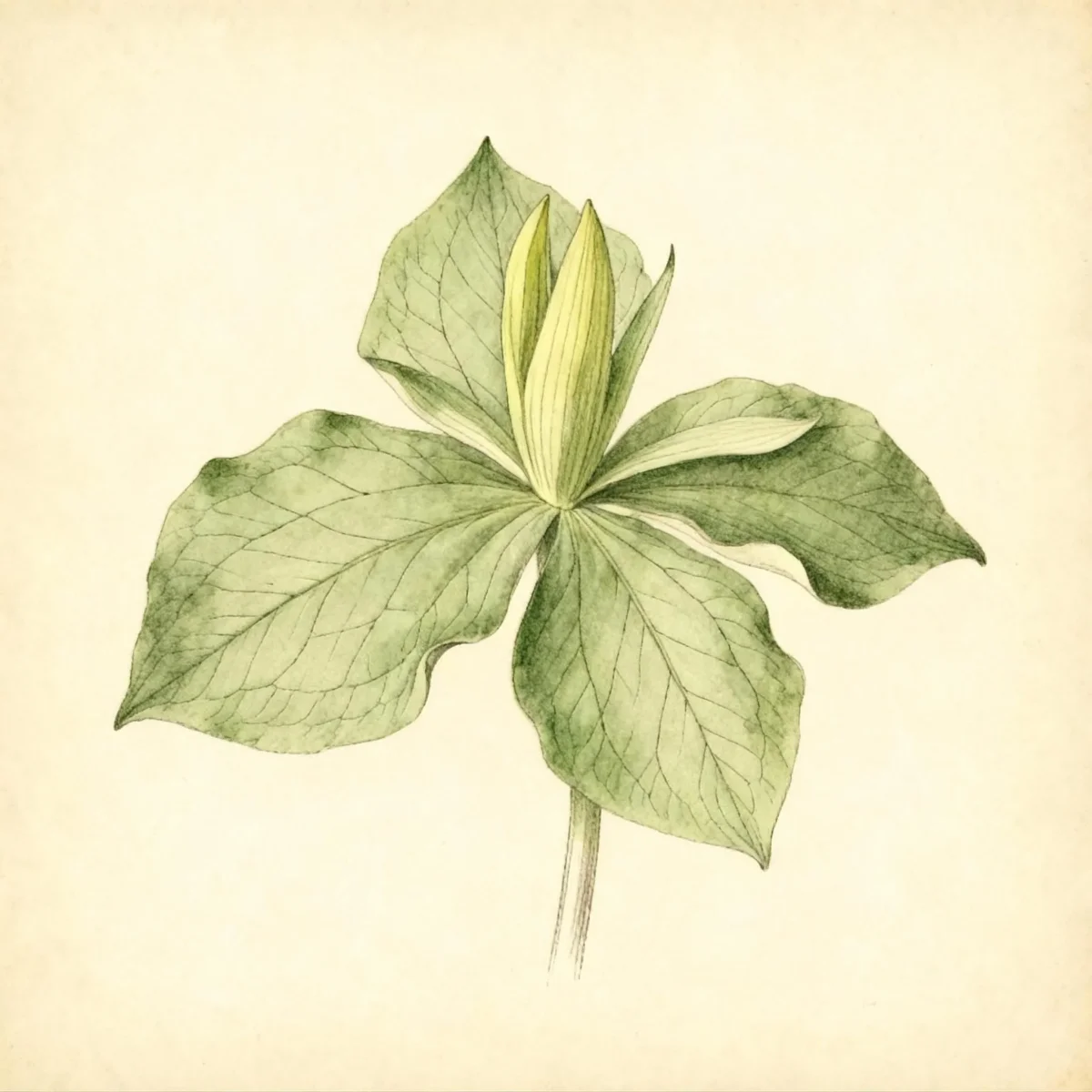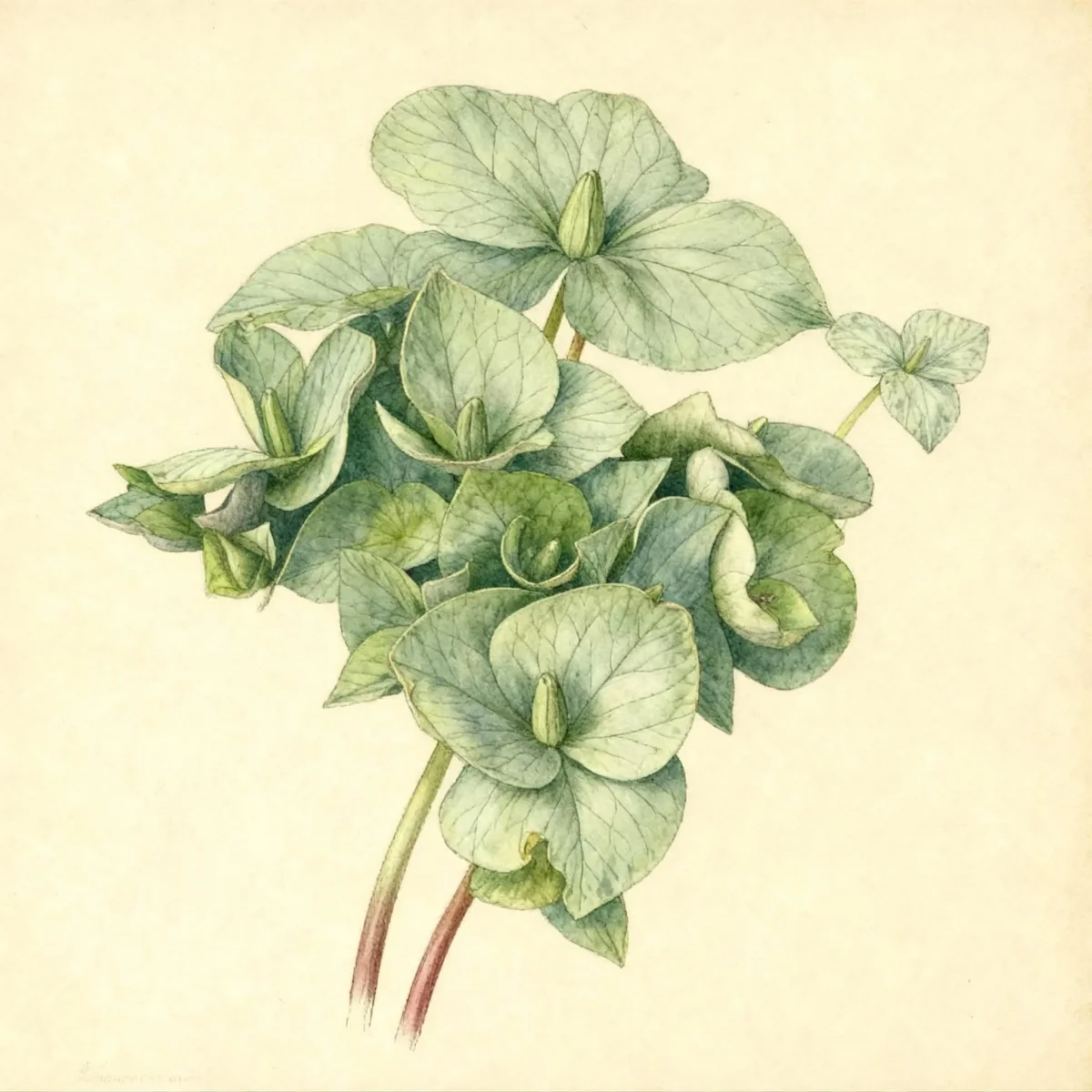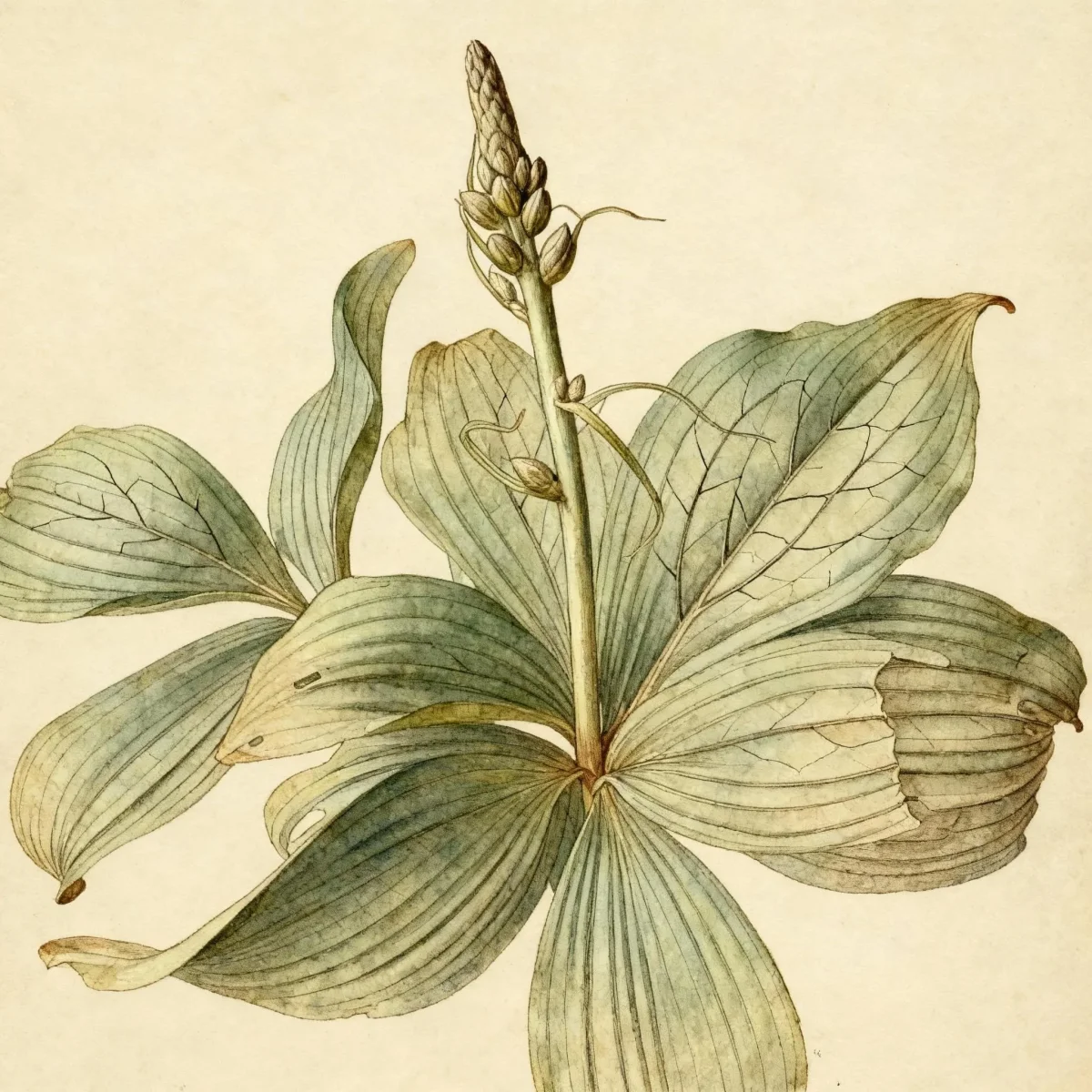

Wood lily (Trillium sessile)
Discover the Wood lily (Trillium sessile), a striking spring ephemeral known for its mottled leaves and deep red, stalkless flowers.

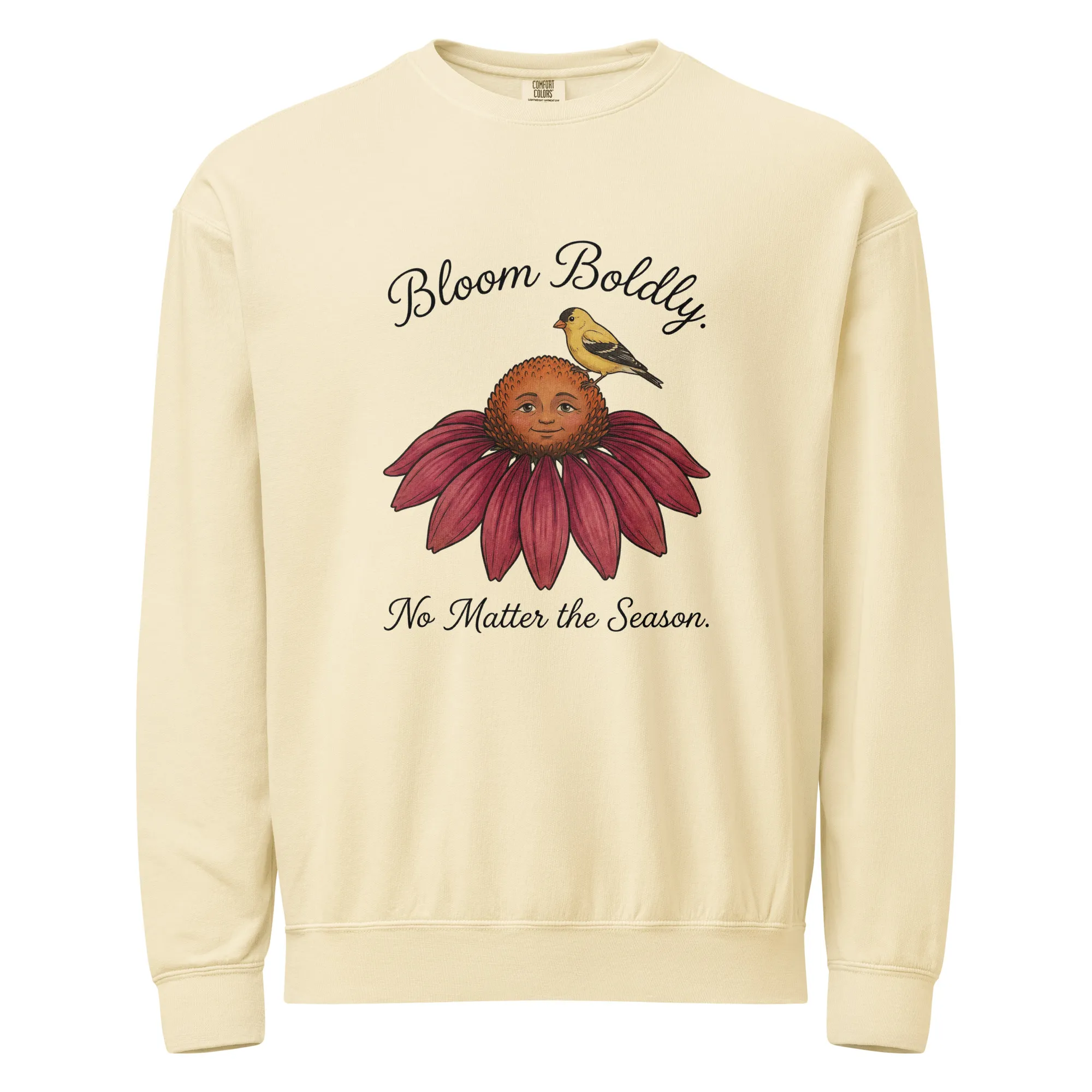
Bloom Boldly, No Matter the Season - Sweatshirt
Cozy organic cotton sweatshirt featuring our exclusive Purple Coneflower design. Perfect for gardeners who bloom year-round.
Inspired by the beautiful Wood lily
Limited first batch (50) — join the waitlist for early access
Waitlist closes Feb 15, 2026.
Complete Plant Information
Field Guide Continues
Ready for care notes, companion picks, and planting tips?
The map is just the start. The full guide below covers growth habits, seasonal performance, and landscape uses.
Overview
The Wood lily, scientifically known as Trillium sessile, is an iconic North American woodland wildflower prized for its early spring color and unique foliage. This plant stands out due to its sessile flowers—meaning they lack a stalk and sit directly above a whorl of three distinctive, mottled leaves. As a classic ephemeral, the Wood lily provides essential early-season interest before the canopy fully closes.
This herbaceous perennial thrives in rich, humusy forest settings, perfectly mirroring its native habitat in the Northeastern United States. While its dark red to maroon blooms may possess a musky fragrance, its architectural structure and pattern of the three leaves make Trillium sessile a highlight in shaded garden beds. Gardeners value this species for its low-growing habit and ability to naturalize slowly across favorable cool, damp ground.
Trillium sessile requires specific environmental conditions to flourish, demanding consistent medium moisture and protection from harsh afternoon sun. Successful cultivation relies on replicating the dappled light and rich, well-drained soil typical of the forest floor. Due to its sensitivity to disturbance, especially transplanting, it is best admired where it is established or carefully placed during dormancy.
Fast Facts
- Plant Family: Melanthiaceae
- Plant Type: Herbaceous perennial
- Native Range: Northeastern United States
- Hardiness Zones: USDA Zones 4-8
- Size at Maturity:
- Height: 0.5-1 ft
- Spread: 0.5-1 ft
- Bloom Time: April to May
- Bloom Description: Maroon to brownish purple to dark red
- Sun Exposure: Part shade to full shade
- Water Needs: Medium
- Maintenance Level: Medium
How to Grow
Planting the Wood lily is best accomplished in the fall while the plant is dormant, positioning the rhizomes just beneath the surface of rich, humusy soil. Ensure the location receives part shade to full shade, mimicking the conditions beneath deciduous trees where sunlight is filtered. The soil must be well-drained, as standing water will quickly damage the thick, underground rhizomes of Trillium sessile.
During the growing season, maintain medium moisture levels; Trillium sessile needs regular watering, especially as it pushes up new growth or if the upper soil layer begins to dry out. Fertilization is generally unnecessary if the natural soil is adequately rich in organic matter, as excessive nutrients can sometimes harm native woodland species. Avoid disturbing the soil around the plant once established, as this clump-forming perennial resists division and relocation.
A key seasonal consideration is managing foliage dieback. The leaves of the Wood lily often die back to the ground by mid-summer, particularly if summer moisture is insufficient. Do not mistake this for plant death; this dormancy cycle is normal. Avoid summer watering when foliage has completely receded, allowing the plant to rest. It is difficult to propagate Trillium sessile successfully from seed, so patience with established clumps is crucial.
Landscape Uses
The primary role of the Wood lily in garden design is as a classic spring-blooming highlight in woodland settings. Its architectural symmetry and unique coloration make it an excellent candidate for mass planting under mature trees or large shrubs where dappled light prevails from April through May. When planted in drifts, the collective effect of the mottled foliage and deep red flowers creates a rich tapestry that announces the arrival of spring.
This perennial mixes beautifully with other shade-loving spring ephemerals, such as Virginia Bluebells, Bloodroot, and various native ferns, which can fill in the visual space once the Trillium sessile foliage begins to recede later in the season. Avoid placing the Wood lily near traditional perennial borders where aggressive competitors might crowd it out or where soil conditions are typically drier, as this plant does not transplant well once settled.
Standout Features
Flower Qualities
- Showy
- Fragrant
Noteworthy Characteristics
Trillium sessile, sometimes commonly called toad trillium, is a Missouri native that grows up to 12” high. An unbranched, naked stem is topped by three, evenly-spaced, sessile, ovate, dark green, leaf-like bracts (up to 4” long) that are mottled with purple or white. The flower (2” high) features three erect petals of variable color (maroon to brownish purple to dark red) and appears stalkless atop the center of the three-leaf whorl. This specific characteristic, where petals appear directly on the whorl of leaves, distinguishes the Wood lily and gives it its species name meaning “stalk-less.”
Tolerances
Potential Problems
Trillium sessile is generally robust and rarely suffers from serious insect infestations or diseases when grown in appropriate conditions. The most significant challenge for gardeners involves root disturbance; this flower does not transplant well and should strongly not be dug from the wild. If an existing clump needs moving, wait until late summer or fall (dormancy) and attempt to move the entire root ball with minimal soil disruption. Protect the area from foot traffic to prevent compacting the delicate rhizomes.
Frequently Asked Questions
What hardiness zones is Wood lily suitable for?
The Wood lily (Trillium sessile) is hardy and reliably perennial in USDA Hardiness Zones 4 through 8.
How large does Wood lily grow?
This species typically reaches a mature height between 0.5 and 1 foot tall, with a complementary spread of 0.5 to 1 foot wide.
What sun exposure does Trillium sessile need?
For optimal health, ensure Trillium sessile receives part shade to full shade; direct, intense afternoon sun should be avoided.
When does Wood lily bloom?
The characteristic flowers of the Wood lily appear relatively early in the season, usually blooming from April to May, exhibiting colors ranging from maroon to brownish purple to dark red.
Conclusion
The Wood lily (Trillium sessile) offers irreplaceable structure and early color ideal for shady woodland gardens. Its marbled foliage and unique, stalkless terminal flower make it a centerpiece among spring ephemerals. Ensure you check your local zone compatibility and plan your planting for the fall to give your new Wood lily the best chance to establish successfully.
Companion Planting
When designing a native spring ephemeral display, select companions that share the need for cool, moist, humus-rich soil and part shade. Ferns, such as Maidenhair or Ostrich Ferns, are excellent partners, as their texture contrasts beautifully with the broader leaves of the Wood lily foliage. Consider pairing Trillium sessile with other early bloomers like Mayapple (Podophyllum peltatum) or various native wild ginger species, which help fill in the woodland floor after the trilliums begin senescing their leaves in summer.
Seasonal Care Calendar
Spring is the critical active growth period for Trillium sessile. Focus on keeping the soil consistently moist as blooms emerge and foliage develops; check moisture levels weekly during dry spells. Once summer solstice passes and the leaves completely disappear, cease active watering to encourage winter dormancy, allowing the rhizomes to rest undisturbed. In late fall or very early spring before new growth starts, top-dress the planting area lightly with a thin layer of leaf mold or well-rotted compost to replenish the vital organic matter this species requires.