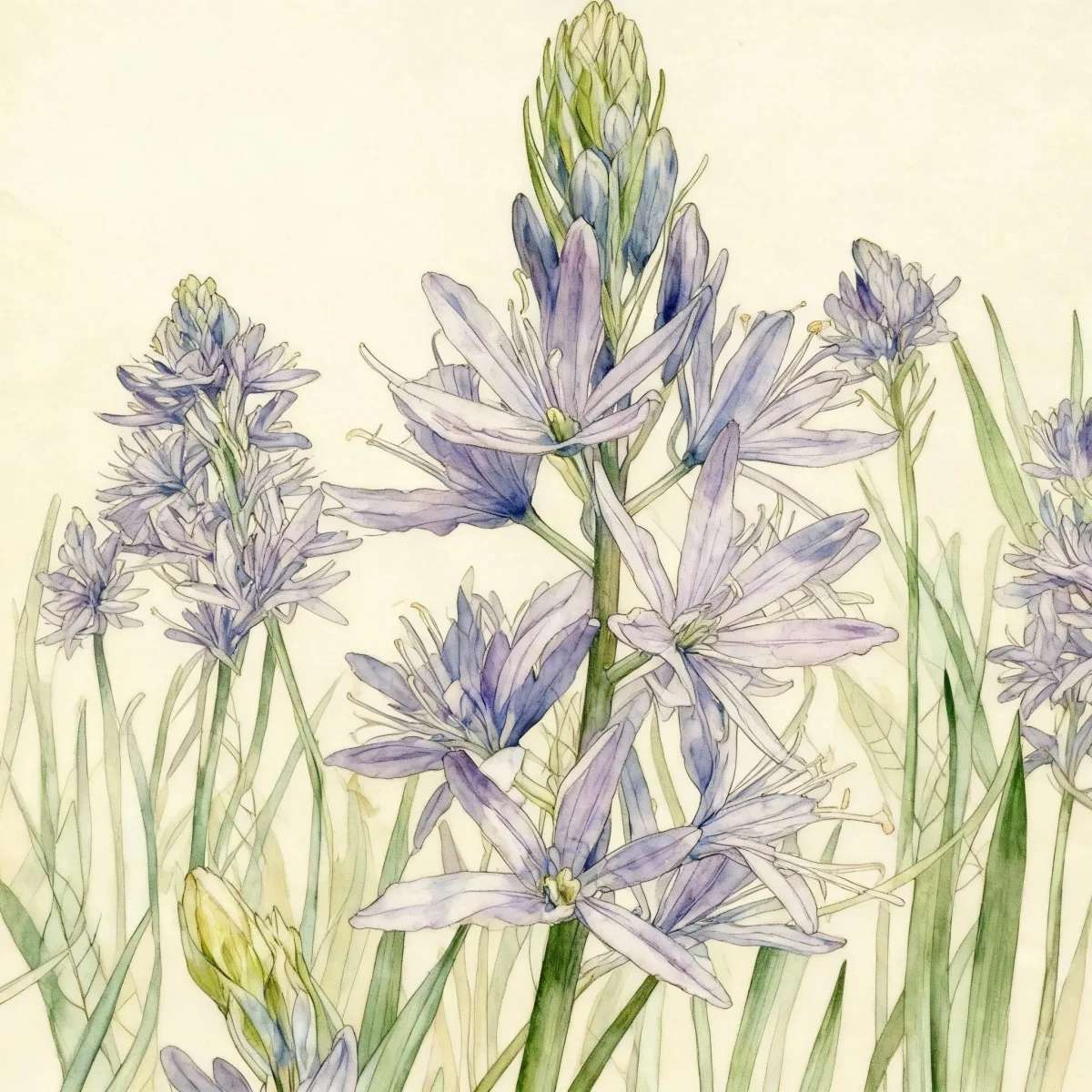
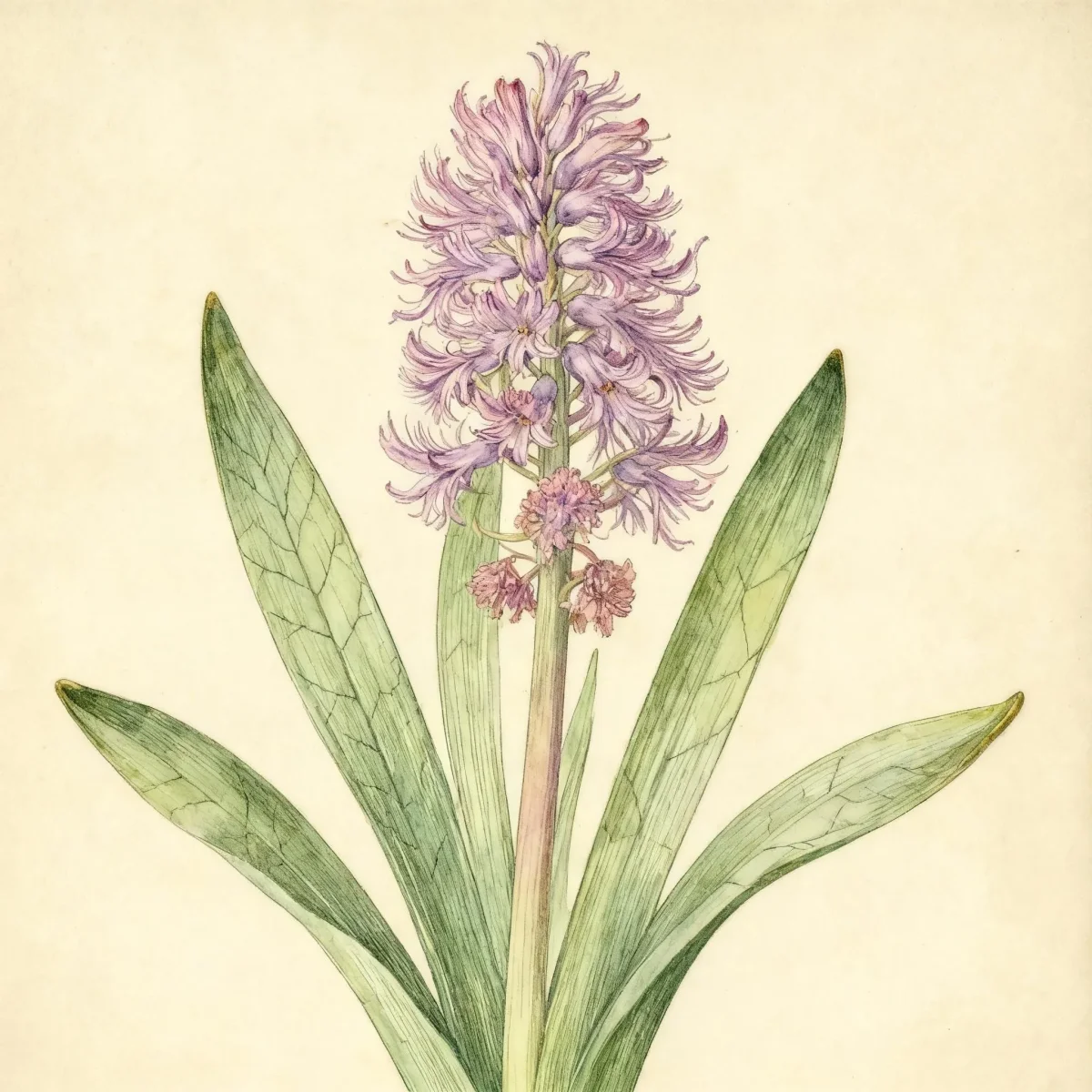
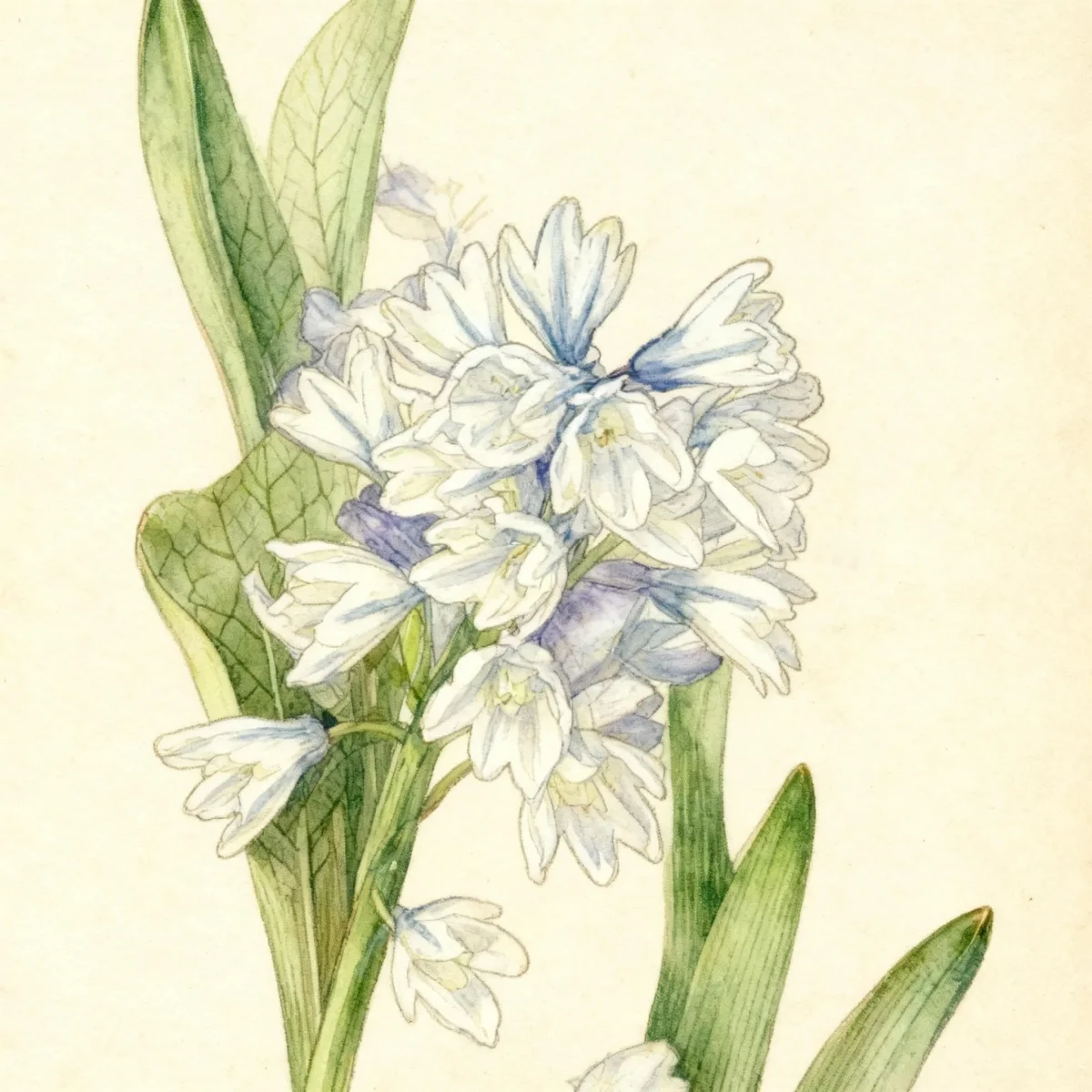
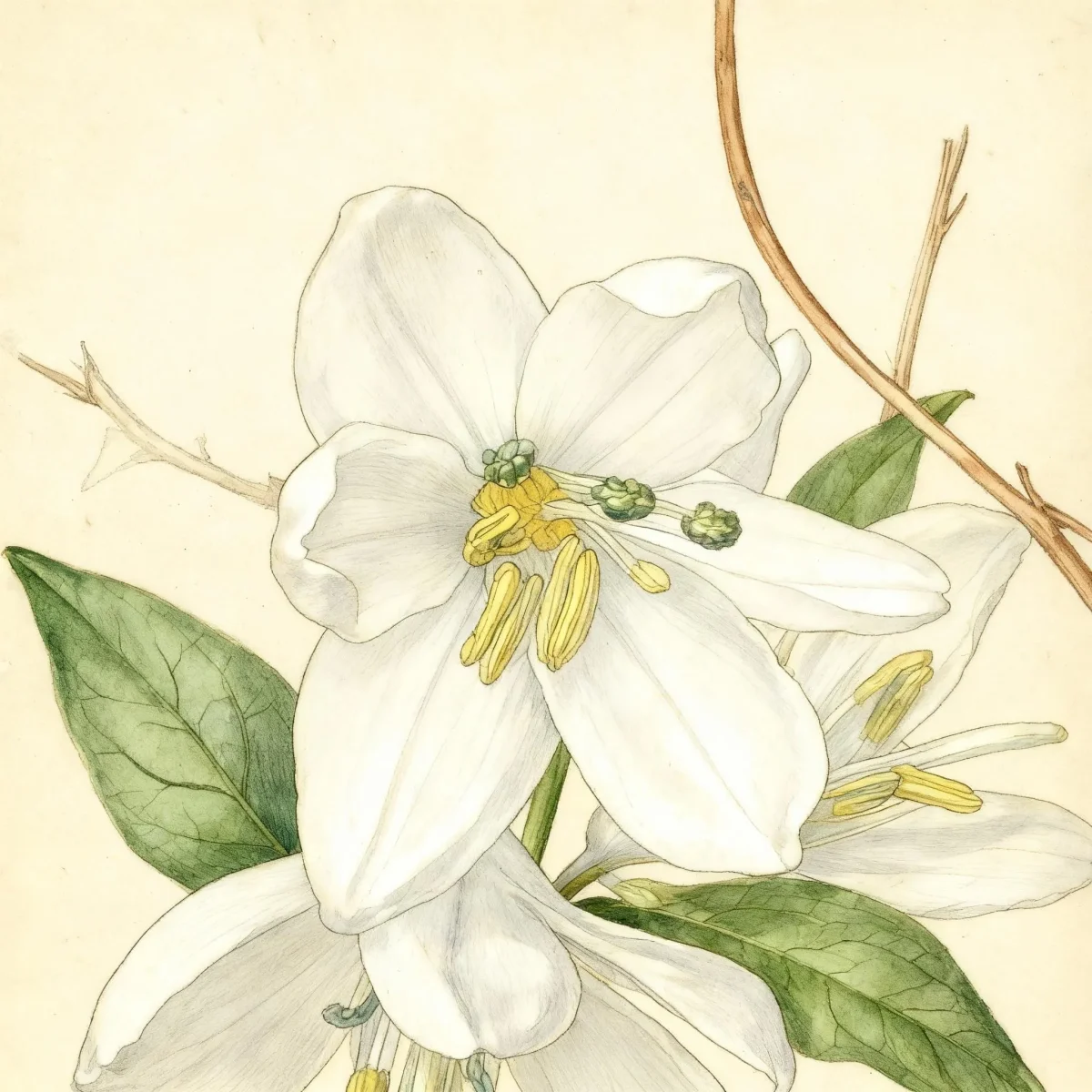
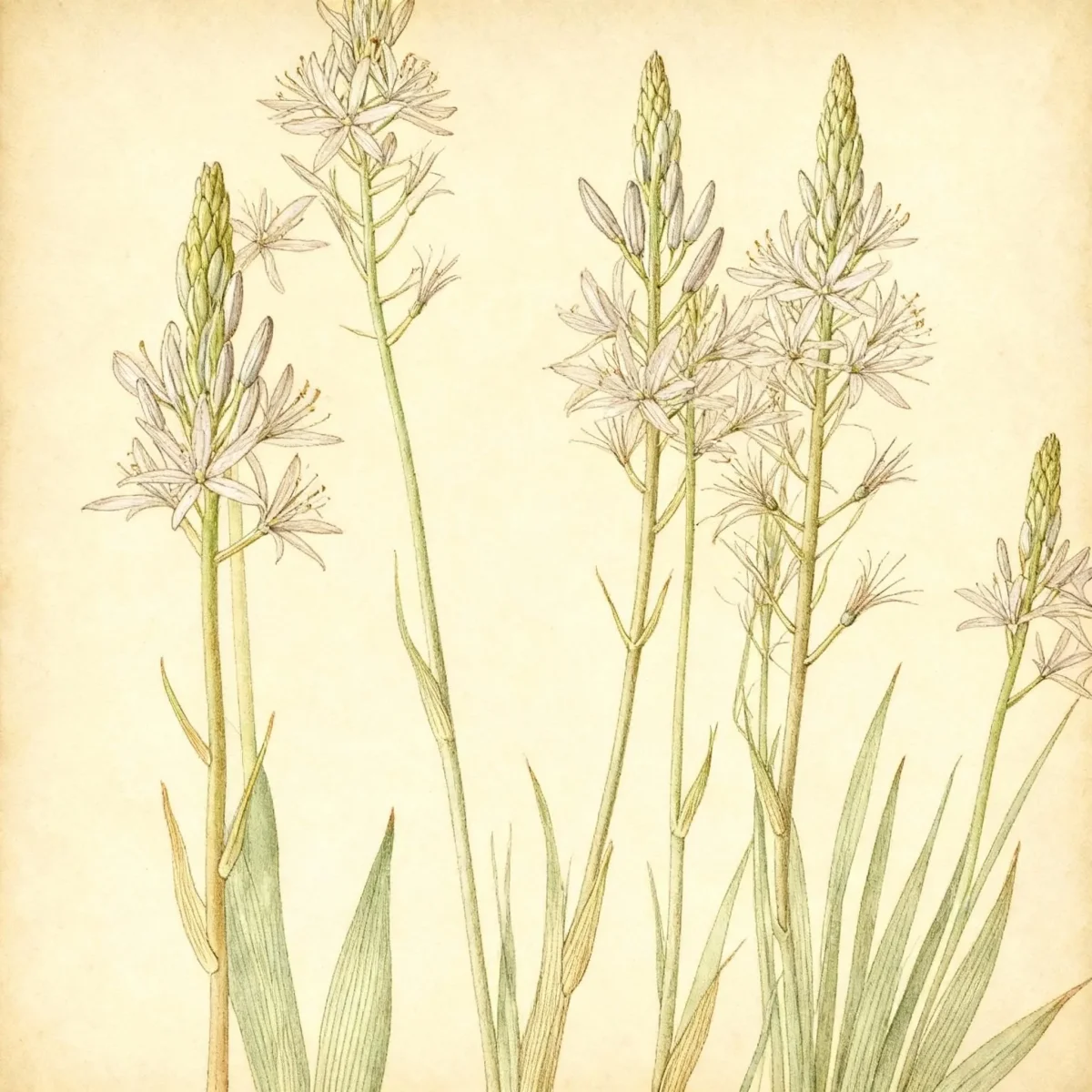
Large camas (Camassia leichtlinii)
Discover Camassia leichtlinii, the Large camas, a stunning spring bulb featuring showy white to purple blooms ideal for moist gardens.

Bloom Boldly, No Matter the Season - Sweatshirt
Cozy organic cotton sweatshirt featuring our exclusive Purple Coneflower design. Perfect for gardeners who bloom year-round.
Inspired by the beautiful Large camas
Limited first batch (50) — join the waitlist for early access
Waitlist closes Feb 15, 2026.
Complete Plant Information
Field Guide Continues
Ready for care notes, companion picks, and planting tips?
The map is just the start. The full guide below covers growth habits, seasonal performance, and landscape uses.
Overview
The Camassia leichtlinii, commonly known as Large camas, is a captivating spring-flowering bulbous perennial native to the moist slopes and meadows of Western North America. This plant offers significant aesthetic value with its impressive terminal racemes packed with star-shaped flowers, providing essential early color before many other perennials emerge. Gardeners favor Camassia leichtlinii for its relatively low maintenance needs and unique tolerance for moist, even wet, soil conditions.
Growing to heights between 3 and 4 feet, the structure of the Large camas provides vertical interest as stout, naked flower stems rise above the clump of strap-like foliage. The spectacular bloom display features flowers ranging from pure white to cream, blue, or purple, all accented by bright yellow anthers. Successful cultivation hinges on mimicking its native habitat, ensuring adequate moisture during the spring growing season.
As a highly adaptable bulb, Camassia leichtlinii is an excellent choice for naturalized settings, rain gardens, or informal borders where its early splendor can be enjoyed. Although the foliage can look somewhat untidy after flowering concludes, its ease of care and striking spring performance make the Large camas a valuable addition to any landscape focused on naturalistic spring displays.
Fast Facts
- Plant Family: Asparagaceae
- Plant Type: Bulb
- Native Range: Western North America
- Hardiness Zones: USDA Zones 5-9
- Size at Maturity:
- Height: 3-4 ft
- Spread: 1-2 ft
- Bloom Time: April to May
- Bloom Description: White, cream, blue or purple with yellow anthers
- Sun Exposure: Full sun to part shade
- Water Needs: Medium
- Maintenance Level: Low
How to Grow
For optimal performance, plant Camassia leichtlinii bulbs in the fall, setting them 4 to 6 inches deep and spaced about 6 inches apart. This spring-flowering bulb thrives in moist, fertile, acidic, and humus-rich soils, although it adapts well to various conditions. While it prefers full sun, it will tolerate partial shade, especially as summer approaches.
Watering is crucial during the active growth cycle. Ensure regular moisture throughout the spring when the leaves and flowers are developing. Once the plant has finished blooming and begins its summer dormancy, it can handle drier soil conditions, though consistent moisture is generally preferred over drought.
Large camas requires very little intervention once established; it is best left undisturbed for years to allow for natural spreading and clump formation. Maintenance is generally low, as this plant rarely suffers from serious pests or diseases, and the stems are strong enough to stand unsupported. While it can be grown from seed, be patient, as seedlings may take three to four years to produce mature blooms.
Landscape Uses
The upright stature and brilliant spring blooms of Camassia leichtlinii make it a perfect anchor for late spring interest. Consider mass plantings—groups of at least 15 bulbs—to create sweeping natural drifts in wildflower meadows or open woodland borders, mimicking their native habitat. Because they perform best in moist sections of the garden, they are an outstanding structural element in a designated rain garden setting.
Due to the foliage decline that occurs post-bloom, avoid placing Camassia leichtlinii where its dying leaves will be highly visible in high-profile perennial borders. Instead, utilize them near the periphery of water gardens or ponds, or integrate them amongst later-blooming perennials that will grow up to obscure the foliage as they mature. The flowers are also excellent for fresh-cut arrangements.
Standout Features
Flower Qualities
- Showy
- Good Cut
Noteworthy Characteristics
Camassia leichtlinii, sometimes called Leichtlin’s camass, is a spring-flowering bulbous perennial that typically grows on moist slopes and moist mountain meadows west of the Cascades and Sierras from British Columbia to southern California. Star-shaped flowers (2-3” wide) appear in upright terminal racemes, opening sequentially on stout stems that rise above the foliage clump in late spring. The genus name is significant as the bulb was historically used as a food source by Native Americans and early settlers.
Tolerances
- Clay Soil
- Dry Soil
- Wet Soil
- Black Walnut
Potential Problems
Fortunately, growing Camassia leichtlinii typically results in very few horticultural conflicts. This bulb is largely problem-free regarding serious insect infestations or common fungal diseases. The robust, stout flower stems rarely lodge or require staking, simplifying maintenance throughout the blooming period. Gardeners should focus instead on providing the correct cultural conditions—moist, fertile soil—while respecting its need for summer dormancy.
Frequently Asked Questions
What hardiness zones is Large camas suitable for?
The Large camas is generally suited for USDA hardiness zones 5 through 9.
How large does Camassia leichtlinii grow?
This species can reach mature heights of 3 to 4 feet, spreading outwards to occupy 1 to 2 feet in width once established.
When does Camassia leichtlinii bloom?
This spring bulb typically flowers between April and May, displaying striking flowers that may be white, cream, blue, or purple.
What sun exposure does Large camas need?
Camassia leichtlinii prefers full sun for the best flowering performance but will successfully grow in areas receiving partial shade.
Conclusion
The Large camas, or Camassia leichtlinii, offers gardeners exceptional sculptural height and vibrant color early in the season, all while demanding minimal care. Its unique tolerance for both dry and wet soil, coupled with its resistance to common pests, secures its place as a reliable spring feature. Before planting, confirm your local climate falls within USDA Zones 5-9 and plan for fall planting to enjoy the splendor of Camassia leichtlinii next spring.
Companion Planting
Selecting appropriate companions for Camassia leichtlinii centers on matching its cultural demands, particularly the requirement for moist spring conditions followed by dry summer dormancy. Plants that enjoy similar soil profiles but do not aggressively compete or completely smother the foliage as Camassia dies back are ideal. Consider pairing it with other moisture-loving perennials that emerge later, such as certain irises or Astilbe, ensuring the dying Camassia foliage is naturally obscured by new growth.
Another excellent strategy is naturalizing Large camas alongside spring ephemerals that share woodland edge habitats. Early blooming native woodland phlox or Trillium species can complement the Camassia’s bloom period. Since Camassia bulbs prefer to be left undisturbed, ensure that companion plants are also slow-spreading or those that are easily divided when necessary, maintaining the integrity of the established Camassia clumps.
Design Ideas for Massing Bulbs
Massing bulbs like Camassia leichtlinii is key to achieving a naturalistic, high-impact aesthetic reminiscent of western meadows. Avoid spacing individuals too widely; instead, plant bulbs in random clusters covering an area of 6 square feet or more to create a visual flow when they bloom simultaneously in April and May. This technique is particularly effective leading up to a woodland edge or across a gentle slope.
For a more formal incorporation, use the Large camas as an architectural backdrop in a mixed border, positioning them towards the rear since they achieve 4 feet in height. Use low, creeping groundcovers at the front to soften the edge while waiting for later summer perennials to fill in the space left by the fading Camassia leichtlinii foliage. This layered approach ensures continuous garden interest throughout the season.