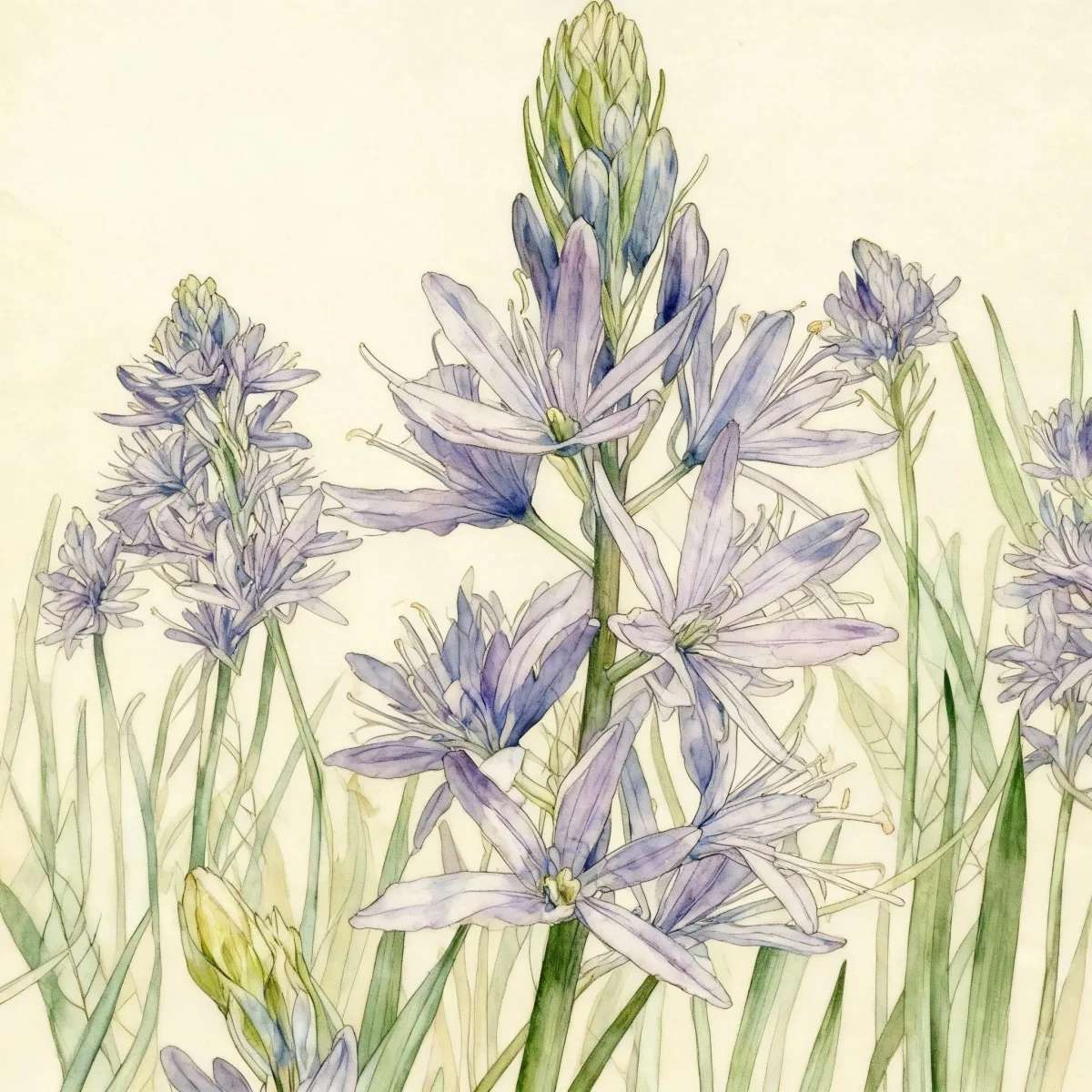
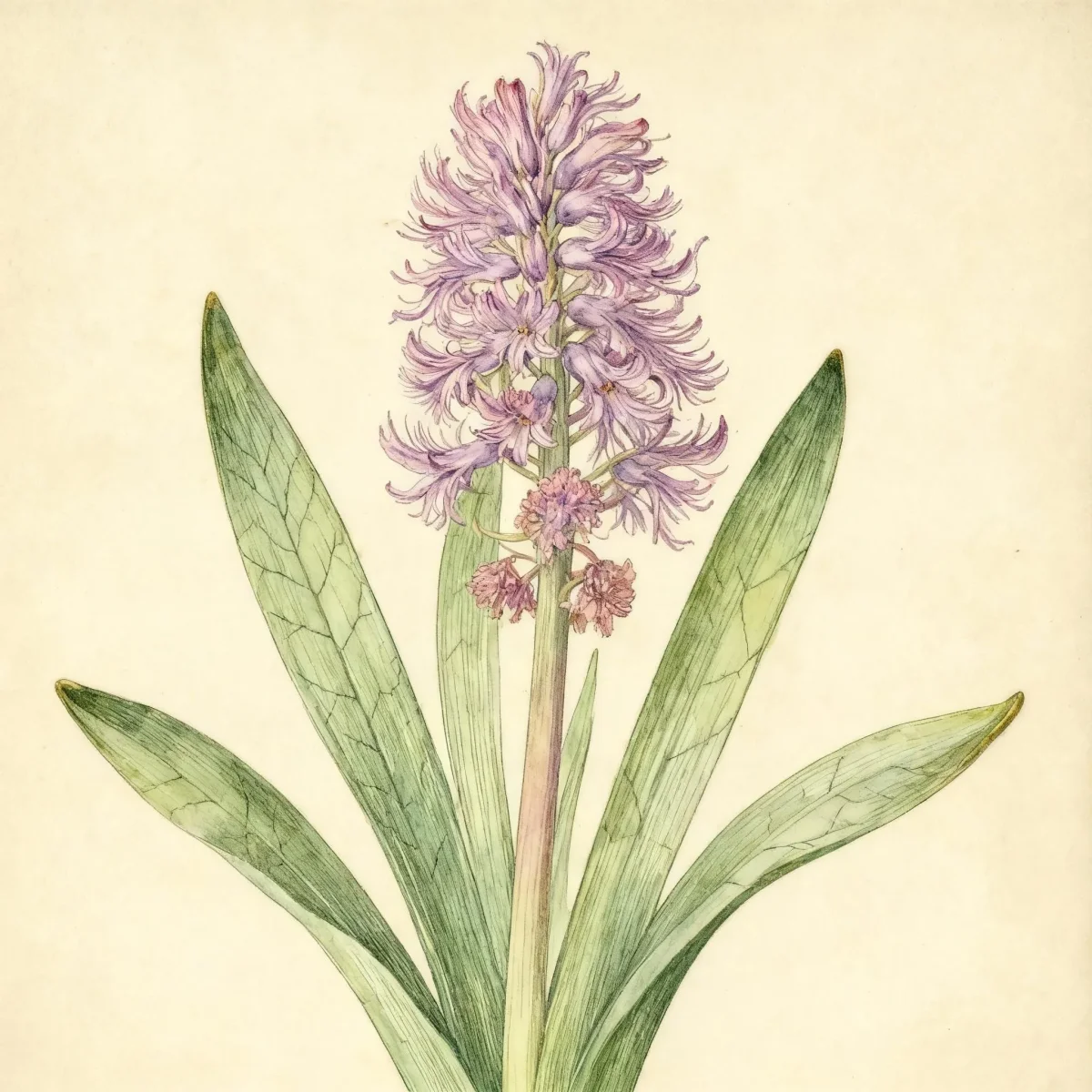
Wild hyacinth (Camassia scilloides)
Discover Wild hyacinth (Camassia scilloides), a low-maintenance bulb featuring showy pale blue flowers in spring meadows and woodlands.


Bloom Boldly, No Matter the Season - Sweatshirt
Cozy organic cotton sweatshirt featuring our exclusive Purple Coneflower design. Perfect for gardeners who bloom year-round.
Inspired by the beautiful Wild hyacinth
Limited first batch (50) — join the waitlist for early access
Waitlist closes Feb 15, 2026.
Complete Plant Information
Field Guide Continues
Ready for care notes, companion picks, and planting tips?
The map is just the start. The full guide below covers growth habits, seasonal performance, and landscape uses.
Overview
The Camassia scilloides, widely known as Wild hyacinth, is a prized native bulb celebrated for its reliable spring display of delicate, pale blue to white flowers. This perennial adds vertical interest to damp meadows and woodland edges as one of the earliest flowers to emerge. Its relatively easy nature and adaptation to various soil types make Camassia scilloides a natural choice for ecological restoration and informal spring gardens.
Valued for its striking floral presentation and low input requirements, this species thrives with minimal fuss once established. Gardeners appreciate its ability to naturalize slowly, creating beautiful drifts of color. While the blooms are attractive, remember that the basal foliage of the Wild hyacinth fades quickly after flowering, indicating its move toward summer dormancy.
Originating from Central and Eastern North America, this Camassia scilloides offers functionality beyond aesthetics, historically serving as a food source for various indigenous cultures. For modern gardeners, its primary benefit lies in providing crucial early nectar for emerging pollinators in native wildflower plantings.
Fast Facts
- Plant Family: Asparagaceae
- Plant Type: Bulb
- Native Range: Central and eastern North America
- Hardiness Zones: USDA Zones 4-8
- Size at Maturity:
- Height: 1-3 ft
- Spread: 1-2 ft
- Bloom Time: April to May
- Bloom Description: Pale blue to white flowers
- Sun Exposure: Full sun to part shade
- Water Needs: Medium
- Maintenance Level: Low
How to Grow
Plant Camassia scilloides bulbs in the fall for spring color. Choose a location that receives full sun, although the plant will easily tolerate the dappled light of open woodland conditions. The ideal soil structure is moist, fertile, acidic, humusy, and well-drained. Plant the bulbs about 4-6 inches deep and space them approximately 6 inches apart.
Watering is critical during the active growth and bloom period in spring, requiring medium moisture levels. Once the flowers fade and the plant prepares for summer dormancy, it can tolerate considerably drier conditions. Wild hyacinth resents being disturbed, so select a permanent location for best results.
This perennial handles clay soils readily, making it adaptable to many garden situations where other spring bulbs might struggle. If you choose to propagate by seed, patience is required, as seedlings typically will not produce flowers until their third or fourth year. Gardeners seeking low maintenance will find Camassia scilloides an excellent addition.
Landscape Uses
The strength of Camassia scilloides lies in mass plantings rather than as a solo specimen, as the foliage declines rather quickly post-bloom. Plant groups of at least 15 bulbs together to create a significant impact in open woodland areas, wildflower meadows, or along naturalized borders. This method best showcases the showy spring display.
Consider using Wild hyacinth where its mid-summer dormancy won’t expose bare patches; informal settings like native plantings or stream banks are ideal compliments. Because of its preference for moisture during growth, it also works well as an accent plant near the periphery of a water garden or pond edge. Its vertical habit contrasts beautifully with lower-growing spring ephemerals.
Standout Features
Flower Qualities
- Showy
- Good Cut
Noteworthy Characteristics
Camassia scilloides, commonly known as wild hyacinth, eastern camas or Atlantic camas, is a spring-flowering bulbous perennial that typically grows to 1-2’ (less frequently to 3’) tall. It is native to a variety of habitats including low rich woods, wet open woodlands, open meadows, stream banks, limestone glades, ledges, rocky slopes and prairies, often on calcareous soils, from Pennsylvania to Wisconsin south to Georgia and Texas. The bulbs of C. Scilloides are edible (raw, baked, roasted or boiled) and were once a significant food source for some native American Indians and early North American explorers/settlers.
Tolerances
- Drought
- Clay Soil
- Black Walnut
Potential Problems
This species is generally resistant, exhibiting no serious insect or disease problems during its active growing season. The stems are naturally strong and seldom require staking or support, even when growing near their maximum height of three feet. The primary aesthetic issue gardeners face is the foliage turning yellow and dying back after flowering, which signals the onset of its summer rest period.
Frequently Asked Questions
What hardiness zones is Wild hyacinth suitable for?
Camassia scilloides is hardy across a wide range, thriving in USDA Zones 4 through 8.
How large does Camassia scilloides grow?
This bulbous perennial generally reaches a height of 1 to 3 feet and spreads between 1 and 2 feet wide.
When does Wild hyacinth bloom?
The Wild hyacinth typically blooms relatively early in the season, from April into May, producing pale blue to white flowers.
What sun exposure does Camassia scilloides need?
This plant performs best in full sun but is tolerant of partial shade conditions, making it suitable for open woodlands.
Conclusion
Camassia scilloides offers a striking, low-maintenance addition to eastern North American landscapes, especially for those prioritizing native plants that bloom reliably in spring. With its showy, pale blue flowers and adaptability to clay soil, this perennial deserves space in informal settings. Check your local hardiness zone now and plan to plant your Wild hyacinth bulbs this coming fall for beautiful spring results.
Companion Planting
When designing plantings for Camassia scilloides, focus on species that can mask the foliage decline that occurs post-bloom. Native woodland geraniums (Geranium maculatum) or early-emerging wildflowers that leaf out later are excellent choices. Since Wild hyacinth prefers reliably moist spring conditions but demands dryness in summer dormancy, companion plants should share this cyclic water requirement or be resilient enough to handle the summer drought periods when the bulb goes dormant. Good companions include native ferns or late-spring bloomers like Iris cristata.
Propagation Tips
While the easiest method for increasing your stand of Camassia scilloides is allowing the bulbs to mature and multiply naturally, you can also grow them from seed if patience is available. Collect the small seed capsules after flowering and allow them to dry fully before sowing superficialy. Remember that germination and subsequent flowering are slow processes; expect seedlings to take three to four years before producing their first bloom. Once established, the bulbs should be left undisturbed in the ground to allow natural division to occur.